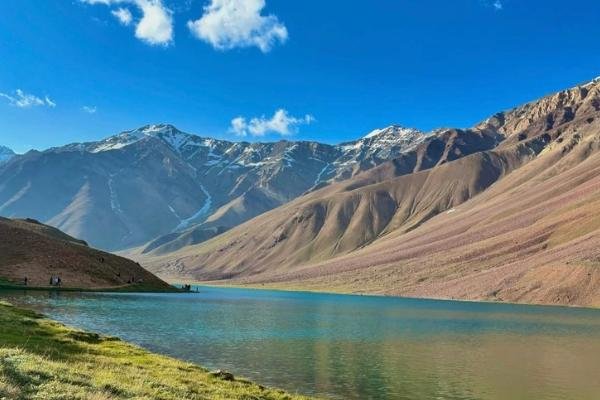
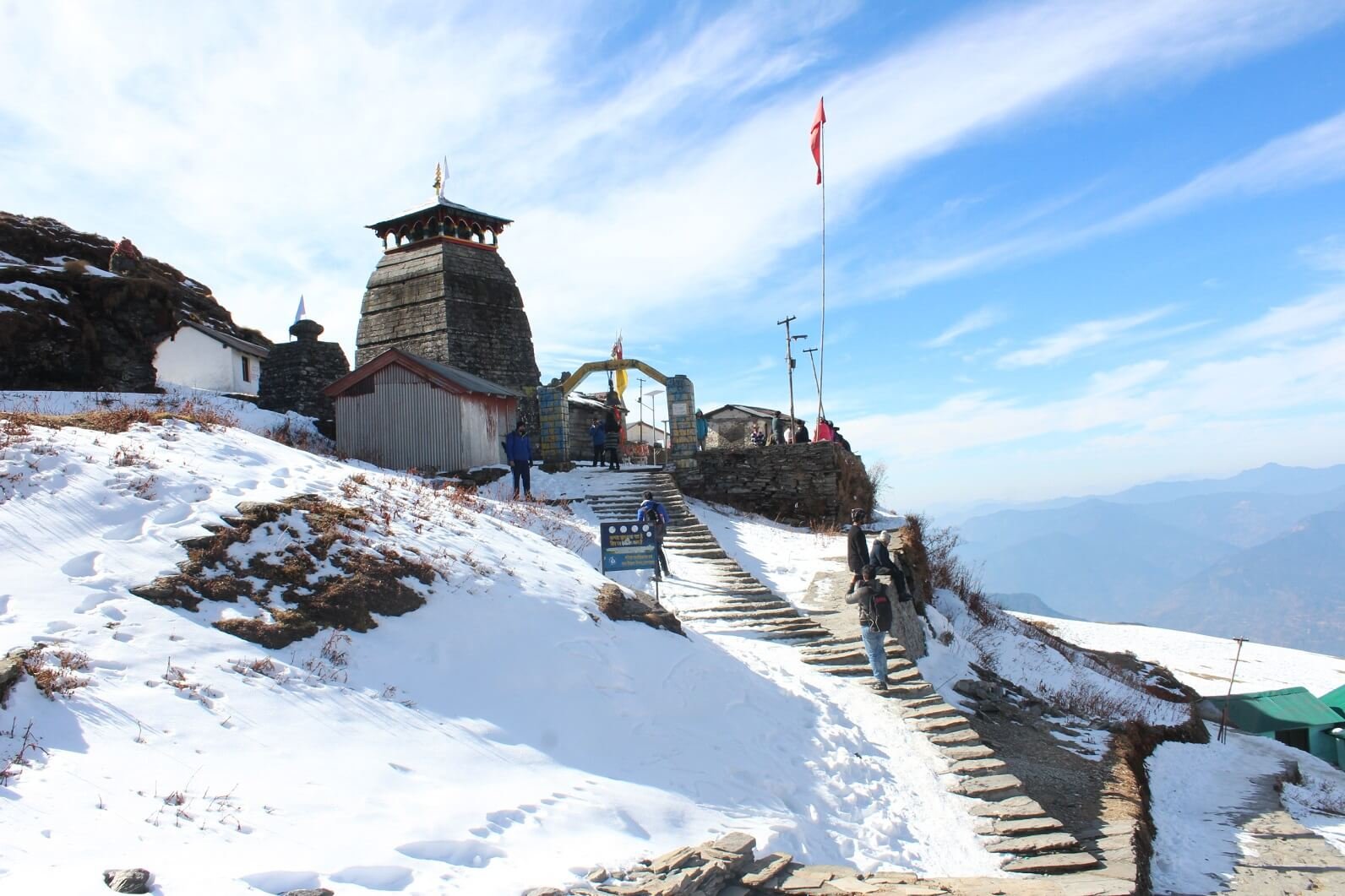
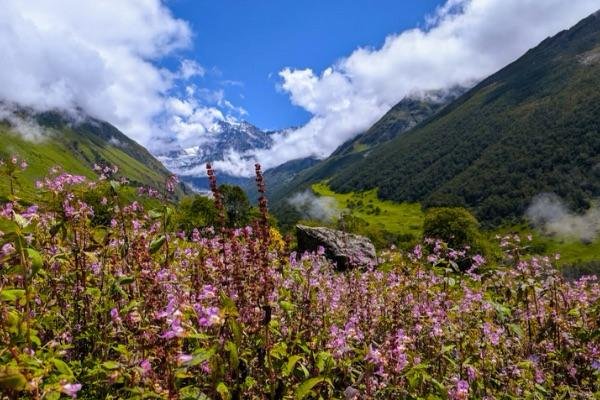
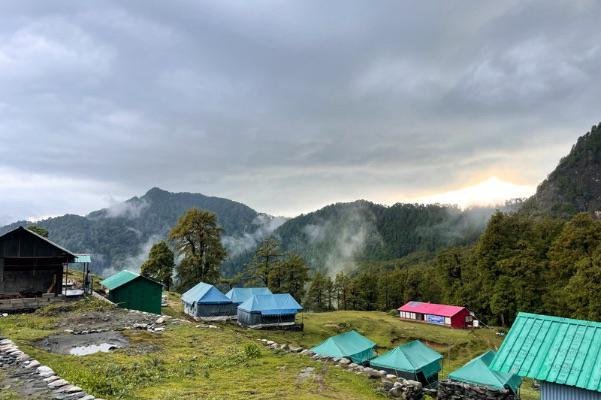
The Himalayas, the Western Ghats, the towering peaks of Sikkim India is a country that offers incomparable trekking to the lovers of nature diversity. As a mountaineer with so many seasons spent in the arms of these grand mountains, I maintain that our bond with nature is not only for fun; it is a spiritual one. In our tradition, the mountains are Devbhumi, the Land of the Gods.
Such deep respect, however, calls for an equivalent amount of responsibility. For all of us at Roopkund Heaven, besides plotting a new route, it is equally important to us to promote responsible travel. This is the point where the Leave-No-Trace principle becomes indispensable.
Leaving no trace is far from being just a bunch of rules from the West. It is quite simply the implementation of our duty to keep the holy nature of the wild intact. This handbook uses the Seven Principles of LNT as a base and then alters them into doable tasks that are fit for the hardships of Indian trekking, thus aiding you in making sure that the paths you cherish, be it Roopkund or Chadar, are still accessible to the nature lovers without being spoiled.
1. Plan Ahead and Prepare: The first step
Logistics and Local Sensitivity
- Know the Season and Route: Investigating is the key. Is your trekking during the rainy season (Western Ghats) or the snowy one (Himalayas)? By knowing the conditions, you avoid situations that result in an uncontrollable impact due to the necessity of seeking shelter off-trail.
- Permits and Local Rules: Always make sure of the required permits (e.g., for closed areas in Sikkim or Uttarakhand). Local communities will be grateful if you follow their rules about waste disposal and attend their clean and quiet sacred places.
- Food and Waste Management: The target is to have no litter at all.
- Minimize Packaging: Do all repacking of the food stuff at your place. Take off the cardboard boxes and the unnecessary plastic wrappers. Make use of sturdy, reusable containers.
- The Stove’s Glorious Side: Take along with you a small camping stove. In quite a few high-altitude areas, firewood is limited or destined for the local people only. By using a stove, you are not obliged to gather wood thus you do not contribute to deforestation and soil erosion.
Last year while our team was on a trek in Kedarkantha trek, a huge amount of instant noodle wrappers strewn near a high-altitude water source was something that shocked our whole group. Since then, Roopkund Heaven has made it compulsory for all trekkers to brief on this topic, include dustbins in all the camps and strictly ensures that trekkers don’t litter.
2. Travel and Camp on Durable Surfaces: The Path of Least Resistance
Every footstep makes its mark. What we aim at is to limit that mark to places that can endure it.
Trail and Campsite Selection
- Remain on the Established Trail: One of the major tendencies is to cut the switchbacks (zigzag paths) or to walk around the mud without thinking of the serious erosion that this will cause. If you are inconvenient, still follow the middle of the path.
- The Durable Surfaces: When you decide on a location for your next night, be certain that you are on a durable surface.
- Existing Campgrounds: Most of all, in the popular treks like Brahmatal or Kedarkantha. Impacted sites are the ones that should be used.
- Rock and Bare Soil: The reason is that these surfaces can recover very quickly. Besides, do not set your tent on fragile meadows (Bugyals) or places with high grass.
- The Water Safety Zone: Make sure your tent is at least 60 metres (approximately 70 steps) away from any stream, river, or lake. The riparian zone is being protected, the water stays pure, and the habitat is free for the animals.
3. Dispose of Waste Properly: Honouring the Land
The Triple Rule for Human Waste
- Solid human waste should be buried in a “cathole” which is 6 to 8 inches deep and at least 60 meters away from the water, trails, and campsites.
- Cover and Camouflage: After completing the task, cover the hole entirely with the original dirt and disguise it with natural materials (leaves, stones).
- Probably the most important one toilet paper and wipes are not decomposed fast enough in cold, high-altitude regions. Bring along a specially designed, tightly closed plastic bag (“Wag Bag”) for all the hygiene products and take it with you. There are no exceptions.
Greywater and Litter
- Dishwater Disposal: Do not wash the dishes or use soap directly in the water sources. Water should be taken away from the source (60 meters) and the strained wastewater should be scattered widely on bare soil.
- Micro-Trash: Have a little pocket with you at all times for wrappers, cigarette butts, twist ties, and tiny bits of plastic. Even the smallest piece of litter greatly diminishes the experience of trekking.
4. Leave What You Find: The Spirit of Stillness
Leave nature as it is so the next visitor will be equally amazed as you were.
- No Collecting: Do not take rocks, flowers, moss, or archaeological artifacts. Besides, do not carve your initials on trees or mark trails with stacked stones (Cairns) unless they are official navigation marks.
- Respecting Historical Sites: Help the ancient buildings, prayer flags, or Chortens (Buddhist stupas) by your utmost care. They are the cultural tapestry of the region.
5. Minimize Campfire Impacts: The Sacred Flame
Even though a fire provides warmth and a communal spirit, its long-term impact can be permanent.
- Fire or Stove: Nevertheless, a backpacking stove should be the primary choice for cooking.
- Use Existing Rings: Only utilize fire rings left by former campers.
- Keep It Small: Only use that which you can break with your hand. Never chopping or collecting wood from trees that are standing, be it dead or alive.
- The Fire Pan Method (Roopkund Heaven Standard): If there is no fire ring, use a metal fire pan or create a mound fire (on a layer of mineral soil). By doing so you are protecting the ground underneath from getting burned.
- A fire is definitely put out when it is cold to the touch. Water it, stir the embers, and repeat the process until it is completely cold.
6. Respect Wildlife: Observing Our Fellow Beings
In India, the trails are shared with us by an amazing biodiversity from Himalayan monals to various species of bears.
- Keep a Distance: Watch wildlife from afar. Do not get close or feed the animals. Please, do not feed them as it is a death sentence, because it accustoms them to humans and as a result, there will be conflicts.
- Keep Food Safe: The main rule of giving right hand to responsible trekking is the correct storing of food and scented things (toothpaste, sunscreen) in bear canisters, bear bags or securely hanging them away from your tent and the ground.
7. Be Considerate of Other Visitors: Sharing the Peace
The high mountains offer a unique experience of silence and solitude. Our actions must preserve this experience for others.
- Trail Etiquette: It is a rule of courtesy that when two groups meet, the one that is going uphill must allow the other to pass. Those coming down should step aside, so that the going up ones can continue.
- Noise Control: Try to keep the noise down of your talking, especially when you are passing through local villages or near remote campsites. Use headphones if you want to listen to music and do not play it loud in the wilderness.
- Group Size: Limit your trekking group to a small number (preferably 15-18 people). The large ones are not only that they make a lot of noise quickly, require a lot of resources and cause more trail damage than their size would suggest.
The Trekker's Vow
The essence of the trek is not simply the view from the top, but the feeling of being connected with the land, the air, and the communities inhabiting these mountains.
Our promise to the mountains is what following the Seven Principles of Leave-No-Trace really means. Respecting a place is something different from merely visiting it.
As responsible Trekkers and members of the Roopkund Heaven community, let us not forget to leave our wonderful trails exactly how we discovered them: unspoiled, untouched, and ready to greet the next generation.
Enjoy your trip and be a responsible trekker!