Chopta Chandrashila Trek
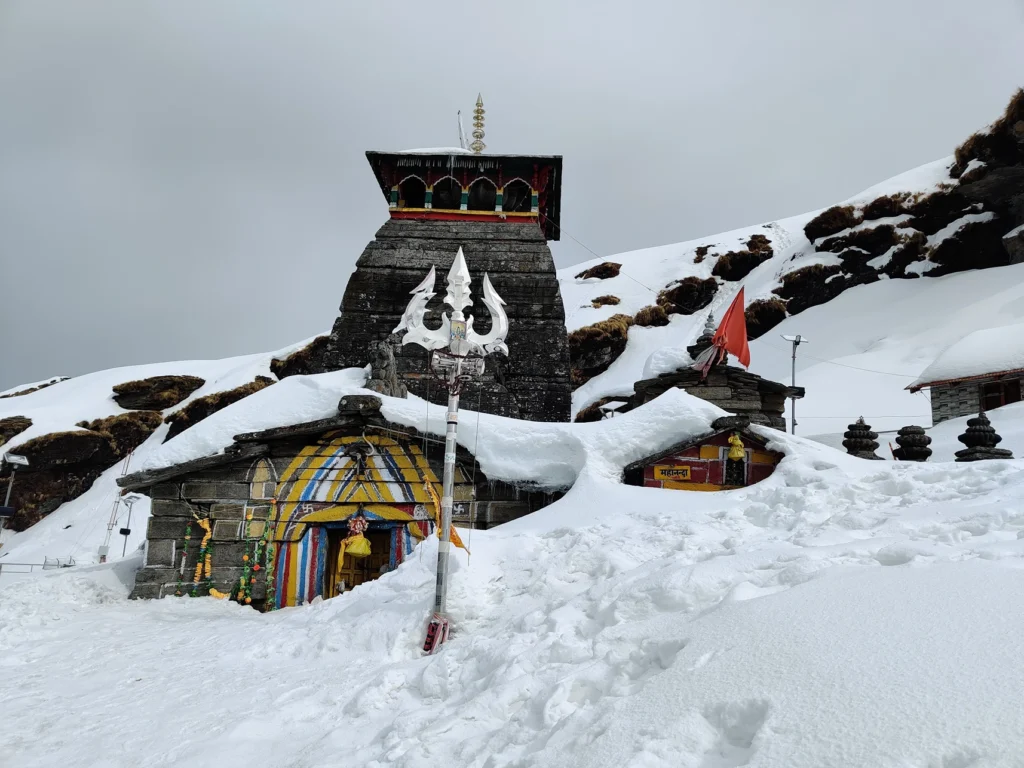
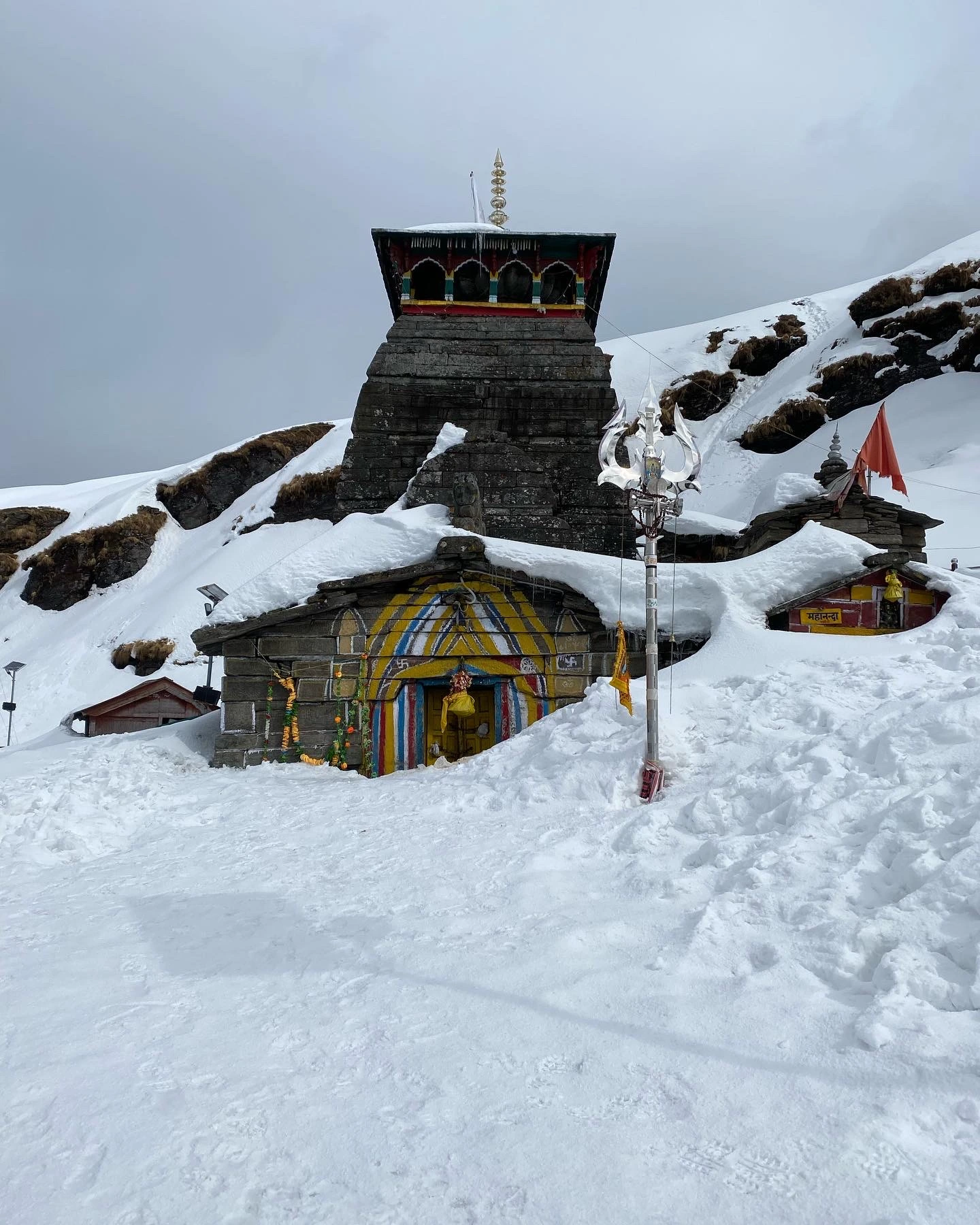
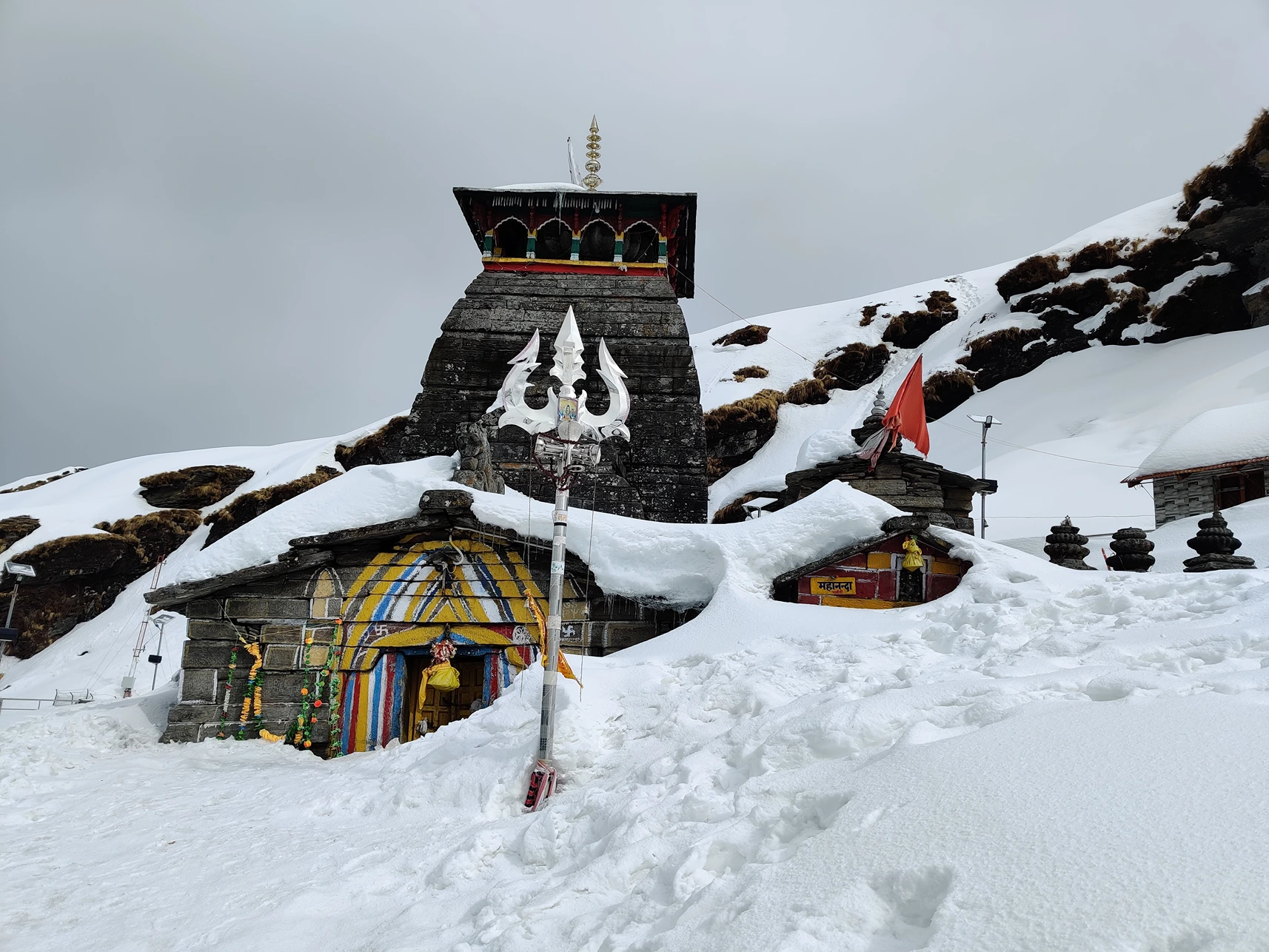
Stand at Tungnath, the highest Shiva temple in the world, a stone shrine believed to be over a thousand years old, set against a sky that feels close enough to touch
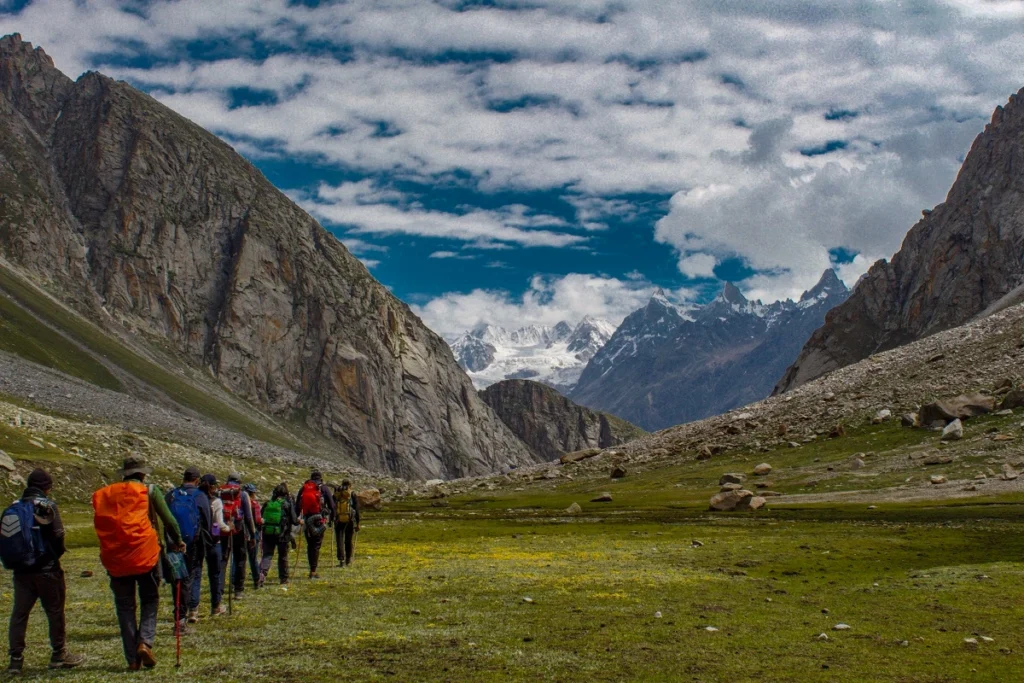
Reach the summit of Chandrashila Peak at 13,123 ft for one of the widest Himalayan panoramas you can reach on an easy-to-moderate trail
Take in Chaukhamba, Nanda Devi and the surrounding summits, along with Trishul, Kedarnath, Bandarpunch and Neelkanth, all from a single vantage point
Walk to Deoria Tal on the Sari Village Deoria Tal trek and catch the Deoria Tal lake reflection of Chaukhamba on a still morning
Hear the stories behind each stop: the Panch Kedar legend, Lord Rama’s meditation at Chandrashila, and Yudhishthira’s riddles at Deoria Tal
Pass through rhododendron, oak and deodar forests in the Kedarnath Wildlife Sanctuary near Chopta, home to the Himalayan monal
Taste fresh buransh juice at Chopta, a deep red drink made from the rhododendron flowers that colour these hills every spring
A practical Chopta weekend trek format: leave Delhi on a Thursday night and be back by Monday morning
Chopta Chandrashila Trek
Clear trek details, booking dates, inclusions, and rental options.
Somewhere between trekking and pilgrimage lies a trail that people were walking long before anyone thought to write it down. Priests climbed it carrying offerings. Shepherds climbed it behind their flocks. These days the climbers carry daypacks and phones, and many of them come back down saying what those priests might have said: something up there felt larger than the view.
That trail is the Chopta Chandrashila trek. In a few short days it gives you three very different experiences.
Why Trekkers Love It
First comes Tungnath. It stands at 12,073 ft, and Tungnath is regarded as the highest Shiva temple in the world. It is also the third of the five shrines in the Panch Kedar circuit. Legend says the Pandavas came to these mountains after the Kurukshetra war, carrying the weight of having killed their own kin. Shiva did not want to be found, so he took the form of a bull and vanished into the earth. Parts of him surfaced in five places across Garhwal. At Tungnath, the arms appeared. The story of Pandava forgiveness, Shiva and Tungnath is not a footnote here. It is the reason the stone temple exists, and the reason pilgrims still climb in the cold before sunrise.
Next comes Chandrashila. The name means “Moon Rock”, and the summit sits about a kilometre and a half above the temple. One tradition says Chandra, the moon god, did penance here. Another, more widely told in the valley, describes Lord Rama’s meditation at Chandrashila after the war with Ravana. Whichever version the locals give you, the summit delivers on its reputation. From the top, Nanda Devi, Trishul, Kedarnath, Bandarpunch and the four summits of Chaukhamba spread across the horizon in an arc that is hard to fit into one photograph.
Last comes Deoria Tal, a small lake above Sari Village. On a still morning the water mirrors Chaukhamba so cleanly that photographers struggle to tell which half of their frame is real. This is where the Mahabharata places the Yaksha’s questions to Yudhishthira, the riddles that decided whether his brothers would live. The Chopta Deoria Tal trek extension closes the journey on something quieter after the drama of the summit.
Chopta sits at the base of all this. Travel writers like to call it the Mini Switzerland of India, and in spring you can see why. Meadows roll out between forests of oak and rhododendron, and the valley falls away towards the Mandakini. The village lies inside the Kedarnath Wildlife Sanctuary near Chopta, so the forest still holds the Himalayan monal, Uttarakhand’s state bird, along with barking deer and, if you are very lucky, the musk deer the sanctuary was created to protect.
The Chopta Chandrashila trek distance is around 16 km across the full trip, which is kind on the legs. That is why the Chopta trek for beginners shows up on almost every list of first Himalayan treks. The altitude is still real, though. The Chandrashila peak altitude of 13,123 ft is higher than many people expect from a trek this short, and the final climb to the summit is steep enough to demand respect.
Our Chopta Chandrashila trek itinerary starts and ends in Delhi. An overnight drive saves you a day of leave, and a full rest day at Chopta lets your body catch up with the height before the summit push. That makes it one of the most practical Chopta treks from Delhi for anyone who works a five-day week.
Day wise plan
Explore the day-wise itinerary of the Chopta Chandrashila Trek, featuring scenic Himalayan trails, beautiful forests, the sacred Tungnath Temple, and the breathtaking Chandrashila Summit. Discover each day’s route, trekking distance, and unforgettable mountain experiences.
Your trip starts after work on a weekday evening. The group meets in Delhi and leaves at 8:30 PM, heading north on the highway towards Haridwar and Rishikesh while the city lights fade behind you.
Most of this leg passes in the dark, and that is deliberate. Driving overnight means you don’t spend a precious daylight day on the road, and by the time the sky turns grey you are already in the hills. Try to sleep. Bring a neck pillow, keep a light jacket within reach, and leave the motion-sickness tablet decisions for before departure, not after the first set of hairpin bends.
Morning reveals the Chopta trek route in full. After Rishikesh, the road follows the Ganga to Devprayag, where the Alaknanda and Bhagirathi meet in two shades of water. It then climbs along the Alaknanda to Rudraprayag, turns up the Mandakini valley towards Ukhimath, and makes the final climb through dense forest to Chopta.
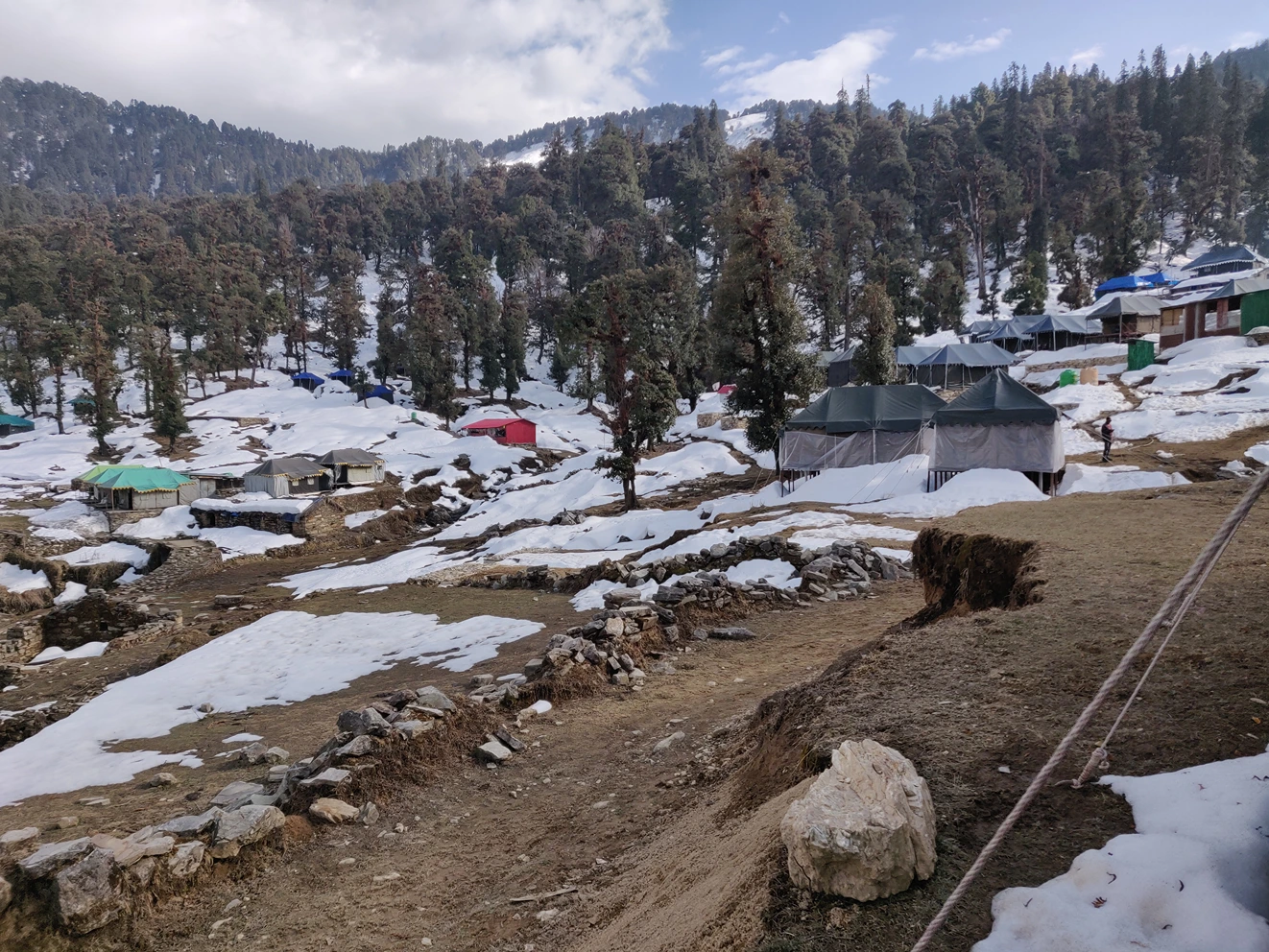
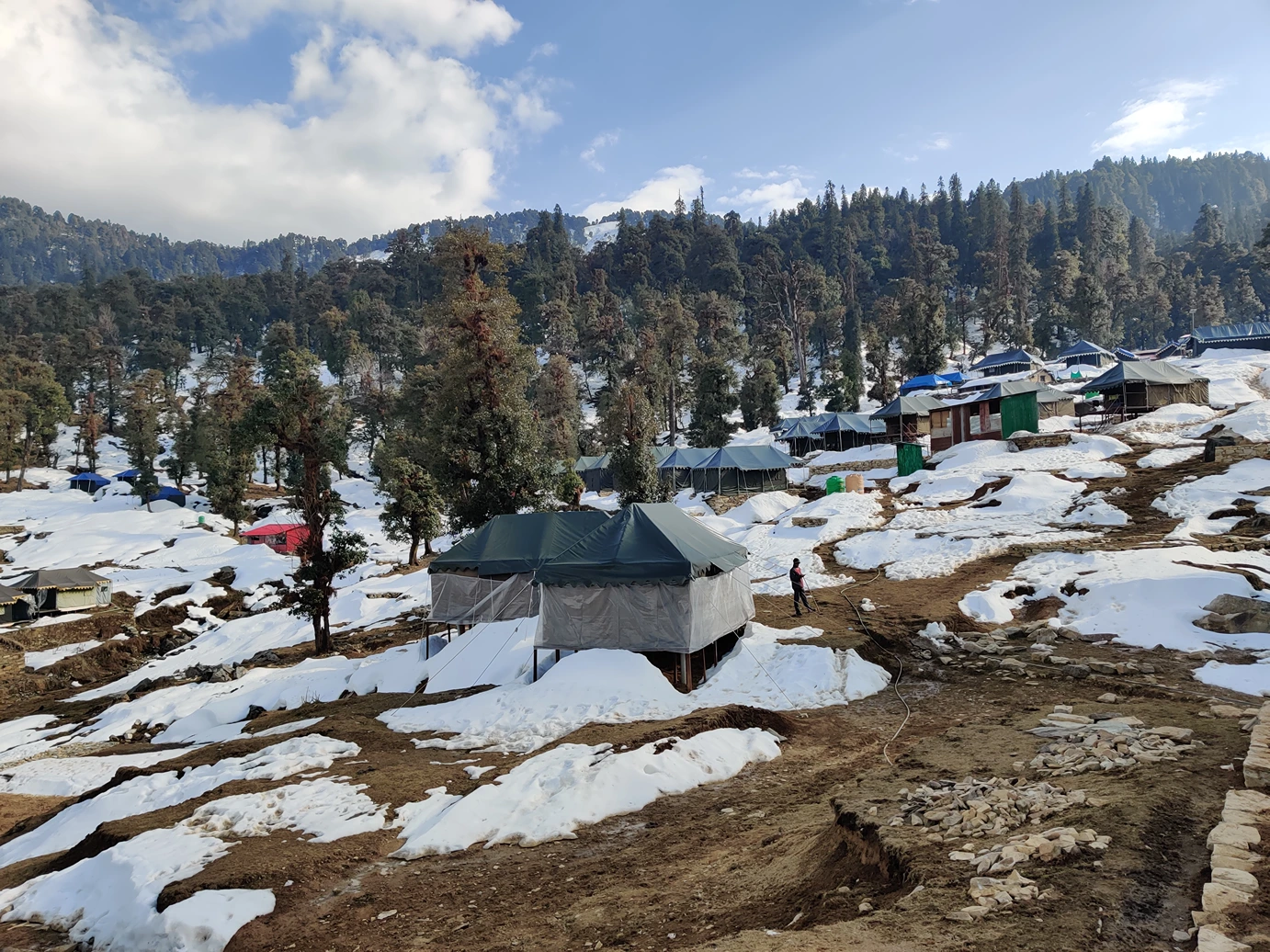
You reach camp by late morning or early afternoon. The rest of the day is yours.
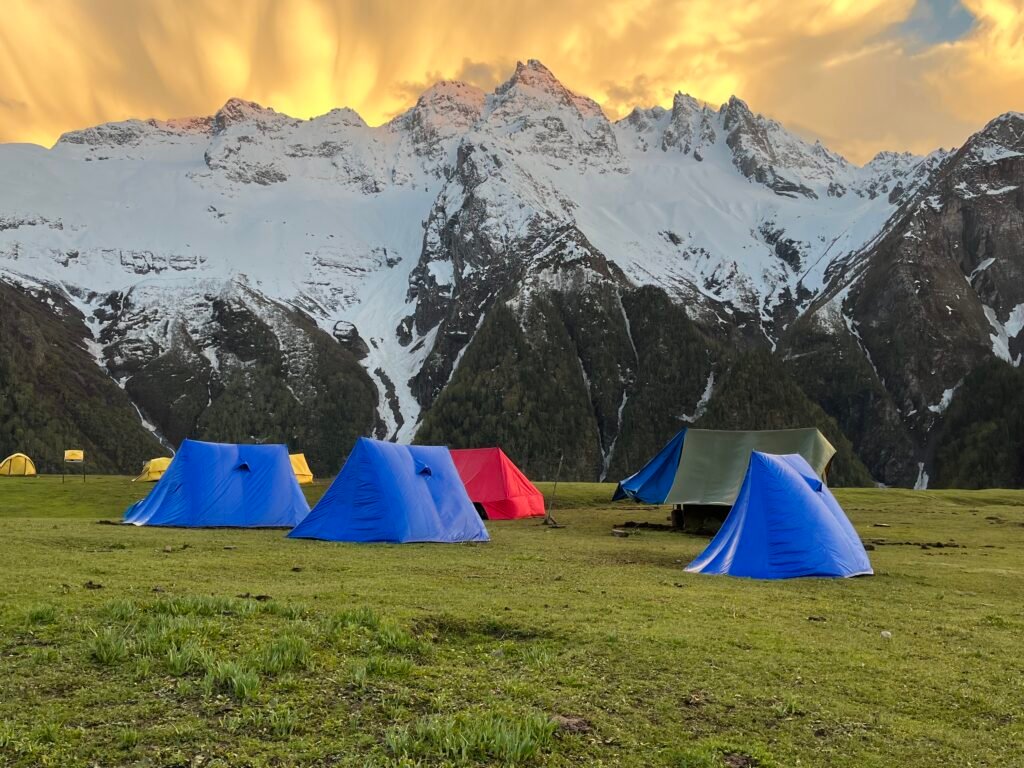
Don’t treat this as wasted time. At nearly 9,000 ft, your body is quietly adjusting to thinner air, and this rest day is what turns tomorrow’s summit from a struggle into something you enjoy. Drink plenty of water. Eat a proper lunch. Then walk.
The meadows around camp are gentle and open. If you are here between March and early May, the rhododendrons will be in bloom, whole hillsides of crimson. The roadside stalls serve buransh juice at Chopta, and it is worth a glass. It tastes slightly tart and floral, and locals swear by it in the heat.
In the evening, your trek leader runs a short briefing on the route, the timings and what to carry tomorrow. Dinner is early, and so is bedtime. Summit day starts in the dark.
An early alarm is the price of the best light. The aim is to reach Chandrashila around sunrise, or as close to it as the season and the group’s pace allow.
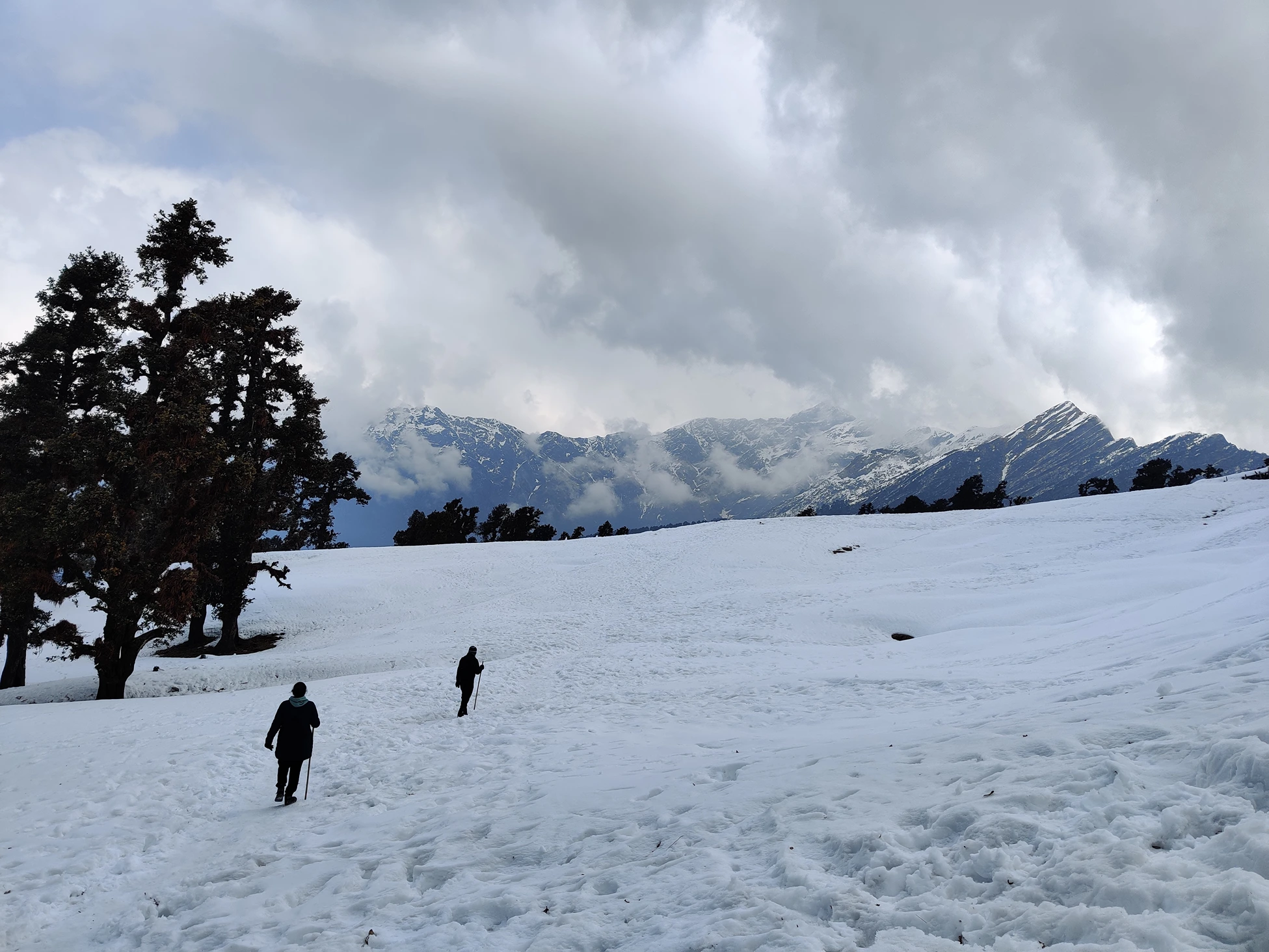
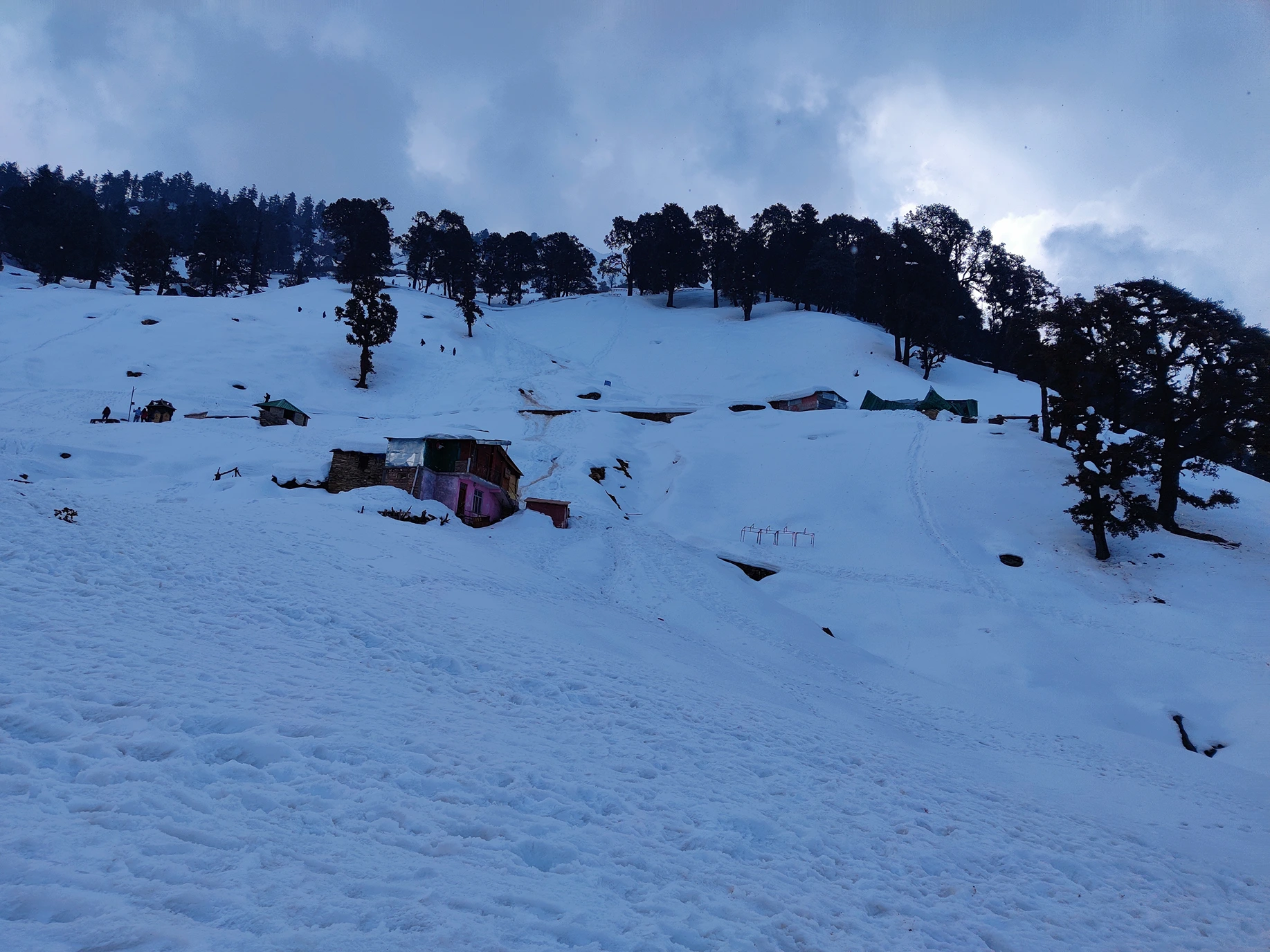
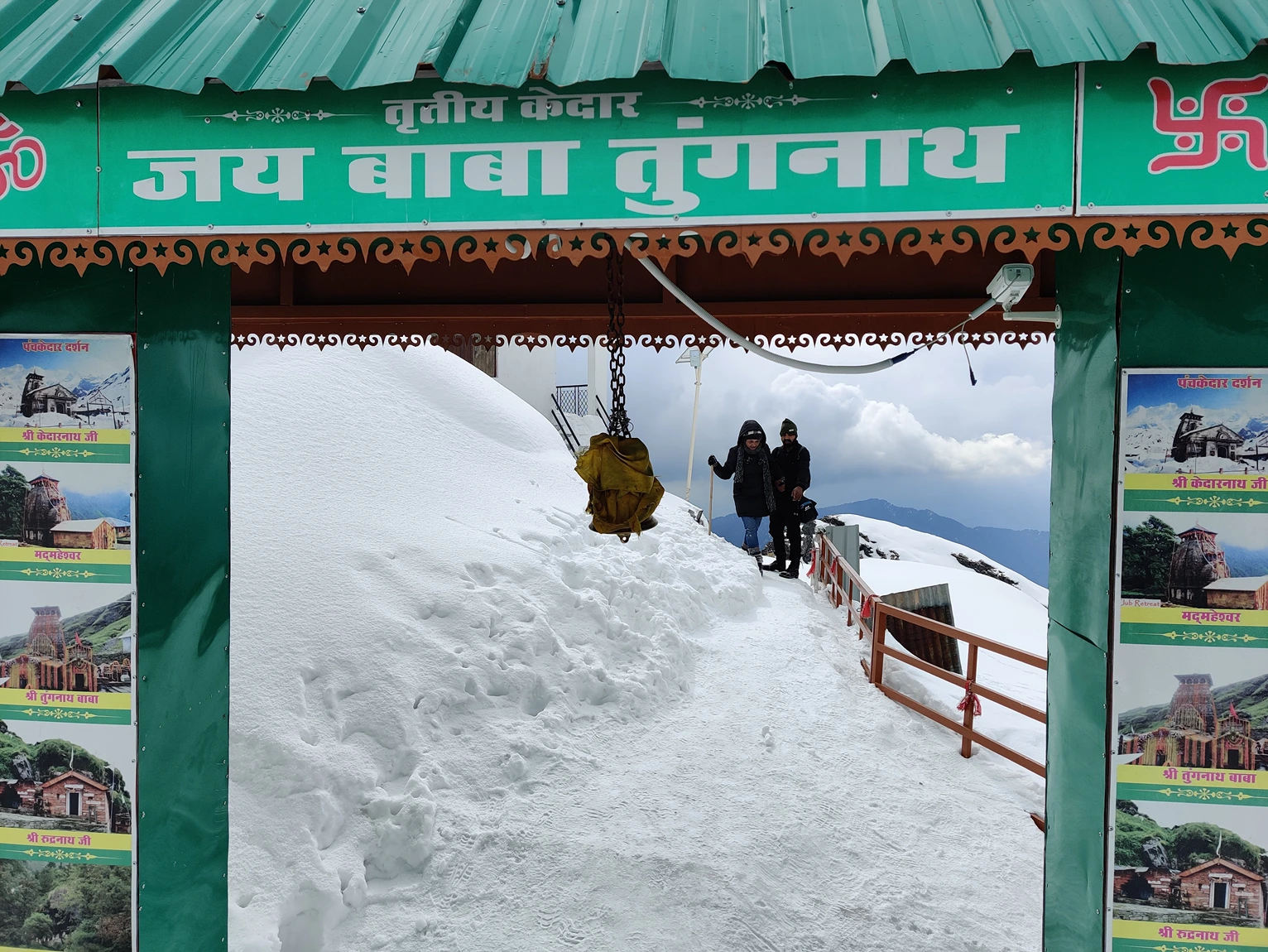
The Tungnath temple trek begins at a stone gateway beside the road. The trail is paved for most of its 3.5 km, which surprises people. It is still steep. The path climbs in long zigzags through rhododendron and oak before the trees thin out and the slopes open into bugyals, high grassy meadows where the views start to widen with every bend.
Take it slowly. On this stretch your breathing tells you far more than your watch does.
Tungnath appears suddenly at the top of the climb. It is a compact grey stone temple with a carved wooden roof, surrounded by smaller shrines, with prayer bells ringing in the wind. As the third of the Panch Kedar shrines, Tungnath, the Panch Kedar temple where Shiva’s arms are worshipped, has drawn pilgrims for centuries. It is said that the Pandavas built the original shrine. If the temple is open, step inside. If you arrive before the doors open, sit on the low stone wall and watch the priest arrive.
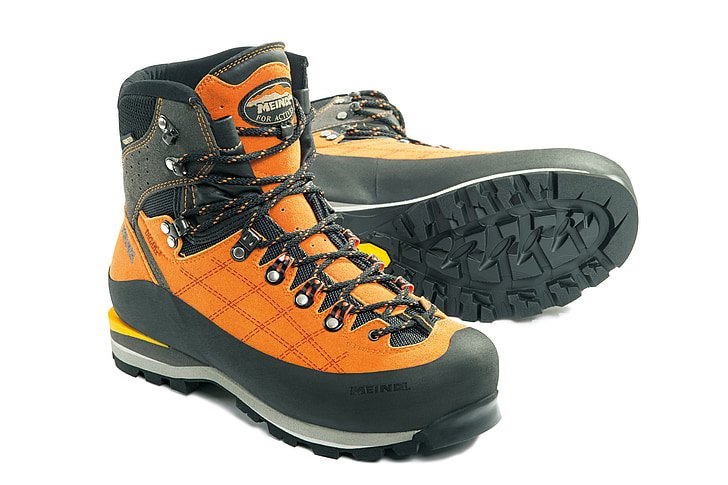
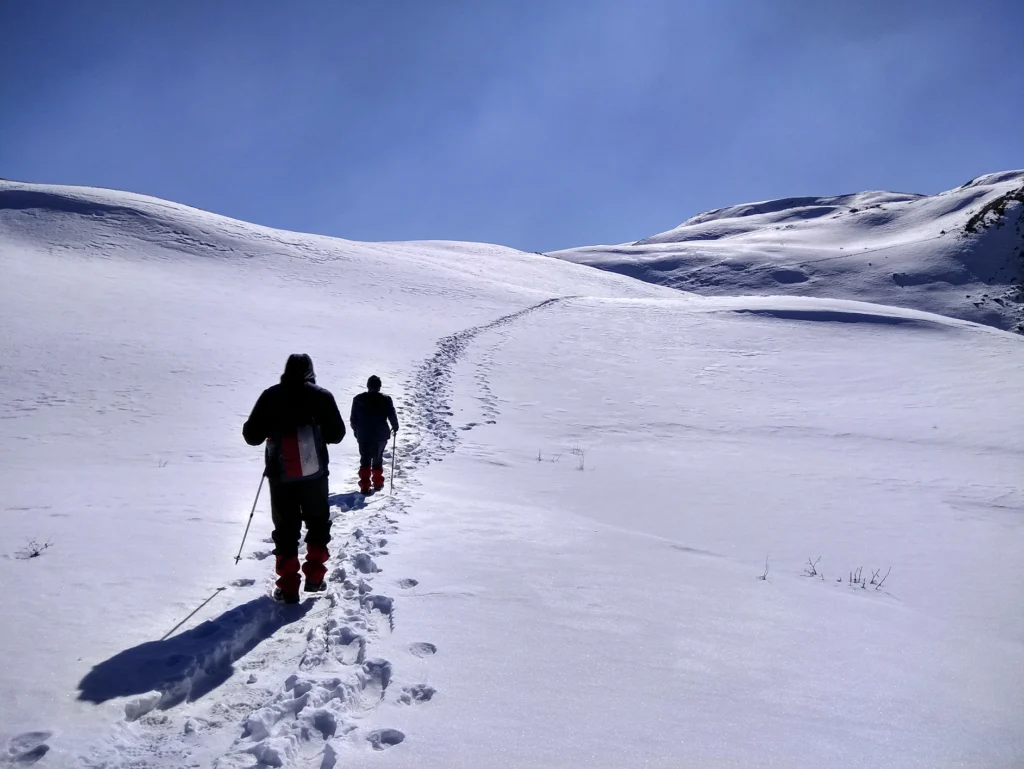
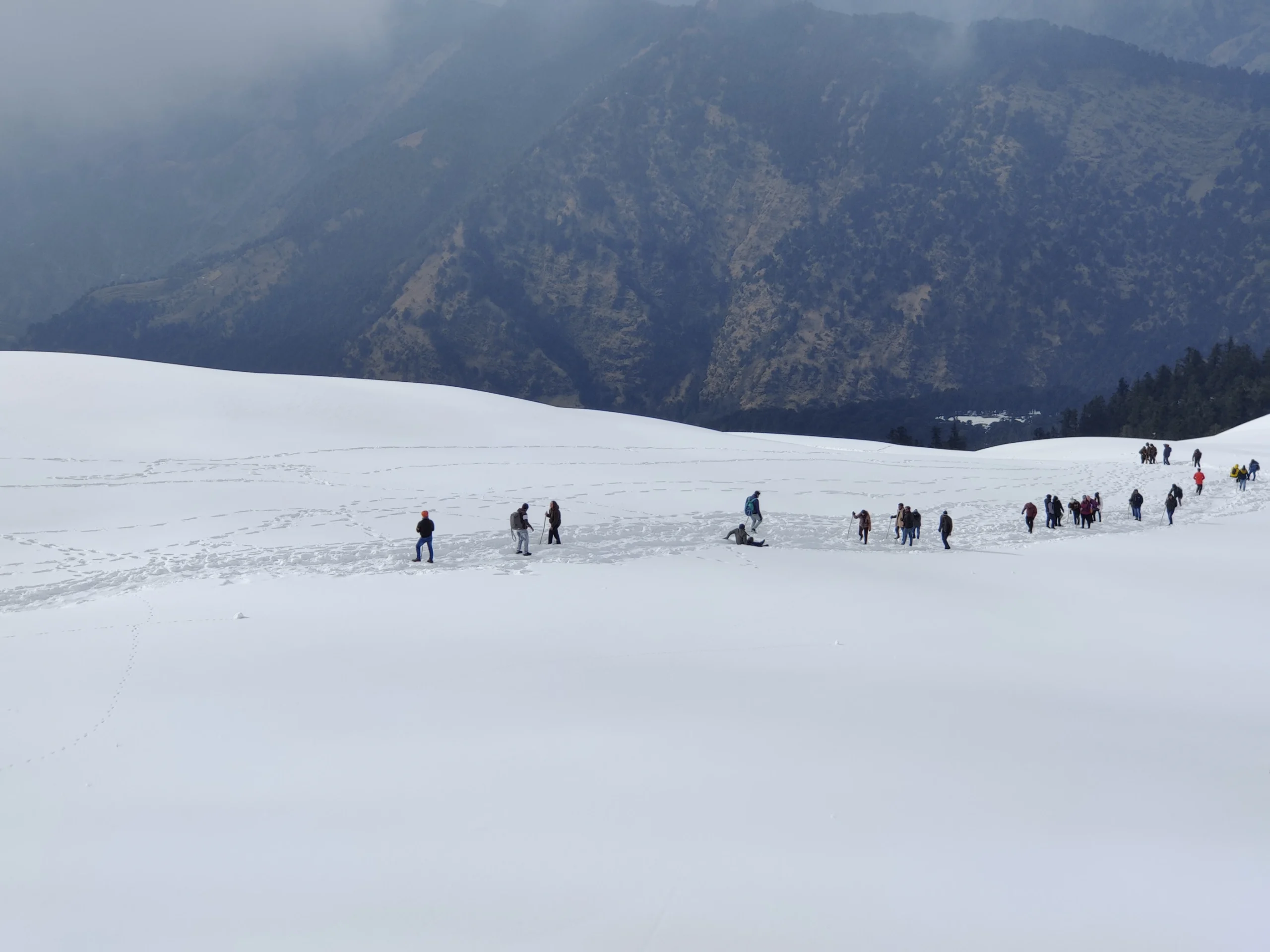
From the temple, the last 1.5 km to Chandrashila is the steepest section of the whole Tungnath Chandrashila trek. The paving gives way to a rough rocky trail, and the gradient sharpens. In early spring there may be snow on this section, which makes good shoes and a slow, careful pace essential.
Then the ground runs out, and you are standing on Chandrashila.
The Chandrashila summit views are the reason this trek has the reputation it does. The panorama runs almost 360 degrees. Nanda Devi rises to the east, India’s second-highest peak. Trishul’s three points sit beside it. Kedarnath and Kedar Dome stand to the north, Bandarpunch to the west, and in the middle, catching the first light before everything else, the four summits of Chaukhamba. That sweep of Chaukhamba, Nanda Devi and their neighbours from the summit is what most trekkers mean when they say this trek is “worth it”.
A small temple and a cluster of prayer flags mark the top. This is where Lord Rama’s meditation at Chandrashila is said to have happened, and it is easy to see why anyone would choose this spot to sit and think.
Spend as long as the weather and your trek leader allow. Then descend the same way, past Tungnath and back down the zigzags to Chopta, where a hot lunch is waiting. The afternoon is for rest.
After breakfast, you pack up camp and drive down to Sari Village to start the Sari Village Deoria Tal trek, the gentlest walk of the trip and, for many people, the most memorable.
The trail climbs about 2.5 km through village fields and patches of forest. It is well marked and steady, with no single section that compares to yesterday’s summit push. Within an hour or so, it levels out at the edge of a meadow, and the lake is right there.
Deoria Tal is small, ringed by trees, and almost perfectly placed. On a windless day the Deoria Tal lake reflection looks unreal. The Deoria Tal reflection of Chaukhamba is among the most photographed views in the Garhwal Himalaya, and the best of it usually comes in the morning, before the breeze picks up.
The Mahabharata places the Yaksha Prashna here. A spirit guarding the lake refused to let the thirsty Pandavas drink until they answered his questions. Four brothers ignored him and fell lifeless at the water’s edge. Only Yudhishthira stopped, listened and answered every riddle, and his brothers were returned to life. Sitting at the lake’s edge, it is a surprisingly easy story to imagine.
After some time at the lake, walk back down to Sari, have lunch, and start the long drive back. You will be on the road through the evening and night.
Arrival: Early morning, Delhi
You reach Delhi in the early hours, which leaves time to get home, shower and, if you have to, make it to work. You will be tired. You will also have stood on a 13,000-ft summit since Friday, and that kind of tired tends to feel good.
Inclusion & exclusion
Explore what’s included and excluded in your Chopta Chandrashila Trek package, from accommodation and meals to trekking support and essential services. Plan your Himalayan adventure with a clear understanding of what’s covered and any additional expenses.
Inclusions
Exclusions
Best Time for Chopta Chandrashila Trek
The trail is open for most of the year, but each season shows you a different place. Choosing the best time for the Chopta Chandrashila trek depends on what you want from it.
March to June: Spring and Early Summer
This is the most popular window, and for good reason. Rhododendrons bloom across the hills from March through April, painting the forest red and pink, and buransh juice at Chopta is at its freshest. Early March may still have patches of snow near the summit, which adds a little challenge and a lot of beauty. By May, the days are warm, the trails are dry, and the mountain views are usually clear in the mornings. Tungnath’s doors open for the season around late April or early May, so pilgrims tend to time their visit around that date.
Daytime temperatures: 10°C to 20°C at Chopta
Night temperatures: 0°C to 8°C, colder at the summit
September to November: Autumn
Many trekkers who have done both seasons say this is the Chopta Chandrashila best time to visit, and the case is strong. The monsoon washes the air clean, so visibility is often at its sharpest of the year. The Chandrashila summit views of Nanda Devi and Chaukhamba are crisp and stretch far. The meadows turn gold through October. Tungnath usually closes for winter around Diwali, after which the deity moves to Makkumath, so check the year’s closing date if visiting the temple matters to you.
Daytime temperatures: 8°C to 18°C
Night temperatures: −2°C to 6°C
December to February: Winter
Winter turns the route into a snow trek. Chopta and the trail to Chandrashila are often blanketed, and the experience is spectacular. The temple is closed, the cold is serious, and heavy snowfall can block the road beyond Ukhimath at times. We run this trek in the spring and autumn windows, but winter is worth knowing about if you have experience and good cold-weather gear.
Things to Carry
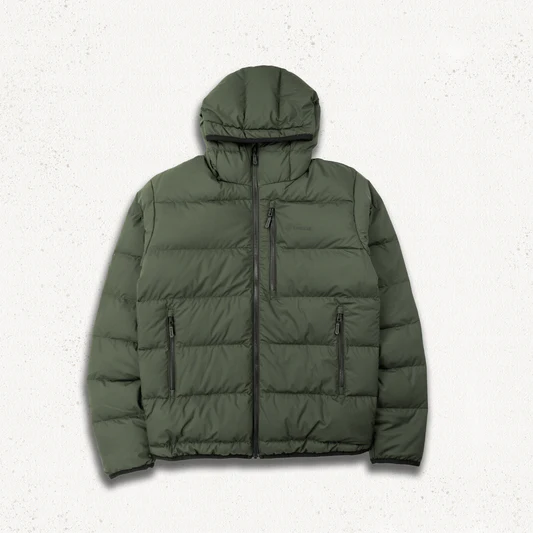
Mountain weather changes fast, and the summit morning will be far colder than the Chopta afternoon. Use this list of Chopta trek things to carry and pack in layers rather than one heavy jacket.
Clothing
Footwear
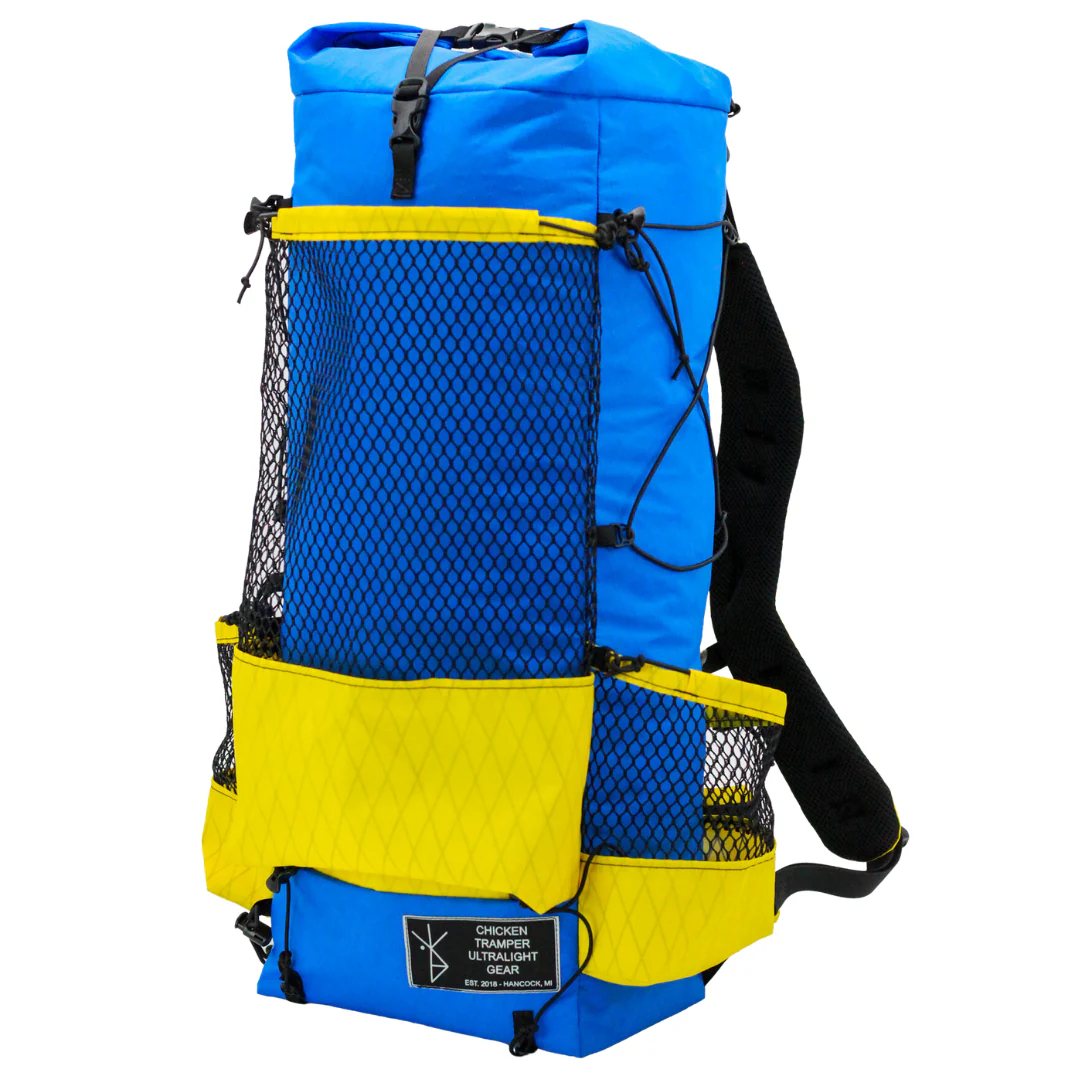
Equipment
Health & Hygiene
Documents & Finance
Leave Behind
How to Reach Chopta
Reaching Chopta, the starting point of the Chopta Chandrashila Trek, is an adventure through the scenic landscapes of Uttarakhand. Located in the Rudraprayag district, Chopta is accessible by road from major cities like Delhi, Dehradun, Rishikesh, and Haridwar. Whether you travel by air, train, or road, the journey offers beautiful mountain views, winding roads, and charming Himalayan villages along the way.
Step 1: Getting to Delhi or Rishikesh
The group departure for this trek leaves from Delhi, which is the most convenient option for most people. Delhi is well connected by air and rail from across India.
If you are already in the hills, or prefer to travel on your own, the Chopta trek from Rishikesh is an easy option. Rishikesh sits on the main highway to Chopta, and the group passes through it on the overnight drive.
By air: The nearest airport is Jolly Grant Airport in Dehradun, about 225 km from Chopta.
By train: The nearest railway stations are Rishikesh and Haridwar. Haridwar has wider connectivity, with frequent trains from Delhi, Mumbai, Kolkata and other major cities.
Step 2: Rishikesh to Chopta
The Chopta trek route by road runs about 200 km from Rishikesh and takes 7–8 hours:
Rishikesh – Devprayag -Srinagar (Garhwal) – Rudraprayag – Ukhimath – Chopta
Shared jeeps and buses run from Rishikesh to Ukhimath. From there, local taxis cover the last stretch to Chopta. Public transport thins out in the afternoon, so start early if you are travelling on your own.
For the group trip, transport from Delhi to Chopta and back is arranged as part of the plan. The full Chopta trek from Delhi covers about 440 km each way.
Policy
| Policy Point | Details |
|---|---|
| Booking Confirmation | Your seat is considered confirmed only after the required advance payment is received. |
| Balance Payment | The remaining amount must be cleared before departure or as per the reporting instructions shared by the team. |
| Transport Selection | Pickup from Dehradun is applicable only if that option is selected at the time of booking. |
| ID Requirement | Every participant should carry a valid government photo ID for verification and trek administration. |
| Operational Changes | In case of weather, road, or safety concerns, the itinerary may be adjusted for the well-being of the group. |
| Cancellation Window | Charge / Refund |
|---|---|
| More than 30 days before departure | Minimal processing deduction may apply; remaining amount can be refunded or adjusted as per booking terms. |
| 15 to 30 days before departure | Partial cancellation charge applicable; remaining balance may be refunded or transferred to a future batch if approved. |
| 7 to 14 days before departure | Higher cancellation charge applies because transport, permits, and staffing arrangements are usually already blocked. |
| Less than 7 days before departure | Booking is generally non-refundable due to final operational commitments. |
| No show / Trek departure missed | No refund is usually applicable once reporting is missed without prior written coordination. |
Important: Trek departures and route decisions always remain subject to weather, road access, local administration, and safety conditions. Final operational decisions are taken in the interest of the group.
FAQ's
Find answers to frequently asked questions about the Chopta Chandrashila Trek, including difficulty level, best time to visit, trekking distance, weather conditions, accommodation, and essential packing tips. Get all the important information to plan a safe, comfortable, and memorable Himalayan adventure.
The Chopta Chandrashila trek difficulty is rated easy to moderate. Most of the route to Tungnath is paved, and the total trekking distance across the trip is about 16 km. The challenge is concentrated in two places: the steady climb to Tungnath and the steep, rocky final 1.5 km to the Chandrashila summit. Anyone in reasonable health who can walk 5–6 km comfortably should manage it. If you are asking how difficult the Chopta Chandrashila trek is because it would be your first trek, the answer is that it is one of the better places to start.
The Chandrashila peak altitude is about 13,123 ft (4,000 m) above sea level. The Tungnath temple, which you pass on the way up, sits at 12,073 ft (3,680 m), and the Chopta base camp is at about 8,790 ft (2,680 m).
If you are wondering how many days the Chopta Chandrashila trek needs, plan for 3 nights and 4 days from Delhi. That covers the overnight drive in, a rest day at Chopta, the summit day, the Deoria Tal walk and the overnight drive back. Starting from Rishikesh, you can do it in 3 days, but the rest day at Chopta is worth keeping.
Yes. The Chopta trek is safe for beginners when it is done with an experienced team and enough time to acclimatise. The trail is well marked, the route is busy in season, and Chopta has road access, so evacuation is quicker than on more remote treks. That is why the Chopta trek for beginners is such a common recommendation. Basic fitness, proper shoes and listening to your trek leader matter more than experience.
The total Chopta Chandrashila trek distance is around 16 km. Summit day covers about 10 km round trip (Chopta to Tungnath is 3.5 km, Tungnath to Chandrashila about 1.5 km), and the Deoria Tal walk from Sari Village covers about 5 km round trip.
At 12,073 ft, Tungnath is the highest Shiva temple in the world, a claim widely accepted by pilgrims and historians alike. It is also one of the five Panch Kedar shrines, the place where Shiva’s arms are said to have appeared when he hid from the Pandavas.
The best time for the Chopta Chandrashila trek is March to June for rhododendrons and pleasant weather, and September to November for the clearest mountain views. The Tungnath temple is usually open from late April or early May until around Diwali. Avoid July and August because of monsoon landslides.
The Chandrashila summit views include Nanda Devi, Trishul, Chaukhamba, Kedarnath, Kedar Dome, Bandarpunch, Neelkanth and several other peaks of the Garhwal Himalaya. On a clear morning the panorama covers almost the full circle.
Yes. With an overnight drive on Thursday night and a return on Sunday night, the Chopta weekend trek can be done by taking just one or two days off work. This is one of the main reasons it is such a popular Chopta trek from Delhi.
On a still, clear morning, Deoria Tal reflects the Chaukhamba massif almost perfectly. The Deoria Tal reflection of Chaukhamba is one of the most photographed views in Uttarakhand. The lake is also linked to the Yaksha Prashna story from the Mahabharata.
Chopta earned the name Mini Switzerland of India for its rolling meadows, dense forests and snow-capped peaks, which recall the alpine landscapes of Europe. It is also a gateway to the Kedarnath Wildlife Sanctuary near Chopta, which keeps the area largely undeveloped.
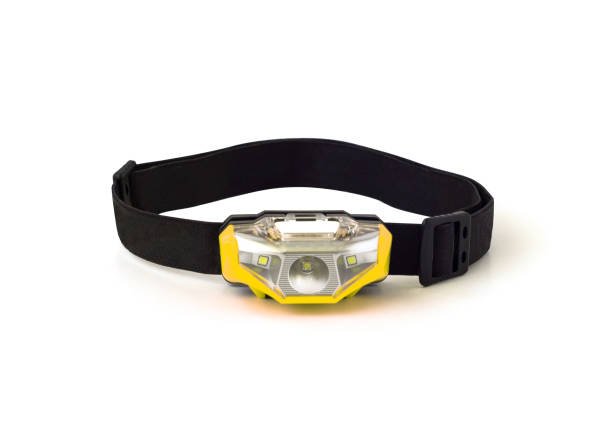
The essential Chopta trek things to carry are layered warm clothing (including a down jacket for summit morning), trekking shoes with good grip, a headlamp, a water bottle, sunscreen, a rain cover for your bag and a valid photo ID. See the full packing list above.
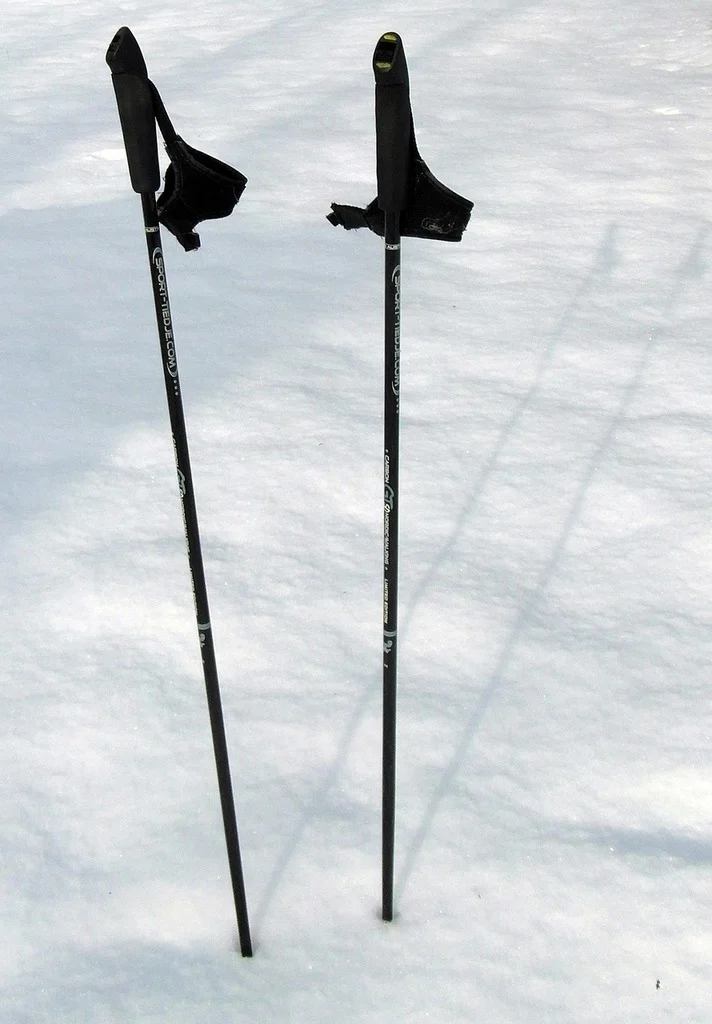
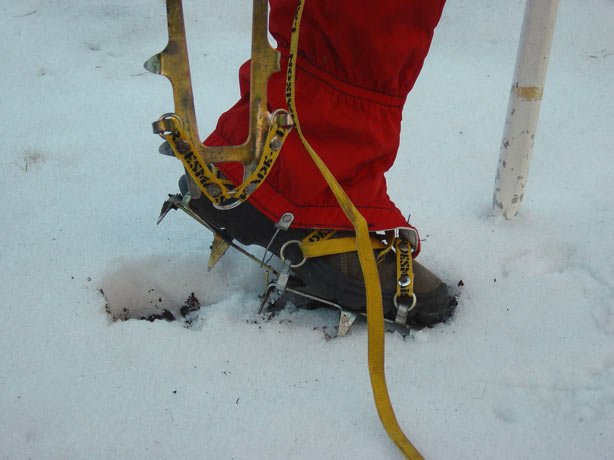
Rental gear for this trek