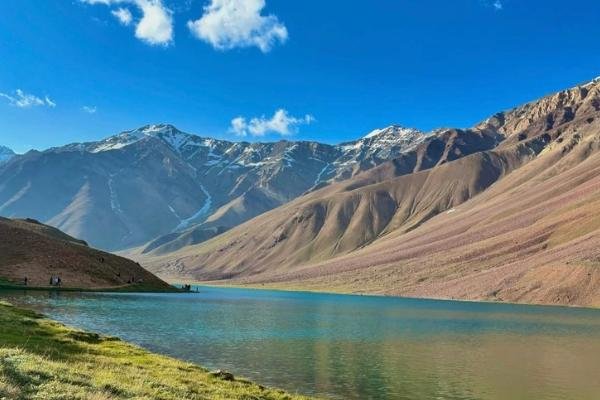
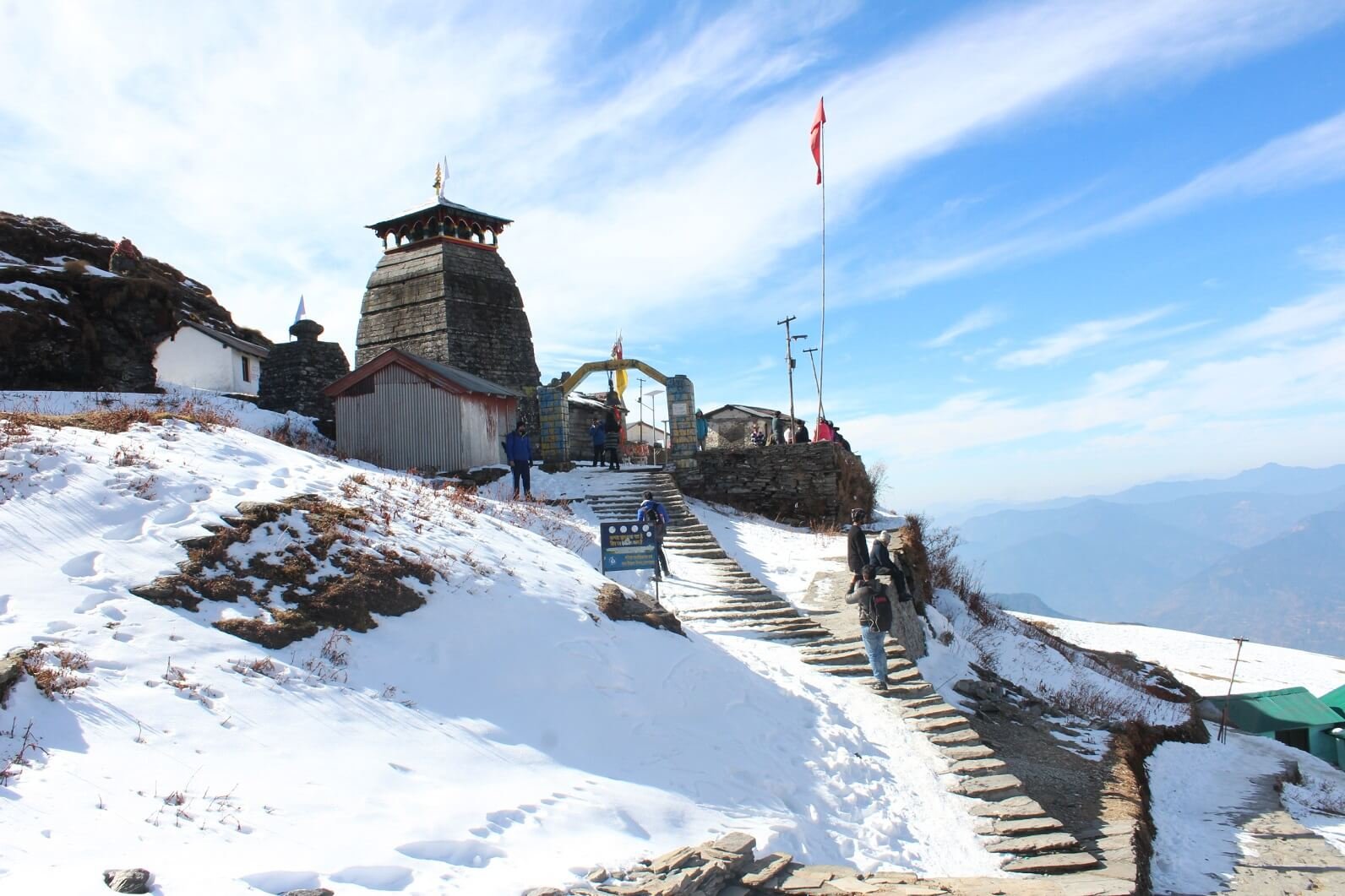
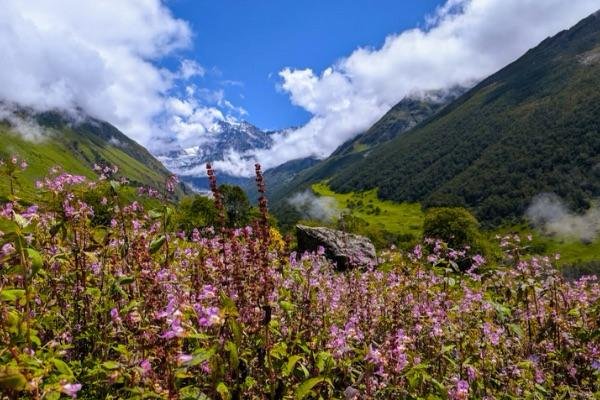
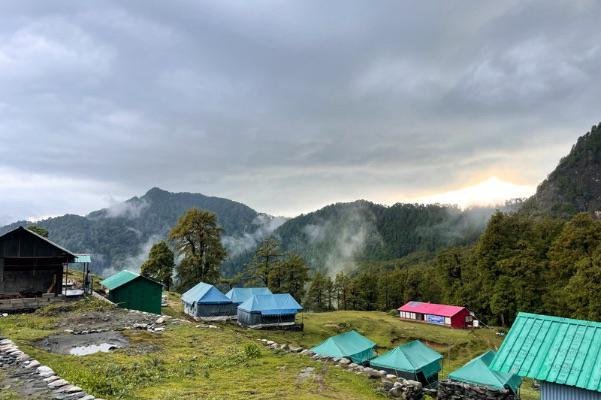
The Ali Bedni trek left me with memories that go far beyond photos and summit views. What stayed with me were the quiet moments—walking through endless meadows, watching clouds drift below my feet, and seeing Himalayan peaks change colour with the light.
Each day brought a different feeling, whether it was the first open view of Ali Bugyal, the silence of Bedni campsite, or the warmth of village life at Wan.
These 5 memories capture what the trek truly felt like on the ground and explain why Ali Bedni remains one of the most emotionally rewarding Himalayan experiences I’ve had.
What Made the Ali Bedni Trek One of My Most Memorable Himalayan Experiences
The Ali Bedni trek isn’t about rushing to a peak or ticking off altitude numbers. It’s about scale, silence, and scenery.
The trail lets you walk at your own pace and absorb the landscape, which is rare on popular Himalayan routes today.
This balance of beauty, comfort, and emotional connection is what made the trek unforgettable.
Memory 1: My First Step into the Endless Meadows of Ali Bugyal
The Moment the Forest Opened into Vast Alpine Meadows
The climb from Didna village is steep and humid, but then the treeline ends abruptly. I remember the literal gasp our group took. The dark forest green was replaced by a neon, sun-soaked velvet.
How Big and Open Ali Bugyal Actually Feels in Real Life
Photos don’t capture the scale. The meadow stretches so far that judging distance becomes difficult. You keep walking, yet the horizon seems untouched.
There’s a sense of freedom here that’s hard to explain unless you experience it yourself.
Why Ali Bugyal is considered one of Asia’s largest high-altitude meadows
Ali Bugyal sits above 11,000 ft and spreads across a massive area of rolling alpine grassland.
Its sheer size, gentle terrain, and altitude are why it’s often counted among Asia’s largest high-altitude meadows—not just in India.
Memory 2: The Ethereal Sunrise over Mt. Trishul and Nanda Ghunti
The “Gold and Silver” glow: Watching the peaks change color
Sunrise at Bedni Bugyal is pure magic. Mt. Trishul and Nanda Ghunti slowly shift from silver to soft pink, then gold, as the sun rises.
Every minute feels different, like nature adjusting its lighting.
Photography tips for capturing Mt. Trishul from the campsite
- Wake up early—before first light
- Use a tripod if possible
- Shoot wide first, then zoom for details
- Don’t wait for “perfect” weather—clouds add drama
Some of my best shots came when clouds partially covered the peaks.
How Light, Clouds, and Snow Peaks Change Every Minute
Clouds move fast at this altitude. One moment the peaks are hidden, the next they appear in full glory.
This constant change keeps you glued to the view without realizing how much time has passed.
Why This Sunrise Felt Different from Other Himalayan Sunrises
Because you aren’t looking up at the mountains from a valley; you are at an altitude where you feel eye-to-level with the massive 7,000m massifs.
Memory 3: What “Walking Above the Clouds” Actually Means on This Trek
Early Morning Mist and Cloud Layers Over the Meadows
Early mornings often begin with mist sitting low over the grass. As the sun rises, the clouds start lifting slowly, revealing slopes bit by bit.
It feels cinematic—almost unreal.
Walking on Ridge Sections with Clouds Below the Trail
There were sections where clouds flowed below the trail. We were walking in sunlight, while the valleys disappeared under white layers.
Why This Experience Is Unique to Ali–Bedni Bugyal Terrain
The geography allows for cloud inversion. It’s a rare sight that beginners usually only see on much more difficult, higher-altitude expeditions.
Memory 4: What Staying at Bedni Bugyal Campsite and Visiting Bedni Kund Is Like
Location and Setting of the Bedni Bugyal Campsite
Imagine pitching your tent in the open meadow with direct mountain views. No trees blocking the horizon—just sky, grass, and peaks.
Nighttime Silence and Star Views at High Altitude
At night, the silence is deep. On clear evenings, the stars feel close enough to touch.
No city lights, no noise—just pure stillness.
What Makes Bedni Kund Spiritually Important
Bedni Kund is a sacred alpine lake and a key stop during the Nanda Devi Raj Jat Yatra. Locals consider it deeply holy, and trekkers are expected to treat it with respect.
Local Beliefs and Respect Around Bedni Kund
- No loud behavior
- No littering
- A quiet, respectful atmosphere
It naturally makes you slow down and reflect.
How Camps Are Managed in Open Bugyal Conditions
- Weather changes fast
- Wind can be strong
- Leadership matters
Remember: Leave No Trace. Pack out every bit of plastic you bring.
Why This Campsite Leaves a Lasting Emotional Impact
It’s not just scenic—it’s grounding. You feel small, calm, and deeply connected to the land.
Memory 5: The Cultural Warmth and High-Altitude Hospitality of Wan Village
Why Wan Village Is the Heart of the Ali Bedni Trek
Wan is more than a base village—it’s part of the trek’s soul. Traditional houses, mountain lifestyle, and warm people define the start and end of the journey.
Interactions with Locals That Made the Experience Special
Simple conversations, smiles, and shared stories made a big difference. The hospitality felt genuine, not commercial.
How Village Life Adds Cultural Depth to the Trek
Seeing how people live at this altitude adds perspective. It reminds you that these mountains are home—not just adventure destinations.
What These Memories Taught Me About the Ali Bedni Trek Experience
The Ali Bedni trek taught me that trekking doesn’t always need extreme difficulty to be meaningful.
Sometimes, slow walks, open landscapes, and quiet moments leave the deepest impact.
Who Should Choose the Ali Bedni Trek Based on My Real Trekking Experience
Ideal for nature photographers and landscape lovers
Wide frames, changing skies, and massive meadows—this trek is a visual treat.
Why Beginner Trekkers Feel Comfortable on This Route
- Gradual ascents
- No technical sections
- Proper acclimatization
It builds confidence without overwhelming first-timers.
Why it’s the perfect “stepping stone” for the Roopkund Trek
Many trekkers use Ali Bedni as preparation for Roopkund. It helps you understand altitude, weather, and long walking days.
Note: Many trekkers combine Ali Bedni with Roopkund. Some local operators like Roopkund Heaven offer customized Ali Bedni + Roopkund packages, making this route popular among trekkers who want two landscapes in one journey.
Fitness requirements: Can you do this without prior Himalayan experience?
- Basic cardio (walking/jogging)
- Leg strength training
- A positive mindset
Is the Ali Bedni Trek Worth It for Beginners and First-Time Trekkers?
Difficulty Level Explained in Simple Terms
This is a moderate trek—not easy, but very manageable with preparation.
Altitude, Acclimatization, and Safety Considerations
- Altitude stays under extreme levels
- Proper acclimatization reduces AMS risk
- Trek leaders play a crucial safety role
Final verdict: Why this trek belongs on your bucket list
If you want stunning meadows, safe Himalayan exposure, and emotional scenic satisfaction, the Ali Bedni trek absolutely deserves a place on your list.