There are treks where you chase mountain views, and then there are treks where the mountains slowly reveal stories. My Har Ki Dun trek in Uttarakhand felt exactly like that — a journey through ancient Himalayan villages, dense pine forests, and a valley that locals truly believe belongs to the gods.
I had heard many trekkers describe Har Ki Dun Valley as one of the most beautiful valleys in the Garhwal Himalayas. But like most first-time trekkers, I had several doubts before my Har Ki Dun trek. Was it too difficult? Would the altitude be manageable? And most importantly — was the experience really worth traveling deep into the mountains?
After completing the trek, I can confidently say that Har Ki Dun is not just a trek — it is an amazing Himalayan experience. From the peaceful village of Sankri to the top peaks of Swargarohini, every day felt like stepping deeper into a hidden world.
In this detailed guide, I’ll share my real Har Ki Dun trekking experience, including the route, campsites, weather conditions, difficulty level, and everything beginners should know before attempting this incredible trek.
What Makes the Har Ki Dun Valley One of the Most Beautiful Treks in Uttarakhand
The Har Ki Dun valley sits at an altitude of around 3,566 meters (11,700 ft) inside the Govind Pashu Vihar National Park in Uttarkashi district, Uttarakhand. Unlike many Himalayan treks that focus mainly on reaching a summit, this trek is about experiencing an entire valley ecosystem.
The moment you start walking deeper into the valley, you notice how the landscape constantly changes.
Within just a few hours of trekking you pass through:
- Dense pine forests
- Traditional wooden Himalayan villages
- Wide alpine meadows
- Glacier-fed rivers
- Snow-covered Himalayan peaks
What makes this valley special
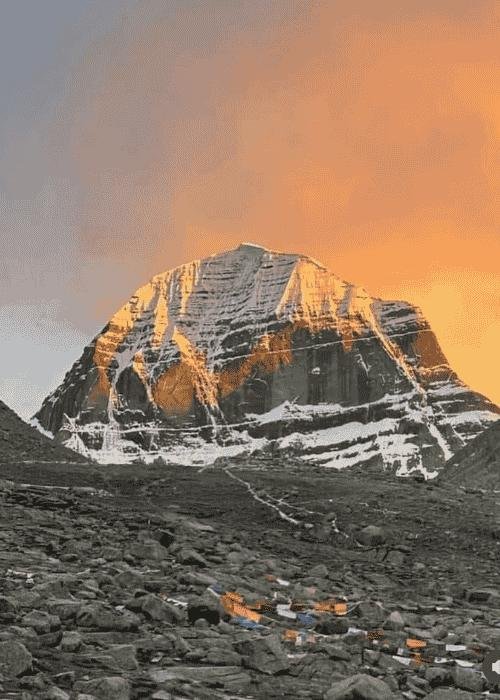
Local legends say that the Pandavas from the Mahabharata passed through this region on their final journey toward heaven via the Swargarohini peaks visible from the valley.
But beyond mythology, the natural beauty is equally stunning.
The Unique Geography of Har Ki Dun Valley
Unlike steep ridge treks, Har Ki Dun is a classic U-shaped glacial valley.
This means trekkers walk through a wide valley floor surrounded by massive Himalayan mountains on both sides.
Key peaks visible from the valley include:
- Swargarohini (6,252 m)
- Black Peak (Kalanag)
- Bandarpunch massif
Because of this geography, the valley offers 360-degree mountain views, which is rare for treks below 4,000 meters.
Snow Peaks, Alpine Meadows, and Ancient Himalayan Villages
Another unique feature of the Har Ki Dun trek is the presence of centuries-old villages like Osla and Gangad.
These villages are known for:
- Wooden houses with slate roofs
- Traditional Himalayan architecture
- Ancient temples dedicated to local deities
Walking through Osla village feels like stepping into a different era. The locals still follow traditions that have existed for hundreds of years.
The trek also passes through massive bugyals (Himalayan meadows) where shepherds bring their cattle during summer months.
Wildlife and Natural Diversity in Govind Wildlife Sanctuary
Since the trek lies inside the Govind Wildlife Sanctuary, the biodiversity here is incredible.
Trekkers often spot:
- Himalayan Monal (state bird of Uttarakhand)
- Himalayan langurs
- Musk deer
- Various high-altitude birds
During spring months, the forests bloom with rhododendron flowers, turning sections of the trail bright red.
Why Trekkers Call Har Ki Dun the “Valley of Gods”
Many trekkers say that Har Ki Dun feels spiritual.
Part of this feeling comes from:
- The remote Himalayan setting
- Ancient temples along the trail
- Views of Swargarohini peaks
But it also comes from the peaceful silence of the valley. Unlike crowded treks, Har Ki Dun still feels relatively untouched.
Sankri: The base Camp of Trek
Every Har Ki Dun adventure begins in a small Himalayan village called Sankri.
Located at 1,950 meters, Sankri serves as the base camp for many famous Uttarakhand treks, including:
- Kedarkantha
- Bali Pass
- Ruinsara Tal
For most trekkers, Sankri is where the real excitement begins.
Where Sankri Is Located in Uttarakhand
Sankri lies inside the Tons River valley, about 200 km from Dehradun.
The village is surrounded by dense forests and mountain ridges, making it an ideal acclimatization stop before higher altitude trekking.
Most trekking groups spend one night here to prepare for the trek.
How to Reach Sankri from Dehradun or Delhi
Most trekkers arrive at Dehradun Railway Station by 6:00 AM. From Dehradun, Sankri is a 180 km drive that takes about 8 to 10 hours. The route takes you through Mussoorie, Damta, and Purola. The road follows the Tons River, and as you climb higher, the air turns crisp and pine-scented. If you are coming from Delhi, the overnight Nanda Devi Express or a Volvo bus to Dehradun is your best bet. Be prepared for winding mountain roads; if you suffer from motion sickness, carry medication, as the “100 curves” after Purola can be challenging.
Last-Minute Gear Shopping and Essentials in Sankri Village
Sankri has small trekking shops where you can buy basic gear such as:
- Gloves
- Caps
- Rain ponchos
- Trekking poles
However, the availability is limited.
Note: you can also buy rental gears from your tour operator.
Many trekking companies offer rental gear including:
- Down jackets
- Trekking poles
- Gaiters
This can reduce luggage weight while traveling.
Day-by-Day Experience of the Har Ki Dun Trek Journey
Day 1: Drive from Dehradun to Sankri
The journey begins early morning from Dehradun.
By the time we reached Sankri in the evening, the mountains were already glowing in golden sunset light.
This day is mostly about travel and acclimatization.
Day 2: Trek from Sankri to Taluka and Seema/Osla
A short drive takes you to Taluka, the official trailhead.
The trek from Taluka begins along the Supin River.
The trail is relatively gentle and passes through:
- Dense forest trails
- Wooden bridges
- Small mountain villages
Day 3: Trek Through Forests Toward Har Ki Dun Valley
The third day is where the scenery becomes dramatic.
The trail climbs gradually through pine and oak forests before opening into large meadows.
Trekkers start seeing snow peaks in the distance.
Day 4: Exploring the Har Ki Dun Valley and Glacier Views
This is the highlight of the entire trek.
The final stretch opens into the Har Ki Dun valley, where massive peaks surround the valley floor.
Standing here feels surreal.
Day 5: Returning from Har Ki Dun to the Lower Camps
After enjoying sunrise in the valley, trekkers start descending back toward Seema or Osla.
Descending is physically easier but still requires careful footing on rocky trails.
Day 6: Trek Back to Taluka and Drive to Sankri
The final trekking day follows the same route back to Taluka before driving to Sankri.
Although the trek ends here, the memories of the valley stay much longer.
Camping Nights on the Har Ki Dun Trek
Campsites Surrounded by Himalayan Peaks
Camping on the Har Ki Dun trek is a world-class experience. Unlike cluttered campsites on other popular routes, our spots are chosen for their proximity to water sources and spectacular views. At the Har Ki Dun base camp, you wake up to the sun hitting the Swargarohini peaks, turning them into molten gold.
Evening Life at a Har Ki Dun Trek Camp
Once the sun dips below the ridges, the temperature drops rapidly. Life moves into the dining tent. This is where bonds are forged over hot cups of ginger tea and bowls of soup. We encourage trekkers to share stories, play cards, or learn about local myths from our guides. It’s a “digital detox” in its purest form.
Weather Conditions During the Night
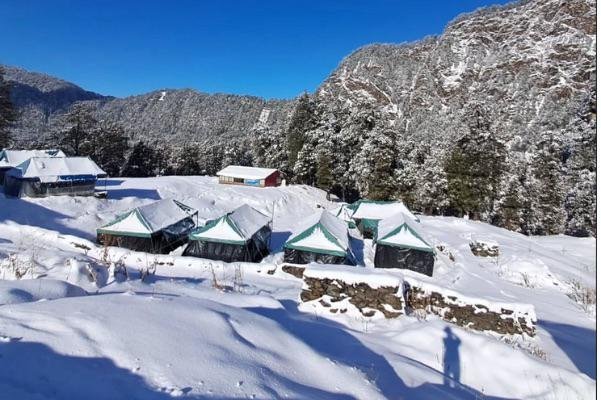
Even in summer, night temperatures at Har Ki Dun can hover between 0°C to 5°C. In winter, it can plummet to -10°C. The wind factor in the valley can make it feel colder. However, with high-quality four-season tents and sub-zero sleeping bags provided by your tour operator, you remain snug and warm.
Safety and Comfort While Camping at High Altitude
Safety isn’t just about oxygen; it’s about hygiene and warmth. We use thick foam mattresses to insulate you from the cold ground. Our kitchen staff follows strict hygiene protocols to ensure no one gets an upset stomach—the most common reason for trek failure. We also carry Oximeters to check your blood oxygen levels every evening.
Har Ki Dun Ruinsara Tal Trek: Extending the Adventure Deeper into the Himalayas
Why Add Ruinsara Tal to Your Itinerary?
Ruinsara Tal is a stunning alpine lake located beyond Har Ki Dun valley.
Trekkers looking for a longer expedition often combine both treks.
Comparing the Difficulty
The Har Ki Dun trek is moderate.
The Har Ki Dun Ruinsara Tal trek becomes more challenging due to:
- Longer trekking days
- Higher altitude sections
- More remote campsites
What Makes the Ruinsara Tal Extension Special
Ruinsara Tal offers incredible views of peaks like:
- Black Peak
- Bandarpoonch
The lake itself reflects the surrounding mountains like a mirror.
Best Time to Visit Har Ki Dun: From Summer Blooms to Winter Snow
Har Ki Dun Trek in Spring and Summer (April to June)
This is the most popular window. The snow has melted from the lower trails, leaving behind vibrant green meadows. The rhododendrons are in full bloom, painting the hillsides in shades of red and pink. The weather is pleasant, with daytime temperatures around 15°C to 18°C.
Monsoon Conditions in the Har Ki Dun Valley
Trekking in July and August is for the brave. While the valley is at its greenest, the region is prone to landslides and leeches. However, the flower density is at its peak. If you choose this time, ensure you have high-quality waterproof gear and a flexible buffer day in your travel plans.
Autumn Trekking Season and Clear Himalayan Views
September to November offers the sharpest views. The monsoon has washed away the dust, leaving the atmosphere incredibly clear. The meadows turn a golden-brown hue, and the crisp air makes for excellent trekking conditions. This is the best time for photography.
Har Ki Dun Trek in Winter: Snow Trails and Challenges
From December to March, the har ki dun trek in winter transforms into a white wonderland. The trail is covered in 2–4 feet of snow. You will need micro-spikes and gaiters. It is physically taxing due to the cold and the effort of walking on snow, but the sight of the frozen Supin River and snow-capped deodars is ethereal.
Why Har Ki Dun Should Be on Every Trekker’s Bucket List
The Har Ki Dun trek in Uttarakhand offers something rare — a combination of scenic beauty, cultural heritage, and manageable difficulty.
For beginners, it provides a perfect introduction to multi-day Himalayan trekking without extreme altitude exposure.
For experienced trekkers, it offers deeper exploration opportunities such as the Har Ki Dun Ruinsara Tal trek.
Few treks in India combine:
- Ancient Himalayan villages
- Glacier views
- Dense forests
- Wide alpine valleys
Because of this variety, the trek never feels repetitive.
Each day reveals a different side of the Himalayas.
What the Har Ki Dun Trek Package Usually Includes
When you book your har ki dun trek package with tour operators, ensure total transparency. No hidden costs, no surprises.
Stay: Stay is included on all days of the trek (from Sankri to Sankri). You will be staying in tents on a double sharing basis.
Transport: Transport charges from Dehradun to Sankari and return are included.
Meals: All meals from dinner at Sankri on Day 1 to tea and coffee on Day 7 are included. Meals are simple, nutritious, and vegetarian—designed for high-altitude digestion.
Equipment: All the trek equipment will be included like a sleeping bag, kitchen & dining tent, utensils, mattress, tent, toilet tent, and crampon (if needed).
Medical: First aid medical kits, oxygen cylinder, and stretcher are part of every batch.
Permits: All fuel charges, toll taxes, and needed forest entry fees along with permits are handled by us.
Staff: Mountaineering qualified and professional trek leader, guide, cook, and support staff.
Sankri-Sankri: ₹ 8,500 + 5% GST
Add-ons:
- Backpack Offloading: + ₹ 2,000
- Transport (Dehradun to Sankri): + ₹ 1,600
- Insurance: + ₹ 245
- Jumbo Bag: + ₹ 2,500
Trek Rental Gear: Available on request.
Total Base Package: ₹ 8,925 (Source: Roopkund Heaven)
Why Trek with Roopkund Heaven?
Choosing the right trekking operator can make or break a Himalayan trek.
Roopkund Heaven stands out because they focus on safe, well-organized trekking experiences.
Their team includes:
- Local Himalayan guides
- Experienced trek leaders
- Professional support staff
The company emphasizes:
- Small trek groups
- Proper acclimatization schedules
- Quality camping equipment
This approach ensures trekkers can enjoy the mountains without worrying about logistics.
Frequently Asked Questions About the Har Ki Dun Trek
How difficult is the Har Ki Dun trek?
The Har Ki Dun trek is considered moderate difficulty. Beginners with basic fitness can complete it, but preparation such as cardio training and walking practice is recommended.
What is the total distance of the Har Ki Dun trek?
The complete trek distance is approximately 45–50 km round trip, usually completed in 6–7 days.
What is the altitude of Har Ki Dun valley?
The valley sits at around 3,566 meters (11,700 ft) above sea level.
Is Har Ki Dun trek suitable for beginners?
Yes, it is one of the best beginner Himalayan treks, as the altitude gain is gradual.
Do I need a guide for Har Ki Dun trek?
Although the trail exists, hiring a guide or trekking company is strongly recommended for safety and logistics.
What is the best month for Har Ki Dun trek?
The best months are April to June and September to November.
Can we do Har Ki Dun trek in winter?
Yes, the Har Ki Dun trek in winter is possible, but snow makes it more challenging.
What fitness level is required for Har Ki Dun trek?
Trekkers should be able to walk 6–8 km comfortably with a backpack.
Are there network signals during the trek?
Mobile network is available in Sankri, but usually not during the trek.
What type of accommodation is provided?
Trekkers stay in tents during the trek and guesthouses in Sankri.
Is altitude sickness common on this trek?
Altitude sickness is rare but possible. Proper hydration and gradual ascent help prevent it.
How much does the Har Ki Dun trek cost?
Most packages range between ₹8,000 to ₹15,000 depending on the operator and inclusions.
Is there a temple at Har Ki Dun?
While there isn’t a temple at the valley floor itself, the village of Osla (on the way) is famous for its ancient temple. It is a masterpiece of wooden architecture and a must-visit.
Can I do this trek with children?
Yes, children above the age of 10 who are physically active can comfortably complete the Har Ki Dun trek. It is a fantastic educational experience for them.