If you are planning Madmaheshwar trek in 2026, this guide covers everything you actually need — trek distance, package cost, route from Delhi and Haridwar, accommodation, weather conditions, fitness level, and practical trekking advice based on real ground conditions. Whether you are a beginner or someone with previous Himalayan trekking experience, this detailed guide will help you plan the journey properly without confusion.
About Madmaheshwar Temple
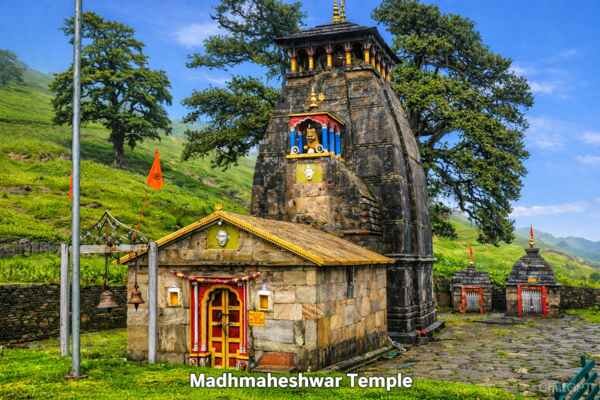
Madmaheshwar Temple, also known as Madhyamaheshwar, is one of the Panch Kedar temples dedicated to Lord Shiva. Located in the Rudraprayag district of Uttarakhand at around 11,500 ft, the temple sits deep inside the Garhwal Himalayas surrounded by alpine meadows and snow-covered peaks.
According to Hindu mythology, the navel of Lord Shiva appeared here after the Mahabharata war when the Pandavas searched for him to seek forgiveness. Unlike Kedarnath, Madmaheshwar remains quieter and less crowded, which makes the spiritual atmosphere feel more authentic and peaceful.
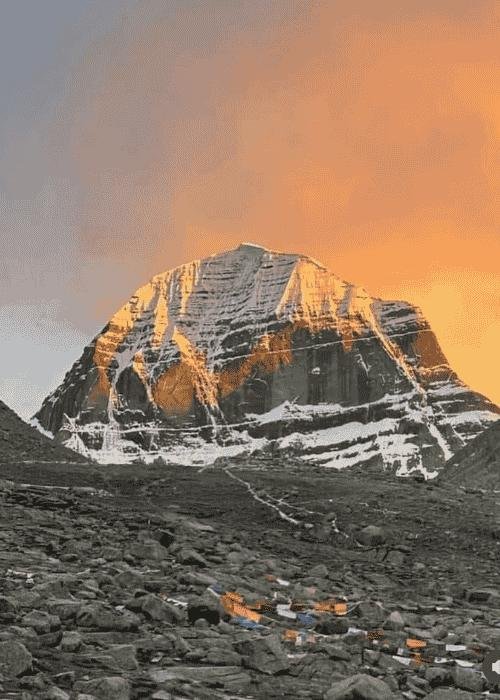
The final stretch of the Madmaheshwar trek gives stunning views of Chaukhamba peaks, especially during sunrise. Most trekkers also visit Budha Madmaheshwar, a small meadow located above the temple that offers one of the best Himalayan reflections in Uttarakhand.
The temple remains accessible only for a few months every year due to heavy snowfall in winter.
Madmaheshwar Temple opening and closing dates
Since the Madhmaheshwar temple is located at a high altitude, it remains inaccessible during the winter due to heavy snowfall. The doors usually open in the second or third week of May. The exact date is traditionally decided on the day of Akshaya Tritiya.
The temple closes its doors for the winter in November, usually shortly after the festival of Bhai Dooj. During the winter months, the symbolic image of the Lord is brought down to Ukhimath for worship.
- Opening Date 2026: The temple is expected to reopen its gates on May 21, 2026.
- Closing Date 2026: The temple typically closes for the winter in mid-November, with the expected date being November 20, 2026.
If you are planning a Madmaheshwar Trek, always aim for the window between late May and early November.
Madmaheshwar Trek Overview: Distance, Altitude & Difficulty Level
Let’s talk numbers, because the mountains don’t care about your feelings—only your fitness!
- Total Trekking Distance: Approximately 16 km one way (starting from Ransi).
- Maximum Altitude: Roughly 3,497 meters (11,473 feet).
- Difficulty Level: Moderate. It isn’t a beginner’s walk in the park, but it isn’t technical climbing either.
- Terrain: A mix of dense forests, steep stone-paved paths, and sprawling alpine meadows.
The Madmaheshwar trek starts from Ransi village. The total trekking distance is approximately 16–18 km one way depending on route conditions and campsite choices.
The trail passes through villages like Gaundhar and Bantoli before climbing gradually toward Madmaheshwar Temple.
This trek is moderate, not easy. Beginners can complete it, but they should prepare properly. The steep climb after Bantoli feels exhausting, especially for people with poor stamina. During the monsoon, slippery stone trails become challenging.
The biggest challenge is not technical difficulty but continuous ascent with limited facilities.
Madmaheshwar Trek Package Price 2026: Budget vs Premium Options
How much will this set you back? In 2026, prices vary based on how much “luxury” you want in the middle of nowhere.
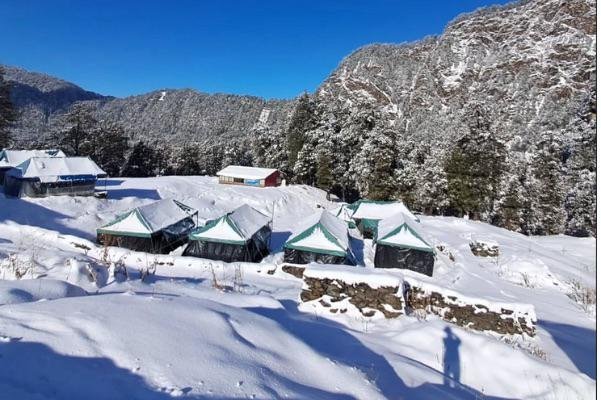
- Budget Packages (₹9,000 – ₹12,000): These usually start from Rishikesh or Haridwar. You’ll be staying in basic homestays or tents and traveling via shared transport or standard buses.
- Premium Packages (₹18,000 – ₹25,000+): These often start from Delhi in private SUVs. They include better accommodation in Ransi and Ukhimath, experienced personal guides, and higher-quality meals.
What Is Included in the Madmaheshwar Trek Package?
When you book a Madmaheshwar Trek Package with a reputable operator like Roopkund Heaven, you generally get:
- Transport: Pick up and drop from your starting city (Delhi/Haridwar/Rishikesh).
- Accommodation: Stays in hotels/homestays at Ransi and Ghangaria/Madmaheshwar.
- Meals: Nutritious vegetarian meals (Breakfast, Lunch, Dinner).
- Permits: Forest department entry fees and trekking permits.
- Guide: A local expert who knows the stories of the peaks and the safety of the trails.
How Much Extra Money Should You Keep? Hidden Costs & Extra Expenses to Consider
No matter how “all-inclusive” your package is, the mountains have a way of asking for more.
- Mule/Porter Charges: If you can’t carry your 10kg rucksack, expect to pay ₹800–₹1,200 per day.
- Personal Snacks: Energy bars, chocolates, and that “mountain Maggi” which tastes better than a 5-star meal.
- Tips: A small gesture for your guides and porters goes a long way.
- Emergency Buffer: Always keep ₹3,000–₹5,000 in cash. ATMs are non-existent once you leave Ukhimath.
Madmaheshwar Tour Package from Delhi vs Haridwar vs Rishikesh
Your starting point changes the vibe of your trip:
- From Delhi: This is the most convenient for long-distance travelers. It usually adds two extra days for travel. You’ll likely take an overnight journey to reach the hills.
- From Haridwar: The classic spiritual start. It’s a 7-8 hour drive to Ukhimath from here. Perfect if you want to take a holy dip before heading to the Shiva shrine.
- From Rishikesh: The adventure-seeker’s choice. Most trekking groups assemble here. It’s slightly closer to the destination than Haridwar.
Note:- Many trekkers book their madhmaheshwar trek package through Roopkund Heaven because they offer structured itineraries and consistent services. During the peak season of the Madhmaheshwar trek, they run daily batches, which makes planning much easier for trekkers. You don’t have to wait for fixed dates—just choose your preferred schedule as per your convenience and join a group.
How to Reach Ransi Village for the Madmaheshwar Trek
Ransi is the base camp. Here is how you get there:
- By Road: You drive from Rishikesh to Rudraprayag, then to Ukhimath, and finally to Ransi.
- The Independent Way: For those seeking independent rental taxi options, Chamoli Taxi Service is a reliable choice for navigating the mountain roads to Ransi. They know the hairpin bends like the back of their hands.
- By Air: Jolly Grant in the nearest airport in Dehradun. From there, it’s a long but beautiful 7-9 hour drive.
Detailed Madmaheshwar Trek Itinerary
Here is a standard 5-day flow (starting from Rishikesh/Haridwar):
- Day 1: Drive to Ukhimath/Ransi. Enjoy the confluence of rivers at Devprayag and Rudraprayag. Stay overnight in Ransi.
- Day 2: Trek from Ransi to Nanu/Bantoli. A 6-8 km trek through lush greenery. The sound of the river will be your constant companion.
- Day 3: Trek to Madmaheshwar Temple. The final 7-9 km push. Arrive at the temple, witness the evening Aarti, and feel the divine energy.
- Day 4: Visit Budha Madmaheshwar & Descent. Wake up early for a 2km trek to Budha Madmaheshwar for a 360-degree Himalayan view. Trek back down to Ransi.
- Day 5: Drive back. Return to Rishikesh/Haridwar with a heart full of peace and legs full of soreness.
Best Time to Visit Madmaheshwar Trek in 2026
- Summer (May to June): The most popular time. The weather is pleasant, and the meadows are vibrant green.
- Monsoon (July to August): Avoid if possible. The trails become slippery, and landslides can block the roads to Ransi.
- Post-Monsoon/Autumn (September to October): My personal favorite. The air is crisp, the skies are crystal clear, and you get the best views of the snow peaks.
Accommodation and Food During the Madmaheshwar Trek
Don’t expect luxury resorts once you start walking.
- Stay: You’ll stay in homestays or guest houses. The bedding is clean, and the hospitality is warmer than any heater.
- Food: Simple, hot, and vegetarian. Expect dal, chawal, sabzi, and roti. At high altitudes, simple food is your best friend for digestion.
Fitness Preparation and Difficulty Level for Beginners
Is it for beginners? Yes, but only if you prepare.
- Cardio: Start running or cycling at least 4 weeks before the trek. You need lung capacity for that thin mountain air.
- Leg Strength: Squats and lunges will save your knees during the steep descent.
- Mental Grit: The climb from Gaundar to Nanu is relentless. You need to be okay with being out of breath.
Essential Packing List for Madmaheshwar Trek
Don’t overpack, but don’t forget these:
- Shoes: Sturdy trekking boots with good grip.
- Clothing: Layering is key. Thermals, a fleece, and a waterproof outer layer.
- Hydration: A 2-liter water bottle.
- Medical Kit: Band-aids, crepe bandages, pain relievers, and Diamox (after consulting your doctor).
- Power: A high-capacity power bank. Charging spots are rare.
Know The Importance of Choosing the Right Backpack for Trekking
Weather Conditions and Altitude Challenges on the Trek
The weather in the Himalayas is more unpredictable than your ex. It can be sunny at 10 AM and hail at 2 PM.
- Altitude: At 3,500m, some people might feel slight headaches. Stay hydrated and don’t rush.
- Temperature: Nights in October/November can drop to sub-zero. Even in June, it gets chilly once the sun sets.
Common Mistakes to Avoid During the Madmaheshwar Trek
- Starting late in the day: Always start your trek by 7 AM. You don’t want to be on the forest trail after sunset.
- Ignoring hydration: You lose water through breathing at high altitudes. Drink even if you aren’t thirsty.
- Wearing new shoes: The quickest way to get blisters. Break them in at least two weeks before.
- Literring: Please, take your plastic back. Shiva loves the mountains clean.
Why We Recommend Roopkund Heaven for Madmaheshwar Trek Package
If you want a stress-free experience, Roopkund Heaven is the gold standard for this region. They aren’t just “tour operators”; they are locals who understand the spirit of the Panch Kedar.
- Reliability: They handle the transport, stay, and food seamlessly.
- Safety: Their guides are trained in high-altitude safety and first aid.
- Experience: They know the hidden spots for the best photos and the quietest corners for meditation.
Conclusion
The Madmaheshwar trek is one of those Himalayan journeys that feels peaceful, raw, and deeply rewarding at the same time. Unlike crowded pilgrimage routes, this trail still offers quiet forests, traditional mountain villages, and genuine trekking experiences without commercial chaos.
Whether you choose a budget backpacking plan or a complete Madmaheshwar Trek Package from Delhi, Rishikesh, Haridwar, preparation matters more than luxury. Focus on fitness, pack smart, and keep realistic expectations about mountain conditions.
15 Frequently Asked Questions
- Is there mobile network on the trek?
- It’s very patchy. BSNL works best, but don’t count on it for Instagram reels.
- Can I do this trek solo?
- Yes, the trail is well-marked, but having a guide or group is safer and more informative.
- Are there ATMs in Ransi?
- No. The last reliable ATM is in Ukhimath.
- Can I take my kids?
- If they are 10+ and used to walking, yes. It might be tough for younger children.
- Is non-veg food available?
- No. Out of respect for the temple, the entire trail is strictly vegetarian.
- How much water should I carry?
- At least 2 liters. You can refill at natural springs (as advised by your guide).
- Is the trek open in December?
- No, the temple is closed and the area is under deep snow.
- What is Budha Madmaheshwar?
- It’s a ridge 2km above the main temple offering a spectacular view of the Himalayan peaks.
- How long is the drive from Delhi?
- Roughly 12-14 hours to reach Ukhimath.
- Do I need a special permit?
- Usually, a forest entry fee is paid at the checkpost. Your package usually covers this.
- Is there electricity?
- Solar power is common, but don’t expect 24/7 charging for all your gadgets.
- Are leeches a problem?
- Only during the monsoon months. Carrying salt helps.
- Is it safe for solo female trekkers?
- Yes, the locals are very respectful and the trail is generally safe.
- What is the best shoe brand for this?
- Anything with a “Vibram” or high-grip sole. Decathlon’s Forclaz series is a budget-friendly favorite in India.
- Why the belly of Shiva?
- Legend says when the Pandavas chased Shiva, he dived into the ground, and different parts appeared in five places—Madmaheshwar being the navel or belly.