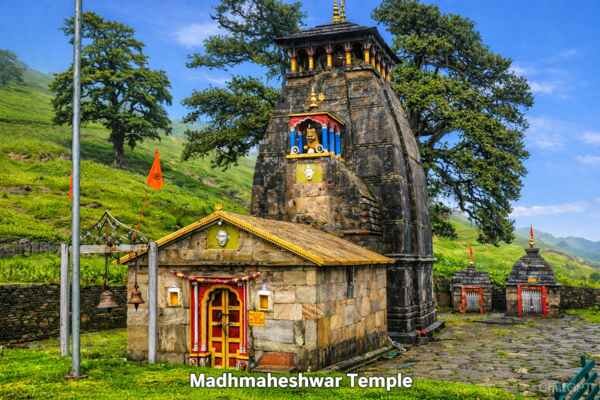
There are weekends when you just want to escape the noise of city life and breathe cold mountain air. That’s exactly how my Chopta Tungnath Chandrashila trek began — as a simple plan to take a short break from routine.
What I didn’t expect was that this 2–3 day Himalayan escape would become one of the most memorable experiences of my trekking journey.
If you’re someone who wants a beginner-friendly Himalayan trek, panoramic summit views, a spiritual touch, and manageable distance from Delhi or Rishikesh, this trek checks every box.
In this detailed guide, I’ll share my real experience, practical planning tips, cost considerations, route clarity, and honest insights — especially for people planning their first or second Himalayan adventure.
Why the Chopta Tungnath Chandrashila Trek is India’s Favorite Weekend Adventure
What makes a trek “the favorite”? It’s the ratio of effort to reward. In the trekking world, you usually have to toil for five or six days to see the kind of views that Chopta offers in just a few hours. This trek is a rare gem because it is accessible yet profoundly beautiful. Unlike long-haul expeditions like Roopkund trek or Bali Pass, Har Ki Dun you can complete this circuit over a long weekend, making it the go-to escape for trekkers from Delhi, Dehradun, and Chandigarh.
The Chopta Tungnath Chandrashila Trek is often called the “Mini Switzerland of India, Located in Uttarakhand’s Rudraprayag district, The trail takes you through the Kedarnath Wildlife Sanctuary, meaning the biodiversity is staggering. You aren’t just walking on a path; you are moving through dense forests of oak, pine, and flowering rhododendrons.
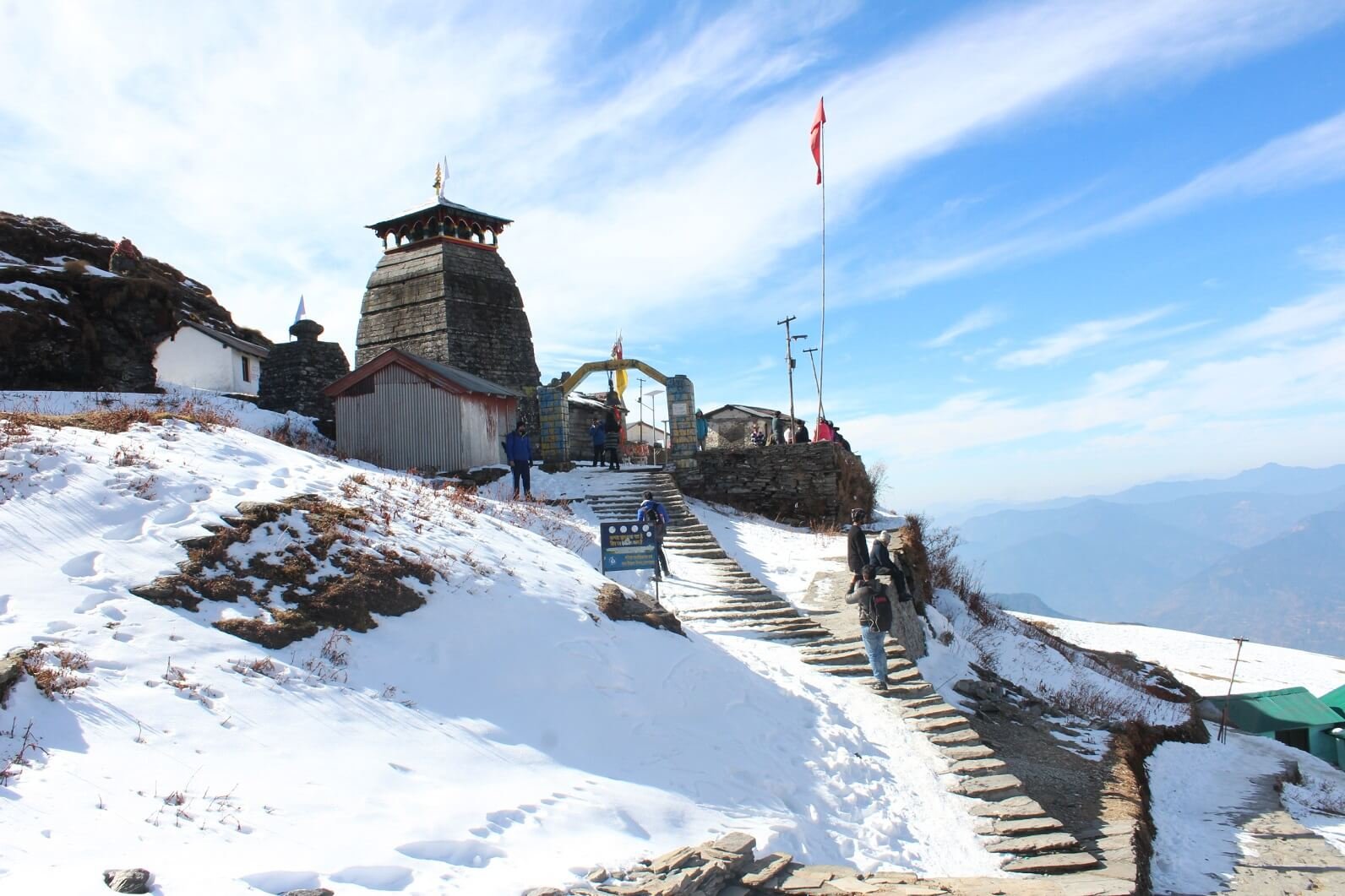
Then there is the spiritual draw. Reaching Tungnath, the highest Shiva temple in the world, provides a sense of peace that even non-religious trekkers find moving. The final push to Chandrashila Summit is the “cherry on top,” offering a summit climb experience that feels grand without being life-threatening.
Chopta sits at around 2,680 meters, while Tungnath Temple is at 3,680 meters and Chandrashila summit reaches approximately 4,000 meters. In just one weekend, you experience:
For beginners, it’s an ideal introduction to Himalayan altitude. The trail is well-defined and moderately steep but not technical. Families, college groups, and working professionals all prefer this trek because:
It can be done in 2–3 days
Accommodation options are simple
No complicated permits required
Accessible by road till Chopta
However, don’t mistake “short” for “easy.” The final climb to Chandrashila can test your stamina, especially if there’s snow.
Best Time to Visit: Weather and Seasonal Highlights
Timing is everything in the Himalayas. Because Chopta is accessible nearly year-round (except during extreme blizzards), the “best” time depends entirely on what you want to see. Each season paints the landscape in a completely different palette.
Spring (March to April): Rhododendrons and Residual Snow
Spring is one of the most beautiful times for the Chopta Tungnath trek. The forests bloom with red rhododendrons, and you may still find snow patches above Tungnath.
Temperature range:
Day: 8°C to 15°C
Night: 0°C to 5°C
The trail is manageable, and the sky is usually clear, offering stunning views of Nanda Devi, Trishul, and Chaukhamba.
If you want a mix of greenery and snow without extreme cold, March–April is ideal. I personally recommend this period for beginner trekkers.
Summer (May to June): Perfect Escape from the Plains
When the heat in Delhi and North India becomes unbearable, Chopta offers a literal breath of fresh air. Temperatures during the day hover around 15°C to 20°C, making it perfect for trekking in a simple t-shirt. The sky is usually clear blue, offering sharp views of peaks like Chaukhamba and Kedarnath.
However, Summer is also peak season. The trails are crowded, and the tranquility of the temple can be a bit diminished by the influx of pilgrims.
Winter (December to February): The Ultimate Snow Trekking Experience
Winter transforms Chopta into a snow wonderland.
The Tungnath Temple usually closes, but the trek to Chandrashila becomes a snow trek. Snow can reach knee-deep levels.
Temperature:
Day: -5°C to 5°C
Night: -10°C or lower
Only attempt in winter if:
You have basic trekking experience
You carry proper snow gear
You go with a reliable local operator
Snow adds beauty but also increases difficulty.
How to Reach Chopta: Your Travel Guide from Delhi and Rishikesh
By Road: Self-Drive, Bus & Shared Taxi Options
If you are starting from Delhi, the most common route is an overnight bus to Rishikesh. From Rishikesh, the journey is approximately 200 km and takes about 7 to 8 hours.
Self-Drive: Ensure your vehicle has good ground clearance. The mountain roads are well-paved up to Ukhimath, but the final stretch to Chopta can be narrow with sharp hairpins.
Public Transport: Take a UKSRT bus from Rishikesh toward Rudraprayag or Ukhimath. From Ukhimath, shared “Boleros” are the lifeline of the hills. They are cheap (around ₹100-₹200) but can be cramped.
Nearest Railway Station and Airport
Rail: The Yog Nagari Rishikesh Railway Station or Haridwar Junction are your best bets. Haridwar has better connectivity with the rest of India. From the station, you can easily find taxis or buses heading toward the mountains.
Air: The Jolly Grant Airport in Dehradun is the closest airport. It is about 30 km from Rishikesh. You can land in the morning and be in Rishikesh by lunchtime to start your mountain journey.
Book with an Experienced local tour operator
While solo trekking is possible, the logistics of permissions, equipment, and reliable transport can be a headache. I personally did this trek with Roopkund Heaven, and it made the logistics effortless. The transport was well-managed, local drivers knew mountain conditions well, and accommodation was pre-arranged at affordable cost. For beginners who don’t want travel stress, booking with an experienced local operator is highly recommended.
A Detailed 3-Day Itinerary: Including the Deoria Tal Trek
Day 1: Travel to Chopta & Acclimatization
We reached Chopta by late afternoon. Instead of rushing, we rested, explored nearby meadows, and allowed our body to adjust to altitude.
Acclimatization tip:
Avoid running or jumping immediately.
Drink 3–4 liters of water.
Eat light dinner.
Even at 2,600+ meters, some people feel mild breathlessness.
Day 2: Tungnath Temple & Chandrashila Summit Trek
Trek distance:
Chopta to Tungnath: ~3.5 km
Tungnath to Chandrashila: ~1.5 km
The first stretch is gradual but steadily uphill. After Tungnath, the climb becomes steep.
We started at 4:30 AM for sunrise. The final 30 minutes felt tough due to low oxygen and steep incline. But the view at the top — golden light hitting Chaukhamba — made everything worth it.
Carry:
1.5 liters water
Energy bars
Windproof jacket
Day 3: Deoria Tal Trek and Return Journey
On your final day, drive down to the village of Sari (about 45 minutes from Chopta). From Sari, it’s a short but steep 2.3 km trek to Deoria Tal. This emerald lake is famous for its perfect reflection of the Chaukhamba peaks in its waters. Legend says the Pandavas were tested here by the Yaksha.
After a peaceful breakfast by the lake, trek back down to Sari and begin your drive back to Rishikesh. You’ll likely reach Rishikesh by late evening, tired but with a soul full of mountain memories.
Why This Trek Is Famous For
This trek isn’t just a physical challenge; it’s a cultural icon. It is famous for being the home of Tungnath, the highest of the “Panch Kedar” temples. Dedicated to Lord Shiva, the temple is over 1,000 years old and is built of heavy grey siltstone. The fact that such a structure exists at this altitude is a feat of ancient engineering.
Beyond the spiritual, it is famous for its 360-degree views. Most treks give you a view of one or two major peaks. At Chandrashila, you are standing in the center of a Himalayan amphitheater. You see the entire range of Gharwal and Kumaon, including peaks like Trishul, Nanda Devi, and Dunagiri.
Lastly, it is famous for the Himalayan Monal. This iridescent, multi-colored bird is the state bird of Uttarakhand and is notoriously shy. However, on the Chopta-Tungnath trail, they are frequently spotted, darting through the oak trees, providing a flash of neon color against the green and white landscape.
Difficulty Level: Is the Chopta Chandrashila Trek Suitable for Beginners?
The short answer is: Yes, absolutely. But “beginner-friendly” does not mean “effortless.” Many people underestimate the trek because the total distance is short, but the altitude is the real equalizer.
Total Distance, Altitude & Gradient Explained
Total trek distance (with Deoria Tal):
The total trekking distance over two days is roughly 10-12 km. While that sounds easy, you are climbing from 8,700 ft to over 12,000 ft. The gradient from Chopta to Tungnath is a steady incline of about 20-30 degrees, but the final stretch to Chandrashila is closer to 45 degrees. Your lungs will feel the difference in oxygen levels, which drop significantly above 10,000 feet.
Fitness Level Required
You don’t need to be a marathon runner, but you shouldn’t be a couch potato either. Ideally, you should be able to walk 5 km in 45 minutes on flat ground without gasping for air. In the 2 weeks leading up to the trek, focus on:
Stair Climbing: This mimics the uphill movement of the trek.
Squats and Lunges: To strengthen your quads for the descent (which is often harder on the knees than the ascent).
Breathing Exercises: Pranayama can help you manage the thinner air at the summit.
Common Challenges First-Timers Face
The biggest hurdle is AMS (Acute Mountain Sickness). Beginners often try to “race” to the top, which is a recipe for headaches and nausea. The key is “Pole-Pole” (slowly, slowly). Another challenge is the weather. Even in summer, a sudden cloudburst can drop the temperature by 10 degrees in minutes. Being mentally prepared for physical discomfort—cold toes, heavy breathing—is half the battle won.
Stay and Food Options: From Campsites to Local Homestays
Accommodation in Chopta is a mix of rustic charm and eco-adventure. You won’t find 5-star hotels here, and that’s part of the appeal.
Eco-Campsites: Most trekkers stay in “Swiss Tents” located in the meadows around Chopta. These tents come with attached washrooms and comfortable beds. I stayed with Roopkund Heaven, and their campsite offered a perfect balance of being “in the wild” while still having a warm bed and clean facilities.
Homestays: For a more cultural experience, you can stay in homestays in Sari or Ukhimath. These are usually run by local families, offering a glimpse into the mountain lifestyle.
Food: Expect simple, high-carb, nutritious Indian meals. Dal, Sabzi, Roti, and Rice are staples. On the trail, you’ll find small shacks (dhabas) selling Maggi, lemon tea, and omelets.
Pro Tip: Try the “Buransh Juice” (Rhododendron juice) at the local stalls—it’s great for heart health and incredibly refreshing.
Essential Packing List:
Carry:
Warm jacket
Thermal layers
Trekking shoes with grip
Woolen cap & gloves
Sunscreen & sunglasses
Reusable water bottle
Note: Avoid overpacking, Keep backpack under 6–7 kg and know the importance of chooseing the right backpack for trekking.
Frequently Asked Questions About the Chopta Tungnath Trek
1. Is there mobile network and internet connectivity in Chopta?
Connectivity is very spotty. BSNL and Jio work occasionally near Chopta, but once you start the trek toward Tungnath, the signal disappears completely. Don’t count on having 4G for your Instagram stories; consider it a digital detox. It’s best to inform your family beforehand that you will be out of reach.
2. Can I do this trek solo or do I need a guide?
While the path is well-marked, a guide is highly recommended, especially in winter or for the sunrise trek. A guide helps with emergency response, handles forest permits, and knows the behavior of the terrain. Using an operator like Roopkund Heaven also ensures your logistics (food and stay) are sorted, which can be difficult to manage solo during peak season.
3. Is the water safe to drink directly from mountain streams?
Generally, Himalayan water is pure, but near popular trails, it’s safer to use a purification tablet or drink boiled water provided at your campsite. Avoid buying plastic water bottles to keep the “Mini Switzerland” clean; instead, carry a reusable 2-liter bottle and refill it at your camp.
4. What happens if I get Altitude Sickness (AMS)?
If you develop a persistent headache, dizziness, or nausea, the only cure is to descend. Do not push for the summit. Most campsites have basic first aid and oxygen cylinders. The best way to prevent AMS is to stay hydrated and avoid consuming alcohol or smoking during the trek.
5. Are there toilets available on the trekking trail?
There are very few public toilets on the trail. You will find basic facilities at some of the dhabas near Tungnath. However, most trekkers use the “nature’s call” method or wait until they return to the base camp. Always carry a small roll of toilet paper and a waste bag to ensure you leave no trace behind.
6. What is the average cost of a 3-day Chopta Tungnath trek package?
Chopta Tungnath trek package from Rishikesh, you can expect to pay between ₹5,500 and ₹7,500 per person. If you are looking for a package starting from Delhi, the price typically ranges from ₹6,500 to ₹9,000,
7. Can I rent trekking gear like jackets or boots in Chopta?
While some small shops in Chopta village rent out basic sticks and gumboots (mainly for snow), they are often of poor quality and might not fit well. It is much better to arrive prepared. However, one of the benefits of booking through an agency like Roopkund Heaven is that they often provide or facilitate high-quality gear like gaiters and micro-spikes during winter treks, which are essential for safety on the slippery trail to Chandrashila.
8. What is the electricity situation for charging phones and cameras?
Chopta is an eco-zone, and electricity is very limited. Most campsites use solar power, which is barely enough for lighting the dining tent. Do not expect charging points inside your individual tents. Carry a high-capacity power bank (20,000mAh). Keep your phone on “Airplane Mode” to save battery, as the constant searching for a signal in the mountains will drain your phone in a few hours.
9. Is the trek safe for solo female travelers?
Yes, the Chopta region is known for being very safe and the local Garhwali people are extremely respectful. The trail is well-trodden, making it hard to get lost during the day. However, for the 4:00 AM summit push, it is safer and more motivating to be part of a group. Joining a fixed-departure batch with an operator ensures you have a dedicated guide and a community of fellow travelers, which adds a significant layer of security and fun.
10. What are the “Mule” or “Pony” options for those who cannot walk?
Mules are available from the Chopta starting point up to the Tungnath Temple. This is a common choice for elderly pilgrims. However, mules cannot go to the Chandrashila Summit because the path is too narrow and rocky. If you are using a mule for the first 3.5 km, you will still need to find the strength to hike the final, steepest 1.5 km on foot to reach the peak.
11. Why is it important to reach the summit before 8:00 AM?
In the Himalayas, weather patterns are predictable: clear mornings followed by afternoon clouds. By 10:00 or 11:00 AM, mist often rises from the valleys, obscuring the 360-degree views of the peaks. To see the “golden glow” on Chaukhamba and Nanda Devi, you must be at the summit at sunrise. Additionally, the wind speed at Chandrashila increases significantly after midday, making it uncomfortable to stay at the top.