Adi Kailash vs. Kailash Mansarovar: 2026 Comparison of Key Differences
For every devotee of Lord Shiva, a pilgrimage to the Himalayas is more than a journey — it’s a lifelong dream.
But when it comes to choosing between the Adi Kailash Yatra and the Kailash Mansarovar Yatra, confusion is completely natural. Many Indian pilgrims and trekkers ask the same questions:
Are they the same place?
Which one is easier?
Which yatra should I choose in 2026?
While both are deeply spiritual and powerful experiences, they are very different in practical terms — including location, cost, difficulty level, travel process, and required documents.
In this guide, I’ll explain everything in simple, clear language — from altitude and fitness requirements to budget and permits — so you can confidently decide which yatra is right for you.
Country & Accessibility Differences
The biggest divider is the border. Adi Kailash sits proudly within Pithoragarh, Uttarakhand (India). You don’t need a passport or a visa—just an Inner Line Permit. Mount Kailash, however, is in the Ngari Prefecture of Tibet (China), requiring international protocols that can be unpredictable.
Travel Duration and Route Type
A trip to Adi Kailash typically takes 7–9 days from Kathgodam. In contrast, the Kailash Mansarovar Yatra (via Nepal or Lhasa) usually demands 14–18 days due to the mandatory acclimatization required for the Tibetan plateau.
Cost and Budget Range
Expect to spend between ₹34,000 to ₹65,000 for a high-quality Adi Kailash tour. For the Tibet side, budgets start at ₹1.85 Lakh and can easily spiral to ₹3 Lakh depending on the exchange rate and permit fees.
Difficulty Level & Physical Demand
Adi Kailash is now 90% motorable. Mount Kailash still requires a grueling 52km Parikrama (trek) at altitudes where the air is thin enough to make a simple walk feel like a marathon.
Spiritual Experience & Ritual Practices
Both offers profound peace. At Adi Kailash, you perform puja at the Parvati Kund. At Mansarovar, the holy dip in the turquoise lake is the pinnacle of the journey.
Spiritual Experience & Ritual Practices
Kailash Mansarovar holds ancient significance in Hinduism, Buddhism, Jainism, and Bon religion. The 52 km Kailash Parikrama around Mount Kailash is considered life-changing.
Adi Kailash, also called Chhota Kailash, offers a similar divine atmosphere. You visit:
- Adi Kailash peak
- Parvati Sarovar
- Om Parvat (natural snow “Om” formation)
Many pilgrims say Adi Kailash gives deep spiritual satisfaction — especially for those who cannot travel to Tibet.
Why 2026 is the “Golden Year” for Indian Pilgrims
In recent years, infrastructure near the Indo-China border has improved significantly due to Border Roads Organisation (BRO) projects.
For Indian pilgrims:
- Better road connectivity
- Reduced trekking distance
- Improved security presence
- More organized tour operations
That makes the Adi Kailash Yatra more accessible than ever.
Location: Adi Kailash (India) vs. Mount Kailash (Tibet/China)
Where Is Adi Kailash Located?
Adi Kailash is located in the Pithoragarh district of Uttarakhand, near the Indo-Tibet border.
The route typically goes:
Kathgodam → Pithoragarh → Dharchula → Gunji → Nabi → Jyolingkong
It lies close to Om Parvat, another major attraction.
Where Is Mount Kailash and Mansarovar Situated?
Mount Kailash and Lake Mansarovar are located in Tibet Autonomous Region (China).
Indian pilgrims travel via:
- Government of India (MEA route via Lipulekh Pass)
- Nepal route (via Kathmandu)
This involves international travel and controlled border entry.
Border Proximity & Strategic Importance
Adi Kailash lies near the India-China border, so the area is strategically sensitive.
However, tourism is allowed with proper permits. Security presence is strong, and organized groups operate regularly during the yatra season.
Landscape and Terrain Differences
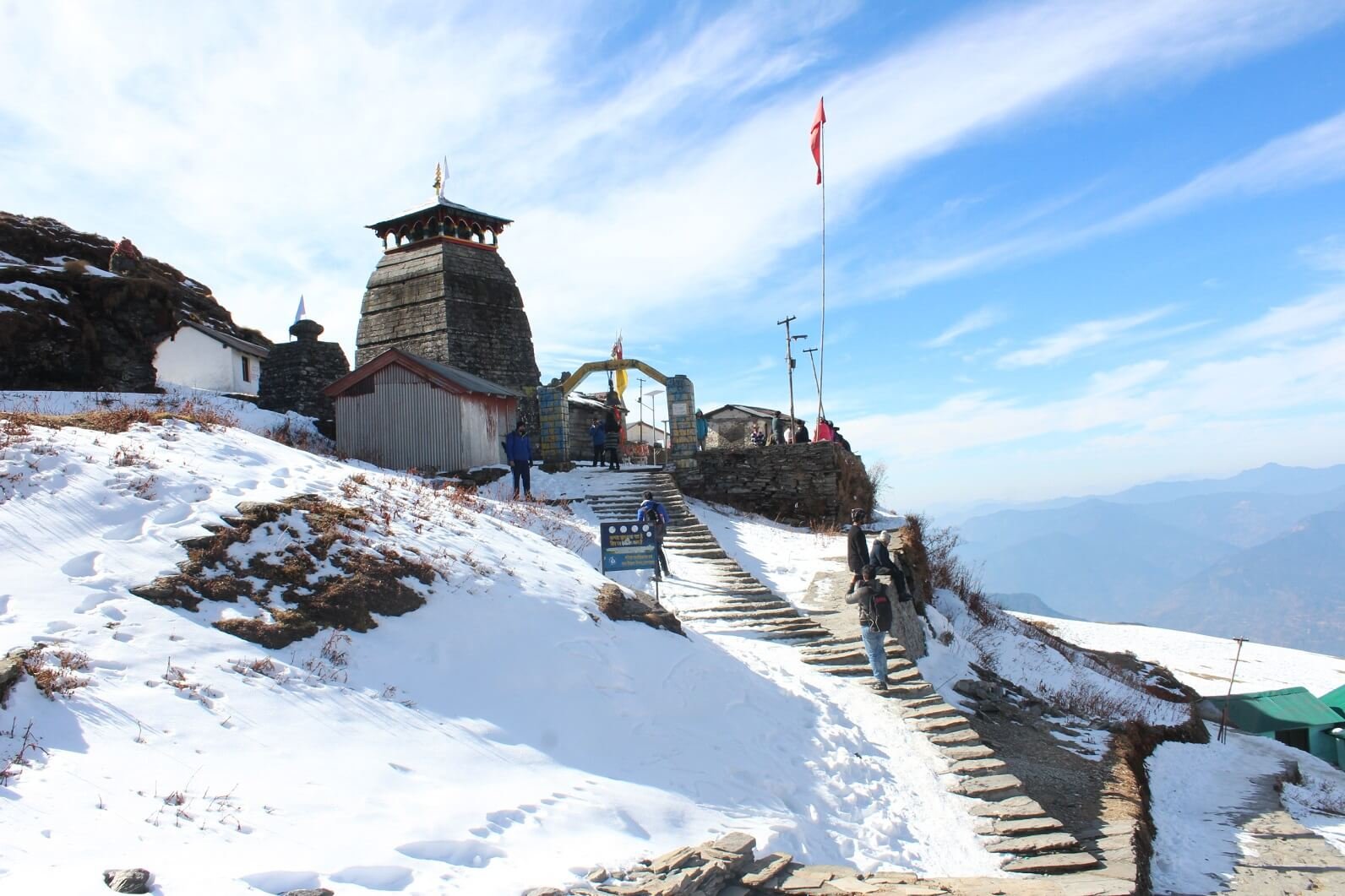
Adi Kailash region offers:
- River valleys
- High-altitude meadows
- Snow-capped peaks
- Motorable roads up to high camps
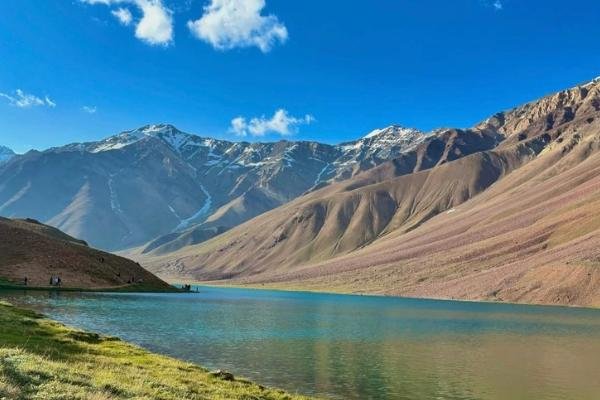
Kailash Mansarovar terrain includes:
- Dry Tibetan plateau
- Rocky trails
- High mountain passes
- Extreme weather exposure
The environment in Tibet feels harsher and more remote.
Spiritual Significance: Is Adi Kailash Actually ‘Chota Kailash’?
Mythological References in Hindu Scriptures
Mount Kailash is believed to be the abode of Lord Shiva and Goddess Parvati. Ancient texts like Skanda Purana mention its divine significance.
Adi Kailash is considered a symbolic representation of the original Kailash.
Importance in Hinduism, Buddhism & Jainism
Hindus: Abode of Lord Shiva
Buddhists: Associated with Demchok
Jains: Linked to Rishabhdev’s liberation
Bon religion: Sacred spiritual axis
Kailash Mansarovar carries multi-religious global significance.
Connecting with Om Parvat: The Miracle of the Natural ‘Om’
Near Adi Kailash, Om Parvat displays a naturally formed snow pattern resembling the sacred ‘ॐ’.
This phenomenon attracts thousands of devotees annually.
Why Sages and Pandavas Chose Adi Kailash for Meditation
Local Legend says the Pandavas meditated here during their final journey to the heavens. The energy of the Vyas Valley is thought to be more “intimate” and “gentle” compared to the raw, intimidating power of Tibet’s Kailash.
Why Adi Kailash Is Called Chhota Kailash
It resembles Mount Kailash in structure and spiritual symbolism, but it is smaller and located within India — hence the name Chhota Kailash.
How to Reach: New Routes & Driving Options from India
Route to Adi Kailash via Dharchula & Gunji
The most common route:
Kathgodam → Pithoragarh → Dharchula → Gunji → Jyolingkong
Road connectivity has improved significantly. Many stretches are now motorable.
Road Connectivity After Border Road Developments
BRO has developed high-altitude roads that reduce long trekking sections.
Earlier, this used to be a serious trek. Now, most of the journey can be completed by vehicle (depending on weather conditions).
Kailash Mansarovar Yatra Routes (MEA & Nepal Route)
Two main options:
- Government (MEA) route via Lipulekh Pass – selected via lottery
- Nepal route via Kathmandu – handled by private operators
Both involve border crossing and international coordination.
Passport, Visa & Medical Requirements
Adi Kailash: No passport required (Indian citizens). Inner Line Permit required.
Kailash Mansarovar: Passport mandatory. Chinese visa required. Strict medical screening.
Medical fitness is critical due to extreme altitude.
Recommended Adi Kailash Packages for a Hassle-Free Journey
If you want safe experience, choosing a reliable operator matters.
Roopkund Heaven offers curated Adi Kailash Yatra packages with:
- Experienced mountain guides
- Proper acclimatization planning
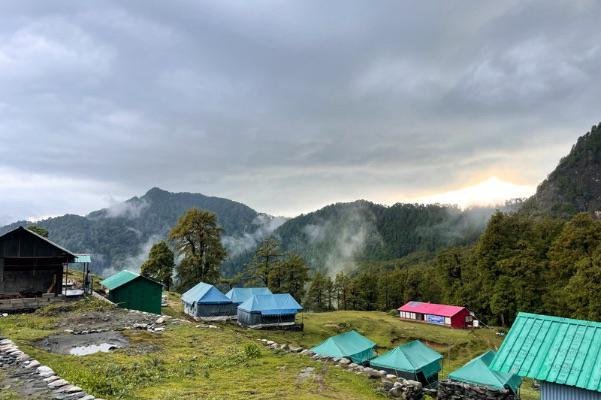
- Comfortable stays (where possible)
- Local support team
For beginners and senior citizens, organized travel reduces risk and stress significantly.
Trek Difficulty, Altitude & Fitness Levels: A Practical Comparison
Altitude Sickness (AMS): 4,500m vs. 5,600m
Adi Kailash: Around 4,500m
Kailash Parikrama (Dolma La): ~5,630m
Above 5,500m, oxygen drops drastically. AMS risk increases sharply.
Physical Training: Who Should Choose Adi Kailash?
Choose Adi Kailash If you can walk 3–4 km on flat ground without panting, you can do Adi Kailash. For Mount Kailash, you need rigorous cardio training at least 3 months in advance.
The ‘No-Trek’ Reality: Is it Truly Senior-Citizen Friendly?
While much of Adi Kailash route is motorable, short walks are still involved.
Senior citizens should:
- Train for 4–6 weeks
- Practice walking 3–4 km daily
- Consult a doctor if needed
Kailash Mansarovar Parikrama demands strong stamina and mental resilience.
Cost Comparison: Budgeting for Adi Kailash vs. Kailash Mansarovar
Average Cost of Adi Kailash Yatra (Current Year)
A standard 8-day Adi Kailash yatra package usually costs ₹34,000 to ₹55,000. This covers your stay, meals, and permits from Kathgodam to Kathgodam.
Average Cost of Kailash Mansarovar Yatra
Kailash Mansarovar involves:
- International travel
- Visa fees
- Government processing
- High logistics cost
It is typically much more expensive than Adi Kailash.
Expect to pay roughly ₹1,95,000 to ₹2,50,000. The jump in price is due to Chinese visa fees, helicopter charters in Nepal, and the high cost of logistics in Tibet.
What’s Included in the Package?
- Accommodation
- Meals
- Local transport
- Permits
- Guide support
Always confirm what is included before booking.
Hidden Expenses to Consider
- Personal gear
- Emergency evacuation
- Pony/porter during Parikrama
- Insurance
Never ignore contingency costs.
Permits & Documentation: Easier Access for Indian Citizens
Documents Required for Adi Kailash
- Government ID (Aadhar/Voter ID)
- Police Verification Form
- Physical Fitness Certificate from an MBBS doctor
- Passport-sized photos
Passport & Visa Rules for Kailash Mansarovar
- Valid passport
- Chinese group visa
- Government approval (for MEA route)
The documentation process is longer and stricter.
Medical Tests & Government Approval Process
Kailash Mansarovar (MEA route) requires detailed medical screening at designated hospitals.
Selection happens through a formal process.
Why Adi Kailash Is Logistically Simpler
- No international border crossing
- No visa complications
- Shorter duration
- Lower budget
For many Indian pilgrims, this makes decision easier.
Which Yatra Should You Choose? Final Verdict
If You Are a First-Time Trekker or Senior Citizen
Choose Adi Kailash yatra trek. The lower altitude and better road connectivity make it a much safer and more comfortable spiritual introduction.
If You Seek the Traditional Kailash Parikrama
Choose Mount Kailash. If your heart is set on the “Badi” (Big) Kailash and you have the physical stamina, there is no substitute for the scale of Tibet.
Budget-Based Decision Making
Limited budget → Adi Kailash
Flexible budget → Kailash Mansarovar
Time Availability & Leave Planning
5–8 days available → Adi Kailash yatra
12–15 days available → Kailash Mansarovar yatra
Plan according to your work schedule.
Frequently Asked Questions (FAQs) About Adi Kailash and Mansarovar yatra
Is Adi Kailash Equal to Kailash Mansarovar?
No. It is spiritually symbolic but geographically different.
Can I see both Adi Kailash and Om Parvat on the same trip?
Yes. Most Adi Kailash itineraries include Om Parvat.
Do I Need a Passport for Adi Kailash?
No, Indian citizens do not need a passport.
Is it safe to travel to the border regions in 2026?
Absolutely. The roads are better than ever, and the ITBP ensures the region is secure for pilgrims.
Can Beginners Do Kailash Mansarovar Yatra?
Only if they train properly and pass medical screening.
What Is the Best Time to Visit?
May to June and September to October are the peak windows. Avoid July and August due to heavy Himalayan rains.
Is Adi Kailash Safe for Family Travel?
Yes, with proper planning and gradual acclimatization.