Bali Pass Trek

Bali Pass Trek - Himalayan Adventure

Bali Pass Trek

Experience the thrill of the Himalayas with expert local guides

Trek Grade

Easy-Moderate

Highest Altitute

12,140 ft/3700 m

Best Season

Mid Nov - March

Trek Duration

5 Night | 6 Days

Trekking Km

22 Km

Stays

Hotel/Camp

transport

Rishikiesh

trek region

Uttarakhand

Base camp

Joshimath

Meals

veg meal/egg

Bali Pass Trek Overview

The Bali pass trek is a thrilling and demanding high altitude adventure in the Garhwal region of the Indian Himalayas. It is filled with adventures and beautiful views. This trek begins in the picturesque village of Sankri, a well-known base camp for several treks in Uttarakhand, and concludes at Jankichatti, a small settlement near the sacred Yamunotri temple. Starting from Sankri, trekkers gradually ascend through dense pine forests, remote Himalayan villages, and scenic meadows before reaching the high-altitude Bali Pass. After crossing the pass, the trail descends sharply through rocky and alpine terrain, eventually leading to Jankichatti, marking the end of this challenging yet unforgettable journey.

The Bali Pass sits at a staggering altitude of 16,207 feet (4,940 meters), making it one of the more challenging yet rewarding high-altitude treks in the Indian Himalayas. From the summit of the pass, trekkers are treated to breathtaking panoramic views of several majestic Himalayan peaks, including the iconic Bandarpoonch, the dark and imposing Kala Nag (Black Peak), and the sacred and snow-covered Swargarohini range, which is deeply rooted in Hindu mythology. These towering massifs form a dramatic skyline, offering a surreal and unforgettable experience that makes the effort to reach the pass truly worthwhile.

Read more Read less

Key Highlights of Bali pass trek:

The Bali Pass trek in uttarakhand is replete with captivating highlights that make it a cherished experience for trekkers. Here are some of its key highlights:

High-Altitude Adventure

  • Altitude: Reaches a maximum elevation of 16,207 ft (4,940 m).
  • One of the few treks in India that involves crossing a high Himalayan pass, offering a true alpine experience.

Stunning Mountain Views

  • 360° panoramic views of major peaks like Bandarpoonch, Kala Nag (Black Peak), and Swargarohini.
  • Clear views of snow-covered ridgelines and glaciers from the top of the pass.

Diverse Landscapes

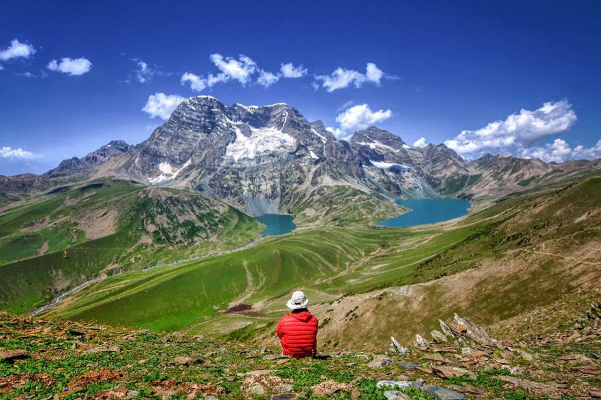
  • Journey through dense pine and oak forests, lush green meadows (like Devsu Thach), and alpine terrain.
  • Crosses the confluence of the Tons and Ruinsara Rivers.

Remote & Less-Crowded Trail

  • Offers solitude and serenity, unlike more commercial treks.
  • Ideal for those looking for an offbeat trekking experience.

Cultural & Spiritual Significance

  • Connects Sankri to Jankichatti, near the Yamunotri temple, one of the Char Dham pilgrimage sites.
  • Passes through traditional villages like Osla and Gangad, offering a glimpse into local Garhwali life.

Challenging Yet Rewarding

  • Demands prior trekking experience and good fitness due to its steep ascents, descents, and snow-covered trails.
  • Suitable for experienced trekkers seeking a tough but memorable Himalayan expedition.
Read more Read less

Trek Gallery

Bhrigu Lake Trek Itinerary

Embark on a picturesque journey from Dehradun to the enchanting base camp of Sankri, nestled amidst the Yamuna and Tons valleys, spanning a scenic 210 km drive. As you traverse through this breathtaking landscape, marvel at the Yamuna bridge and immerse yourself in the serenity of dense pine forests. The road to Sankri winds through some of the most captivating destinations in the Himalayas, including the quaint towns of Mussoorie, Nainbagh, Damta, Newman, Mori, Purola, and Netwar, offering glimpses of nature’s grandeur at every turn.

Located within the tranquil environs of the Govind Wildlife Sanctuary in Uttarkashi district, Sankri welcomes you with its rustic charm and vibrant mini-market, renowned for its cozy wooden huts serving delectable local cuisine.Explore the verdant apple orchards and lush greenery surrounding Sankri, basking in the pollution-free ambiance and breathtaking vistas of snow-capped mountains. As evening descends, be captivated by the mesmerizing sunset casting its warm glow over the majestic mountain ranges, with a panoramic view of the Swargarohini peaks from the base camp.

Sankri, adorned with around 250 quaint houses, boasts a handful of dhabas and shops, offering a glimpse into the simple yet captivating village life. Witness the ethereal spectacle of the setting sun behind the towering Himalayas, with the Swargarohini peaks glistening in the fading light.Spend a serene night under the star-studded sky in comfortable camps at Sankri, indulging in a wholesome and delicious dinner. Let Roopkund Heaven ensure a seamless journey, arranging transportation from the Sankri base camp back to Dehradun, completing this unforgettable Himalayan adventure.

Embark on an adventure from Sankri to Dharkot village after a satisfying breakfast. Traverse through dense forests and alongside picturesque water streams, immersing yourself in the natural beauty of the surroundings. Keep your senses keen as you may encounter rare mountain bird species, including the majestic Himalayan Monal, adding to the allure of the journey. Revel in the breathtaking views of wild orchids and remain vigilant for glimpses of Himalayan wildlife such as leopards and barking deer along the way.

As you drive through the idyllic village of Taluka, renowned for its traditional houses and charming dhabas, take a moment to soak in the quaint ambiance before reaching Dharkot. Here, take respite and recharge before embarking on the trek to Seema, a mere 4km away.

Prepare for an exhilarating trek through varied terrain, including rocky surfaces, wooden bridges, and verdant trails meandering alongside the Supin river. Marvel at the diverse array of mountain animals and birds that call this region home, their presence adding a touch of wilderness to the journey. Quench your thirst from the pristine streams that dot the trek route, providing refreshment amidst the rugged landscape. As evening descends, arrive at Seema via Gangar village, where a small green field awaits, offering a tranquil spot to set up camp and admire the awe-inspiring views of nature surrounding you..

The trek from Seema to Rain Basera is a beautiful and gradually challenging stretch of the Bali Pass trail, offering a shift in landscape and altitude that marks the transition from forested trails to alpine terrain. Starting from the quaint village of Seema, located near the Supin River, the trail begins by ascending gently alongside the left bank of the Ruinsara River. This part of the trek takes you through dense coniferous forests filled with pine, oak, and deodar trees, where the air is crisp and the surroundings are tranquil. As you continue, the forest canopy slowly starts to thin, revealing sweeping views of the surrounding valleys and snow-capped Himalayan peaks in the distance. The path is a mix of dirt trails, rocky sections, and occasional stream crossings, some of which may involve makeshift wooden bridges or stone hopping, depending on the season and water levels. The constant sound of flowing water keeps you company throughout the route. The climb is steady but not overly steep, making it manageable for trekkers with a good fitness level. Eventually, the trail emerges into more open alpine meadows, with wildflowers blooming in summer and clear skies above. Rainbasira, also known as Rain Basera, is a remote and peaceful campsite nestled by the side of the Ruinsara River. It’s a simple, flat area surrounded by rugged cliffs and the grandeur of untouched Himalayan wilderness. The name Rainbasira translates to “rain shelter,” as this spot is often used by shepherds and trekkers as a resting place. With no permanent infrastructure, it’s a back-to-basics campsite, offering the serenity of the high mountains and the calming sound of the river nearby. It serves as an excellent acclimatization point before heading further toward Ruinsara Tal and the higher reaches of the Bali Pass trail.
This marks our final day of walking alongside the peaceful Supin River, a companion that has flowed beside us through much of the journey so far. As we move forward, the trail slowly begins to reveal a different kind of beauty—more open, more serene. By afternoon, we arrive at the stunning Ruinsara Tal, a high-altitude glacial lake tucked away in the heart of the Garhwal Himalayas. The lake is surrounded by thick rhododendron bushes and wide alpine meadows, offering a peaceful setting that feels almost untouched by time. Although the trail to Ruinsara is not particularly challenging, the walk can be quite exhausting due to the increasing altitude and steady climb. Still, the natural beauty of the lake and its surroundings makes the effort more than worth it. After spending some time soaking in the calm atmosphere of Ruinsara Tal, we continued our trek towards the Thange campsite. This campsite is simple but incredibly lovely, located in a scenic, quiet area where we’ll pitch our tents for the night. From here, the view is absolutely stunning, with wide, open skies and towering snow-covered peaks all around. To the southwest of Ruinsara lies the imposing Yamuna Kanta, a steep and difficult pass that leads to the sacred site of Yamunotri, known for its spiritual significance and physical challenge. On the eastern side, the majestic Bandarpunch Peak, standing tall at 6,387 meters, dominates the skyline, creating a dramatic and awe-inspiring backdrop. This part of the trek truly captures the essence of the Himalayas—remote, powerful, and unforgettable.
Today at Thange Camp, we will spend the day acclimatizing to the high altitude, which is an important step before attempting the challenging ascent to Bali Pass. As we are now well above 3,500 meters, it’s essential to allow our bodies to adjust to the thinner air and reduced oxygen levels. This rest day is not just about staying idle; instead, we’ll take short, easy walks around the area to keep the body active while getting used to the altitude. The landscape around Thange is raw and breathtaking—surrounded by towering peaks, rocky ridges, and patches of alpine vegetation. You can explore the nearby trails, observe the glacial streams, or simply take in the incredible views of the snow-covered mountains. The peace and isolation here create a rare connection with nature. The weather can be quite cold and windy, especially in the evenings, so proper layering is important. This day also gives us a chance to recover, rehydrate, and mentally prepare for the final ascent to Bali Pass, which lies ahead. Spending time at Thange not only helps improve our chances of a safe and successful crossing, but it also allows us to fully appreciate the beauty and silence of this remote Himalayan wilderness
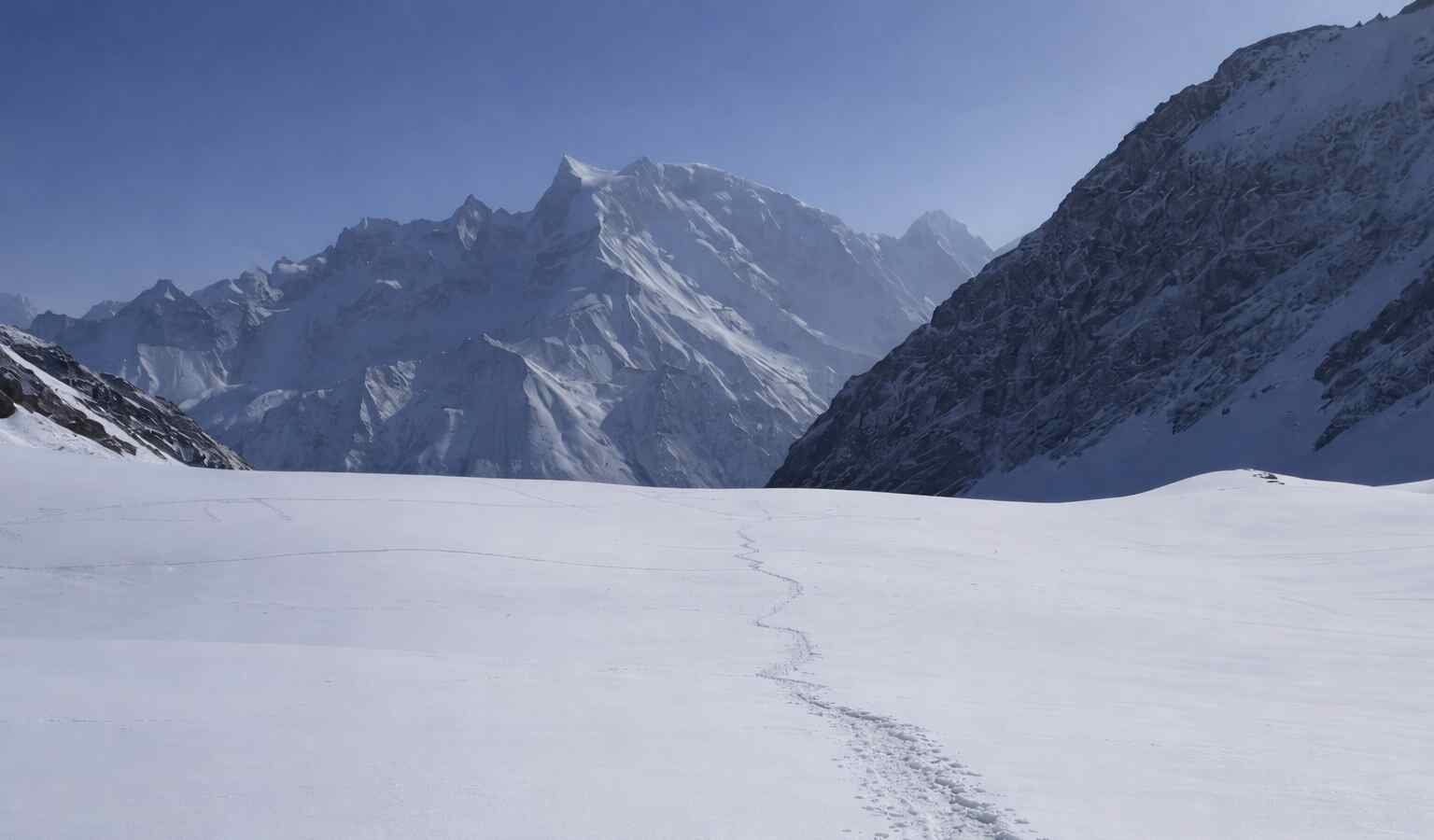
Today is a lighter day in terms of difficulty, but it’s full of beauty and adventure. We start our trek by crossing a small wooden bridge near the campsite. After crossing it, we take the narrow trail to the left. This path is a little risky, as it’s prone to landslides, so we walk carefully. The mountain slope here is broken, and the trail takes us over a section full of large boulders. It feels like walking through a rocky maze. This stretch takes about 20 minutes to cross, and soon we reach a flat area where we can see a small tributary of the Ruinsara River flowing gently on our left side. We need to cross this stream, but there’s no bridge, so we look for a safe spot to hop across on rocks. It’s best to cross early in the morning when the water level is low. Some people use ropes here for safety, but it’s not always necessary. After crossing, we follow a trail that moves straight ahead toward a snow-covered area called a moraine, with the river still on our left. As we walk, the view opens up beautifully, and for the first time, we get a clear and wide view of the Swargarohini mountain range—tall, majestic, and covered in snow. Soon, we start seeing patches of snow in the green meadows ahead. As we continue, we switch to the right side of the valley and begin climbing steadily. The trail becomes steeper, and we slowly enter the snow zone. The snow here is slippery, so wearing microspikes or crampons is very helpful. The path turns right and leads us into a funnel-shaped valley, which gets narrower as we move higher. After climbing for an hour or two (depending on your pace), we reach the top of a snow ridge, and from here, we can see another ridge covered in snow. Just behind that lies the icy field of Odari. The views from this point are truly magical—you can see Kyarkoti Valley to your left and the Swargarohini peaks behind you. From here, it’s a short and gentle climb through snow to reach Bali Base Camp. This is a wide, open space with frozen ponds and patches of level snow. In summer, especially during June and July, we pitch our tents directly on hard snow, so it’s important to have warm and waterproof gear. Climbing these ridges is tiring, especially the third ridge, which gains a lot of height in just 30–45 minutes. From this point, you’ll finally see a snow ridge that leads toward the final steep climb to Bali Pass Col. The snow is deep and widespread, and it’s safest to stick to the top of the ridge while walking. These sections are not too technical but can feel very long and exhausting. After another hour or so, you’ll reach the fifth ridge, where the Bali Pass Col finally comes into view to your left. To reach the base of the final climb, you’ll need to cross three snow dunes—after that, the real and final ascent to Bali Pass begins.
The climb to Bali pass trek is steep and full of snow, so it is best to go with full preparation and an expert Guides. There are no rifts, but using an ice axe and walking in a zig-zag path makes it safer. It takes about 45 minutes to 1.5 hours to reach the top of the col, where you get your first view of the Yamunotri valley. A final 10-minute steep climb leads to the Bali Pass summit, a wide area with space for large groups. From here, you get 360° views of Bandarpoonch, Kalanag, Swargarohini, and the Saptarishi Kund route. Stay alert during the descent—this is where the real excitement begins. The trail drops sharply, almost at a 90-degree angle, and the path is narrow and challenging. It’s important to follow your guide closely and use proper trekking techniques. The section from Lower Dhamni to Upper Dhamni is quite tough, especially if there’s snow, so move carefully. Once you finish this difficult stretch, take a break and rest at Upper Dhamni to recover. The trail from here can be unclear or confusing, so stay with your group and always follow your trek leader. After resting, the journey continues toward Lower Dhamni. This part of the route is easier—the trail becomes flatter and more visible, running through a peaceful forest for about 2 kms. Once you reach Lower Dhamni, you can relax in your tents and spend the night there comfortably.
Today’s trek is quite easy and relaxed. Begin by walking down through the Lower Damini forest. The path is well-marked, and after about 30 minutes of steep downhill walking, you’ll join the old trail to Yamunotri. If you wish to visit the Yamunotri temple, you’ll need to take a small detour here. Otherwise, take the path on the right, which goes downward and soon meets the new paved pilgrim trail from Yamunotri to Janakichatti. From this point, the route is cemented, making the walk smooth and easy. You’ll reach Janakichatti, where you can catch a shared jeep or a bus to return to Dehradun.

Best time to do Bali Pass trek:

The best time to do the Bali Pass Trek is during the pre-monsoon (May to mid-June) and post-monsoon (mid-September to October) seasons.

Summer(May to June):

  • The best time to do the Bali Pass Trek is during the pre-monsoon months from May to mid-June and the post-monsoon season from mid-September to October. These windows offer the most suitable weather and the most stunning views. If you trek during May or early June, you’ll still find a good amount of snow on the higher sections, especially near the pass, which adds to the adventure and gives you that true high-altitude Himalayan experience. The valleys are lush and green, and you might even see blooming rhododendrons and clear, flowing rivers .

Autumn(September to October):

  • During this season, trekking after the monsoon from mid-September to October, gives you crisp skies, dry trails, and a golden touch of autumn across the landscape. This season is known for its crystal-clear mountain views, especially of Swargarohini, Bandarpoonch, and Kala Nag peaks. The weather is stable, with cool days and chilly nights, making it an excellent time.
Read More Read less

How to Reach for Bali Pass Trek?

Delhi to Dehradun by Bus

  • From Delhi, a regular bus service operates to Dehradun. The main bus station in Delhi is ISBT Kashmere Gate, offering both AC and non-AC buses for the journey to Dehradun.

Delhi to Dehradun by Air

  • The closest airport to reach Dehradun by flight is Jolly Grant Airport, located approximately 25 km from the city. Regular flights from Delhi to Dehradun are available. If you plan to arrive by flight, it’s advisable to schedule your arrival one day in advance.

Delhi to Dehradun By Train

  • To reach Dehradun from Delhi by train, start by heading to one of the major railway stations in Delhi, such as New Delhi Railway Station or Hazrat Nizamuddin Railway Station. Several trains operate on this route.. The journey typically takes around 5 to 6 hours. It’s advisable to check the train schedules and book your tickets in advance through the Indian Railways website or a reliable travel app. Once you arrive at Dehradun Railway Station, you can easily find local transport, like taxis or auto-rickshaws, to reach your destination in the town.
Read More Read less

What to Pack for Bali Pass Trek?

As a trekking, adventure, and travel company, we often receive inquiries from our trekkers, and one of the most frequent questions is about what to pack for the bali pass trek? Sometimes, it can be challenging to provide detailed explanations, so we’ve compiled a comprehensive packing list that will be beneficial for all trekkers heading to the Himalayas. When preparing for a trek and organizing your gear, it’s helpful to follow a systematic approach. You can start either from head to foot or foot to head, ensuring you cover all essentials and minimize the risk of forgetting important items. So, take it step by step and pack accordingly.

 Footwear and Backpack
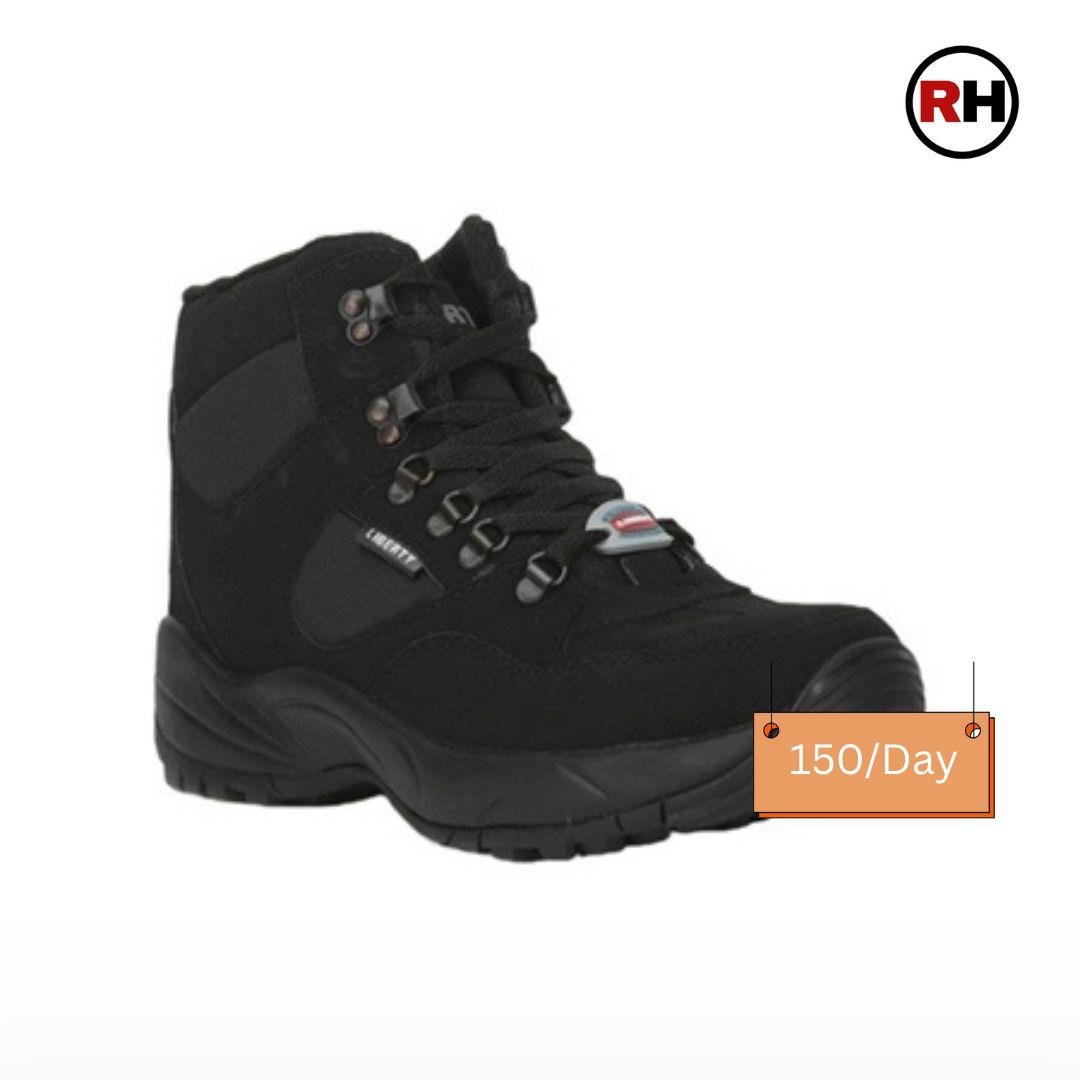
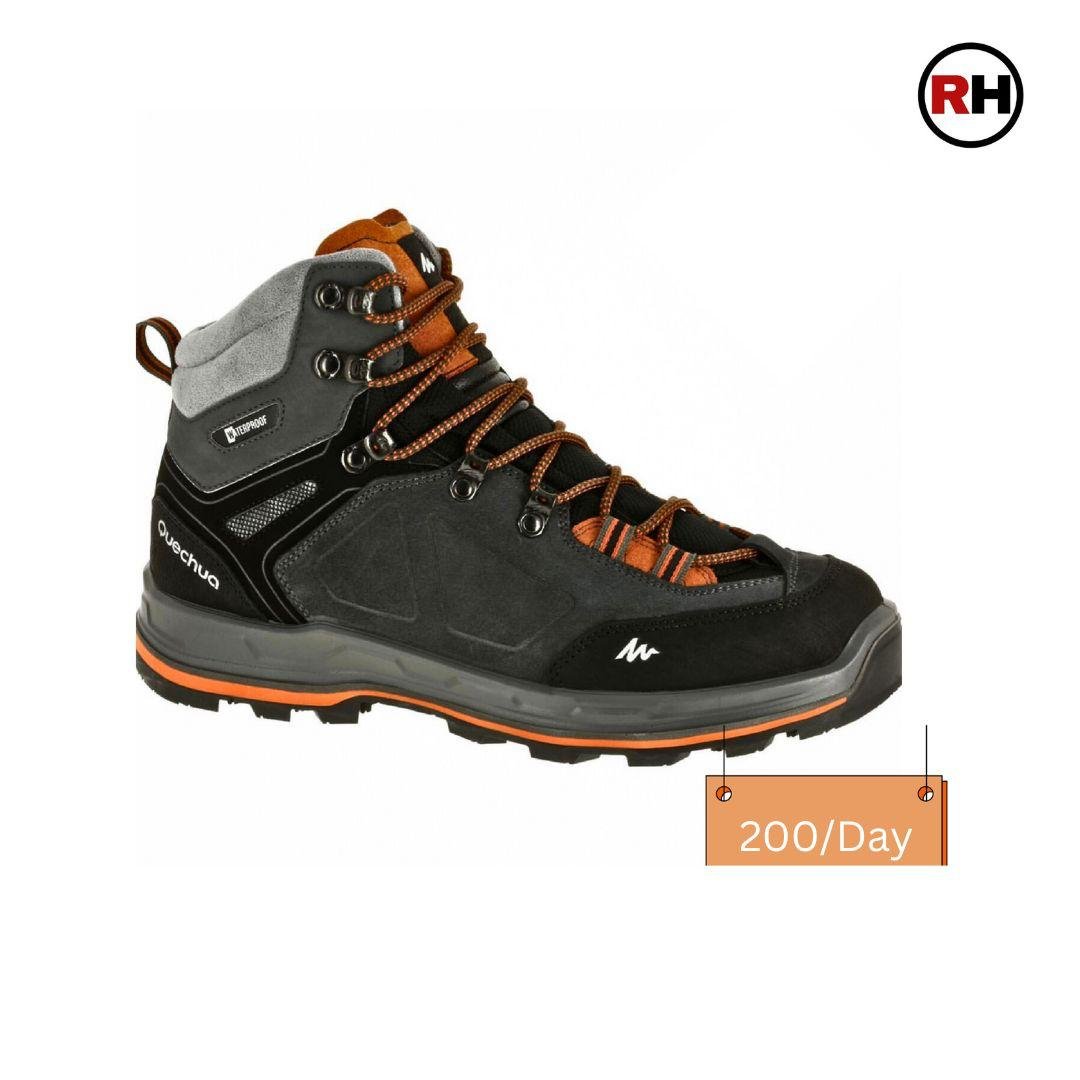
✅Trekking shoes with ankle support
✅Backpack with rain cover
✅Daypack with rain cover

Warm Layers and Clothing
✅Warm layers (Padded jackets )
✅3 layers for spring, summer, and monsoon treks (1 woolen sweater, 1 fleece, 1 padded jacket)
✅4 layers for autumn treks (1 woolen sweater, 2 fleece, 1 padded jacket)
✅5 layers for winter treks (1 pair of thermals, 1 woolen sweater, 2 fleece, 1 padded jacket)
✅3 Collared T-shirts (Wear one, carry two)
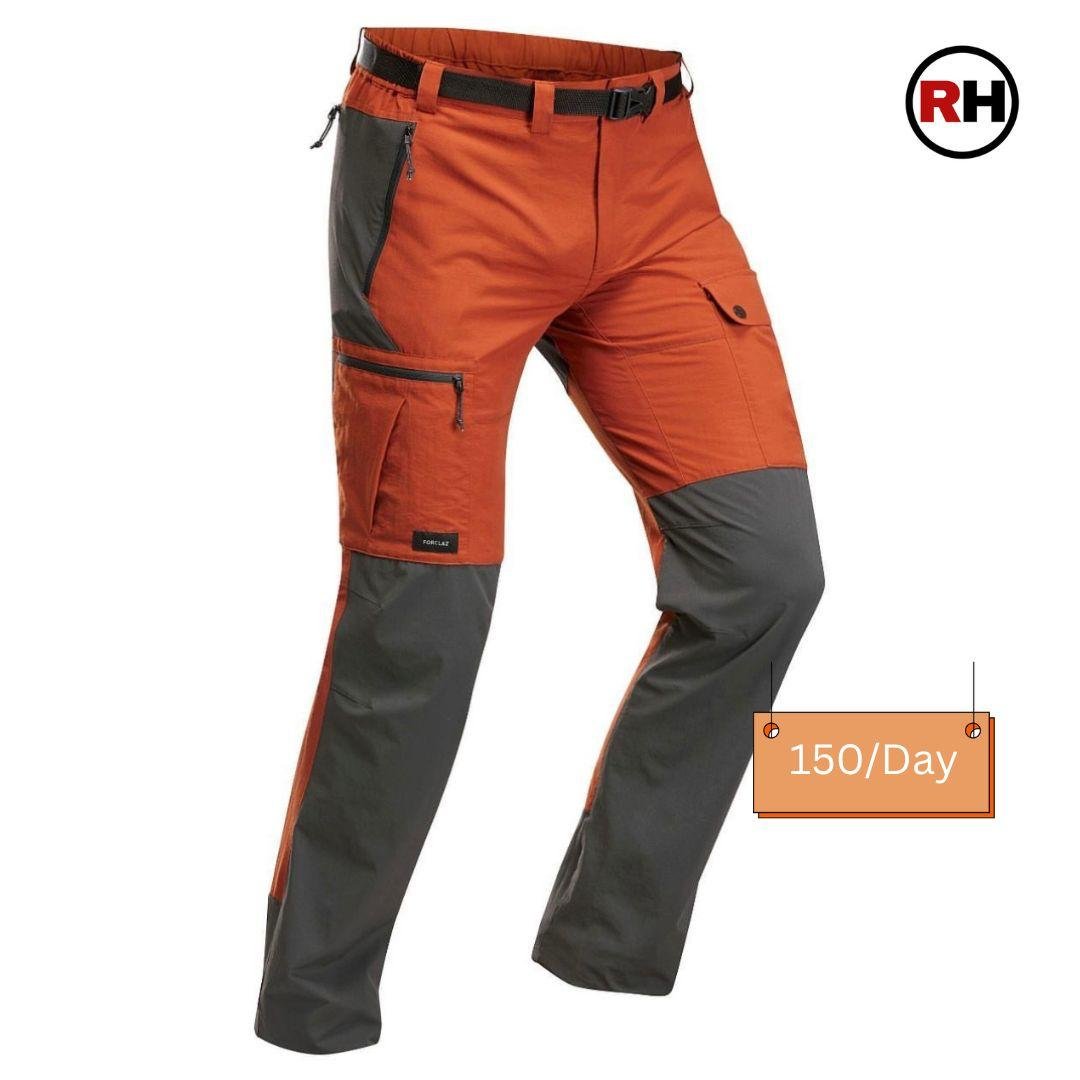
✅2 quick-dry trek pants (Wear one, carry one)

Accessories
✅Sunglasses
✅Sun cap, preferably with flaps
✅Waterproof gloves
✅Balaclava
✅Woolen socks (2-3 pairs od Dry + 1 pair of Woolen))
✅Headlamp
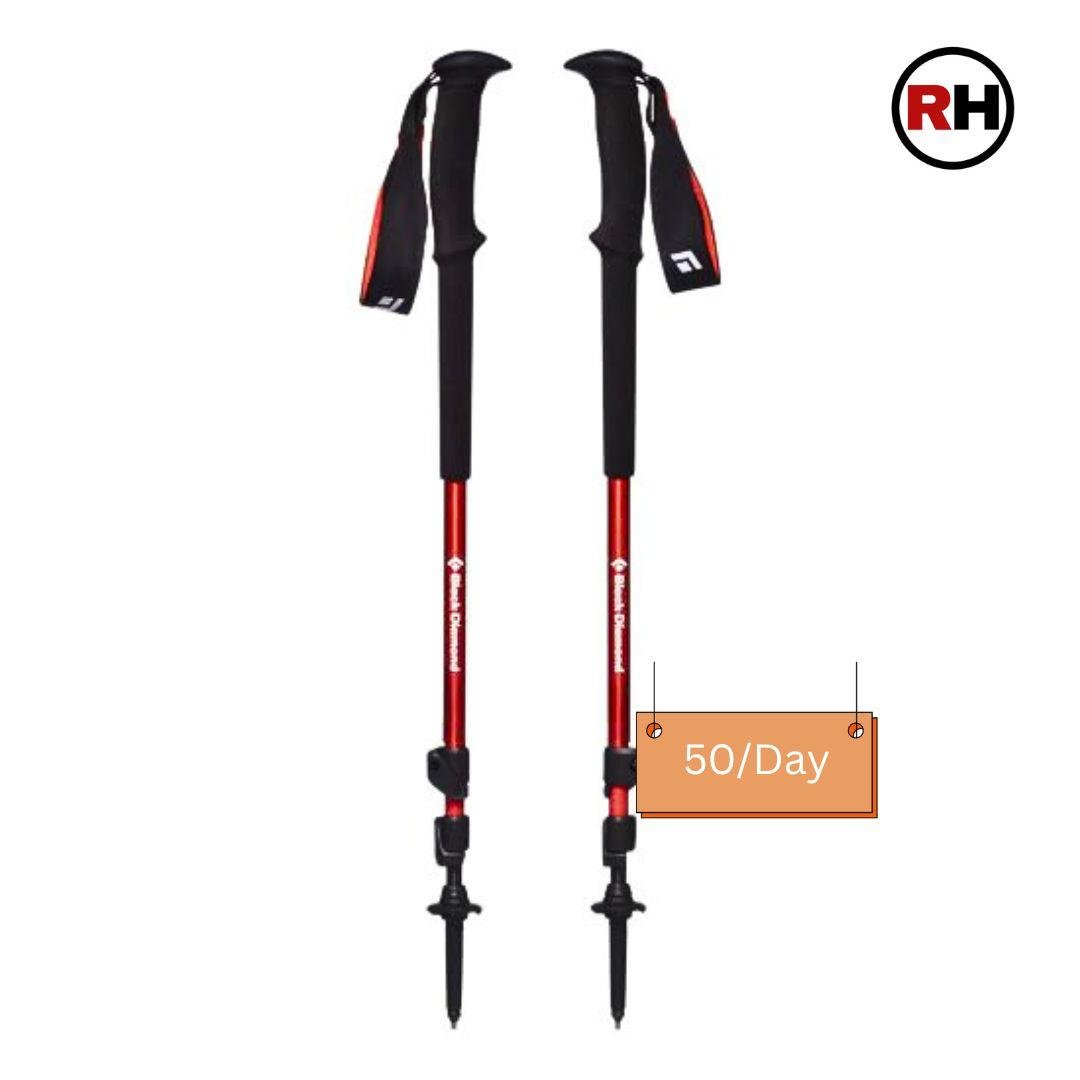
✅Trekking pole
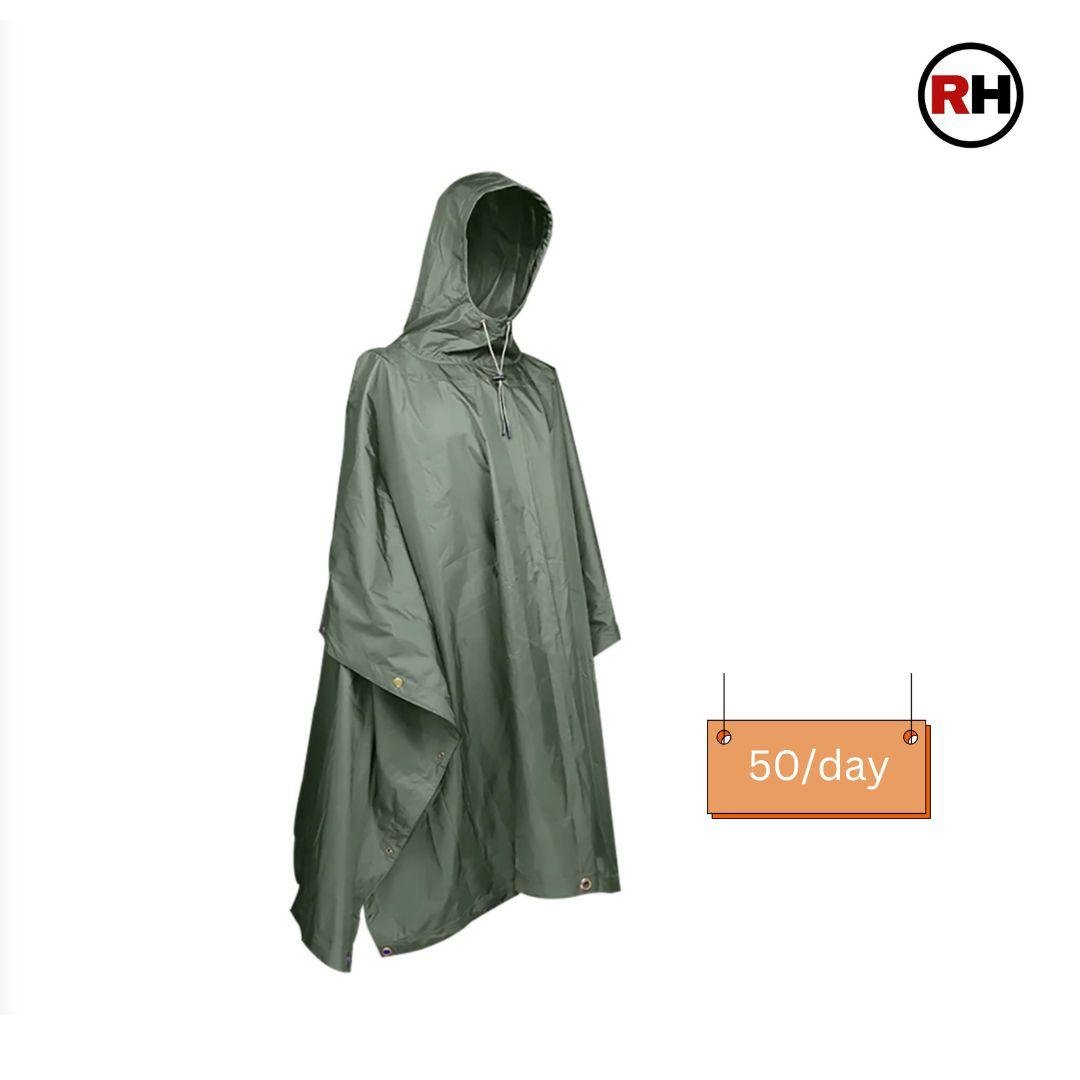
✅Rain Jacket + pants/poncho

Toiletries
✅Suncreen
✅Moisturizer
✅Light towel
✅Lip balm or vaseline
✅Toilet paper (wet wipes are strictly not allowed on our treks)
✅Toothbrush
✅Toothpaste
✅Reusable plastic covers (for used clothes)
✅Trash bags (Carry out all your waste and leave no trace behind)


Read more Read less

Rental Gears for Kauri Pass Trek

FAQs About Bali Pass Trek

Get all your questions answered here

The Bali Pass Trek reaches an elevation of approximately 4,950 meters (16,240 ft) above sea level. Located in the Uttarkashi district of Uttarakhand, India, this high-altitude Himalayan trek is known for its challenging terrain and breathtaking views. The trek connects the Har Ki Dun valley to the Yamunotri region and passes through remote villages, alpine meadows, and snow-covered landscapes. Due to its high elevation and steep ascents, the Bali Pass Trek is recommended for experienced trekkers who are well-acclimatized to high altitudes. The pass itself offers panoramic views of several majestic peaks, including Swargarohini, Bandarpoonch, and Black Peak, making it a rewarding experience for adventure seekers.
The Bali Pass Trek is not recommended for beginners or first-time trekkers due to its high altitude, steep climbs, and challenging terrain. The trek reaches up to 4,950 meters (16,240 ft), where the oxygen level is significantly lower, and weather conditions can change rapidly. It involves long walking hours, crossing snow patches, narrow ridges, and potentially slippery or unstable paths. Such conditions require a good level of physical fitness, prior high-altitude trekking experience, and proper acclimatization. For first-time trekkers, it is better to start with easier treks like Kedarkantha, Hampta Pass, or Triund to build stamina and understand how their body reacts to altitude. Once they gain some experience and confidence, attempting the Bali Pass Trek becomes a much safer and more enjoyable adventure.
The Bali Pass Trek is located in the Uttarkashi district of Uttarakhand, India, in the Garhwal Himalayas. It connects the beautiful Har Ki Dun valley to the holy Yamunotri region, offering a blend of adventure, culture, and natural beauty. The trek usually starts from a small village called Sankri, which is a popular base for several treks in the region. From Sankri, the route passes through scenic villages like Seema (or Osla), and Har Ki Dun, which is known for its lush meadows and views of snow-covered peaks. Trekkers then move towards Ruinsara Tal, a stunning high-altitude lake surrounded by alpine beauty. After acclimatizing, the trail continues to Odari and then to Bali Pass, the highest point of the trek at 4,950 meters. After crossing the pass, the descent takes trekkers to Lower Dhamni and finally to Janki Chatti, which is near Yamunotri Temple. The trek offers a diverse landscape ranging from dense forests and rivers to glaciers and high mountain passes making it one of the most thrilling and scenic treks in the Indian Himalayas.
The best time to do the Bali Pass Trek is from mid-May to early July and from late September to mid-October. During these periods, the weather is relatively stable, and the trail remains accessible. In summer (May to early July), the snow begins to melt, revealing lush green meadows, blooming alpine flowers, and clear views of snow-capped peaks like Swargarohini and Bandarpoonch. The temperature is pleasant during the day but can get cold at night, especially at higher camps. In autumn (late September to mid-October), the skies are generally clear after the monsoon, offering crisp views of the surrounding Himalayan ranges. The air is dry and cool, which makes trekking more comfortable and less humid. However, nights can be very cold, and occasional snowfall is possible in October. It is not advisable to attempt the Bali Pass Trek during the monsoon (July to early September) due to heavy rainfall, risk of landslides, and slippery trails. Similarly, winter (late October to April) brings heavy snow and extreme cold, making the route inaccessible and dangerous. Therefore, the pre-monsoon and post-monsoon windows are ideal for a safe and enjoyable Bali Pass Trek.
Mobile network connectivity on the Bali Pass Trek is very limited and mostly unreliable. Once you leave the base village Sankri, the signal becomes weak and eventually disappears completely as you move deeper into the mountains. There is no mobile network coverage on the higher sections of the trek, including campsites like Har Ki Dun, Ruinsara Tal, Odari, and Bali Pass itself. In terms of SIM cards, BSNL and Jio are known to have the widest coverage in remote areas of Uttarakhand, but even they do not work reliably beyond Sankri. Sometimes, you may get a weak BSNL signal in lower villages like Osla or Seema, but it is not guaranteed and should not be depended upon. Therefore, it’s advisable to inform your family or emergency contacts before starting the trek and not rely on mobile phones for communication during the journey. Most trekking groups carry satellite phones or walkie-talkies for emergencies. It’s also a good idea to keep your phone on airplane mode to save battery, as there will be no charging points after Sankri.
The Bali Pass Trek typically takes around 8 to 9 days to complete, depending on the itinerary, weather conditions, and the pace of the group. The total trekking distance is approximately 60 to 70 kilometers (37 to 44 miles). The journey starts from Sankri, a small village in Uttarakhand, and ends at Janki Chatti, near the Yamunotri temple. Each day covers around 7 to 12 kilometers of trekking, and the altitude gain is gradual to allow for proper acclimatization. The itinerary usually includes stops at scenic and important locations such as Seema or Osla, Har Ki Dun, Ruinsara Tal, Odari, and finally the crossing of the Bali Pass (4,950 meters). The descent from the pass goes through Lower Dhamni before reaching Janki Chatti. While the trek is not extremely long in terms of distance, it is physically demanding due to the high altitude, steep ascents, rocky terrain, and snow-covered trails near the pass. Therefore, even though it spans only about 60–70 km, the challenging conditions and necessary acclimatization make it a week-long high-altitude expedition, best suited for experienced trekkers.

Bali Pass Trek Package

6,900 + 5% GST

Joshimath to Joshimath

Add ons

  • Trek Rental Gear

Total: ₹

Dates & Availability

15-Nov to 20-Nov
Available
22-Nov to 27-Nov
Available
29-Nov to 04-Dec
Available
6-Dec to 11-Dec
Available
7-Dec to 12-Dec
Available
13-Dec to 18-Dec
Available
14-Dec to 19-Dec
Available
20-Dec to 25-Dec
Available
21-Dec to 26-Dec
Available
22-Dec to 27-Dec
Available
23-Dec to 28-Dec
Available
24-Dec to 29-Dec
Available
25-Dec to 30-Dec
Available
26-Dec to 31-Dec
Available
27-Dec to 01- Jan
Available
28-Dec to 02-Jan
Available
29-Dec to 03-Jan
Available
30-Dec to 04-Jan
Available
01-Jan to 06 Jan
Available
02-Jan to 07 Jan
Available
03-Jan to 08 Jan
Available
04-Jan to 09 Jan
Available
10-Jan to 15 Jan
Available
11-Jan to 16 Jan
Available
17-Jan to 22 Jan
Available
18-Jan to 23 Jan
Available
24-Jan to 29 Jan
Available
25-Jan to 30 Jan
Available
31-Jan to 05 Feb
Available
01-Feb to 06-Feb
Available
07-Feb to 12-Feb
Available
08-Feb to 13-Feb
Available
14-Feb to 19-Feb
Available
15-Feb to 20-Feb
Available
21-Feb to 26-Feb
Available
22-Feb to 27-Feb
Available
28-Feb to 05-Mar
Available
07-Mar to 12-Mar
Available
08-Mar to 13-Mar
Available
14-Mar to 19-Mar
Available
15-Mar to 20-Mar
Available
19-Mar to 24-Mar
Available
20-Mar to 25-Mar
Available
21-Mar to 26-Mar
Available
22-Mar to 27-Mar
Available
24-Mar to 29-Mar
Available

What our Clients Say About Us

4.9 Google Rating ⭐⭐⭐⭐⭐
Purva Shinde
Purva Shinde
I did the Valley of Flowers trek with Roopkund Heaven and it was absolutely amazing! Everything—from the planning to the execution—was smooth and very well-managed. The team was professional, friendly, and genuinely passionate about the mountains.A special shoutout to Sunil and Devendra, our trek leaders, who made the experience even better.Highly recommend booking your next adventure with them. Looking forward to doing another trek soon!
Anshika Negi
Anshika Negi
Roopkund isn’t just a trek, it’s a journey into a Himalayan mystery. You start in quiet villages, walk through whispering oak forests, and cross endless meadows that feel like the roof of the world. By the time you reach Skeleton Lake, the air is thin, the world is silent, and you’re standing in a place where history, legend, and nature collide. It’s breathtaking, exhausting, and unforgettable — not for beginners, but worth every step for those ready to test their limitsSpecial thanks tooo Sunilll who makes our trek more amazing and full of funsss 💚💚💚
Megan
Megan
Had the most amazing time on the brahmatal trek- a massive thank you to Bracash for guiding us all up the mountain! All the staff were so welcoming and lovely, throughout the whole trip. We loved every second of the trip, and can’t wait to do another one.Everything was so well organised throughout the trek from the welcome on the first night, to the tents we slept in and rest stops along the way. Plus the food throughout the trip was delicious!We also hired bags through the company which came with everything we needed to complete the trek.Highly highly recommend booking the trek through these guys - we loved it!
 Manish Chandra
Manish Chandra
I arrived in Lohajung without a booking and stumbled upon Roopkund Heaven, where the owner graciously helped me decide between the Brahmatal Trek and Ali Bedni Bugyal Trek. I opted for the latter and joined a group tour organized by Roopkund Heaven. They kindly customized the itinerary to accommodate my early descent plans. The trek leader was friendly and welcoming, and the food was delicious. Overall, it was an unforgettable experience, and I'm grateful to Roopkund Heaven for making it happen!
Sourav Singh Rawat
Sourav Singh Rawat
I had the pleasure of trekking with Roopkund Heaven for both my Brahmatal and Roopkund treks, and they truly made the experience exceptional. The entire service, from the cooking staff to the trek leader, was flawless. Every detail was taken care of, ensuring we had a smooth and enjoyable journey. The efficiency of their team allowed us to focus on the beauty of the trek, while they handled everything else seamlessly. I enjoyed every bit of it and highly recommend Roopkund Heaven for anyone looking for a well-organized and memorable trekking experience
Yogesh Rawat
Yogesh Rawat
Great Experience with Roopkund Heaven. I gave them 5 star .... For their Trek Leaders,Rajendra and Duggu Bhai who gave us freedom to enjoy the trek, For their awesome food, Quality of Camp, Sleeping Bags... My entire experience was awesome... Also I recommend all my friends and colleagues to go for Roopkund Heaven for great experience on Beautiful Treks
KUSHLESH SINGH
KUSHLESH SINGH
I can say Roopkund Heaven is one of the best trip organizer for the mountains Treks. We are group of six people's and they are managing very well. Narendra is an exceptional person, he handles our queries and encourages us to trek the Brahmatal trek. Will plan our next trek soon...😊
Pragati negi
Pragati negi
We had an incredible experience of valley of flowers and hemkund sahib with Roopkund Heaven on our first trek! The entire journey was totally safe and smooth, thanks to the team's constant availability and support. Special mention to our guide, Kamlesh, who went above and beyond to make us feel like family. His super funny and caring nature ensured that we had an absolute blast! Highly recommend Roopkund Heaven and Kamlesh for a memorable and hassle-free trekking experience."

Recommended Trips

Make the most of your weekend with a trek into nature

Scroll to Top