Hampta Pass Trek Overview: What to Expect from the Trail
The Hampta Pass trek is more than just a trekking route; it is a geological anomaly. Most treks in the Himalayas offer a gradual change in scenery, but Hampta offers a theatrical “curtain drop.” One moment you are trekking through apple orchards and thick forests of oak and deodar, and the next, after crossing the pass, you are in the rain-shadow region of Spiti, where the greenery vanishes completely.
The Hampta Pass is one of the most popular Himalayan treks for beginners in India, but calling it “easy” would be misleading. It’s accessible, yes—but it still demands stamina, mental strength, and preparation.
Here’s what you’re signing up for:
- Region: Himachal Pradesh (Kullu to Spiti Valley crossover)
- Altitude: ~14,100 ft (Hampta Pass)
- Trek Distance: ~26–30 km
- Duration: 4–5 days
- Difficulty: Easy to Moderate
What makes this trek unique is the gradual build-up of difficulty. The first two days feel manageable, but summit day (crossing Hampta Pass) is long, cold, and physically demanding.
Expect:
- Long walking hours (6–8 hours on summit day)
- River crossings (especially in July–August)
- Sudden weather changes (sun to snowfall within hours)
If you’re a beginner, you can absolutely do it—but only if you prepare properly for weather, altitude, and endurance.
Why Understanding Hampta Pass Weather is Crucial Before Planning
Most trekking failures don’t happen because of fitness—they happen because people underestimate weather conditions.
The Hampta Pass weather is unpredictable. You can start your day under clear blue skies and end it in snowfall or heavy rain. This is especially true because the trek connects two different climatic zones—Kullu (moist) and Spiti (dry and cold).
Here’s why weather matters:
1. It Directly Impacts Difficulty
- In June, snow makes the climb slippery and slow
- In July–August, rain increases river levels
- In September, cold winds and low temperatures test endurance
2. Packing Depends on Weather
If you pack wrong:
- Cotton clothes → you freeze
- No rain gear → you stay wet for hours
- Poor shoes → slipping risk
3. Safety Risks Increase
Weather-related risks include:
- Hypothermia
- Slips on snow/rocks
- Strong winds at the pass
- Flashy river crossings
Real scenario: Many beginners feel confident on Day 1–2, but on summit day, weather + altitude + fatigue hit together.
That’s why understanding Hampta Pass temperature and weather patterns is not optional—it’s the difference between a good trek and a bad experience.
The Magic of the Hampta Pass and Chandratal Lake Trek
Why This Trek is Called a “Crossover Trek”
Hampta Pass is not just a mountain climb—it’s a geographical transition.
You start from:
- Kullu Valley: Green, forested, full of life
And end in:
- Spiti Valley: Cold desert, barren mountains, dramatic landscapes
This “crossover” is rare. Most treks show you one type of terrain. Here, you experience two extremes within 4–5 days.
This constant change keeps the trek mentally engaging. You’re not just walking—you’re witnessing a shift in ecosystems.
Experience of Reaching Chandratal Lake
Chandratal Lake is often the emotional highlight of the trek.
After days of rough terrain, when you reach this high-altitude lake:
- The water appears crystal clear
- Surrounding mountains reflect perfectly
- Silence dominates the environment
But here’s the reality:
- It’s cold and windy
- Oxygen is lower
- You can’t stay too long
Still, it’s worth every step.
Landscape Contrast: Kullu Valley vs Spiti Valley
This contrast is what defines Hampta Pass:
- Green meadows
- Water streams
- Dense forests
- Rocky terrain
- Dry mountains
- Minimal vegetation
This sudden shift feels almost unreal, especially for first-time trekkers.
Best Time to Visit Hampta Pass: A Season-by-Season Breakdown
June: Snow Trek Experience and Challenges
June is the peak of “Snow Season.” If you want to walk on thick blankets of white, this is the Hampta Pass best time. However, snow brings challenges. The ascent to the pass becomes a “snow climb,” requiring good trekking boots and perhaps micro-spikes. The Hampta Pass temperature in June stays between 15℃ during the day and -2℃ at night. The biggest hurdle? The snow can be soft by midday, leading to “post-holing” (where your leg sinks up to the hip), which is physically exhausting.
July–August: Lush Green Valleys and River Crossings
This is peak season.
Expect:
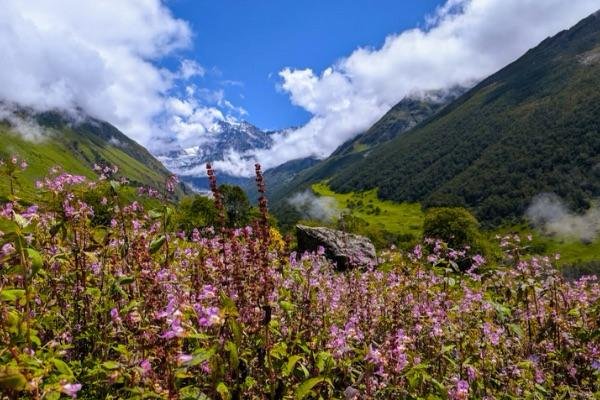
- Bright green landscapes
- Waterfalls everywhere
- Moderate temperatures
Challenges:
- Frequent rain
- Strong river crossings
You must:
- Wear quick-dry clothes
- Start early to cross rivers safely
September: Clear Skies and Best Mountain Views
September is for the photographers. The monsoon clouds vanish, leaving behind the crispest air you’ll ever breathe. The snow has mostly melted from the trails, making the trek faster and less slippery. The views of the Deo Tibba and Indrasan peaks are unparalleled this month. The nights start getting significantly colder, and by late September, fresh dustings of “sweet snow” (new autumn snow) begin to appear on the pass.
Month-wise Comparison: Which Month is Best for You?
- June: Best for snow lovers and adventure seekers. High physical demand.
- July/August: Best for trekkers who love greenery and flowers. Moderate rain risk.
- September: Best for beginners and photographers. Stable weather, clear views.
- October: Only for the experienced. Extremely cold temperatures and high risk of early winter storms.
How to Reach the Starting Point: Manali to Jobra
Travel Options from Delhi to Manali
Most trekkers take an overnight Volvo bus from Delhi (ISBT Kashmiri Gate) to Manali. It’s a 12–14 hour journey. Pro tip: Book a seat on the left side of the bus for the best river views as you enter the Beas valley. Alternatively, you can fly into Bhuntar Airport (Kullu), which is 50 km from Manali, though flights are often cancelled due to weather.
Manali to Jobra Road Journey Explained
Jobra is the trek base.
- Distance: ~18 km
- Time: ~1 hour
Road is narrow but scenic. Private vehicles or trek operators arrange transport.
Last-Minute Travel Tips for Trekkers
- Reach Manali one day early
- Avoid same-day trek start
- Carry cash (limited ATMs)
- Network disappears after Manali
Hampta Pass Trek Itinerary
Day 1: Manali to Jobra to Chika
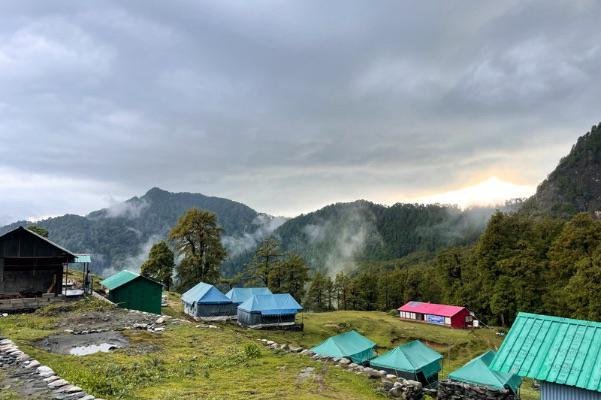
A short drive followed by an easy 2-hour trek. You’ll walk through forests of pine and maple. Chika, your first campsite, is located next to a waterfall. It’s the perfect “warm-up” day with a gentle gradient.
Day 2: Chika to Balu Ka Ghera
This is a 5-hour trek through meadows. You will perform your first major river crossing today. Balu Ka Ghera (the “Bed of Sand”) is a flat ground formed by the river’s silt. It’s a stunning place to camp, surrounded by snow-capped peaks.
Day 3: Balu Ka Ghera to Hampta Pass to Shea Goru
The “Summit Day.” This is a long 8-hour trek. The climb to the pass is steep and zigzagged. Once at the top, you’ll spend 15–20 minutes soaking in the view before a very steep, knee-taxing descent to Shea Goru. This is the most physically demanding day.
Day 4: Shea Goru to Chatru and Chandratal Visit
A 4-hour descent brings you to Chatru, the road-head in Lahaul. From here, you’ll drive to Chandratal Lake (weather permitting). You’ll witness the stark change from green to brown in full glory.
Day 5: Return Journey to Manali
The drive back from Chatru to Manali takes you through the Atal Tunnel (or Rohtang Pass, depending on the route). It’s a 4–6 hour journey that brings you back to civilization.
Why Choose Roopkund Heaven for Hampta Pass Trek?
Choosing the right operator matters more than people think.
Roopkund Heaven offers:
- Experienced local guides (understand terrain & weather)
- Balanced itineraries (no rushing)
- Safety-first approach
Why this matters:
- Guides know when weather turns risky
- They manage river crossings safely
- Help beginners pace properly
For first-timers, this reduces 70% of common trekking issues.
Hampta Pass Trek Package (Roopkund Heaven)
If you’re planning a hassle-free experience, here’s the latest 2026 Hampta Pass trek package:
- Price: ₹8,500 + 5% GST
- Route: Manali to Manali
Add-ons:
- Backpack Offloading: ₹1,600
- Trek Insurance: ₹170
- Jumbo Bag: ₹2,500
This package typically includes:
- Accommodation (tents/homestay)
- Meals during trek
- Guide and support staff
- Permits and basic logistics
For beginners, going with a structured package like this ensures:
- Better safety
- Proper acclimatization
- Less planning stress
Essential Packing List for Different Seasons
Clothing Guide for Cold and Wet Conditions
- Base layer (dry-fit)
- Fleece jacket
- Down jacket
- Waterproof jacket
Avoid cotton—it traps moisture.
Must-Have Trekking Gear and Equipment
- Trekking shoes (good grip)
- Backpack (50–60L)
- Trekking pole
Personal Essentials and Safety Items
- First aid kit
- Sunscreen
- Power bank
- Headlamp
Must know: the importance for chooseing the right backpack for trekking
Safety Tips and Health Precautions for High-Altitude Trekking
Recognizing Symptoms of Acute Mountain Sickness (AMS)
AMS doesn’t care about your fitness level. If you feel a persistent headache, nausea, or loss of appetite, tell your guide immediately. These are early warning signs. If you ignore them and develop breathlessness while resting, you must descend immediately.
The Importance of Hydration and Acclimatization
Drink 3–4 liters of water daily. Dehydration mimics AMS and thickens your blood, making it harder to pump oxygen. Avoid alcohol and smoking entirely during the trek, as they suppress your breathing and dehydrate you further.
Navigating Tricky River Crossings Safely
Never cross a river alone. Use the “Human Chain” method where trekkers hold hands and move diagonally against the current. Always unbuckle your backpack’s waist strap during a crossing; if you slip, you need to be able to jettison the weight immediately to stay afloat.
Conclusion
The Hampta Pass trek is not just a beginner trek—it’s a complete Himalayan experience packed into a few days. From green valleys to snow patches and finally the barren beauty of Spiti, every section feels different and earned.
But the key to enjoying this trek lies in understanding one thing clearly—weather controls everything here.
Choose the right season, prepare properly, and go with realistic expectations. Do that, and Hampta Pass won’t just be another trek—it’ll be a benchmark experience that sets the tone for all your future Himalayan journeys.
a