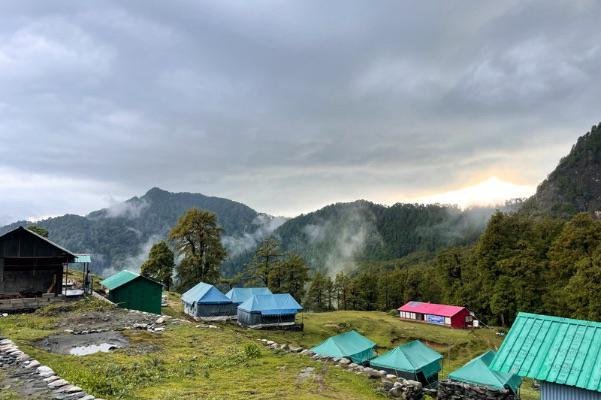
If you’ve ever imagined yourself walking above clouds, with endless green meadows under your feet and Himalayan giants floating in and out of view, Ali Bedni Bugyal feels exactly like that dream.
I did this trek recently with a trekking company called Roopkund Heaven, and from the very first day, it felt different from most Himalayan treks I’ve done.
Unlike summit-focused or crowded pilgrim routes, Ali Bedni Bugyal is slow, wide, and immersive. It gives you time to breathe, observe, and truly feel the mountains—making it perfect for trekkers who want scenery without extreme risk.
Why I Chose Ali Bedni Bugyal Over Other Himalayan Treks
I chose Ali Bedni Bugyal trek because most Indian trekkers immediately think of Kedarkantha Trek or Dayara Bugyal for their first experience. I wanted something that combined massive alpine meadows. Instead of chasing a peak, this trail offers long meadow walks, changing skies, and space—something that’s rare in popular Himalayan routes today.
Other reasons that influenced my choice:
- Moderate altitude (safer and more comfortable)
- Vast open bugyals instead of narrow forest trails
- Fewer crowds compared to Chopta, brahmatal, Kedarnath routes
For me, it felt like the right balance between adventure and peace.
Where Is Ali Bedni Bugyal and Why Is It So Special?
Location in Uttarakhand’s Garhwal Himalayas
Ali Bedni Bugyal is located in Chamoli district, Uttarakhand, above the village of Lohajung.
It sits between 11,000–12,500 ft, surrounded by some of the most iconic peaks of the Garhwal Himalayas.
The Cultural Legend: The Connection to the Nanda Devi Raj Jat Yatra
These meadows are not just scenic—they’re deeply spiritual.
Ali and Bedni Bugyal lie on the historic route of the Nanda Devi Raj Jat Yatra, a sacred pilgrimage held once every 12 years. Locals treat the land with great respect, which is why eco-discipline here is taken seriously.
Why Ali and Bedni Are Called the “Twin Meadows”
Ali Bugyal and Bedni Bugyal are two massive alpine meadows connected by a gentle ridge walk.
Ali Bugyal is expansive, like a never-ending golf course, while Bedni Bugyal is more dramatic, housing the sacred Bedni Kund and offering steeper viewpoints.
How My Journey to Ali Bedni Bugyal Began
Reaching Lohajung with the Roopkund Heaven Team
My journey started with a long, winding drive from Rishikesh to Lohajung. I traveled with the Roopkund Heaven team—local experts who know these trails like the back of their hands. Lohajung is a bustling basecamp filled with the smell of thukpa and anticipation.
My First Open View of Ali Bugyal
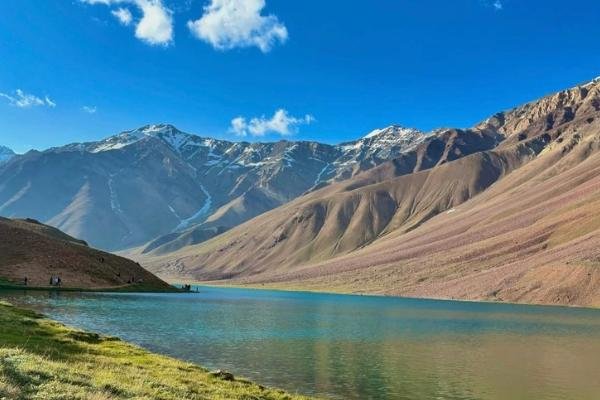
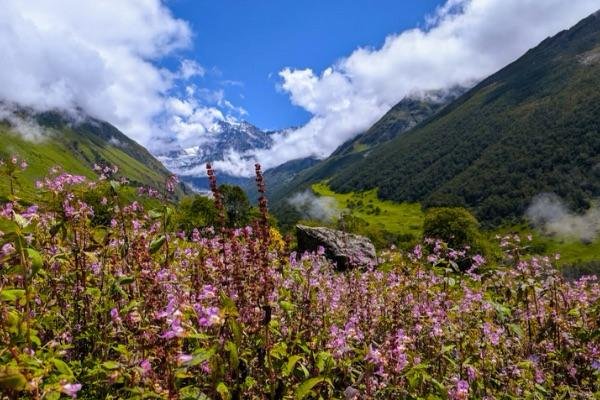
The moment the forest opened up and Ali Bugyal appeared, it honestly took my breath away.
A vast green carpet stretched till the horizon—no trees, no noise, just wind and grass.
Which Himalayan Peaks Appear Above the Clouds at Ali Bedni Bugyal?
Mt. Trishul: The Most Dominant Peak from Bedni Bugyal
Mt. Trishul (7,120 m) is the undisputed star here. From Bedni, it looks so close you feel like you could reach out and touch its icy slopes. It’s intimidating and beautiful all at once.
Nanda Ghunti and Other Peaks Seen During Clear Weather
On clear days, you can spot:
- Nanda Ghunti
- Parts of the Nanda Devi massif
- Other Garhwal ranges peeking through clouds
A 360-Degree Panorama: Identifying the Garhwal Ranges
Bedni Bugyal offers a near 360-degree Himalayan view, especially early in the morning before clouds roll in.
You can spot the Chaukhamba range and Neelkanth on a crisp day. It’s a literal geography lesson written in granite and ice.
What “Walking on Clouds” at Ali Bedni Bugyal Actually Felt Like
Early Morning Mist and Slowly Clearing Meadows
Waking up in a tent is an ethereal experience. The mist often sits heavy on the grass at 6:00 AM. As the sun rises, the “clouds” begin to lift, revealing the green slopes bit by bit.
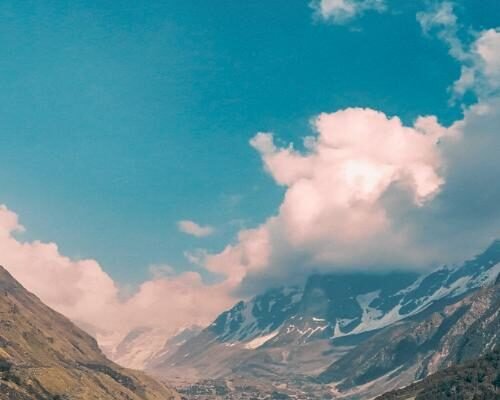
When Clouds Move Below Your Feet
There were moments when clouds flowed below the trail while we walked on open ridges.
It genuinely felt like floating above the sky.
How Light, Wind, and Silence Changed the Experience
No traffic, no phone network—just wind, silence, and changing light.
That calm stays with you long after the trek ends.
How Difficult Was the Ali Bedni Bugyal Trek for Me Personally?
Daily Walking Hours and Trail Difficulty
- 5–7 hours of walking per day
- Gradual ascents, no technical sections
- Comfortable pace set by the trek leaders
Altitude Adjustment and How My Body Responded
I felt mild breathlessness initially, but proper acclimatization days helped.
No headaches or AMS symptoms—something beginners often worry about.
Practical Lessons I Learned: What Every Beginner Should Know Before Going
Fitness Preparation That Actually Helped on This Trek
- Brisk walking or jogging for 3–4 weeks
- Basic leg strengthening
Gear Tips Based on What I Saw Trekkers Struggle With
- Waterproof shoes are non-negotiable
- Carry proper thermal layers, even in summer
Hydration Hacks to Prevent Altitude Sickness (AMS)
- Sip water regularly, not in bulk
- Avoid skipping meals
Respecting the Bugyal: Why Eco-Friendly Trekking Isn’t Optional
Bugyals are fragile ecosystems.
Carry back waste, avoid loud music, and respect local customs.
Why Trek Leadership Matters in Open Alpine Meadows
In open meadows, weather changes fast.
Experienced leaders make a big difference in safety and decision-making.
My Seasonal Recommendation: When You Should Plan Your Adventure
Spring (March to May):
The rhododendrons are in full bloom, and there’s still patches of snow. Perfect for those who love color.
Autumn (September to November):
This is when I went. The air is the clearest, and the mountain views are sharpest. The grass turns a beautiful golden-brown by November.
Seasons I Personally Would Avoid
- Peak monsoon (July–August) due to slippery trails
- Heavy snow winter months unless experienced
Cost, Budget, and Trek Packages: What I Spent vs What I Got
Typical Cost of Ali Bedni Bugyal Trek
For a standard 6-day trek, you can expect to pay between ₹7,900 to ₹12,000.
What Was Included in the Package (Stay, Food, Safety)
- Stay on all days of the trek (Lohajung to Lohajung) in double-sharing tents
- Transport from Rishikesh to Lohajung and return
- All meals from Day 1 dinner to Day 6 tea & coffee (simple, nutritious vegetarian food)
- All trek equipment including sleeping bag, tents, mattress, toilet tent, crampons (if needed)
- First aid kits, oxygen cylinder, and stretcher
- Fuel charges, toll taxes, forest permits
- Certified trek leader, guide, cook, and support staff
Whether the Overall Experience Justified the Cost
For the scenery, comfort, and peace of mind—it was absolutely worth it.
Final Thoughts: Was Ali Bedni Bugyal Trek Really Worth It?
Yes—without doubt.
If you’re looking for a safe, scenic, and deeply satisfying Himalayan experience, this trek deserves a top spot on your list.