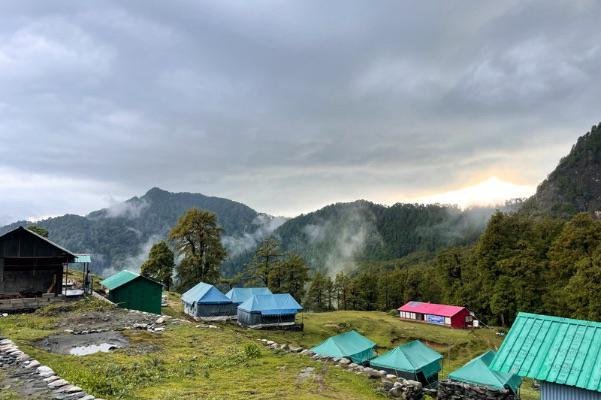
Is Roopkund Trek Open in 2026? Current Status and Permits
If you’re planning the Roopkund trek and worried about whether it’s even allowed, you’re not alone. This is the first and most important question every trekker asks before checking cost, fitness, or itinerary. The Roopkund trek has seen restrictions in the past, so understanding the current status saves you from wasting money and expectations.
Why Roopkund trek was restricted in recent years
Roopkund is not just a trekking destination; it is also an ecologically and archaeologically sensitive zone. The discovery of human skeletons, increasing footfall, and improper waste management raised serious environmental concerns.
In response, the Uttarakhand forest department restricted access to:
- Control damage to fragile alpine meadows
- Protect Roopkund Lake from pollution
- Regulate unorganized trekking activity
This is why Roopkund remained inaccessible for a long period, confusing many trekkers and travel operators.
Current forest department rules and permit status
As of 2026, the trek is open but strictly regulated. You cannot simply show up and start walking. Roopkund access depends heavily on forest permissions, route approvals, and the operator you choose. Independent trekking is not allowed. Only registered trekking companies operating under forest guidelines can apply for permits.
You’ll need a valid ID, a medical fitness certificate, and a trekker’s insurance policy.
Key things trekkers must know:
- Entry without an authorized operator is not permitted
- Permit approval can change yearly based on ecological assessment
- Routes may be modified or shortened by authorities
Always confirm permit status before booking your Roopkund trek package, not after.
What Is the Average Roopkund Trek Package Cost in the Current Year?
Roopkund is not a budget trek—and honestly, it shouldn’t be. High altitude, remote camps, longer duration, and strict logistics naturally increase the cost compared to other Uttarakhand treks.
The “Lohajung to Lohajung” vs. “rishikesh to rishikesh” Pricing
A standard “Lohajung to Lohajung” package (6–7 days) usually ranges between ₹12,000 to ₹16,000. However, most trekkers prefer the “Rishikesh to Rishikesh” option (8 days), which includes the long 9-hour drive each way. These packages typically land between ₹18,000 and ₹24,000.
The second option looks expensive but actually saves effort, coordination stress, and unexpected travel expenses—especially for first-time trekkers.
Cost difference between local operators and national brands
National trekking operators often charge a premium for their fancy marketing. You might pay ₹25,000+ for the same views. On the other hand, local experts like Roopkund Heaven offer the same (or better) ground service for a more honest price because they own the equipment and stay in Lohajung year-round.
Why Roopkund is more expensive than most Uttarakhand treks
- High-altitude camps above 14,000 ft
- Long food and ration supply lines
- Limited trekking season
- Extra safety and medical preparation
This directly impacts the overall trek cost.
Why most of the trekkers prefer Roopkund Heaven for Roopkund trek
Many trekkers choose Roopkund Heaven because they offer Best Roopkund trek package prices without compromising on safety gear or food quality. And also their strong local presence and long-term experience in the region.
Being Uttarakhand-based helps them manage logistics better and respond quickly to weather or route changes.
Trekkers often highlight:
- Transparent pricing with no hidden costs
- Local guides who understand terrain and culture
- Flexible planning based on forest permissions
For a trek as sensitive as Roopkund, operator reliability matters more than discounts.
What’s Included and Not Included in Roopkund Trek Package?
Standard Inclusions:
- Stay: Guest houses in Lohajung and high-quality alpine tents on the trail.
- Meals: All meals from Day 1 dinner to Day 8 breakfast (usually vegetarian for better digestion).
- Expertise: Certified trek leaders and local support staff.
- Safety: Oxygen cylinders, oximeters, and first-aid kits.
- Permits: All forest entry fees and camping charges.
Standard Exclusions:
- Backpack Offloading: If you don’t want to carry your 10kg bag, that’s extra.
- Personal Gear: Trekking shoes, jackets, and poles.
- Transport to Rishikesh: Your travel from Delhi/Mumbai to the starting point.
- Insurance: Mandatory but usually charged extra (approx. ₹500-₹800).
Note: Always read the inclusion list carefully before booking your roopkund trek.
How Much Extra Money Should You Keep for the Roopkund Trek?
Even with a full package, keeping extra cash is smart planning.
Transport costs from Delhi/Rishikesh to Lohajung
If you’re traveling solo, a seat in a shared Bolero from Rishikesh to Lohajung costs about ₹1,000 to ₹1,200. A private cab will set you back ₹8,000 to ₹10,000 one way.
Backpack offloading, gear rental, and optional add-ons
If you offload your bag to a mule, expect to pay ₹400–₹500 per day. For an 8-day trek, that’s an extra ₹3,000+. Rental gear is a great way to save money—renting a heavy down jacket and shoes might cost you ₹2,000 total, whereas buying them would cost ₹10,000.
Personal expenses, tips, and emergency buffer
- Snacks and bottled water
- Tips for staff
- Medical or evacuation emergencies
A buffer keeps you stress-free.
Detailed 8-Day Roopkund Trek Itinerary
This is the classic route itineary used by Roopkund Heaven to ensure proper acclimatization and the highest success rate.
Day 1: Drive from Rishikesh to Lohajung
Stats: 250 km Drive, 9 hr approx.
The journey takes you along the Alaknanda and Pindar rivers. It’s a long, winding road—keep the motion sickness pills handy!
Day 2: Lohajung to Didna Village
Stats: 5km Drive, 6km Trek.
A gentle introduction. You’ll descend to the Neel Ganga river before a steady climb to the beautiful Didna village.
Day 3: By Trek Didna Village to Ali Bugyal
Stats: 8km Trek, 6-7 hr approx.
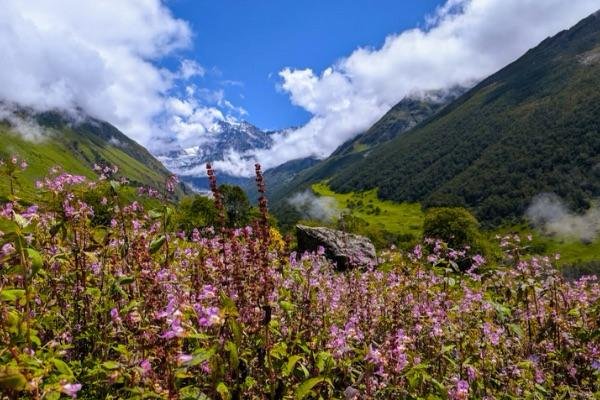
The climb through the oak forest is steep, but the reward is Ali Bugyal—one of the largest and most stunning alpine meadows in Asia.
Day 4: By Trek Ali Bugyal to Patar Nachauni via Bedni Bugyal
Stats: 7km Trek, 6-7 hr approx.
Today is all about views. You’ll witness the twin meadows (ali bedni bugyal) and see the Trishul and Nanda Ghunti peaks towering over you.
Day 5: By Trek Patar Nachauni to Bhagwabasa
Stats: 4 km Trek, 5-6 hr approx.
The air gets thin here. You’ll pass Kalu Vinayak (a small temple) and enter the rocky terrain of Bhagwabasa.
Day 6: By trek Bhagwabasa to Roopkund Lake and return Patar Nachauni
Stats: 10 km, 7-8 hrs approx.
The big day! A steep 3km climb to the lake, followed by a descent back to the warmer altitudes of Patar Nachauni.
Day 7: By Trek Patar Nachauni to Wan, By Road Wan to Lohagunj
Stats: 15 km Trek, 13 km Drive, 9-10 hrs approx.
A long descent through cypress forests. You’ll cross the bridge at Ghairoli Patal before driving back to your guest house.
Day 8: By road, Lohagunj to Rishikesh
Stats: 250 km, 8-9 hrs approx.
Back to civilization with a camera full of photos and a heart full of memories.
Essential Fitness and Gear Requirements: Impact on Your Budget
Roopkund is not suitable for unprepared trekkers. Poor fitness increases risk and expenses.
You must be able to:
- Walk 8–10 km daily with altitude gain
- Handle cold and low oxygen levels
Rental gear is available at base camp, and most trekking companies also offer rental gear with the package. Renting saves cost if you trek occasionally, while buying makes sense for frequent trekkers.
Skipping fitness prep often leads to:
- Trek abandonment
- Medical evacuation costs
- Lost trek fees
Best Time to Visit Roopkund to Get Your Money’s Worth
Choosing the right season directly affects your experience and safety.
Pre-Monsoon (May–June):
If you want to walk on snow and see the lake partially frozen, this is the time. The meadows are lush green, and the weather is relatively stable.
Post-Monsoon (September–October):
As the snow melts, the mystery of the lake reveals itself. The skeletons are most visible now, and the air is the clearest it will be all year, offering HD views of Mt. Trishul.
Avoiding the Monsoons: Safety Risks and Itinerary Disruptions
Monsoon brings landslides, slippery trails, and permit uncertainty. Trekking during this time often leads to cancellations.
Final Thoughts
Roopkund is not just a trek—it’s a serious high-altitude expedition that demands respect, preparation, and responsible planning. Choosing the right Roopkund trek package, understanding real costs, and trekking with experienced operators makes all the difference between a memorable adventure and a risky mistake.