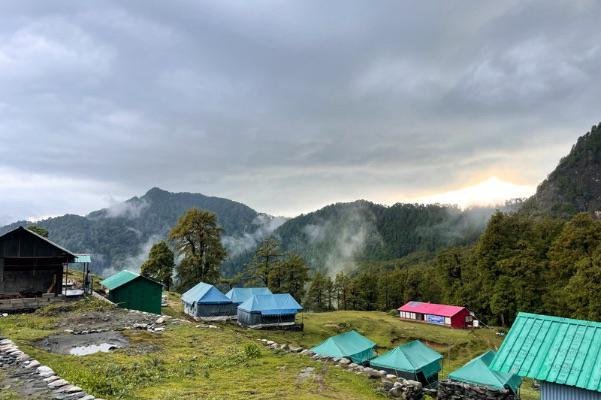
Trekking!! The term blends the beautiful images of towering mountains, virgin nature, difficult paths, and the deep sense of accomplishment of reaching the peak. It is a highly satisfying experience that not only bonds you with nature but also strengthens your inner self. But the beginners might find the plethora of equipment, the trip planning, and the need for specialized knowledge to be an overwhelming mountain itself.
Don’t allow the initial learning curve to push you away. With appropriate groundwork, preparation, and the right spirit, you will be able to make a hike to a trek.
This extensive manual enumerates seven most important things which a beginner trekker should know and keep in mind before putting on his boots and going to the trail. Understanding these truths will not only make your first treks safer and more fun, but they will also prepare you for an unlimited future of adventures.
1. Gear is Important, But Footwear is Paramount
The one and only most important piece of a trekker’s equipment is his footwear. All the other things – your bag, your tent, your stove – matter less than the ones that support and move your feet.
Choosing the Right Boot
Do not succumb to the temptation of buying the most expensive and heaviest boot on the shelf. For beginners performing day hikes or simple to moderate multi-day treks, the requirement is a boot that can give the right balance of support, flexibility, and weight.
- Lightweight Hiking Boots: Usually the most suitable option. They give very good ankle support (which is very important while walking on uneven ground and carrying a pack) without the stiffening and heaviness of a mountaineering boot.
- Hiking Shoes/Trail Runners: Quite good for short, well-maintained trails with a light load, but generally they do not provide sufficient ankle support which is very important for a full beginner trekking experience.
The Break-In Period (The Non-Negotiable Step)
New, stiff boots are the causes of blisters that are about to happen. You should allocate time for breaking in your boots before your journey. Do it in short walks around your area, grocery runs, and short day hikes. The goal should be at least 15-20 miles of walking in your boots before a long trek.
- Pro-Tip: During the break-in period always wear the socks with which you are going to trek. Synthetic or wool blending trekking socks are necessary for breathing and cushioning.
2. Master the Art of the Layering System
The weather up the mountains is very unpredictable. What may be a sunny morning can very quickly change into a windy, cold and rainy afternoon. The worst mistake that a beginner can make is to put on just one heavy item of clothing. The answer is in the Three-Layer System.
The Three-Layer Principle
- Base Layer (Wicking): Worn right next to the skin. The main function is managing the moisture (sweat) by taking it off the body. Perfect materials are merino wool or synthetic fabrics (polyester or polypropylene). Cotton should be avoided at all costs, because it absorbs moisture and cools the body rapidly.
- Mid-Layer (Insulation): Keeps the wearer warm by trapping heat. Examples of the mid-layer are fleece jackets, down vests, or synthetic insulated jackets. This layer can be easily changed depending on the temperature.
- Outer Layer (Shell/Protection): The fighter against wind and rain. A waterproof and windproof jacket (Gore-Tex or similar technology) is the main feature of a good shell. It should be breathable so that the heat and moisture that comes from the inside of the jacket is not trapped.
Once you become proficient in layering, you will be able to adjust your body temperature very easily and stay comfortable in any weather condition.
3. The 10 Essentials Are Non-Negotiable
The wilderness still is beautiful, but it can be very harsh and unforgiving. The “10 Essentials” is a well-known list of things that can save your life or get you out of a difficult situation. These are not luxury items; they are your fundamental safety gear that should always be in your pack, even when you go for a short day hike.
Essential Item | Why It’s Critical |
1. Navigation | Map, compass, and/or GPS device. Know how to use them. |
2. Sun Protection | Sunscreen, sunglasses, and a hat. Altitude increases UV exposure. |
3. Insulation | Extra clothing layer (your mid-layer or a puffy jacket). |
4. Illumination | Headlamp or flashlight (with extra batteries). |
5. First-Aid Supplies | A personal kit with blister treatment, pain relievers, and necessary meds. |
6. Fire | Waterproof matches, lighter, or ferro rod for emergency warmth/signals. |
7. Repair Kit/Tools | Duct tape, knife, and gear repair items. |
8. Nutrition | Extra day’s worth of non-perishable food (e.g., energy bars, nuts). |
9. Hydration | Water bottle/reservoir plus a purification method (filter, tablets). |
10. Emergency Shelter | Space blanket or lightweight tarp/bivy sack. |
Always ensure that you have the 10 Essentials in your pack before you go out. Safety is not to be played with, better be over-prepared than under-prepared.
4. Pacing and the Art of the Slow Grind
One of the errors most frequently committed by beginners is to start off too fast, which is usually the case when the adrenaline and the excitement take control. Very soon they run out of energy, exhaust their reserves, and endanger themselves.
The Trekker's Pace
The key to a multi-day trek is to keep a slow, steady, and sustainable pace from the very first mile.
- Mainly Work on Consistency: Don’t try to run up the hill and then barely be able to breathe at the top. Find a tempo where breathing is comfortable and it is even possible to engage in a simple conversation.
- The Rest Step: A method whereby after a step the back knee is locked thus the skeletal structure (bones/ligaments) bears the weight for a very short period of time instead of the muscles. It saves a great deal of energy on steep ascents.
- More Often and Shorter Breaks: Rather than one long and exhausting lunch break, make a habit of 5-10 minute breaks every hour. Have a drink, eat a little, change your layers, and don’t stop walking.
Remember: The objective is not to run, but to keep walking until the end.
5. Hydration is More Than Just Drinking Water
Water is the source of energy for the human body, and trekking does tremendously increase the need for fluids. Dehydration is the major cause of a large number of trail emergencies that are easily avoidable, and most of the time it is confused with simple fatigue or headache.
The Electrolyte Equation
Drinking water is not enough; at the same time, you have to replace the salts and minerals (electrolytes) that come out with sweat.
- Continuous Sipping: Do not wait until you feel thirsty. Take small sips of water throughout the day. In case you use a hydration reservoir, put a reminder every 15-20 minutes to drink.
- Electrolyte Supplements: Electrolyte drink mixes, tablets, or powders are what you should be carrying. The addition of them to one liter of water can be very helpful for your body to absorb the fluid and at the same time, prevent muscle cramps and tiredness.
- Pre-Hydration: You should start hydrating heavily at least the day before your trek.
Important Safety Tip: Be it chemical tablets (iodine/chlorine) or a reliable filter, always have a backup plan for water purification. No matter how clean it may look, never drink water that has not been treated.
6. Embrace Leave No Trace (LNT) Principles
The privilege of a trekker depends on his respect toward nature. As a newbie, accepting the seven “Leave No Trace” principles is the moral and ethical base of your trip.
- Plan Ahead and Prepare: Get information about the place, weather, and regulations.
- Travel and Camp on Durable Surfaces: Use only the already marked trails and campsites.
- Dispose of Waste Properly: Everything should be packed out (even food scraps, fruit peels, and toilet paper).
- Leave What You Find: Do not interfere with cultural artifacts, rocks, plants, or natural features.
- Minimize Campfire Impacts: Use a lightweight stove instead of a fire, or use established fire rings.
- Respect Wildlife: Watch animals from a distance and never feed them.
- Be Considerate of Other Visitors: Yield to uphill traffic; keep noise levels low.
Being a responsible trekker is the assurance that the beauty you enjoy today will stay for those after you.
7. Train Your Body for the Ascent
What trekkers do is a physically demanding task. Specific training for the actual trekking, though, is what really keeps the “fit” people from getting injured and enables them to have fun.
Focus on Specific Strength
- Leg and Core Strength: Add lunges, squats, and step-ups to your training regimen. Also, find or make a stairway and start climbing it while wearing your actual pack, fantastic preparation for the real thing.
- Cardiovascular Endurance: Mainly engage slowly in long-distance activities (e.g. running, cycling, long walks) and forget about short, high-intensity sprints. In this way, you are strengthening your heart and lungs for a few hours of continuous, low-level exertion.
- The Loaded Walk: The best way to prepare is the closest simulation of the actual trek. Go on hikes but carry the same weight as you plan to have in your backpack. This way your shoulders, hips, and knees will get used to the load prior to the main event.
Start working out no less than 6-8 weeks before your trip date. Especially, the body part that will thank you is your leg, when it gets really steep.
Conclusion: The Trekker's Mindset
Trekking involves more than just the physical challenge; it also involves the mental one. You will experience as a beginner that moments of discomfort, doubt, and fatigue will come. The best equipment and the most thorough plan cannot substitute the power of a resilient mindset.
Put up with the challenge, delight in the little things, and remember that every step is progress. Begin with a small one, be equipped, respect the environment, and safety should always be your first concern.
The wild is calling you. You are up for the challenge.