Hey, You Got This. Seriously.
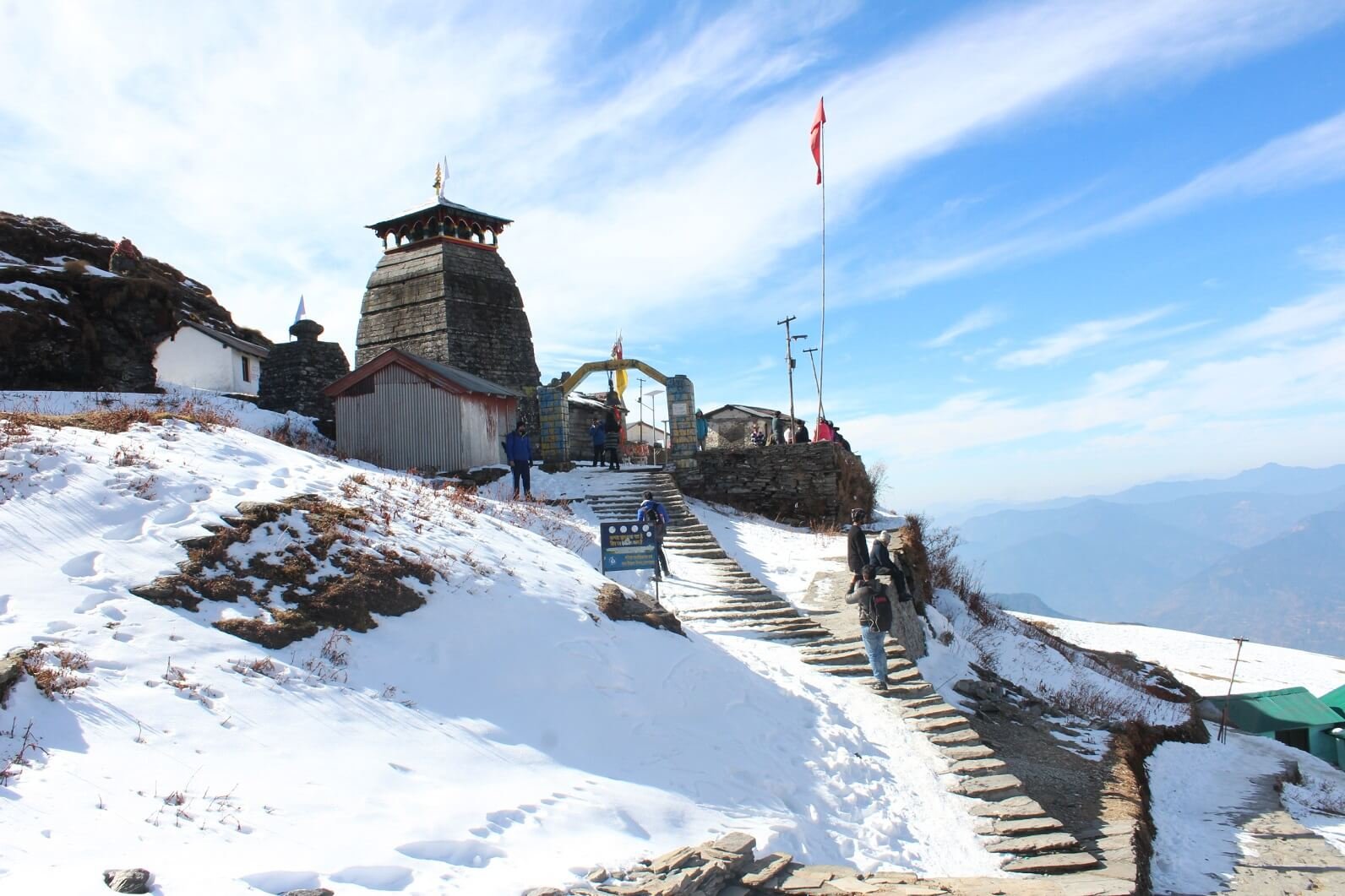
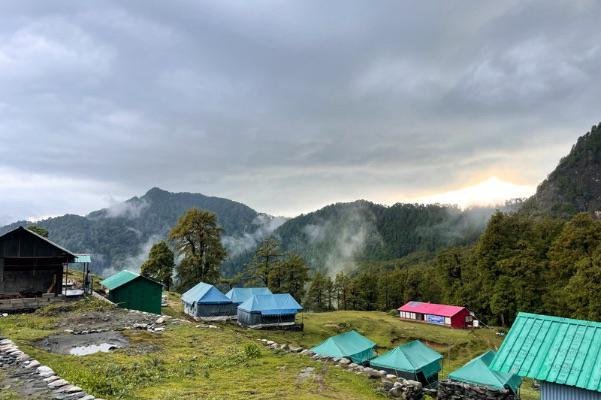
The first time I did a real trek is still very vivid in my memory. I was about to have this fabulous, life-altering hike up a small mountain—nothing out of the ordinary, simply a nice, well-known trail near Chopta tugnath. I had read tons of blog posts, felt completely ready, and, to be honest, a little bit arrogant. Only about three miles I think I had gone when all of a sudden I got a very sharp left heel pain. With a sinking dread that almost made me cry right there on the trail, I realized that my hiking boots were only one size too small and that was the reason for my pain. The thing that went through my mind was “Oh, they’ll stretch!” Spoiler alert: they definitely didn’t!
I walked down the mountain, blistered and defeated, while these extremely happy people were passing me by and I felt like a huge failure. However, here is the thing, the real realization, I suppose: failure on the trail is just a lesson intensified. It is very tangible, “Oh, that is why the internet was insisting on ‘breaking in your boots!’ ” moment.
Therefore, if you are there with your brand new backpack staring at it and feeling a combination of thrilling excitement and terrifying anxiety, what if I get lost? What if I forget the water filter? What if a bear thinks I look tasty? don’t proceed. Inhale deeply. Every experienced hiker you see out there, has a story similar to mine, or even worse. We have all been in that situation. This guide is not about turning you into a survival expert in the wilderness in one night; it is about providing you with the realistic, down-to-earth advice which will make your first trek memorable for the positive reasons. Namely, the views, the quiet, the awesome feeling of your own strength. Not the small boots.
Let’s get down to the stuff that really matters.
The Pre-Trek Brain Dump - Choosing Your Adventure Wisely
The biggest fault of beginners that I honestly see is their attempt to be a hero right from the start. They come across all these instagram aesthetics about trekking and think that’s all it’s about! But guess not..
Start Small, Stay Local, Win Big
To me, this is the “don’t run before you can walk” rule, but with hiking. Your very first trek has to be a day hike, something you can reasonably do within 4 to 6 hours, at most. More importantly, it has to be a well-marked, popular local trail.
Know Your Climate, Not Just the Forecast
One thing is the weather forecast, another thing is the microclimate of a mountain which is quite a different story. You have to ‘respect’ the environment ‘where’ you are going. Mountains do have their own weather. That is all.
The Power of Research (and Permitting)
Being totally clueless upon arrival is absolutely without a single excuse. Prior to your departure, you should definitely check out the park’s official website or a trustworthy local hiking app (AllTrails, Gaia GPS, etc.).
Gear That Actually Matters (And the Stuff That Doesn't)
An individual could splurge thousands on gear; however, a beginner day-trek definitely does not require that. We are zooming in on the vital pieces, the ones that ensure your safety and comfort. Because, let’s be honest, comfort is safety.
Boots: The Ultimate Deal-Breaker
This is the one place where I would advise not to save money, and instead, buy a good pair of boots, and then wear them! Apart from my terrible experience with blisters, proper footwear is the main cause of prevention of everything, from mere discomfort to a serious ankle twist.
The Day-pack & The 10 Essentials
The main thing is that your pack has to be comfortable, with a volume of around 20-30 liters for a day trip, and it should fit your torso properly (most outdoor shops will help you with the measurements). After obtaining the pack, you load it with the must-haves, referred to by hikers as the Ten Essentials. You may not deploy them; however, in the case of getting stuck, they are absolute lifesaving tools.
- Navigation (Map and Compass/GPS)
- Headlamp/Flashlight (even for a day trip, you never know!)
- Sun Protection (sunscreen, hat, sunglasses)
- First Aid (a pre-packed kit, plus blister care)
- Knife (multi-tool is great)
- Fire (lighter, waterproof matches)
- Shelter (an emergency blanket/space blanket)
- Extra Food (more than you plan to eat)
- Extra Water (plus a way to purify more)
- Extra Clothes (rain jacket, warm layer)
Dressing Like an Onion (Layering 101)
Do not use cotton. Cotton kills. When cotton is wet (either from perspiration or rain), it keeps being wet and draws heat away from the body, which can result in hypothermia even in mild weather.
- Base Layer: Removes moisture from skin (synthetic or merino wool).
- Mid-Layer: Gives insulation (fleece, down jacket).
- Shell Layer: Shields from wind and rain (waterproof/windproof jacket).
- The Rule: It is always recommended to feel slightly cold at the beginning of the hike. As you generate heat, you remove the layers. In case you stop, you put a layer back on. Simple, yet brilliant.
Fueling the Machine: Food, Water, and Energy Management
On the trail, your body is a very efficient engine. You wouldn’t put cheap, low-quality fuel into a sports car, would you? So, don’t do it to yourself.
The Water Equation: Hydrate or Die-drate
Perhaps, this single most important factor is, at the same time, most neglected one. The fast route to headaches, tiredness, and cramps of muscles is dehydration.
Calories are Fuel, Not a Treat
You require a combination of carbohydrates (quick energy) and fats/proteins (long-term energy). Even on a beginner hike, you will be burning far more calories than you think.
Pacing is Everything
There’s a well-known quote of an experienced hiker that goes along the lines of, “Hike your own hike.” In other words, don’t try to keep up with the ultra-fit people who are speeding past you.
Trail Etiquette, Safety, and Dealing with the Wild
To be a responsible trekker means to respect the trail, the other hikers and, most importantly, the wildlife. The wilderness doesn’t care how excited you are.
Leave No Trace (LNT) - Be a Good Visitor
This is the foundation of responsible outdoor recreation. The objective is to leave the place in the same condition as if you were not there at all.
- Pack it In, Pack it Out: This refers to everything. Apple cores, orange peels (they take years to decompose), and particularly all your garbage. Yes, even toilet paper/wipes. Carry with you a small zip-top bag (a “poop/trash bag”) for waste.
- Stay on the Trail: By cutting switchbacks (the zig-zag path up a hill), you not only cause erosion but also make the area less safe for other hikers. Even if the marked route looks longer, stay on it.
- Respect Wildlife: Never feed animals. Keep your food safe. Give them lots of space. To tell the truth, they are much more scared of you than you are of them, but if you startle a moose, it’s a bad day for everyone.
The Mental Game: Mindset on the Trail
Trekking is a mental challenge just like a physical one. There will be times when you feel like quitting, turning back, and even crying into your trail mix. That’s fine. That’s normal.
Focus on the Micro-Goals
When you look up and see the summit miles away and ridiculously high, your brain tends to melt down. That’s when you shift your focus.
Embrace the "Type 2 Fun"
Have you heard of this? Type 1 fun is fun while you’re doing it (rollercoasters, ice cream). Type 2 fun is miserable while you’re doing it, but hilarious and rewarding in retrospect (marathons, epic hikes, moving furniture). Your first trek is guaranteed to have a high component of Type 2 fun. Embrace the sweat, the ache, and the grumbling. It will be a killer story later. I promise.
The Unplugged Philosophy
Drop the noise. A phone is vital for safety and navigation, but try during your break to actually look at the mountains, the moss, the sky instead of at your phone. I think the whole point is to connect with something bigger than your to-do list. Be here now. You will be stunned at how fast nature cleans your mind. It is the ultimate mental reset button.
Conclusion : Your Adventure Starts Now
So, that’s it. That’s the lowdown.
Your first trek is going to be messy. You’ll pack too much of one thing and forget another. You’ll get tired earlier than you thought, and you might accidentally bring the wrong kind of sandwich (speaking from experience, a mayonnaise-heavy sandwich on a hot day is not a good choice).
However, you will also be the witness to a sunrise that will literally take your breath away. You will hear the wind in the trees like you never did before. And, you will find within yourself a deep, silent strength that you never knew existed.
The most valuable piece of advice? Just do it. Get out there, start small, and learn as you go. The trail is the greatest teacher.
I wish you the best of luck on your trek, pal. Can’t wait for the opportunity to listen to your story.