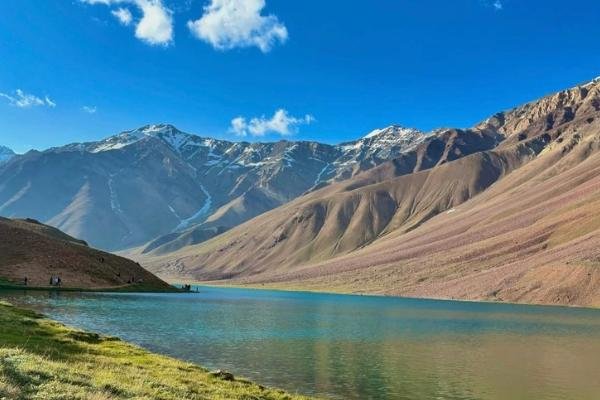
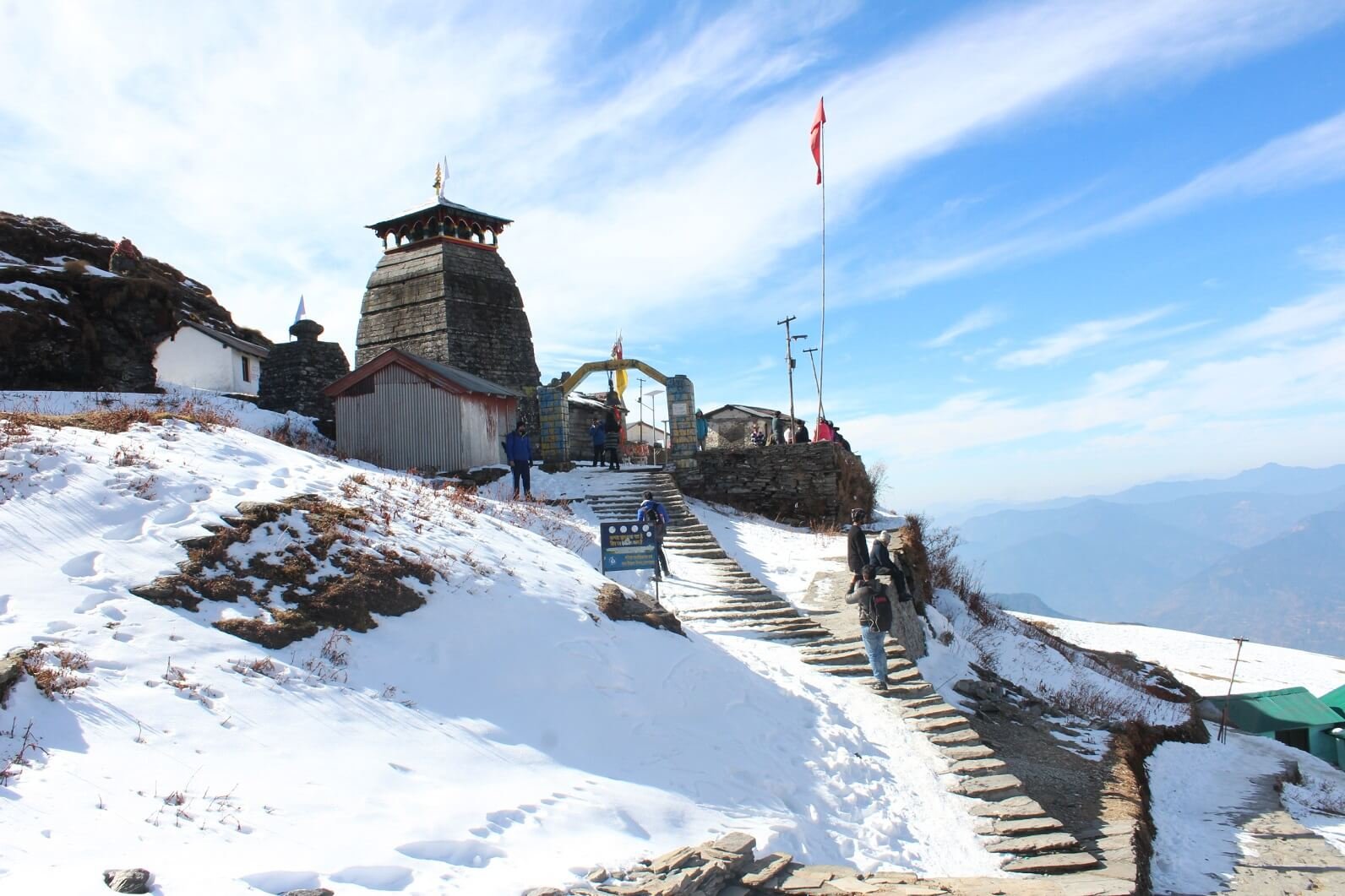
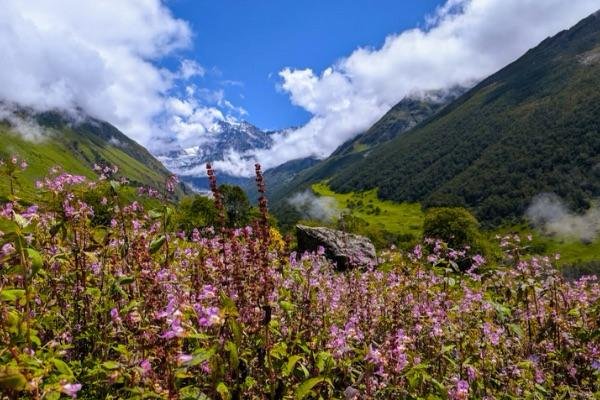
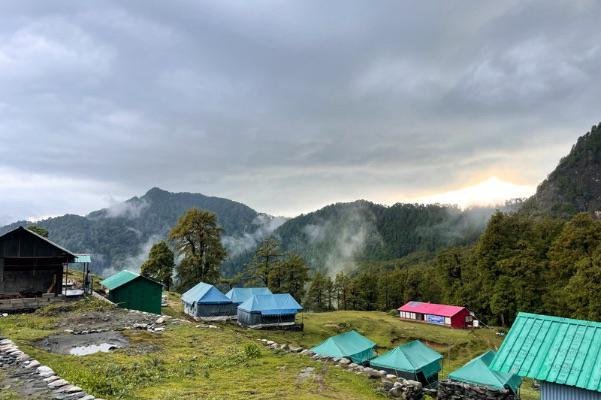
Imagine yourself hiking 16,500 feet to the top of the jagged Indian Himalayas where you find a beautiful, glacial lake named Roopkund. However, when the summer sun starts melting the snow around the lake, and you think that the water will shimmer you will instead glimpse a horrible surprise. The skeletons of several hundred humans, some with pieces of leather and hair still attached, seem to be looking at you from the water.
For a long time, this “Skeleton Lake,” was considered the coldest case. As a writer who is fascinated by high-altitude enigmas, I see that Roopkund is the exact place where the mix of scientific knowledge and superstitions doesn’t just cross, but confront one another.
A Goddess's Iron Wrath
People living in the area had a simple and clear explanation as to where the corpses came from. According to the tale, it was Raja Jasdhaval, a medieval king, who disregarded the admonitions of the mountain goddess Nanda Devi.
He went on his journey with an enormous retinue of dancers and servants and the music and luxury defiled the holy place. The goddess is said to have thrown down “iron balls” from the sky in order to wipe out the entire party and this angered the goddess to such an extent that she was noted to have unleashed the massacre through these “iron balls.” For a long time, humans dismissed it as a mere fable until the anthropologists examined the skulls.
The "Iron Balls" Were Real
There was a major turning point in 2004 due to a National Geographic team. The victims, according to the forensic scientists, did not die in battles or avalanches. Their deaths resulted from injuries inflicted by great force on the head and shoulders.
The blows received were probably caused by them being struck by large, spherical objects that dropped from right above their heads. During a sudden storm in the Himalayas, it is plausible that hailstones the size of cricket balls might have fallen which could be deadly, thus the “iron balls” in the old songs might hold some truth.
The Plot Twist
When we thought that we had finally figured out the entire story, the DNA findings arrived in 2019 and frankly, they were totally unexpected.
Assuming that there was only one set of 9th-century Indian pilgrims in the group would be only partially true. The research work which was published in Nature Communications has proven that the deaths of these 300 to 800 people were not a sudden mass killing. Instead, their passing occurred in incidents that were as far apart as a thousand years.
The Mediterranean Connection
The most startling revelation of all was that while the first group (around 800 CE) did belong to the South Asian race, the ancestry of the second group (around 1800 CE) was found to be most closely linked to the Greek and Cretan people.
Where on earth were these 19th-century Mediterranean explorers doing in a geographic-gem of a Himalayan glacial lake with no sea access? They had no disappearances on their trade routes and they were not the survivors of a shipwreck who could have drifted so far. Despite them being thousands of miles away from their homeland, they were killed just like the pilgrims, who lived ten centuries before them, right at the spot.
What Really Happened?
In other words, what facts can we rely on? Our modern understanding indicates that Roopkund probably played host to several tragic events, not just one.
- The First Event: An extensive group of Indian pilgrims and local porters probably found themselves victims of a surprise hailstorm circa 800 CE.
- The Second Event: A thousand years later another mysterious group from the Eastern Mediterranean showed up. Whether they were wanderers, a lost military band, or something totally different, they yet again yielded to the capricious nature of mountain weather.
Mother Nature is indifferent to your genealogy. It doesn’t matter if you were an ancient pilgrim or a 19th-century traveler, mountain air, and hail “iron” of Nanda Devi were always the ultimate equalizer.
Why the Mystery Still Haunts Us
Currently, going on a trek to Roopkund is very much controlled to preserve the remains from robbery and avoid contamination by nature. However, the lake continues to serve as a chilling reminder of how little we actually know about human history.
It’s as if a library of manners has opened, after each thaw, letting out just a small amount of information thus keeping us in a guessing game. The “how” part is mostly figured out; it was indeed the weather. However, the “why” question as to why they were there still remains the Himalayas’ unwillingness to divulge their biggest secret.