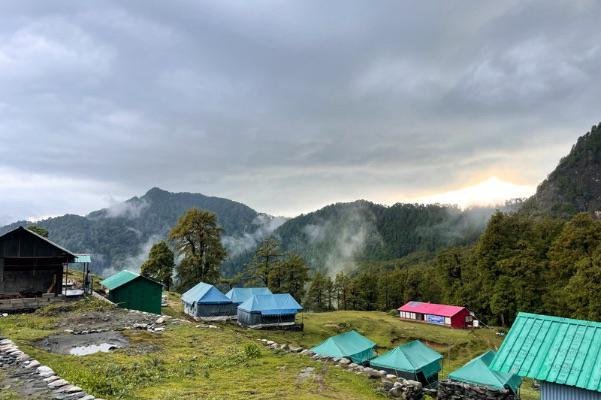
In the vast, sprawling network of Himalayan trails, few hold the sanctity, history, and raw natural grandeur of the route leading to Adi Kailash yatra trek. Often overshadowed by its colossal namesake in Tibet, the Adi Kailash also known as Chhota Kailash or the Shiva Parvati abode is not merely a test of endurance; it is a profound pilgrimage (yatra) that weaves together spirituality, ancient culture, and some of the most breathtaking mountain scenery in the world.
To undertake this journey is to travel through time, tracing the footsteps of sages, explorers, and devotees.This long form guide reveals why trekking to Adi Kailash offers a transformative experience that transcends the definition of a simple hike.
The Pillar of Myth and Spirituality: A Journey to the Sacred
The primary distinction of the Adi Kailash trek is its profound spiritual resonance. It is a journey to a mountain revered by millions, making it a sacred obligation rather than a recreational choice for many.
The Mythological Significance
Adi Kailash is recognized as the original abode of Shiva and Parvati in the Indian Puranas, predating the current narrative surrounding the larger Mount Kailash.
- Chhota Kailash: The peak itself, though smaller than the Tibetan Kailash, mirrors its pyramidal structure and holds immense symbolic power. Its proximity to the sacred Parvati Sarovar (Parvati Lake) and Gauri Kund signifies the eternal union of the divine couple, Shiva and Parvati.
- The Om Parvat: The trek includes a detour to witness the spectacular Om Parvat (or Little Kailash), a mountain where the deposition of snow and the outline of the peak naturally form the sacred symbol ‘ॐ’ (Om).This visible divine manifestation is a source of awe and deep spiritual emotion for all who witness it.
A Pilgrim’s Dedication: Unlike standard trekking where the goal is the summit, the goal of the Adi Kailash journey is the darshan (sacred viewing) of the peak, the circumambulation (parikrama) of the Parvati Sarovar, and a deep, focused period of devotion and introspection.
The Intrinsic Power of the Yatra
A trek becomes a yatra when the external path mirrors an internal journey. The difficulty of the terrain, the remoteness, and the sustained effort encourage self-reflection and humility. The silence of the high mountains serves as a powerful catalyst for mental clarity, shedding the anxieties of daily life and fostering a deep, almost meditative, state of mind.
Culture and History Along the Kali River
The Adi Kailash trek is a crucial passage through the Kumaon region of Uttarakhand, closely following the banks of the mighty Kali River (Kāli Gangā), which forms a natural boundary with Nepal. This geographical route is steeped in history and characterized by a unique cultural landscape.
Life in the Border Villages
The trek takes you through ancient villages like Dharchula, Malpa, Budhi, and Kuti, which are home to the resilient and resourceful Bhotia tribes (specifically the Byans and Darma Bhotias).
- Trans-Himalayan Trade Route: For centuries, these villages were critical stops on the ancient trade route connecting India and Tibet. Trekkers get a rare opportunity to witness their traditional stone architecture, unique dialects, and a fascinating blend of Hindu and Buddhist spiritual practices.
- Cultural Exchange: Staying in these villages offers an authentic glimpse into a life dictated by the harsh, yet beautiful, mountain environment.Local hospitality is a defining feature of this trek, connecting you to the human element that has survived and thrived in this challenging topography.
Historical Significance and Preservation
The path itself is a testament to human resilience. The historical route has been utilized for millennia for trade and pilgrimage. Modern infrastructure improvements have made the journey more accessible, but the remote culture remains largely untouched, preserving the ancient ways of life that have been lost in more developed areas.
The Himalayan Majesty: Unmatched Scenic Grandeur
The sheer visual spectacle of the Adi Kailash trek is reason enough to choose it over a typical holiday. It offers a sustained, ever-changing panorama of the Greater Himalayas that is simply unmatched.
A Feast for the Eyes
The route travels through dramatic ecological zones, offering a masterclass in Himalayan diversity:
- Lower and Mid-Altitudes: Starting in the sub-tropical zones, the trail ascends through dense forests of Rhododendron and Oak, crossing cascading waterfalls and the deep, green gorges carved by the Kali River.
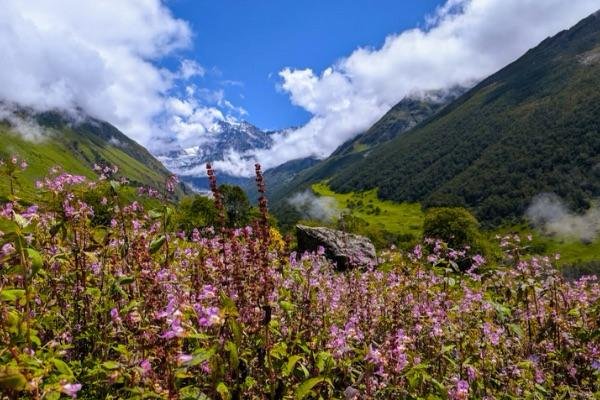
- High-Altitude Alpine: As you move above the tree line, the landscape transitions into barren, rocky scree and vast, rolling alpine meadows (Bugyals). These areas burst into color during the summer months with high-altitude flowers.
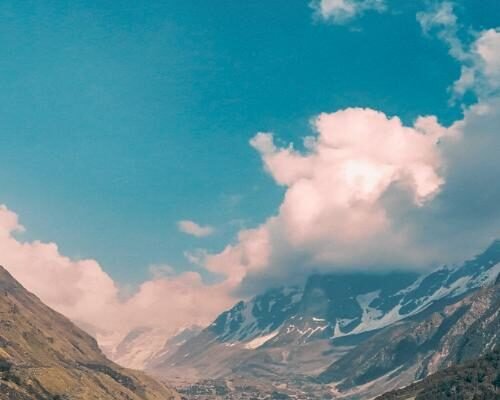
- Snow-Capped Giants: The trek provides breathtaking, continuous views of some of the highest and most revered peaks, including Nanda Devi, Trishul, and Panchachuli. The five prominent peaks of Panchachuli are believed to be the spot where the Pandavas cooked their final meal before ascending to heaven.
Sacred Lakes and Glacial Rivers
The environment here is defined by water, the lifeblood of the Himalayas:
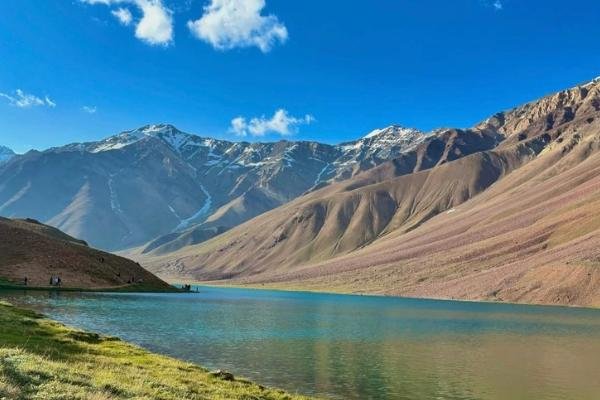
- Parvati Sarovar: The lake associated with Goddess Parvati, where pilgrims perform ritual bathing. The reflection of the Adi Kailash peak in its tranquil waters is a mesmerizing sight.
- Gauri Kund: A smaller sacred pool nearby, adding to the atmosphere of spiritual purity.
- Kali River’s Origin: Tracing the Kali River deep into the mountains, witnessing its transformation from a powerful torrent to a glacial stream, connects the trekker to the geological power of the region.
The Practicalities: Why Guided Treks are Essential
Given the immense remoteness and the altitude challenges of the Adi Kailash region, this is not a trek to be undertaken lightly or independently. The experience of this yatra is significantly enhanced by professional guidance.
An expert outfitter like Roopkund Heaven is crucial for managing the complex logistics and safety protocols of this high-altitude journey:
- Safety and Acclimatization: Expert guides are vital for navigating the rapidly changing mountain weather, monitoring trekkers for Acute Mountain Sickness (AMS), and ensuring the itinerary is built around safe, gradual acclimatization.Emergency protocols, medical kits, and satellite communication are non-negotiable necessities provided by a reliable outfitter.
- Logistical Expertise: The route requires meticulous planning for food supply, camping in remote areas, and arranging transport to the roadhead at Dharchula. A guided package ensures high-quality tents, hygienic, nutritious food, and the services of local support staff (cooks and porters), allowing the pilgrim-trekker to focus entirely on the experience.
Permit Clearance: Being a sensitive border region, the trek requires special permits (Inner Line Permits).Professional operators handle all the necessary bureaucratic clearances, streamlining the journey.
Conclusion: A Trek That Transforms
Trekking to Adi Kailash is far more than physical exercise or a scenic holiday. It is an extraordinary convergence of ancient mythology, living culture, and unparalleled natural beauty. It is a journey that demands resilience but rewards with profound inner peace, spiritual fulfillment, and an unmatched sense of awe before the majesty of the Himalayas.
Choosing this path is choosing transformation over relaxation; choosing depth over superficiality. It is an experience that stays with you, long after the mountains are out of sight.
Ready to embark on this spiritual and physical journey?