There is a special moment during a Himalayan trek when the forest suddenly changes color. One moment you are walking through quiet oak and pine woods, and the next moment the entire trail is covered with bright red and pink flowers. For many trekkers, this is their first experience with rhododendron bloom in the Himalayas.
March and April are considered the best months for spring trekking in the Himalayas, especially if you want to see rhododendron forests in full bloom. During this short seasonal window, large sections of mountain forests across Uttarakhand, Sikkim, and the Eastern Himalayas turn vibrant with flowers.
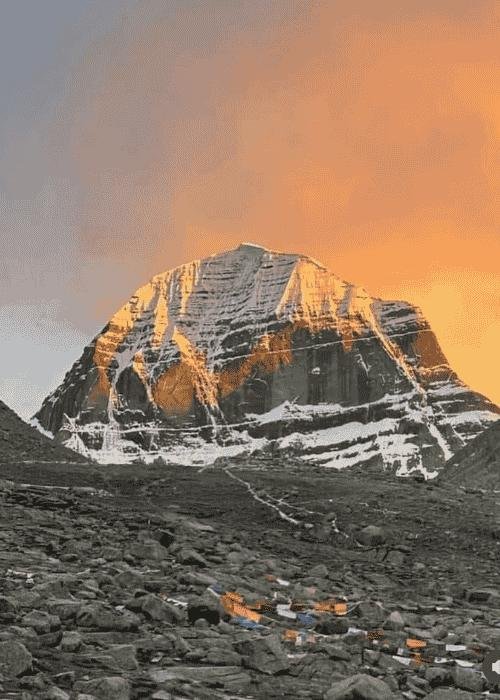
What makes spring trekking even more special is the combination of landscapes. While the forests are blooming, the higher peaks remain snow-covered. This creates a beautiful contrast of white mountain peaks, green valleys, and red rhododendron flowers.
In this guide, we will explore 5 of the best Himalayan treks where you can witness rhododendron bloom during March and April, along with practical information such as the best time to visit, how to reach the trek base, altitude details, and the types of flowers you can see along the trails.
Why March and April are the Golden Months for Himalayan Spring Treks
Spring is one of the most rewarding seasons for trekking in the Himalayas. After months of harsh winter, the mountains slowly begin to transform. Snow remains on the higher ridges, but the lower forests become alive with blooming flowers, fresh greenery, and wildlife activity.
The Magic of the Rhododendron Bloom
Rhododendrons are one of the most iconic flowering trees of the Himalayan ecosystem. These trees grow between 2,000 meters and 3,800 meters altitude, which is exactly the altitude where many trekking trails pass.
During March and April, rhododendron trees bloom across entire mountain slopes. The forests appear painted with shades of red, pink, and sometimes white.
Trekkers walking through these trails often experience:
- Bright red Rhododendron Arboreum (Buransh) flowers
- Pink Himalayan rhododendron varieties
- Forest floors covered with fallen petals
- Bees, birds, and butterflies attracted to the blooms
In Uttarakhand, rhododendron flowers are culturally important. Locals make Buransh juice from the flowers, which is believed to have cooling and medicinal properties. For trekkers, walking through these forests is one of the most memorable Himalayan experiences.
Perfect Weather Conditions for Trekking in Early Spring
Another reason March and April are considered the golden trekking months is the weather balance. Winter cold begins to ease, but summer heat has not yet arrived. The trekking conditions remain comfortable throughout the day.
Typical spring trekking weather:
- Day temperature: 10°C to 18°C
- Night temperature: -2°C to 5°C
- Mostly clear skies
- Good mountain visibility
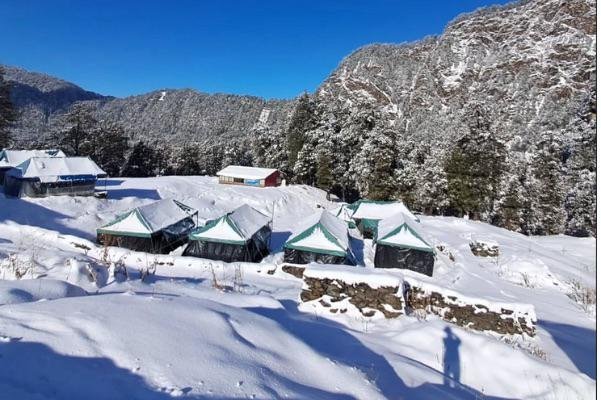
Because of these conditions, many beginner and intermediate trekkers prefer spring season for their first Himalayan trekking experience. However, trekkers should still be prepared for sudden weather changes in the mountains. Snow patches may remain in higher sections, and temperatures can drop quickly at night.
Snow Peaks, Blooming Forests, and Clear Mountain Views Together
Spring is one of the few seasons when trekkers can witness three different Himalayan landscapes during the same trek:
- Snow-covered Himalayan peaks above 5,000 meters
- Blooming rhododendron forests in mid-altitude zones
- Fresh green meadows emerging after winter
This contrast creates incredible trekking scenery.
Treks like Sandakphu and Goechala allow trekkers to walk through colorful forests while seeing some of the tallest mountains in the world in the distance. For photographers and nature lovers, this season offers some of the most beautiful Himalayan landscapes of the year.
5 Best Himalayan Treks to See Rhododendron Bloom in March and April
To help you decide where to head this spring, we have curated the five most iconic trails. These treks vary in difficulty, but they all share one common trait: they are the best seats in the house for the rhododendron show.
- Chopta Tungnath Chandrashila Trek
- Brahmatal Trek
- Har Ki Dun Trek
- Sandakphu Trek
- Goechala Trek
1. Chopta Tungnath Chandrashila Trek:
Best Time: Mid-March to Late April.
How to Reach: Reach Rishikesh via train/flight; then a 7-8 hour drive to Sari or Chopta.
Flowers You’ll See: Red and Pink Rhododendrons (Rhododendron arboreum), Himalayan Primulas, and Wild Cobras Lilies.
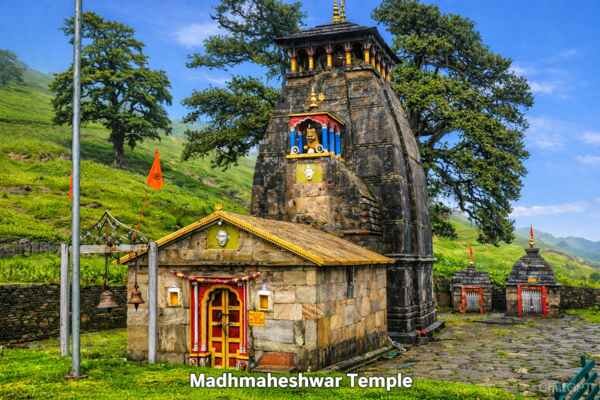
Often called the “Mini Switzerland of India,” Chopta is arguably the most accessible yet rewarding spring trek. The trail starts from either Sari village or Chopta and winds through the Kedarnath Wildlife Sanctuary. The forest here is dense with ancient oaks and rhododendrons. In March, the trail from Chopta to Tungnath (the highest Shiva temple in the world) is literally carpeted in fallen red petals, creating a “red carpet” for trekkers.
The climb to Chandrashila Peak (12,110 ft) offers a breathtaking 360-degree view of the Garhwal Himalayas. What makes this trek special in spring is the transition: you start in a lush, blooming forest and end in a world of snow and rock at the summit. It is perfect for beginners who want maximum visual reward with moderate physical effort.
2. Brahmatal Trek:
Best Time: March.
How to Reach: Reach Kathgodam/Haldwani; then a 10-hour drive to Lohajung.
Flowers You’ll See: Deep Red Rhododendrons, Yellow Gorse, and Alpine Meadows starting to turn green.
While Brahmatal is a famous winter trek, it is a hidden gem in March. The forest section between Lohajung and Bekaltal is home to some of the largest rhododendron trees in Uttarakhand. In early spring, the pink and red flowers contrast sharply against the turquoise waters of the semi-frozen Bekaltal and Brahmatal lakes.
Trekkers enjoy the view of Mt. Trishul and Mt. Nanda Ghunti. In spring, the air is so clear that these 7,000-meter peaks feel like they are within arm’s reach. The trail is moderate, but the ridge walk provides a sense of “grandeur” usually reserved for much tougher expeditions.
3. Har Ki Dun Trek:
Best Time: April.
How to Reach: Dehradun to Sankri (8-10 hour drive).
Flowers You’ll See: White and Pink Rhododendrons, Orchids, and various Himalayan wildflowers in the valley floor.
Har Ki Dun, or the “Valley of Gods,” is a cradle-shaped hanging valley that is steeped in mythology. In April, as the snow melts, the entire valley floor erupts in a variety of colors. While the rhododendrons here are spectacular, you also see a wider variety of flora compared to the other treks.
The trail follows the Supin River, and the sound of rushing meltwater accompanied by the sight of blooming forests makes for a sensory delight. This trek is longer and requires better endurance, but the gradient is gradual. It is an ideal choice for those who want to experience the culture of ancient Himalayan villages like Osla alongside the natural beauty of spring.
4. Sandakphu Trek:
Best Time: April to Early May. How to Reach: Flight to Bagdogra or Train to NJP; then drive to Manebhanjan.
Flowers You’ll See: Over 30 species of Rhododendrons, including the rare Cream and Blue varieties, and Magnolias.
If you want to see the “Mother of all Rhododendron Blooms,” Sandakphu in West Bengal/Sikkim is the place. Unlike the Garhwal treks where the red variety dominates, Sandakphu offers a rainbow. You will see scarlet, pink, yellow, and even white magnolias. The Singalila Ridge becomes a literal garden in the sky.
Sandakphu is also famous for the “Sleeping Buddha”—a cluster of peaks including Kanchenjunga that resembles a reclining Buddha. In spring, the visibility is so high that you can see four of the five highest peaks in the world: Everest, Lhotse, Makalu, and Kanchenjunga. The trek is moderate but long, involving significant walking on the border of India and Nepal.
5. Goechala Trek:
Best Time: Mid-April to May. How to Reach: Bagdogra/NJP to Yuksom (8-9 hour drive).
Flowers You’ll See: Dense thickets of pink and white Rhododendrons, Giant Magnolias, and Primulas.
Goechala is the “Big Brother” of spring treks. Located in Sikkim, it takes you deep into the Kanchenjunga National Park. The forest around Phedang and Deorali Top is world-renowned for its rhododendron tunnels. You will literally walk through tunnels of flowers for kilometers.
This is a difficult trek meant for those with good fitness. The reward is an intimate view of the southeast face of Kanchenjunga. In April, the contrast between the vibrant pink forests at 10,000 ft and the stark, icy world of the Goecha La pass at 15,000 ft is something that stays with a trekker forever.
Other Beautiful Treks in the Himalayas for Rhododendron Season
Kuari Pass Trek:
The kuari pass trek is famous for its mountain views, but its forest section is a masterpiece in March. Walking through the Gorson Bugyal (meadows), you encounter patches of ancient forest where the rhododendrons are so thick they block out the sun. The view of Nanda Devi from here is unmatched.
Dayara Bugyal Trek:
During early spring, trekkers walk through rhododendron forests before reaching the open grasslands of the bugyal. Known as one of the most famous high-altitude meadows in India, During early spring, trekkers walk through rhododendron forests before reaching the open grasslands of the bugyal. It’s an easy-to-moderate trek, making it perfect for families who want to see the flowers without extreme exertion.
Ali Bedni Bugyal Trek:
Often considered the most beautiful meadows in Asia, Ali and Bedni Bugyals are accessible via Lohajung. The climb up to Ali Bugyal through the deep forest is a spiritual experience in April, as you emerge from the red-leafed canopy into the vast, open green meadows.
Khopra Ridge, Nepal:
For those looking across the border, Khopra Ridge offers a stunning alternative to the crowded Annapurna Circuit. The trail passes through some of the finest rhododendron forests in the world, with the massive Dhaulagiri massif framing the horizon.
Tips for Beginners: How to Prepare for a Spring Trek in the Himalayas
Spring trekking is magical, but the mountains are never to be taken lightly. Transition seasons bring their own set of challenges.
Basic Fitness Preparation Before the Trek
Don’t let the beauty of the flowers fool you; the climbs are still steep. You should start preparing at least 4-6 weeks before your trek.
Cardiovascular Endurance: Aim to run 5km in 30-35 minutes. If you aren’t a runner, brisk walking with a weighted backpack or climbing stairs is excellent.
Leg Strength: Focus on squats and lunges. The descent on trails like Chopta or Goechala can be hard on the knees; strong quads will protect your joints.
Flexibility: Spend 10 minutes a day on basic stretching to prevent muscle pulls on uneven terrain.
Essential Packing List for Spring Himalayan Treks
The key word for spring is Layers. You will be hot while walking and cold the moment you stop.
The 3-Layer System: A moisture-wicking base layer, a warm fleece/padded jacket, and a waterproof/windproof outer shell.
Footwear: Waterproof trekking shoes with good grip. In March, you might still encounter soft snow or slushy mud from the melt.
Sun Protection: The spring sun at high altitudes is incredibly harsh. Carry a high-SPF sunscreen, a sun hat, and UV-protected sunglasses to prevent “snow blindness” if crossing snow patches.
Hydration: Carry two 1-liter bottles. In the dry spring air, you lose water through breathing faster than you realize.
Safety Tips for Trekking in Changing Mountain Weather
Spring weather is notoriously unpredictable. “April showers” in the plains manifest as sudden hailstorms or snow flurries in the mountains.
Start Early: Always aim to reach your next campsite by 2:00 PM. Mountain weather tends to deteriorate in the late afternoon.
Altitude Awareness: Even if it’s “spring,” you are still going above 10,000 ft. Drink plenty of water and never ignore symptoms like persistent headaches or nausea (AMS).
Listen to your Guide: If a storm is rolling in, don’t push for the summit. The flowers will still be there tomorrow; your safety is paramount.
Why Trek with Roopkund heaven
Roopkund Heaven is known for organizing safe and well-managed Himalayan trekking expeditions.
Their trekking services include:
- Experienced trek leaders
- Professional guides
- Quality camping equipment
- Proper safety planning
For beginners especially, trekking with a reliable operator helps make the experience smoother and safer.
In Conclusion
Spring trekking in the Himalayas offers one of the most beautiful natural experiences — walking through forests filled with blooming rhododendrons while snow-covered peaks rise above the horizon.
Treks like Chopta–Chandrashila, Brahmatal, Har Ki Dun, Sandakphu, and Goechala provide incredible opportunities to witness this unique seasonal transformation. With proper preparation and the right trekking plan, these adventures can become unforgettable journeys through some of the most beautiful mountain landscapes in the world.
FAQs
1. Is March too cold for trekking with children?
Not necessarily. Treks like Chopta or Dayara Bugyal are quite manageable for children aged 8 and above during March. While nights are cold, the daytime weather is pleasant. Ensure they have high-quality thermal layers and a good down jacket.
2. When exactly do the rhododendrons peak?
It depends on the altitude. Lower altitudes (7,000–9,000 ft) peak in mid-March. Higher altitudes (10,000–12,000 ft) peak in mid-to-late April. If you trek in the first two weeks of April, you usually catch the best of both worlds.
3. Will I find snow on these treks in April?
Yes, most treks above 10,000 ft will have residual snow in April, especially in shaded forest areas and on north-facing slopes. This makes the experience even better, as you get to see flowers and snow together.
4. Do I need special shoes for spring treks?
Waterproof trekking shoes with deep lugs are highly recommended. The trails can be a mix of dry dirt, slippery mud from melting snow, and actual snow patches. Normal sneakers will not provide enough grip or moisture protection.