Ghangaria Overview
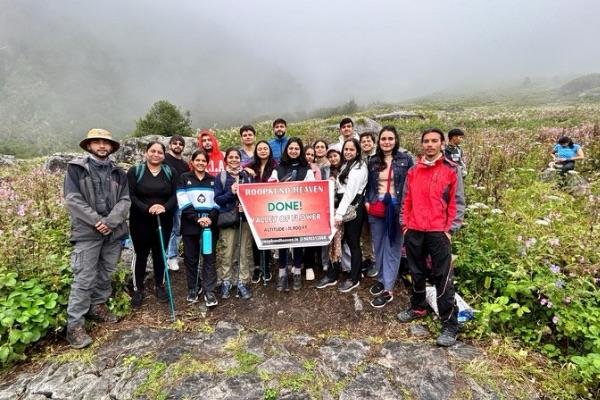
Ghangaria, also known as Govinddham, is a small mountain village in the Chamoli district of Uttarakhand. Located at an altitude of about 3,050 metres (9,600 ft), it is the main base camp for two of the most famous destinations in the region — Valley of Flowers trek and Hemkund Sahib.
The village is surrounded by beautiful forests, waterfalls, rivers, and Himalayan mountains. It is located around 13 km from Govindghat and about 4 km before the Valley of Flowers entry gate. Almost every trekker and pilgrim stays here before continuing their journey further into the mountains.
Ghangaria is important because it serves both trekkers and pilgrims. Trekkers use it as a base for visiting the Valley of Flowers, Kagbhusandi Tal, and other nearby trekking routes. Pilgrims stay here before visiting Hemkund Sahib, Lokpal Lake, and Lakshman Temple. Since there are no hotels or guesthouses beyond Ghangaria, it becomes the main resting point for everyone.
Even though it is a small village, Ghangaria has all the basic facilities visitors need, including hotels, guesthouses, GMVN accommodation, Gurudwara lodging, restaurants, medical facilities, porters, and mule services.
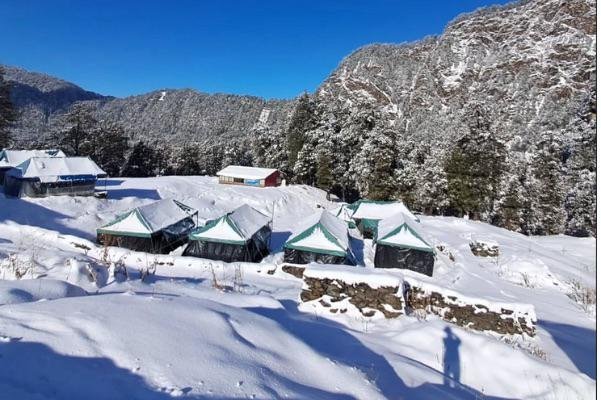
One of the most interesting things about Ghangaria is that it is a seasonal village. It remains open only for a few months each year, usually from May to October. During this time, thousands of trekkers and pilgrims visit the area. When winter arrives and heavy snowfall blocks the routes, the village closes completely. Hotels and shops shut down, local families move to lower villages, and Ghangaria stays covered under snow until the next season begins.
This seasonal nature helps protect the fragile Himalayan environment and keeps the Valley of Flowers region clean and well preserved. Today, Ghangaria is not just a stop on the journey—it is the heart of the Valley of Flowers and Hemkund Sahib experience, offering visitors a perfect mix of nature, adventure, and spirituality.
How to Reach Ghangaria: Complete Route Guide
Reaching Ghangaria is part of the adventure. Since there is no road directly to the village, every visitor must complete the final stretch on foot. Whether you are visiting the Valley of Flowers or Hemkund Sahib, the journey combines a scenic mountain drive with a beautiful trek through the Himalayas.
If you book your Valley of Flowers Trek or Hemkund Sahib Yatra with Roopkund Heaven, transportation may be included depending on your package. It’s always best to check the transport details while booking to make your journey easier and more comfortable.
Traveling by Air, Train, and Bus (Delhi/Rishikesh to Govindghat)
Before reaching Ghangaria, you first need to reach Dehradun, Haridwar, or Rishikesh, which are the main travel hubs for this route.
By Air
The nearest airport is Jolly Grant Airport, Dehradun.
Regular flights connect Dehradun with major cities such as:
- Delhi
- Mumbai
- Bengaluru
- Hyderabad
- Ahmedabad
After landing, you can take a taxi or shared vehicle to Rishikesh and continue by road towards Govindghat.
By Train
The nearest railway stations are:
- Haridwar Junction
- Yog Nagari Rishikesh Railway Station
Haridwar is usually the better option because it has direct train connections from many major Indian cities.
By Bus
Regular buses run between:
- Delhi → Haridwar
- Delhi → Rishikesh
- Haridwar → Rishikesh
- Rishikesh → Joshimath / Govindghat
This is the most budget-friendly option and is popular among backpackers and budget travellers.
Navigating the Rishikesh–Badrinath Highway (Monsoon Landslides & Gate Systems)
The road from Rishikesh to Govindghat follows National Highway 7 (NH-7), one of the most scenic mountain highways in Uttarakhand.
On the way, you will pass through:
- Devprayag
- Srinagar
- Rudraprayag
- Karnaprayag
- Nandprayag
- Chamoli
- Pipalkoti
- Joshimath
- Govindghat
During the monsoon season (July and August), landslides can sometimes block sections of the road. Local authorities may temporarily stop traffic or operate gate systems to ensure safe travel.
A simple tip: start your journey early in the morning and keep some extra time in your schedule during the rainy season.
The Last Motorable Point: Pulna Village & Registration Center
Earlier, trekkers had to start from Govindghat, but now a road reaches Pulna Village, which is currently the last motorable point on the route.
From Pulna, the trek to Ghangaria begins.
Before continuing, you may need to complete registration formalities depending on the latest government guidelines.
Always carry:
- A government-issued photo ID
- Trek registration documents (if required)
- Any permits required for your visit
Rules can change from time to time, so checking the latest updates before travelling is always recommended.
The 9km Trekking Route: What to Expect on the Trail
The trek from Pulna to Ghangaria is about 9 kilometres long.
The trail follows the beautiful Bhyundar Ganga (Lakshman Ganga) River and is well-maintained with stone-paved sections, railings, and resting spots.
Along the way, you will see:
- Beautiful waterfalls
- Mountain views
- Suspension bridges
- Tea stalls and small food shops
- Rest areas
- Mule and porter services
The first part of the trail is fairly easy, while the final few kilometres involve a gradual uphill climb.
Most people complete the trek in 4 to 6 hours, depending on their fitness level, weather conditions, and number of breaks taken along the way.
Helicopter Services from Govindghat: Booking & Timings
For those who prefer not to walk, helicopter services sometimes operate between Govindghat and Ghangaria during the pilgrimage season.
These services are especially useful for:
- Senior citizens
- Families travelling with elderly members
- Pilgrims visiting Hemkund Sahib
- Visitors who have difficulty walking long distances
Flight time: Around 4–5 minutes
Passengers are usually dropped near Ghangaria, followed by a short walk to the main village.
Keep in mind that helicopter services depend entirely on weather conditions. Rain, fog, or poor visibility can cause delays or cancellations, so it is always wise to have a backup travel plan.
What to Expect Along the Trail: Porter, Mule, and Food Facilities
You do not need to carry heavy backpacks on your shoulders. The trail is incredibly well-managed by the local community.
- Mules and Khachars: Readily available at Pulna to transport luggage or carry individuals.
- Porters and Kandi: Local porters use woven baskets (kandis) to transport bags, young kids, or elderly travelers.
- Dandi/Palanquins: A four-man wooden sedan chair option for those who cannot walk or ride a mule.
- Food Shacks: Every half-kilometer features a small wooden shop selling bottled water, hot tea, energy bars, and hot bowls of Maggi to fuel your ascent.
Weather, Climate, and Best Time to Visit Ghangaria
Ghangaria remains open only for a few months each year, usually from May to October. The weather here changes significantly throughout the trekking season, and the best time to visit depends on what you want to experience.
If your main goal is to see the Valley of Flowers in full bloom, the ideal time is mid-July to late August. During this period, the valley transforms into a colorful carpet of wildflowers, waterfalls become more powerful, and the surrounding mountains turn lush green.
If you are planning a visit to Hemkund Sahib, the pilgrimage season generally runs from June to September. During these months, the route remains accessible, and weather conditions are usually suitable for trekking.
For travellers who prefer clear mountain views, comfortable temperatures, and fewer crowds, June and September are often considered the best months. June offers pleasant weather before the peak monsoon arrives, while September brings cleaner skies and beautiful post-monsoon landscapes.
One thing to remember is that mountain weather can change quickly. A bright sunny morning can turn cloudy or rainy within a few hours, especially during the monsoon season. Carrying proper rain protection and warm clothing is always recommended, regardless of the month.
Temperature Fluctuations: Day vs. Night
Although Ghangaria is not extremely high by Himalayan standards, it sits at an altitude of around 3,050 metres (9,600 ft). Because of this elevation, temperatures remain cool throughout the season.
June (Early Summer)
June offers some of the most comfortable trekking weather.
Day Temperature: 15°C to 20°C
Night Temperature: 5°C to 10°C
Days are usually pleasant for walking, while evenings and early mornings feel cool. A light fleece or warm jacket is generally enough during this period.
July to August (Monsoon Season)
This is the peak season for the Valley of Flowers.
Day Temperature: 12°C to 18°C
Night Temperature: 4°C to 8°C
Frequent rainfall keeps temperatures lower and increases humidity. Waterproof clothing becomes essential, as rain showers can occur at any time of the day.
September (Post-Monsoon Season)
September brings cleaner skies and some of the best mountain views of the year.
Day Temperature: 10°C to 16°C
Night Temperature: 2°C to 7°C
Nights become noticeably colder, and early mornings can feel quite chilly. Warm layers, gloves, and a good jacket are recommended, especially if you plan to leave early for Hemkund Sahib.
Even during the warmest months, temperatures drop quickly after sunset. Many first-time visitors are surprised by how cold the evenings feel, so carrying proper winter layers is always a good idea.
Surviving High Altitude (Beating “Ghangaria Disease” / AMS)
Ghangaria sits at a moderate Himalayan altitude, and most people reach it without any serious problems. However, some visitors may experience mild symptoms of Acute Mountain Sickness (AMS) after arriving.
Locally, trekkers sometimes refer to this as “Ghangaria sickness” because people often feel tired after the long drive from Rishikesh and the uphill trek from Pulna.
Common symptoms include:
- Mild headache
- Fatigue or unusual tiredness
- Loss of appetite
- Mild dizziness
- Difficulty sleeping on the first night
In most cases, these symptoms are temporary and improve after rest and proper hydration.
To reduce the chances of altitude-related discomfort:
- Walk at a comfortable pace during the trek.
- Drink plenty of water throughout the day.
- Avoid alcohol and smoking.
- Eat regular meals, even if your appetite feels low.
- Get a good night’s sleep after reaching Ghangaria.
- Avoid rushing to Hemkund Sahib immediately after arrival if you feel exhausted.
A practical tip many experienced trekkers follow is to spend the evening relaxing, hydrate well, and allow the body to adjust before attempting the much steeper climb to Hemkund Sahib (4,329 m / 14,200 ft) the next morning.
Most Trekkers acclimatize naturally after spending a night in Ghangaria and are able to continue their journey comfortably. However, if symptoms become severe or continue worsening, seek medical assistance immediately and avoid climbing to higher altitudes.
Where to Stay in Ghangaria: Accommodation Guide
Even though Ghangaria is a small mountain village, it has plenty of accommodation options for trekkers and pilgrims. Since there are no hotels inside the Valley of Flowers National Park or near Hemkund Sahib, most visitors stay in Ghangaria before continuing their journey.
During the peak season from July to September, rooms can get booked quickly. It is always a good idea to reserve your stay in advance, especially on weekends and holidays.
Budget Guesthouses vs. Mid-Range Hotels
Most accommodation in Ghangaria consists of guesthouses and small hotels that operate only during the trekking season.
Budget guesthouses usually offer:
- Simple and clean rooms
- Basic bedding
- Shared or attached washrooms
- Simple home-style food
- Affordable prices
These are a good choice for trekkers looking for a comfortable place to sleep without spending too much.
Mid-range hotels usually provide:
- More comfortable rooms
- Better bedding and blankets
- Attached bathrooms
- Hot water facilities
- Restaurant services
These hotels are popular with families, couples, and travellers who prefer a little more comfort after a long trek.
Staying at the GMVN Tourist Rest House & Luxury Swiss Tents
The GMVN Tourist Rest House is one of the most trusted places to stay in Ghangaria.
Many visitors choose GMVN because it offers:
- Government-managed accommodation
- Clean and reliable rooms
- Good location
- Suitable facilities for families
In some seasons, you may also find Swiss tents and premium camping options in Ghangaria. These provide a more comfortable camping experience with proper beds and basic amenities.
Staying at the Gurudwara Sri Hemkunt Sahib
Many pilgrims choose to stay at the Gurudwara Sri Hemkunt Sahib in Ghangaria.
The Gurudwara welcomes visitors from all backgrounds and provides simple accommodation facilities.
Visitors can usually access:
- Basic lodging
- Clean resting areas
- Free Langar (community meals)
- A peaceful and spiritual atmosphere
The hospitality and community service offered here are appreciated by both pilgrims and trekkers.
Essential Survival Info: Food, Network, and ATMs
A little preparation goes a long way in Ghangaria.
What Type of Food is Available for Trekkers?
Food options are surprisingly good considering the location.
Common meals include:
- Dal rice
- Chapati
- Rajma chawal
- Maggi
- Sandwiches
- Tea and coffee
- Simple vegetarian thalis
Most establishments serve vegetarian food.
The Mobile Connectivity Reality (BSNL vs. Jio LTE)
Network availability changes frequently.
Generally:
- BSNL tends to work more reliably
- Jio may provide limited connectivity in some areas
- Airtel signals can be inconsistent
Do not expect stable high-speed internet.
Many visitors treat the weak network as a welcome digital detox.
Cash is King: The Last ATM Warning
Carry sufficient cash before reaching Govindghat or Joshimath.
ATM availability in Ghangaria is limited and service interruptions are common.
Cash remains the most dependable payment method in the region.
Key Attractions & Treks Accessible from Ghangaria
Ghangaria serves as the gateway to some of Uttarakhand’s most famous destinations.
Valley of Flowers National Park (4km)
The Valley of Flowers National Park is the main attraction for most visitors coming to Ghangaria. Located about 4 km from the village, this UNESCO World Heritage Site is famous for its incredible natural beauty.
During the monsoon season, the valley turns into a colorful landscape filled with hundreds of species of wildflowers.
Some highlights include:
- Colorful alpine flowers
- Rare Himalayan plants
- Beautiful waterfalls
- Snow-fed streams
- Glaciers and mountain views
- Rich biodiversity
The trail from Ghangaria to the valley is relatively easy and can be completed by most beginners. Visitors usually spend several hours exploring the valley before returning to Ghangaria on the same day.
Hemkund Sahib Gurudwara & Glacial Lake (6km Steep Ascent)
Located about 6 km from Ghangaria, Hemkund Sahib is one of the highest Gurudwaras in the world, situated at an altitude of around 4,300 metres (14,100 ft).
The trail is steep and challenging, but the views and spiritual experience make the effort worthwhile.
Highlights include:
- The sacred Hemkund Sahib Gurudwara
- A stunning glacial lake surrounded by mountains
- Snow-covered Himalayan peaks
- Peaceful and spiritual surroundings
- Beautiful high-altitude landscapes
Most visitors start early in the morning, visit Hemkund Sahib, and return to Ghangaria the same day.
Lokpal / Lakshman Temple
Located near Hemkund Sahib, the Lokpal Lakshman Temple is an important Hindu pilgrimage site.
According to local beliefs and Hindu mythology, Lakshman, the younger brother of Lord Rama, is believed to have meditated here after the events of the Ramayana.
The temple attracts many devotees every year and is often visited along with Hemkund Sahib.
Visitors come here for:
- Religious significance
- Ancient local traditions
- Peaceful surroundings
- Beautiful views of the nearby lake and mountains
Offbeat Excursions & High-Altitude Expeditions Nearby
While most visitors come to Ghangaria for the Valley of Flowers and Hemkund Sahib, the region also offers several lesser-known trekking routes for experienced hikers looking to explore beyond the popular trails.
These routes are more remote, less crowded, and require better fitness, trekking skills, and planning.
Kagbhusandi Tal & Chenap Valley Treks
For trekkers who enjoy offbeat Himalayan adventures, Kagbhusandi Tal and Chenap Valley are two fascinating options near Ghangaria.
These trails offer:
- Remote mountain landscapes
- Beautiful high-altitude lakes
- Dense forests and alpine meadows
- Excellent birdwatching opportunities
- Very few crowds compared to popular treks
Kagbhusandi Tal, in particular, is known for its stunning lake surrounded by rugged Himalayan terrain and is considered one of Uttarakhand’s hidden gems.
These routes are more demanding than the Valley of Flowers trek and are best suited for trekkers with previous mountain experience.
Advanced Pass Crossings: Bhyundar Khal & Gupt Khal Expeditions
For serious mountaineers and highly experienced trekkers, the region around Ghangaria offers challenging high-altitude pass crossings such as Bhyundar Khal and Gupt Khal.
These are not regular trekking routes. They involve:
- Long trekking days
- High-altitude terrain
- Route-finding challenges
- Rapid weather changes
- Technical mountain conditions in some sections
Such expeditions should only be attempted with experienced guides and proper mountain preparation. They are suitable for seasoned trekkers who already have experience in multi-day Himalayan expeditions.
Nearby Road Excursions:
After completing your trek, you can easily extend your trip and explore some of Uttarakhand’s most famous mountain destinations.
Mana Village
Known as the last village of India near the Indo-Tibetan border, Mana is famous for its cultural heritage, traditional stone houses, and mythological significance.
Badrinath Temple
One of the most important pilgrimage sites in India and part of the Char Dham Yatra, Badrinath attracts thousands of devotees every year.
Joshimath
A historic Himalayan town that serves as the gateway to many famous treks and pilgrimage routes in Uttarakhand.
Auli
A popular hill station known for its ski slopes, cable car rides, alpine meadows, and breathtaking views of Nanda Devi and surrounding Himalayan peaks.
Responsible Tourism: Leave No Trace Principles
The Valley of Flowers and Ghangaria area is one of the most beautiful and environmentally sensitive places in the Himalayas. The flowers, forests, rivers, and wildlife here are protected, so every visitor has a responsibility to help keep the region clean and beautiful.
When visiting the area, try to follow a few simple rules:
- Carry all your trash back with you.
- Avoid throwing plastic bottles, wrappers, or other waste on the trail.
- Stay on the marked trekking paths.
- Do not pick flowers or damage plants.
- Respect wildlife and avoid disturbing animals and birds.
- Use a reusable water bottle whenever possible.
- Avoid playing loud music in nature.
- Follow the rules of the forest department and local authorities.
- Support local hotels, guides, porters, and small businesses.
Remember, the Valley of Flowers is famous because of its natural beauty. Small actions from every visitor can make a big difference in protecting this special place.
Read our complete guide on Leave No Trance Principles
Frequently Asked Questions
- What is the altitude of Ghangaria?
Approximately 3,050 metres (9,600 ft). - Is Ghangaria open throughout the year?
No. It operates mainly from May to October. - Can I reach Ghangaria by car?
No. The final section requires trekking from Pulna. - How far is Ghangaria from Govindghat?
Around 13 km. - How far is Valley of Flowers from Ghangaria?
Approximately 4 km. - How far is Hemkund Sahib from Ghangaria?
Around 6 km uphill. - Is the trek suitable for beginners?
Yes, with reasonable fitness. - Are mules available?
Yes. - Are porters available?
Yes. - Is camping allowed in Valley of Flowers?
No. - Which mobile network works best?
BSNL generally performs best. - Is there internet in Ghangaria?
Limited and unreliable. - Are ATMs available?
Do not rely on them; carry cash. - Is altitude sickness common?
Mild symptoms can occur in some visitors. - What is the best month for flowers?
July and August. - Is food expensive in Ghangaria?
Prices are higher than cities due to transport costs. - Can children visit Ghangaria?
Yes. - Is Hemkund Sahib difficult?
The climb is steep but manageable with preparation. - Can senior citizens visit?
Yes, many do, often using mule or helicopter services. - How many nights should I stay in Ghangaria?
Most visitors stay 2–3 nights to comfortably visit both Valley of Flowers and Hemkund Sahib.