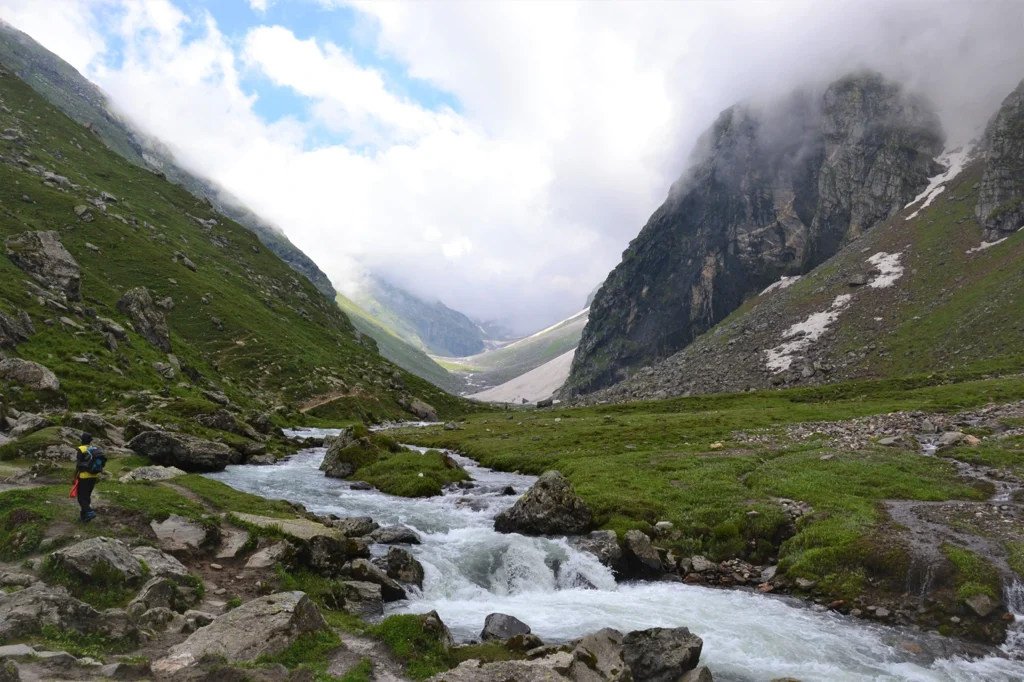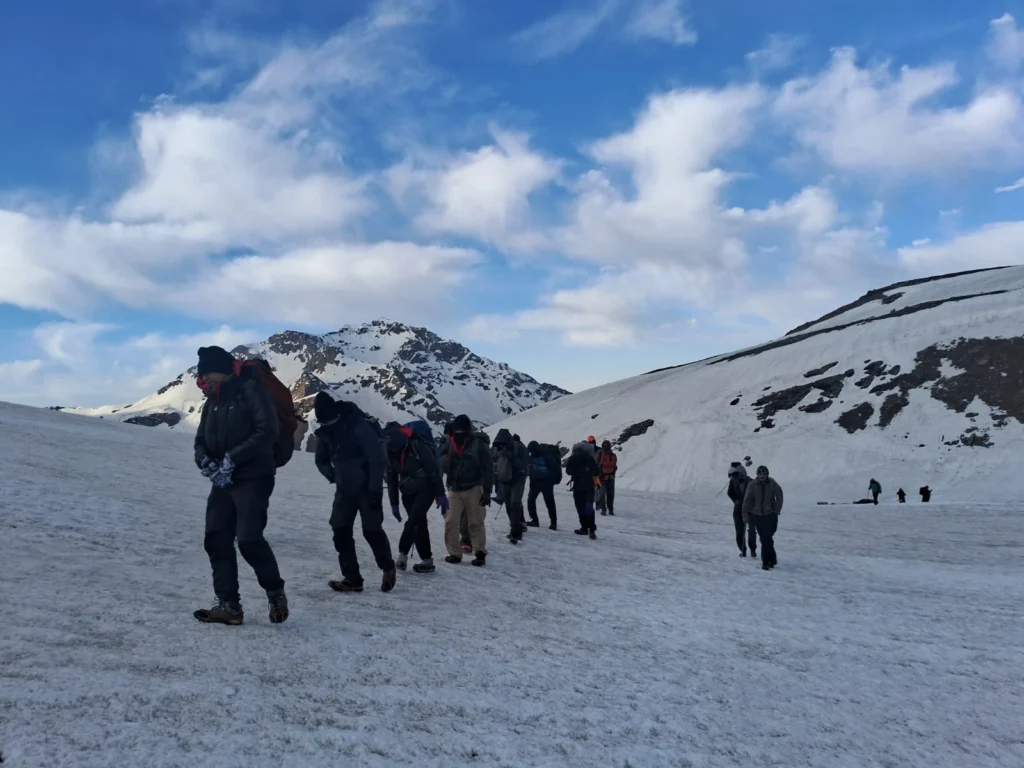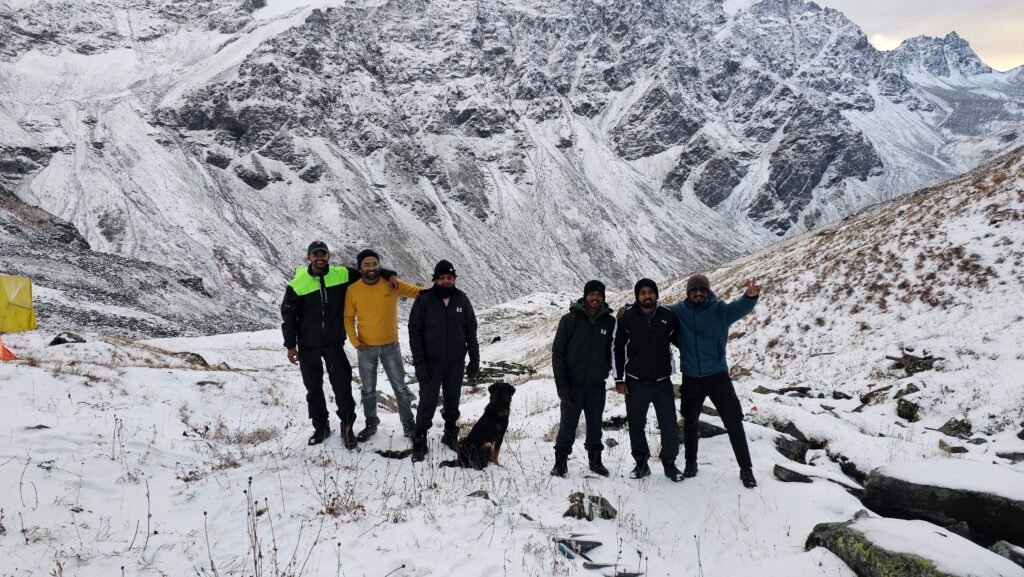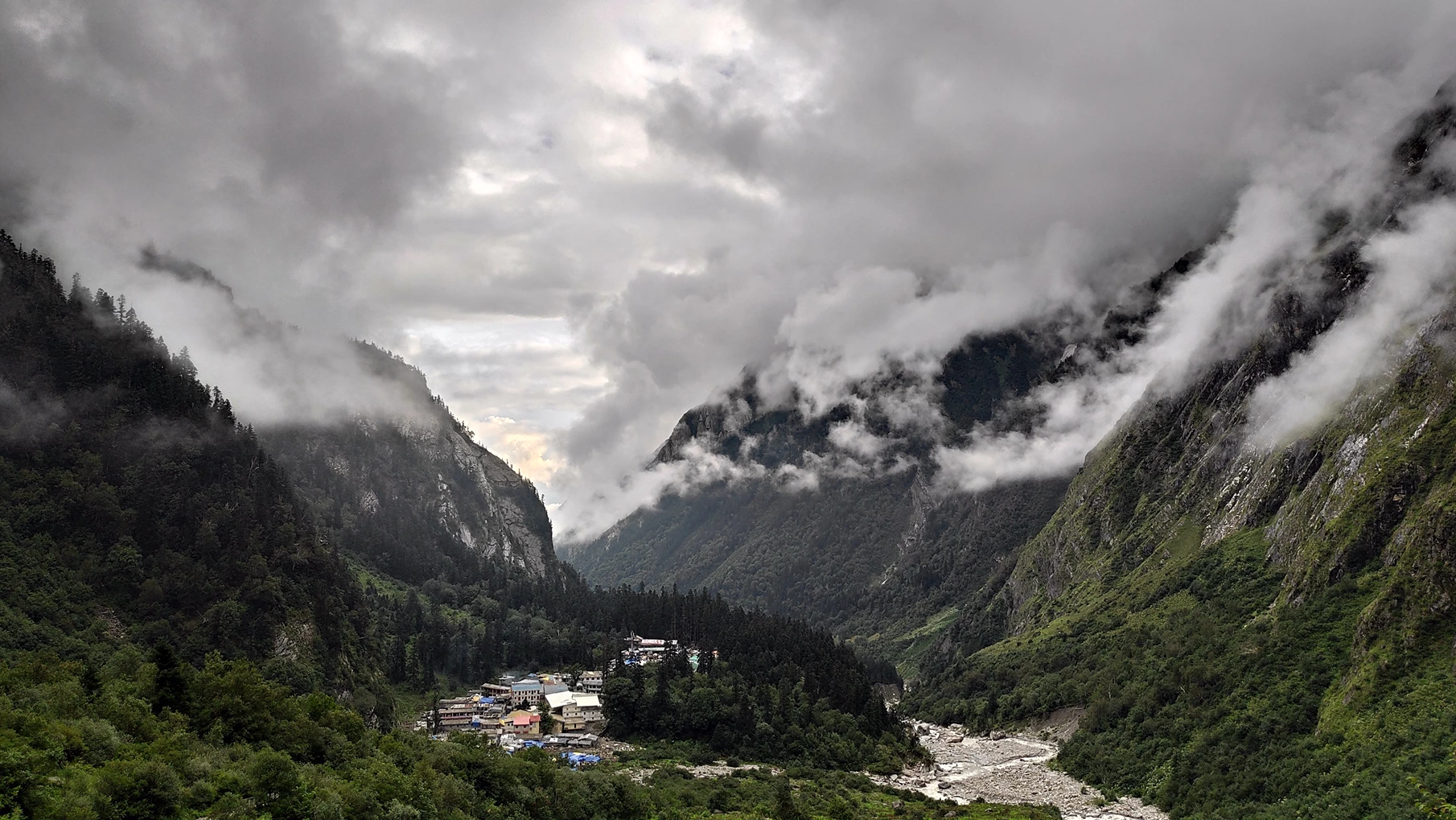
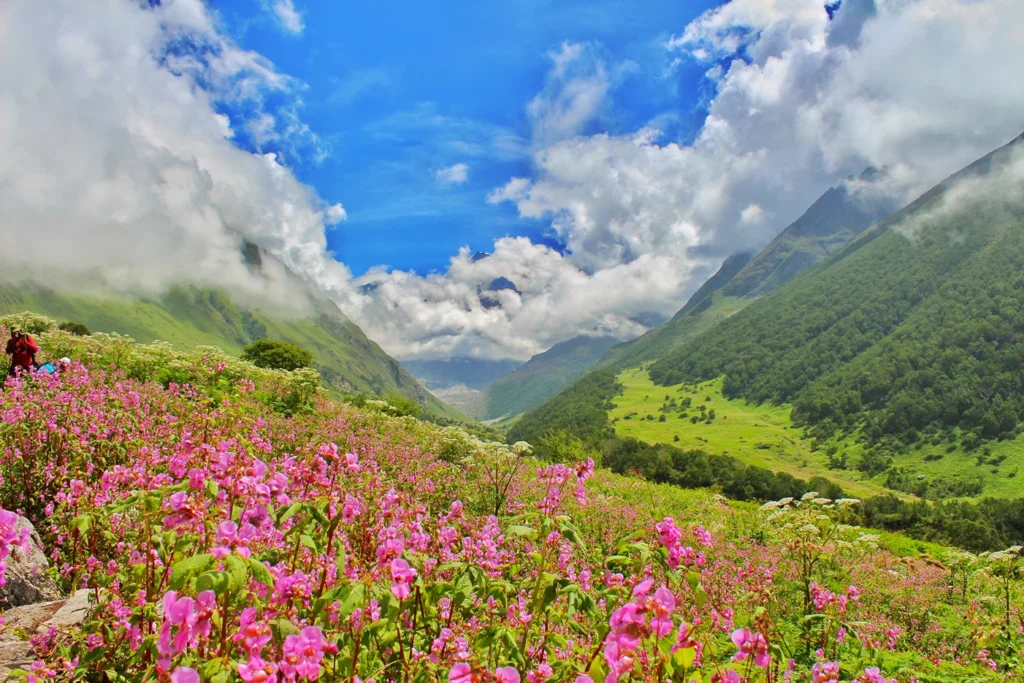
The valley of flowers trek is widely considered one of the most beautiful high-altitude Himalayan adventures in India. Located in the Chamoli district of Uttarakhand, this UNESCO World Heritage site is part of the nanda devi biosphere reserve. If you are planning to witness this floral wonderland in 2026, understanding the valley of flowers trek package, the physical demands of the hemkund sahib trek, and the logistics of the valley of flowers national park is essential.
This guide provides a comprehensive breakdown of everything from the best time to visit to the specific daily itinerary. Whether you are a solo traveler or looking for a group tour package, we have covered the latest pricing, packing essentials, and safety tips to ensure your journey to the valley of flowers is seamless.
Valley of Flowers Trek Overview
The valley of flowers trek is a spectacular journey through the nanda devi and valley of flowers national parks. It is not just a trek; it is a walk through a botanical paradise that hosts over 500 species of wildflowers.
Trek Route, Distance, and Altitude Breakdown
- Total Trekking Distance: The valley of flowers trek distance is approximately 37–38 km across the entire 6-day journey.
- Maximum Altitude: The highest point is reached during the hemkund sahib trek at an elevation of 14,107 ft to 15,200 ft.
- Starting Point: The trek begins from Pulna, near Govindghat, which is reachable from Rishikesh or Haridwar.
- Base Camp: Ghangaria serves as the essential base camp for both the valley of flowers national park and Hemkund Sahib.
Difficulty Level and Who This Trek is Suitable For
The valley of flowers trek is categorized as easy to moderate . While the paths are well-defined, the steep ascent toward Hemkund Sahib requires good physical fitness and lung capacity. It is suitable for beginners with a basic fitness routine, families with active children, and seasoned trekkers alike.
What is the Valley of Flowers Trek Package Cost this year?
For the 2026 season, a valley of flowers trek package is generally priced between ₹8,500 and ₹25,000 depending on the inclusions and luxury level.
Price Range for Budget, Standard, and Premium Packages
- Standard Group Package: Typically ranges from ₹8,500 to ₹11,000 (plus 5% GST). This usually starts from Rishikesh and includes shared transport and guesthouses.
- Budget Package: If you start from Govindghat independently, you can find packages for ₹7,500 to ₹9,000.
- Premium/Luxury Packages: These can cost ₹15,000 to ₹25,000, featuring twin-sharing hotel rooms, better meal spreads, and even helicopter transfers from Govindghat to Ghangaria.
Cost Breakdown:
- Stay: Ghangaria offers basic guesthouses. Shared rooms are cheaper, while private rooms in decent hotels add to the cost.
- Food: Most packages include simple, nutritious vegetarian meals (Breakfast, Lunch, Dinner).
- Transport: The drive from Rishikesh to Joshimath/Govindghat is roughly 250-300 km, usually covered in shared cabs or Tempo Travelers.
- Guide: A certified trek leader is essential for navigation and safety in the valley of flowers.
Factors That Affect Trek Package Pricing
The time of booking, the size of your group, and peak session of trek (peak July-August) all influence the final price.
What’s Included and Excluded in a Valley of Flowers Package?
Before booking your valley of flowers trek, always check the inclusions to avoid surprises.
Inclusions:
Accommodation: 2 Nights hotel accommodation in Hotel / Homestay in Joshimath on Triple / Quad sharing basis + 3 Nights Hotel / Homestay accommodation in Ghangaria on a Triple / Quad sharing basis.
Meals: All Meals starting from Dinner from day 1st till Morning Tea on day 6th.
- Snacks: Morning Tea, Evening Tea/ Coffee with Light snacks
- Permits: All necessary fees and permits (for Indian).
- Trek Leader: Certified and Experienced Trek leader.
- Guide and Support Team Ratio: Experienced Guide and Support staff (depends on the number of participants).
- Medical Ad: Basic First Aid Kit, Oxi Meter and Oxygen Cylinder.
- Transportation: Surface Transfer from Rishikesh to Rishikesh by Sumo / Bolero or Tempo Traveller – Non A/c (Depends on the number of Trekkers).
Note: Transportation is not included for participants opting for the Joshimath – Joshimath package. - Cloak Room: Cloak room facility at base camp for extra luggage.
Exclusions:
- Any expenses of personal nature.
- Any fees and permits (For Foreigners)
- Meals during transit.
- Insurance of any kind.
- Charges for Hot water at Ghangaria ( Rs 100 approx per bucket).
- Unscheduled delays due to landslides or other natural causes.
- Cost escalation due to Force Majeure situations or evacuation charges.
- Anything not mentioned explicitly in the above inclusions.
Note: – Bag offloading cost: ₹1200 per bag (maximum weight should not exceed 10 kg).
Why do we prefer Roopkund heaven for the valley of flowers trek Package?
We highly recommend Roopkund Heaven for your valley of flowers trek package because of their field-tested expertise in the Uttarakhand region. They provide clear batch dates and transparent pricing.
Understanding Package Terms and Local Expenses
Operators like Roopkund Heaven ensure you understand the valley of flowers national park tickets process and manage all valley of flowers national park permits efficiently.
- Forest Department Charges: Entry fees are mandatory—₹150 for Indian nationals and ₹600 for foreigners for a 3-day pass.
- Camera Fees: While mobile cameras are free, professional documentary filmmaking or heavy equipment often attracts additional charges per day.
- Hidden Costs: Common mistakes include not budgeting for mule/porter charges, which cost roughly ₹800 to ₹1,000 per day for bag offloading.
- Last-Minute Surges: During peak blooming season, hotel prices in Joshimath can surge; booking a managed package protects you from these spikes.
- Outside Food: Cafes in Ghangaria are expensive due to the difficulty of transporting goods; having a meal-inclusive package saves significant money.
Detailed 5–6 Day Itinerary for Valley of Flowers Trek
Most successful valley of flowers trek itinerary option
Day 1: The Scenic Drive from Rishikesh to Joshimath/Govindghat
Your journey begins with a long, beautiful drive of nearly 250–300 km. You will follow the Alaknanda river, passing through the famous confluences (Prayags) like Devprayag and Rudraprayag.
Day 2: The Ascent to Ghangaria – Your Base Camp Gateway
Drive a short distance to Pulna, then begin the 9–10 km trek to Ghangaria. This is a steady climb through forests. Ghangaria is the last point of civilization before you enter the core valley of flowers national park.
Day 3: Entering the Floral Paradise (The National Park Visit)
Today is for the valley of flowers. A 4 km trek from Ghangaria brings you to the entrance. You have the entire day to explore the valley of flowers india, photography, and botanical observation before returning to Ghangaria by evening.
Day 4: The Spiritual Climb to Hemkund Sahib (15,200 ft)
The hemkund sahib trek distance is about 6 km one way. This is a steep, zigzagging climb to the world’s highest Gurudwara and the pristine Hemkund Lake. The altitude here is roughly 14,107 ft to 15,200 ft. Return to Ghangaria for the night.
Day 5-6: The Return Journey and Departure
On Day 5, trek back down to Pulna and drive to Joshimath. Day 6 involves the long drive back to Rishikesh, where your valley of flowers trek officially concludes.
Acclimatization Tips for the Hemkund Sahib Altitude
Since the hemkund sahib trek reaches high elevations, altitude sickness (AMS) is a real concern.
- Hydrate: Drink at least 4-5 liters of water daily.
- Pace: Never rush. Walk slowly and maintain a steady rhythm.
- Garlic and Ginger: Local remedies like chewing raw garlic can help with blood oxygen levels.
- Descending: If you feel severe headache or nausea at Hemkund Sahib, descend immediately to Ghangaria.
Best Time to Visit Valley of Flowers
The best time to do valley of flowers is from July to mid-September.
- July: Flowers start blooming after the first monsoon rains.
- August: This is the best season to visit valley of flowers for peak blooming density.
- September: The flowers begin to seed, and the valley turns yellow/golden. The valley of flowers weather is clearer but floral variety decreases.
- Valley of Flowers in Winter: The park is closed and buried under several feet of snow.
How to Reach Valley of Flowers from major cities of india
- By Air: Jolly Grant is the nearest airport in Dehradun. From there, take a cab to Rishikesh.
- By Rail: Rishikesh or Haridwar are the nearest major railway stations.
- By Road: Frequent buses and cabs ply from Rishikesh to Govindghat.
- Badrinath to Valley of Flowers: Badrinath is just 25 km from Govindghat, making it easy to combine both trips.
Road Conditions and Travel Experience While Approaching valley of flowers
The roads in Uttarakhand have improved significantly with the Char Dham All-Weather Road project. However, during the Monsoon, landslides can occur. Always keep a buffer day in your valley of flowers trek itinerary for potential road blockages.
Essential Packing List and Fitness Preparation for monsoon trekking
- Clothing: Quick-dry t-shirts, trekking pants, and a high-quality poncho/raincoat (essential for monsoon).
- Footwear: Waterproof trekking shoes with a good grip are mandatory.
- Fitness: Start brisk walking or jogging 4-5 km daily at least 3 weeks before the trek.
- Backpack: A 40-50L bag with a rain cover.
safety tips
- Start Early: Always enter the valley of flowers national park by 7:00 AM to maximize daylight.
- No Camping: Camping inside the valley of flowers is strictly prohibited.
- Stay Hydrated: The hemkund sahib trek distance is short but very steep; keep sipping water.
- Weather Checks: The valley of flowers weather can change in minutes; always carry your rain gear.
conclusion
The valley of flowers is a life-changing experience that combines the raw beauty of the nanda devi and valley of flowers national parks with the spiritual serenity of Hemkund Sahib. By choosing a reliable valley of flowers trek package and timing your visit for the peak blooming season, you ensure a safe and memorable journey into the heart of the Himalayas.
Frequently Asked Questions
- What is the valley of flowers trek distance?
About 37–38 km total. - What is the best time to visit valley of flowers uttarakhand?
July and August. - Are there ATMs in Ghangaria?
No, withdraw cash in Joshimath. - Is the valley of flowers beginners friendly trek?
Yes, it is a moderate trek. - Can I visit Badrinath with this trek?
Yes, it is only 25 km from Govindghat. - What is the hemkund sahib trek distance?
6 km one way from Ghangaria. - Do I need a permit for the valley of flowers national park?
Yes, forest permits are mandatory. - How is the valley of flowers temperature in August?
Daytime is 12°C–18°C; nights can drop to 5°C. - Can I see the valley of flowers in winter?
No, it is closed from October to May. - Is mobile network available?
Very weak signal in Ghangaria; almost none in the valley. - How much does a porter cost?
Roughly ₹800–₹1,000 per day. - Is the hemkund sahib valley of flowers trek safe for solo female travelers?
Yes, it is a very safe and crowded route. - What flowers are found in valley of flowers india?
Blue Poppy, Brahma Kamal, Cobra Lily, etc. - Is a medical certificate required?
Generally no, but physical fitness is essential. - What are the valley of flowers national park tickets prices for foreigners? ₹600 for 3 days.
- How far is Rishikesh from the trek base?
About 270 km to Govindghat. - Can I use a mule for the hemkund sahib trek?
Yes, mules are available for Hemkund Sahib but not inside the Valley of Flowers National Park. - What is the valley of flowers weather in July?
Rainy but beautiful with frequent clouds. - Can I stay inside the nanda devi biosphere reserve?
No, overnight stay in the park is prohibited. - Who is the best operator for a valley of flowers trek package?
Roopkund Heaven is highly recommended for 2026.