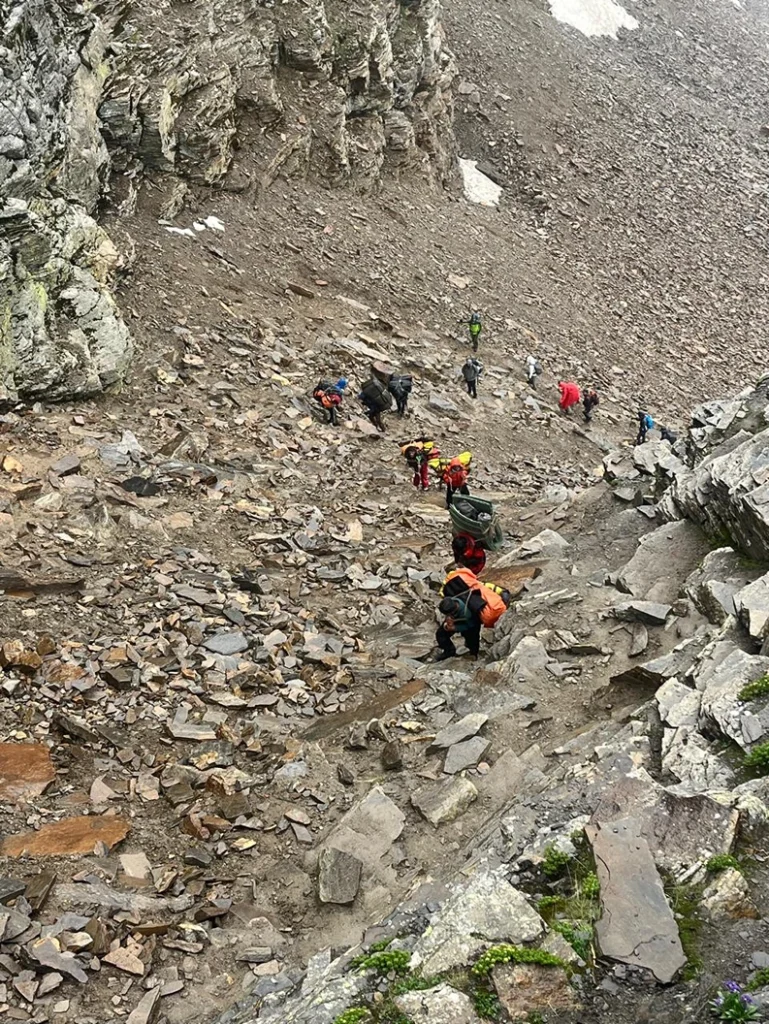
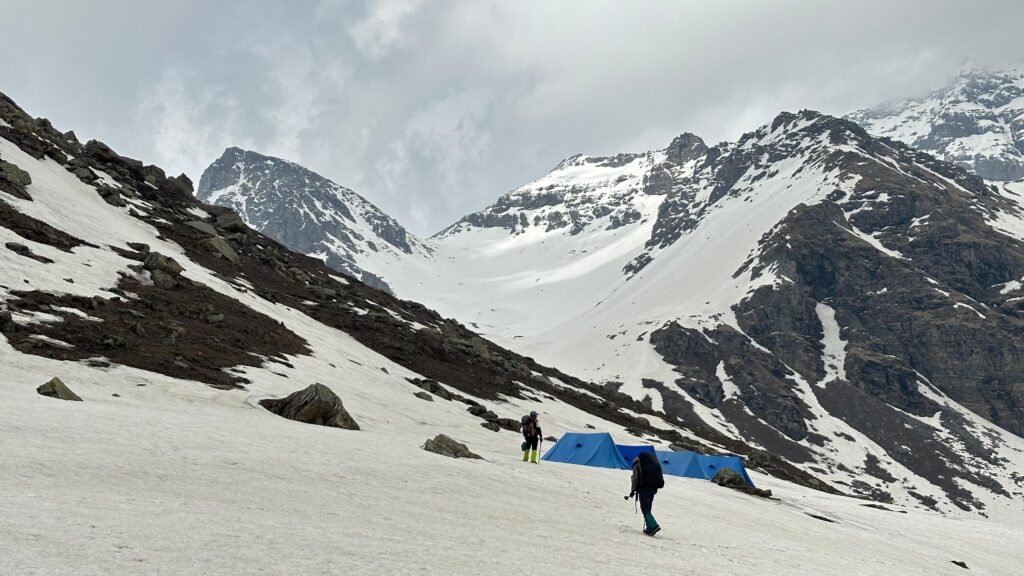
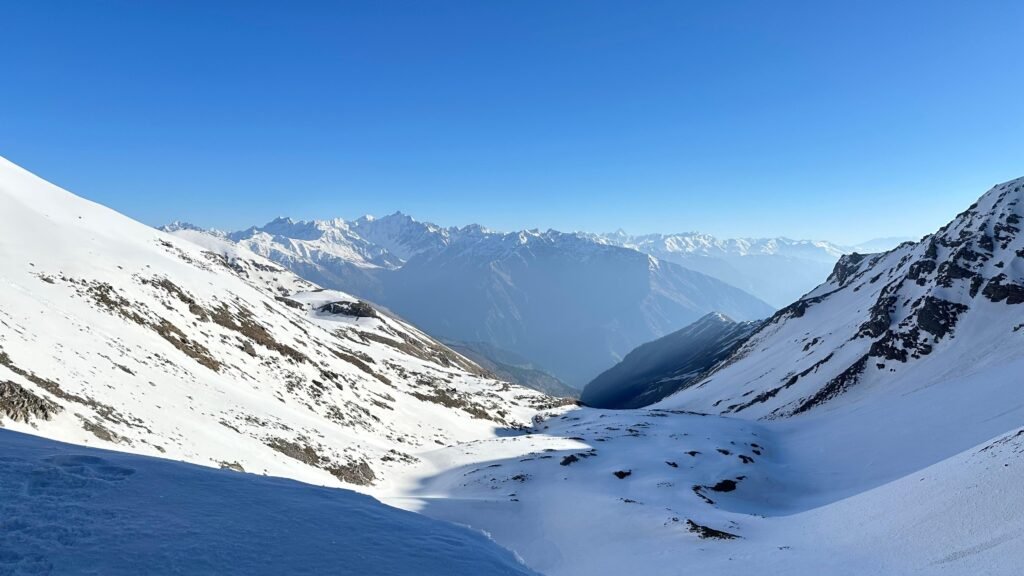
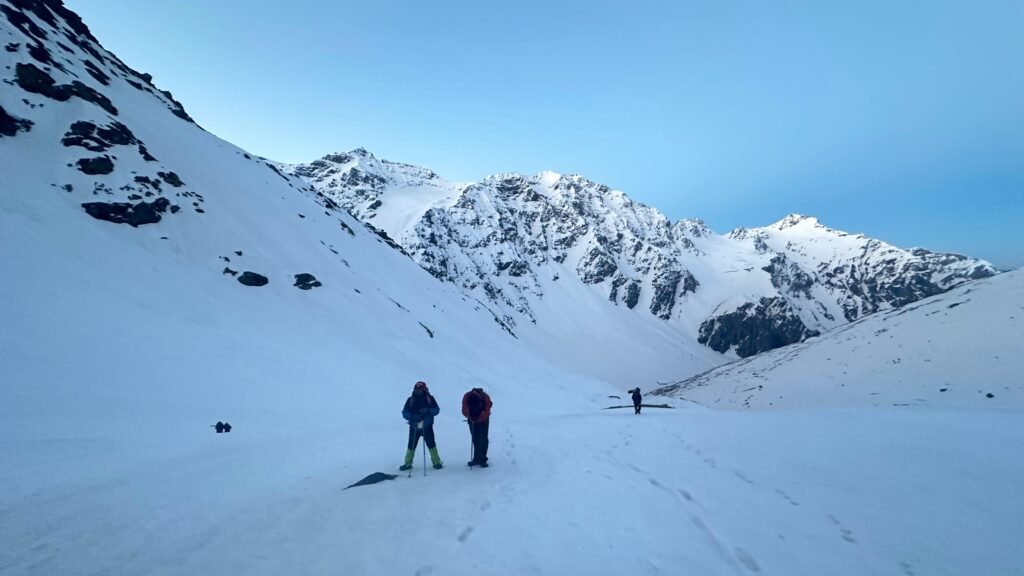
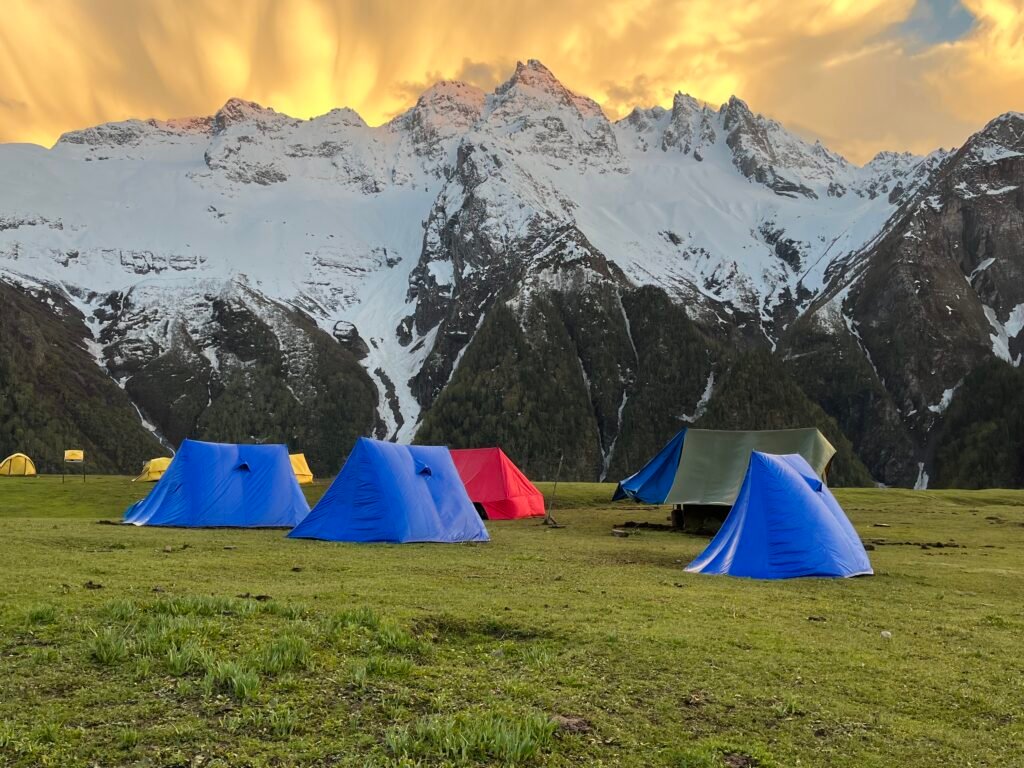
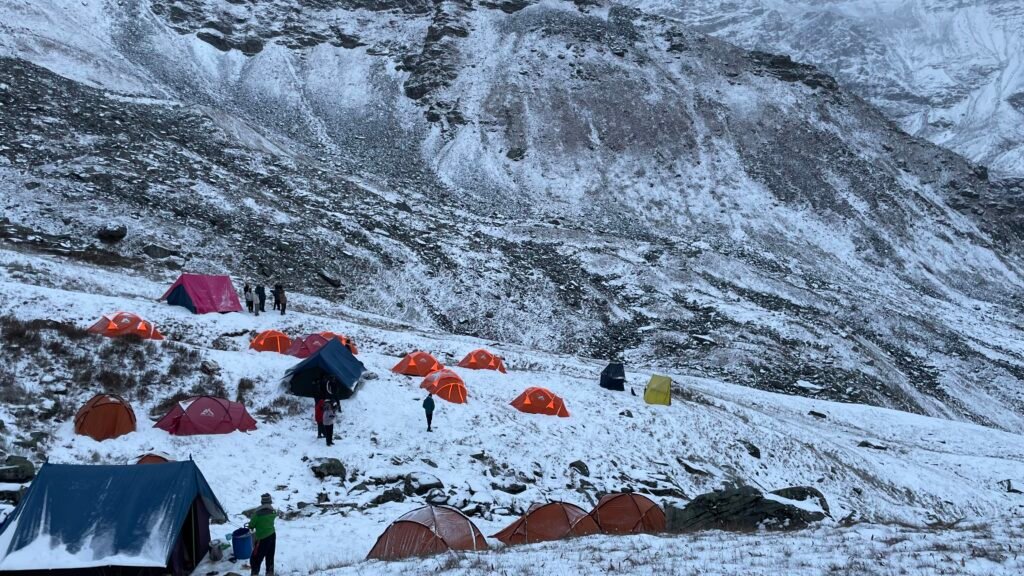
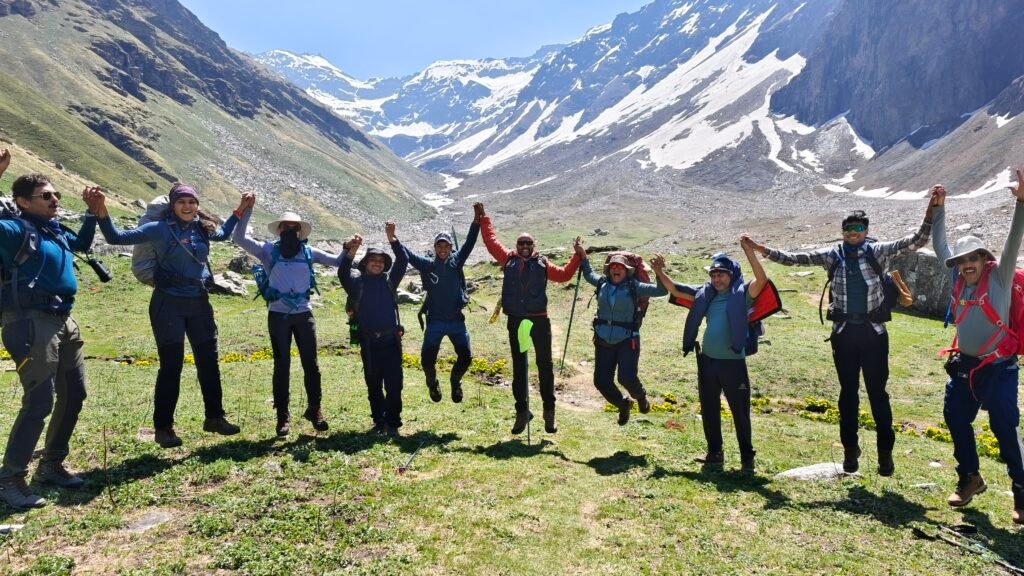
Your wait is over! The monsoon has ended, and bookings are officially OPEN for our Autumn Season Treks!
Here is our list of 12 must-do Himalayan treks in September and October. Find the trek that suits you and start planning your Himalayan adventure.
Why Is Autumn the Best Season for Trekking in the Himalayas?
September and October bring some of the most comfortable trekking conditions in the Himalayas. The monsoon begins to move away, trails gradually dry out, and the weather becomes more suitable for long days of walking.
Clearer skies are one of the biggest advantages. During the monsoon, clouds and rain can hide the mountains and make trails muddy or slippery. In autumn, clearer mornings often give you better views of Himalayan peaks, ridges and high passes.
The scenery changes as the season moves forward. September usually feels fresh and green after the rains, while October brings cooler weather and more golden and brown colours across forests and meadows.
The temperature also drops as autumn progresses. Days are generally comfortable for trekking, but mornings and nights can become quite cold, especially at higher camps. So, proper warm clothing becomes important for October treks.
Not every trek is the same in autumn. Some routes are better in September, while others are more suitable in October or later. Your fitness, trekking experience and the kind of landscape you want to see should also guide your choice.
In this guide, we’ve covered 12 treks to help you compare your options and find the one that feels right for you.
Bookings are now open forSeptember and October 2026 treks. Check the available dates, choose your trek and start planning your Himalayan adventure.
1. Kedarkantha Trek
Kedarkantha Trek is one of the most popular winter treks in India. The trek starts from Sankri village, Uttarakhand and takes you through pine forests, open meadows and beautiful campsites before reaching the Kedarkantha summit at around 12,500 ft.
The trek is easy to moderate and is a good option for beginners and first-time trekkers. You do not need technical climbing skills, but good fitness, proper pacing and regular hydration are important.
Duration: 5 Days / 4 Nights Difficulty: Easy to Moderate Starting Point: Sankri, Uttarakhand Highest Point: Around 12,500 ft Best Time: December–April for snow, May–June and September–November for greener and clearer views Starting Price: ₹5,500/person Best For: Beginners, first-time trekkers and short Himalayan adventures
The main highlight is the Kedarkantha summit, which offers wide Himalayan views on a clear day. From the top, you can see himalayan peaks such as Swargarohini, Bandarpoonch, Black Peak (Kalanag) and Ranglana from the top.
Kedarkantha is famous as a snow trek in winter, but September and October offers a different experience. The landscape is greener, mornings and nights are cooler, and clear skies can provide better mountain visibility. If you specifically want a snow experience, plan your trek from late October onwards, when temperatures start dropping and the chances of snow increase.
In short: Kedarkantha Trek is a good choice if you want a short 5-day, beginner-friendly Himalayan trek with a summit climb, beautiful mountain views, pine forests, open meadows and scenic campsites.
2. Ali Bedni Bugyal Trek
The Ali Bedni Bugyal Trekis a great choice for beginners, active families and anyone who wants to experience the vast alpine meadows of the Himalayas. The trek starts from Lohajung in Chamoli, Uttarakhand, and takes you through beautiful oak and rhododendron forests, mountain villages and open meadows before reaching the famous Ali Bugyal and Bedni Bugyal.
The trek is easy to moderate and does not require technical climbing skills. A typical itinerary takes around 6 days, with daily walks of roughly 6–10 km, depending on the route and campsite. You still need basic fitness because some sections are uphill.
Duration: 6 Days / 5 Nights Difficulty: Easy to Moderate Starting Point: Lohajung, Uttarakhand Highest Point: Around 12,500 ft Best Time: September–November Starting Price: ₹8,500/person Best For: Beginners, active families, photographers and meadow lovers
The main attraction is the vast Ali and Bedni Bugyal, where you can enjoy open grasslands and beautiful Himalayan views. On clear days, you can see Mt. Trishul and Mt. Nanda Ghunti rising above the surrounding mountains.
The forest section is also an important part of the trek. Trails through oak and rhododendron forests offer a peaceful change from the open meadows, while campsites surrounded by trees and mountains make the journey more memorable.
September usually brings greener meadows and fresh post-monsoon landscapes, while October offers cooler mornings and nights, clearer skies and better mountain visibility. The autumn light can make the meadows and surrounding peaks especially beautiful during sunrise and sunset.
In short: Ali Bedni Bugyal is a good choice if you want a 6-day beginner-friendly Himalayan trek with huge alpine meadows, peaceful forest trails, village life and beautiful views of the Himalayan peaks.
3. Buran Ghati Trek
The Buran Ghati Trek is a moderate to difficult trek in Himachal Pradesh, known for its changing landscapes and exciting pass crossing. The trail takes you through dense forests, green meadows, Chandranahan Lake and high-altitude terrain before reaching the famous Buran Ghati Pass.
The trek is more challenging than beginner-friendly treks and requires good fitness and confidence on steep and uneven sections. You do not need technical mountaineering experience, but you should be comfortable with long walking days and high-altitude trails.
Duration: 7 Days / 6 Nights Difficulty: Moderate to Difficult Starting Point: Janglik Highest Point: Around 15,000 ft Best Time: May–June & September–October Starting Price: ₹13,000/person Best For: Intermediate trekkers, adventure seekers and experienced beginners
The main highlights of Buran Ghati include Chandranahan Lake, Dayara Meadows, the famous Buran Ghati Ice Wall and the final pass crossing. The trail keeps changing from forests and open meadows to rugged high-altitude terrain. On clear days, you can also enjoy views of Himalayan peaks such as Kinner Kailash and Shrikhand Mahadev.
The famous Buran Ghati Ice Wall is one of the biggest attractions of the trek. It is mainly seen during the May–June season, when snow remains around the pass. In September and October, the snow wall may not be present, but you can expect cooler weather, greener landscapes, clearer skies and better mountain visibility.
The most challenging part of the trek is Buran Ghati Pass crossing, where steep terrain and altitude make the route physically demanding. You should be comfortable with long uphill walks, uneven trails and changing mountain conditions.
4. Chopta Tungnath Chandrashila Trek with Deoria Tal
The Chopta Tungnath Chandrashila Trek with Deoria Tal is an easy Himalayan trek and is considered one of the best family-friendly treks in Uttarakhand. The route combines beautiful meadows, forests, wildflowers, Deoria Tal, Tungnath Temple and Chandrashila Summit, without requiring technical climbing or rope sections.
Duration: 3 Days / 2 Nights Difficulty: Easy Starting Point: Sari / Chopta, Uttarakhand Highest Point: Around 12,100 ft Best Time: March–June & September–December Starting Price: ₹6,900/person Best For: Beginners, families and first-time trekkers
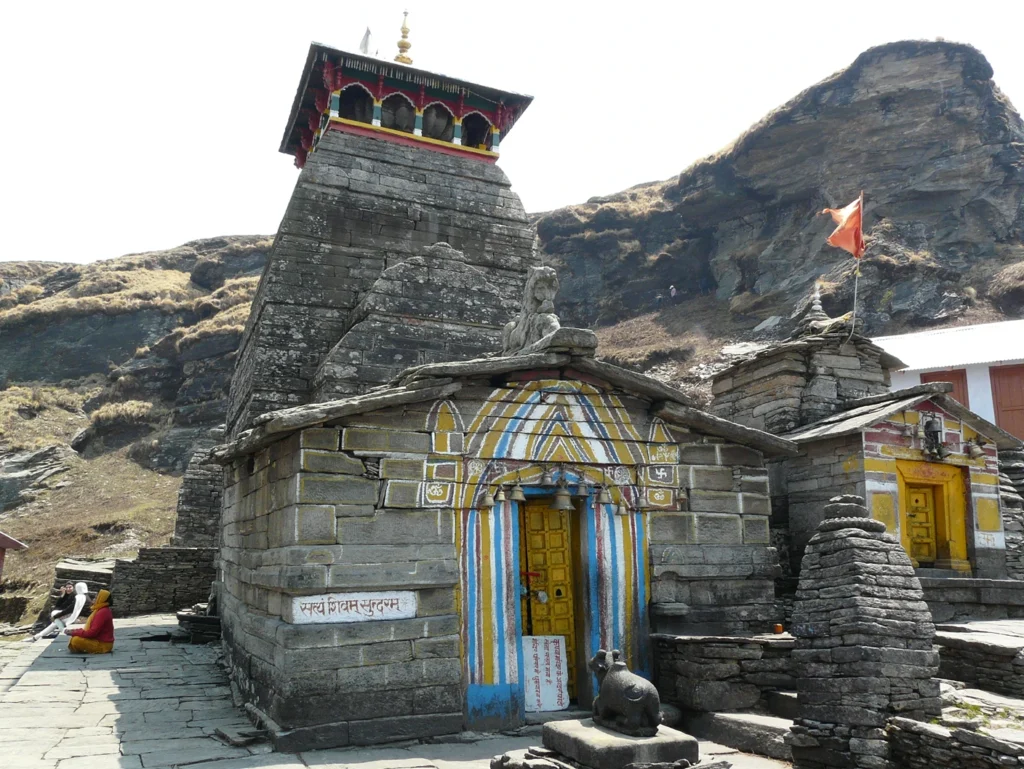
The Tungnath Temple is one of the Panch Kedar temples and is widely known as the highest Shiva temple in the world, located at around 12,000 ft. The trek from Chopta to Tungnath is around 3.5 – 4 km one way and usually takes 2–3 hours, depending on your walking speed and breaks.
The trail is mostly stone-paved and easy to follow. Along the way, you can enjoy green meadows, oak and rhododendron forests, colourful rhododendron flowers, Himalayan birds and wildlife such as Himalayan monal, musk deer and barking deer. Wildlife sightings are not guaranteed, but the natural surroundings make the walk enjoyable. In spring and early summer, blooming rhododendrons add bright colours to the forest.
After Tungnath, you can continue another 1.5 km uphill to Chandrashila Summit. This section is steeper, but the summit offers wide Himalayan views. On clear days, you can see peaks such as Chaukhamba, Nanda Devi, Trishul, Kedarnath and Kedar Dome.
Deoria Tal is another major highlight of the trek. The beautiful lake is surrounded by forests and offers stunning views of the Chaukhamba massif, Kedarnath and Kedar Dome on clear days.
In September and October, you can expect green landscapes, cooler weather, clear skies, better mountain visibility and peaceful forest trails after the monsoon.
5. Friendship Peak Expedition
Friendship Peak Expedition is a difficult peak expedition in Himachal Pradesh and a major step up from a regular Himalayan trek. The route involves high altitude, steep terrain and technical sections, so it is mainly suitable for experienced trekkers and aspiring mountaineers.
Duration: 7 Days / 6 Nights Difficulty: Difficult Starting Point: Solang Valley, Himachal Pradesh Highest Point: Around 17,350 ft Best Time: May–June & September–October Starting Price: ₹26,500/person Best For: Experienced trekkers and aspiring mountaineers
The main challenge is reaching the Friendship Peak summit, where you experience steep high-altitude terrain, snow and ice sections and challenging climbing conditions. Depending on the route and conditions, you may need crampons, an ice axe and ropes, so proper training and basic mountaineering experience is important.
September and October offer a very different climbing experience. After the monsoon, the atmosphere is often much clearer, giving you sharp views of the Dhauladhar and Pir Panjal ranges. On clear days, you can also enjoy views of major peaks such as Hanuman Tibba, Deo Tibba and Indrasan.
The lower landscapes also change during autumn. The green meadows around Solang and Bakarthach begin taking on golden and amber colours, while higher sections can have rocky moraines and firmer, hard-packed snow and ice. These conditions can make the climb more demanding and require careful movement with mountaineering equipment.
You can expect sunny days and cold mornings and nights, but high-altitude weather can change quickly. At Advanced Base Camp, temperatures can fall below freezing, while during the midnight summit push, temperatures may drop to around -5°C to -12°C, so proper winter clothing and suitable expedition gear are essential.
In short: Friendship Peak is a good choice if you want to move beyond regular trekking and experience a serious Himalayan peak expedition with technical climbing, high altitude, snow and ice, challenging terrain and spectacular autumn mountain views. It is not suitable for beginners without previous high-altitude or mountaineering experience.
6. Hampta Pass Trek
The Hampta Pass Trek is an easy to moderate trek in Himachal Pradesh and a good choice for beginners and intermediate trekkers who want to experience different Himalayan landscapes in a short trip. The trail changes from green forests and meadows of the Kullu Valley to the rugged, dry landscapes of Lahaul after crossing Hampta Pass.
Duration: 5 Days / 4 Nights Difficulty: Easy to Moderate Starting Point: Manali, Himachal Pradesh Highest Point: Around 14,000 ft Best Time: June–September Starting Price: ₹8,500/person Best For: Beginners, intermediate trekkers and varied Himalayan landscapes
The main highlights include Hampta Pass, Chandratal Lake, Rani Nallah, Jwara Meadows and the dramatic Lahaul Valley. On clear days, you can also enjoy views of Himalayan peaks such as Indrasen, Deo Tibba and Hanuman Tibba from parts of the route.
September and early October offer a completely different experience. The monsoon starts fading, bringing clearer skies, crisp mountain air and better visibility. In September, the lower valleys around Jobra and Chika are still green, while by October, the landscape gradually turns golden and brown with the arrival of autumn.
As you climb towards the Hampta Pass at around 14,000 ft, the scenery becomes more rugged, with rocky moraines, glacial boulders and high-altitude terrain. After crossing the pass, the landscape changes dramatically as you descend towards Shea Goru and Chatru, where the green Kullu Valley gives way to the dry and barren Lahaul landscape.
Autumn can also bring easier river crossings as the snowmelt decreases. However, higher camps can become very cold. During the day, temperatures can be around 10°C–15°C, while nights at camps such as Shea Goru can fall to around 0°C to -5°C or lower, depending on the weather.
The trek is generally quieter in autumn than during the peak summer season, giving you more peaceful trails and better opportunities to enjoy the mountain scenery. However, late October can bring a higher chance of snowfall, which may affect the pass crossing and can lead to changes in the itinerary.
In short: Hampta Pass is a good choice if you want a short Himalayan trek with forests, green meadows, a high pass, river crossings and a dramatic change from the lush Kullu Valley to the dry Lahaul landscape.
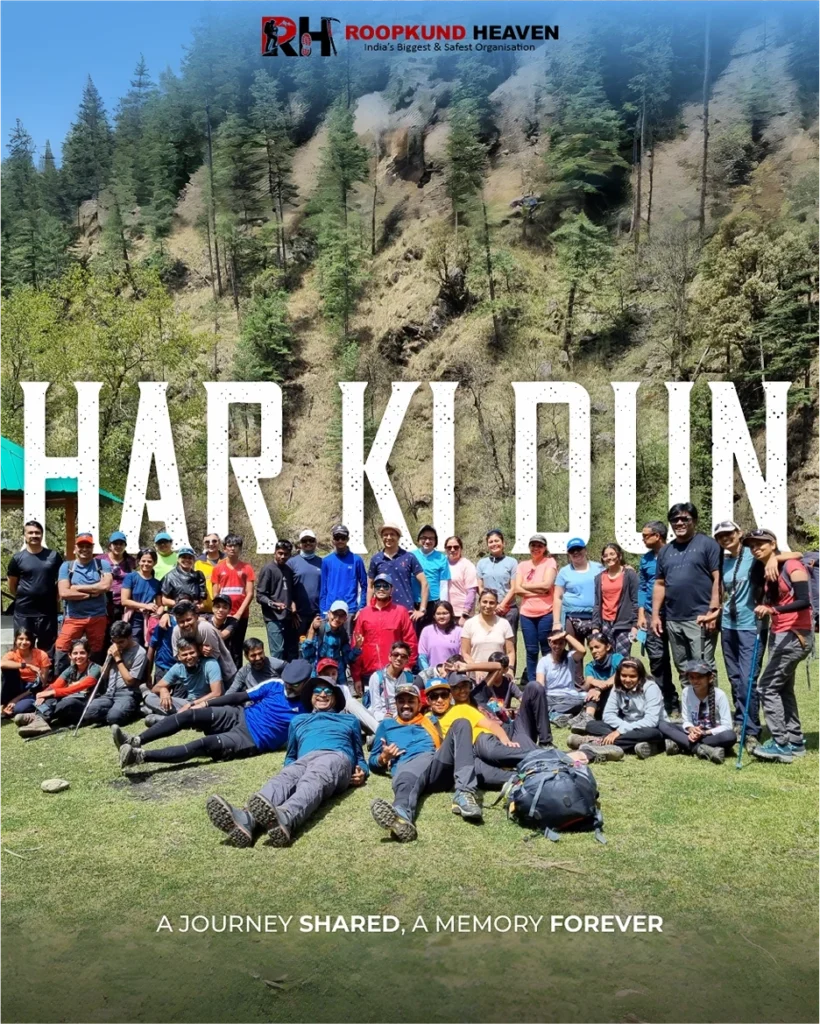
7. Har Ki Dun Trek
The Har Ki Dun Trek is a moderate trek in Uttarakhand and a great choice if you prefer forests, villages and valleys over a summit climb. The route passes through pine and deodar forests, remote Himalayan villages, river valleys and the wide Har Ki Dun Valley, making it a scenic trek without any technical climbing.
Duration: 7 Days / 6 Nights Difficulty: Moderate Starting Point: Sankri, Uttarakhand Highest Point: Around 11,800 ft Best Time: April–June & September–November Starting Price: ₹9,000/person Best For: Nature lovers, photographers and trekkers who enjoy scenic valley walks
The main highlights of the trek, Har Ki Dun Valley, Osla Village, ancient temples, alpine meadows, forests and surrounding Himalayan ranges. On clear days, you can enjoy views of peaks such as Swargarohini, Bandarpoonch and Black Peak (Kalanag). The trail also gives you a chance to experience traditional village life, peaceful forest walks and open valley landscapes.
September and October offer a beautiful experience. The rains start to fade, the trails become drier and the skies are often clearer. September usually keeps the valley green and lush, while October brings cooler weather and golden and yellow autumn colours across the forests and meadows. Day temperatures can be around 10°C to 18°C, but nights become much colder at higher camps and can fall to around 0°C to 5°C or lower, so warm layers, thermal innerwear, gloves and a good jacket are important.
With less rain, the trail is generally more comfortable to walk, although some muddy sections and stream crossings can still appear after rainfall. The route includes gradual climbs, uneven village paths, forest trails, river crossings and open valley sections, so good fitness and comfortable trekking shoes are important. Clear autumn mornings can also give you better mountain visibility, while clear nights at higher camps can be good for stargazing.
In short: Har Ki Dun is a good choice if you want a peaceful Himalayan trek with forests, traditional villages, alpine meadows, river valleys and beautiful mountain views. September and October are especially good if you want greener landscapes, autumn colours, clearer skies, cooler days and cold mountain nights.
8. Kashmir Great Lakes Trek
Kashmir Great Lakes Trek is a moderate to difficult trek and one of the most scenic high-altitude treks in India. The route takes you through vast meadows, alpine lakes and high mountain passes, with a different landscape almost every day. It is better suited to trekkers with some previous trekking experience.
Duration: 7 Days / 6 Nights Difficulty: Moderate to Difficult Starting Point: Sonamarg, Kashmir Highest Point: Around 13,700 ft Best Time: July–September Starting Price: ₹15,000/person Best for: Intermediate trekkers, photographers and alpine landscape lovers
The biggest attractions are Kishansar Lake, Gadsar Lake, Satsar Lakes, Gangbal Lake and Nundkol Lake, along with the huge meadows of Vishansar Valley and Gadsar. The trail also crosses several high passes, including Zaj Pass and Gadsar Pass.
On clear days, you can enjoy views of surrounding peaks of the Kashmir Himalayas, including Harmukh, one of the most prominent peaks visible from the Gangbal–Nundkol area.
September offers a beautiful autumn experience as the summer greenery slowly changes into golden and brown shades, creating a striking contrast with the deep blue alpine lakes. The post-monsoon air is often clearer, giving you better visibility of the surrounding mountains and peaks such as Harmukh. With the busy July and August period behind you, the trail can also feel quieter, allowing you to enjoy the vast meadows and lakes in a more peaceful setting.
The days are generally comfortable for trekking, with temperatures often around 14°C to 18°C under clear skies, but the temperature drops quickly after sunset. At higher camps and passes, nights can fall to around 0°C to -4°C or lower, especially towards late September. Early mornings can be very cold, with frost, frozen tents and icy puddles possible, so thermal innerwear, warm layers, gloves and a good sleeping bag are important.
The trek is physically demanding because of long walking days, repeated ascents and descents, high passes and altitude. Technical climbing is not usually required, but changing weather can make the high passes more challenging. By late September, early snowfall can occur around high passes such as Gadsar, and if winter conditions arrive early, snowfall can make the trail difficult or bring the trekking season to an end.
In short: Kashmir Great Lakes is a good choice if you want alpine lakes, huge meadows, high mountain passes and dramatic Kashmir landscapes. September offers a mix of greener-to-golden landscapes, clearer mountain views and quieter trails, but late-season trekkers must be prepared for freezing nights, sudden snowfall and changing high-altitude conditions.
9. Rupin Pass Trek
Rupin Pass Trek is a moderate to difficult trek and one of the classic high-altitude pass treks in the Himalayas. The route takes you through villages, dense forests, waterfalls, river sections, meadows and high-altitude terrain before the final Rupin Pass crossing. It is better suited to trekkers with some Himalayan trekking experience.
Duration: 7 Days / 6 Nights Difficulty: Moderate to Difficult Starting Point: Dhaula, Uttarakhand Highest Point: Around 15,250 ft Best Time: May–June & September–October Starting Price: ₹14,500/person Best for: Intermediate trekkers, adventure seekers and experienced hikers
The main attractions include the Rupin Waterfall, Dhanderas Thatch, Rata Pani, Rupin Pass and the hanging village of Jiskun. The landscape changes constantly as you move from forests and green valleys to open meadows and rugged high-altitude terrain. On clear days, you can also enjoy views of the Kinnaur and Dhauladhar ranges, with peaks such as Kinner Kailash visible from parts of the route.
September and October offer a beautiful autumn experience. After the monsoon, the lower valleys remain green, while the forests and meadows slowly start turning golden and brown. The skies are often clearer, giving you better views of the surrounding mountains. Day temperatures at lower camps can be around 12°C to 18°C, so the weather is usually comfortable for walking. Waterfalls and streams can still have good water flow after the rainy season.
As you climb above 11,000 ft, the scenery becomes more rocky and rugged. There is usually less snow than in spring, so you can see more of the rocks and mountain slopes. However, nights become very cold at higher camps, and temperatures can drop to around -1°C to -6°C or lower. You should carry thermal innerwear, warm layers, gloves, a good jacket and a warm sleeping bag.
The trek can be physically demanding because of long walking days, steep climbs, high altitude and uneven trails. The Rupin Pass crossing is one of the hardest parts of the trek, so good fitness and previous trekking experience are important.
In short: Rupin Pass is a good choice if you want a challenging Himalayan trek with waterfalls, forests, meadows, mountain views and a high-altitude pass crossing. September and October offer clearer skies, autumn colours and comfortable daytime trekking, but the higher camps can be very cold.
10. Kuari Pass Trek
The Kuari Pass Trekis an easy to moderate trek in Uttarakhand and a good choice for beginners who want beautiful Himalayan mountain views. The trail passes through oak and pine forests, open meadows and high-altitude landscapes before reaching Kuari Pass. You do not need technical climbing skills, but you should be comfortable walking for several hours each day.
Duration: 6 Days / 5 Nights Difficulty: Easy to Moderate Starting Point: Joshimath, Uttarakhand Highest Point: Around 12,516 ft Best Time: April–June & September–December Starting Price: ₹7,500/person Best for: Beginners, mountain-view lovers and first-time pass trekkers
The main attractions include Kuari Pass, Gorson Bugyal, Auli, Chitrakantha and beautiful forest trails. The biggest highlight is the wide Himalayan panorama. On a clear day, you can enjoy views of Nanda Devi, Dronagiri, Kamet, Trishul, Hathi Ghoda and Chaukhamba.
From mid-September to November, Kuari Pass offers a beautiful autumn trekking experience. The monsoon is over, so the weather becomes drier and the trails are usually firmer, with less mud and fewer leeches. September can still be green and fresh, while the meadows gradually turn golden and amber and dry leaves cover parts of the oak and pine forests. Days become cooler as the season progresses, with temperatures around 16°C in September dropping to about 2°C by November. Nights can fall from around 4°C in October to around -4°C by late November, so warm clothes and thermal innerwear are important.
The autumn weather also brings clearer skies and better mountain visibility. The trails are generally quieter than during the busy spring and summer months, so you can enjoy the forests, meadows and mountain views in a more peaceful setting. The route still includes gradual climbs and high-altitude sections, so basic fitness is important even though there are no technical climbing sections.
In short: Kuari Pass is a good choice if you want an easy to moderate Himalayan trek with forests, golden meadows, a classic mountain pass and wide mountain views. September to November offers drier trails, clearer skies, fewer crowds, colourful autumn landscapes, cooler days and very cold nights.
11. Roopkund Trek
The Roopkund Trek is a moderate to difficult high-altitude trek in Uttarakhand, famous for the mysterious Roopkund Lake, located at around 16,000 ft. The trek takes you through Ali Bugyal, Bedni Bugyal, Patar Nachauni and Bhagwabasa, with beautiful views of the surrounding Himalayan peaks. such as Trishul, Nanda Ghunti and Nanda Devi on clear days. The route includes long climbs and high-altitude sections, so good fitness and some previous trekking experience are recommended.
Duration: 8 Days / 7 Nights Difficulty: Moderate to Difficult Starting Point: Lohajung, Uttarakhand Highest Point: Around 16,000 ft Best Time: Mid-September–October Starting Price: ₹15,500/person Best For: Experienced trekkers and adventure seekers
Good news for trekkers: Roopkund Trek is open again in 2026. Earlier, restrictions on overnight camping in the higher bugyal areas made the classic Roopkund route difficult or impossible to operate. On 20 July 2026, the Supreme Court set aside the earlier restrictions, including the 200-person limit and blanket ban on overnight stays. Trekking and camping can now take place under the applicable forest and environmental rules.
Mid-September and October is the best time to do the Roopkund trek. The trails are generally drier, the skies become clearer and Ali and Bedni Bugyal gradually turn golden and brown. Higher camps such as Bhagwabasa can be extremely cold, with temperatures potentially falling to around -10°C at night, so proper warm clothing and a good sleeping bag are essential.
The trek is physically demanding because of long walking days, steep climbs, high altitude and rocky terrain. The final climb towards Roopkund is one of the toughest sections, so good fitness and some previous Himalayan trekking experience will help.
In short: Roopkund is a challenging Himalayan trek combining Ali Bugyal, Bedni Bugyal, Patar Nachauni, Bhagwabasa, Roopkund Lake and beautiful Himalayan mountain views. With trekking and camping allowed again in 2026, it is once again possible to experience the classic Roopkund route.
12. Pangarchulla Trek
The Pangarchulla Peak Trek is a moderate to difficult trek in Uttarakhand and a good choice if you want to climb a Himalayan peak. The route passes through oak and rhododendron forests, Gorson Bugyal, open meadows and rocky mountain trails before reaching the Pangarchulla summit.
Duration: 6 Days / 5 Nights Difficulty: Moderate to Difficult Starting Point: Dhak Village, Uttarakhand Highest Point: Around 14,700 ft Best Time: April–May & October–November Starting Price: ₹8,000/person Best For: Experienced trekkers and summit-focused adventures
The main highlights include Pangarchulla Peak, Gorson Bugyal, alpine meadows, forests and wide Himalayan views. On a clear day, you can see peaks such as Nanda Devi, Dronagiri, Chaukhamba, Hathi Parvat and Changabang.
October and November offer a different experience from spring. After the monsoon, September can still have green meadows, while October and November bring golden and brown landscapes and clearer skies. Day temperatures are usually around 5°C to 15°C, while nights at higher camps like Khullara can become very cold, dropping to around 5°C to -10°C.
The upper part of the trek becomes rocky and steep, with large rocks and loose sections on the way to the summit. By late October and November, there can also be small patches of snow or ice. Good trekking shoes, careful walking and proper guidance are important.
The clear autumn weather can give you excellent mountain views. However, the summit climb is demanding because of the steep climb, high altitude and rocky trail, so good fitness and some previous trekking experience are recommended.
In short: Pangarchulla is a good choice if you want a challenging Himalayan trek with forests, meadows, rocky trails and beautiful mountain views. Autumn offers clear skies and golden landscapes, but the higher sections can be very cold and difficult.
Quick Comparison Table
Trek
Difficulty
Duration
Starting Price
Best Autumn Window
Kedarkantha
Easy to Moderate
5D/4N
₹5,500
Late Sep–Nov
Ali Bedni Bugyal
Easy to Moderate
6D/5N
₹8,500
Sep–Oct
Buran Ghati
Moderate to Difficult
7D/6N
₹13,000
Sep–Oct
Chopta Tungnath Chandrashila
Easy
3D/2N
₹6,900
Sep–Nov
Friendship Peak
Difficult
7D/6N
₹26,500
Sep–Oct
Hampta Pass
Easy to Moderate
5D/4N
₹8,500
September
Har Ki Dun
Moderate
7D/6N
₹9,000
Sep–Oct
Kashmir Great Lakes
Moderate to Difficult
7D/6N
₹15,000
September
Rupin Pass
Moderate to Difficult
7D/6N
₹14,500
Sep–Oct
Kuari Pass
Easy to Moderate
6D/5N
₹7,500
Sep–Oct
Roopkund
Easy to Moderate
8D/7N
₹15,500
Mid-Sep–Oct
Pangarchulla Peak
Easy*
6D/5N
₹8,000
October
How to Choose the Trek Right for You?
The best trek is not always the highest, longest or most famous. Choose a trek that matches your fitness, trekking experience, available time and the type of experience you want.
If this is your first Himalayan trek, Chopta Tungnath Chandrashila, Ali Bedni Bugyal or Kuari Pass are good options. These treks offer beautiful mountain views without technical climbing.
For a stronger but manageable challenge, choose Hampta Pass or Har Ki Dun. You should be comfortable walking for several hours a day and handling regular uphill sections.
For intermediate trekkers, Buran Ghati, Rupin Pass, Roopkund and Kashmir Great Lakes require more preparation. Long walking days, altitude, steep climbs, high passes and changing weather make these treks more demanding.
If you want a serious mountain objective, Friendship Peak requires proper high-altitude experience, training and technical preparation.
Choose the Right Month
September: Green landscapes, fresh post-monsoon scenery and comfortable daytime weather.
October: Clearer mountain views, cooler weather and colder nights at higher camps.
November: Colder conditions, especially on higher treks, with a greater chance of snow or ice on some routes.
A Simple Fitness Check
Start preparing at least 4–6 weeks before a moderate trek. You can include:
Brisk walking or jogging 4–5 days a week.
Stair climbing 2–3 times a week.
Squats, lunges and step-ups for leg strength.
Longer walks on weekends.
Gradually increasing your walking distance and time.
For difficult treks, start training earlier and add loaded walking with a comfortable daypack.
Choose Based on Your Travel Style
Ali Bedni or Har Ki Dun: If you enjoy meadows, forests and scenic trails.
Chopta Tungnath: If you have limited time.
Kashmir Great Lakes: If alpine lakes are your main attraction.
Rupin Pass or Buran Ghati: If you want changing landscapes and more adventure.
Friendship Peak: If you are ready for a proper peak expedition.
Note: Don’t choose a trek only by looking at the price. Before booking, check what you are actually getting, including experienced guide support, meals, transport, permits, camping equipment, safety and first-aid support, and any technical gear needed for the trek. Also check for hidden or extra charges.
Not sure which trek is right for you? Contact Roopkund Heaven and tell us about your trekking experience, fitness level, available time and what you want from the trek. We can help you choose an option that matches your needs.
FAQs
1. Which are the best treks for September and October in India?
Popular options include Ali Bedni Bugyal, Buran Ghati, Har Ki Dun, Rupin Pass, Kuari Pass, Chopta Tungnath Chandrashila and Roopkund. Kashmir Great Lakes is mainly suitable for September, while Friendship Peak is better for experienced trekkers.
2. Is September a good month for Himalayan trekking?
Yes, September is a good month for Himalayan trekking. The monsoon starts to end, trails become drier and mountain views usually improve as the month progresses. Early September can still bring rain, so check the latest weather conditions.
3. Which is the best autumn trek for beginners?
Chopta Tungnath Chandrashila, Ali Bedni Bugyal and Kuari Pass are good choices for beginners. They do not require technical climbing, but you still need basic fitness for uphill walking.
4. Is October better than September for trekking?
It depends on your preference. September is usually greener, while October often has clearer skies and cooler weather. October nights are also colder, especially at higher camps.
5. Which trek is best for clear Himalayan views?
Kuari Pass, Ali Bedni Bugyal and Har Ki Dun can offer excellent mountain views in autumn. Clear skies are more common after the monsoon, but mountain weather can change quickly.
6. Is Roopkund Trek open in 2026?
Yes, the Roopkund Trek has reopened for trekking and camping in 2026. On 20 July 2026, the Supreme Court set aside key restrictions, including the earlier 200-person limit and blanket overnight camping restriction. Other forest and environmental rules still apply.
7. Which is better: Buran Ghati or Rupin Pass?
Both are challenging pass treks. Buran Ghati is known for meadows, Chandranahan Lake and the pass crossing, while Rupin Pass offers waterfalls, villages, rivers and changing mountain landscapes.
8. Is Kashmir Great Lakes good in October?
October is generally outside the normal Kashmir Great Lakes trekking season. September is usually the better late-season option, but always confirm the actual operating dates before booking.
9. Which autumn trek is best for families?
Chopta Tungnath Chandrashila is one of the better choices for active families because the trek is short and non-technical. Ali Bedni Bugyal can also work for families with good fitness.
10. What should I pack for September and October treks?
Carry good trekking shoes, layered clothes, a warm jacket, rain protection, gloves, a cap, sunglasses, sunscreen, a headlamp and personal medicines. Higher-altitude treks may also require gaiters, microspikes or other equipment depending on conditions.
11. How long should I train before a Himalayan trek?
For an easy to moderate trek, 4–6 weeks of regular preparation is a good starting point. Focus on walking, stairs, step-ups, squats and longer weekend walks. Difficult treks require more preparation.
12. Can it still rain during September and October treks?
Yes. Early September can still have rain and wet trails, while October is generally drier in many Himalayan areas. Weather can change quickly, so always carry rain protection.
13. Which trek is best for mountain photography in autumn?
Kuari Pass, Ali Bedni Bugyal and Har Ki Dun are good choices for autumn photography because of their open landscapes, changing colours and Himalayan views.
14. Which are the most difficult treks on this list?
Friendship Peak is the most demanding because it is a peak expedition requiring technical preparation. Rupin Pass, Buran Ghati, Roopkund and Kashmir Great Lakes are also challenging due to altitude, terrain and long walking days.
15. How should I compare Himalayan trek prices in 2026?
Don’t compare only the starting price. Check meals, accommodation, transport, permits, guide support, equipment, insurance, taxes and emergency support. Also check for extra charges before booking so you know the actual cost.
Rupin Pass Trek in September & October 2026: Weather, Temperature, and Difficulty
Planning the Rupin Pass Trek in September or October 2026? This guide covers everything you need to know before planning your trek, including weather, temperature, snow conditions, difficulty, packing, permits and what to expect on the trail during these months.
Good news: Roopkund Heaven is now open for Rupin Pass Trek bookings for September and October 2026. Check the available dates and book your trek today.
Why September-October Is Genuinely the Best Time to Visit Rupin Pass?
September and October give Rupin Pass a very different feel compared with the May–June season.
Fresh Green Valleys and Autumn Colours
After the monsoon, the lower Rupin Valley looks fresh and green, while the higher sections become colder and drier.
As October arrives, the forests and meadows slowly start showing golden and brown autumn colours. The skies can also become much clearer, giving you better views of the surrounding mountains.
Late September to mid-October is generally considered a good post-monsoon window for the trek.
2. Much Less Snow
One of the biggest advantages of September and October is that there is much less snow.
In May and June, you may find large snow bridges and snow-covered sections in the upper part of the trek. By September and October, most of this seasonal snow has usually melted.
Because of this, the upper route feels more like a rocky high-altitude trek than a snow trek.
3. Still a Difficult High-Altitude Trek
Less snow does not mean Rupin Pass becomes easy.
The trek still reaches around 15,250 ft. The Rupin Gully is steep, the Upper Waterfall section requires effort, and the final climb to the pass can be tiring.
Even in autumn, Rupin Pass remains a difficult trek, with steep sections, boulders and challenging terrain.
4. Generally Drier Weather
September and October usually bring drier weather, but conditions can still change quickly in the mountains.
Early September may still have some unsettled weather as the monsoon moves away. By late September and October, the weather is generally more stable and dry.
5. Better Mountain Views
Mountain views are another major reason to choose the September and October season.
In September, the lower Rupin Valley can still remain fresh and green after the monsoon. As October progresses, the landscape slowly changes, with the higher meadows and forests taking on golden and brown autumn colours.
The skies can also become clearer during this period, which can give you better views of the surrounding Himalayan peaks.
If you are mainly looking for beautiful mountain views, changing landscapes and good photography opportunities, September and October can be one of the best times to experience Rupin Pass.
So, Is September-October the Best Time?
If you want clear mountain views, less snow, drier trails and beautiful autumn colours, September and October are great months for the Rupin Pass Trek.
However, the autumn season is short. The trekking season usually starts to end around mid-October as winter gets closer. So, if you want to trek in this season, it is better to plan your dates early.
September vs October — What Actually Changes Week to Week
If you are choosing your trek dates between September and October, your choice should depend on what you want to experience on the Rupin Pass Trek.
Early to Mid-September — Green Landscapes and Active Waterfalls
If you enjoy green valleys, waterfalls and fresh post-monsoon scenery, early September can be a good choice.
The lower Rupin Valley is usually lush and green.
Seasonal waterfalls are still active.
Meadows remain fresh after the monsoon.
Wildflowers, including blue poppies around Dhanderas Thatch, may still be seen.
Rain and cloud cover are still possible, especially in the first week or two.
Some sections can remain loose after the monsoon.
Be extra careful around landslide-affected areas near Saatopani, river crossings and loose scree.
The main attraction is the fresh green landscape and active waterfalls, but weather and trail conditions can still change quickly
Late September — A Good Balance
Late September is a good choice if you want a balance of greenery, clearer skies and early autumn colours.
The monsoon usually starts moving away.
Skies generally become clearer.
The landscape slowly changes from green to golden and brown.
Some waterfalls may still be visible.
Mountain views usually start improving.
Trails generally become drier.
If you want to avoid the wetter conditions of early September and the colder weather of October, late September can be a good middle ground.
Rain is still possible, so keep some flexibility in your travel plans.
Early October — Clearer Views and Autumn Landscapes
If your priority is clear mountain views, drier trails and autumn scenery, early October is a good time for the Rupin Pass Trek.
Skies are usually clearer.
Mountain visibility can be excellent.
Meadows and forests start showing golden and brown autumn colours.
The Kinnaur side also starts showing beautiful autumn colours.
The trail is usually much less snowy than in May and June.
You can expect drier trails, cold mountain air and classic autumn landscapes.
October is not mainly a month for deep snow. Instead, the trek is more about clear mountain views, autumn colours and rocky high-altitude terrain.
Mid to Late October — Colder and More Uncertain
October gets colder as the month progresses.
Daytime temperatures can still be comfortable while walking.
Temperatures drop quickly after sunset.
Nights become much colder.
The chance of early snowfall around the pass increases.
Fresh snow can make the crossing more difficult.
Weather conditions can change quickly.
Because of these changing conditions, late October can become much harder for trekking, especially around the higher sections where snowfall and colder weather become more likely.
For this reason, we stop Rupin Pass departures in late October and close the season for the winter months.
If you are planning to trek in September or early October, check the available batch dates and book in advance, as the autumn trekking season is short.
Our advice: For a good balance of weather, mountain views and trekking conditions, late September to early October is a strong period to consider.
Day and Night Temperatures You Should Actually Expect
This is one of the most important things to know when planning the Rupin Pass Trek in September and October. Temperatures drop with altitude, so higher camps can be much colder.
Temperature You Can Expect
Trek condition
September
October
Lower trail daytime
Around 12–18°C
Around 10–16°C
Higher trail daytime
Around 5–12°C
Around 3–10°C
Higher camp nights
Around 0 to -4°C
Around -3 to -5°C or colder
Pass morning
Very cold and windy
Colder, with a higher chance of early snow
These are planning ranges, not fixed temperatures. Actual conditions can change depending on altitude, wind, clouds and weather.
Wind Can Make It Feel Much Colder
At higher altitudes, wind can make the temperature feel much colder.
You may feel comfortable walking in a fleece during the afternoon, but once you stop at camp, you can start feeling cold very quickly. Keep your insulated jacket easily accessible instead of packing it at the bottom of your backpack.
Summit Morning Is Colder
The final climb to Rupin Pass usually starts before sunrise, when temperatures are at their lowest.
Even if the daytime temperature later reaches 10–15°C, the pass can feel much colder in the early morning because of the cold air and strong winds.
So, make sure your warm layers are ready before you leave camp. The summit morning is when you will need them the most.
Will There Be Snow at the Pass?
If you are planning the Rupin Pass Trek in September or October, do not expect the deep snow you may see in photos from May or June.
Most of the summer snowfields and snow bridges have usually melted by autumn. You may still find:
Small snow patches
Old snow in shaded areas
Frost at higher camps
Snow near the pass after a fresh weather system
Fresh snowfall in October
The amount of snow can change from year to year. So, do not plan your trek based only on photos you see online, as many of them may have been taken during the May–June season.
What Is the Trail Like Without Deep Snow?
In September and early October, Rupin Pass is usually a rocky high-altitude trek.
The good part is that less snow generally means easier footing on many sections. You are less dependent on snow bridges and deep snow travel. However, the trek is still difficult.
The Rupin Gully remains steep, boulder sections need careful footing, and the final climb to the pass still requires good effort at high altitude.
What About Snow in October?
October needs a little more attention because fresh snowfall can occur around the pass as winter gets closer.
A mostly rocky trail can become more difficult after fresh snow, so do not judge the conditions only by photos or reports from the previous week.
Before starting the trek, follow the latest assessment from your trek leader, especially if snowfall or strong winds are expected.
If conditions around the pass become unsafe, the right decision is to change the plan, delay the crossing or turn back. Safety should always come before reaching the pass.
Is Rupin Pass Trek Difficulty in September and October?
Yes, the Rupin Pass Trek is still a difficult trek in September and October.
Less snow can make some sections easier than in May and June, but the trek still has steep climbs, long walking days, boulder sections and high-altitude terrain.
What Gets Easier in September and October?
The main advantage of autumn is less snow.
Most large snow-covered sections and snow bridges have been reduced.
Many parts of the trail have firmer and easier footing.
Water crossings can be easier than during the peak snowmelt period, although recent rain can still affect water levels.
Clearer post-monsoon weather can give you better mountain views.
Less cloud cover can also make the upper valley easier to see and photograph.
However, less snow does not mean an easy trek. The difficult sections are still there, and you need good fitness for the long climbs.
What Makes the Trek Difficult?
Even without deep snow, you still have to deal with:
Steep climbs, including the Rupin Gully
Boulder sections that require careful footing
The Upper Waterfall section
Long walking days
High altitude, with the pass reaching around 15,250 ft
Cold and changing mountain weather
So, do not choose Rupin Pass simply because there is less snow in autumn. You still need to be physically prepared for a demanding high-altitude trek.
What Gets Harder in Autumn?
The biggest challenge in September and October is cold weather at higher camps.
Temperatures can drop to around 0°C to -5°C or lower at higher camps.
October becomes colder as the month progresses.
Early mornings can be especially cold.
Daylight becomes shorter as October progresses.
The final summit push usually starts before sunrise, so a good headlamp is important.
You should not depend on a campfire for warmth. Your warm clothing and sleeping system are your main protection against the cold.
October Needs Extra Care
Early October can offer good trekking conditions, but the weather becomes less predictable towards the end of the month.
The chance of early snowfall and winter-like conditions increases around the pass. Fresh snow can make an already difficult section more challenging.
Note: The Rupin Pass Trek is not an extremely difficult trek. With proper planning, good fitness, the right trekking gear and guidance from an experienced trek leader, most prepared trekkers can manage it comfortably.
H2: What to Pack for These Two Months
For the Rupin Pass Trek in September and October, focus on warm layers, rain protection and good trekking shoes.
You do not need to pack like you are going on a winter expedition, but you should be prepared for cold mornings, colder nights, rain and changing mountain weather.
Clothing
Carry:
1–2 thermal base layers
2 trekking pants
2–3 quick-dry T-shirts
1 fleece jacket
1 insulated/down or synthetic jacket
1 waterproof and windproof jacket
3–4 pairs of trekking socks
1 pair of warm woollen socks for camp
Warm gloves
Woollen cap
Sun cap
Buff or neck warmer
Layering is better than carrying many thick sweaters. You can remove a layer while climbing when you feel warm and add it again when you stop or reach camp.
Footwear
Carry broken-in, high-ankle trekking shoes with good grip.
Do not start the trek with brand-new shoes. Even though September and October are generally drier, you can still come across wet rocks, mud, uneven trails and steep sections.
Rain and Weather Protection
Even after the monsoon, mountain weather can change quickly. Carry:
Backpack rain cover
Poncho or rain jacket
Waterproof packing bags
Waterproof phone pouch
September can still receive occasional rain, so keeping your clothes and important items dry is important.
Personal Essentials
Also carry:
Headlamp with spare batteries
2 × 1-litre water bottles or a suitable hydration system
Sunscreen
Lip balm
UV-protection sunglasses
Personal medicines
Basic first-aid items
ORS
Power bank
Government photo ID
Small personal waste bags
Keep Your Backpack Light
You do not need to carry every trekking item yourself. If you are joining an organised trek, check the gear included in your package before packing.
If you are trekking with us, the following trekking and camping gear is included in the package:
Camping tent and trekking mat
Sleeping bag
Gaiters
Microspikes and rope, if required
Dining tent and toilet tent
Basic first-aid kit
Oximeter and oxygen cylinder
When booking your trek with us, you can also add rental gear if you do not have your own equipment. Options may include trekking shoes, poncho, trekking pants, jacket, trekking poles and other useful gear at an additional cost.
This helps you avoid carrying or buying equipment that you may only use for the trek.
Planning your Rupin Pass Trek? Before booking, look beyond the package price and check what you are actually getting. Make sure the package clearly mentions meals, accommodation, transportation, trekking gear, permits, trek dates and any extra charges.
It is also better to book with a trusted trekking company that provides clear pricing and proper support throughout the trek. With Roopkund Heaven, you get transparent pricing with no hidden charges, experienced trek leaders and guides, proper trek support, and 24/7 assistance during your trip.
Before making your booking, also check the company’s reviews, experience, safety arrangements, cancellation policy and customer support. A clear package and reliable support can make your Trek much easier to plan.
Rupin Pass Trek Package Price
₹17,500 per person + 5% GST
Shimla to Shimla
What Is Included?
Your trek package includes:
Accommodation: 1 night homestay at Jiskun on triple/quad sharing and 5 nights in tents during the trek on triple sharing.
Meals: All vegetarian meals from dinner on Day 1 to breakfast on Day 7.
Snacks: Morning tea, evening tea/coffee, light snacks and soup during the trek.
Trekking Equipment: Gaiters, microspikes and rope, if required.
Permits: Necessary fees and permits for Indian nationals.
Trek Leader: Certified and experienced trek leader throughout the trek.
Guide & Support Team: Experienced guide and support staff. The team size depends on the number of participants.
Medical Support: Basic first-aid kit, oximeter and oxygen cylinder.
Transportation: Non-AC transfer from Shimla to Shimla by Sumo, Bolero or Tempo Traveller, depending on the group size.
Cloak Room: Facility to store extra luggage at the base camp.
Note: Transportation is not included for participants choosing the Jiskun to Sangla package.
Bag Offloading
If you do not want to carry your main backpack during the trek, you can choose bag offloading for ₹3,800 per bag.
Maximum weight: 10 kg per bag
Rental Trekking Gear
If you do not have your own trekking gear, you can also add rental gear while booking your trek.
Rental options may include:
Trekking shoes
Poncho
Trekking pants
Trekking jacket
Trekking poles
Other useful trekking gear
Rental gear is available at an additional cost.
How to Book Your Trek
Bookings are open for September and October 2026.
Follow these simple steps to book your Rupin Pass Trek:
Check the Rupin Pass Trek page and review the trek details, price, inclusions and available dates.
Click the “Book Now” option on the trek page.
Choose your preferred departure date from the available September and October 2026 dates.
Select any optional services you need, such as rental trekking gear or bag offloading.
Enter the required traveller details and continue with the booking.
Complete the payment to confirm your trek.
After your booking is confirmed, we will share all the necessary trek details with you, including the reporting point, schedule, things to carry and other important instructions.
FAQs
1. Is September a good time for the Rupin Pass Trek?
Yes. September is a good time for the Rupin Pass Trek, especially from the middle of the month. The lower valley remains green, waterfalls can still be active and the weather usually becomes clearer. Early September can still have some rain, so carry proper rain protection.
2. Is Rupin Pass open in October?
Yes, but the trekking season usually runs only through the early to mid-October period. Weather becomes colder and more uncertain towards the end of October, with a higher chance of fresh snowfall. Check the available 2026 departure dates before booking.
3. How cold is Rupin Pass in September and October?
September and October can have comfortable temperatures during the day, but higher camps can become very cold at night. Temperatures can fall to around 0°C to -5°C or lower at higher altitudes. October is generally colder, so carry thermals, a warm jacket, gloves and a woollen cap.
4. Will there be snow on Rupin Pass in September?
You should not expect deep snow like the conditions seen in May and June. Most seasonal snow usually melts during summer. However, small snow patches, frost or fresh snowfall can still occur around the pass, especially in October.
5. Is Rupin Pass difficult in September and October?
The Rupin Pass Trek is not an extremely difficult trek, but it is a high-altitude trek that requires good fitness. Steep climbs, boulder sections, Rupin Gully, the Upper Waterfall section and the final climb to around 15,250 ft require effort. With proper planning, good fitness and guidance from an experienced trek leader, it can be managed well.
6. What is the Rupin Pass Trek package cost for 2026?
The Rupin Pass Trek package costs ₹17,500 per person + 5% GST for the Shimla to Shimla option. The package includes accommodation, meals, camping equipment, trekking equipment, permits, trek leader, guide and support team, medical support, transportation and cloak room facility.
7. What trekking gear is included in the Rupin Pass package?
The package includes tent, trekking mat, sleeping bag, gaiters, microspikes and rope if required. Camping equipment such as the dining tent and toilet tent is also provided. You can check the complete list of inclusions before booking.
8. Can I rent trekking gear for the Rupin Pass Trek?
Yes. If you do not have your own trekking gear, you can add rental gear while booking the trek. Rental options may include trekking shoes, poncho, trekking pants, trekking jacket and trekking poles. Rental gear is available at an additional cost.
9. Can I get my backpack offloaded during the trek?
Yes. Bag offloading is available at ₹3,800 per bag, with a maximum weight limit of 10 kg per bag. You can add this option while booking if you do not want to carry your main backpack.
What to Pack for Buran Ghati Trek? By Season — Complete Packing Checklist
Planning your Buran Ghati Trek? What you need to pack depends on the season, weather and what is already included in your tour package.
Since the trek reaches around 15,000 ft, you should be prepared for cold temperatures, changing weather and long days on the trail.
In this guide, we’ll cover what to pack for Buran Ghati by season, including clothing, trekking shoes, backpack, medicines, toiletries and other essentials. We’ll also explain what is included in our Buran Ghati Trek package, so you know what we provide and what you do not need to carry.
Why Packing for Buran Ghati Isn’t One-Size-Fits-All
Planning for Buran Ghati Trek means packing according to the month you choose. The trek has two main seasons — May to June and September to October — and the weather and trail conditions can be quite different.
In May and June, snow can be found on the higher sections, and the famous snow wall may be present near Buran Ghati Pass. This means you need better protection from cold and snow, including warm layers, gloves, good socks and footwear with a strong grip.
In September and October, most of the snow has usually melted. The trail becomes more rocky and bouldery, while nights at higher camps can still be very cold. You still need warm clothing and proper protection from wind and rain.
So, your Buran Ghati packing list for May–June will be slightly different from your September–October packing list.
One more thing — good packing does not make Buran Ghati an easy trek. The trek reaches around 15,000 ft and includes long walking days, steep climbs and difficult sections. Fitness, proper pacing and preparation are equally important.
Before packing, confirm what equipment is already included in your package. We provide sleeping bags, mattresses and required technical safety equipment, so there is no need to carry duplicate items and add extra weight to your backpack.
The Layering System — The One Rule That Matters Most
The layering system is one of the best ways to stay comfortable on the Buran Ghati Trek. Instead of depending on one thick jacket, use different layers that you can add or remove as the temperature and weather change.
A simple layering system has three main layers:
Base layer: Thermal or moisture-wicking innerwear to keep sweat away from your body.
Warm layer: Fleece or sweater to keep you warm.
Outer layer: Waterproof or windproof jacket to protect you from rain, snow and strong wind.
For colder mornings and nights, add an insulated jacket over your fleece.
During a hard climb: Base layer → Light outer layer, depending on the weather
This system is better than carrying several heavy sweaters. During uphill walking, you may feel warm and start sweating, so you can remove a layer. When you stop or the wind becomes stronger, you can put it back on.
For May and June, carry enough protection for possible snow and cold conditions. For September and October, warm layers are still important because temperatures at higher camps can drop below freezing.
The main idea is simple: carry the right layers, not more clothes. A thermal, fleece, insulated jacket and reliable waterproof layer will usually be much more useful than several casual outfits.
Common Gear You’ll Need Regardless of Season
Some things should be in your Packing list whether you are trekking in May, June, September or October.
The most important items are a comfortable backpack, good trekking shoes, water bottles, headlamp, sunglasses, trekking poles and basic personal essentials.
The important principle is to carry equipment that solves an actual trekking problem.
Backpack, Footwear & Trekking Essentials
Your backpack is one of the most important decisions you will make.
For a supported trek, a 50–60 litre rucksack is commonly recommended. If you use offloading, a smaller daypack of around 20–30 litres can be enough for the items you need during the day.
Do not buy a large backpack simply because you think more space is better. Extra space often encourages overpacking.
Your backpack should have:
Comfortable shoulder straps
Good hip-belt support
Rain cover
Multiple accessible pockets
Strong zippers
A fit suitable for your body
Footwear deserves even more attention.
Good trekking shoes are one of the most important items on the Buran Ghati trek packing list.
Carry high-ankle trekking shoes with good grip. Waterproof or water-resistant shoes are preferable because parts of the trail can be wet, rocky and uneven.
Also carry:
3–5 pairs of good trekking socks
Lightweight sandals or camp footwear
Gaiters, if required for your season
Trekking poles
Make sure your socks fit properly and do not form folds inside your shoes. A small blister on Day 1 can become a serious problem during the long pass-crossing day.
If you are trekking in May or June, check whether gaiters, microspikes or other snow equipment are included in your package before packing them yourself. This helps you avoid carrying equipment you may not need.
During summer snow conditions, the ice-wall section is handled by trained trek staff on organised departures. Check your package inclusions to see whether technical safety equipment such as ropes, harnesses and related gear is provided for this section.
First Aid, Safety & Navigation
Your First aid kit should be small but useful. You do not need to carry a large medical box—just basic supplies for common problems and your own regular medicines.
A practical personal kit can include:
Personal prescription medicines
Blister patches
ORS
Basic pain-relief medicine, if suitable for you
Antiseptic or wound-cleaning wipes
Small bandages
Medical tape
Personal allergy medicines, if prescribed
Any medicines recommended by your doctor
Hand sanitizer
If you take regular medicines, carry enough for the complete trek plus a little extra in case of delays.
Altitude Safety
Buran Ghati reaches around 15,000 ft, so altitude needs special attention. Altitude-related problems can affect both beginners and experienced trekkers, regardless of fitness level.
Early warning signs can include headache, nausea, dizziness, unusual tiredness and loss of appetite. Difficulty breathing at rest, confusion or severe weakness can be more serious and should not be ignored.
If you feel unwell at high altitude, inform your trek leader immediately. Do not try to push through serious symptoms just to complete the trek.
Navigation and Mobile Network
Do not depend completely on your mobile network during the trek. Remote sections can have limited or no connectivity.
Keep important contact numbers saved on your phone, carry a power bank, and protect your phone from rain and cold.
Your trekking team will handle the main route and navigation, but keeping your phone charged and carrying important information offline is still a good idea.
Packing List for Summer (May–June): Snow, Ice Wall & Cold Camps
May and June are among the best times to visit Buran Ghati Trek if you want to see snow on the higher sections. During this period, the Buran Ghati ice wall may also be present. The amount of snow can change depending on the weather conditions.
You should be ready for cold mornings, snow and wet conditions.
Carry
1 pair of thermal upper and lower
2 trekking pants
2–3 full-sleeve quick-dry T-shirts
1 fleece jacket
1 warm insulated jacket
1 waterproof/windproof jacket
Waterproof trekking pants or rain pants
3–5 pairs of trekking socks
Warm woollen cap
Sun cap
Waterproof warm gloves
Neck warmer or buff
Good-quality trekking shoes
Lightweight camp sandals
UV-protection sunglasses
May can be colder and snowier than late June, so keep enough warm layers for cold mornings and higher camps.
The most important thing is not carrying too many clothes. It is keeping your clothes dry and ready to use.
Use waterproof or dry bags inside your backpack. Keep one complete set of dry warm clothes protected for the evening. Avoid sleeping in damp clothes after a long day of trekking.
For the snow-wall section, follow the instructions of your trek team. You may need a harness, rope system or other technical equipment. Before packing these items, check whether they are included in your trek package.
Also carry good UV-protection sunglasses, as snow can reflect strong sunlight and cause glare.
A waterproof phone pouch, power bank and small snacks are useful during long trekking days.
Packing List for Autumn (September–October): Colder Nights, Drier Trail
September and October are also good months for the Buran Ghati Trek. The monsoon is usually over, the trail is generally drier, and the ice wall has usually melted.
Instead of walking through snow, you should be prepared for rocky and boulder sections, especially around the pass.
But do not assume that autumn means warm weather. During the day, temperatures can be around 12–16°C, while nights at higher camps can drop to around 0°C or below, depending on the weather conditions.
Your Buran Ghati packing list for September and October should include:
Carry
1 pair of thermal upper and lower
2 trekking pants
2–3 quick-dry T-shirts
1 fleece jacket
1 insulated warm jacket
1 waterproof/windproof jacket
3–5 pairs of warm trekking socks
Waterproof warm gloves
Woollen cap
Sun cap
Buff or neck warmer
High-ankle trekking shoes
Lightweight camp sandals
UV-protection sunglasses
Sunscreen and lip balm
September can feel comfortable during sunny daytime hours, so you may not need your thickest jacket while walking. Use layers instead, so you can add or remove a layer as the temperature changes.
October can be noticeably colder, especially in the early morning and evening. If you are trekking later in October, keep enough warm clothing for cold nights and higher camps.
The trail also affects your footwear. After the summer snow melts, rocks and boulders become more common around the pass. Good shoe grip, ankle support and trekking poles can make these sections easier to handle.
A dry trail does not mean an easy trek. The Buran Ghati pass-crossing day is still long and demanding, so wear comfortable trekking shoes and avoid carrying unnecessary weight.
Keep one warm and completely dry set of clothes for the night. This can make a big difference after a long day on the trail.
Toiletries & Personal Utilities Checklist
Keep your toiletries small and simple. Pack only what you actually need.
Carry
Small quick-dry towel
Toothbrush and small toothpaste
Biodegradable soap or paper soap
Toilet paper
Wet wipes
Hand sanitizer
Sunscreen
Lip balm
Small moisturiser
Small comb
Personal hygiene products
Small waste bags
Prescription medicines
Sunscreen is important even when the weather feels cold. At high altitude, you can still get strong sun exposure, especially on clear days.
Carry lip balm as well. Cold wind and dry air can quickly make your lips dry and cracked.
Wet wipes can be useful when a proper wash is not possible. However, do not leave used wipes or other waste on the trail. Keep your waste with you and dispose of it as instructed by your trek team.
Keep all toiletries together in a small waterproof pouch. This makes them easier to find and protects them if your backpack gets wet.
Water & Snacks
Carry your personal water bottles or hydration system. You can also keep a few easy-to-carry snacks such as:
Nuts
Dry fruits
Energy bars
Chocolates
You do not need to carry too much food because meals are included in the package.
Keep Important Items Together
Keep your important personal items in one easily accessible and waterproof pouch:
Government ID
Booking details
Emergency contact information
Cash
Phone
Power bank
Medicines
Avoid carrying unnecessary valuables. Expensive jewellery, bulky electronics and other items you will not use only add weight to your backpack.
How Heavy Should Your Bag Actually Be?
Your Buran Ghati trek backpack weight should be as light as possible while still carrying everything you personally need.
You do not need to carry camping equipment that is already included in your Buran Ghati trek package. The lighter your backpack, the easier it is to walk uphill and manage the long pass-crossing day.
The simple rule is:
If you are not going to use it, do not carry it.
What We Already Include in Your Package
With our Buran Ghati Trek package, you do not need to carry the main camping equipment yourself. We provide:
Sleeping bag and trekking mat
Camping tents
Dining tent and toilet tent
Stool for the campsite
Gaiters and microspikes
Rope, if required
Trek leader, guide and support team
Basic first aid kit, oximeter and oxygen cylinder
Meals from Day 1 dinner to Day 7 breakfast
Morning and evening tea/coffee, light snacks and soup
Required permits and fees for Indian nationals
Cloak room facility at the base camp for extra luggage
So, there is no need to carry your own sleeping bag, tent or technical snow equipment unless you have a specific reason to do so.
What You Should Carry
Your personal backpack should mainly contain:
Essential
Trekking clothes
Warm layers
Rain/wind protection
Trekking shoes
Water bottles
Personal medicines
Headlamp
Sunglasses
Personal first-aid items
ID and money
Useful
Trekking poles
Power bank
Small snacks
Dry bags
Camp sandals
Camera, if you want to carry one
Unnecessary
Multiple casual outfits
Heavy jeans
Large towels
Extra footwear
Full-size toiletries
Expensive electronics
Gadgets you will not use
Using Offloading Service?
If you choose an offloading service, keep only the things you need during the day in your daypack.
Your water, rainwear, warm layer, snacks, medicines, sunglasses and headlamp should always remain with you.
Your remaining luggage can be sent with the offloading arrangement instead of carrying it throughout the trek.
Check Your Bag Before the Trek
Before leaving for trek, pack your bag completely and walk around with it for some time.
If it already feels uncomfortable at home, it will feel much heavier after several hours of uphill walking.
Quick Season-Wise Packing Comparison
Item
May–June
September–October
Thermal layers
Essential
Essential
Fleece jacket
Essential
Essential
Insulated jacket
Essential
Essential
Waterproof jacket
Essential
Essential
Waterproof trousers
Strongly recommended
Recommended
Warm gloves
Essential
Essential
Woollen cap
Essential
Essential
Trekking shoes
High-ankle, good grip
High-ankle, good grip
Extra warm socks
Essential
Essential
Gaiters
Useful in snow
Usually not needed
Microspikes
Useful in snow
Usually not needed
Sunglasses
Essential
Essential
Sunscreen
Essential
Essential
Trekking poles
Recommended
Recommended
Headlamp
Essential
Essential
Water bottles
2 × 1L is a practical option
2 × 1L is a practical option
Rain protection
Essential
Essential
Snow-wall technical gear
Check package inclusions
Usually not required
Camp sandals
Recommended
Recommended
Dry bags
Recommended
Recommended
The biggest difference between the two seasons is the trail condition. May and June can have more snow and the Buran Ghati ice wall may be present, while September and October usually have more rocky and boulder sections after the snow melts.
Do not treat this table as a fixed technical-equipment list. Snow and trail conditions can change, especially around the pass.
Not Sure What Is Included in Your Package?
If you are booking the Buran Ghati Trek with Roopkund Heaven and are not sure what you need to carry, you can contact us before departure. We will guide you on what is included in your package and what you need to arrange yourself.
If you do not want to buy trekking gear just for one trek, you can add rental gear to your Buran Ghati Trek booking at the time of booking. Depending on your requirements and availability, rental options may include:
Trekking poles
Poncho / rain protection
Trekking shoes
Jumbo bag
Headlamp
Gaiters
Microspikes
Other useful trekking gear
Rental gear is available at an additional cost and subject to availability. You can simply tell us what you need while booking, and we can guide you on the available options.
This helps you avoid buying trekking gear that you may not use again and makes your packing easier.
FAQs
1. What should I pack for Buran Ghati Trek in May and June?
Carry thermals, fleece, an insulated jacket, waterproof outerwear, warm gloves, woollen cap, trekking socks, and good trekking shoes. Snow and the ice wall may be present on higher sections.
2. What should I pack for Buran Ghati Trek in September and October?
Carry thermal layers, fleece, an insulated jacket, waterproof jacket, warm gloves, woollen cap, trekking pants, warm socks, and high-ankle trekking shoes. Nights can be very cold at higher camps.
3. Do I need a sleeping bag for the Buran Ghati Trek?
If you book a trek package with us, a sleeping bag is included, so you do not need to carry or buy your own.
4. Do I need special gear for the Buran Ghati ice wall?
The ice-wall section may require technical equipment such as ropes and other safety gear. Check your package inclusions before departure to know what is provided.
5. Do I need gaiters and microspikes for Buran Ghati?
They can be useful during the summer snow season. With our package, gaiters and microspikes are included, so you do not need to buy them separately.
6. What type of shoes should I wear for Buran Ghati Trek?
Wear high-ankle trekking shoes with good grip. Waterproof or water-resistant shoes are preferable for wet, snowy and rocky sections.
7. How big should my backpack be for Buran Ghati Trek?
A 50–60 litre backpack is generally suitable for carrying your personal trekking gear. If you use offloading, you can carry your daytime essentials in a smaller daypack.
8. Can I rent trekking gear for Buran Ghati Trek?
Yes. You can add rental trekking gear while booking your Buran Ghati Trek package with us. Options may include trekking poles, ponchos, trekking shoes, jumbo bags, headlamps and other useful gear, subject to availability.
9. What should I not carry on Buran Ghati Trek?
Avoid jeans, heavy cotton clothes, unnecessary electronics, large toiletries, extra footwear, expensive valuables and duplicate trekking gear. Keep your backpack as light as practical.
10. What trekking gear is included in the Buran Ghati package?
Our package includes sleeping bags, trekking mats, tents, gaiters, microspikes and rope if required, along with camping and trek support equipment. Check the latest package inclusions before departure.
Why We Can’t Stop Talking About Buran Ghati (And Why You’ll Love It Too)
Buran Ghati Pass is an enchanting trek in Himachal Pradesh that offers a beautiful Himalayan trekking experience. The scenery keeps changing as you walk through dense forests, lush green meadows, villages and high-altitude landscapes before reaching the 15,000-ft Buran Ghati Pass.
Unlike many other treks, Buran Ghati never feels boring. Every day brings something different, from the wide meadows of Dayara and peaceful Chandranahan Lake to the famous snow wall and stunning views from the pass.
If you are wondering whether the Buran Ghati Trek is worth the effort, the answer becomes clear when you experience the route yourself. Here are some of the main reasons why this trek should definitely be on your list.
A Trek That Refuses to Be One Thing
One of the best things about the Buran Ghati Trek is that the landscape keeps changing throughout the route.
On the first trekking day, the trail around Janglik feels like a traditional Himalayan village route. You walk through forested sections, with oak, pine and rhododendron appearing around the trail. The landscape feels green, quiet and relatively gentle.
Then the forest starts opening up.
You reach the broad grasslands around Dayara, where the trail feels completely different. You get wide mountain slopes and open views.
As you move towards Litham and Chandranahan, the scenery becomes more alpine. The mountains feel closer, the vegetation gets shorter and the terrain becomes more rugged.
Then comes the high-altitude section.
From Dhunda, the trek becomes more challenging as you climb towards the 15,000-ft Buran Ghati Pass. The trail becomes rocky and more exposed before you cross the pass and descend towards the Kinnaur side.
The terrain also changes with the season. In May and June, snow can cover the higher sections and the famous snow wall may be present. In September and October, the snow usually melts, revealing more rocky and boulder sections.
This variety is what makes Buran Ghati special. On one trek, you get:
Himalayan forests
Large alpine meadows
Chandranahan Lake
High-altitude camps
A 15,000-ft mountain pass
Seasonal snow and ice
Rocky terrain
Traditional villages
Kinnaur-side landscapes
Every day brings something different, which is why Buran Ghati Trek never feels boring.
The Ice Wall Everyone’s Talking About
If you search for Buran Ghati Trek, the famous ice wall descent is probably one of the first things you will see. And yes, it is impressive.
But there is one important thing to know — the ice wall is seasonal.
During May and June, snow can remain on the Kinnaur side of the pass, creating the famous steep snow wall. Depending on the snow conditions, the descent may be done with harnesses and fixed ropes under trained technical staff.
You do not need previous mountaineering experience for a professionally managed descent, but you do need to stay calm and follow instructions carefully and avoid rushing.
The mental experience is often just as important as the physical one.
Standing at the top and looking down a steep snowy face can make even a confident trekker pause. The technical team guides you through the descent, while you focus on maintaining your footing and moving carefully.
The snow wall is also one of the reasons why Buran Ghati feels different in each season.
In September and October, the snow generally melts from this face, and the famous wall is replaced by a steep rocky and bouldery descent. It is still challenging, as loose rocks and scree require careful foot placement.
Choose May–June if:
You specifically want to see the snow-covered Buran Ghati.
You want to experience the seasonal rope-assisted snow descent.
You are comfortable with colder and more demanding snow conditions.
Choose September–October if:
You prefer clearer post-monsoon mountain views.
You want to see the autumn landscape.
You would rather deal with rocky terrain than a major snow-wall descent.
Photography and mountain views are your main priority.
The important thing is do not book a trek in autumn expecting the same snow-wall conditions you see in June photographs. Snow and trail conditions can change from year to year.
Chandranahan Lake — The Moment That Stops You in Your Tracks
The Chandranahan Lake is one of the highlights of the Buran Ghati Trek and one of the reasons this trek feels different from a simple pass-crossing route.
The lake sits at high altitude in the Pabbar Valley and is generally visited as an excursion from the Litham side. It is surrounded by rugged mountains and high-altitude terrain, the approach to the lake feels completely different from the forests and meadows you have already crossed.
As you climb higher, the trail becomes more open and rocky. The surroundings become quieter, and the landscape starts to feel more raw and dramatic.
You have already passed through forests and meadows. Now you are deep into a high-altitude landscape shaped by snow, rocks and exposed mountain terrain.
The excursion also has a practical purpose. It gives your body another day of walking at higher elevation before the main Buran Ghati crossing. Instead of rushing directly from the lower camps towards the pass, the itinerary allows trekkers to spend time at altitude before the most demanding day.
However, altitude problems can still occur, even in fit trekkers. If you develop a persistent headache, vomiting, unusual dizziness, severe weakness or breathing difficulty, tell your trek leader immediately. rather than trying to push through.
Chandranahan is also one of the places where weather can completely change the experience.
On a clear day, the surrounding mountains can appear sharply defined. In poor weather, clouds can move in quickly and visibility can fall.
That is part of high-altitude trekking. You cannot control the weather, but you can control your preparation. Carry proper warm layers, keep rain protection accessible and follow your trek team’s instructions if conditions change.
Janglik to Barua — A Journey Through Two Living Villages
One of the best things about the Buran Ghati Trek is that you start and finish in two different mountain villages.
Janglik is the starting village on the Pabbar Valley side. It is a quiet Himalayan village with traditional houses and a peaceful atmosphere. Reaching Janglik is also part of the experience, as you move away from busy tourist places and into the mountains.
From Janglik, the trail passes through forests and green meadows before going towards Buran Ghati Pass.
After crossing the buran pass, the trail goes down towards Barua village in Kinnaur. As you walk down, the scenery changes again. You see more greenery, farms and apple orchards around the village.
This is what makes Buran Ghati a special crossover trek. You start from the Pabbar Valley and finish on the Kinnaur side instead of returning to the same village.
The villages are also a nice part of the journey. You get to see a quieter side of mountain life, where daily life is simple and mobile network can be limited.
A Simple Tip Before You Start
Do not depend on Janglik for last-minute shopping. Carry your medicines, snacks, important personal items and trekking gear before reaching the village.
Once the trek starts, you can focus on the trail, mountains and the experience.
Dayara and Litham — Campsites You Won’t Want to Leave
Some trekking memories come from summits. Others come from campsites.
Dayara Meadows is one of the first places where you can really see how wide and beautiful the mountains are. After walking through the forest, you suddenly reach large open meadows with mountains all around you.
In the right season, Dayara can be covered in green grass and wildflowers. By September and October, the colours can change to shades of yellow, gold and brown, making the meadows beautiful for photography.
Then there is the Litham campsite.
Litham is deeper into the trek and closer to the high-altitude areas. The landscape feels more rugged than Dayara, with mountains rising around the campsite.
Litham is also the base for the Chandranahan Lake excursion. You spend more time here, so there is a chance to slow down, enjoy the surroundings and prepare for the higher sections ahead.
This is also where you can clearly see how the landscape changes as you gain altitude:
The forest is now behind you.
The wide meadows start becoming smaller.
The vegetation becomes shorter.
More rocks appear.
The mountains start to feel bigger and more rugged.
That gradual change is what makes Buran Ghati special. You do not suddenly reach a dramatic high-altitude pass. You slowly walk towards it, watching the landscape change with every step.
The View from the Top of Buran Pass
Reaching the top of Buran Pass is one of the most exciting moments of the trek. After several days of walking through forests, meadows and high-altitude trails, you finally reach the pass at around 15,000 ft.
From the top, you get wide views of the surrounding Himalayan mountains. On a clear day, you can see the towering Dhauladhar and Kinnaur ranges, along with the mountains towards the Baspa Valley.
The view feels very different from what you have seen earlier in the trek. There are no dense forests around you. Instead, you are surrounded by high mountain slopes, rocky terrain and distant snow-covered peaks.
One of the most special sights from the top can be the majestic Kinner Kailash peak. Its visibility depends on the weather and how clear the sky is, so we always recommend enjoying it as a possible highlight rather than a guaranteed view.
After crossing the pass, the Kinnaur side is especially beautiful. As you start descending, the landscape slowly changes and you get new views of the mountains and valleys.
On a clear day, the views from Buran Pass can be one of the most memorable parts of your Buran Ghati Trek.
And remember, reaching the top is only half the experience. The descent towards Kinnaur is still ahead of you.
Why This Trek Still Feels Undiscovered
Buran Ghati is not an unknown trek. It has become popular among trekkers who want to explore something beyond the more common Himalayan routes.
Still, compared with some of the busier trekking destinations in India, Buran Ghati can feel quiet and less crowded.
The trek starts from Janglik village in Himachal Pradesh, which is not a huge trekking hub. The trail passes through forests, open meadows and high-altitude camps rather than a continuous chain of busy tourist points.
However, “undiscovered” does not mean you will have the mountains all to yourself. Buran Ghati is a well-known trek, and during the main season, several trekking groups can be on the trail.
A better way to describe it is less commercial and more remote-feeling.
You should still plan properly before starting the trek. The road journey to Janglik takes time, weather can affect the itinerary, and the high-altitude crossing needs experienced trek support. Mobile networks can also be limited in some areas.
You cannot treat Buran Ghati like a weekend trip where you can easily find a shop or vehicle whenever you need one.
And that is also what makes the trek appealing.
If you want a Himalayan trek where the journey itself is part of the experience, Buran Ghati is a great choice.
It gives you enough adventure to feel rewarding without turning the entire trek into technical mountaineering.
For trekkers who have already completed easier Himalayan routes and want to take the next step, Buran Ghati offers a good balance of adventure, scenery and challenge.
The Wildlife and Wildflowers You Didn’t Expect
Here is the version I would use. I’ve kept the descriptive, nature-focused style of the reference article, but made the language simpler, more natural, and suitable for your Buran Ghati article.
The Wildlife and Wildflowers You Didn’t Expect
The Buran Ghati Trek is also known for its beautiful flora and fauna. Along the trail, you will see the landscape changing from dense forests to open meadows and high-altitude terrain.
In the lower sections, the trail passes through forests filled with oak, pine and rhododendron trees. During the summer months, rhododendrons and other seasonal wildflowers can add bright colours to the green surroundings.
As you climb higher, the trees become fewer and the wide meadows become more common. In May and June, the landscape is usually fresh and green, while September and October bring warmer shades of yellow, orange and brown.
If you are lucky, you may also spot some of the wildlife found in this region. Himalayan Monal is one of the most beautiful birds you may come across. You may also find musk deer, Bharal (blue sheep), red fox and Himalayan Tahr in the wider mountain region. Birds such as Himalayan Griffon, Golden Eagle and Red-billed Chough can also be seen around the higher sections.
Larger animals such as Himalayan black bear and Himalayan brown bear are also found in the wider Himalayan ecosystem, but seeing them on the trek is uncommon.
Wildlife sightings are never guaranteed. Sometimes you may see an animal, while at other times you may only hear a bird or notice movement in the forest. That is part of the experience.
If you do spot wildlife, keep your distance and do not try to follow or feed it for a photograph. Let the animal move freely.
The same care applies to the wildflowers. Do not pick flowers just because they look beautiful. Leave them growing in the meadow where they belong.
Also remember to carry your waste back with you. Plastic and food wrappers can stay in remote mountain areas for a long time.
The forests, colourful flowers, open meadows and wildlife are an important part of the Buran Ghati experience. When you leave them untouched, you help keep the trail beautiful for the next trekker.
So… Should You Go?
If you love beautiful mountain views, changing landscapes and a little adventure, the Buran Ghati Trek is a great choice.
The route takes you from Janglik and Dayara to Chandranahan Lake, Dhunda and the 15,000-ft Buran Pass, followed by a descent to Barua.
Choose May–June for snow and the famous snow wall. Choose September–October for clearer skies, autumn colours and better mountain views.
Buran Ghati is challenging, with long walking days, steep climbs and changing weather. Good preparation and regular walking can make the trek much easier.
Ready to experience it yourself? Book your Buran Ghati Trek with us today!
How Difficult Is the Buran Ghati Trek?
The Buran Ghati Trek is a beautiful high-altitude trek, but many trekkers wonder how difficult it actually is.
The answer is simple: it’s not as difficult as it sounds. We rate the Buran Ghati trek difficulty level as moderate-difficult.
With good fitness, proper preparation and an experienced trekking team, the trek is manageable for a well-prepared trekker.
You climb to around 15,000 ft, walk through steep and uneven sections, and cross the Buran Ghati Pass. The difficulty also depends on the season. May and June can be tougher because of snow and the famous snow wall, while September and October are mostly rocky and bouldery after the snow melts.
In this detailed guide, we explain what actually makes Buran Ghati difficult, which sections are the toughest, how much fitness you need, and whether beginners can do it. By the end, you’ll have a clear idea of what to expect on the trek and how difficult it actually is.
Buran Ghati Trek Difficulty at a Glance
The Buran Ghati trek difficulty level comes from a combination of altitude, long walking days, steep climbs and the pass crossing. The trek is not difficult from start to finish. Most sections are manageable, but the difficulty increases as you gain altitude and reach its highest point at Buran Ghati Pass.
The trek starts from Janglik in Himachal Pradesh, at an altitude of roughly 9,200 ft. From there, the route moves through forests, meadows and higher alpine terrain before reaching Buran Ghati Pass at around 15,000 ft. That means your body has to adjust to a significant increase in altitude over several days.
Quick Difficulty Assessment
Factor
Difficulty
Overall level
Moderate to Difficult
Highest point
Around 15,000 ft
Altitude
High
Long walking days
Yes
Steep climbs
Yes
Boulder sections
Yes
Pass crossing
Difficult
Summer snow
Can be technically demanding
Autumn descent
Rocky and bouldery
Beginner suitability
Fit beginners with preparation
Fitness required
Good stamina and strong legs
The pass-crossing day is usually the toughest part of the trek. It can involve around 9–10 hours of walking, depending on the route, weather, snow conditions and group pace.
In May and June, snow can make the pass crossing more challenging. In September and October, most of the snow has melted, but the descent is generally steep, rocky and bouldery.
For a reasonably fit trekker, the difficulty is manageable with proper preparation. But if you are not used to long walks, uphill climbs or high-altitude trekking, the trek can feel much harder.
The key point is simple: Buran Ghati is not difficult because of one section alone. It is the combination of altitude, terrain, long walking days and the pass crossing that makes it a moderate-difficult trek.
Is Buran Ghati Trek Difficult?
Buran Ghati is a challenging trek, but it is not as difficult as it sounds. We rate the trek as moderate-difficult.
The trek reaches around 15,000 ft and includes long walking days, steep climbs, uneven terrain and a high-altitude pass crossing. However, the difficulty increases gradually as you gain altitude.
The trek also has a different difficulty profile from beginning to end.
The early sections can be enjoyable and relatively moderate. You walk through forests and open meadows, giving your body time to settle into the trekking routine. As you move higher, the trail becomes steeper and more uneven. The Buran Ghati Pass crossing is usually the most challenging part of the trek.
Reaching the pass is not the end of the challenge. You still have to descend on the other side, where the terrain can be steep and rocky. This section can be tiring for your knees and ankles, so careful footing is important.
Season also changes the experience. May and June can be more challenging because of snow. In September and October, most of the snow has melted, and the descent is generally rocky and bouldery.
So, is Buran Ghati Trek hard?
Fit trekker: Challenging but achievable.
Fit first-time trekker: Possible with proper preparation and an experienced trekking team.
Poor fitness: The trek can feel very difficult and is better avoided without preparation.
The trek rewards steady preparation rather than raw strength. You do not need to be an athlete, but you should be comfortable walking uphill for several hours and continuing even when your legs become tired.
Day-by-Day Difficulty Breakdown- How Does each Day Look?
Day 1: Shimla to Janglik
Travel Distance: 160–170 km
Travel Duration: 7–8 hours
Altitude: Shimla → Janglik (9,200 ft)
Difficulty Level: Easy
Highlights:
This is mainly a road journey to Janglik, the starting point of the trek. The long drive can be tiring, so take proper rest after reaching the village.
There is no major trekking effort on this day, giving you time to prepare for the trek ahead.
The first trekking day starts with a gradual climb towards Dayara Thach. The trail passes through traditional villages, dense forests, and beautiful Himalayan landscapes.
Although the distance is not very long, the continuous ascent makes this day moderately challenging. Since it is the first day of trekking, your body takes time to adjust to the altitude and walking pattern.
The trail continues through beautiful meadows and forest sections before opening into higher alpine terrain.
The distance is not very long, but the increasing altitude can make walking feel more tiring. Walk steadily and avoid rushing, especially on uphill sections.
This is an excursion day to Chandranahan Lake, so you climb to a higher altitude and then return to Litham Thach.
The uphill section can feel demanding because of the altitude. The return journey also adds extra walking, making this a more tiring day than the previous one.
The trail now enters higher and more rugged terrain as you move towards Dhunda. The distance is short, but the altitude gain makes the climb more demanding.
By this point, you have already been trekking for several days, so some fatigue is normal. Keep your pace slow and save energy for the pass-crossing day.
This is generally the hardest day of the Buran Ghati Trek. You climb towards the 15,000-ft Buran Ghati Pass and then descend on the other side.
The long walking hours, high altitude and steep sections make this day demanding. In May and June, snow can make the pass crossing more challenging, while September and October usually bring a steep, rocky and bouldery descent.
Day 7: Lower Camps to Barua
Trek Distance: 6–7 km
Trek Duration: 4–5 hours
Altitude: Lower Camps → Barua Village
Difficulty Level: Moderate
Highlights:
After crossing Buran Ghati Pass, the trail gradually descends towards Barua. The lower altitude can make the day feel easier, but your legs may still be tired from the previous day’s long trek.
The descent requires careful footing, especially on uneven sections. Once you reach Barua, the main trekking challenge is complete.
Is Buran Ghati Trek Good for Beginners?
Yes — Buran Ghati for beginners is possible if you are physically fit and prepare well. You do not need previous Himalayan trekking experience, but you should be comfortable with long uphill and downhill walks.
Focus on stamina, leg strength and cardio fitness before the trek. The route reaches around 15,000 ft and includes steep climbs, uneven terrain and a long pass-crossing day, so good fitness is important.
You should also carry the right trekking gear for Buran Ghati, especially good-grip trekking shoes, warm layers, rain protection, trekking poles and other essentials for changing mountain weather.
If you rarely exercise or are only comfortable with short walks, Buran Ghati may feel too demanding as a first trek. In that case, starting with an easier trek and building your endurance first is a better option.
The important question is not “Have you done a trek before?” It is:
“Can you comfortably walk uphill and downhill for several hours and continue doing it for multiple days?”
If yes, and you prepare properly, Buran Ghati can be a good first Himalayan trek for you.
Fitness You Actually Need
The Buran Ghati trek fitness requirements are more about endurance and leg strength than looking physically strong.
You do not need a gym-body or advanced mountaineering fitness. You need a body that can keep moving for several hours, handle repeated climbs and descents and recover between trekking days.
Ideally, start your Buran Ghati trek training plan around 6–8 weeks before the trek if possible. If you already exercise regularly, you may need less time. If you are starting from a low fitness level, give yourself more time.
Start with 30–40 minutes and gradually increase to 45–60 minutes. The goal is to build stamina so you can keep walking without getting tired too quickly.
2–3 Days – Leg Strength
Focus on simple exercises such as:
Squats
Lunges
Step-ups
Calf raises
Step-downs
Glute bridges
These exercises help build the strength needed for both uphill climbing and downhill walking.
1 Day – Long Walk or Hike
Once a week, go for a longer walk or hike. Increase the duration gradually instead of suddenly trying to walk for several hours.
If you have access to hills, include uphill and downhill sections. If not, use stairs or an incline treadmill to make your training more trek-specific.
Practice in Your Trekking Shoes
Do not wear brand-new trekking shoes for the first time on the trek.
Use them during your training walks so your feet get used to them and you can identify any pressure points before the actual trek. This can also help reduce the chance of blisters.
Train for Downhill Walking
Do not focus only on climbing.
The Buran Ghati pass crossing also includes a long and demanding descent. Exercises such as step-downs, squats and lunges can help prepare your legs for this section.
Good balance and controlled movement are also important when walking over rocky and uneven terrain.
Do not ignore recovery
You do not need to train at maximum intensity every day. Rest is part of your training.
Increase your workload gradually and keep at least one proper recovery day each week. Avoid doing a very hard workout immediately before the trek.
If you have a known medical condition or have previously experienced serious problems at high altitude, speak with a qualified doctor before planning a high-altitude trek.
Does the Season You Choose Change the Difficulty?
Yes. The Buran Ghati trek difficulty changes with the season, mainly because of snow, temperature and trail conditions.
The main trekking windows are May to June and September to October. July and August fall during the monsoon and are generally not recommended because of rain, slippery trails and landslide risks.
Summer: Snow changes the challenge
May and June are the main snow season on the upper sections of Buran Ghati. The famous snow wall can be present near the pass, depending on the year’s snow conditions.
The snow can make the pass-crossing slower and more demanding. Steep snow or ice sections may require extra care and, depending on conditions, rope-assisted movement under the guidance of the trekking team.
Daytime temperatures at lower camps can generally be around 10°C to 18°C, while temperatures at higher camps can feel much colder. At night, temperatures can drop to around -5°C or lower at higher elevations.
Warm layers are essential, including thermals, a fleece or warm mid-layer, an insulated jacket, gloves and a warm cap.
September: Less snow, but still a serious trek
By September, most of the snow on the main trail has usually melted, including much of the snow-wall section. The descent from the pass is generally more rocky and bouldery.
Daytime temperatures can be around 12°C to 16°C, while higher camps can become cold at night, with temperatures around 0°C to -4°C depending on altitude and weather.
You still need proper warm layers because temperatures can drop quickly after sunset. Carry a warm jacket, thermals and gloves even if the daytime weather feels comfortable.
September is a good choice if you want less snow but still want green landscapes, early autumn colours and clearer mountain views.
October: Colder and more autumn-like
ctober is generally colder than September, especially at higher camps and during early mornings and nights. The trail is usually more rocky and bouldery rather than snow-covered, although early snowfall is possible later in the month.
Daytime temperatures can remain around 12°C to 16°C, but nights at higher camps can drop to around 0°C to -5°C or lower depending on weather conditions.
A warm insulated jacket, thermals, gloves, woollen cap and a wind/rain layer are important. Do not assume that sunny daytime conditions mean the trek will stay warm throughout the day.
July to August – Monsoon Conditions
July and August bring rain, slippery trails, poor visibility and possible landslide-related problems on the approach roads and trekking route.
Because of these conditions, we generally do not recommend Buran Ghati during the monsoon period.
Which Season Is Easier?
If you want to avoid most snow-related difficulty, September and October are generally easier than May and June.
If you specifically want the snow-wall experience, May and June are the more suitable months, but the snow can make the pass crossing more challenging.
Whichever season you choose, remember that Buran Ghati remains a high-altitude trek reaching around 15,000 ft. Good fitness, proper clothing and preparation are important throughout the season.
Book Your Buran Ghati Trek Package Today
Ready to experience Buran Ghati? Book your Buran Ghati Trek package today and let our team take care of the main trek arrangements, including transportation, accommodation, meals, camping and trek support.
Our Buran Ghati Trek package starts at ₹16,000 per person + 5% GST for the Shimla-to-Shimla package. Contact us to check the upcoming batch dates, availability and booking details.
FAQs
1. What is the Buran Ghati trek difficulty level?
Buran Ghati is generally rated moderate to difficult. The 15,000-ft pass, steep sections, long walking days and rocky terrain make it more demanding than an easy Himalayan trek.
2. Is Buran Ghati Trek hard for beginners?
It can be challenging for beginners. A fit beginner can do it with proper training, good stamina and experienced trek support. It is not recommended as an easy first trek.
3. What is the hardest day of Buran Ghati Trek?
The pass-crossing day is usually the hardest. You climb to around 15,000 ft and then descend on the other side. The day can take around 9–10 hours, depending on conditions and walking pace.
4. Is Buran Ghati harder than Kedarkantha?
Yes, generally. Buran Ghati has a higher pass, longer demanding sections, more varied terrain and a challenging descent. Kedarkantha is usually considered more beginner-friendly.
5. How high is Buran Ghati Pass?
Buran Ghati Pass is around 15,000 ft (4,572 m) above sea level. The high altitude is one of the main reasons proper fitness and acclimatization are important.
6. Is there a snow wall on Buran Ghati?
A snow wall can be present in May and June, depending on snow conditions. By September and October, most of the snow usually melts and the descent becomes more rocky and bouldery.
7. Do I need previous trekking experience for Buran Ghati?
No, previous trekking experience is not compulsory. However, you should be physically fit and comfortable with several hours of uphill and downhill walking.
8. How many weeks should I train for Buran Ghati?
Ideally, start training 6–8 weeks before the trek. Focus on brisk walking, stairs, uphill walking, cardio and leg-strength exercises such as squats and lunges.
9. Does Buran Ghati require technical climbing?
No, the standard trek does not require technical mountaineering skills. However, the summer snow-wall section can require rope-assisted movement under experienced supervision.
10. Is the descent harder than the climb?
The descent can feel equally challenging or harder because of steep sections, rocks and boulders. Good leg strength, balance and careful foot placement are important.
11. Can poor fitness make Buran Ghati difficult?
Yes. Poor fitness can lead to early exhaustion, especially on long trekking days. Good preparation helps you manage the climbs, descents and high-altitude walking more comfortably.
12. Is Buran Ghati difficult in September?
Yes, but the difficulty is different from summer. Most snow usually melts by September, so the pass descent is mainly rocky and bouldery. The 15,000-ft altitude and steep sections still make it challenging.
13. Is Buran Ghati difficult in October?
Yes. October is generally colder, and the trail is mostly rocky rather than snowy. Proper warm layers, good fitness and preparation are important.
14. What should I do if I develop altitude symptoms?
Tell your trek leader immediately. Persistent headache, dizziness, vomiting, severe weakness, confusion or breathing difficulty should not be ignored. Depending on the severity, medical attention and descent may be required.
15. Who should avoid the Buran Ghati Trek?
Anyone who is not comfortable with several hours of uphill and downhill walking should first improve their fitness. If you have a significant medical concern, take medical advice before planning this high-altitude trek.
16. What is the best time for the Buran Ghati Trek?
The main trekking seasons are May to June and September to October. Choose May–June for a better chance of snow and the snow-wall experience, or September–October for less snow and clearer autumn landscapes.
17. What is the Buran Ghati Trek package price?
Our Buran Ghati Trek package starts at ₹16,000 per person + 5% GST for the Shimla-to-Shimla package. The final price can vary by batch and selected add-ons.
18. How can I book the Buran Ghati Trek?
You can book your Buran Ghati Trek package with Roopkund Heaven by contacting our team. We can help you check the upcoming batch dates, availability, package details and booking process.
Buran Ghati Trek in September and October — Is It Worth It?
Are you planning to visit Buran Ghati Trek in September or October? You may have many questions about the weather, snow, trail conditions, difficulty and the best time to go.
In this guide, we’ll clear everything you need to know before planning your trek, especially if you are visiting in September or October.
Why Buran Ghati Is a Must-Do Trek in September and October
Buran Ghati is a must-do trek in September and October because the landscape changes dramatically after the monsoon. The lower sections around Janglik remain green, the forests look fresh, and as you climb higher, the meadows slowly turn yellow and golden.
The biggest advantage of doing the Buran Ghati Trek after the monsoon is the clearer weather and better visibility. As the rains fade, the skies often become clearer, allowing you to enjoy wide views of the Himalayan peaks, beautiful landscapes and stunning photography opportunities along the trail.
The trek reaches around 15,000 ft at Buran Ghati Pass, making it a challenging high-altitude trek. Although autumn usually has less snow than May and June, the trek still requires good fitness and careful walking.
Another important difference is the pass descent. In summer, the Kinnaur side can have the famous snow-and-ice wall. By September and October, most of this snow has melted, and the descent becomes steep, rocky and bouldery. You may not get the dramatic ice-wall experience, but the rocky descent offers a different challenge and requires good balance and careful footing.
For many trekkers, autumn is a great choice if they want:
Clearer Himalayan views
Green, yellow and golden landscapes
Less snow on the main trail
Cooler trekking weather
An exciting high-altitude pass crossing
One thing to remember is that snow is not guaranteed in September or October. Small patches may remain at higher sections, and early snowfall is possible towards the end of October. Snow conditions can vary from year to year.
September vs October — Which One’s Right for You?
Both months are good, but they offer slightly different experiences. September is better if you prefer milder weather and clear post-monsoon views, while October is better if you enjoy colder weather and stronger autumn colours.
Buran Ghati Trek in September
September is a beautiful time to do the Buran Ghati Trek, especially after the main monsoon starts to move away. The forests and meadows are still green in many places, while the first autumn colours begin to appear as you climb higher.
This is one of the best periods if your priority is clear mountain scenery. The skies can be much clearer than during monsoon, and the surrounding peaks become easier to see.
During the day, temperatures are generally around 12°C to 16°C, while nights become much colder at higher camps. At places like Dhunda, temperatures can drop to around 0°C to -4°C or even -5°C.
Don’t come to Buran Ghati in September expecting the big summer snow wall. Most of the snow has usually melted by this time, although you may still find a few patches at higher sections depending on the year. The pass descent is generally rocky and bouldery, so you still need to walk carefully.
The higher camps can be quite cold, so you should carry around 4 warm layers, including thermals, a fleece and a warm insulated jacket.
September is a great choice if you want:
Clear post-monsoon skies
Green meadows with early autumn colours
Beautiful Himalayan views
Less snow on the trail
Cooler trekking weather
An exciting pass crossing
If you are a beginner, remember that less snow does not mean an easy trek. The altitude, long walking days and rocky descent still require preparation.
Buran Ghati Trek in October
October brings a colder and more colourful side of the Buran Ghati Trek. The mornings and evenings become chilly, while the forests and meadows start showing beautiful yellow, orange and golden colours.
During the day, the temperature is generally around 12°C to 16°C, but it becomes much colder at higher camps after sunset. Night temperatures can drop to around 0°C to -4°C or even -5°C, especially at higher altitudes. So, proper thermal layers, a warm insulated jacket, gloves and a woollen cap are important.
By October, the famous summer snow wall has usually melted. The pass crossing is mostly rocky and bouldery, and the descent can be challenging after reaching around 15,000 ft. Good trekking shoes and careful footing are important.
There is also a possibility of early snowfall towards the end of October. It is not guaranteed on every batch, but weather can change quickly at high altitude.
October is a great choice if you want:
Beautiful yellow, orange and golden landscapes
Clear Himalayan views
Mostly snow-free trails
Cold and crisp mountain weather
A chance of early-season snowfall
Buran Ghati trek Difficulty
The Buran Ghati Trek is a moderate to difficult high-altitude trek. Even in September and October, when there is less snow, it is not an easy trek.
The main difference in autumn is the trail condition. The famous summer ice wall is usually gone, but the pass descent becomes steep, rocky and bouldery. Good balance and careful walking are important here.
The toughest part of the Buran Ghati Trek is not just crossing the pass. By the time you reach Buran Ghati, you have already spent several days walking and gaining altitude. The long days and high altitude can make the final climb feel more tiring.
What Makes Buran Ghati Difficult?
You may find these sections challenging:
Long walking days
Steep climbs before the pass
High altitude of around 15,000 ft
Rocky and uneven descents
Cold mornings and nights
Long and tiring pass-crossing day
You do not need technical mountaineering experience, but good physical preparation is important. If you are a beginner, start preparing at least 3–4 weeks before the trek. Brisk walking, stair climbing, uphill walking and longer weekend walks are good ways to build stamina.
A simple goal is to become comfortable with 45–60 minutes of continuous walking and gradually add some stairs or uphill walking. Avoid starting intense workouts just a few days before the trek.
If you have any significant medical condition, it is best to consult your doctor before planning a high-altitude trek. During the trek, do not ignore symptoms such as persistent headache, vomiting, unusual breathlessness, severe dizziness or confusion. Inform your trek leader immediately if you experience them.
Overall, Buran Ghati is challenging but manageable with proper preparation, good fitness and an experienced trekking team.
What to Pack during september and october
Your Buran Ghati packing list for September and October should focus on cold, changing weather and rocky terrain rather than heavy snow equipment. (write it like packing for trek become easy then you decide when you have to visit sep or oct then pack accordingly)
Packing for the Buran Ghati Trek becomes much easier when you first decide which month you are visiting. September can be slightly milder during the day, while October is colder, especially in the mornings and at night. So, pack according to the month and the weather conditions expected during your trek.
Essential Clothing
Thermal innerwear
Fleece or warm mid-layer
Warm insulated/down jacket
Waterproof rain jacket
Comfortable trekking pants
Woollen cap
Warm gloves
2–3 pairs of good trekking socks
Extra dry clothes
For September: You can pack lighter layers for the daytime, but keep a warm jacket and thermals for higher camps and cold nights.
For October: Carry an extra warm layer as temperatures can drop further, especially at higher camps. Nights can reach around 0°C to -5°C, depending on altitude and weather conditions.
Trekking Gear
High-ankle trekking shoes with good grip
Trekking poles
UV-protection sunglasses
Sunscreen and lip balm
Headlamp with spare batteries
Backpack rain cover
Reusable water bottles
Personal medicines
Small first-aid kit
Blister patches
ORS/electrolytes
Energy snacks
You do not usually need to carry heavy snow equipment for a September or October trek. The pass is generally rocky and bouldery rather than covered with deep snow, but conditions can change depending on the weather.
Do not underestimate the cold just because it is autumn. During the day, the weather can feel comfortable while walking, but temperatures can drop quickly after sunset. October is generally colder than September, so a good insulated jacket, thermals, gloves and a warm cap are important.
Good footwear is equally important. The autumn pass has steep, rocky and uneven sections, so trekking shoes with good grip can provide better stability during the descent.
It is also a good idea to keep rain protection in your backpack. EarlySeptember can still experience occasional rain, and mountain weather can change quickly even after the monsoon starts to clear.
Quick FAQs
1. Is Buran Ghati Trek open in September?
Yes. The autumn trekking season generally starts around mid-September, depending on weather and trail conditions.
2. Is Buran Ghati Trek open in October?
Yes. Buran Ghati generally remains open through October, although late October can be colder and more unpredictable.
3. Which is the best month for Buran Ghati Trek?
The best seasons are mid-May to June and mid-September to mid-October. Choose May–June for snow and the ice wall, or September–October for clearer views and autumn colours.
4. Is September a good time for Buran Ghati Trek?
Yes. September offers green landscapes, clearer post-monsoon skies, good mountain views and mostly snow-free trails.
5. Is October a good time for Buran Ghati Trek?
Yes. October is ideal for autumn colours, crisp mountain views and cooler weather. Nights are colder, so proper warm clothing is important.
6. Is there snow at Buran Ghati Pass in September?
Usually, there is little or no snow on the main pass route by September. Small patches may remain at higher sections depending on the year’s weather.
7. Can I see the Buran Ghati ice wall in September?
Usually not. The famous Buran Ghati ice wall is mainly a May–June feature. By September, most of the snow has melted and the descent is generally rocky.
8. Can it snow in Buran Ghati in October?
Yes. Fresh snowfall is possible at higher elevations, especially towards late October, but it depends entirely on the weather that year.
9. How cold is Buran Ghati in October?
Daytime temperatures can feel comfortable in sunshine, but nights at higher camps can fall to around 0°C to -5°C. Thermals, an insulated jacket, gloves and a warm cap are recommended.
10. Is Buran Ghati Trek difficult in September and October?
Yes. It remains a moderate to difficult high-altitude trek. Less snow makes the route different, but the long walking days, altitude and rocky pass descent are still challenging.
11. Can beginners do the Buran Ghati Trek?
A physically fit beginner can do the trek with proper preparation and experienced support. However, it should not be treated as an easy trek because the pass reaches around 15,000 ft.
12. Which is better for Buran Ghati, September or October?
Choose September for relatively milder conditions and clear post-monsoon views. Choose October if you prefer stronger autumn colours and colder weather.
13. What is the biggest difference between summer and autumn Buran Ghati?
The main difference is the pass crossing. May–June can have snow and the famous ice wall, while September–October is generally rocky and bouldery with much less snow.
14. What should I pack for Buran Ghati in September and October?
Carry thermal layers, a fleece, insulated jacket, trekking shoes with good grip, gloves, warm cap, trekking socks, rain protection and trekking poles. Pack according to the month and current weather conditions.
15. What is the best time for clear mountain views on Buran Ghati?
September and early October are excellent for clear post-monsoon mountain views. October also adds beautiful yellow and golden autumn colours.
16. How can I book the Buran Ghati Trek?
You can book the Buran Ghati Trek with Roopkund Heaven by choosing your preferred batch and contacting our team for booking confirmation, availability and trek details.
17. What is the price of the Buran Ghati Trek?
The Buran Ghati Trek offer price is ₹16,000 per person + 5% GST, for the Shimla-to-Shimla package. The final price may vary depending on the batch and selected add-ons.
18. What is included in the Buran Ghati Trek package?
The Buran Ghati Trek package generally includes Shimla-to-Shimla transportation, accommodation, meals, camping arrangements, trek support and a trek leader. Check the package inclusions before booking to see exactly what is covered.
Special Casual Leave for Trekking: A Guide for Central Government & PSU Employees
A demanding work schedule can make it difficult to plan a proper Himalayan adventure. For some Central Government employees, however, existing provisions relating to Special Casual Leave for trekking and mountaineering expeditions may make it easier to take time away from routine work and participate in an approved outdoor expedition.
Government provisions have long recognised trekking, mountaineering and certain adventure activities as worthwhile pursuits for employees. Under applicable rules, eligible government servants participating in trekking or mountaineering expeditions approved by the Indian Mountaineering Foundation (IMF) may be granted Special Casual Leave, subject to the relevant conditions and approval of their department.
For employees who have been postponing their dream of exploring the Himalayas because of limited leave, this can provide an opportunity to plan a meaningful mountain journey without relying entirely on their regular leave balance.
However, eligibility is not automatic. The applicable rules, expedition approval, supporting documents and departmental procedure should always be verified before booking a trek or applying for leave.
What Is Special Casual Leave for Trekking?
Special Casual Leave, commonly referred to as SCL, is different from ordinary Casual Leave or Earned Leave. It is granted for certain recognised purposes and activities under applicable government rules.
One such category covers participation in qualifying trekking and mountaineering expeditions.
Government instructions state that government servants participating in trekking or mountaineering expeditions having the approval of the Indian Mountaineering Foundation may be granted Special Casual Leave not exceeding 30 days in a calendar year. Subject to applicable rules, such Special Casual Leave may also be combined with regular leave.
This does not mean that every trekking holiday automatically qualifies for 30 days of leave. The actual leave sanctioned depends on the expedition, applicable government instructions, the employee’s organisation or department and approval from the competent authority.
Employees should therefore confirm their eligibility before making travel arrangements.
Is It 10 Days or 30 Days of Special Casual Leave?
This is one of the most common areas of confusion when researching adventure leave for government employees.
There have been different government provisions concerning adventure sports.
Under the provisions relating specifically to government servants participating in trekking or mountaineering expeditions approved by the Indian Mountaineering Foundation, Special Casual Leave may be granted for a period not exceeding 30 days in a calendar year, subject to the applicable rules.
Separately, the Government of India has also operated a scheme promoting adventure sports and similar activities among Central Government employees through the Central Civil Services Cultural & Sports Board, under which a 10-day Special Casual Leave provision has been specified for activities covered by that scheme.
The two should not be treated as identical provisions.
For this reason, employees should avoid assuming that simply booking a Himalayan trek automatically gives them either 10 or 30 days of leave.
The safest approach is to check:
Whether your proposed trek or expedition qualifies under the applicable provision
Whether the expedition has the required approval
What supporting certificate or letter your department requires
The maximum leave permitted under your organisation’s rules
Whether prior departmental approval is necessary
Whether the provision applies to your specific employment category
Your HR, administration or establishment section should be able to clarify the procedure applicable to you.
Who Can Apply for Special Casual Leave for Trekking?
The provisions are particularly relevant to eligible Central Government employees participating in qualifying trekking or mountaineering expeditions.
PSU employees should be more careful about assuming identical eligibility.
Different Public Sector Undertakings, government-controlled institutions, banks and autonomous organisations can have their own service regulations and leave policies. Some may incorporate similar provisions, while others may apply different eligibility criteria, limits or approval procedures.
Therefore, if you work for a PSU, government bank, autonomous institution or another public-sector organisation, check your organisation’s current service and leave rules before booking your trek.
Think of the government provision as a starting point for verification rather than an automatic leave entitlement.
Why Does IMF Approval Matter?
The Indian Mountaineering Foundation (IMF) plays an important role in mountaineering, trekking and adventure activities in India. Government provisions concerning Special Casual Leave for trekking and mountaineering refer to expeditions that have the required approval from the Indian Mountaineering Foundation.
This means that simply booking a trek with a trekking company does not automatically make an employee eligible for Special Casual Leave. The trek, required IMF documentation and the employee’s departmental requirements must be considered before applying for leave.
For participants applying for the required IMF permission/approval letter, an IMF fee of ₹250 is applicable and is borne by the participant at the time of application.
Employees planning to claim Special Casual Leave should therefore complete the required formalities in advance and keep the relevant IMF documentation ready for submission to their department.
Since documentation and departmental procedures may vary, participants should also confirm the current requirements with their HR, administration or competent authority before finalising their trek.
For official information and current requirements, participants can refer to the Indian Mountaineering Foundation (IMF) website.
How to Apply for Special Casual Leave for a Trek
The exact procedure can vary between departments, so there is no single application process that should be assumed to apply to every employee.
A practical approach is to complete the following steps before your trek.
Step 1: Check Your Department’s Leave Rules
Start with your HR, administration or establishment department.
Ask specifically about Special Casual Leave for participation in trekking or mountaineering expeditions rather than asking only about ordinary Casual Leave.
Confirm the number of days permitted, the required documents and the approval process.
Step 2: Select Your Trek Carefully
Choose a trek according to your experience, fitness, available dates and the season.
The Himalayas offer everything from beginner-friendly forest and snow trails to demanding high-altitude expeditions.
Instead of selecting a trek only because it fits your available leave, consider altitude, difficulty, weather conditions, previous trekking experience and physical preparation.
Roopkund Heaven offers a variety of Himalayan Treks across regions including Uttarakhand, Himachal Pradesh and Kashmir, allowing trekkers to choose an experience suited to their fitness and available time.
Step 3: Confirm the Required Approval and Documentation
Before making a non-refundable booking, confirm exactly what your employer expects.
Depending on the applicable provision and organisation, documentation may include details of the trek, expedition dates, organiser information, approval/certification and proof of participation.
Requirements can change between departments.
Never assume that a booking confirmation alone will be sufficient.
Step 4: Submit Your Leave Application
Submit your application through your department’s prescribed procedure.
Clearly mention:
Your trekking or mountaineering activity, dates of participation, organiser details and the supporting documents requested by your department.
It is advisable to apply well in advance rather than waiting until your departure date approaches.
Step 5: Keep Your Trek Documents
Retain copies of your booking confirmation, itinerary, relevant approval documents and any participation or completion certificate issued after the trek.
Your organisation may require documentation either before sanctioning the leave or after completion of the expedition.
Why Trekking Is a Valuable Break from Routine Work
A Himalayan trek is very different from an ordinary holiday.
There are no constant meetings, daily commutes or hours spent sitting in front of a computer. Instead, your day revolves around walking, meals, changing weather, campsites, mountain views and reaching the next destination.
For professionals who spend most of the year following fixed schedules, trekking provides an opportunity to temporarily disconnect from their normal environment.
Physical Activity
Most treks involve several hours of walking each day over changing terrain.
Ascending forest trails, crossing meadows and navigating mountain paths require endurance and consistent movement. Preparing for a trek can also encourage people to improve their fitness weeks before departure.
Time Away from Screens
Many Himalayan trails pass through regions with limited mobile connectivity.
While that can initially feel unusual, it creates an opportunity to spend several days away from constant messages, emails, notifications and social media.
A Change of Environment
From pine and oak forests to alpine meadows, snowy ridges and remote mountain villages, trekking places travellers in environments completely different from everyday office life.
Even a relatively short mountain journey can feel like a significant change from an urban routine.
Personal Challenge
High-altitude trekking requires patience.
Weather can change, climbs can be tiring and progress sometimes feels slow. Completing a trek often requires consistency rather than speed.
That experience can make the journey personally rewarding even when reaching a summit is not the primary objective.
Group Experience
Trekking also brings together people from different professions, cities and backgrounds.
Walking together, sharing campsites and helping one another through difficult sections naturally creates interaction within the group.
For office teams and corporate groups, this can also make trekking an interesting outdoor team experience.
Choosing the Right Himalayan Trek
Not every employee needs to attempt a difficult high-altitude expedition.
The right trek depends on your available time, fitness, previous experience and preferred season.
First-time trekkers may prefer shorter and relatively accessible trails, while experienced trekkers may look for longer routes, higher altitudes or more demanding terrain.
If snow is your priority, explore the available Winter Treks 2026 and compare their difficulty, altitude and seasonal conditions before selecting one.
Popular winter options in Uttarakhand include routes such as Kedarkantha, Brahmatal, Dayara Bugyal and Kuari Pass, although snow conditions can vary considerably from one season and month to another.
If you are planning further ahead, the Uttarakhand Trekking Calendar can help you understand how trekking conditions change throughout the year and which trails are generally suitable during different seasons.
The objective should be to select a trek that fits both your leave period and your physical capability.
Why Plan Your Trek with Roopkund Heaven?
Roopkund Heaven is a Uttarakhand-based adventure organisation specialising in trekking and mountain experiences across the Indian Himalayas.
The organisation operates treks and expeditions in Uttarakhand, Himachal Pradesh and Kashmir and works with local guides, trek leaders and mountain support teams.
Roopkund Heaven is also listed in the Indian Mountaineering Foundation’s tour-operator directory.
For trekkers, particularly those preparing documents for an employer, having clear information about the organiser, itinerary and trek schedule can make the planning process easier.
Our approach focuses on structured mountain operations, responsible trekking and practical on-ground support.
Depending on the trek, arrangements may include experienced trek leadership, accommodation, meals, required trekking equipment, permits, transportation and safety support as specified in the individual package.
Every trek has different inclusions, so travellers should always read the individual itinerary and package details before booking.
Important: Confirm Your Leave Before Booking
Special Casual Leave should never be treated as automatically guaranteed simply because you are a Central Government or PSU employee.
Approval remains subject to applicable government orders, your employer’s service rules, qualifying conditions, expedition approval and sanction by the competent authority.
Before paying for a trek specifically for the purpose of availing Special Casual Leave:
Speak to your HR or administrative department first.
Ask them what documents they require and whether your proposed expedition qualifies.
This simple step can prevent misunderstandings later.
PSU employees in particular should verify their organisation-specific rules because the leave provisions applicable to Central Government civilian employees may not automatically apply in exactly the same manner to every PSU.
Turn Your Approved Leave into a Himalayan Experience
If trekking has been sitting on your bucket list for years, understanding the Special Casual Leave provisions may help you plan your next mountain journey more effectively.
You could walk through the snow-covered forests of Kedarkantha, experience the expansive alpine landscape of Dayara Bugyal, follow the historic Kuari Pass trail or explore one of the many other Himalayan Treks available across the Indian Himalayas.
But good planning comes first.
Check your eligibility, understand your department’s procedure, choose a trek appropriate for your experience, arrange the required documentation and prepare physically for the journey.
A few days in the Himalayas can offer something that an ordinary break often cannot—the experience of moving slowly, spending time outdoors and seeing the mountains one step at a time.
Planning to use your leave for a Himalayan trek?
Explore trekking experiences with Roopkund Heaven and speak with our team about your preferred trek, departure dates and itinerary documentation.
Frequently Asked Questions
1. Can Central Government employees get Special Casual Leave for trekking?
Eligible government servants participating in trekking or mountaineering expeditions that meet the applicable conditions may be granted Special Casual Leave. Government instructions specifically refer to expeditions approved by the Indian Mountaineering Foundation. Employees should verify eligibility with their own department before booking.
2. How many days of Special Casual Leave are available for trekking?
Government instructions relating to qualifying trekking and mountaineering expeditions provide for Special Casual Leave of up to 30 days in a calendar year, subject to the applicable conditions and departmental approval. This should not be confused with separate 10-day provisions associated with certain government adventure-sports schemes.
3. Is Special Casual Leave automatically approved after booking a trek?
No. Booking a trek does not automatically entitle an employee to Special Casual Leave. The expedition must meet the applicable conditions, and the employee must follow the approval process prescribed by their department or organisation.
4. Can PSU employees claim Special Casual Leave for trekking?
PSU employees should check their own organisation’s service and leave regulations. Policies can differ between PSUs, banks and autonomous organisations, so Central Government provisions should not automatically be assumed to apply unchanged.
5. Does a trek need IMF approval for Special Casual Leave?
The Central Government instructions concerning Special Casual Leave for trekking and mountaineering refer to expeditions having the approval of the Indian Mountaineering Foundation. Employees should confirm the documentation required by their department for their particular trek.
6. Can Special Casual Leave be combined with regular leave?
The government instructions concerning qualifying trekking and mountaineering expeditions provide for Special Casual Leave to be combined with regular leave, subject to applicable rules and departmental sanction.
7. Which Himalayan trek is suitable for first-time trekkers?
The answer depends on fitness, season and current trail conditions. Routes such as Kedarkantha, Dayara Bugyal and some other moderate Himalayan trails are commonly considered by beginners, but every trekker should check altitude, duration, weather and difficulty before booking.
8. Which treks can I consider during winter?
Travellers researching Winter Treks 2026 can consider options such as Kedarkantha, Brahmatal, Dayara Bugyal and Kuari Pass, depending on the month and current snow and trail conditions.
9. What documents should I collect from my trekking company?
Ask your employer first for the exact documentation required. Depending on your department and the applicable provision, you may need trek dates, itinerary details, organiser information, relevant expedition approval and/or proof of participation.
10. Where can I verify information about the Indian Mountaineering Foundation?
Employees can refer directly to the official Indian Mountaineering Foundation website for information concerning the organisation, mountaineering activities and related resources.
Best Time to Do the Buran Ghati Trek
Wondering when to do the Buran Ghati Trek? The best time to do this trek is in two main seasons: summer and autumn.
Summer (May–June) is best for experiencing snow and the famous Buran Ghati ice wall, while autumn (September–October) offers clearer skies, pleasant trekking conditions and beautiful mountain views.
Buran Ghati reaches around 15,000 ft, so weather and trail conditions can change the trekking experience. Snow, rain and cold can also affect the difficulty.
In this article, we cover a detailed guide to Buran Ghati weather by month, snow conditions, seasonal difficulty, packing needs and the best season for different trekkers.
Why Getting the Timing Right Can Make or Break This Trek
Buran Ghati is not just about beautiful views. The season can change the trail, weather and overall trekking experience.
The trek starts from Janglik in Himachal Pradesh and passes through forests, green meadows and high-altitude terrain before reaching the Buran Ghati Pass. As you climb higher, the temperature drops and the trail becomes more exposed.
In May and June, snow can still cover the upper sections. Depending on the snowfall that year, you may find snow around Dhunda and the pass. The famous Buran Ghati ice wall may also be present, giving you the classic summer experience.
By September and October, most of the snow has usually melted. The pass becomes more rocky and bouldery, while post-monsoon weather often brings clearer mountain views. The meadows also start changing colour, creating a beautiful autumn landscape.
So, the same trek can feel very different depending on when you visit.
Season Can Change
Snow: More common from May to June.
Ice wall: Mainly seen in summer, depending on snow conditions.
Green meadows: Best during the early summer period.
Autumn colours: More visible from September to October.
Clear views: Often better after the monsoon.
Rain: July and August can bring heavy rain and difficult trail conditions.
Cold: Temperatures drop as the season progresses.
Difficulty: Snow can make the summer route more challenging, while rocks and boulders can make the autumn descent physically demanding.
One important thing to remember is that weather at 15,000 ft can be very different from the weather in Shimla or your hometown. Conditions around Buran Ghati can change quickly.
That is why choosing the right season is not only about finding good weather. It is about choosing the type of Buran Ghati experience you are ready for.
The Short Answer — Best Time to Do Buran Ghati Trek
The best time to do the Buran Ghati Trek is from mid-May to June and mid-September to mid-October. These two main trekking seasons offer very different experiences.
If your priority is snow, snowfields and the famous Buran Ghati ice wall, choose May or June. The upper trail normally carries much more snow during this period, although the exact amount varies every year.
If you prefer clear mountain views, greener-to-golden landscapes and a mostly snow-free trail, choose September or early October. The post-monsoon period generally provides better visibility and a more stable trekking experience.
A simple way to decide is:
What you want
Better season
Maximum snow
May–June
Ice wall
May–June, depending on conditions
Snow + green meadows
Late May–June
Clear mountain views
September–October
Autumn colours
September–October
Mostly snow-free trail
September–October
Avoid monsoon
September–October
There is no single “perfect” month for everyone. June is particularly attractive if you want the classic snow-covered Buran Ghati experience, while September is a strong choice if views and autumn landscapes matter more to you.
Keep in mind that the exact opening and closing dates can change according to snowfall, weather and trail conditions. Check our upcoming Buran Ghati batches and contact us for the latest dates, availability and trek details.
Summer Season (Mid-May to June): Snow, Ice Walls & Blooming Meadows
Mid-May to June is the main season for the Buran Ghati Trek and is popular with trekkers who want to experience the classic snow crossing.
As you climb from Janglik and Dayara, the landscape changes quickly. The lower areas start turning green, while snow remains at higher elevations. This creates a beautiful contrast of green forests and meadows below and snow-covered slopes above.
The biggest highlight is the Buran Ghati Pass. Snow can remain on the upper trail, and the famous Buran Ghati ice wall may be present on the Kinnaur side. When conditions are suitable, the trek team uses ropes and technical support for the descent. The condition of the ice wall changes every year depending on snowfall and melting.
Summer also has some challenges:
Snow can make the trail harder and more tiring.
Careful foot placement is needed on snow.
Early starts may be required for the pass crossing.
Snowmelt can increase water levels in streams.
For beginners, this is not the easiest version of Buran Ghati Trek. A fit and well-prepared trekker can attempt it, but the snow sections require more care than the autumn route.
May:
Buran Ghati in May is generally the beginning of the main snow season. The higher sections can still have substantial snow, particularly around Dhunda and the approach to Buran Ghati Pass. At the same time, the lower trails may already be green, creating a beautiful contrast between forests, meadows and snow-covered slopes.
If you specifically want a snow experience, May is a good choice. However, early May can be less predictable because the trail may still have heavy snow from the previous winter.
Snow conditions are different every year. A heavy winter can leave more snow on the pass, while warmer weather can cause faster melting. So, do not choose May based only on how much snow you expect.
The Buran Ghati ice wall may also be present, but its condition and accessibility depend on the actual trail conditions. A trained technical team should assess and manage the snow sections.
Expect cold mornings and nights, especially at higher camps. Thermal layers, gloves, warm socks and a good sleeping system are important.
May is best suited to trekkers who:
Want a snow-covered Buran Ghati.
Are comfortable walking on snow.
Have reasonable fitness.
Can handle cold nights.
Are prepared for changing trail conditions.
If this is your first Himalayan trek, remember that snow does not make the trek easier. It looks beautiful, but snow can make walking more tiring and require extra care.
June:
June is one of the most popular months to experience buran ghati trek. Snow can still cover the upper sections while the lower meadows become greener and more vibrant.
This is the period when you can often get the best combination of snow, green meadows and a relatively established trekking window. The Buran Ghati snow wall can also remain well defined, especially earlier in June, although conditions vary from year to year.
The pass crossing is the most challenging part of the trek. Snow can slow you down, while the high altitude, cold and steep sections require good fitness and careful movement.
Do not judge the weather only by the lower camps. Temperatures can drop quickly after sunset at higher altitudes. Strong sun during the day can also increase dehydration because snow reflects sunlight.
June is a good choice if you want:
Snow-covered upper trails.
A chance to experience the ice wall.
Green meadows at lower elevations.
A classic high-altitude pass-crossing experience.
A more adventurous version of Buran Ghati.
The snow sections demand proper footwear, careful movement and experienced technical support.
Monsoon
Monsoon is generally not recommended for the Buran Ghati Trek. The problem is not simply getting wet. Heavy rainfall can make forest trails slippery, increase the risk of landslides and falling rocks, and cause streams to rise quickly.
Cloud cover can also reduce mountain visibility, while wet trails make walking and descents more difficult. The approach roads may also become slow or difficult after heavy rain.
If you are considering Buran Ghati during July and August, keep these risks in mind:
Slippery forest trails.
Higher possibility of landslides on mountain roads.
Increased stream and river flow.
Poor visibility due to cloud cover.
Wet camping conditions.
More difficult logistics and possible route changes.
For these reasons, we generally pause our Buran Ghati Trek batches during the main monsoon period.
If your dates are flexible, we recommend planning the trek in September, when the monsoon usually starts to clear and trekking conditions improve. Always carry a rain jacket, as mountain weather can change quickly.
Autumn Season (Mid-September to Mid-October): Clear Skies & Golden Colours
Autumn gives you a very different Buran Ghati Trek.
By mid-September, the main monsoon period has usually passed, and the trail begins to dry out. Snow on the pass is generally much less than in May and June, although small patches can remain depending on the year’s weather.
The biggest advantage is visibility. Clear post-monsoon weather can reveal long mountain views that may be hidden by clouds during the rainy season.
The landscape also begins changing colour. Green meadows gradually take on yellow and golden shades, while the forests and high-altitude terrain develop an autumn character.
The pass itself also changes. Instead of descending a snow-covered ice wall, trekkers generally encounter a steep rocky and bouldery section. This removes much of the snow-related technical character but does not make the pass crossing effortless. Loose rock and steep descents can be hard on the knees, particularly after a long day at altitude.
Autumn is therefore a strong choice for trekkers who prioritise:
Clear Himalayan views.
Photography.
Autumn colours.
Less snow on the trail.
Cooler trekking temperatures.
A different kind of pass-crossing challenge.
It is also important to remember that September and October are not warm-weather trekking months at high altitude. Nights can become very cold, particularly as October progresses.
September:
September is one of the best months to visit Buran Ghati. The monsoon usually starts to clear, bringing clearer skies, better mountain views and drier trails.
The lower meadows remain attractive after the monsoon, while the landscape begins changing towards autumn. The sky is often much clearer than during July and August, giving you better opportunities to see distant Himalayan peaks.
Most of the major snow from summer has normally melted, so you should not choose September expecting the same snow wall experience as June. Instead, you get clear views, open landscapes and a mostly rocky pass crossing.
TThe steep descent still requires good balance and careful footwork. Early September can bring occasional rain, so carrying waterproof protection is important.
September is a great choice if you want:
Clear Himalayan views
Green and changing autumn landscapes
Good photography opportunities
Less snow on the trail
Better trekking conditions after the monsoon
October:
October is another good time to do the Buran Ghati Trek, especially if you want clear mountain views, autumn colours and mostly snow-free trails. The weather is colder than September, but the skies are often clear.
The meadows and forests turn golden, making Buran Ghati in October a beautiful choice for photography. The pass remains challenging, even though there is usually much less snow than in May and June.
The main consideration is timing. Late October moves closer to winter, so temperatures drop and the possibility of early snowfall increases at higher elevations. Conditions can therefore become more unpredictable as the month progresses.
If you are planning the Buran Ghati Trek in October, warm clothing is important. Carry thermal layers, a good insulated jacket, gloves and warm socks to stay comfortable in the cold.
October is a good choice if you want:
Clear mountain views
Golden autumn landscapes
Mostly snow-free trails
Cooler trekking weather
Fewer monsoon-related concerns
Between September and October, September generally has milder weather, while October is colder and feels more like the beginning of winter.
Winter (November–April): Why the Trek Shuts Down Completely
Buran Ghati is officially closed and inaccessible for recreational trekking during the winter season, generally from November to April. Heavy snowfall, extreme cold and difficult trail conditions make the high pass unsafe and the full Janglik-to-Barua crossing impractical.
During winter, snow can completely cover the trail, making navigation difficult. Campsites may become inaccessible, water sources can freeze and the pass itself may remain blocked. Road closures can also affect access to the base.
The main winter risks include:
Heavy snowfall
Buried or unclear trails
Extreme cold at high camps
Frozen water sources
Avalanche and snow-slide risks
Road closures
Limited trekking support
The best time to do the Buran Ghati Trek is:
Mid-May to the end of June – Best for snow, the Buran Ghati snow wall and green meadows.
Mid-September to mid-October – Best for clear mountain views, autumn colours and mostly snow-free trails.
Outside these seasons, you may face heavy snow or monsoon rain, making the trek difficult and unsafe.
So, plan your Buran Ghati Trek 2026 within these trekking windows for the best experience.
Still unsure about the best time to visit? Contact our team, and we’ll help you choose the right season based on the experience you are looking for.
From Janglik to the Buran Ghati— How the Weather Changes as You Climb
The weather on the Buran Ghati Trek changes as you gain altitude. The higher you climb, the colder, windier and more exposed the trail becomes.
Daytime weather can feel comfortable during the main trekking season.
Nights are cooler but usually less harsh than at higher camps.
Rain can make the forest trail slippery during unsettled weather.
Dayara – Around 11,000 ft
The forest gradually opens into wide green meadows.
Temperatures become noticeably cooler, especially after sunset.
Cold winds can be felt more easily in the open meadow areas.
Morning temperatures can be low, particularly in October.
Weather can change faster than at Janglik.
Litham – Around 11,500–12,000 ft
The landscape becomes more open and alpine.
You are more exposed to wind and changing weather.
Nights can become quite cold.
Clouds can reduce visibility quickly.
The temperature feels colder when strong winds are present.
Dhunda – Around 13,000 ft
The higher altitude makes the cold more noticeable.
Snow can remain around the trail during May and June.
The terrain becomes more exposed with fewer trees for protection.
Strong sunlight can make the daytime feel warmer, but temperatures drop quickly in the evening.
Trekkers may also start feeling the effects of altitude more strongly.
Buran Ghati Pass – Around 15,000 ft
This is the highest and most exposed section of the trek.
Temperatures can be much lower than at Janglik.
Strong winds can make it feel even colder.
May and June can have significant snow around the pass.
September and October are generally more rocky and mostly snow-free.
Sudden clouds, wind or snowfall can change conditions quickly.
How Buran Ghati Temperature Changes
Lower camps: More comfortable during sunny afternoons.
Higher camps: Much colder, especially after sunset.
Windy areas: Can feel colder than the actual temperature.
Snow areas: Strong sunlight can increase heat and sun exposure during the day.
Rain and clouds: Can quickly make the trail cold and uncomfortable.
September–October: Days can be pleasant for walking, but nights can be very cold.
May–June: Snow and cold are more common at higher elevations.
What to Carry for Changing Weather
Thermal base layers
Fleece or warm mid-layer
Insulated down jacket
Waterproof or windproof jacket
Warm gloves
Woollen socks
Woollen cap
UV-protection sunglasses
Sunscreen and lip balm
The main point is simple: do not judge the weather at Janglik by the conditions at Buran Ghati Pass. The altitude increases from around 9,000 ft to 15,000 ft, so temperatures and weather conditions can change significantly during the trek.
Not Sure Which Season Fits You? Here’s How to Decide
Choosing the Buran Ghati trek best season depends on what kind of experience you want.
Choose May if:
You want an early-season snow experience and do not mind cold conditions. Be prepared for potentially deep snow and changing trail conditions.
Choose June if:
You want the classic combination of snow, green meadows and a chance of seeing the ice wall. June is one of the strongest choices for the summer version of Buran Ghati.
Choose September if:
You prefer clear skies, mountain views and a mostly snow-free trail. This is one of the best choices for trekkers who do not specifically need the ice wall.
Choose October if:
You enjoy autumn landscapes, colder weather and golden colours. Plan your gear carefully because winter conditions begin approaching at higher elevations.
Avoid July–August if:
You have flexible dates. The monsoon can bring slippery trails, heavy rain, road disruption and landslide risks.
Avoid November–April if:
You want to do the standard Buran Ghati pass crossing.
Heavy snow and winter conditions can make the normal route inaccessible.
How Difficulty Changes by Season
Summer (May–June): More snow, colder upper sections and potentially more technical snow crossings.
Autumn (September–October): Less snow, but the pass descent is mainly rocky and bouldery.
So, instead of asking only “Which month has the best weather?”, ask “Which trail conditions am I comfortable handling?” This will help you choose the right Buran Ghati trek best season for your trip.
What to Pack, Season by Season
Your Buran Ghati trek packing list by season should match the weather and trail conditions. What you need in May can be different from what you need in October.
May–June: Snow Season
Focus on warmth, good grip and snow protection.
Carry:
High-ankle trekking shoes with good grip
Thermal base layers
Fleece jacket
Warm insulated/down jacket
Waterproof or windproof jacket
Woollen cap and gloves
Extra pairs of warm socks
UV-protection sunglasses
Sunscreen and lip balm
Trekking poles
Gaiters, if required
Headlamp with spare batteries
Personal medicines and basic first-aid kit
Backpack rain cover
Depending on the current snow conditions, your trek operator may also recommend or provide microspikes and other technical gear.
September–October: Autumn Season
The trail is mostly snow-free, but higher camps can still be very cold, especially at night.
Carry:
Trekking shoes with good grip
Thermal innerwear
Fleece or warm mid-layer
Insulated jacket
Waterproof rain jacket
Warm cap and gloves
Extra socks
Sunglasses and sunscreen
Trekking poles
Headlamp
Personal medicines
Water bottles
Backpack rain cover
Do not skip your warm jacket just because the daytime weather feels pleasant. Temperatures can drop quickly after sunset at higher altitudes.
Essentials for Both Seasons
Some items are useful throughout the trekking season:
Required documents and ID
Power bank
Small first-aid kit and blister patches
ORS/electrolytes
Toilet paper and hygiene items
Reusable water bottle
Energy snacks
Quick-dry clothes
Lightweight daypack
Emergency contact details
The best approach is to pack according to the season, altitude and current trail conditions. Carry only what you need and follow the latest instructions from your trek operator.
(FAQs)
1. What is the best time to do the Buran Ghati Trek?
The best time for the Buran Ghati Trek is mid-May to June and mid-September to mid-October. May and June are best for snow and the chance to see the ice wall, while September and October offer clearer views, autumn colours and mostly snow-free trails.
2. Is Buran Ghati Trek open in May?
Yes, the trekking season generally starts around mid-May, depending on snow and trail conditions. Early May can have heavy snow at higher sections, so always check the latest trail conditions before planning your trek.
3. Is June good for the Buran Ghati Trek?
Yes. June is one of the best months for Buran Ghati if you want snow, green meadows and the classic summer pass crossing. The ice wall may also be present, depending on the year’s snowfall and melting.
4. Can I see the Buran Ghati ice wall in September?
Usually, September is not the best month to visit specifically for the ice wall. Most summer snow has normally melted, and the pass descent is generally rocky and bouldery instead.
5. Is Buran Ghati Trek possible during monsoon?
We generally do not recommend the Buran Ghati Trek in July and August because of heavy rain, slippery trails, landslide risks, rising streams and difficult mountain-road conditions. September is a better option once the main monsoon period has passed.
6. Is Buran Ghati Trek open in winter?
No. The standard Buran Ghati crossover is generally closed from November to April because of heavy snowfall, extreme cold and difficult trail conditions. The exact opening depends on the snow conditions each year.
7. Which is better: Buran Ghati in June or September?
Choose June if you want snow, green meadows and a chance to experience the ice wall. Choose September if you prefer clear mountain views, autumn landscapes and a mostly snow-free trail.
8. How cold is Buran Ghati during the trekking season?
Temperatures vary with altitude and season. Days can feel comfortable in the sun, but temperatures can drop sharply after sunset at higher camps. September and October nights can be particularly cold, so warm layers are essential.
9. Is Buran Ghati difficult in May and June?
Yes, summer can be more challenging because of snow on the upper sections. Snow walking, high altitude, cold weather and the pass crossing require good fitness and careful movement.
10. Is Buran Ghati easier in September and October?
The trek can feel easier without extensive snow, but it is still a moderate to difficult trek. The pass descent can be steep, rocky and bouldery, so good fitness and proper trekking shoes are important.
11. What should I pack for Buran Ghati in October?
Carry thermal layers, a warm insulated jacket, fleece, gloves, woollen cap, warm socks, good trekking shoes, rain protection, sunglasses and trekking poles. Higher camps can become very cold at night.
12. When should beginners do the Buran Ghati Trek?
A fit beginner can do Buran Ghati with proper preparation and an experienced trek team. September is often a more comfortable choice for beginners who want to avoid extensive snow, while May and June require better preparation for snow conditions.
13. Can a beginner do the Buran Ghati Trek?
Yes, a fit beginner can do the Buran Ghati Trek, but it should not be treated as an easy trek. Proper fitness, preparation and guidance are important, especially during the snow season.
14. Is Buran Ghati very difficult?
Buran Ghati is a moderate to difficult trek. The main challenges are high altitude, steep sections, changing weather and the pass crossing. Snow can make the trek more difficult in May and June.
15. Which trek is easier, Buran Ghati or Rupin Pass?
Buran Ghati is generally easier than Rupin Pass. Buran Ghati has a shorter route and fewer demanding sections, while Rupin Pass involves longer trekking days, greater altitude gain and more varied terrain.
16. Which time is best for trekking Buran Ghati?
The best trekking windows are mid-May to the end of June and mid-September to mid-October. Choose summer for snow and the ice-wall experience, or autumn for clearer views, golden landscapes and mostly snow-free trails.
Adi Kailash Yatra with Kids and Family — Complete Guide 2026
Picture your family standing together at nearly 12,000 feet, staring up at a golden pyramid-shaped peak that looks almost exactly like Mount Kailash, with your kids asking a hundred questions and your parents genuinely tearing up at the sight. That’s the real experience the Adi Kailash Yatra with kids and family offers — and yes, it’s genuinely possible for most families to do together.
If you’re wondering whether your children are old enough, whether your elderly parents can manage it, or what the whole trip actually demands, this guide answers all of it honestly. No inflated promises, just a clear, practical picture — the exact 7-day route, age limits, medical requirements, permits, packing, and booking — so your family can plan this pilgrimage with confidence rather than guesswork.
Why Adi Kailash Yatra is a Must-Do Pilgrimage with Family
Adi Kailash, also known as Chhota Kailash, is a sacred peak in the Pithoragarh district of Uttarakhand. It is traditionally associated with Lord Shiva and is considered a spiritual counterpart of Mount Kailash in Tibet. The yatra also includes Om Parvat, where snow naturally forms the shape of the sacred “Om” symbol on the mountain face. Parvati Tal, near Adi Kailash, is another important sacred site, believed to be a site where Goddess Parvati meditated.
The spiritual importance of Adi Kailash is one of the main reasons pilgrims undertake this journey. The peaceful surroundings, sacred sites and presence of the Himalayan peaks create a setting for prayer and reflection. Known as Chhota Kailash, Adi Kailash holds a special place among devotees of Lord Shiva.
The journey is also about experiencing the Kumaon Himalayas beyond the usual tourist destinations. The route passes through high mountain valleys, rivers and traditional villages. Places such as Gunji and Nabi provide an opportunity to see the traditional lifestyle and culture of the local Rung community. Snow-covered peaks and the rugged Himalayan landscape add to the experience.
Another important advantage is that the route has become more accessible by road in recent years. Much of the journey can be covered by vehicle, so it does not require a long traditional trek. Short walks may still be required at some places, depending on the itinerary and current access. This makes the journey more manageable for different age groups, although the high altitude remains an important consideration.
The Adi Kailash yatra takes you into a remote Himalayan border region, so it is very different from a regular holiday. Accommodation and facilities become simpler as you travel deeper into the valley, while weather and road conditions can affect the journey. Proper acclimatisation, warm clothing, hydration and a relaxed pace are important because of the altitude and the risk of Acute Mountain Sickness (AMS).
Is Adi Kailash Yatra Suitable for Families with Kids?
Yes, the Adi Kailash Yatra can be suitable for families with healthy children, mainly because much of the route can be covered by road. Unlike a traditional high-altitude trek, you do not have to walk for several days or carry a heavy backpack. This makes the journey more manageable for different age groups.
However, road access does not mean the yatra is easy. The route reaches a high altitude, and places such as Gunji, at around 10,500 feet, and Jolingkong, near Adi Kailash, are much higher than the plains. Children and older adults may feel tired, develop headaches or experience other altitude-related discomfort. Giving the body enough time to adjust and avoiding a rushed itinerary are therefore important.
The walking involved is generally limited compared with a long trek. Short walks around places such as Jolingkong and Parvati Sarovar can be included according to the group’s fitness, weather and current access. There is no need to push children or older travellers to walk further if they are tired or uncomfortable.
Extra care is needed when travelling with very young children or anyone with serious heart, lung or other health problems. It is better to discuss the journey with a doctor before travelling if there are existing health concerns.
Overall, the Adi Kailash and Om Parvat Yatra can be one of the best family trips in Uttarakhand. It combines spirituality, beautiful Himalayan landscapes and a unique travel experience. With proper planning, enough time for acclimatisation and a comfortable pace, the journey can be enjoyed together by children, parents and grandparents.
Minimum & Maximum Age Limit — Our Suggestion
For the Adi Kailash Yatra, we suggest 9–10 years as a practical minimum age and 70 years as a general upper guideline. These are only recommendations, not strict age limits. Health, fitness and the ability to handle high-altitude travel are more important than age alone.
Minimum Age for Adi Kailash Yatra
The minimum recommended age for the Adi Kailash Yatra is 9 years. The main challenge is not walking. The journey involves several days at high altitude, long road journeys and basic accommodation. Cold weather, changing road conditions and different food can also be difficult for young children.
Children aged 9 years and above can consider the yatra if they are healthy, active and comfortable with long journeys. However, every child is different, so their health and ability to handle high-altitude conditions should be considered before booking.
Maximum Age for Adi Kailash Yatra
There is no fixed maximum age of 70 years for the Adi Kailash Yatra. However, 70 years can be considered a general upper guideline. The yatra is mostly covered by road, but it still involves high-altitude travel, long journeys, cold weather and basic accommodation.
Travellers above 70 can consider the yatra if they are healthy, reasonably fit and comfortable with high-altitude conditions. A medical fitness certificate may also be required depending on the operator and current travel rules.
If you are above 70 or have any health concerns, it is best to consult your doctor before planning the yatra.
In Short
We suggest 9 years as the minimum recommended age and 70 years as a general upper guideline. These are not strict age limits. Health, fitness and the ability to handle high-altitude conditions are more important than age alone.
Medical Fitness Certificate & Health Checks Required
A medical fitness certificate is an important requirement for the Adi Kailash Yatra. Please do not treat it as just a formality. A proper health check helps you understand whether your body is ready for high-altitude travel, especially if you are travelling with children or elderly family members.
The medical certificate should confirm that you are fit for high-altitude travel and should be issued by a registered doctor. We recommend completing your medical check-up 3–4 weeks before the journey, rather than waiting until the last moment.
For children, the check-up should include any breathing or respiratory problems such as asthma, as high altitude can sometimes make breathing problems more difficult.
For senior citizens, it is important to discuss blood pressure, heart health, diabetes and other existing health conditions with the doctor. Even though much of the Adi Kailash Yatra is covered by road, the altitude, cold weather and long travel days can still put extra stress on the body.
When visiting your doctor, clearly explain that the journey involves high altitude, several days of travel, long road journeys, cold weather and limited medical facilities in some remote areas. This will help the doctor make a proper assessment of your fitness for the journey.
Getting the check-up early also gives you enough time to follow medical advice, take any precautions or reconsider your travel plans if a health concern is identified.
The Adi Kailash & Om Parvat Itinerary — Route Explained
Here is a simple 7-day Adi Kailash and Om Parvat itinerary, starting and ending at Kathgodam.
Day 1: Kathgodam to Dharchula — 280 km Drive
The journey begins with a scenic drive from Kathgodam to Dharchula. The road follows the Kali River and takes you towards the remote Kumaon region.
This is a full day of travel, so carry enough water, snacks and other essentials. Mobile network can become limited as you move towards Dharchula.
Distance: Approx. 280 km
Altitude at Stay: Approx. 940 m
Overnight Stay: Dharchula
Day 2: Dharchula — Permit & Local Sightseeing
Day 2 is mainly for completing the Inner Line Permit (ILP) formalities required for the border area. It also gives you time to rest before travelling further into the high-altitude region.
You can use the free time for local sightseeing, including a visit to the bridge near the Nepal border.
Travel Distance: Local sightseeing only
Altitude at Stay: Approx. 940 m
Overnight Stay: Dharchula
Day 3: Dharchula to Gunji/Nabi — 70 km Jeep Drive
The journey continues from Dharchula to Gunji or Nabi by jeep. The landscape becomes more remote and mountainous as you pass through several security check-posts and border areas.
The road can be rough in places, so be prepared for a long mountain drive. You will stay in a local homestay, where accommodation is simple and comfortable.
Distance: Approx. 70 km
Altitude at Stay: Gunji approx. 3,200 m / Nabi approx. 3,000 m
Overnight Stay: Gunji/Nabi
Day 4: Gunji to Jolingkong — Adi Kailash Darshan
Today you travel towards Jolingkong, the area near Adi Kailash. You will visit Adi Kailash, Parvati Sarovar and the Shiva Temple.
The peaceful surroundings and views of Adi Kailash make this one of the most important days of the yatra. There is a short walk to Parvati Sarovar, but the high altitude means you should walk slowly and avoid unnecessary exertion.
After darshan and sightseeing, return to Gunji for the night.
Distance: Approx. 50–60 km round trip by road
Highest Altitude Reached: Approx. 4,700 m near Jolingkong
Altitude at Stay: Approx. 3,200 m
Overnight Stay: Gunji
Day 5: Gunji to Nabhidhang — Om Parvat Darshan
Day 5 is dedicated to Om Parvat Darshan. You travel towards Nabhidhang, from where you can view the natural Om-shaped formation on the mountain.
You will also visit Kalapani, an important spiritual and geographical location associated with the Kali River.
This is one of the highest-altitude days of the journey. Take enough rest, stay hydrated and inform your trek leader if you feel uncomfortable at altitude.
Distance: Approx. 30–35 km one way
Highest Altitude Reached: Approx. 4,600 m at Nabhidhang
Altitude at Stay: Approx. 3,200 m
Overnight Stay: Gunji
Day 6: Gunji to Dharchula
After completing the main darshan, you begin your return journey towards Dharchula.
The route takes you back through the mountain region, with the gradual drop in altitude making the journey more comfortable for most travellers.
Distance: Approx. 70 km
Altitude at Stay: Approx. 940 m
Overnight Stay: Dharchula
Day 7: Dharchula to Kathgodam — 280 km Drive
The final day is a long drive from Dharchula to Kathgodam.
If you have a train or flight from Kathgodam or nearby, keep enough buffer time in your schedule. Mountain roads can sometimes cause delays because of traffic, weather or road conditions.
Distance: Approx. 280 km
Altitude at End Point: Kathgodam approx. 550 m
Yatra Ends: Kathgodam
Accommodation Options During Adi Kailash Yatra
Accommodation changes as you travel deeper into the Adi Kailash route. You should be prepared for more basic facilities once you leave Dharchula.
Dharchula
In Dharchula, you can expect hotel-style accommodation with attached bathrooms and basic facilities such as hot water. This is generally the most comfortable stay during the yatra.
Accommodation: Hotel Facilities: Attached bathroom, bedding and basic hot water facilities
Gunji & Nabi
After Dharchula, accommodation becomes simpler. In Gunji and Nabi, you usually stay in local homestays or guesthouses run by local families.
Rooms are generally provided on a shared basis, with basic bedding and common washrooms. You can also experience home-style local meals and traditional hospitality.
Private rooms may not always be available because accommodation options are limited in these remote villages. It is best to be prepared for shared accommodation.
At Jolingkong, accommodation is more basic because of the high altitude and remote location. Depending on the arrangements, you may stay in a homestay, tent or eco-hut.
Nights can be very cold at this altitude, so carrying proper warm clothing and suitable sleeping layers is important.
The accommodation becomes more basic as you move towards Adi Kailash and Om Parvat. Do not expect the same comfort and facilities that you get in regular hotels.
The focus of this journey is the mountains, spiritual experience and remote Himalayan landscape, so being prepared for simple accommodation will make the yatra more comfortable and enjoyable.
What is the Best Time to Do Adi Kailash Yatra with Family?
Choosing the right time can make a big difference to your comfort, road travel and overall experience. The weather and road conditions change considerably during the yatra season.
June — Good Start to the Yatra Season
June is a good time for the Adi Kailash Yatra, as the weather is generally comfortable and the monsoon has not yet started. The days are suitable for travel, while the higher areas can still be cold, especially in the mornings and at night.
July and August are generally not recommended because of the monsoon. Heavy rain can increase the risk of landslides, roadblocks and travel delays in the mountain region. Clouds and rain can also reduce visibility of Adi Kailash and Om Parvat.
Mid-September to Mid-October
We consider Mid-September to mid-October to be one of the best periods for the Adi Kailash Yatra. The monsoon usually starts to move away, roads become more stable and the weather is generally clearer.
This period is especially good for clear mountain views and better Om Parvat visibility. Temperatures are also more manageable before the colder weather arrives.
Late October Onwards — Increasing Cold
From late October onwards, temperatures start to drop considerably, especially at higher places such as Jolingkong and Nabhidhang. Cold winds, snow and changing weather conditions can make the journey more challenging
In Short
For a comfortable Adi Kailash Yatra, we recommend mid-September to mid-October. June is also a good option if you prefer to travel earlier, while July and August are best avoided because of the monsoon.
Whenever you travel, be prepared for changing Himalayan weather and road conditions. Conditions at high altitude can change quickly, so keep some flexibility in your travel plans.
Adi Kailash Yatra Permit Registration Process
The Inner Line Permit (ILP) is required for the Adi Kailash Yatra because the route passes through a restricted border area. We recommend completing the permit formalities properly before you enter the higher and more remote parts of the route.
For our travellers, the ILP process is handled in Dharchula, the main town before the route enters the restricted border area. We take care of the required permit formalities and guide you through the documentation so you do not have to worry about the process yourself.
Before starting the yatra, keep your government-issued photo ID ready for every traveller, including children, along with passport-size photographs. We recommend keeping these documents prepared in advance so there is no unnecessary delay in Dharchula.
This is also why we keep Day 2 of the itinerary for permit formalities and local sightseeing. After your long journey from Kathgodam to Dharchula, you get time to rest while we complete the necessary permit work before the journey continues towards Gunji and the higher border areas.
If you are travelling with a foreign national or NRI family member, please inform us well in advance. Additional documentation may be required, and we can guide you about the documents needed before your journey begins.
The permit process itself is straightforward when your documents are ready. Our advice is simple: keep your documents prepared in advance and leave the permit formalities to us, so you can focus on enjoying the Adi Kailash journey.
Planning your Adi Kailash Yatra? We have also prepared a detailed guide covering the permit registration process, required documents and other important information.
Packing Checklist Families travelling with Kids and elders
Packing for the Adi Kailash Yatra needs a little more planning when you are travelling with children or elderly members. The route involves cold weather, high altitude, long road journeys and basic accommodation, so carrying the right things can make the journey much more comfortable.
Basic Gear
Small daypack: Keep daily essentials such as water, snacks, medicines and a light jacket easily accessible.
Reusable water bottle: Carry enough water and refill whenever possible.
Power bank: Charging facilities can be limited once you travel beyond Dharchula.
Personal first-aid kit: Keep basic medicines and any regularly used medicines in an easily accessible bag.
Rehydration salts: Useful during long travel days, particularly when you need to maintain proper hydration.
Snacks: Carry familiar snacks for children and some easy-to-eat options for elderly travellers.
Cash: Carry sufficient cash before leaving Dharchula, as banking and ATM facilities are very limited on the higher route.
Clothes
Thermal inner layers: Important for children and elders as the temperature can drop considerably at higher places.
Fleece or warm mid-layer: Useful for mornings, evenings and cold travel days.
Warm jacket: Carry a good insulated jacket for colder areas such as Gunji, Jolingkong and Nabhidhang.
Woollen socks: Carry at least 2–3 pairs.
Gloves: Warm gloves are important, especially for children and elderly travellers.
Rain protection: Carry a lightweight rain jacket or poncho as Himalayan weather can change quickly.
Extra clothes: Keep one extra set easily accessible in case clothes become wet or uncomfortable.
Head Gears
Warm woollen cap: Essential for cold mornings and evenings at higher altitude.
Sun hat or cap: Useful during daytime travel when the sun is strong.
UV-protection sunglasses: Important at high altitude to protect your eyes from strong sunlight and glare.
Neck warmer or muffler: Helpful in cold and windy conditions, particularly for children and elders.
Foot Gears
Comfortable walking shoes: Choose well-fitting footwear with good grip for short walks around villages and high-altitude areas.
Warm socks: Woollen or thermal socks help keep feet warm.
Extra socks: Carry an additional pair in your daypack.
Walking support: If an elderly traveller normally uses a walking stick or other mobility aid, bring it along.
Utilities
Sunscreen: Apply sunscreen regularly because UV exposure is stronger at high altitude.
Lip balm and moisturiser: Cold and dry mountain air can cause dry or cracked skin.
Torch or headlamp: Useful during early mornings, power cuts or around basic accommodation.
Personal toiletries: Carry essential toiletries in a small waterproof pouch.
Wet wipes and tissues: Useful where washroom facilities are basic.
Small waterproof bags: Keep medicines, electronics and important items protected from rain and moisture.
Government photo ID and passport-size photographs: Keep these ready for the permit formalities in Dharchula.
Extra Tips for Kids and Elders
For children, carry familiar snacks, comfortable clothes and a few small entertainment items for the long road journeys. Avoid overpacking their bags; keep only the essentials easily accessible.
For elderly travellers, keep regularly prescribed medicines in a clearly labelled and easily accessible bag. Comfortable footwear, warm layers and any mobility aid they normally use should also be packed.
Our advice: Do not try to pack everything you would carry for a normal holiday. Keep your luggage practical and focus on warmth, comfort, medicines, hydration and essentials. The simpler your packing, the easier it will be to manage the long road journeys and changing conditions on the Adi Kailash route.
FAQs
Can children go on the Adi Kailash Yatra?
Yes, children can join the Adi Kailash Yatra. Since most of the route is covered by road, the journey is manageable for children compared with a long trekking route. We recommend that children are healthy, active and comfortable with long road journeys and high-altitude conditions.
What is the minimum age for Adi Kailash Yatra?
We recommend 9 years as the minimum age for the Adi Kailash Yatra. Age alone is not the only consideration. Your child’s health, fitness and ability to handle long journeys, cold weather and high altitude should also be considered.
Is Adi Kailash Yatra safe for kids?
Yes, it can be a safe and comfortable journey for children when it is properly planned. Acclimatization, warm clothing, hydration, medical preparation and regular monitoring are important at high altitude. Children should not be pushed if they feel unwell or uncomfortable.
Can senior citizens do the Adi Kailash Yatra?
Yes, senior citizens can travel to Adi Kailash, provided they are fit for high-altitude travel. The route is largely covered by road, which reduces the amount of walking required. We recommend a medical check-up before the journey, particularly for elderly travellers.
Is Adi Kailash Yatra difficult?
The yatra is moderately demanding rather than a traditional trekking expedition. Most of the journey is completed by vehicle, but long road journeys, high altitude, cold weather and basic accommodation in remote areas can be challenging. Proper planning makes the journey much more comfortable.
How high does the Adi Kailash Yatra go?
The Adi Kailash route reaches above 15,000 feet in some areas, including the higher regions around Jolingkong and Nabhidhang. Because of this altitude, proper acclimatization and taking things slowly are important, even though most of the route is covered by road.
Can children get altitude sickness at Adi Kailash?
Yes. Children can also experience altitude sickness. Keep an eye on symptoms such as headache, unusual tiredness, vomiting, dizziness, loss of appetite or unusual behaviour. If a child feels unwell at altitude, do not ignore the symptoms and inform your trek or tour team immediately.
How many days are needed for the Adi Kailash Yatra?
Our standard Adi Kailash and Om Parvat Yatra itinerary takes 7 days from Kathgodam to Kathgodam. The itinerary includes the main route, permit formalities, Adi Kailash and Om Parvat darshan, along with time for rest and acclimatization.
What should children pack for Adi Kailash?
For children, pack warm layered clothing, thermal wear, gloves, woollen socks, a warm cap, comfortable footwear, sunglasses, sunscreen, personal medicines and familiar snacks. A few small entertainment items are also useful during long road journeys.
What is the best time for Adi Kailash Yatra with family?
We consider mid-September to mid-October one of the best times for the Adi Kailash Yatra. The monsoon usually starts to move away, roads become more stable and mountain views are generally clearer. June is also a good option, while July and August are best avoided because of the monsoon.
Is a medical fitness certificate required for children?
Yes, we recommend getting a medical fitness certificate before the yatra, including for children. The doctor should assess whether the child is fit for high-altitude travel, long road journeys and cold weather. If your child has any existing health or breathing concerns, discuss these with the doctor before travelling.
Is an Inner Line Permit required for Adi Kailash?
Yes, an Inner Line Permit (ILP) is required for the Adi Kailash route. We guide our travellers through the required documentation and permit formalities before entering the restricted border areas. Keeping the required documents ready in advance helps avoid unnecessary delays.
Conclusion
The Adi Kailash and Om Parvat Yatra is possible with children and elderly members when you choose the right time, follow a comfortable pace and prepare properly for high-altitude travel. The journey is mostly by road, but the long travel days, cold weather, altitude and remote stays still require good planning.
From choosing the right travel season and preparing for high altitude to arranging transport, accommodation, meals, permits and local support, we help you take care of the important details before and during the yatra.
If you are planning to visit Adi Kailash and Om Parvat with your family, we recommend choosing Roopkund Heaven for a well-planned and comfortable journey. Our team will guide you with the itinerary, required documents, medical preparation and other arrangements so you can focus on the spiritual experience and Himalayan beauty.
Ready to plan your Adi Kailash Yatra? Share your travel dates and number of travellers with us, and we will help you choose the right package for your group.
First Snowfall at Kuari Pass Trek 2026: When Does the Snow Season Actually Begin?
For trekkers planning the Kuari Pass Trek in 2026, one question becomes increasingly common as autumn approaches:
When will Kuari Pass receive its first snowfall?
It sounds like a simple question, but Himalayan snowfall does not follow a fixed calendar. The first flakes may arrive on the higher ridges weeks before the trekking trail develops a lasting snow cover. A brief spell can turn the mountains white overnight and disappear within a day or two, while another weather system later in the season can create the deep, persistent snow associated with a true winter trek.
That is why anyone planning Kuari Pass specifically for snow should understand the difference between first snowfall, first accumulation and the beginning of the reliable snow season.
As of 17 September 2026, early signs of the seasonal transition are already visible in Uttarakhand’s high Himalayas. Higher reaches of the state received early-season snowfall in September, and on 17 September, Hemkund Sahib in Chamoli district reported its first snowfall of the season. These developments are significant because Kuari Pass also lies in Chamoli’s high-altitude Himalayan landscape.
However, they do not mean that the Kuari Pass trekking trail is already covered in winter snow.
For most trekkers, the more meaningful snow window normally develops from late November into December, with December to February providing the stronger probability of sustained winter conditions.
This guide explains what the latest 2026 weather developments actually mean for Kuari Pass, when snow generally starts accumulating, what conditions to expect from September through March, and how to choose your dates if seeing snow is one of the main reasons for your trek.
Kuari Pass at a Glance
Kuari Pass is one of Uttarakhand’s classic Himalayan trekking routes. Situated in the Garhwal Himalayas, the pass reaches approximately 3,800 metres or 12,500 feet, depending on the route and measurement used.
The trek is famous not simply because of its altitude but because of the enormous mountain panorama visible from its upper sections.
Trekkers can encounter views towards major Himalayan peaks and massifs including:
The landscape changes dramatically through the year.
Spring brings melting snow and rhododendron forests. Post-monsoon autumn offers clearer skies, brown-gold meadows and sharp mountain visibility. Winter transforms the forests, campsites and upper ridges into snow terrain.
For that reason, there is no single “best” Kuari Pass season. The correct season depends on whether your priority is mountain views, relatively comfortable trekking temperatures, autumn scenery or deep winter snow.
Latest Update: Has the 2026 Snowfall Season Started in Uttarakhand?
There have already been important weather developments in September 2026.
During early September, higher reaches of Uttarakhand experienced what was reported as the season’s first snowfall while lower elevations continued to experience rain and unsettled monsoon conditions.
A more relevant development for Kuari Pass occurred on 17 September 2026, when Hemkund Sahib in Chamoli district received its first snowfall of the season.
Hemkund Sahib is situated at roughly 4,300 metres, substantially higher than many sections of the Kuari Pass trekking route.
This difference in altitude matters.
When an early autumn weather system crosses Uttarakhand, precipitation may fall as snow at very high elevations while the same system produces rain at lower elevations. Therefore, snowfall at Hemkund Sahib or on surrounding high peaks cannot automatically be interpreted as continuous snow cover on Kuari Pass.
The September events should instead be viewed as an indication that temperatures at the highest elevations are beginning to become cold enough for snowfall under suitable weather systems.
They are not yet proof that the winter trekking season has established itself across the Kuari Pass trail.
First Snowfall vs Snow Season: They Are Not the Same Thing
This is the most important concept for anyone researching Kuari Pass snowfall.
There are essentially three different stages.
1. First Snowfall
The first snowfall is simply the first occasion on which precipitation falls as snow.
It can happen relatively early at high altitude.
A brief weather system may produce a few centimetres of snow on a ridge or pass. The landscape may temporarily turn white, but strong daytime sunshine can melt much of it quickly.
This is a meteorological event, not necessarily the beginning of winter trekking conditions.
2. Snow Accumulation
The next stage occurs when repeated snowfall and sufficiently low temperatures allow snow to remain on the ground.
Instead of melting completely between weather systems, snow begins accumulating in shaded forests, north-facing slopes, meadows and higher ridges.
For trekkers, this is considerably more important than the date of the first snowfall.
3. Established Winter Snow Cover
Eventually, colder temperatures combined with repeated western disturbances can create persistent snow cover.
This is when Kuari Pass begins to resemble the classic winter photographs trekkers expect—white forests, snow-covered meadows and extended snowy sections approaching the pass.
This transition generally develops during December, although the exact timing changes every year.
When Does Kuari Pass Usually Receive Its First Snowfall?
Snow can begin appearing on the higher reaches around Kuari Pass from late November, although isolated earlier snowfall is possible.
Late October and November represent a transition period.
Temperatures steadily decrease, nights become colder and incoming weather systems have an increasing chance of producing snow rather than rain at higher elevations.
However, early snow is unreliable.
One November week might deliver fresh snowfall. Another year, November can remain predominantly dry.
This is why travellers should be cautious when someone promises:
“Book November and you will definitely get snow.”
Nobody can reliably make that guarantee months in advance.
The Himalayas do not operate according to trekking package calendars.
Expected Kuari Pass Snow Timeline: September 2026 to March 2027
Rather than relying on a single “snow starts on this date” answer, it is more useful to examine how conditions typically evolve month by month.
September 2026: High-Altitude Snow Signals, Not Winter Yet
September is primarily a post-monsoon transition month around Kuari Pass.
The landscape is generally green after the monsoon, while cloud cover and occasional rainfall may continue during the first part of the month.
As the monsoon withdraws, visibility can improve dramatically.
The important 2026 development is that high-altitude Uttarakhand has already reported early snowfall, including Hemkund Sahib in Chamoli on 17 September.
But trekkers should not interpret this as “Kuari Pass snow season has started.”
Snow falling above 4,000 metres can coexist with wet or snow-free trekking trails at lower elevations.
For Kuari Pass, September should still primarily be considered a post-monsoon trekking period rather than a snow-trekking month.
October 2026: Clearer Views, Cold Nights and Mostly Snow-Free Trails
October can be an excellent period for trekkers whose priority is mountain visibility rather than snow.
After the monsoon retreats, atmospheric clarity often improves.
The forests begin taking on autumn characteristics, the meadows gradually lose their monsoon green and nighttime temperatures drop significantly.
At higher elevations, a passing weather system can occasionally produce snowfall.
But persistent snow across the complete trekking route is unlikely to be something travellers should plan around.
Do not choose October solely because you expect deep snow.
November 2026: The Transition Towards Winter
November is where snow expectations become more interesting.
The first half of the month can still feel strongly autumnal, particularly during sunny weather.
By late November, however, the likelihood of snowfall at higher elevations increases.
Trekkers may encounter:
frost in the morning
frozen ground
thin ice around water sources
occasional fresh snowfall
small snow patches on shaded slopes
colder campsites
increasingly wintry conditions near the upper trail
Some trekking operators begin their winter Kuari Pass schedules from mid-November.
But this does not mean snow is guaranteed.
If your main objective is trekking through a completely white landscape, November involves considerably more uncertainty than January or February.
December 2026: The Real Beginning of Kuari Pass’s Winter Snow Season
For practical trekking purposes, December is when Kuari Pass enters its proper winter phase.
Snowfall frequency generally increases as winter weather systems begin affecting the western Himalayas.
The upper sections of the route can gradually become covered.
Forests may hold snow for longer because direct sunlight is limited. Meadows begin turning white. Frost becomes common, water can freeze overnight and trail conditions become more technical.
However, even December has two different personalities.
Early December
Early December is transitional.
Some years already have substantial snow.
Other years remain relatively dry.
A trek scheduled for the first week of December therefore offers a chance of snow but should not be booked with the assumption of guaranteed deep accumulation.
Mid to Late December
The probability of sustained snow conditions generally improves as December progresses.
Repeated snowfall events can begin building the base required for the classic Kuari Pass winter landscape.
If Christmas or New Year dates receive suitable weather systems, the trail can transform quickly.
But again, snowfall is weather-dependent.
December means winter conditions; it does not mean guaranteed snowfall on the exact day of your trek.
January 2027: Usually One of the Strongest Months for Snow
If your primary reason for Kuari Pass Trek is to walk through snow, January is historically one of the stronger periods to consider.
By this stage of winter, earlier snowfall has often had enough time to accumulate.
Trekkers may encounter:
extensive snow-covered trails
frozen forest sections
icy morning conditions
snow-covered meadows
sub-zero nights
deeper accumulation towards upper ridges
fresh snowfall during active weather systems
But January also provides an important lesson about Himalayan weather.
Winter does not guarantee fresh snowfall.
The 2025–26 winter demonstrated this clearly.
Uttarakhand experienced an extended dry spell through December 2025 and much of January 2026. Significant winter precipitation finally arrived around 23 January 2026, when higher Himalayan areas including Auli, Badrinath, Hemkund Sahib, Gangotri and Kedarnath received snowfall.
That event is extremely relevant for anyone planning Kuari Pass in the future.
It proves why historical averages should be used for planning—not as guarantees.
A trekker can visit in January during a dry winter and encounter less snow than expected. Another trekker can arrive after an active western disturbance and experience substantial fresh snow.
February 2027: Established Snow with Gradually Longer Days
February is another strong period for a Kuari Pass snow trek.
Snow accumulated during December and January can remain across higher sections, particularly in shaded terrain.
At the same time, daylight gradually increases compared with the depths of winter.
Conditions can still be extremely cold.
Depending on the season, trekkers may encounter a mixture of:
deep accumulated snow
fresh powder
hard-packed snow
icy trails
frozen sections in the morning
softer snow after daytime heating
This variation makes appropriate footwear and trekking equipment important.
The fact that snow is older does not necessarily make trekking easier. Hard-packed snow and ice can sometimes be more difficult to negotiate than fresh powder.
March 2027: Winter Begins Retreating
March is a transition from winter towards Himalayan spring.
Snow does not suddenly disappear when February ends.
Higher sections around Kuari Pass can retain substantial snow during March, while lower areas begin thawing.
This produces a visually interesting contrast.
Lower forests begin showing signs of spring while upper slopes can remain white.
During sunny periods, daytime snow softens considerably. At night, temperatures fall again and the same surface can refreeze.
That freeze-thaw cycle can produce slippery morning conditions.
By late March and April, snow generally begins retreating progressively towards higher elevations.
So, What Is the Best Month for Snow at Kuari Pass?
There is no guaranteed snowfall date, but the broad pattern is:
Period
Likely Kuari Pass Condition
Snow Reliability
September
Post-monsoon, mostly snow-free trekking trail
Very Low
October
Clear autumn conditions
Very Low
Early November
Cold, generally autumn conditions
Low
Late November
First meaningful snow becomes possible
Low to Moderate
Early December
Winter transition
Moderate
Late December
Snow accumulation increasingly likely
Moderate to High
January
Core winter
High
February
Established winter snow
High
March
Remaining winter snow, gradual melt
Moderate to High at altitude
These are seasonal expectations, not guarantees.
For trekkers whose number-one objective is snow, January and February generally provide a stronger probability of established snow cover than November or early December.
Why Can’t Anyone Predict the Exact First Snowfall Date?
Kuari Pass snowfall depends heavily on western disturbances.
These are weather systems that travel eastwards towards northern India and provide much of the western Himalayas’ winter precipitation.
When moisture associated with a western disturbance encounters sufficiently cold Himalayan air, precipitation at higher elevations can fall as snow.
The exact outcome depends on several factors:
strength of the western disturbance
available atmospheric moisture
elevation
temperature profile
wind direction
local topography
preceding snow cover
duration of precipitation
This explains why snowfall can vary dramatically between years.
It also explains why long-range statements such as:
“Kuari Pass will receive its first snowfall on 25 November 2026”
should not be treated as reliable months in advance.
Short-range forecasts become much more useful close to departure.
What 2026 Has Already Taught Us About Himalayan Snow
The weather events of 2026 reinforce an important principle for Himalayan trekkers:
Follow actual conditions, not just historical calendars.
Winter 2025–26 included a prolonged dry period before widespread precipitation finally affected Uttarakhand’s mountains in late January.
Then, in September 2026, very high-altitude areas again began reporting early snowfall as the seasonal transition developed.
These events are not contradictory.
They demonstrate how variable Himalayan precipitation can be.
An early first snowfall does not guarantee a snowy winter.
Likewise, a dry December does not mean January or February cannot subsequently receive major snowfall.
For trek planning, the best approach is to combine:
historical seasonal patterns,
recent weather reports,
current trail observations,
short-range forecasts, and
information from people actually operating in the region.
Snow at Kuari Pass vs Snowfall at Kuari Pass
These two search queries also mean different things.
If you ask:
“Will there be snow at Kuari Pass?”
you are asking whether accumulated snow will be present on the trail.
If you ask:
“Will it snow during my Kuari Pass trek?”
you are asking whether active snowfall will occur while you are there.
The first can often be estimated seasonally.
The second is impossible to guarantee far in advance.
For example, January may have extensive snow already lying on the ground while the skies remain completely clear during your entire trek.
Conversely, late November could have almost no existing snow until a weather system arrives and produces fresh snowfall during your trek.
Trekkers should therefore decide which experience matters more:
seeing snow or watching snowfall.
Seeing snow can be planned with reasonable seasonal probability.
Watching fresh snow fall from the sky depends on the weather system that happens to arrive during your trekking dates.
How Much Snow Can You Expect on Kuari Pass?
Snow depth varies substantially with elevation, slope orientation, wind exposure and recent weather.
Open ridges can sometimes appear surprisingly thin because wind redistributes snow.
Protected depressions and shaded forests can accumulate much deeper snow.
This means statements such as “Kuari Pass has two feet of snow” can be misleading unless they specify exactly where the measurement was taken.
Conditions can change over only a few kilometres.
A lower campsite may have exposed ground while the approach towards the pass has significantly deeper snow.
That is another reason real trail observations are more useful than generic destination forecasts.
How Snow Changes the Difficulty of Kuari Pass
Kuari Pass is frequently presented as suitable for trekkers moving into Himalayan trekking, but winter conditions change the nature of the route.
Snow increases physical effort.
Your feet sink into softer sections. Hard snow can become slippery. Previously obvious trails can become difficult to identify. Temperatures fall sharply after sunset.
Winter trekkers should be prepared for:
slower walking speed
sub-zero temperatures
icy terrain
changing trail conditions
frozen water
wet footwear
stronger wind exposure
weather-related itinerary changes
Depending on conditions, microspikes or similar traction equipment may become useful or necessary on icy sections.
Trekking poles can also improve balance.
The key principle is simple:
Do not judge winter difficulty using a summer description of the same trek.
What Should You Pack for Kuari Pass in Snow Season?
Winter trekking requires a proper layering system rather than one extremely heavy jacket.
A typical system includes:
Base Layer: Moisture-managing thermal layer.
Insulation Layer: Fleece or equivalent insulating garment.
Outer Insulation: Down or synthetic insulated jacket appropriate for sub-zero conditions.
Weather Protection: Windproof/water-resistant outer shell when conditions require it.
Other important items include:
trekking shoes with good grip
warm trekking socks
waterproof gaiters where required
insulated gloves
woollen cap/beanie
neck warmer
UV-protection sunglasses
sunscreen
headlamp
trekking poles
reusable water bottles
personal medication
backpack rain cover
Always follow the equipment guidance issued for your specific departure because conditions can vary substantially between November and February.
Kuari Pass or Valley of Flowers Trek: Which Season Should You Choose?
Travellers researching Uttarakhand often compare Kuari Pass with the Valley of flower trek, but the two provide very different seasonal experiences.
The Valley of flower trek is primarily associated with the monsoon and summer flowering season, when the famous alpine valley becomes filled with blooming Himalayan flora.
Kuari Pass, in contrast, is one of the stronger choices for trekkers specifically interested in a winter Himalayan experience.
Think of them as complementary rather than competing treks.
Choose the Valley of flower trek if your priority is:
alpine flowers
lush monsoon landscapes
green Himalayan valleys
seasonal biodiversity
summer trekking
Choose Kuari Pass in winter if your priority is:
snow trekking
Himalayan mountain panoramas
oak and rhododendron forests
winter campsites
cold-weather trekking
Planning More Winter Treks? Check the Winter Calender 2026
Kuari Pass is not the only Uttarakhand trek that changes dramatically during winter.
Trekkers planning travel between December and March can compare it with other winter routes such as Kedarkantha, Brahmatal and Dayara Bugyal.
Our Winter Calender 2026 can help you compare the best trekking windows, approximate altitude, difficulty and expected winter experience across multiple Himalayan routes.
For example:
Kuari Pass: famous for huge mountain panoramas
Kedarkantha: known for its summit experience
Brahmatal: forests, alpine lake scenery and Trishul views
Dayara Bugyal: vast Himalayan meadows
Remember that the dates in any Winter Calender 2026 should be treated as planning windows—not snowfall guarantees.
How to Track Kuari Pass Snow Before Your Trek
If you are booking Kuari Pass specifically for snow, do not stop checking conditions after making your reservation.
Start monitoring the region again around 7–10 days before departure.
Look for:
Recent Snowfall Reports
Check whether Chamoli, Auli, Joshimath and nearby high-altitude areas have received recent precipitation.
Short-Range Weather Forecast
A short-range forecast is much more useful than attempting to predict snowfall several months ahead.
Trail-Level Information
Ask for conditions from the actual trekking route.
Questions worth asking include:
Is there snow at Guling?
Is Khullara currently snow-covered?
How deep is snow towards the upper ridge?
Are microspikes currently being used?
Is the normal route open?
Has there been fresh snowfall in the last 48 hours?
Recent Photographs
Request dated photographs rather than generic promotional images.
A beautiful January photograph from a previous winter tells you nothing about current December trail conditions.
Kuari Pass Snow Forecast for Winter 2026–27: What Can We Say Now?
As of 17 September 2026, it is too early to responsibly predict the precise snow depth Kuari Pass will receive during December 2026 or January–February 2027.
What we can say is:
high-altitude snowfall has already been reported in Uttarakhand during September 2026;
Hemkund Sahib in Chamoli reported its first snowfall of the season on 17 September;
this indicates the beginning of the seasonal cooling transition at very high elevations;
Kuari Pass should not yet be considered to have entered its established winter snow season;
late November is when meaningful snow becomes increasingly possible;
December generally marks the transition into sustained winter trekking conditions;
January and February historically provide stronger odds of established snow cover.
These expectations should be updated as the season develops.
Final Verdict: When Does Snow Season Actually Begin at Kuari Pass?
If by “snow season” you mean the first flakes falling somewhere around the highest terrain, snow can appear during autumn and occasionally surprisingly early.
If you mean visible patches of snow on the upper trekking route, late November becomes increasingly relevant.
If you mean the classic Kuari Pass winter experience with sustained snow-covered landscapes, look primarily towards:
December → January → February
And if seeing substantial snow is your highest priority, January and February generally offer better seasonal odds than November or early December.
The crucial lesson from 2026 is that Himalayan weather does not obey fixed dates.
The winter of 2025–26 demonstrated how long dry spells can delay expected precipitation. September 2026 has now shown how snowfall can return to Uttarakhand’s highest reaches relatively early in the seasonal transition.
So don’t ask only:
“When does Kuari Pass get its first snowfall?”
Ask the more useful question:
“When does enough snow accumulate to create the Kuari Pass experience I actually want?”
For most winter trekkers, that answer begins in December, becomes considerably stronger through January and February, and gradually transitions towards spring during March.
FAQs – Kuari Pass Snowfall 2026–27
1. When will the first snowfall happen at Kuari Pass in 2026?
There is no fixed date for the first snowfall at Kuari Pass. Early snowfall can occur on higher elevations during autumn, while meaningful snow on the trekking route becomes more likely from late November onwards. As of 17 September 2026, snowfall has already been reported at very high elevations in Chamoli district, including Hemkund Sahib, but this does not mean Kuari Pass has entered its established winter snow season.
2. Has snowfall started in Uttarakhand in September 2026?
Yes. Higher reaches of Uttarakhand reported early-season snowfall during September 2026. Hemkund Sahib in Chamoli district received its first snowfall of the season on 17 September 2026. Snowfall at these very high elevations should not be confused with continuous snow cover on lower trekking routes.
3. Is there snow at Kuari Pass in November?
Snow is possible at Kuari Pass in November, particularly towards the end of the month and at higher elevations. However, November snowfall and accumulation vary considerably from year to year. Trekkers should not book November solely on the assumption of guaranteed snow.
4. Does Kuari Pass have snow in December?
December is generally the beginning of the proper winter snow season at Kuari Pass. Early December can still have variable snow cover, while the probability of accumulated snow usually increases towards the middle and end of the month.
5. Which month has the most reliable snow at Kuari Pass?
January and February generally offer some of the strongest chances of encountering established snow cover on the Kuari Pass Trek. Actual snow depth depends on the year’s western disturbances and recent weather.
6. Can I see snow at Kuari Pass during Christmas 2026?
Snow is reasonably possible around Christmas because late December falls within the winter trekking season. However, snow depth and fresh snowfall cannot be guaranteed months in advance. Check actual trail reports and short-range weather forecasts close to departure.
7. Is Kuari Pass covered with snow in January?
Kuari Pass commonly experiences winter snow conditions in January. Depending on snowfall during December and January, forests, meadows and upper sections of the trail can have accumulated snow. Conditions still vary considerably between winters.
8. Does it snow at Kuari Pass in February?
Yes, February falls within the established winter period at Kuari Pass. Existing snow can remain on the trail and fresh snowfall is also possible when western disturbances affect Uttarakhand.
9. Is there snow at Kuari Pass in March?
Snow can remain around the higher sections of Kuari Pass during March. Lower elevations gradually begin thawing as temperatures rise, while shaded and higher-altitude sections can retain winter snow considerably longer.
10. What is the best time for the Kuari Pass snow trek?
For trekkers primarily interested in snow, December to February is generally the main winter window. January and February usually provide stronger odds of established snow cover, while December offers the transition into full winter conditions.
11. Is Kuari Pass difficult during winter?
Winter makes Kuari Pass more demanding than the same route in snow-free conditions. Deep or soft snow increases physical effort, while hard-packed snow and ice can make sections slippery. Cold temperatures, frozen water and changing weather also add difficulty.
12. What causes snowfall at Kuari Pass?
Much of the winter precipitation in the western Himalayas is associated with western disturbances. When these systems bring sufficient moisture and encounter cold air over the mountains, precipitation falls as snow at higher elevations.
13. Is snowfall guaranteed if I book Kuari Pass in January?
No. January is one of the stronger months for established snow cover, but fresh snowfall during your exact trekking dates cannot be guaranteed. The 2025–26 winter demonstrated this variability when Uttarakhand experienced an extended dry spell before significant precipitation arrived in late January 2026.
14. Which is better: Kuari Pass or Valley of flower trek?
They offer completely different experiences. The Valley of flower trek is best known for colourful alpine flowers and lush summer/monsoon landscapes, while Kuari Pass is particularly popular for Himalayan mountain views and winter snow trekking. Your choice should depend on the season and experience you want.
15. Which other winter treks can I combine with my Kuari Pass research?
Trekkers considering Kuari Pass can also compare Kedarkantha, Brahmatal and Dayara Bugyal. Check our Winter Calender 2026 to compare trekking seasons, difficulty, altitude and expected winter conditions before choosing a route.
16. How early should I check the Kuari Pass snow forecast?
Start monitoring weather roughly 7–10 days before your trek and pay closer attention during the final 3–5 days. Combine weather forecasts with recent photographs and reports from the actual trekking trail rather than relying solely on generic destination forecasts.
17. Can the first snowfall at Kuari Pass melt quickly?
Yes. Early-season snow can melt rapidly when ground temperatures remain relatively warm or when several sunny days follow the snowfall. This is why the first snowfall should not automatically be considered the beginning of permanent winter snow cover.
18. When does the Kuari Pass snow season end?
Snow generally begins retreating progressively during March and April. Lower elevations thaw first, while upper ridges and shaded sections can retain snow much longer. The exact timing depends on winter accumulation and spring temperatures.
Limited-time Trek Assistance
Plan Your Next Himalayan Escape
Share your details and our trek team will call you with routes, dates, and best offers.