Valley of Flowers Trek Overview
Here’s a quick overview of the trek to help you understand the journey at a glance.
| Detail | Information |
| Trek Name | Valley of Flowers Trek with Hemkund Sahib & Badrinath |
| Duration | 6 Days / 5 Nights |
| Starting Point | Rishikesh |
| Total Trek Distance | Approx. 45-50 km (walking) |
| Max Altitude | Hemkund Sahib – 4,329 metres |
| Difficulty | Easy to Moderate |
| Best Time | July to September |
| Starting Price | ₹8,200+ per person (Triple Sharing) |
Why Should We Visit The Valley of Flowers Trek At Least Once in Lifetime?
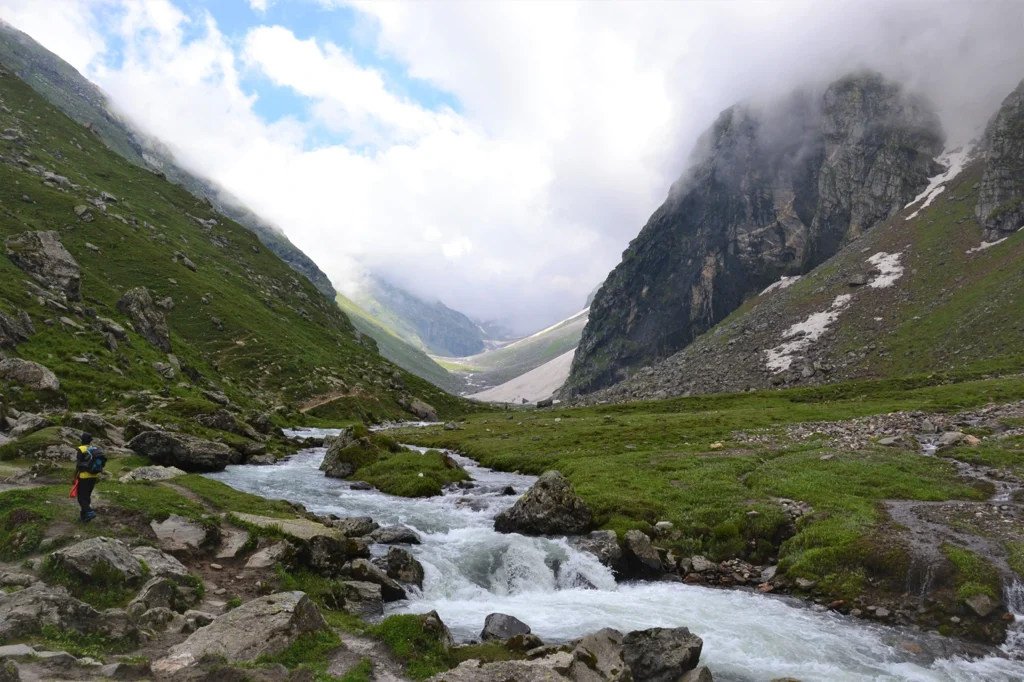
The Valley of Flowers Trek is more than just a Himalayan adventure—it’s a journey that brings together nature, adventure, and spirituality in one unforgettable experience. From walking through lush forests and crossing sparkling mountain streams to witnessing colourful alpine meadows in full bloom, every step offers breathtaking views. The journey becomes even more rewarding with visits to Hemkund Sahib, one of the world’s highest Gurudwaras, and Badrinath Temple, one of India’s sacred Char Dham shrines.
What makes this trek truly unique is that it lets you explore a UNESCO World Heritage Site, experience a rewarding Himalayan trek, and visit two of Uttarakhand’s most revered pilgrimage destinations—all in a single trip.
Hemkund Sahib – One of the World’s Highest Gurudwaras
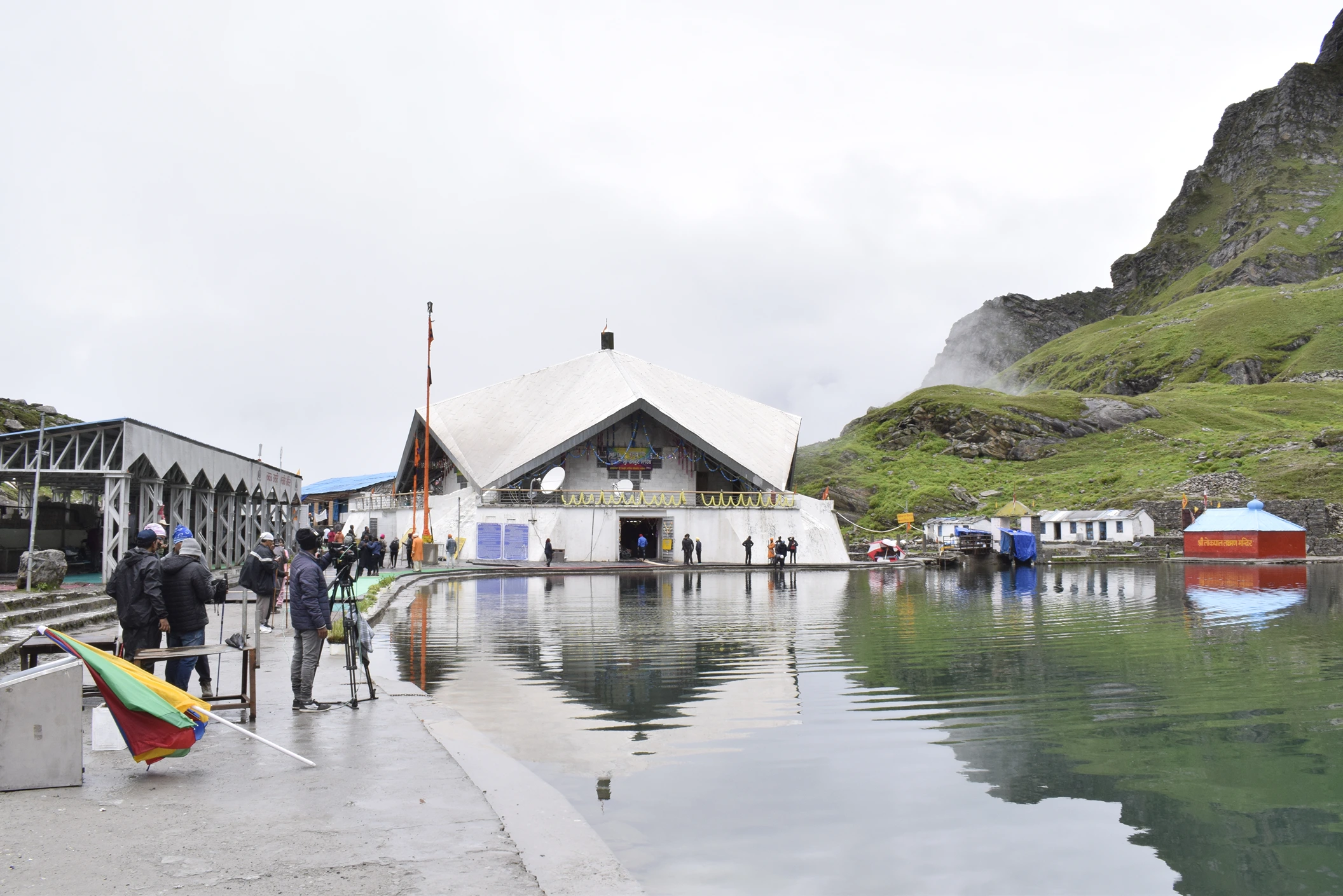
Hemkund Sahib sits at about 4,329 metres, making it one of the highest Gurudwaras in the world. It is surrounded by seven snow-capped mountains, with a clear lake right in front of the Gurudwara. Sikh pilgrims believe this is the place where Guru Gobind Singh Ji meditated in his past life, and that belief makes this spot deeply spiritual for lakhs of visitors every year.
Reaching here needs a proper uphill trek, but the moment you see the lake and the mountains around it, most trekkers say the effort feels completely worth it. Even people who aren’t religious often describe this place as one of the most peaceful spots they’ve ever visited.
About Badrinath Temple
Badrinath Temple is one of the four sacred Char Dham sites in India, dedicated to Lord Vishnu. It sits on the banks of the Alaknanda river, with the Neelkanth peak standing tall behind it. Unlike Hemkund Sahib, you don’t need to trek to reach Badrinath — a vehicle can take you right up to the temple.
This makes Badrinath a great add-on to your trip, since it doesn’t add extra physical effort but still gives you a full spiritual experience. Nearby, you can also visit Mana Village, known as India’s last village before the Tibet border.
Why Combine Valley of Flowers, Hemkund Sahib & Badrinath?
Combining Valley of Flowers, Hemkund Sahib, and Badrinath allows you to experience three unique aspects of Uttarakhand in one memorable journey. Since all three destinations lie on the same route, covering them together is more convenient and practical compared to planning separate trips. It helps save valuable time while making your travel experience more comfortable and cost-effective.
The Valley of Flowers offers breathtaking Himalayan landscapes, colourful alpine blooms, and scenic trekking trails surrounded by nature. Hemkund Sahib adds an element of adventure and spirituality with its challenging high-altitude trek, peaceful lake, and sacred atmosphere. Badrinath completes the journey with a divine experience at one of India’s most important Char Dham pilgrimage sites.
Total Trek Distance Day-Wise
Here’s how the walking distance breaks down across the trip:
- Govindghat to Ghangaria: 10 km
- Ghangaria to Valley of Flowers (one way): 6 km
- Ghangaria to Hemkund Sahib (one way): 6 km
- Ghangaria to Govindghat (return): 10 km
Overall, you will cover around 45–50 km of trekking distance during the complete journey, spread across four main trekking days. Although this distance may seem challenging at first, the gradual pace, well-planned itinerary, and rest periods between trek days make it achievable for most beginners with a basic level of fitness.
How Difficult is Valley of Flowers
The Valley of Flowers trek itself is rated Easy to Moderate, since the trail is well-marked and doesn’t involve any technical climbing. The main challenge is simply the steady uphill walking combined with altitude, which can tire out someone who isn’t used to regular walking or light exercise.
Hemkund Sahib is the tougher part of this combined trip, since it climbs higher and the path gets steeper near the top. Beginners should genuinely prepare their body a few weeks before — walking daily, climbing stairs, or light jogging for 3-4 weeks helps build the stamina this trek actually needs.
Best Time to Visit Valley of Flowers Trek
The best time to do this trek is between July and September, since this is when the Valley of Flowers park stays open and the flowers are actually in bloom. Mid-July to mid-August is usually the peak flowering period, when the valley looks its most colourful.
Keep in mind that this window also overlaps with the monsoon season, so rain is expected almost every day. September brings clearer skies and easier trekking, but the flowers start fading by then. If you want the fullest bloom, go in late July or early August and carry proper rain gear. If you prefer easier walking with fewer flowers, September works better.
Check our detailed guide on the best time to visit Valley of Flowers Trek.
How to reach —Valley of Flowers Trek Maps
The complete route for this trek runs from Rishikesh to Govindghat by road, and then continues on foot through Ghangaria to Valley of Flowers, Hemkund Sahib, and finally Badrinath. This entire path follows one single road and trail system, so there’s no confusion about direction once you start — just one route in and the same route back out.
Understanding this map before you start helps you mentally prepare for what’s ahead: a long road journey first, then four days of walking at increasing altitude, and a short road trip to Badrinath at the end.
How to reach Rishikesh
Rishikesh is the starting point for this entire trip, so getting here properly and on time matters a lot.
Arrival by Road
Rishikesh is well connected by road to Delhi, roughly 230-250 km away, taking about 6-7 hours by bus or private taxi. Both government and private buses run regularly, and overnight buses are a popular choice since they save you a day of travel.
Arrival by Train
Rishikesh has its own railway station, well connected to Delhi, Haridwar, and other major cities across India. Overnight trains are especially convenient, letting you sleep through the journey and arrive fresh in the morning, ready to begin your trek the same day.
Arrival by Air
The nearest airport is Jolly Grant Airport in Dehradun, about 35 km from Rishikesh, with regular flights from Delhi and other big cities. From the airport, a short taxi ride brings you into Rishikesh within about an hour.
Pickup and Drop Information
If you have opted for our pickup and drop-off service under the “View Add-ons” section during booking, your complete travel logistics from Rishikesh to the mountain base camp will be fully managed by the Roopkund Heaven team.
Once your booking is confirmed, you will receive a detailed itinerary guide via email including the exact assembly point location, reporting time, and coordinator contact details for your trek with Roopkund Heaven. This means you don’t have to worry about arranging your own transport from Rishikesh onward — just reach Rishikesh, and we take care of the rest.
Valley of Flowers Trek Itinerary (6 Days)
Here is exactly what happens each day on this trek, from start to finish.
Day 1 – Rishikesh to Govindghat
Your journey begins early morning from Rishikesh, driving through Devprayag, Rudraprayag, and Joshimath to reach Govindghat. This is a long drive, taking around 10-11 hours, covering roughly 270-290 km through winding mountain roads.
You’ll check into your hotel in Govindghat by evening, have dinner, and rest well, since your actual trekking begins the next morning.
Day 2 – Govindghat to Ghangaria
After breakfast, you’ll drive a short distance to Pulna village, and from there begin your trek to Ghangaria, covering about 10 km. The trail follows the Laxman Ganga river and takes around 6-7 hours to complete.
Ghangaria sits at about 3,000 metres and is the last village on this route, so you’ll spend the night here before both the Valley of Flowers and Hemkund Sahib treks the next two days.
Day 3 – Ghangaria to Valley of Flowers and Back
Today is dedicated to the Valley of Flowers. After an early breakfast, you’ll trek about 6 km one way into the valley, collect your entry permit on the way, and spend a few hours exploring the flowers, streams, and mountain views.
You’ll trek back to Ghangaria by evening, covering roughly 12 km total for the day. This day requires steady walking but no technical difficulty, making it manageable even for careful beginners.
Day 4 – Ghangaria to Hemkund Sahib and Back
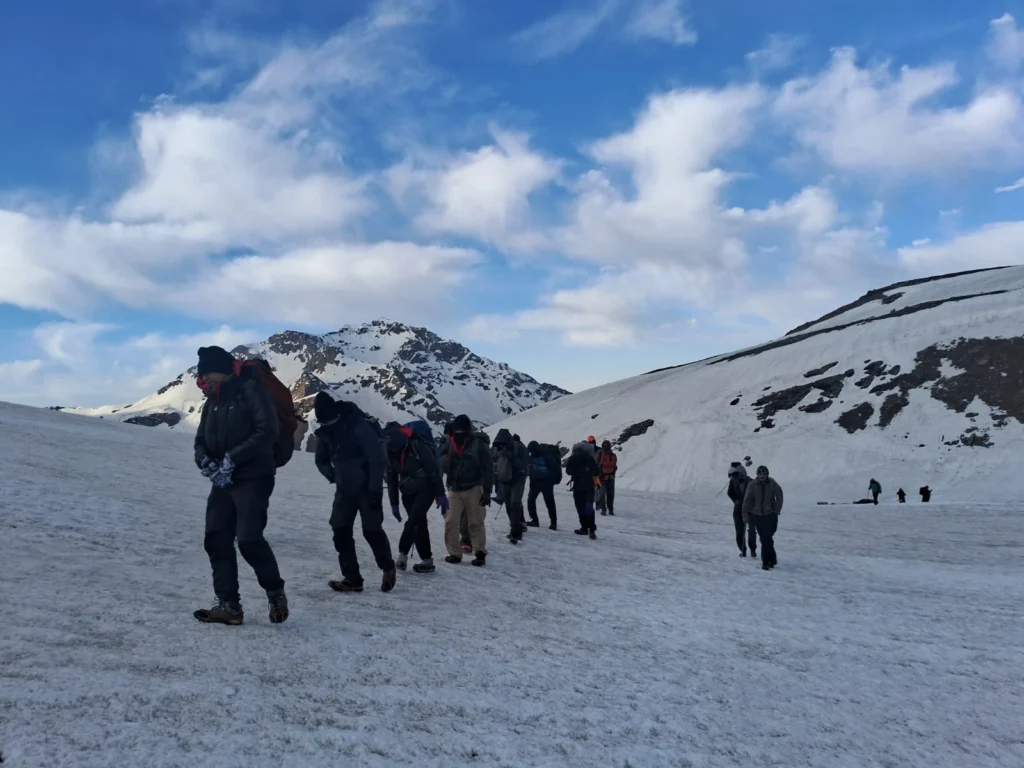
This is the toughest day of the whole trip. You’ll start very early, since the climb to Hemkund Sahib is steeper and covers around 6 km one way, gaining significant altitude to reach 4,329 metres.
After spending time at the Gurudwara and the lake, you’ll trek back down to Ghangaria the same day, completing about 12 km total. Starting early and pacing yourself matters a lot on this particular day.
Day 5 – Ghangaria to Govindghat, Badrinath & Mana Village
After breakfast, you’ll trek back down to Govindghat, covering the same 10 km from Day 2 in reverse. From Govindghat, you’ll then travel by vehicle to Badrinath Temple and nearby Mana Village.
This day mixes trekking with easy sightseeing, so while your legs are tired from the descent, the Badrinath visit itself requires no walking effort. You’ll stay overnight in Govindghat again.
Day 6 – Govindghat to Rishikesh
The final day is a long drive back to Rishikesh, retracing the same route from Day 1, taking around 10-11 hours. You’ll be dropped off in Rishikesh by evening, marking the end of your trek with plenty of memories and photos.
Valley of Flowers Entry Permit & Fees
To enter the Valley of Flowers National Park, every visitor needs an entry permit, issued right at the entry point near Ghangaria. The fee is ₹150 per person for Indian nationals and ₹600 per person for foreign nationals, and this permit stays valid for three days, so you can visit more than once if needed without paying again.
You’ll need to carry a valid ID proof to get this permit, and our trek coordinators help you complete this process quickly on Day 3 morning, so you don’t lose valuable exploring time standing in line.
How to book Valley of Flowers Trek Package?
Booking Valley of flowers trek with Roopkund Heaven is simple and takes just a few minutes online. Our current package starts from ₹8,200+ per person on triple sharing, based out of Govindghat, for the full 6 Days / 5 Nights trip, and includes your guide, meals, and stay.
Here’s how the booking process works, step by step:
- Step 1 – Traveller Details: Enter your basic information needed to confirm your booking.
- Step 2 – Trip Configuration: Choose your batch date, package type, and number of travellers joining you.
- Step 3 – Rental Gear: Add any rental gear you need, like trekking poles or rain jackets — your total updates instantly as you add items.
- Step 4 – Final Notes & Summary: Add any special notes, then review your full trek total, including trip cost, add-ons, rental gear, and GST (5%).
Once you’re happy with the summary, choose your payment plan through Razorpay — either Pay Full for instant confirmation, or Pay 30% Advance to reserve your seat now and clear the rest later. For example, on a base price of ₹8,200 with GST included, your full payable amount comes to ₹8,610. You can also apply a coupon code before payment if you have one. Once payment is done, your seat is confirmed immediately.
Package Inclusions & Exclusions
Knowing exactly what’s covered helps you plan your budget properly.
Included in the package:
- Stay on a sharing basis at Govindghat and Ghangaria
- All meals (breakfast and dinner) as per the itinerary
- Experienced trek guide throughout the journey
- Transport from Rishikesh to Govindghat and back
Not included in the package:
- Valley of Flowers entry permit fee (₹150/₹600, paid separately)
- Lunch and snacks during the trek
- Personal expenses like laundry, tips, and shopping
- Porter, pony, or helicopter charges (available at extra cost if needed)
- Travel insurance and medical expenses
- GST (5%), applied extra on the package price
What to Pack for Valley of Flowers Trek
Since this trek happens right in the middle of monsoon season, packing the right gear matters a lot for your comfort and safety. You’ll need proper rain protection, the right clothing, good trekking shoes, and a few extra essentials to handle wet, slippery trails.
Rather than repeating everything here, we’ve already written a complete, detailed guide covering exactly what to pack — check out our blog “What to Pack for a Monsoon Trek” for the full checklist, including rain gear, clothing tips, footwear advice, and health essentials specifically built for treks like this one.
Frequently Asked Questions
How many days are needed for Valley of Flowers, Hemkund Sahib & Badrinath?
This combined trip takes 6 days and 5 nights in total, starting and ending in Rishikesh. This includes travel days, two trekking days for Valley of Flowers and Hemkund Sahib, and a day for Badrinath and Mana Village.
Is the Hemkund Sahib trek difficult?
Yes, Hemkund Sahib is the toughest part of this trip, since it climbs higher and the path gets steeper near the top, reaching 4,329 metres. With some basic fitness preparation and an early start, most beginners complete it successfully.
Can senior citizens do this combined trek?
Yes, with proper planning. Senior citizens can use pony or porter services for the Govindghat-Ghangaria stretch and take things slow on trek days. We’d recommend consulting a doctor beforehand and going during clearer weather in September if possible.
What is the Valley of Flowers entry permit cost?
The entry permit costs ₹150 per person for Indian nationals and ₹600 per person for foreign nationals. This permit is valid for three consecutive days, so you don’t need to pay again if you visit more than once.
Is helicopter available for this trek?
Helicopter service is available for the Govindghat-Ghangaria stretch at an additional cost, though it’s not included in our standard package. Availability can be unpredictable during heavy rain, so we recommend keeping a backup plan.
Can I visit Badrinath without trekking?
Yes, Badrinath doesn’t require any trekking at all — a vehicle can take you right up to the temple. This is why it fits perfectly as a relaxed final stop after the more physically demanding Valley of Flowers and Hemkund Sahib treks.