For nearly eight years, one question echoed across trekking communities in India: “When will the Roopkund Trek reopen?” From experienced mountaineers to first-time Himalayan trekkers, thousands waited for the return of one of India’s most iconic high-altitude adventures. In 2026, that wait finally came to an end.
The Roopkund Trek, famous for its mysterious Skeleton Lake, panoramic Himalayan ridges, and the breathtaking Bugyals of Uttarakhand, has officially reopened with revised regulations and a renewed focus on responsible trekking. While the excitement surrounding the reopening is immense, the trek is not exactly the same as it was before. Several important changes have been introduced to protect the fragile Himalayan ecosystem while allowing trekkers to experience this legendary route once again.
If you’re planning the Roopkund Trek 2026, understanding these updates is just as important as preparing physically for the journey. The reopening is more than just a return of a popular trekking destination—it represents a new approach where adventure and environmental conservation go hand in hand.
In this guide, we’ll explain why the trek remained closed for almost eight years, what led to its reopening, the latest regulations, route updates, and everything you should know before planning your next Himalayan adventure.
Why Was the Roopkund Trek Closed?
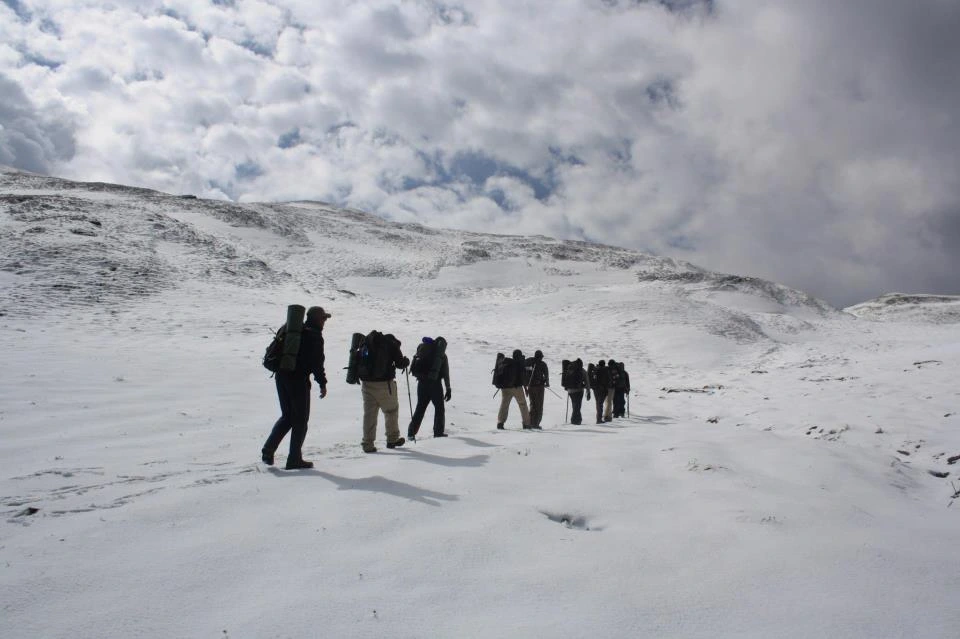
The closure of the Roopkund Trek surprised the trekking community because the trail had long been considered one of Uttarakhand’s flagship high-altitude treks. However, the decision wasn’t made overnight.
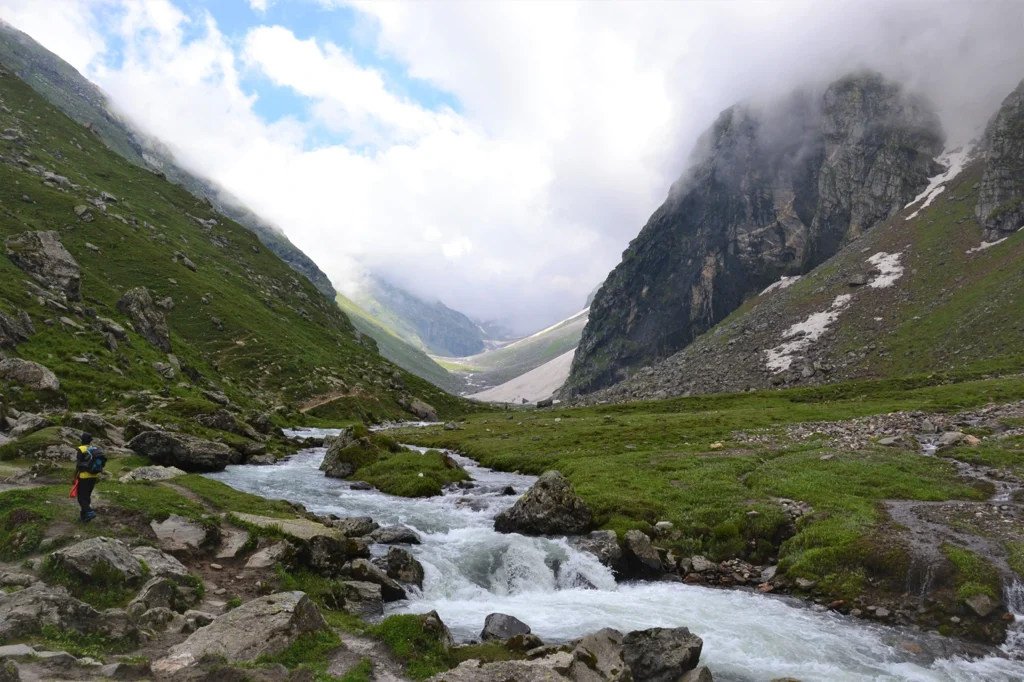
Over the years, the growing popularity of Roopkund brought thousands of trekkers to the alpine meadows of Ali Bugyal and Bedni Bugyal every trekking season. While tourism generated employment for local communities, it also placed significant pressure on one of the most fragile ecosystems in the Indian Himalayas.
Large trekking groups, increasing camping activity, improper waste disposal, and continuous human movement began affecting the biodiversity of these protected alpine grasslands. The Bugyals are not ordinary meadows—they are delicate high-altitude ecosystems that take years to recover from even minor disturbances.
To safeguard these landscapes, authorities introduced restrictions on camping and movement through sensitive zones. Legal proceedings and environmental recommendations further extended these restrictions, resulting in the closure of the traditional Roopkund route for several years.
Although many trekkers viewed the closure as disappointing, it ultimately highlighted a growing reality in Himalayan tourism: iconic destinations must be protected if future generations are to experience them.
Rather than reopening immediately, forest authorities, local administrations, and trekking stakeholders spent years evaluating how tourism could return without repeating past mistakes.
Roopkund Trek Reopened After 8 Years
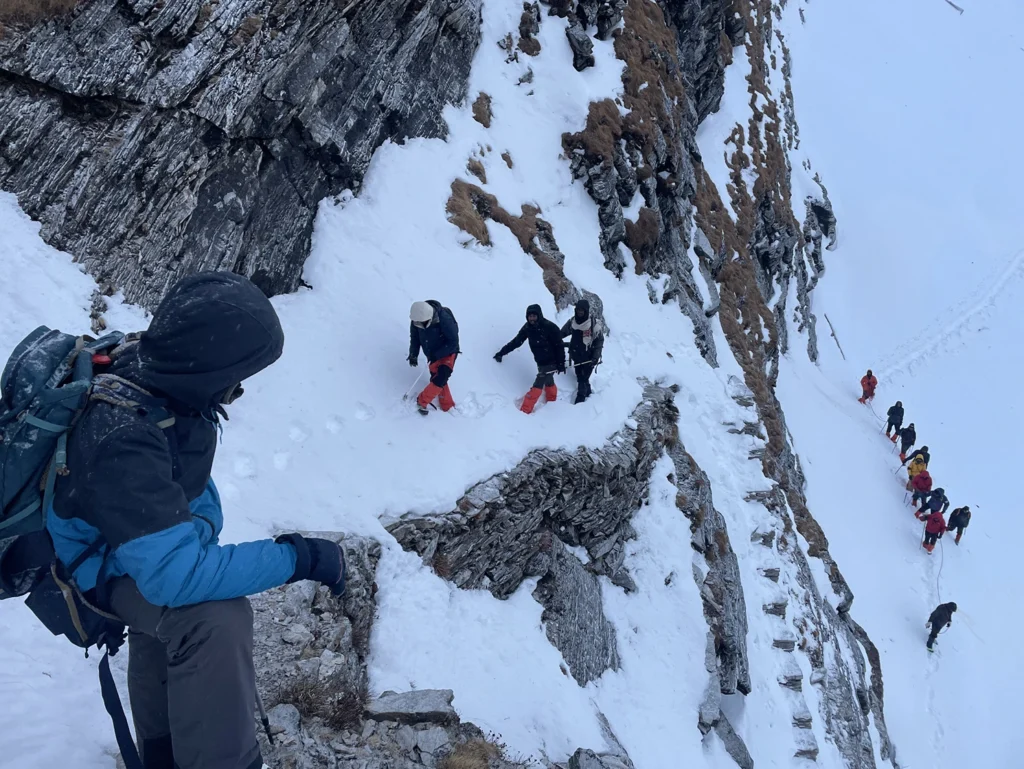
The reopening of the Roopkund Trek marks one of the most significant developments in Indian trekking in recent years.
Unlike earlier seasons, the 2026 reopening has been planned with sustainability at its core. The objective is not simply to bring trekkers back but to ensure that tourism benefits local communities while preserving the ecological balance of the Himalayas.
For trekkers, this means experiencing Roopkund in a more regulated and better-managed environment.
Instead of unrestricted access, trekking operations now follow stricter environmental guidelines. Trek operators are expected to comply with updated forest regulations, waste management protocols, and responsible camping practices. These measures are designed to reduce human impact while maintaining the quality of the trekking experience.
For local villages such as Lohajung and surrounding communities, the reopening also represents an important economic revival. Guides, porters, homestay owners, transport operators, mule owners, and small businesses that depend on trekking tourism once again have opportunities to earn their livelihoods.
The reopening is therefore not just about reaching Skeleton Lake again—it’s about rebuilding Himalayan tourism in a way that is sustainable for both people and nature.
Roopkund Trek Latest Update (2026)
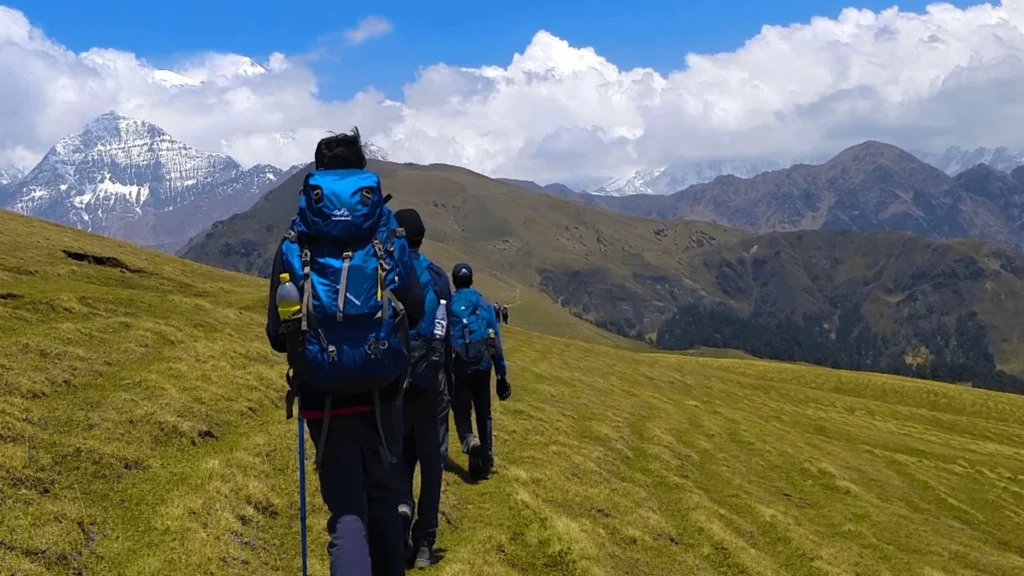
If you’ve followed the news about Roopkund over the past several years, you’ll know that many rumours circulated regarding its status. The Roopkund Trek Latest Update finally brings much-needed clarity.
The trek has reopened with revised operational guidelines aimed at balancing adventure tourism and environmental conservation.
Some of the most noticeable updates include:
- Greater emphasis on eco-friendly trekking practices.
- Better monitoring of trekking activities.
- Responsible waste management throughout the route.
- Controlled camping practices in environmentally sensitive regions.
- Increased awareness about protecting alpine meadows.
- Stronger coordination between forest authorities and registered trekking operators.
These updates are intended to reduce environmental damage while ensuring trekkers continue to enjoy one of India’s most spectacular Himalayan journeys.
Trekkers should also understand that flexibility has become an important part of expedition planning. Mountain weather, conservation requirements, and forest advisories may occasionally require itinerary adjustments. Responsible trekking companies now place greater emphasis on following official guidelines rather than rushing itineraries.
This shift ultimately improves safety while protecting the landscape that makes Roopkund so unique.
Everything That Has Changed in Roopkund Trek 2026
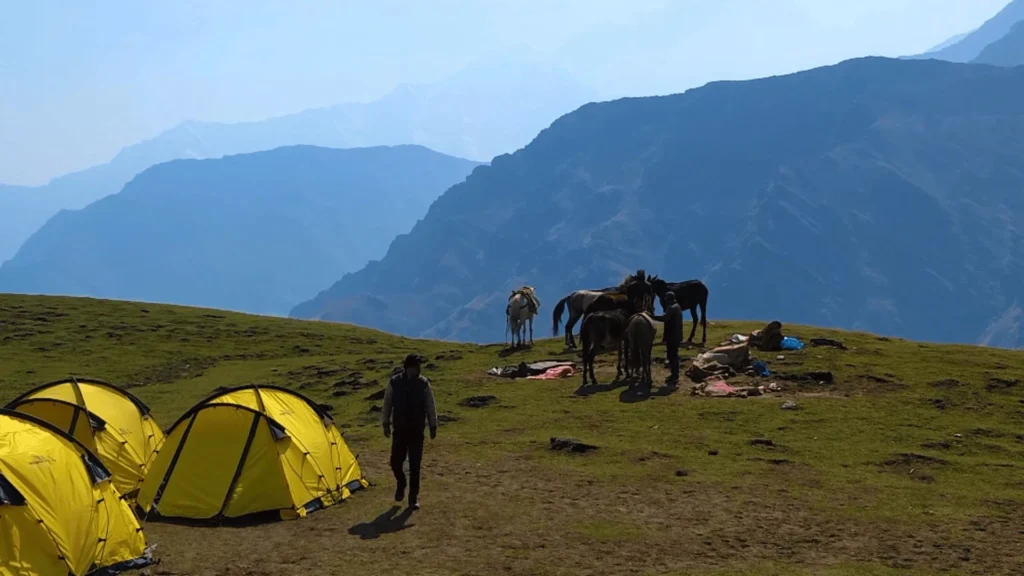
The reopening isn’t simply a return to the old trekking experience. Several aspects of the journey have evolved over the past eight years.
1. Conservation Comes First
Perhaps the biggest change is the overall philosophy behind the trek.
Earlier, many trekkers focused solely on reaching Roopkund Lake. Today, the emphasis has shifted toward experiencing the Himalayas responsibly.
Trekkers are encouraged to minimise waste, respect local biodiversity, avoid disturbing wildlife, and follow Leave No Trace principles throughout the expedition.
2. Better Environmental Awareness
Modern trekking groups receive more detailed briefings regarding:
- Waste disposal
- Plastic reduction
- Responsible camping
- Water source protection
- Respecting local culture
- Wildlife conservation
Many operators now include environmental orientation before the trek begins.
3. Improved Trek Management
Professional trekking companies have significantly upgraded their operational standards compared to several years ago.
Today, trekkers can expect:
- Better-trained trek leaders
- Improved medical preparedness
- Better communication systems
- More organised camps
- Stronger safety protocols
- Better emergency planning
These improvements enhance both safety and overall trekking experience.
4. Smaller, Better Managed Groups
Instead of focusing on large group sizes, many experienced operators now prefer smaller batches.
Smaller groups offer several advantages:
- Less environmental impact
- Better interaction with trek leaders
- Easier movement on narrow trails
- Improved emergency response
- More enjoyable trekking experience
For trekkers, this often translates into a quieter and more immersive Himalayan journey.
5. Greater Respect for Local Communities
One of the most positive developments after the reopening is the growing recognition of local communities.
Today’s trekking experience increasingly supports:
- Local mountain guides
- Village homestays
- Porters
- Mule owners
- Small businesses
- Local suppliers
Responsible tourism helps ensure that the economic benefits of trekking remain within the Himalayan villages that make these adventures possible.
6. Safety Has Become a Bigger Priority
Over the last decade, Himalayan trekking standards have improved significantly.
Many operators now place greater emphasis on:
- Acclimatisation
- Hydration
- Health monitoring
- Emergency evacuation planning
- Weather tracking
- Team communication
Rather than pushing aggressively toward the summit, trek leaders now prioritise safe decision-making based on weather and team conditions.
Before vs After Reopening
| Earlier Roopkund Trek | Roopkund Trek 2026 |
| Focus on reaching the lake | Focus on responsible trekking |
| Less emphasis on conservation | Environmental protection is a priority |
| Larger trekking groups | Smaller, better-managed groups |
| Limited environmental awareness | Strong Leave No Trace practices |
| Basic operational standards | Improved safety and trek management |
| Growing tourism pressure | Better regulated trekking activities |
Why These Changes Are Actually Good for Trekkers
At first glance, additional regulations may appear restrictive. However, most experienced trekkers agree that these changes improve the overall Himalayan experience.
Cleaner campsites, reduced crowding, better-trained trek leaders, improved medical preparedness, and greater environmental awareness all contribute to a safer and more rewarding journey.
Most importantly, protecting fragile alpine landscapes today ensures that future generations can continue experiencing the beauty of Roopkund without causing irreversible damage.
The Roopkund Trek has always been more than a destination—it is an experience that combines adventure, history, mystery, and the raw beauty of the Himalayas. Its reopening in 2026 represents a fresh chapter, where responsible tourism takes centre stage without diminishing the magic that has drawn trekkers here for decades.
Planning Your Roopkund Trek 2026
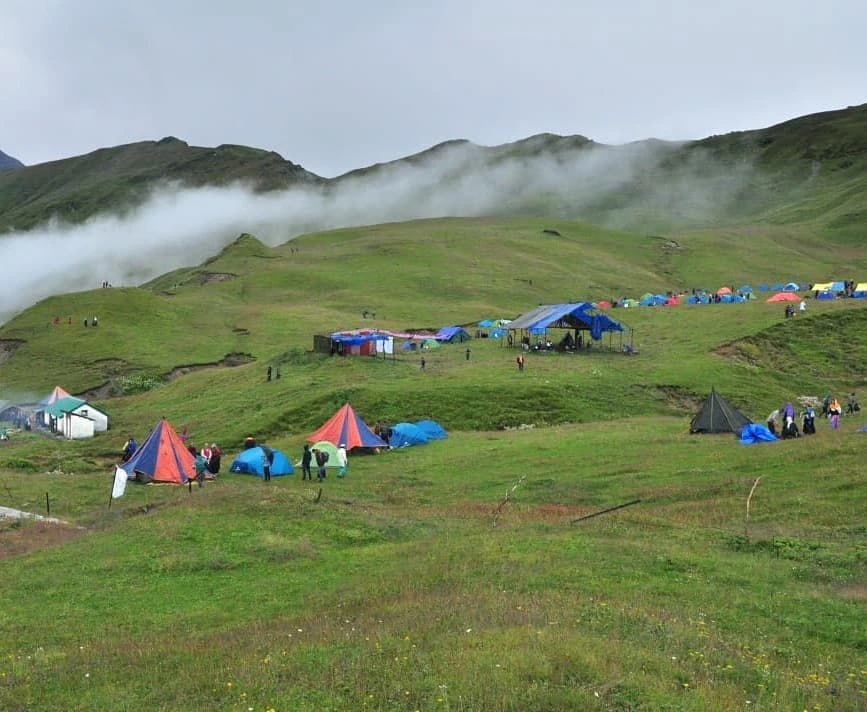
The reopening of the Roopkund Trek has reignited interest among trekkers across India, but planning the trek now requires more preparation than ever before. High-altitude trekking is never just about reaching the destination—it’s about respecting the mountains, understanding the terrain, and preparing your body for changing weather and reduced oxygen levels.
If you’re considering the Roopkund Trek 2026, take time to prepare well in advance. A well-planned trek not only increases your chances of completing the journey comfortably but also allows you to fully appreciate the stunning Himalayan landscapes along the way.
Is Roopkund Trek Difficult?
Yes, the Roopkund Trek is generally classified as a moderate to difficult Himalayan trek.
While the daily walking distances are manageable for experienced trekkers, the combination of high altitude, long trekking hours, steep ascents, rocky trails, and unpredictable mountain weather makes it physically demanding.
Several factors contribute to its difficulty:
- Maximum altitude of approximately 15,700 ft (4,785 m)
- Continuous altitude gain over multiple days
- Long summit day requiring sustained endurance
- Rocky and uneven mountain terrain
- Cold temperatures, especially before sunrise
- Reduced oxygen levels at higher elevations
- Rapid weather changes
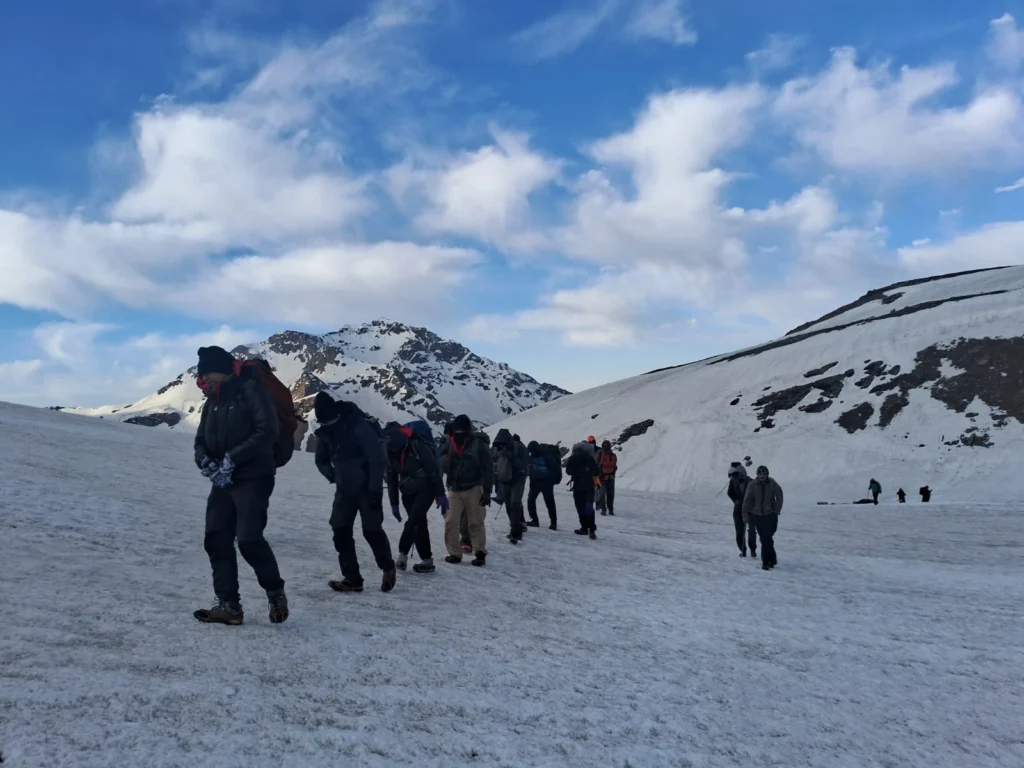
Unlike lower-altitude Himalayan treks, Roopkund demands both physical fitness and mental resilience. Trekkers should be prepared for early morning starts, long walking hours, and changing weather conditions throughout the expedition.
Who Should Do the Roopkund Trek?
The Roopkund Trek 2026 is best suited for people who already have a basic trekking background or maintain an active lifestyle.
It is ideal for:
- Experienced Himalayan trekkers
- Adventure enthusiasts
- Nature photographers
- Outdoor lovers
- Trekkers looking for their first challenging high-altitude experience
- Those interested in Himalayan history and the mystery of Skeleton Lake
While motivated beginners can attempt the trek with proper preparation, they should dedicate sufficient time to improving their fitness before the expedition.
Fitness Required for Roopkund Trek 2026
Fitness plays a crucial role in enjoying the trek safely. Even though the trail is non-technical, your body needs to adapt to continuous walking at high altitude.
A good preparation plan should begin at least 6–8 weeks before departure.
Cardiovascular Fitness
Aim for activities such as:
- Running
- Brisk walking
- Cycling
- Swimming
- Stair climbing
You should comfortably be able to:
- Run 5 km without excessive fatigue
- Walk for 6–7 hours in a day
- Climb stairs continuously for 20–30 minutes
Strength Training
Focus on building leg and core strength through:
- Squats
- Lunges
- Step-ups
- Planks
- Wall sits
- Deadlifts with light weights
Flexibility and Mobility
Include stretching sessions several times a week to improve recovery and reduce the risk of injury.
Best Time to Do Roopkund Trek
One of the most common questions after the Roopkund Reopened announcement is about the ideal trekking season.
The trek is generally best enjoyed during two primary windows:
Summer (May–June)
This period offers pleasant daytime temperatures, snow patches at higher elevations, and clear Himalayan views. The Bugyals gradually turn green as the snow melts, creating spectacular landscapes.
Ideal for:
- Snow lovers
- First-time Roopkund trekkers
- Clear mountain views
Post-Monsoon (September–October)
Many experienced trekkers consider this the best season.
Why?
- Crystal-clear skies
- Stable weather
- Beautiful golden Bugyals
- Excellent visibility of Himalayan peaks
- Pleasant trekking temperatures
The post-monsoon season is also ideal for photography due to exceptional mountain clarity.
What Makes Roopkund Trek So Special?
Even after nearly eight years of closure, Roopkund continues to hold a special place among Himalayan trekking destinations.
Unlike many alpine treks, Roopkund offers an extraordinary combination of experiences:
- Vast alpine meadows
- Dense oak and rhododendron forests
- High mountain ridges
- Snow-covered peaks
- Ancient mystery surrounding Skeleton Lake
- Rich local folklore
- Traditional Himalayan villages
- Spectacular sunrise and sunset viewpoints
Every day of the journey presents a completely different landscape, making the trek visually rewarding from start to finish.
Responsible Trekking Matters More Than Ever
The reopening of Roopkund comes with an important responsibility.
Every trekker visiting this fragile ecosystem should actively contribute to its preservation.
Simple practices can make a significant difference:
- Carry reusable water bottles.
- Avoid single-use plastics.
- Never leave litter on the trail.
- Respect wildlife.
- Stay on designated trekking paths.
- Avoid disturbing alpine vegetation.
- Follow instructions from trek leaders.
- Respect local customs and traditions.
Responsible trekking ensures that Roopkund remains accessible for future generations while protecting one of Uttarakhand’s most valuable natural landscapes.
Frequently Asked Questions (FAQs)
Is the Roopkund Trek open in 2026?
Yes. The Roopkund Trek has reopened after nearly eight years with updated trekking guidelines and an increased focus on environmental conservation and responsible tourism.
Why was the Roopkund Trek closed?
The trek was closed to protect the fragile alpine meadows (Bugyals), reduce environmental degradation, and regulate tourism in ecologically sensitive areas.
What is the latest update on Roopkund Trek?
The Roopkund Trek Latest Update confirms that the trek has reopened with revised operational guidelines, improved environmental practices, and stricter trekking regulations aimed at preserving the Himalayan ecosystem.
Can beginners do the Roopkund Trek?
Yes, but only if they are physically fit and prepare adequately before the trek. Previous trekking experience is beneficial but not mandatory.
How difficult is the Roopkund Trek?
The trek is considered moderate to difficult due to its high altitude, long trekking days, and demanding summit section.
What is the highest altitude of the Roopkund Trek?
The trek reaches approximately 15,700 feet (4,785 metres) above sea level.
What is the best time for the Roopkund Trek?
The best seasons are May–June and September–October, when weather conditions are generally favourable and mountain views are at their best.
Can I still visit Skeleton Lake?
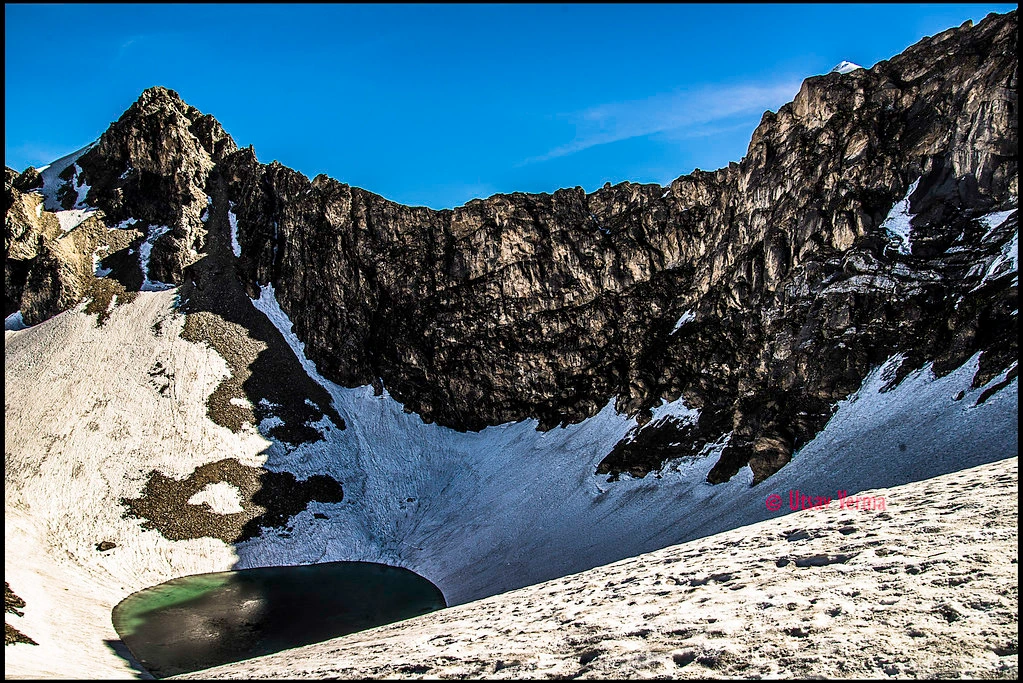
Yes. Roopkund Lake, often called Skeleton Lake, remains the highlight of the trek. Trekkers should treat the site with respect as it is both historically and archaeologically significant.
How many days does the Roopkund Trek take?
Most itineraries range between 7 and 9 days, depending on the trekking operator and route plan.
Do I need special permits?
Trekkers may require permissions based on current forest department regulations. Registered trekking operators usually arrange the necessary permits as part of the trek package.
Is altitude sickness a concern?
Yes. Since the trek crosses 15,000 ft, proper acclimatisation, hydration, and a gradual pace are essential to reduce the risk of Acute Mountain Sickness (AMS).
Is mobile network available during the trek?
Mobile connectivity is generally available only in lower villages. Once the trek begins, network coverage becomes unreliable or unavailable.
Should I hire a registered trekking company?
Absolutely. Choosing an experienced trekking company ensures better safety, professional trek leaders, medical preparedness, and compliance with forest regulations.
The Journey Begins Again
The reopening of the Roopkund Trek after eight years is more than just the return of a famous Himalayan trail—it represents a new era of responsible adventure tourism in Uttarakhand.
For years, trekkers dreamed of walking once again through the rolling Bugyals, climbing toward the legendary Skeleton Lake, and witnessing the breathtaking panorama of Trishul and Nanda Ghunti. In 2026, that dream has become a reality, but with a renewed understanding that these mountains deserve protection as much as admiration.
The updated regulations, improved trekking practices, and stronger emphasis on conservation are positive steps toward ensuring that Roopkund remains accessible without compromising its fragile ecosystem. While the experience may be more regulated than before, it is ultimately more sustainable, safer, and rewarding for both trekkers and the local communities who call these mountains home.
If you’re planning the Roopkund Trek 2026, prepare well, choose a responsible trekking operator, respect the environment, and embrace the journey with patience. The true beauty of Roopkund has never been just the destination—it lies in every forest trail, alpine meadow, mountain ridge, and unforgettable sunrise that unfolds along the way.
Whether you’re visiting for the mystery of Skeleton Lake, the stunning Himalayan landscapes, or the challenge of trekking above 15,000 feet, one thing is certain: Roopkund has returned, and its comeback is one of the most exciting chapters in Indian trekking in recent years.