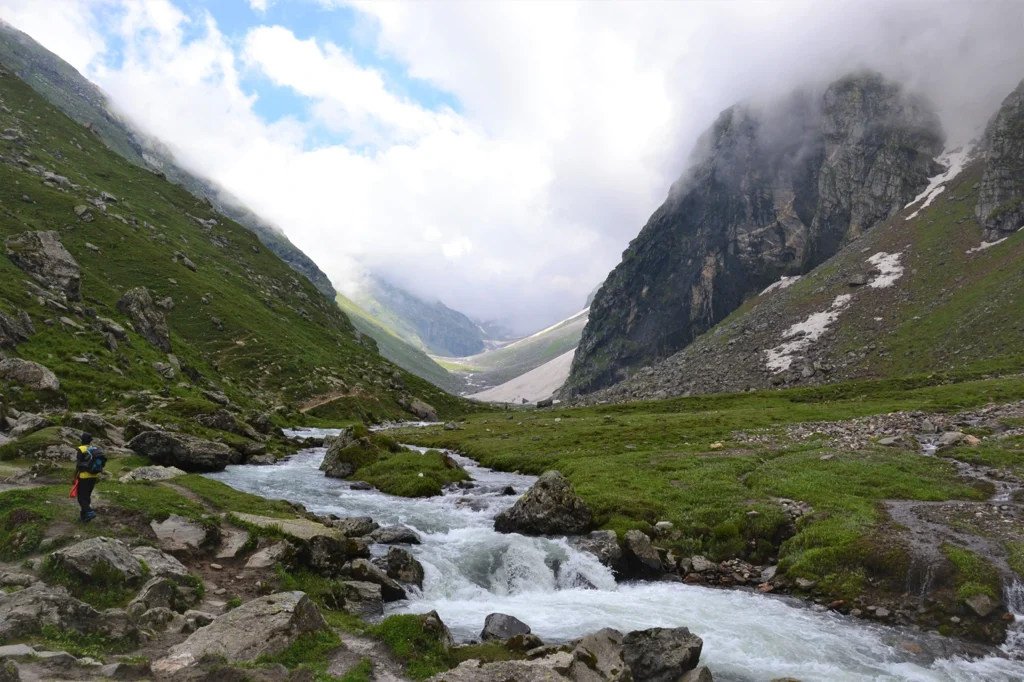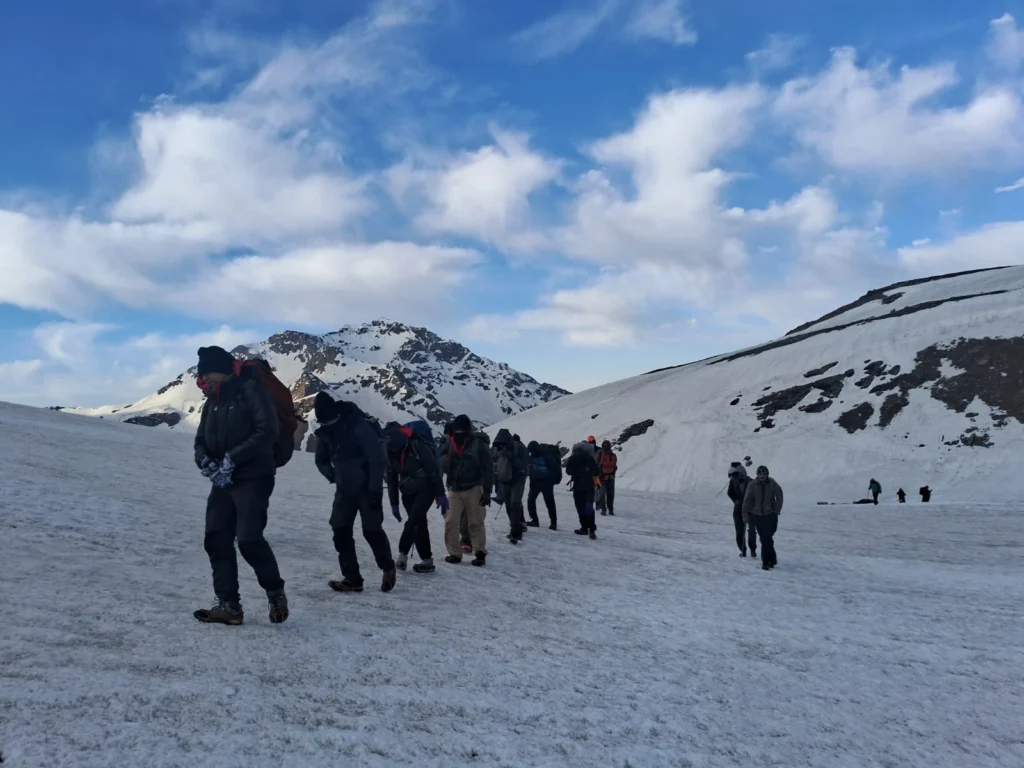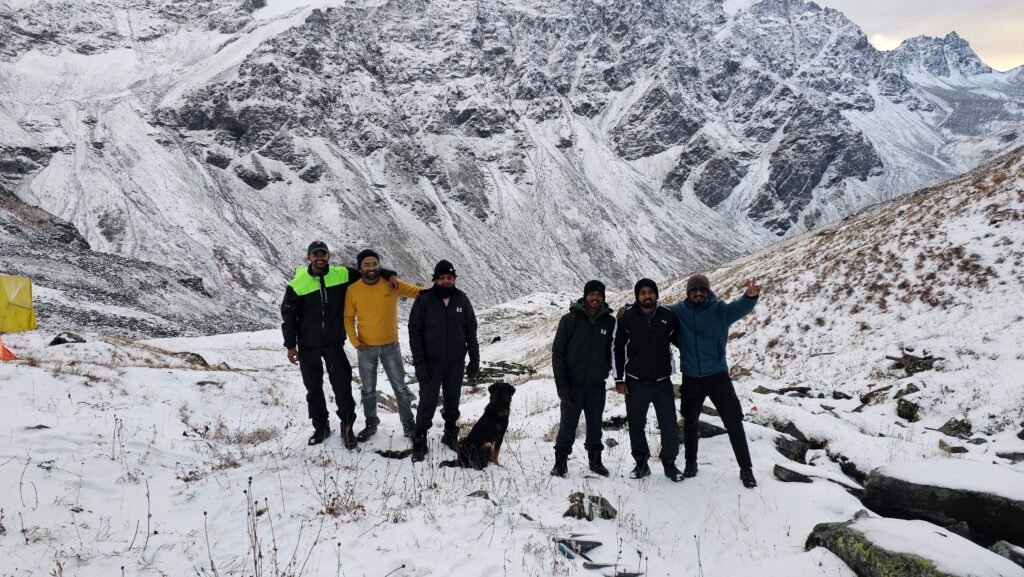
The Brahmatal Trek is one of the few Himalayan treks that offers an unforgettable winter experience without demanding technical mountaineering skills. Nestled in the Chamoli district of Uttarakhand, this trek brings together dense oak and rhododendron forests, snow-covered meadows, frozen alpine lakes, and sweeping views of some of the tallest Himalayan peaks. Whether you’re taking your first step into high-altitude trekking or looking for another memorable Himalayan adventure, Brahmatal offers a perfect balance of beauty, challenge, and accessibility.
What makes the experience even more convenient is its excellent connectivity from Dehradun, the gateway to many of Uttarakhand’s most famous trekking destinations. From Dehradun, the journey gradually leaves behind city life and climbs into the Garhwal Himalayas, passing through river valleys, traditional mountain villages, and scenic roads before finally reaching Lohajung, the starting point of the trek.
Planning the journey properly is just as important as preparing for the trek itself. Knowing how to reach the base village, understanding the daily trekking distances, choosing the right season, and carrying the right gear can make your overall trekking experience much more comfortable.
This comprehensive guide covers everything you need to know about planning the Brahmatal Trek from Dehradun, including the route, day-by-day trekking details, weather, permits, packing list, and practical tips shared by experienced trek leaders.
Why Plan the Brahmatal Trek from Dehradun?
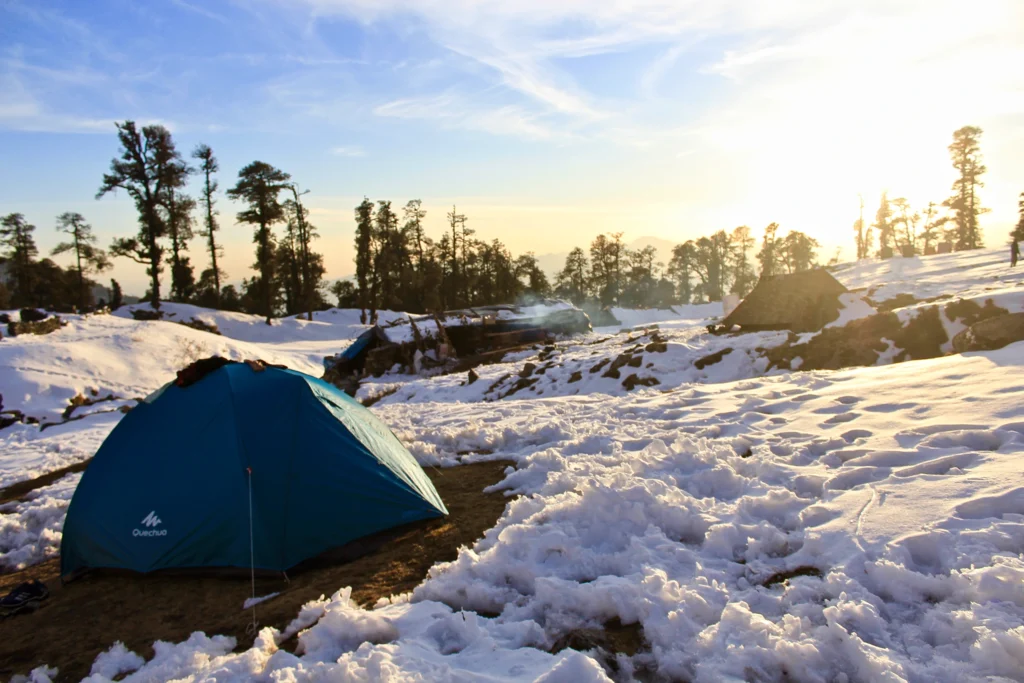
Most organized trekking expeditions begin from Dehradun, and for good reason. The city is well connected by flights, trains, and overnight buses from major Indian cities, making it one of the most convenient Himalayan gateways to reach.
Starting from Dehradun also simplifies logistics. Instead of arranging multiple local transfers, trekkers can join a scheduled pickup and travel directly to Lohajung with their trekking group. This not only saves time but also helps everyone reach the base village together for the pre-trek briefing and equipment check.
The drive itself is a memorable part of the adventure. As you leave Dehradun behind, the landscape gradually changes—from bustling towns to winding mountain roads, deep river valleys, and picturesque villages surrounded by pine forests. By the time you reach Lohajung, you’ll already feel close to the Himalayan environment.
Another advantage of beginning from Dehradun is the availability of accommodation, outdoor gear stores, ATMs, pharmacies, and transport services. If you’ve forgotten any essential trekking equipment or need to make a last-minute purchase, Dehradun is the best place to do so before heading into the mountains.
How to Reach Dehradun
By Air
The nearest airport is Jolly Grant Airport (Dehradun), which receives regular flights from Delhi, Mumbai, Bengaluru, Hyderabad, and other major cities. From the airport, taxis and local transport are easily available to reach the city centre.
By Train
Dehradun Railway Station is connected to Delhi, Kolkata, Varanasi, Lucknow, Chandigarh, Mumbai, and many other cities through direct and overnight trains. For many trekkers, travelling by train is an economical and comfortable option.
By Bus
Regular Volvo, AC, and state transport buses operate between Delhi and Dehradun throughout the day and night. Overnight buses are quite popular, allowing trekkers to arrive early in the morning and continue towards Lohajung on the same day.
Dehradun to Lohajung Travel Guide
The road journey from Dehradun to Lohajung covers approximately 220–230 kilometres and usually takes around 10–11 hours, depending on road and weather conditions.
The route passes through several scenic Himalayan towns:
Dehradun → Rishikesh → Devprayag → Srinagar → Rudraprayag → Karnaprayag → Tharali → Dewal → Lohajung
Along the way, you’ll see the changing colours of the Alaknanda River, dramatic mountain landscapes, terraced farms, and traditional Garhwali villages. Stops for breakfast, lunch, and refreshments are usually made at roadside restaurants and local dhabas.
As the road climbs higher, temperatures begin to drop, especially during the winter months. Carrying a warm jacket within easy reach is a good idea, as Lohajung is much colder than Dehradun, particularly after sunset.
Most trekking operators, including Roopkund Heaven, organize group transportation from Dehradun to Lohajung, making the journey more convenient and hassle-free.
Brahmatal Trek Route Map
The classic Brahmatal Trek follows a circular route that showcases diverse Himalayan landscapes while gradually gaining altitude, helping trekkers acclimatize more comfortably.
Route Overview:
Dehradun → Lohajung → Bekaltal → Brahmatal → Brahmatal Top → Jhandi Top → Lohajung → Dehradun
Beginning from Lohajung, the trail enters dense oak forests before reaching the serene Bekaltal Lake. The next day’s climb leads to the Brahmatal campsite, surrounded by snow-covered ridges during winter. Summit day takes trekkers to Brahmatal Top, where spectacular views of Mt. Trishul, Mt. Nanda Ghunti, Chaukhamba, and other Himalayan peaks unfold in every direction. The descent via Jhandi Top offers a different perspective, making the route even more scenic and rewarding.
Brahmatal Trek Distance: Day-by-Day Walking Details
Understanding the daily walking distances helps trekkers prepare physically and mentally before arriving in the mountains.
| Day | Route | Distance | Time |
| Day 1 | Dehradun to Lohajung | Drive (220–230 km) | 10–11 hrs |
| Day 2 | Lohajung to Bekaltal | 6 km | 5–6 hrs |
| Day 3 | Bekaltal to Brahmatal | 7 km | 5–6 hrs |
| Day 4 | Brahmatal Camp to Brahmatal Top to Jhandi | 11–12 km | 8–9 hrs |
| Day 5 | Jhandi to Lohajung | 4 km | 2–3 hrs |
| Day 6 | Lohajung to Dehradun | Drive | 10–11 hrs |
Day 2: Lohajung to Bekaltal
The trek begins with a gradual climb through forests of oak and rhododendron. During winter, these trails are often covered with fresh snow, creating one of the most picturesque sections of the journey. Bekaltal, a peaceful high-altitude lake surrounded by dense woodland, is the first campsite.
Day 3: Bekaltal to Brahmatal
The trail climbs steadily above the tree line, revealing wider mountain views. Depending on the season, trekkers may walk across snowfields before reaching the Brahmatal campsite, which lies beneath the towering Himalayan skyline.
Day 4: Brahmatal Top and Jhandi
Summit day starts before sunrise. The ascent to Brahmatal Top (approximately 12,250 ft) is the highlight of the trek, rewarding every step with panoramic views of Mt. Trishul, Mt. Nanda Ghunti, Chaukhamba, Neelkanth, Kamet, and several other snow-clad peaks. After spending some time at the summit, the trail descends via Jhandi Top, offering a different landscape and making this the longest and one of the most rewarding days of the trek.
Day 5: Jhandi to Lohajung
The final trekking day is relatively short and mostly downhill. The trail winds through forests and traditional mountain paths before reaching Lohajung, where trekkers celebrate the successful completion of the trek.
Why is the Brahmatal Trek Famous?
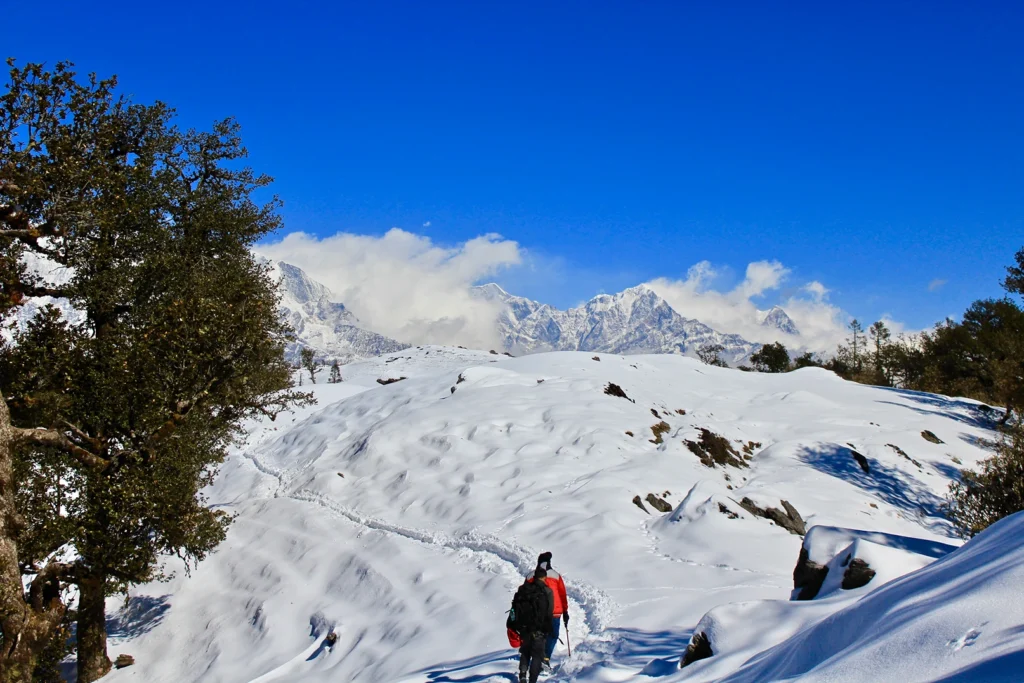
The Brahmatal Trek has earned its reputation as one of India’s finest winter treks because it combines snow-covered landscapes, moderate difficulty, and breathtaking Himalayan views in a relatively short itinerary.
One of its biggest highlights is the stunning summit view. Few treks at this altitude offer such an uninterrupted view of iconic peaks, including Mt. Trishul, Mt. Nanda Ghunti, Chaukhamba, Neelkanth, Kamet, Hathi-Ghoda, and many other Garhwal Himalayan giants.
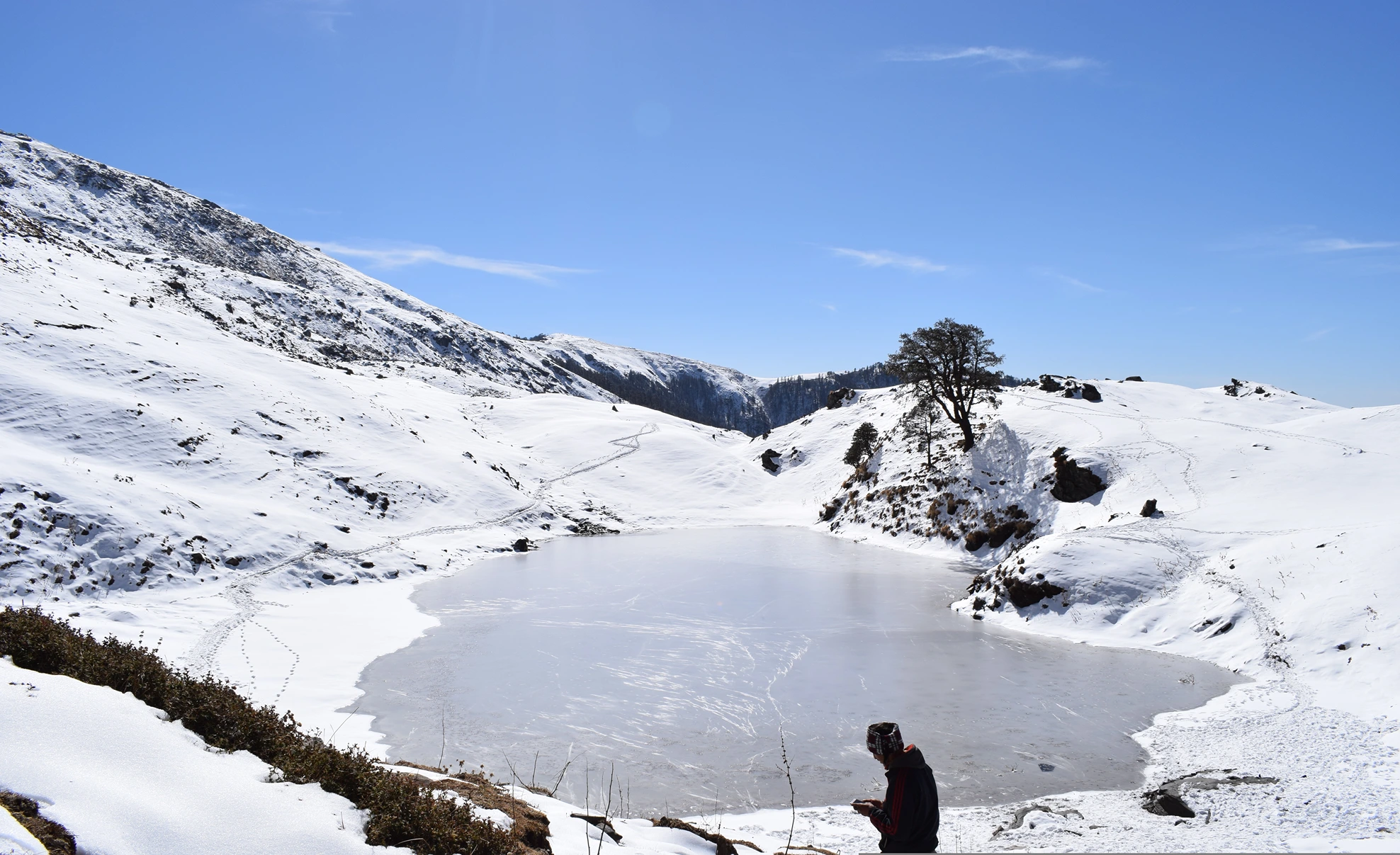
The trek is equally admired for its frozen alpine lakes. During winter, Bekaltal and Brahmatal Lake turn into beautiful sheets of ice, creating a magical setting rarely seen on moderate Himalayan trails.
Another reason behind its popularity is the diversity of landscapes. Within just a few days, trekkers pass through ancient oak forests, vibrant rhododendron groves, open alpine meadows, snow-covered ridges, and panoramic mountain viewpoints. Each day feels different, making the journey visually rewarding from start to finish.
Brahmatal also carries mythological significance. According to local belief, Lord Brahma is believed to have meditated near the lake, giving the trek its name. This spiritual connection adds another dimension to an already remarkable Himalayan experience.
Finally, the trek’s accessibility makes it ideal for those looking to experience a true Himalayan winter without attempting a technically demanding expedition. With proper preparation and guidance, it offers an unforgettable introduction to snow trekking while still providing enough challenge to give trekkers a strong sense of achievement.
Best Time for Brahmatal Trek
One of the biggest reasons behind the popularity of the Brahmatal Trek is that it offers a different experience in every season. From snow-covered forests during winter to blooming rhododendrons in spring, every season reveals a unique side of the Garhwal Himalayas.
If your dream is to walk through fresh snow while enjoying uninterrupted views of Himalayan giants like Mt. Trishul and Mt. Nanda Ghunti, winter is undoubtedly the best season. However, if you prefer pleasant temperatures and colourful mountain landscapes, the spring months can be an equally rewarding time to visit.
Here’s a month-by-month guide to help you choose the Best Time for Brahmatal Trek.
| Month | Weather | Snow Conditions | Recommended |
| December | Cold and clear | Light to moderate snowfall | ★★★★★ |
| January | Very cold | Heavy snow | ★★★★★ |
| February | Cold | Thick snow cover | ★★★★★ |
| March | Pleasant days, cold nights | Snow at higher sections | ★★★★★ |
| April | Mild temperatures | Mostly snow-free with blooming rhododendrons | ★★★★☆ |
| May–June | Warm | No snow | Limited departures |
| July–September | Monsoon | Slippery trails | Not Recommended |
| October–November | Cool and dry | Little or no snow | Good for clear mountain views |
December to February – The Classic Winter Experience
Winter is considered the most rewarding time to complete the Brahmatal Trek. Fresh snowfall transforms the forests, ridgelines, and campsites into a stunning white landscape. Frozen lakes, snow-covered trails, and the crisp mountain air make every day of the trek memorable.
This is also when the panoramic Himalayan views are often at their clearest. As temperatures remain low, trekkers should carry proper winter clothing and insulated footwear to stay comfortable throughout the trek.
March – Snow with Comfortable Weather
March is an excellent choice for those who want to experience snow without facing the extreme cold of peak winter. Snow usually remains on the higher sections of the trail and around Brahmatal Top, while daytime temperatures are more comfortable for trekking.
The combination of snow patches, blue skies, and longer daylight hours makes March one of the most popular months for families and first-time trekkers. These pleasant conditions also make the overall trekking experience more enjoyable.
April – Rhododendron Season
As winter gradually retreats, the forests surrounding Lohajung and Bekaltal begin to bloom with vibrant rhododendron flowers. Snow is mostly limited to the higher elevations, while the trail becomes greener with every passing week.
Trekkers looking for colourful Himalayan landscapes instead of deep snow often choose April, as it offers pleasant weather and vibrant mountain scenery.
Monsoon (July to September)
Although the mountains become lush and green, heavy rainfall increases the risk of slippery trails, landslides, and poor visibility. For this reason, most experienced trekking operators avoid organizing the Brahmatal Trek during the monsoon season.
Autumn (October and November)
Autumn offers stable weather, cool temperatures, and exceptionally clear mountain views. While snowfall is generally absent, the dry conditions make the trek enjoyable for those who prefer comfortable walking over snow adventures.
Brahmatal Trek Weather
Understanding the Brahmatal Trek Weather is essential before planning your journey. Weather conditions in the Himalayas can change quickly, especially during winter, when sunny mornings can turn into snowy afternoons.
During the trek, daytime temperatures usually remain comfortable while walking. However, after sunset, temperatures drop significantly, especially at the higher camps.
Approximate Seasonal Temperatures
| Location | Day | Night |
| Lohajung | 8°C to 18°C | 0°C to 5°C |
| Bekaltal Camp | 5°C to 12°C | -3°C to 2°C |
| Brahmatal Camp | 2°C to 8°C | -6°C to -2°C |
| Summit Day | -2°C to 6°C | Depends on weather |
Winter mornings are usually clear, offering spectacular sunrise views over the Himalayan peaks. Snowfall can occur unexpectedly, particularly between late December and February, so trekkers should always carry waterproof outer layers and an extra pair of gloves.
Despite the cold, Brahmatal’s weather is generally more stable than many higher Himalayan treks, making it one of the safest winter trekking destinations in India.
Brahmatal Trek Difficulty
The Brahmatal Trek Difficulty is generally graded as Moderate, making it suitable for beginners with good fitness as well as experienced trekkers seeking a rewarding winter adventure.
Unlike technical mountaineering expeditions, the trail does not require climbing equipment such as ropes or crampons under normal conditions. However, trekking through snow, walking for several hours, and adjusting to the increasing altitude require both physical preparation and mental endurance.
What Makes the Trek Moderate?
- Daily trekking duration of 5–8 hours
- Continuous ascent on some sections
- Snow-covered trails during winter
- Cold temperatures at campsites
- Long summit day
- High-altitude environment above 12,000 ft
Although the trail itself is well-defined, fresh snowfall can make some sections more challenging. Trek leaders may provide microspikes or gaiters whenever extra traction is needed.
Is the Brahmatal Trek Suitable for Beginners?
Yes. The Brahmatal Trek is often recommended as one of India’s best winter treks for beginners. However, first-time trekkers should prepare well before heading into the mountains.
A minimum of 6–8 weeks of physical training is advisable. Regular walking, stair climbing, jogging, cycling, and strength exercises can improve endurance and make the trek feel more enjoyable.
Trekkers who maintain a steady pace and stay well hydrated usually find the altitude easier to manage. Proper rest and a gradual approach also help in adapting to the changing conditions.
Brahmatal Trek Height
The Brahmatal Trek Height gradually increases over several days, allowing the body enough time to adjust to higher elevations.
| Location | Approximate Altitude |
| Dehradun | 640 m / 2,100 ft |
| Lohajung | 2,330 m / 7,650 ft |
| Bekaltal | 2,900 m / 9,515 ft |
| Brahmatal Camp | 3,250 m / 10,660 ft |
| Brahmatal Top | 3,735 m / 12,250 ft |
The highest point reached during the trek is approximately 12,250 ft, where trekkers are rewarded with uninterrupted views of the stunning Garhwal Himalayas.
Since the altitude gain is gradual, the risk of severe altitude-related issues remains relatively low compared to treks above 14,000 feet. Nevertheless, trekkers should not underestimate the importance of hydration, slow walking, and proper rest.
Brahmatal Trek Cost – What Does It Usually Include?
The Brahmatal Trek Cost varies depending on the trekking company, group size, inclusions, and transport arrangements. While prices can differ, understanding what is usually included helps you compare different packages more effectively.
A standard trek package usually includes:
- Transportation between Dehradun and Lohajung (if selected)
- Accommodation in guesthouses and alpine camps
- Nutritious vegetarian meals during the trek
- Experienced trek leader and local guides
- Qualified support staff and cooks
- Camping equipment, including tents and sleeping arrangements
- Forest entry permits and camping fees
- Group medical kit and basic safety equipment
What Is Usually Not Included?
Most operators exclude:
- Travel to and from Dehradun
- Personal trekking gear
- Travel insurance
- Porter or mule charges for personal luggage
- Personal expenses and snacks
- Emergency evacuation costs
- Any services not specifically mentioned in the package
Before booking, always check the inclusions carefully instead of comparing prices alone. A slightly higher package often provides better safety standards, experienced guides, and quality camping equipment, which contribute significantly to a better trekking experience.
Brahmatal Trek Permit Guide
Since the trek passes through protected forest areas in Uttarakhand, obtaining the required permissions is mandatory before starting the journey.
Fortunately, trekkers joining organized groups usually do not need to arrange permits themselves, as most trekking companies complete the required formalities before the trek begins.
Documents Commonly Required
- Government-issued photo ID
- Passport (for foreign nationals)
- Passport-sized photographs (if requested)
- Medical declaration form
- Emergency contact details
Forest permits generally cover entry into designated trekking zones and approved camping locations, ensuring that the trek is conducted according to local regulations.
Trekkers should also follow local environmental guidelines, such as avoiding littering, respecting wildlife, and camping only at approved sites to help protect the Himalayan ecosystem.
Drone photography may require separate permission from local authorities and should never be assumed to be permitted without proper approval.
Brahmatal Trek Packing List
Packing wisely can make a significant difference to your comfort and safety in the mountains. Since weather conditions can change quickly, layering your clothes is always more effective than carrying a single heavy jacket.
Clothing
- Down jacket
- Waterproof shell jacket
- Thermal innerwear (2 sets)
- Fleece jacket
- Trekking trousers (2 pairs)
- Full-sleeve quick-dry T-shirts
- Woollen cap
- Sun cap
- Waterproof gloves
- Woollen gloves
- Extra socks
Footwear
- Waterproof trekking shoes with good grip
- Comfortable camp shoes or sandals
- Gaiters (during snow season)
Essential Accessories
- UV-protection sunglasses
- Trekking pole
- Headlamp with spare batteries
- 30–50 litre backpack
- Rain cover
- Personal water bottles or hydration bladder
- Sunscreen (SPF 50+)
- Lip balm
- Quick-dry towel
Personal Medicines
- Prescribed medications
- Basic first-aid kit
- Pain relievers
- Bandages
- ORS packets
- Motion sickness medicine
- Blister care supplies
Packing light while carrying all essentials allows you to walk comfortably without unnecessary fatigue.
Brahmatal Trek Altitude Sickness
Although the Brahmatal Trek does not reach extreme Himalayan elevations, trekkers should still understand the basics of altitude sickness and how to stay prepared for changing mountain conditions.
Acute Mountain Sickness (AMS) can affect anyone above approximately 8,000 ft, regardless of age, fitness level, or previous trekking experience.
Common Symptoms
- Mild headache
- Fatigue
- Loss of appetite
- Difficulty sleeping
- Nausea
- Dizziness
Fortunately, the gradual ascent followed on the Brahmatal Trek significantly reduces the likelihood of serious altitude-related problems.
How to Reduce the Risk
- Stay hydrated throughout the trek.
- Walk at a steady, comfortable pace.
- Avoid alcohol and smoking before and during the trek.
- Eat regular meals even if your appetite decreases.
- Inform your trek leader immediately if symptoms worsen.
- Never ignore persistent headaches or breathing difficulties.
Your trek leader’s advice should always take priority over your desire to continue climbing. The mountains will always be there, but your safety must come first.
Brahmatal Trek Summit Story – The Moment You’ll Never Forget
Every Himalayan trek has a defining moment, and on the Brahmatal Trek, it arrives long before sunrise.
The day begins in complete darkness. Headlamps illuminate the snow-covered trail as the team quietly leaves camp, the only sounds being the crunch of boots on snow and the occasional whisper of the mountain wind. As you gain altitude, the first hints of dawn begin to paint the eastern horizon in shades of orange and pink.
Step by step, the landscape transforms. The forests disappear behind you, replaced by open ridgelines where the vast Garhwal Himalayas slowly emerge from the darkness. Then comes the final push to Brahmatal Top.
Standing at approximately 12,250 feet, you’re rewarded with one of the most spectacular panoramic views in Uttarakhand. Towering peaks such as Mt. Trishul, Mt. Nanda Ghunti, Chaukhamba, Neelkanth, and Kamet shine under the first rays of sunlight, while the frozen Brahmatal Lake rests silently below. The feeling is hard to describe—it is a perfect blend of relief, achievement, and awe that makes every uphill step truly worthwhile.
For many trekkers, this is the moment that defines the entire journey. It is not just about reaching a summit; it is about witnessing the Himalayas in their most peaceful form and experiencing a sunrise that stays with you long after the trek has ended.
Fitness Preparation for the Brahmatal Trek
Although the Brahmatal Trek is considered a moderate Himalayan trek, your overall experience largely depends on your physical preparation. Many first-time trekkers assume that because the trail is beginner-friendly, less training is required. In reality, arriving with good fitness levels allows you to enjoy the beautiful surroundings instead of struggling with every climb.
Ideally, begin preparing 6–8 weeks before your trek. Focus on improving cardiovascular endurance, leg strength, and overall stamina.
A Simple Weekly Fitness Plan
- Running or Brisk Walking: 4–5 km, four to five days a week
- Stair Climbing: 20–30 minutes with a light backpack
- Strength Training: Squats, lunges, step-ups, planks, and core exercises
- Flexibility: Stretch after every workout to reduce muscle fatigue
- Weekend Hikes: If possible, practice on uneven terrain while carrying a backpack.
A good benchmark is being able to comfortably complete a 5 km run in under 35–40 minutes or climb several flights of stairs without feeling exhausted.
Remember, mountain trekking is not about speed. Consistent fitness helps you maintain a steady pace throughout the journey and recover faster after each day’s walk.
Responsible Trekking Practices
The Himalayas are incredibly fragile ecosystems, and every trekker has a responsibility to help preserve them for future generations. Following responsible trekking practices not only protects the environment but also creates a cleaner and better experience for everyone on the trail.
Follow the Leave No Trace Principles
Always carry your waste back to designated disposal points. Avoid leaving plastic bottles, food wrappers, tissues, or any other litter on the trail to keep the Himalayan environment clean.
Respect Local Communities
The villages around Lohajung have welcomed trekkers for many years. Support local businesses whenever possible, interact respectfully with residents, and always seek permission before photographing people or private property.
Avoid Loud Music
One of the greatest attractions of the Himalayas is its peaceful atmosphere. Playing loud music on speakers can disturb wildlife and reduce the natural experience for other trekkers.
Stay on Designated Trails
Creating shortcuts damages fragile alpine vegetation and increases soil erosion. Always follow your trek leader and stay on the marked routes to help protect the natural surroundings.
Minimize Plastic Use
Carry a reusable water bottle instead of purchasing disposable plastic bottles whenever possible.
Respect Wildlife
You may encounter Himalayan birds, mountain foxes, or other wildlife during the trek. Observe them from a distance and never attempt to feed or disturb them.
Responsible trekking ensures that destinations like Brahmatal remain beautiful for generations to come.
Common Mistakes First-Time Trekkers Make
Even a well-planned trek can become unnecessarily difficult if you overlook a few basic things. Here are some of the most common mistakes trekkers make—and how to avoid them.
1. Ignoring Fitness Preparation
Many beginners rely only on enthusiasm. While motivation helps, it cannot replace proper physical preparation. Good fitness makes every day of the trek smoother and more enjoyable.
2. Carrying Too Much Weight
A heavy backpack can quickly become exhausting, especially during long ascents. Carry only essential clothing and equipment while avoiding unnecessary items that add extra weight.
3. Wearing New Trekking Shoes
Never bring brand-new trekking shoes directly to the mountains. Use them during training hikes beforehand to prevent blisters, discomfort, and foot-related issues during the trek.
4. Walking Too Fast
A common mistake at high altitude is trying to maintain the same pace as on city roads. Walk at a comfortable speed, breathe deeply, and conserve your energy throughout the trek.
5. Drinking Too Little Water
Cold weather often reduces the feeling of thirst, but dehydration can increase the risk of fatigue and altitude-related symptoms. Drink water regularly throughout the day to maintain energy levels and support your body at high altitude.
6. Underestimating Mountain Weather
Sunny mornings can quickly change into snowfall or cold winds in the mountains. Always keep an extra warm layer and a waterproof jacket easily accessible for sudden weather changes.
7. Ignoring Your Trek Leader’s Advice
Experienced trek leaders understand mountain conditions better than anyone else on the trail. Following their instructions regarding pace, weather, and safety is essential for a safe and enjoyable trekking experience.
Is the Brahmatal Trek Worth It?
Absolutely.
Among all the winter treks in Uttarakhand, the Brahmatal Trek offers one of the most complete Himalayan experiences without requiring technical climbing skills.
Within a relatively short itinerary, trekkers experience:
- Snow-covered forests
- Frozen alpine lakes
- Beautiful campsites
- Panoramic Himalayan viewpoints
- Spectacular sunrises
- Rich local culture
- Peaceful mountain villages
Unlike some popular Himalayan trails that become crowded during peak seasons, Brahmatal still retains a sense of wilderness and tranquility. Every day introduces a new landscape, ensuring the journey never feels repetitive.
Whether your goal is to witness snowfall for the first time, improve your trekking experience, or simply disconnect from busy city life, Brahmatal offers memories that stay with you long after you return home.
Before You Begin Your Trek
Planning the Brahmatal Trek from Dehradun is relatively straightforward, but proper preparation can make a big difference. Understanding the route, choosing the right season, training in advance, carrying suitable gear, and selecting an experienced trekking organization all help create a safer and more memorable adventure.
Beyond the practical aspects, the trek offers something that is difficult to capture in photographs—the peaceful feeling of walking through snow-covered forests, watching the first rays of sunlight illuminate Mt. Trishul, and sharing unforgettable moments with fellow trekkers in the heart of the Himalayas.
If you’re looking for a trek that combines accessibility, natural beauty, and a true high-altitude experience, the Brahmatal Trek deserves a place on your adventure list.
At Roopkund Heaven, our experienced trek leaders, well-planned itineraries, quality camping arrangements, and strong focus on safety ensure that every trekker enjoys the journey with confidence. If you’re ready to explore one of Uttarakhand’s most spectacular winter trails, we would be delighted to welcome you on your next Himalayan adventure.
Frequently Asked Questions (Brahmatal Trek FAQ)
1. Is the Brahmatal Trek suitable for beginners?
Yes. The Brahmatal Trek is considered one of the best winter treks in India for beginners who have a good level of fitness. The trail is well-defined, the altitude gain is gradual, and no technical climbing skills are required, making it a great choice for first-time Himalayan trekkers.
2. What is the height of the Brahmatal Trek?
The highest point of the trek is Brahmatal Top, situated at approximately 12,250 ft (3,735 m) above sea level, offering breathtaking panoramic views of the surrounding Himalayan peaks.
3. How difficult is the Brahmatal Trek?
The trek is graded as moderate. Trekkers usually walk between 5 and 8 hours daily, with the summit day being the most challenging due to the longer distance, steep sections, and higher altitude.
4. What is the total distance of the Brahmatal Trek?
The total trekking distance is approximately 28–30 km, depending on the campsite locations and the specific itinerary planned by the trekking organization.
5. What is the best time for the Brahmatal Trek?
The best time for the Brahmatal Trek is from December to March for a classic snow trekking experience. Trekkers who prefer blooming rhododendrons, greener landscapes, and milder temperatures can choose April.
6. How cold does it get during the Brahmatal Trek?
During winter, daytime temperatures usually range between 2°C and 10°C, while nighttime temperatures at higher camps can drop to -6°C or even lower, depending on snowfall and changing weather conditions.
7. Is snowfall guaranteed on the Brahmatal Trek?
Snowfall cannot be guaranteed as it completely depends on weather conditions. However, January and February usually offer the highest chances of experiencing fresh snowfall during the Brahmatal Trek.
8. Is altitude sickness common on the Brahmatal Trek?
Most trekkers acclimatize well because the ascent is gradual. However, mild symptoms of Acute Mountain Sickness (AMS) can still occur above 10,000 ft, making hydration and steady pacing essential.
9. Are permits required for the Brahmatal Trek?
Yes. Forest entry permits are mandatory. If you’re joining an organized trek, these permits are usually arranged by the trekking company.
10. What should I pack for the Brahmatal Trek?
Essential items include layered winter clothing, waterproof trekking shoes, gloves, thermal wear, a down jacket, sunglasses, sunscreen, a headlamp, a reusable water bottle, and personal medications.
11. Can I do the Brahmatal Trek solo?
While experienced trekkers may choose to travel independently, joining an organized trek is recommended. Trek operators manage permits, logistics, accommodation, meals, and provide experienced guides, making the overall journey safer and more enjoyable.
12. Which mountain peaks are visible from Brahmatal Top?
On a clear day, trekkers can enjoy panoramic views of Mt. Trishul, Mt. Nanda Ghunti, Chaukhamba, Neelkanth, Kamet, Hathi-Ghoda, and several other peaks of the Garhwal Himalayas.
13. How many days are required for the Brahmatal Trek?
Most itineraries span 6 days, including transportation from Dehradun to Lohajung and back.
14. Is mobile network available during the Brahmatal Trek?
Mobile connectivity is generally available in Lohajung, but network coverage becomes weak or unavailable once the trek begins. It’s best to inform your family before starting the trek.
15. Why is the Brahmatal Trek famous?
The Brahmatal Trek is famous for its snow-covered trails, frozen alpine lakes, breathtaking views of Mt. Trishul and Mt. Nanda Ghunti, peaceful oak forests, unforgettable winter camping experiences, and its fascinating mythological connection with Lord Brahma.