An honest beginner’s guide to safety, fitness, periods, packing, mental challenges, and choosing the right Himalayan trekking experience.
There is something incredibly exciting about the idea of trekking in the Himalayas. Waking up to snow-covered mountains, walking through forests filled with the scent of pine, watching the sunrise over distant peaks, and spending evenings beneath a sky full of stars. For many women, completing a Himalayan trek is more than just a travel experience. It represents independence, confidence, and the freedom to explore beyond familiar surroundings.
But between the beautiful Instagram photographs and inspiring trekking stories, there is a reality that first-time female trekkers rarely get to see.
Your backpack might feel heavier than expected. You may struggle to catch your breath on an uphill climb. There might be no proper washroom for several kilometres, your period could arrive unexpectedly, and sleeping in a tent at freezing temperatures may not feel nearly as romantic as it looks online.
And yet, despite these challenges, thousands of women discover that trekking in the Himalayas becomes one of the most rewarding experiences of their lives.
The truth is that you do not need to be an experienced mountaineer, exceptionally athletic, or completely fearless to begin trekking. What you need is realistic preparation, a suitable route, reliable support, and the willingness to learn.
1. The First Reality: Himalayan Trekking Is More Demanding Than Instagram Makes It Look
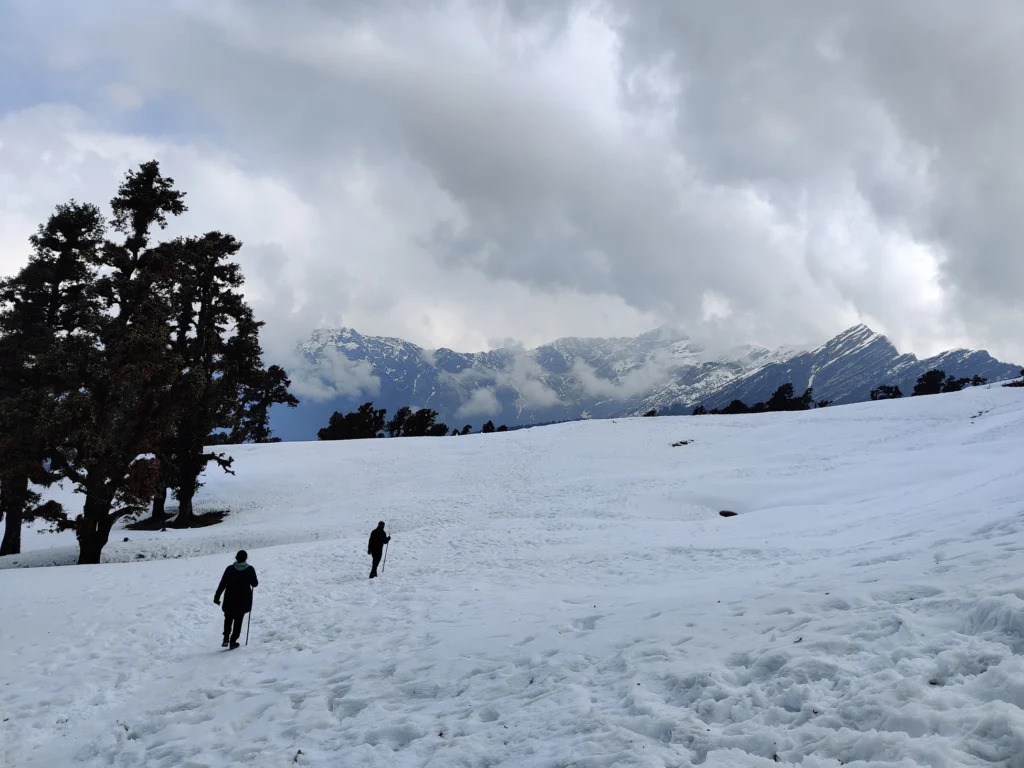
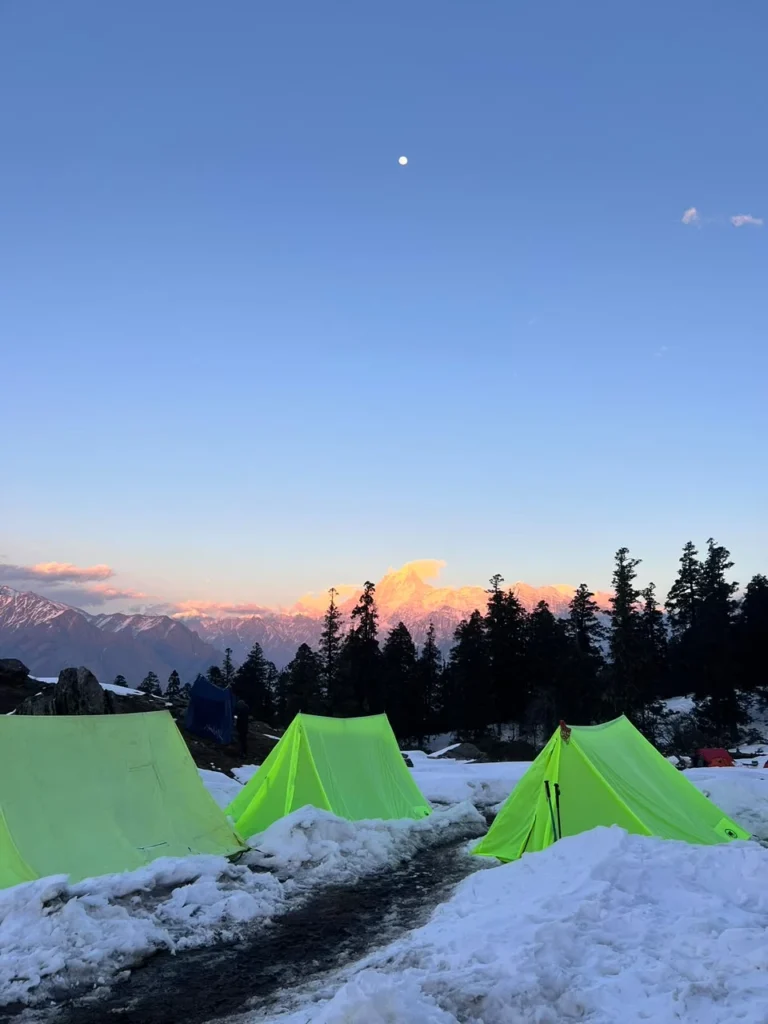
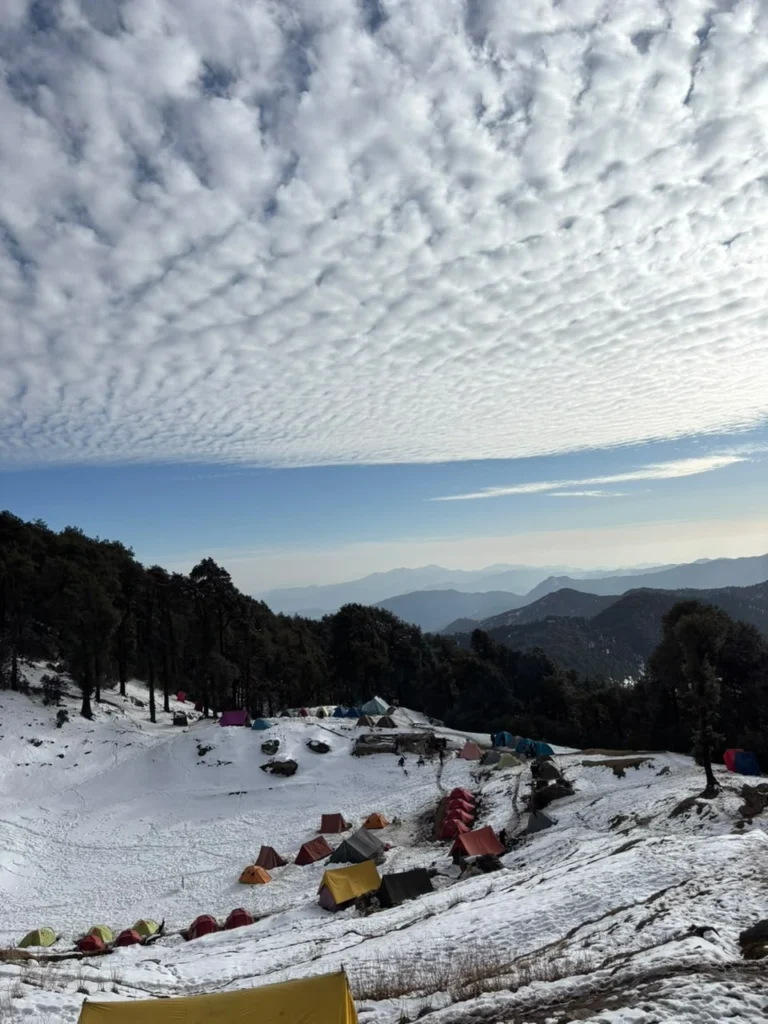
Social media often shows the most beautiful moments of trekking: smiling hikers standing against mountain backdrops, colourful tents surrounded by snow, and peaceful trails disappearing into the clouds.
What those photographs rarely show is the physical effort required to reach those places.
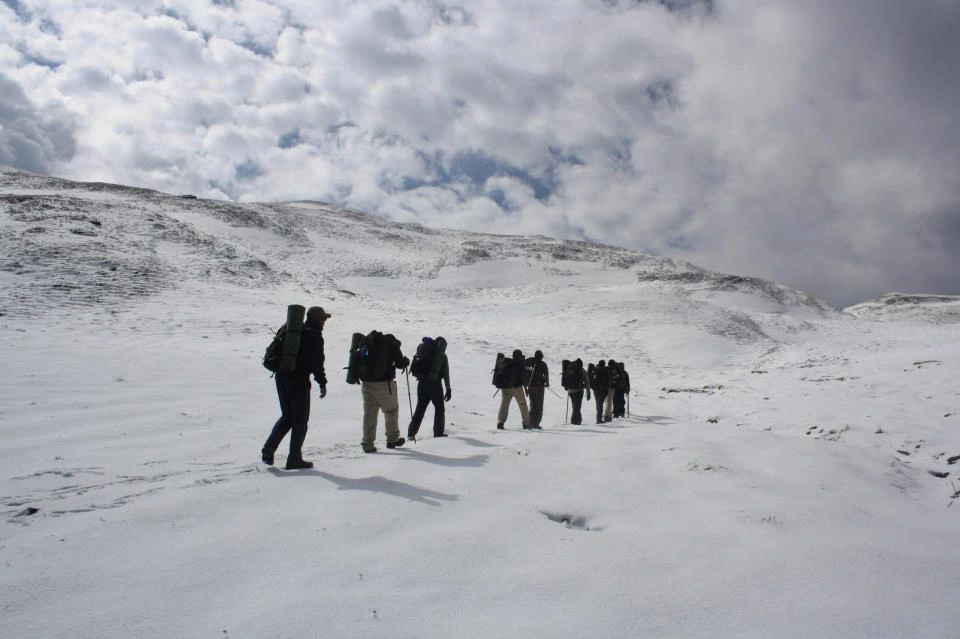
A typical Himalayan trekking day can involve four to seven hours of walking, depending on the route, altitude, terrain, and weather. Some days are relatively comfortable, while others involve steep climbs, slippery descents, muddy forest sections, or long stretches of uneven ground.
For a female beginner, the first day can feel particularly challenging because the body is adjusting to an unfamiliar routine.
You might experience tired legs, sore shoulders, breathlessness on climbs, or frustration when other trekkers appear to be walking faster.
These experiences are common and do not automatically mean you are unfit or incapable.
However, persistent breathlessness at rest, worsening headaches, vomiting, confusion, or difficulty walking normally should never be dismissed as ordinary trekking discomfort. These can be warning signs of altitude-related illness or other medical problems.
The important lesson: Trekking is not a competition. Walking at a steady pace, taking appropriate breaks, staying hydrated, and communicating with your trek leader are far more important than reaching camp first.
2. Is It Safe for Women to Trek in the Himalayas?
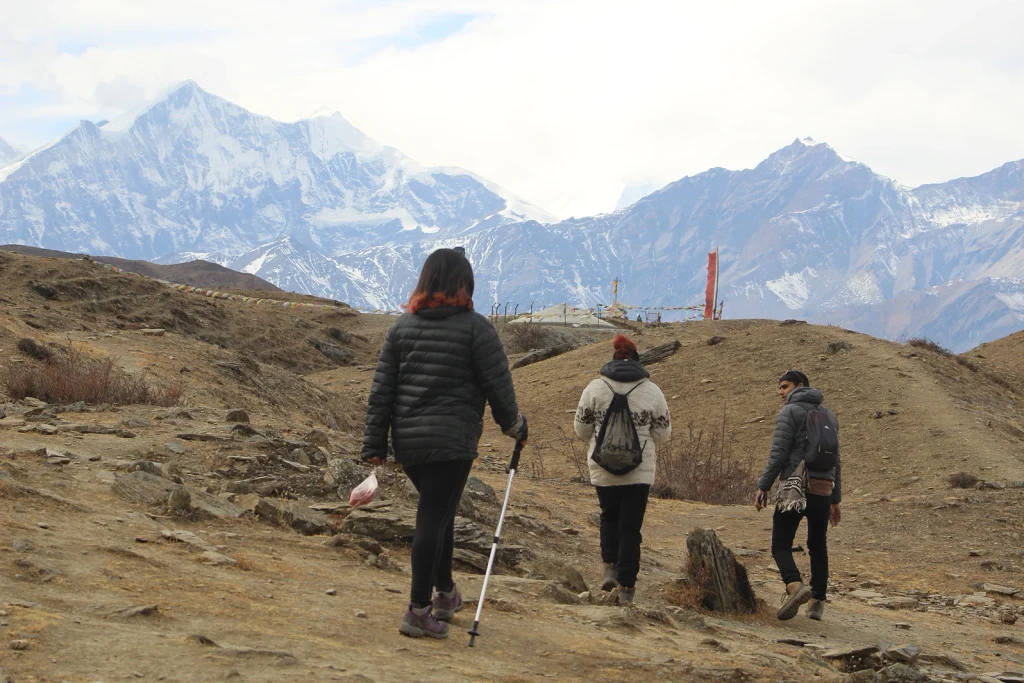
This is probably the first question that comes to mind when a woman plans her first Himalayan adventure, especially when travelling alone.
The answer is that Himalayan trekking can be a safe and rewarding experience for women, but safety depends on preparation, route conditions, the trekking operator, and the decisions made during the journey.
Remote mountain environments introduce risks that are different from those encountered during ordinary city travel.
Weather can change suddenly. Mobile networks may disappear for days. Medical facilities can be several hours away, and evacuation can become difficult during heavy rain or snowfall.
For beginners, joining an organised trekking group is generally a more practical option than attempting a remote Himalayan route independently.
What should female trekkers check before booking?
- Experienced trek leaders: Choose an operator with trained guides, first-aid capability, and a clear emergency response plan.
- Group arrangements: Ask about group size, tent sharing, accommodation, and whether female staff members are available.
- Emergency preparedness: Confirm how the team handles illness, evacuation, route closures, and communication failures.
- Transparent itineraries: Understand the daily walking distance, altitude gain, rest arrangements, and difficulty level.
- Reviews from female trekkers: Look for detailed experiences discussing safety, professionalism, accommodation, and overall support.
Travelling with an unfamiliar group may feel intimidating initially. However, organised treks often bring together people from different cities, professions, and age groups who share a common interest in the mountains.
Many first-time female trekkers find that these group experiences help them develop friendships and confidence throughout the journey.
3. Choosing Your First Himalayan Trek: Where Should You Begin?
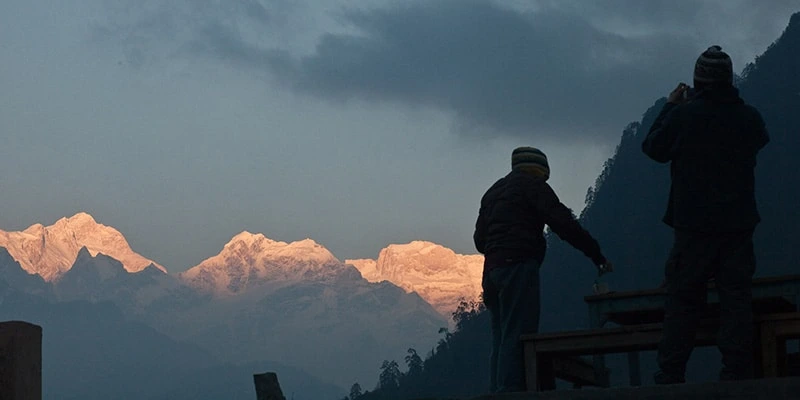
One of the biggest mistakes beginners make is choosing a trek entirely based on photographs.
A destination may look beautiful, but that does not necessarily mean it is suitable for someone with no previous trekking experience.
The best first trek should offer manageable daily distances, reasonable altitude gain, reliable logistical support, and terrain appropriate for your fitness level.
Here are some well-known Himalayan routes worth understanding before making a decision.
Brahmatal Trek – A Beautiful Introduction to Winter Trekking
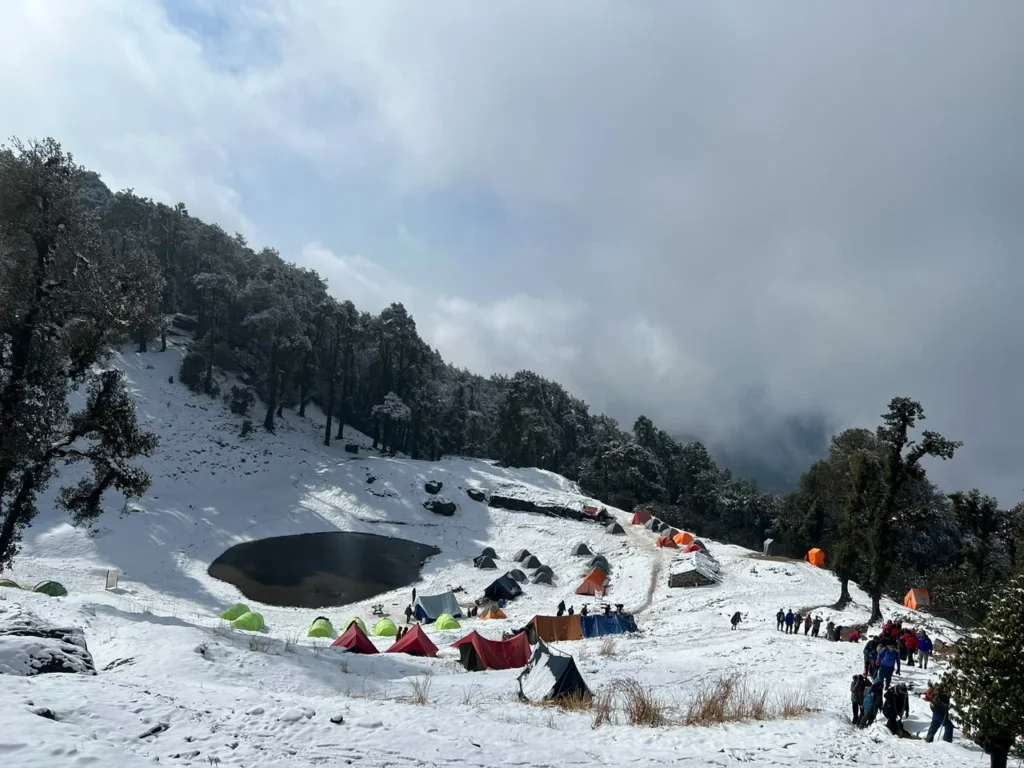
The Brahmatal trek is a popular choice for women who want to experience their first Himalayan winter adventure.
Located in Uttarakhand, the trail takes trekkers through oak and rhododendron forests, snow-covered pathways, open mountain landscapes, and scenic campsites.
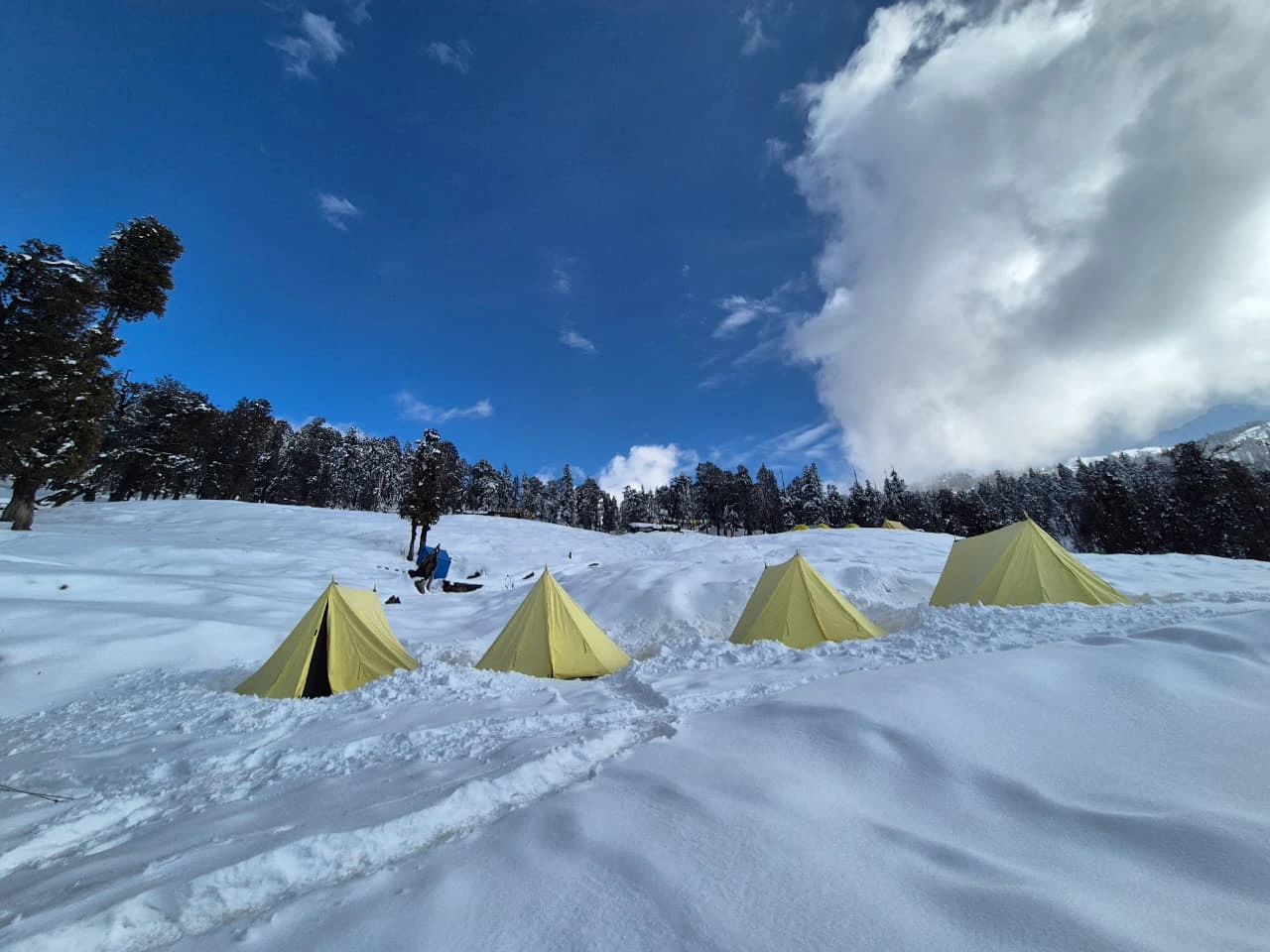
The trek is especially attractive during winter, when snowfall can transform the surroundings into a beautiful white landscape.
However, beginners should understand that walking through snow requires additional energy and balance. Even a moderately challenging climb can become demanding when the trail is icy or covered in deep snow.
Best suited for: Fit beginners interested in winter trekking with an experienced guide.
Best season: December to March for winter conditions, depending on snowfall and route accessibility.
Kuari Pass Trek – Himalayan Views Without Technical Mountaineering
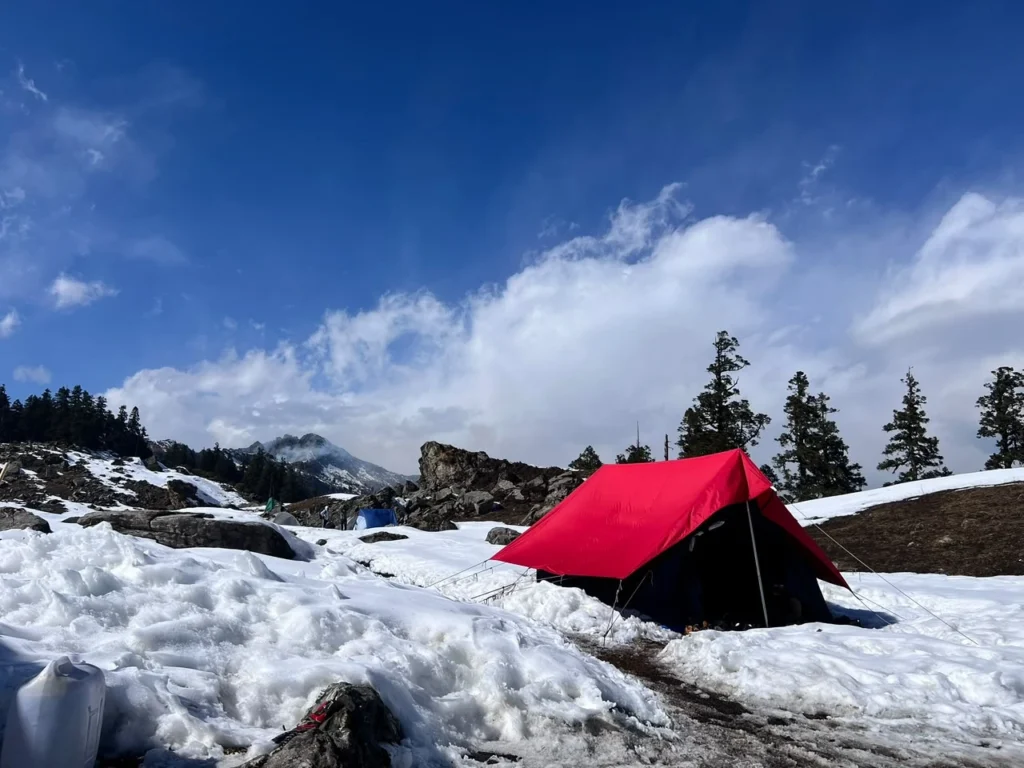
The Kuari Pass trek is known for its magnificent views of the Garhwal Himalayas, including prominent peaks such as Nanda Devi and Dronagiri.
The trail combines forest walks, mountain ridges, alpine landscapes, and spectacular viewpoints.
For a female beginner who enjoys photography, mountain scenery, and a combination of physical activity and peaceful surroundings, Kuari Pass can be an excellent option.
However, it should not be mistaken for an effortless trek. The altitude, steep sections, and seasonal snow conditions require preparation.
Best suited for: Beginners with good basic fitness and some hiking practice.
Best season: Spring, autumn, and selected winter departures, subject to weather.
Ali Bedni Bugyal Trek – A Peaceful Journey Through Alpine Meadows
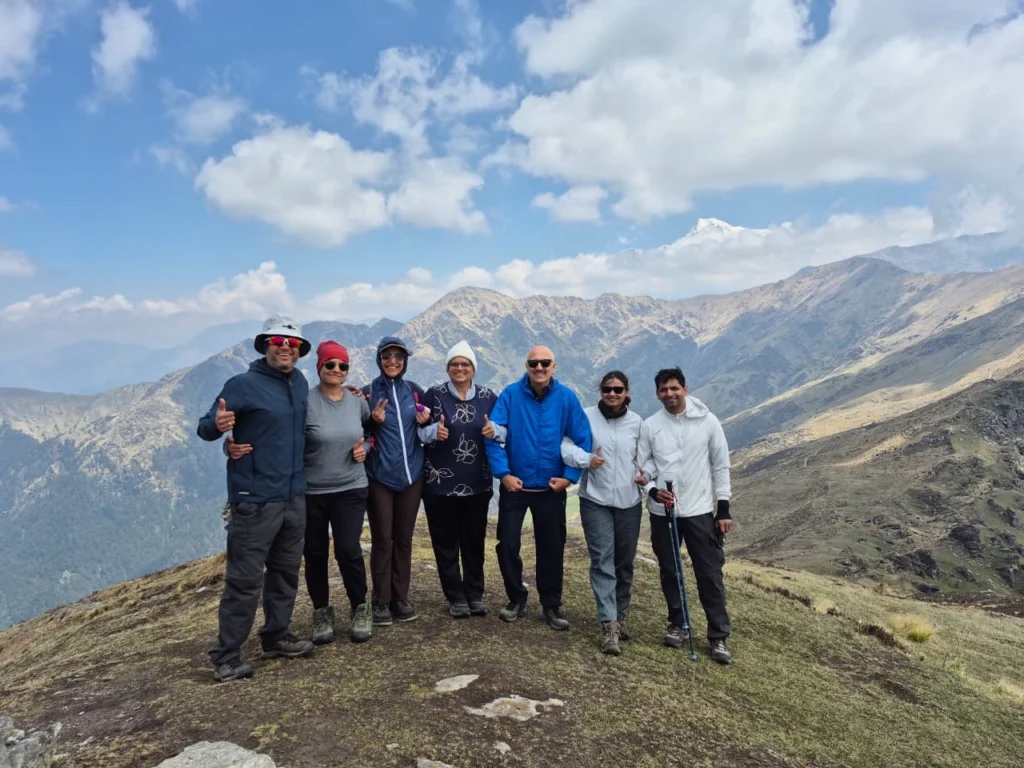
The Ali Bedni Bugyal trek is particularly appealing to women who prefer open landscapes, peaceful surroundings, and scenic mountain walks.
The journey leads through traditional Himalayan villages, forests, and expansive high-altitude grasslands.
Ali and Bedni Bugyal are among Uttarakhand’s celebrated alpine meadows, offering remarkable views of surrounding mountain peaks.
Although the scenery appears gentle, reaching these meadows involves sustained climbing and exposure to high altitude.
Best suited for: Fit beginners comfortable with multi-day hiking and camping.
Best season: Generally spring and autumn, depending on local permissions and conditions.
The 2026 Supreme Court decision removed important restrictions affecting overnight camping in Uttarakhand’s high-altitude meadows. Nevertheless, operators must still comply with applicable forest regulations and permissions.
HT+1
Valley of Flower Trek – A Colourful Himalayan Experience
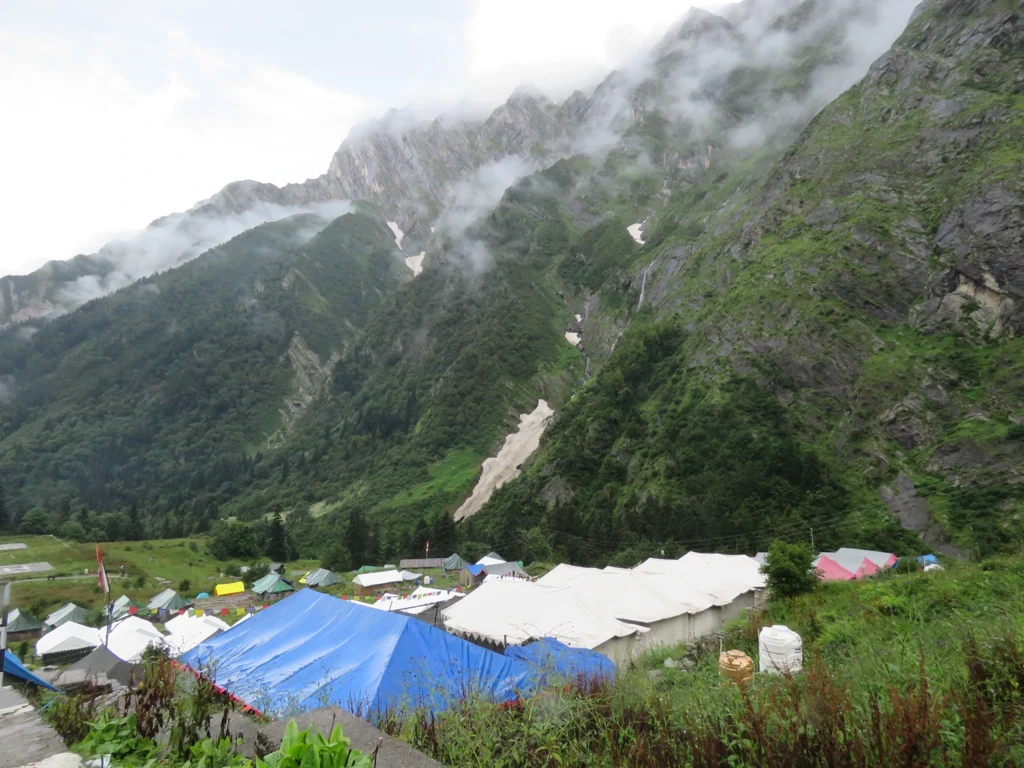
The Valley of Flower trek, more commonly called the Valley of Flowers Trek, is one of the most beautiful seasonal trekking experiences in Uttarakhand.
Instead of snow-covered landscapes, this journey offers colourful alpine flowers, lush greenery, waterfalls, and dramatic mountain scenery.
The trek is especially appealing to women who enjoy nature photography, botanical landscapes, and walking through vibrant Himalayan valleys.
However, the monsoon season can bring slippery trails, rainfall, and challenging walking conditions. Trekkers also need to complete the return journey within the park’s permitted visiting hours.
The Valley of Flowers National Park does not permit overnight camping inside the valley. Visitors normally stay in Ghangaria.
Uttarakhand Tourism+1
Best suited for: Active beginners comfortable with long walking days.
Best season: June to September, with peak floral displays commonly during July and August.
Roopkund Trek – An Iconic Adventure, but Not an Ideal First Trek
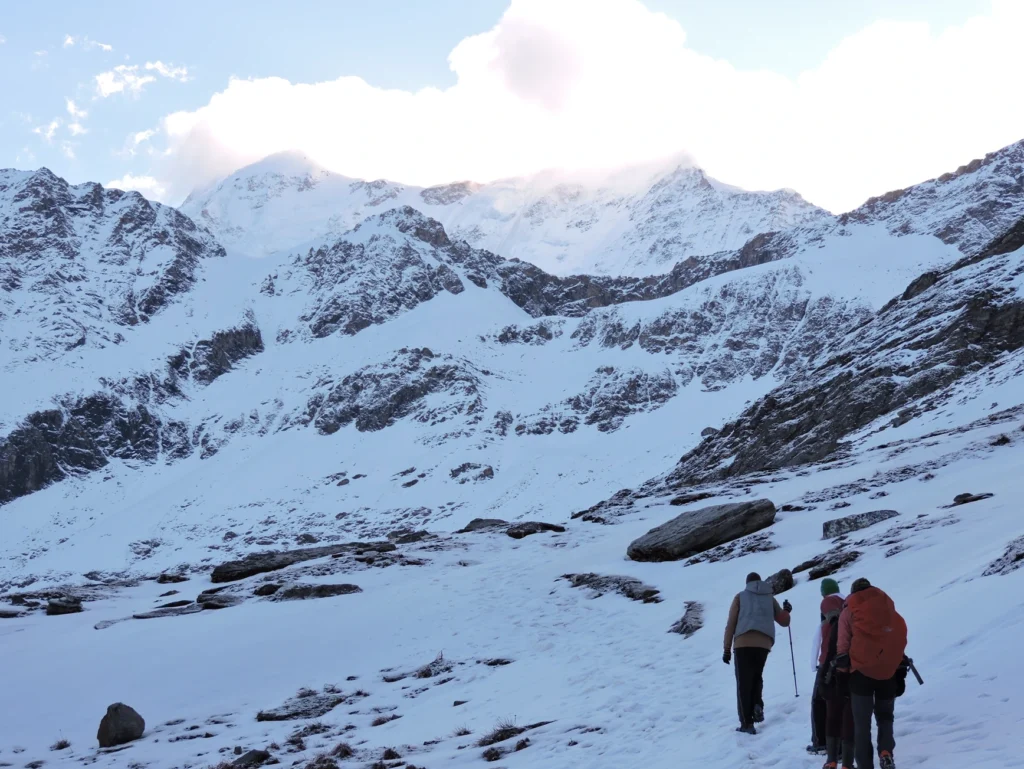
The Roopkund trek is one of the most fascinating Himalayan trekking routes, famous for its mysterious glacial lake and dramatic high-altitude terrain.
It takes trekkers through forests, alpine meadows, and rugged mountain landscapes before reaching the higher sections of the route.
However, Roopkund is significantly more demanding than many beginner-friendly trekking options.
The steep climbs, altitude, exposure, and potentially difficult weather conditions make it better suited to trekkers with previous mountain experience.
Following the July 2026 Supreme Court decision, operators have reported the reopening of Roopkund itineraries after the lifting of major meadow-camping restrictions. Trekkers should still verify current permissions, operating conditions, and route safety before booking.
Jagran+1
Best suited for: Experienced trekkers with strong fitness and previous high-altitude trekking experience.
Important advice: Do not choose Roopkund as your first Himalayan trek simply because it is famous.
4. The Reality of Managing Periods During a Himalayan Trek
This is one of the most practical concerns female beginners have, yet it is rarely discussed openly in trekking advertisements.
Managing menstruation in the mountains can be inconvenient, particularly when washrooms, running water, and private changing spaces are limited.
But with proper planning, periods do not necessarily have to prevent you from enjoying a Himalayan trek.
What should you carry?
Pack enough menstrual products for the entire trek, along with additional supplies in case of unexpected delays.
A practical menstrual hygiene kit may include sanitary pads, tampons or a menstrual cup you already know how to use, hand sanitiser, tissues, sealable waste bags, and a small pouch for privacy.
Menstrual cups can reduce the amount of waste generated, but they require clean hands and appropriate washing arrangements. A remote trek is not the ideal place to experiment with an unfamiliar product for the first time.
What about cramps and discomfort?
Some women experience abdominal cramps, fatigue, headaches, or changes in energy levels during menstruation.
If you regularly experience severe cramps or heavy bleeding, consult a healthcare professional before departure and discuss suitable medication.
It is also worth informing a trusted trek leader if you need additional breaks or support.
There is no reason to feel embarrassed about a normal biological process.
An important environmental responsibility: Never leave used sanitary products, wipes, or packaging on the trail. Carry non-biodegradable waste back to an appropriate disposal point.
5. The Washroom Situation: What Female Beginners Should Expect
One of the biggest adjustments during Himalayan trekking is the lack of conventional toilet facilities.
Depending on the trek, you may encounter basic guesthouse washrooms, temporary toilet tents at campsites, or designated outdoor toilet arrangements.
Hot showers, flush toilets, mirrors, and running water should not be assumed.
For women who are accustomed to comfortable travel accommodation, this can initially feel uncomfortable.
The best approach is to understand the facilities before booking.
Ask your trekking operator whether toilet tents are provided, how privacy is maintained, and what sanitation arrangements are available at each campsite.
Carry toilet paper, sanitiser, a small torch or headlamp, and a personal hygiene kit.
When using outdoor facilities, follow the operator’s waste-management instructions and local environmental rules. Avoid contaminating streams and water sources.
A little preparation can make this part of the trekking experience much easier.
6. Can a Woman Trek Alone in the Himalayas?
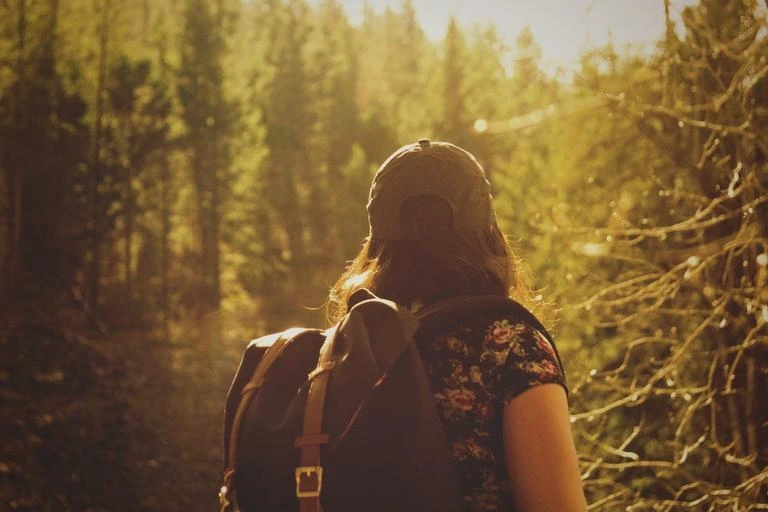
Solo travel and solo trekking are not necessarily the same thing.
A woman can travel independently to a trekking base camp and join an organised group without knowing anyone beforehand.
This is often one of the best ways to experience independence while retaining the support of guides and fellow trekkers.
Attempting a remote Himalayan trek completely alone is a different matter.
Navigation challenges, changing weather, altitude-related illness, wildlife encounters, and communication difficulties can become serious when no one is available to assist.
For a first Himalayan trek, joining a professionally guided group is generally the safer choice.
Before travelling, share your itinerary and emergency contacts with someone you trust. Confirm transport arrangements, keep important documents accessible, and understand how your operator manages emergencies.
Most importantly, remember that independence does not require rejecting help.
7. Fitness: How Strong Do You Really Need to Be?
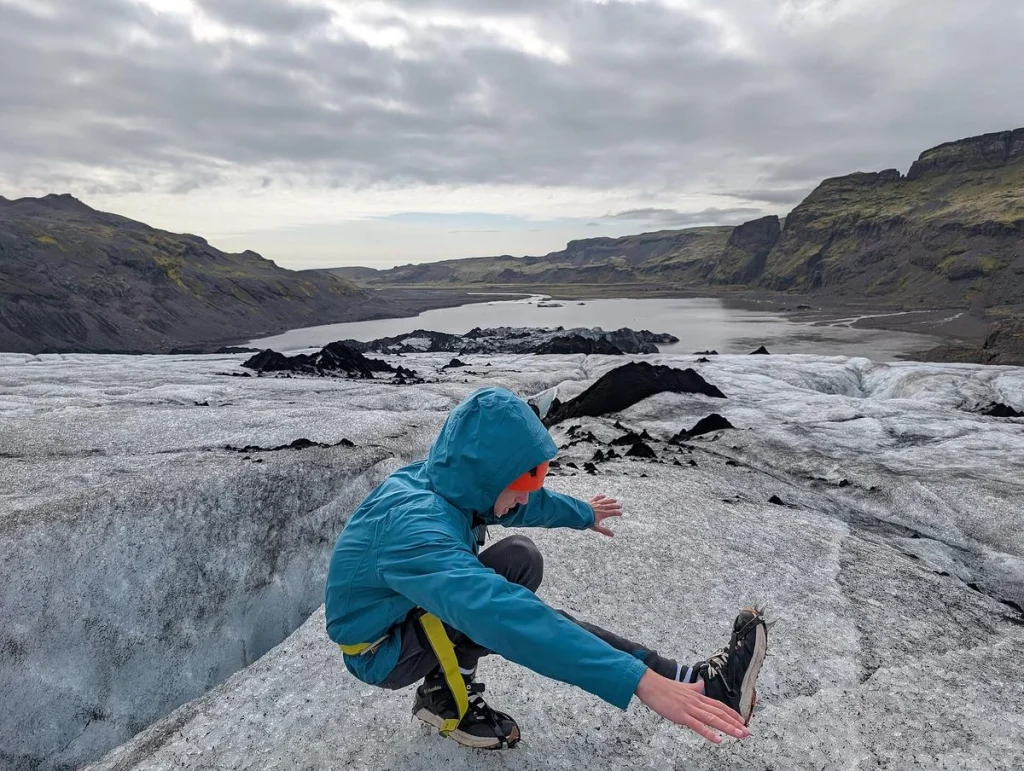
You do not need to be a professional athlete to begin trekking, but you should not arrive completely unprepared either.
Himalayan trekking requires cardiovascular endurance, leg strength, balance, and the ability to walk for several hours over uneven terrain.
The encouraging part is that these abilities can improve with consistent training.
A Practical Four-Week Preparation Plan
| Week | Training focus | Suggested activities |
| Week 1 | Build consistency | Brisk walking, gentle stair climbing, mobility exercises |
| Week 2 | Improve endurance | Longer walks, step-ups, squats, light strength training |
| Week 3 | Practise trekking conditions | Hill walking, longer hikes, walking with a light backpack |
| Week 4 | Consolidate and recover | Moderate walks, stretching, adequate rest before departure |
This is a starting framework, not a guarantee of readiness. Someone beginning from a sedentary lifestyle may need eight to twelve weeks or longer, particularly for a high-altitude or winter trek.
If possible, practise walking on uneven terrain while wearing the trekking shoes you intend to use.
Training helps with physical effort, but it does not eliminate the risk of altitude sickness.
8. Altitude Sickness: A Risk Every Beginner Must Understand
Altitude sickness is one of the most important safety considerations when trekking in the Himalayas.
As you gain elevation, atmospheric pressure decreases, reducing the amount of oxygen available with each breath.
Your body needs time to adapt.
Acute Mountain Sickness (AMS) can affect trekkers regardless of gender, fitness, or previous athletic experience.
Common symptoms include headache, nausea, dizziness, unusual fatigue, and loss of appetite.
Severe warning signs include confusion, loss of coordination, and breathlessness at rest.
The most important safety principles are to ascend gradually, recognise symptoms early, avoid climbing to a higher sleeping altitude while experiencing altitude illness, and descend if symptoms worsen. Severe symptoms require urgent medical assistance and descent.
CDC Yellow Book™+1
For women planning their first high-altitude trek, the quality of the itinerary and acclimatisation schedule matters far more than choosing the shortest available package.
Do not take altitude medication without appropriate medical advice.
9. What Should a Female Beginner Pack for a Himalayan Trek?
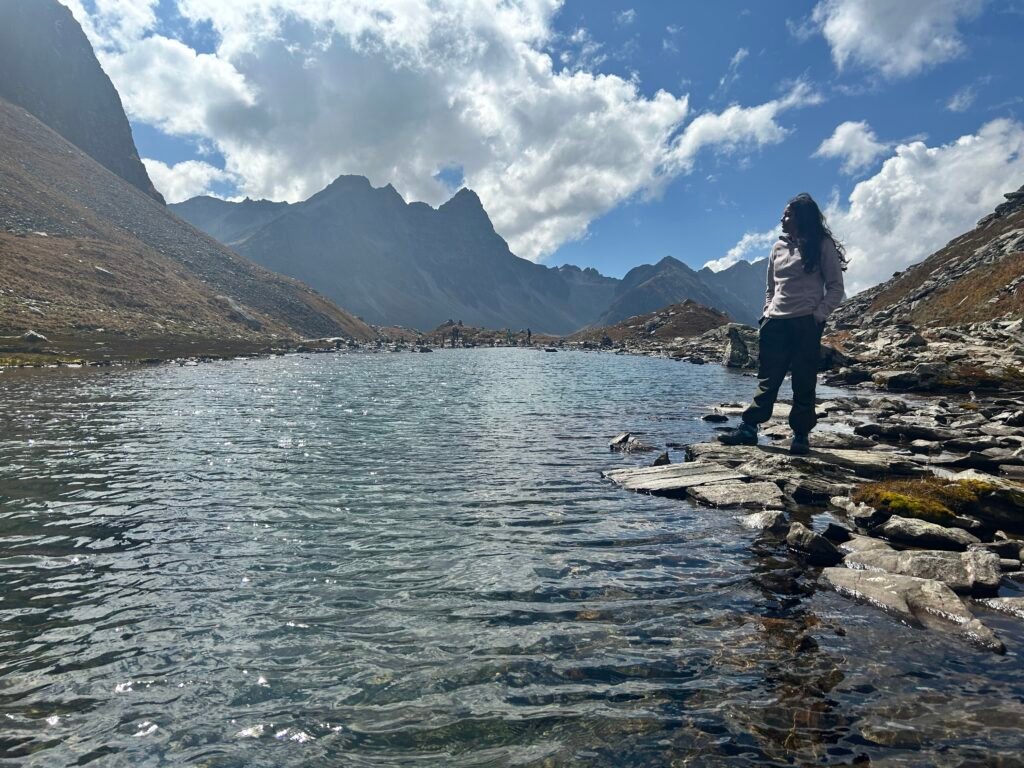
Packing for the Himalayas is not about carrying everything you own. It is about carrying the right equipment for the season, altitude, and expected weather.
A well-prepared beginner should prioritise the following essentials:
- Layered clothing: Moisture-wicking base layers, insulating fleece or down jacket, and a weather-resistant outer shell.
- Trekking footwear: Well-fitting hiking shoes or boots appropriate for the terrain, with good grip and adequate ankle support where needed.
- Personal hygiene: Menstrual products, tissues, sanitiser, sunscreen, lip balm, and waste bags.
- Cold-weather accessories: Gloves, warm socks, a woollen cap, and a neck warmer.
- Trekking equipment: Backpack, rain cover, trekking poles, reusable water bottles, and headlamp.
- Personal medication: Prescribed medicines, basic first-aid supplies, and any medication recommended by your healthcare professional.
Avoid carrying excessive clothing, heavy cosmetics, or unnecessary accessories.
For winter treks such as Brahmatal and Kuari Pass, appropriate insulation, waterproof protection, and traction equipment become particularly important.
Ask the operator which technical items are supplied and which must be brought or rented.
10. The Mental Challenges Nobody Talks About
Physical fitness is only one part of trekking.
The mental experience can be equally demanding, especially during your first few days in the mountains.
You may feel anxious about keeping up with the group. You might miss home, struggle with the cold, or wonder why you decided to leave your comfortable routine behind.
There may even be moments when you feel like turning around.
These feelings are not unusual.
What often surprises beginners is how quickly their perspective changes.
A climb that felt impossible in the morning may become a proud achievement by the afternoon. A group of strangers may begin to feel like a supportive team. Small comforts, such as a warm meal or dry socks, can suddenly feel extraordinary.
The mountains encourage patience, adaptability, and an appreciation for simple things.
But perseverance should never mean ignoring illness, unsafe weather, or genuine exhaustion. Knowing when to stop is as important as knowing how to continue.
11. Trekking in Winter: Should Female Beginners Choose Snow Treks?
Winter trekking has a special appeal. Snow-covered forests, frozen landscapes, crisp mountain air, and peaceful campsites create an atmosphere that is difficult to experience during other seasons.
This is why searches for Top Snowfall Treks in India become increasingly popular as winter approaches.
Among the better-known Himalayan winter trekking destinations are Brahmatal, Kuari Pass, Kedarkantha, and Dayara Bugyal.
However, snowfall also introduces additional challenges.
Walking through snow can be physically demanding, particularly when the surface is deep, icy, or uneven. Temperatures may fall well below freezing at night, while sudden snowfall can affect trail conditions and visibility.
For women considering their first winter trek, appropriate clothing and a reliable trekking operator are essential.
Christmas & New Year Treks 2026: What Beginners Should Know
The upcoming Christmas & New Year Treks 2026 season offers an opportunity to experience the Himalayas during the festive holidays.
Late December departures are popular among travellers looking to celebrate Christmas or welcome 2027 in the mountains.
Brahmatal and Kuari Pass are two options worth exploring, provided the itinerary and prevailing conditions are suitable for beginners.
However, snowfall is never guaranteed on a particular date. Weather patterns, altitude, and local conditions determine whether a trail has fresh snow, old snow, ice, or little snow at all.
Holiday departures can also be busier than regular trekking dates.
If you are travelling alone, a well-organised group departure can offer a good balance of independence and companionship.
Practical advice: Choose a trek based on your fitness and experience, not merely on the promise of snowfall or festive celebrations.
12. How Much Does a First Himalayan Trek Actually Cost?
Budgeting is another important part of planning a Himalayan adventure.
Many beginners focus only on the advertised trek package price without considering additional expenses.
Your total cost may include transportation to the pickup location, trekking fees, equipment rental, personal purchases, travel insurance, and accommodation before or after the trek.
Some operators include meals, accommodation, guide services, and basic safety equipment, while others charge separately for particular services.
Before booking, ask for a complete list of inclusions and exclusions.
It is also sensible to keep an emergency financial reserve for unexpected transport delays or itinerary changes.
A cheaper trek is not necessarily better value if essential safety arrangements or equipment are missing.
13. How to Make Your First Himalayan Trek More Enjoyable
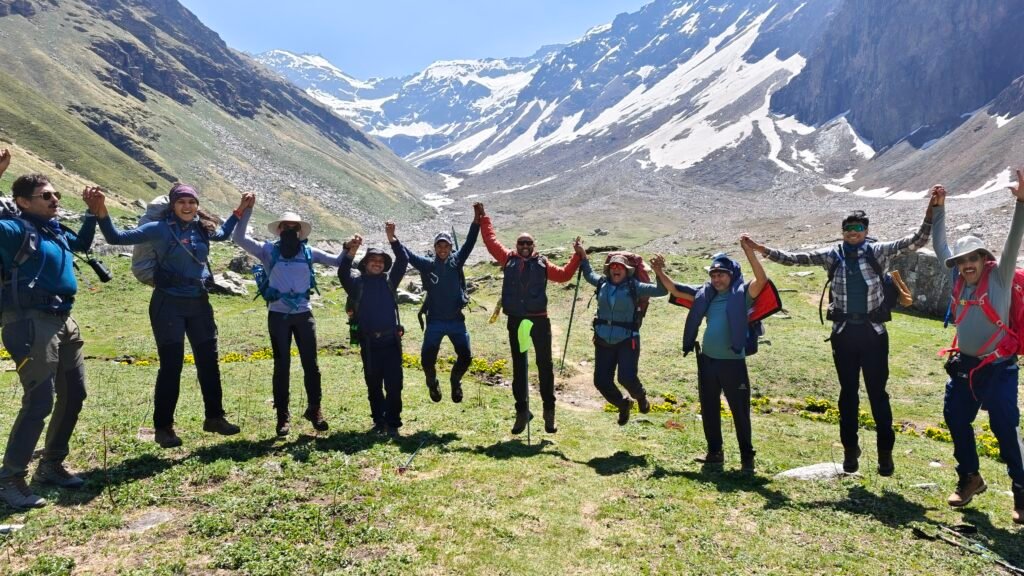
A successful first trek is not necessarily the one where you reach the highest altitude or cover the greatest distance.
It is the journey where you feel prepared, understand your limitations, and return with a positive experience.
Begin with a route that suits your fitness. Prepare consistently before departure. Wear comfortable equipment that you have already tested, and communicate openly with your trek leader.
Do not compare your walking speed with experienced trekkers.
Take photographs, enjoy conversations with fellow travellers, observe the changing landscape, and allow yourself time to appreciate the journey.
Most importantly, treat the mountains with respect.
Stay on established trails, follow local instructions, avoid disturbing wildlife, and carry your waste back from the mountains.
Responsible trekking ensures that future travellers can enjoy these landscapes too.
14. What Changes After Your First Himalayan Trek?
For many women, the most meaningful part of a Himalayan trek is not the summit, the campsite, or the photographs.
It is the confidence gained through unfamiliar experiences.
Completing a difficult climb, adjusting to basic living conditions, making decisions independently, and learning to trust your abilities can change the way you approach challenges beyond trekking.
You may return home with sore muscles, dusty shoes, and hundreds of photographs.
But you may also return with a stronger appreciation for your own resilience.
Trekking does not magically remove every fear or difficulty. Instead, it provides opportunities to confront manageable challenges, develop practical skills, and become more comfortable outside your usual routine.
And sometimes, that is the greatest reward of all.
Frequently Asked Questions About Himalayan Trekking for Female Beginners
1. Is Himalayan trekking safe for female beginners?
Yes, many Himalayan treks are suitable for female beginners when the route, season, fitness requirements, and safety arrangements are appropriate. Joining a reputable guided group is generally preferable for a first multi-day high-altitude trek.
2. Can I go on a Himalayan trek alone as a woman?
You can travel independently and join an organised trekking group. For beginners, this is usually safer than attempting remote Himalayan trails completely alone without local guidance or emergency support.
3. Which is the best Himalayan trek for a beginner woman?
Brahmatal, Kuari Pass, Ali Bedni Bugyal, and Valley of Flowers are worth considering, depending on the season and your fitness. None should be assumed easy in all conditions. For a completely inexperienced trekker, a shorter low-altitude hike may be a better starting point.
4. Can I trek in the Himalayas during my period?
Yes. Menstruation does not automatically prevent trekking. Carry suitable hygiene products, plan for limited washroom facilities, and consult a healthcare professional if you experience severe cramps, heavy bleeding, or other significant symptoms.
5. Is the Brahmatal trek suitable for beginners?
Brahmatal can be suitable for physically prepared beginners travelling with experienced guides. However, winter snow, cold temperatures, and sustained climbs make it more demanding than a typical low-altitude hike.
6. Is the Kuari Pass trek difficult for first-time trekkers?
The Kuari Pass trek is generally considered moderate, although difficulty varies with the itinerary and season. Beginners should prepare for uphill walking, high-altitude conditions, and possible snow or ice.
7. Can female beginners attempt the Roopkund trek?
Roopkund is not generally recommended as a first Himalayan trek. Its altitude, demanding terrain, and potentially challenging weather make prior trekking experience and good acclimatisation important.
8. What are the best months for women to trek in the Himalayas?
The ideal months depend on the route. Spring and autumn are popular for many Himalayan treks, while December to March is associated with winter trekking. The Valley of Flowers is primarily a summer and monsoon-season destination.
9. How should women prepare physically for their first trek?
Regular brisk walking, stair climbing, leg-strengthening exercises, and practice hikes can help build endurance. Start several weeks or months before departure, depending on your current fitness and the difficulty of the route.
10. Are there proper washrooms during Himalayan treks?
Facilities vary considerably. Guesthouses may have basic washrooms, while remote campsites may provide toilet tents or designated outdoor arrangements. Confirm the facilities with your operator before booking.
11. Which are the Top Snowfall Treks in India for beginners?
Popular winter trekking options include Brahmatal, Kedarkantha, Dayara Bugyal, and Kuari Pass. Their suitability depends on snow depth, weather, route conditions, and the trekker’s preparation.
12. Is December 2026 a good time for a first Himalayan trek?
December can be a suitable time for a guided winter trek if you are physically prepared and have appropriate cold-weather equipment. For Christmas & New Year Treks 2026, confirm current trail conditions, weather forecasts, and safety arrangements before departure.
Your First Himalayan Trek Does Not Have to Be Perfect
The reality of trekking in the Himalayas as a female beginner is a combination of excitement, uncertainty, physical effort, occasional discomfort, and extraordinary natural beauty.
Some moments will test your patience. Others will remind you why you wanted to explore the mountains in the first place.
You do not need to prove your strength by choosing the most difficult route. You do not need to walk faster than everyone else or pretend that every part of the journey is comfortable.
Start with a suitable trek, prepare properly, choose a responsible operator, and allow yourself to learn.
Whether your first adventure takes you through the alpine meadows of the Ali Bedni Bugyal trek, the colourful landscapes of the Valley of Flowers, or the snowy trails of Brahmatal and Kuari Pass, the experience can become the beginning of a lifelong connection with the Himalayas.
Because the best first trek is not the one that pushes you beyond every limit. It is the one that helps you discover what you are capable of, safely and confidently.
Planning your first Himalayan adventure? Explore the trekking experiences offered by Roopkund Heaven and choose a journey that matches your fitness, preferred season, and sense of adventure.