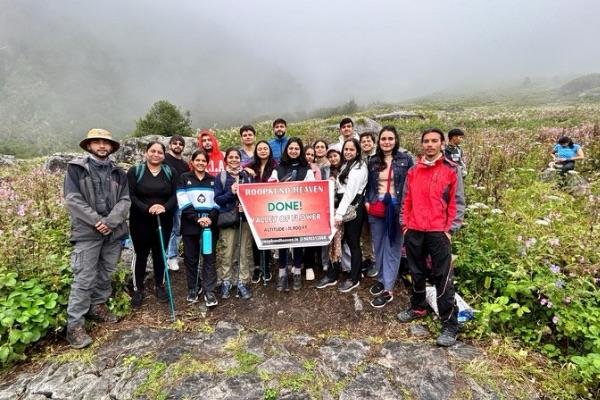
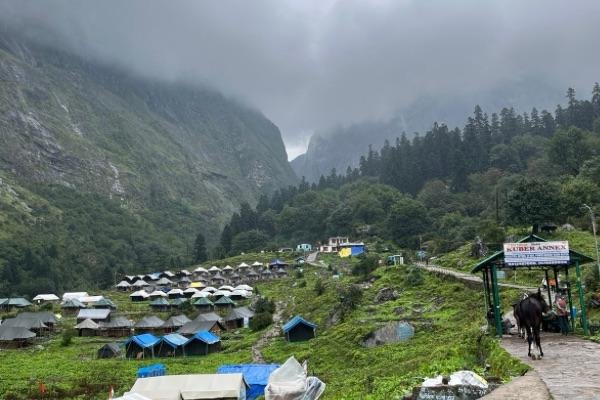
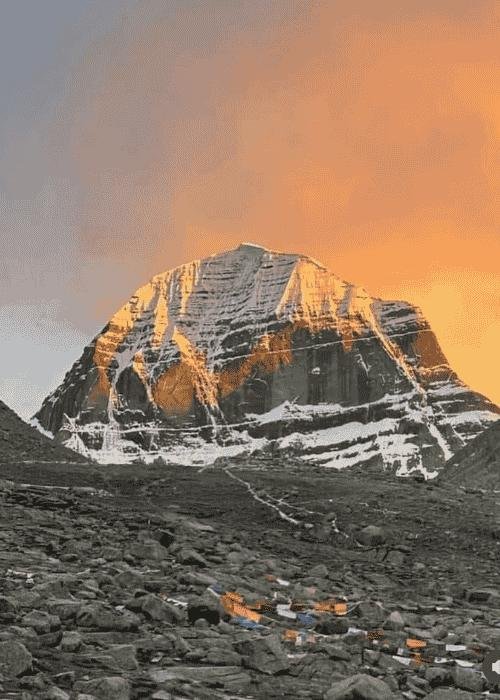
Every year, thousands of trekkers wait for the Valley of Flowers Trek to reopen. The trek is Located in the beautiful Garhwal Himalayas of Uttarakhand, this UNESCO World Heritage Site is known for its colorful flowers, green meadows, waterfalls, and stunning mountain views.
We have guided many trekkers to the Valley of Flowers and helped them plan a smooth and memorable trip. In this guide, we will cover everything you need to know about the Valley of Flowers Trek, including the latest updates, best time to visit, trek route, difficulty level, permits, accommodation, budget, Hemkund Sahib visit, and our trek packages. Whether you are a beginner or an experienced trekker, this guide will help you plan your journey easily.
Valley of Flowers Trek — Latest Update June 2026
The Valley of Flowers Trek officially reopened on 1 June 2026 after remaining closed throughout the winter due to heavy snowfall. Following a complete trail inspection, safety checks, and route clearance by the Forest Department, trekkers are once again allowed to explore this world-famous UNESCO World Heritage Site.
Bookings for Valley of Flowers Trek 2026 Are Now Open
The 2026 trekking season has officially begun, and Valley of Flowers Trek package bookings are now open. Every year, thousands of trekkers visit the valley during the short summer and monsoon season, making advance booking highly recommended—especially for July and August, which are the busiest months.
If you’re planning to visit this year, you can check our Valley of Flowers Trek Package for complete details on itinerary, inclusions, transportation, accommodation, permits, and pricing.
Why the 2026 Season Is Special
The 2026 season is expected to be one of the best in recent years for several reasons:
- Heavy winter snowfall has provided excellent moisture levels for flower growth.
- Strong snowmelt is feeding the Pushpawati River and surrounding alpine meadows.
- Improved road connectivity on the Rishikesh–Joshimath route has made travel smoother.
- Better accommodation facilities are available in Ghangaria.
- Growing interest from both Indian and international trekkers is making 2026 a highly anticipated season.
- Experts expect a healthy and vibrant bloom cycle during the peak flowering months.
Valley of Flowers Closing Date 2026
The national park is expected to remain open until 4 October 2026. After this date, the valley closes for the winter season as snowfall begins to return to the higher Himalayan regions.
If you are planning a September trek, make sure your travel dates are scheduled before the official closing date.
Current Crowd Situation
The trekking season has just begun, and June remains one of the quietest months to visit the Valley of Flowers. Trekkers can enjoy peaceful trails, pleasant weather, and fewer crowds.
- June: Less crowded, ideal for nature lovers and photographers.
- July: Flower blooms start increasing and visitor numbers rise.
- August: Peak bloom season and the busiest period due to the Hemkund Sahib Yatra.
- September: Fewer crowds, clear mountain views, and pleasant trekking conditions.
Accommodation in Ghangaria can fill up quickly during weekends in July and August, so advance booking is recommended.
Weather Conditions in June 2026
Current weather conditions are generally favorable for trekking.
- Day Temperature: 12°C to 20°C
- Night Temperature: 4°C to 10°C
- Cool mornings and evenings
- Occasional rain showers can occur as the monsoon approaches
Trekkers should carry a raincoat, waterproof backpack cover, warm layers, and proper trekking shoes.
Road Conditions and Travel Updates
The road remains open and motorable up to Govindghat, the starting point of the trek.
The Rishikesh–Joshimath–Govindghat route is currently accessible. However, during the monsoon season, temporary delays caused by landslides are possible, particularly between Rudraprayag and Joshimath.
Travelers are advised to:
- Start early in the morning.
- Keep extra buffer time in their itinerary.
- Check local weather and road updates before departure.
Forest Permit Information
All trekkers must obtain a valid Valley of Flowers entry permit before entering the national park.
Important points:
- Permits are issued near Ghangaria.
- A valid government photo ID is mandatory.
- Entry timings are regulated by the Forest Department.
- Visitors must return from the valley on the same day, as overnight camping inside the national park is strictly prohibited.
These regulations help protect the valley’s fragile ecosystem and unique biodiversity.
Our Recommendation
If you’re planning the trek in 2026, July and August are the best months to witness the valley in full bloom, while June and September are perfect for those looking for fewer crowds and a more peaceful trekking experience.
Bookings for the Valley of Flowers Trek 2026 are now open. Check our Valley of Flowers Trek Package and reserve your slot early to secure your preferred dates during this limited trekking season.
About the Valley of Flowers Trek
The Valley of Flowers Trek is one of the most beautiful and famous treks in India. Located in the Chamoli district of Uttarakhand, this UNESCO World Heritage Site is known for its colorful flower-covered meadows, waterfalls, glaciers, and stunning Himalayan mountain views.
The valley is part of the Nanda Devi Biosphere Reserve and covers an area of about 87 square kilometres. It lies at an altitude of around 3,658 metres (12,000 feet) above sea level. During the monsoon season, the valley comes alive with hundreds of species of wildflowers, creating a breathtaking landscape that attracts trekkers, photographers, nature lovers, and pilgrims from across the world.
What makes this trek special is that while many Himalayan treks become difficult during the monsoon, the Valley of Flowers is actually at its best during this time. The rain helps flowers bloom across the valley, turning it into a colorful natural paradise.
Location and Trek Route
The Valley of Flowers is located in the Bhyundar Valley in Uttarakhand. The journey starts from Govindghat, followed by a short drive to Pulna Village, which is the starting point of the trek.
From Pulna, trekkers walk to Ghangaria, a small mountain village that serves as the base camp for both the Valley of Flowers and Hemkund Sahib. The Valley of Flowers National Park is about 4 km from Ghangaria.
Quick Facts About Valley of Flowers
Detail | Information |
State | Uttarakhand |
District | Chamoli |
UNESCO Status | World Heritage Site (2005) |
National Park Status | Declared in 1982 |
Region | Nanda Devi Biosphere Reserve |
Valley Altitude | 3,658 m (12,000 ft) |
Hemkund Sahib Altitude | 4,329 m (14,200 ft) |
Trek Distance | Around 37–40 km (round trip) |
Trek Duration | 5–6 Days |
Trek Difficulty | Easy to Moderate |
Valley Area | 87.5 sq km |
Best Season | June to October |
History of the Valley of Flowers
The valley was known to local villagers for many years, but it became famous around the world in 1931 when British mountaineer Frank S. Smythe discovered it while returning from an expedition to Mount Kamet.
During his journey, he accidentally entered the valley and was amazed by the endless spread of colorful flowers. Later, he wrote a book called The Valley of Flowers, which introduced this hidden Himalayan treasure to the world.
In 1939, British botanist Joan Margaret Legge came to study the flowers of the valley. Sadly, she lost her life after slipping on the trail while collecting plant samples. A memorial dedicated to her can still be seen near the valley.
The Government of India declared the area a National Park in 1982, and in 2005, UNESCO recognized it as a World Heritage Site.
Trek Difficulty
The Valley of Flowers Trek is considered an Easy to Moderate trek and is suitable for beginners.
The trail is well-marked and mostly follows stone-paved paths and mountain trails. No technical climbing skills are needed. Anyone with a reasonable fitness level can complete the trek comfortably.
The only challenging part is the climb to Hemkund Sahib, which is steeper and reaches a much higher altitude.
Trek Distance and Altitude
The total trek distance is approximately 37 to 40 kilometres.
- Pulna to Ghangaria: 9–13 km
- Ghangaria to Valley of Flowers: 4 km one way
- Ghangaria to Hemkund Sahib: 6 km one way
- Highest Point: Hemkund Sahib (4,329 m / 14,200 ft)
Most first-time trekkers complete the trek successfully with proper preparation and a steady pace.
Why Valley of Flowers Is a Must-Do Trek
The Valley of Flowers offers a unique mix of natural beauty, adventure, and spirituality.
Some of the main highlights are:
- UNESCO World Heritage Site
- Thousands of colorful Himalayan flowers
- Beautiful waterfalls, rivers, and mountain views
- Rich biodiversity and wildlife
- Beginner-friendly trekking route
- Visit to the sacred Hemkund Sahib Gurudwara
- One of the best monsoon treks in India
Whether you love nature, photography, trekking, or spiritual travel, the Valley of Flowers Trek offers an unforgettable experience and is truly one of the most beautiful places to visit in the Indian Himalayas.
Best Time to Visit Valley of Flowers
June – Season Opens, Fewer Crowds
The Valley of Flowers opens on 1 June, but the valley is still coming out of winter during the early part of the month. You may see some patches of snow, fresh green meadows, and a few early flowers like Anemone and Primula.
The biggest advantage of visiting in June is the peaceful atmosphere. There are fewer trekkers on the trail, accommodation is easy to find, and the weather is generally pleasant.
By late June, flower blooms start increasing, making it a good time for those who want a balance between flowers and fewer crowds.
July – Flower Season Begins
July marks the beginning of the main flowering season. As the monsoon arrives, the valley becomes greener and more colorful every week.
The Pushpawati River flows strongly, waterfalls become more active, and many Himalayan flowers begin blooming across the meadows. By the second half of July, famous flowers like the Blue Poppy and Cobra Lily can often be seen.
Rain is common during this month, usually in the afternoon, so carrying proper rain gear is important. Mornings are often clear and perfect for photography.
August – Best Time for Flowers
August is considered the best month to visit the Valley of Flowers.
This is when the valley reaches its peak beauty, with flowers blooming everywhere. The meadows are covered with vibrant shades of blue, pink, yellow, purple, red, orange, and white, creating the famous landscapes seen in photographs.
August is also one of the best times to spot the Brahma Kamal, the state flower of Uttarakhand, near higher-altitude areas around Hemkund Sahib.
Since this is the most popular month, expect larger crowds and book your accommodation or trek package well in advance.
September – Clear Skies and Peaceful Trails
September offers a different but equally beautiful experience. The monsoon starts to fade, bringing clearer skies and excellent mountain views.
While some flowers begin to disappear, many late-season blooms remain, and the valley takes on beautiful golden and green shades. The weather is usually more stable, and there are far fewer visitors compared to August.
September is perfect for trekkers who want peaceful trails, clear Himalayan views, and easier accommodation bookings.
Which Month Is Best?
- For the most flowers: Mid-July to Mid-August
- For peak bloom season: August
- For fewer crowds: June and September
- For clear mountain views: September
- For a balance of flowers and fewer tourists: Late July
In short: Visit mid-July to mid-August if your goal is to see the valley at its most colorful. Choose September if you prefer quieter trails, clear skies, and beautiful mountain scenery. If flowers are your main priority, avoid early June, as the blooming season is still just beginning.
Read More Detailed Guides
If you want a detailed month-by-month breakdown of flowers, weather conditions, and crowd levels, check out our complete guides:
- Best Time to Visit Valley of Flowers in 2026: Flower Seasons, Weather & Crowd-Avoidance Tips
- Valley of Flowers Bloom Calendar: Which Month Has the Best Flowers?
These guides will help you choose the perfect travel dates based on the type of experience you’re looking for.
Valley of Flowers Trek Itinerary (Including Hemkund Sahib)
Day 1 — Delhi / Rishikesh / Dehradun to Govindghat / Joshimath
Most trekkers take an overnight bus from Delhi to Haridwar or Rishikesh, arriving early morning. From Rishikesh, it is a 10–12 hour mountain drive (~295 km) through Devprayag, Rudraprayag, Chamoli, and Joshimath to reach Govindghat.
We strongly recommend stopping overnight in Joshimath rather than pushing straight to Govindghat. Joshimath sits at 1,890 m — sleeping here gives your body one night to begin adjusting to altitude before the trek gains another 1,200 m the next day. This single decision dramatically reduces the risk of Acute Mountain Sickness.
Altitude gain: Rishikesh 372 m → Joshimath 1,890 m. Explore Joshimath in the evening — try pahadi dal bhat, see the Narasimha Temple, and sleep early.
Day 2 — Govindghat / Pulna to Ghangaria Trek
From Govindghat, take a shared jeep 4 km to Pulna village — the actual trek starting point. From Pulna, the stone-paved trail runs alongside the Pushpawati River for 9 km up to Ghangaria. The trail passes through dense rhododendron and oak forest, small tea stalls, seasonal waterfalls, and several river crossings on wooden bridges.
Distance: 9 km | Altitude gain: 1,900 m to 3,050 m | Time: 4–5 hours
Mules and porters are available from Govindghat for those who want support with heavy packs or have mobility concerns. This option is especially popular with families and senior trekkers.
Arrive in Ghangaria by early afternoon. Rest, eat, hydrate. You need your legs for the next two days.
Day 3 — Ghangaria to Valley of Flowers and Back
Leave Ghangaria no later than 6:30 AM. The forest department closes entries at 2 PM sharp — you want maximum time inside. The 4 km trail from Ghangaria to the valley entrance passes meadow edges and a forest section before the landscape opens dramatically into the valley.
Once inside, walk slowly. Stop constantly. The valley consistently overwhelms even experienced trekkers. Carry a packed lunch, lots of water, and a fully charged camera or phone. A local guide adds real value here — they know where the Blue Poppy patches are, where Brahma Kamal grows, and which slopes have the most concentrated bloom clusters.
Distance: 4 km each way | Valley altitude: 3,500 m | Entry hours: 7 AM – 2 PM | Exit deadline: 5 PM
Day 4 — Ghangaria to Hemkund Sahib and Back
The hardest day. The trail climbs steeply for 6 km from Ghangaria to Hemkund Sahib at 4,329 m. The altitude gain (~1,300 m in 6 km) is significant, and the air becomes noticeably thinner in the final 2 km.
Start by 6:00–6:30 AM — non-negotiable. The Gurudwara gates close in the early afternoon and afternoon weather deteriorates rapidly at this altitude. Take it extremely slowly in the final stretch. If you feel dizziness, headache, or nausea — sit, drink water, and descend. Do not push through AMS symptoms at 4,300 m.
The reward at the top: the glacial Hemkund Lake reflecting snow peaks, the Gurudwara complex, the Lokpal Temple, Brahma Kamal growing near the boulders, and a warm langar meal at over 14,000 feet.
Distance: 6 km each way | Duration: 8–9 hours for the full day
Day 5 — Ghangaria to Govindghat / Pipalkoti (Optional Badrinath Visit)
Descend from Ghangaria to Govindghat (9 km, ~4 hours), then drive toward Pipalkoti for overnight rest. Many trekkers add a Badrinath detour on this day — it is only 25 km from Govindghat and one of the Char Dham pilgrimage sites, perched at 3,133 m with stunning views of Neelkanth peak. Add 2–3 hours to the day but deeply worth it if you have flexibility.
Day 6 — Return to Rishikesh / Dehradun
Drive back from Pipalkoti or Joshimath to Rishikesh (~200 km, 9–10 hours). Always keep a buffer day in your journey. Monsoon landslides on the Rudraprayag–Chamoli stretch can delay travel by several hours. Missing a flight or train because of mountain road delays is a common and easily avoidable mistake.
How to Reach Valley of Flowers — Complete Travel Guide
The journey to the Valley of Flowers begins from Govindghat, a small town in Uttarakhand located on the Badrinath Highway. From here, trekkers travel to Pulna Village, which is the starting point of the trek to Ghangaria and the Valley of Flowers.
Nearest Base Camp – Govindghat and Pulna
Govindghat is the main base for the Valley of Flowers Trek. It is located at an altitude of about 1,828 metres (6,000 ft).
From Govindghat, you can take a local shared vehicle or walk about 4 km to Pulna Village, which is the actual starting point of the trek. Private vehicles are generally not allowed beyond Pulna.
How to Reach Valley of Flowers by Bus
From Delhi to Rishikesh
Regular Volvo and government buses operate from ISBT Kashmiri Gate, Delhi to Haridwar and Rishikesh.
- Travel Time: 6–7 hours
- Approximate Fare: ₹400–₹700
From Rishikesh to Govindghat
From Rishikesh Bus Stand, you can take:
- GMOU buses
- State transport buses
- Shared jeeps and taxis
These vehicles travel via Devprayag, Rudraprayag, Karnaprayag, Chamoli, and Joshimath before reaching Govindghat.
- Travel Time: 10–12 hours
- Approximate Fare: ₹600–₹900
Starting early in the morning is recommended to reach Govindghat before nightfall.
How to Reach Valley of Flowers by Train
The nearest major railway station is Haridwar Junction (HW).
Haridwar has direct train connections with many cities, including:
- Delhi
- Mumbai
- Kolkata
- Jaipur
- Lucknow
- Ahmedabad
You can also use Rishikesh Railway Station, but it has fewer long-distance train options.
After reaching Haridwar or Rishikesh, continue your journey by bus, shared jeep, or taxi to Govindghat.
How to Reach Valley of Flowers by Air
The nearest airport is Jolly Grant Airport, Dehradun, located about 22 km from Rishikesh.
Regular flights operate from:
- Delhi
- Mumbai
- Bengaluru
- Other major Indian cities
After landing:
- Take a taxi to Rishikesh.
- Stay overnight if needed.
- Travel to Govindghat the next morning.
Trying to travel from Dehradun Airport to Govindghat on the same day can be tiring because of the long mountain drive.
Govindghat to Ghangaria Trek Route
After reaching Govindghat:
- Travel 4 km to Pulna Village.
- Begin the trek to Ghangaria.
The trek from Pulna to Ghangaria is around 9–10 km and follows the beautiful Pushpawati River.
Along the route, you will find:
- Mountain views
- Waterfalls
- Small tea stalls
- Rest points
- Forest scenery
Most trekkers complete the trek in 4 to 6 hours, depending on their fitness level and weather conditions.
Ghangaria serves as the base camp for both the Valley of Flowers and Hemkund Sahib.
Helicopter Option
For those who want to avoid the long trek to Ghangaria, helicopter services are available during the trekking season.
Route: Govindghat to Ghangaria
- Flight Time: 8–10 minutes
- Approximate Cost: ₹2,000–₹3,000 per person (one way)
- Best for senior citizens, families with children, and people with mobility issues
Please note that helicopter services depend on weather conditions and may be cancelled during heavy rain or poor visibility.
Travel Tip from Roopkund Heaven
Join Our Upcoming Valley of Flowers Trek Batches! We take care of transportation, accommodation, meals, permits, and complete trek support. Book early to secure your preferred dates for the 2026 season. 

Flowers Found in Valley of Flowers
The biggest attraction of the Valley of Flowers is its incredible variety of wildflowers. This is one of the most flower-rich regions in the Himalayas, with more than 500 species of plants recorded by scientists, including hundreds of flowering species.
During the blooming season, the valley turns into a colorful natural garden filled with flowers of different shapes, sizes, and colors. As you walk through the valley, you will see flowers covering the meadows, riverbanks, and mountain slopes.
Popular Flowers Found in the Valley
Some of the most commonly seen flowers include:
- Himalayan Blue Poppy – One of the most famous and beautiful flowers in the valley.
- Cobra Lily – Known for its unique shape that resembles a cobra’s hood.
- Primula – Delicate pink and purple flowers often found near streams.
- Anemone – One of the first flowers to bloom during the season.
- Marsh Marigold – Bright yellow flowers that grow near water sources.
- Himalayan Orchids – Rare and attractive orchids found in certain areas.
- Potentilla – Small but colorful flowers that add to the valley’s beauty.
- Geraniums, Pedicularis, Epilobium, and Inula – Common alpine flowers found throughout the trekking season.
The Famous Brahma Kamal
One flower that many visitors hope to see is the Brahma Kamal, the state flower of Uttarakhand.
Although many people think it grows throughout the Valley of Flowers, it is usually found at higher altitudes, especially near the Hemkund Sahib trail. The best chances of spotting Brahma Kamal are during July and August.
How the Valley Changes Through the Season
One of the most interesting things about the Valley of Flowers is that it never looks exactly the same throughout the season.
- June: Fresh greenery with a few early blooms.
- July: More flowers begin appearing, especially blue, pink, and purple varieties.
- August: Peak bloom season with flowers of almost every color covering the valley.
- September: Some flowers begin to fade, and the landscape takes on beautiful golden and autumn shades.
Because different flowers bloom at different times, the valley’s colors change every few weeks. A section covered with yellow flowers in July may be filled with purple, pink, or blue flowers in August.
This constantly changing landscape is one of the reasons photographers, nature lovers love valley of flowers.
Hemkund Sahib Trek
About Hemkund Sahib
Hemkund Sahib stands at 4,329 metres (14,200 feet) above sea level, making it one of the highest Gurudwaras in the world. It is dedicated to Guru Gobind Singh, the tenth Sikh Guru, who described meditating beside a lake surrounded by seven snow peaks in his autobiography Vichitar Natak. The site was identified in the early 20th century after a Sikh soldier cross-referenced Guru Gobind Singh’s description with local geography, and the Gurudwara was formally established in 1930.
The Gurudwara sits beside the Hemkund Lake — a glacial body of water that remains frozen until June each year. When it thaws in summer, the reflections of surrounding snow peaks on the still water surface create scenes of extraordinary stillness and beauty. Despite thousands of visitors daily during peak season, the Gurudwara complex is immaculately maintained.
Trek Distance and Difficulty: From Ghangaria, the trail climbs 6 km over a steep, relentless ascent gaining approximately 1,300 m. The first 3–4 km are manageable, but the final section above 4,000 m becomes genuinely demanding due to thin air. Even fit trekkers often slow to a crawl here — that is normal. The difficulty is rated Moderate to Difficult — harder than the Valley of Flowers trail.
Spiritual Significance and Lokpal Temple: Adjacent to the Gurudwara stands the Lokpal Temple, a Hindu temple dedicated to Lakshman — younger brother of Lord Ram — who is believed to have meditated at this same lake to atone for killing Meghnada. This dual significance makes Hemkund Sahib one of the rare sites sacred to both Sikhism and Hinduism, and it draws pilgrims from both faiths simultaneously.
Opening and Closing Dates 2026: Hemkund Sahib typically opens in late May or early June, depending on snowmelt on the upper trail. Closing is in early October, generally concurrent with Valley of Flowers. Check with SGPC (Shiromani Gurdwara Parbandhak Committee) or official Hemkund Sahib trust before travel for the confirmed 2026 opening date.
Can You Stay Overnight at Hemkund Sahib? No. Overnight stays are not permitted at Hemkund Sahib. The altitude, rapidly falling temperatures after sunset, and unpredictable mountain weather make overnight stays genuinely dangerous. The Gurudwara gates close by early afternoon. All visitors must descend to Ghangaria before nightfall. The free langar (community meal) served at the Gurudwara — warm dal, rice, and sabzi — is one of those meals that tastes better than anything else you have eaten all week, after that climb.
Wildlife and Fauna in Valley of Flowers
The Valley of Flowers is part of the Nanda Devi Biosphere Reserve — a UNESCO-protected ecological zone covering over 5,000 sq km of Western Himalayan habitat. While most visitors come for the flowers, the wildlife here is equally remarkable — and protected.
Animals you may spot:
- Snow Leopard: Present in the upper reaches of the reserve. Practically never seen on the main trek trail, but pugmarks have been recorded by forest rangers. Knowing it is out there somewhere makes the upper valley feel wilder.
- Himalayan Musk Deer: Shy, small, and endangered. Occasionally spotted near the tree line at dusk.
- Asiatic Black Bear (Himalayan Black Bear): Present in forested sections. Rare sightings, but maintain distance if encountered and do not feed.
- Blue Sheep (Bharal): Frequently spotted on rocky slopes near and above Hemkund Sahib.
- Red Fox: Seen occasionally near valley edges, particularly in September.
- Himalayan Monal (Danphe): The star bird of this trail. A large, spectacularly coloured pheasant — iridescent blue-green head, copper back, white rump — that the Garhwalis call Monal. You have a high chance of spotting one along the Pulna–Ghangaria trail.
- Lammergeier (Bearded Vulture): Regularly seen soaring on thermals above the valley. Wingspan of nearly 3 metres — unmistakable.
- Snow Partridge, Yellow-billed Chough, various thrushes and redstarts are regularly recorded by birders on this trail.
Carry binoculars if wildlife and birdwatching interest you — you will make good use of them. The forested lower section of the trail (Pulna to Bhyundar) offers the best birding.
Permits and Entry Guide
Entry Fee (2026):
Category | Fee |
Indian Adults | ₹150 per person |
Indian Children (under 15) | ₹75 per person |
Foreign Nationals | ₹600 per person |
Permit Validity | 3 days from date of issue |
Hemkund Sahib Entry | No separate fee |
Visiting Hours: The valley is open for entry from 7:00 AM to 2:00 PM every day. No new entries are permitted after 2 PM. All visitors must exit by 5:00 PM. Reach the check post gate no later than 6:45 AM to queue and enter at opening time — this maximises your time inside.
How to Get Forest Permits: Permits are issued at the Forest Department check post near Ghangaria. If you are travelling with an organised trek operator (like Roopkund Heaven), permits are arranged as part of the package. Solo trekkers buy them directly at the check post. No online booking system exists as of 2026 — it is counter-based.
Registration Requirements: All trekkers must register their name, address, and ID proof at the entry check post. Carry your original government-issued photo ID — Aadhaar card, passport, or voter ID. This registration is a legal safety measure: if someone does not return on time, forest rangers use this record to initiate a search. Do not skip it.
Rules Inside the Valley (Strictly Enforced):
- No camping of any kind inside the national park boundary
- No plastic bags — the valley is a zero-plastic zone; carry reusable bottles and cloth bags
- No ponies or mules allowed beyond the check post — everyone walks on their own feet inside
- No plucking, uprooting, or collecting any plant, flower, or natural material — penalty applies
- No littering — carry all your waste out to Ghangaria
- No loud music — respect the ecosystem and fellow visitors
- No fire of any kind inside the valley
Where to Stay — Accommodation Along the Trek
Hotels and Guesthouses in Joshimath
Joshimath is the last proper town before the trek begins and an essential overnight halt for acclimatisation. It has a good selection of budget guesthouses, mid-range hotels, and the GMVN Tourist Rest House. Expect to pay ₹600–₹2,500 per room depending on quality. Joshimath has ATMs, restaurants serving hot food, and mobile connectivity on Jio and Airtel. The town also offers access to Auli via ropeway — worth a sunset visit if you arrive with time to spare.
Accommodation in Ghangaria
Ghangaria is the only overnight stop near the valley and Hemkund Sahib. About 70–80 structures operate as guesthouses, private rooms, and lodges during the season. The GMVN lodge offers dormitory beds at ₹300–₹500. Private guesthouses charge ₹800–₹2,500 per room. The Gurudwara at Ghangaria provides free accommodation and langar to pilgrims — basic but functional. Book your Ghangaria room well in advance (4–6 weeks for July–August), as accommodation fills completely on peak weekends.
Why Camping Is Not Allowed in the Valley
The Valley of Flowers is a UNESCO World Heritage Site in a classified national park. Overnight camping inside would cause direct ecological damage — campfires harm the soil biology, human waste contaminates water sources, and even the physical presence of tents disturbs wildlife habitats. The restriction exists to preserve the very ecosystem that makes this place worth visiting. Trekkers who respect the rule ensure the valley continues to exist for the next generation.
Budget vs Premium Stay Options
Option | Location | Cost Range |
GMVN Dormitory | Ghangaria | ₹300–₹500/bed |
Budget Guesthouse | Ghangaria | ₹600–₹1,200/room |
Mid-range Hotel | Joshimath | ₹1,000–₹2,500/room |
Premium Resort | Auli (near Joshimath) | ₹4,000–₹10,000/room |
Premium travellers often base themselves at a resort in Auli or Joshimath and drive to Govindghat each morning — comfortable, but it adds 1.5–2 hours of daily travel each way.
Essentials and Safety Tips
Clothing and Layering: Do not pack cotton. It holds moisture and chills you fast at altitude. Layer up:
- Moisture-wicking base layer
- Fleece mid-layer (full zip)
- Down or synthetic jacket
- Waterproof outer shell (mandatory in monsoon)
- Thermal leggings for nighttime
- Woollen beanie and light gloves
Footwear: Invest in proper waterproof trekking shoes with ankle support. Break them in over 2–3 weeks before the trek — brand-new shoes at altitude cause blisters that can ruin your trip. Add gaiters for muddy valley sections. Carry flip flops for guesthouse use.
Personal Care:
- SPF 30+ sunscreen — UV intensity at altitude is severe even through clouds
- Lip balm (wind and cold dry lips rapidly)
- Biodegradable soap and hand sanitiser
- Compact quick-dry towel
- Toilet paper (facilities on trail are basic)
Medical Kit (Non-Negotiable):
- Diamox (Acetazolamide) for altitude — consult a doctor before carrying
- Paracetamol (fever and headache)
- Combiflam (muscle pain)
- Avomine (motion sickness on mountain roads)
- ORS sachets (hydration)
- Norflox TZ (stomach upset)
- Pulse oximeter — monitor SpO₂ at Ghangaria and especially at Hemkund Sahib
- Betadine/Savlon, bandages, and crepe wrap
If your SpO₂ drops below 85% consistently at Ghangaria altitude, descend rather than ascending to Hemkund Sahib.
Gadgets:
- High-capacity power bank (Ghangaria electricity is unreliable)
- Waterproof phone pouch or dry bag
- Headlamp with spare batteries
- Trekking poles (critical for Hemkund Sahib descent)
- Camera with wide-angle capability for valley panoramas
Acclimatisation — Avoiding AMS: The jump from Rishikesh (372 m) to Ghangaria (3,050 m) happens in under 24 hours. Your body needs help. Sleep one night in Joshimath first. Drink 3–4 litres of water daily. Avoid alcohol for 48 hours before and during the trek. Walk slowly — especially on Day 2. If you feel persistent headache, nausea, or loss of appetite at Ghangaria, rest for a day. Altitude sickness has no relationship with age or fitness level.
Monsoon Safety: Wear grippy waterproof shoes at all times. Use trekking poles on descents after rain. Never trek inside the valley during active heavy rainfall. Check road bulletins before departure each morning from Joshimath.
Start Time — Why 2 PM Entry Matters: After 2 PM, the forest closes to new entries. Additionally, monsoon builds rapidly in the afternoon — you want to be out of the valley and on the way back to Ghangaria before 2 PM to avoid a slippery, rain-soaked exit. Start from Ghangaria no later than 6:30 AM on both the valley and Hemkund Sahib days.
Solo Trekkers: Register at every check post. Save emergency contacts offline. BSNL has patchy signal at Ghangaria — do not rely on it. Hire a local guide for the valley day — particularly valuable for Brahma Kamal spotting.
Families and Senior Citizens: Mules are available from Govindghat to Ghangaria. Helicopter service is an excellent option for those with mobility constraints. The valley trail (4 km, flat-ish) is manageable for reasonably fit seniors. Hemkund Sahib at 4,329 m should only be attempted by those with no cardiac or respiratory conditions.
Children: Minimum recommended age is 7–8 years for the Valley of Flowers trail and 10+ years for Hemkund Sahib. Children under 5 are not recommended given altitude and distance.
Mobile Network: BSNL is the only network with any signal in Ghangaria and on the trail. Jio and Airtel work in Joshimath. Download offline maps and save contacts before leaving Joshimath. There is no signal inside the valley or at Hemkund Sahib.
Things to Do in Valley of Flowers
The valley is not a check-and-leave destination. Trekkers who give themselves a full morning inside consistently say it was still not enough. Here is how to make the most of it:
Trek through the meadows slowly: The best way to enjoy the valley is to walk slowly and take in the surroundings. The trail inside the national park passes through beautiful meadows, streams, waterfalls, and mountain landscapes.
Don’t rush through the trek. Take time to stop, enjoy the views, and experience the peaceful atmosphere of the valley.
Photography: The Valley of Flowers is one of the best places in India for nature and landscape photography.
You can capture:
- Colorful flower fields
- Waterfalls and streams
- Snow-covered Himalayan peaks
- Beautiful mountain landscapes
- Close-up photos of rare flowers
Early morning is usually the best time for photography, as the light is soft and the valley is less crowded.
Discover Different Himalayan Flowers : With more than 500 plant species recorded in the region, the valley is a paradise for nature lovers.
If you are interested in flowers and plants, hiring a local guide can help you identify different species and learn more about the unique ecosystem of the valley.
Birdwatching: The forests and mountains around the valley are home to several Himalayan bird species.
You may spot:
- Himalayan Monal
- Redstarts
- Thrushes
- Lammergeier
- Other mountain birds
Carrying a pair of binoculars can make the experience even more enjoyable
Visit Hemkund Sahib: A visit to Hemkund Sahib is one of the highlights of the trip.
Located at an altitude of 4,329 metres, this famous Sikh pilgrimage site is surrounded by snow-covered mountains and a beautiful glacial lake.
Even for non-pilgrims, the peaceful atmosphere and stunning scenery make it a worthwhile experience.
Explore Joshimath and Auli: If you have extra time, consider visiting Joshimath and Auli before or after the trek.
Popular attractions include:
- Auli Ropeway, one of the longest cable cars in Asia
- Panoramic views of Himalayan peaks like Nanda Devi
- Shankaracharya Math in Joshimath
- Local markets selling Garhwali products and woollens
Enjoy the Himalayan Experience: The real beauty of the Valley of Flowers is not just the flowers themselves but the entire experience—walking through untouched nature, breathing fresh mountain air, listening to waterfalls, and enjoying some of the most beautiful scenery in the Himalayas.
Fitness and Physical Preparation Guide
How Fit Do You Need to Be?
The Valley of Flowers Trek is considered an easy to moderate trek, and most beginners can complete it successfully. However, a basic level of fitness is important because you will be walking for several hours on mountain trails.
The biggest challenge is usually the Hemkund Sahib trek, which involves a steep climb to an altitude of 4,329 metres (14,200 ft).
As a simple fitness check, you should be able to:
- Walk 5–6 km comfortably without getting exhausted.
- Climb several flights of stairs without needing frequent breaks.
- Stay active for 4–6 hours during the day.
If you are not currently active, try to start preparing at least 6–8 weeks before the trek.
Simple 8-Week Preparation Plan
Weeks 1–2
- Walk 4–5 km daily at a comfortable pace.
- Use stairs whenever possible instead of lifts.
- Focus on building a regular exercise routine.
Weeks 3–4
- Increase your daily walk to 6–7 km.
- Add stair climbing 2–3 times per week.
- Start basic exercises like planks and stretching.
Weeks 5–6
- Walk 8–10 km on some days.
- Carry a small backpack while walking.
- Practice walking on slopes or uneven terrain if possible.
Weeks 7–8
- Continue your walking and stair-climbing routine.
- Focus on consistency rather than very intense workouts.
- Get enough sleep and stay hydrated.
Don’t Ignore Stretching
Stretching helps reduce muscle soreness and improves flexibility.
Pay extra attention to:
- Calves
- Hamstrings
- Thigh muscles
- Hips
- Lower back
Regular stretching can make long trekking days much more comfortable.
Health Conditions and Medical Advice
Before planning the trek, consult your doctor if you have:
- High blood pressure
- Heart-related conditions
- Asthma or breathing problems
- Diabetes
- Previous altitude-related issues
A basic health check-up before the trek is always a good idea, especially for older travelers or those with existing medical conditions.
Final Fitness Advice
You do not need to be an athlete to complete the Valley of Flowers Trek. With a few weeks of preparation, regular walking, and a positive attitude, most people can comfortably enjoy this beautiful Himalayan journey.
Valley of Flowers Trek Cost and Budget
Valley of Flowers Trek Package
At Roopkund Heaven, we have built our Valley of Flowers package around one core belief: the mountain should feel effortless because we have handled everything else. Our team knows this trail — we have guided trekkers through it in peak July heat, in September solitude, and on the steep push to Hemkund Sahib. We know what can go wrong, and we plan so it does not.
What Our Package Includes:
- Round-trip transportation from Rishikesh to Govindghat
- Accommodation in Joshimath (pre-trek) and Ghangaria (2 nights)
- All meals (breakfast, lunch, dinner — freshly prepared)
- Experienced trek leader + certified high-altitude first aid guide
- Local guide for the Valley of Flowers day
- Forest entry permits and registration
- Oxygen cylinder, pulse oximeter, and first aid kit on trail
- 24-hour support for the duration of the trek
What Is Excluded:
- Personal trekking gear (shoes, clothing, packing list items)
- Mule/porter charges (if requested separately)
- Helicopter charges (if weather forces cancellation of road travel)
- GST (5%)
- Personal expenses and tips
Package Cost: ₹8,200–₹13,000 per person (depending on group size and season). Contact us for our 2026 batch schedule — peak-season batches fill 3–5 weeks in advance.
DIY Budget Breakdown:
Expense | Estimated Cost |
Bus / shared jeep (Delhi–Govindghat return) | ₹1,200–₹2,000 |
Accommodation (5 nights) | ₹2,500–₹6,000 |
Food (6 days, on trail and guesthouses) | ₹1,500–₹2,500 |
Forest entry permits | ₹150–₹600 |
Local transport (Govindghat–Pulna) | ₹200–₹400 |
Guide / porter (optional) | ₹700–₹1,200 per day |
Total DIY Estimate | ₹6,150–₹12,700 |
DIY Trek vs Organised Package — Which Is Better?
Go DIY if you are an experienced Himalayan trekker, confident navigating mountain logistics independently, and want full schedule flexibility.
Choose an organised package like Roopkund Heaven‘s if this is your first Himalayan trek, you are travelling solo and want community on trail, or you simply want the mental bandwidth to focus entirely on the experience rather than logistics. The cost difference between DIY and a well-run package is small. The experience difference is not.
FAQs About Valley of Flowers 2026
1. When will the Valley of Flowers open in 2026?
The Valley of Flowers National Park officially opened for visitors on 1 June 2026. The trekking season begins every year after the winter snow melts and usually continues until early October.
2. What is the closing date of Valley of Flowers in 2026?
The Valley is expected to remain open until 4 October 2026. After this date, the park closes for winter due to snowfall and harsh weather conditions.
3. What is the best time to visit Valley of Flowers?
The best time to visit is mid-July to mid-August, when the maximum number of flowers are in bloom. This period offers the most colorful landscapes and the highest floral diversity.
4. Is Valley of Flowers Trek suitable for beginners?
Yes. The trek is considered easy to moderate and is one of the most beginner-friendly Himalayan treks. Anyone with basic fitness can complete it comfortably.
5. How difficult is the Valley of Flowers Trek?
The Valley itself is relatively easy, but the climb to Hemkund Sahib is steeper and more physically demanding. Proper fitness preparation makes the trek much easier.
6. How many days are required for the Valley of Flowers Trek?
Most trekkers complete the trip in 5 to 6 days, including travel from Rishikesh/Dehradun, the Valley visit, and the Hemkund Sahib trek.
7. What is the total trek distance?
The complete trekking distance is approximately:
- Govindghat to Ghangaria: 13 km
- Ghangaria to Valley of Flowers: 4 km one way
- Ghangaria to Hemkund Sahib: 6 km one way
8. What is the altitude of Valley of Flowers?
The Valley of Flowers is located at approximately 3,500–3,650 metres (11,500–12,000 feet) above sea level.
9. What is the altitude of Hemkund Sahib?
Hemkund Sahib is situated at around 4,329 metres (14,200 feet), making it one of the highest Gurudwaras in the world.
10. Is a permit required for Valley of Flowers?
Yes. Every visitor must obtain a valid forest permit before entering the national park. Entry is regulated by the Forest Department.
11. Can I visit Hemkund Sahib and Valley of Flowers together?
Yes. Most visitors combine both destinations in the same itinerary since both are accessed from Ghangaria, which serves as the common base camp.
12. Is camping allowed inside Valley of Flowers National Park?
No. Camping is strictly prohibited inside the national park to protect the fragile ecosystem and rare alpine flowers.
13. Are ponies available on the trek?
Ponies and porters are available on the Govindghat–Ghangaria route. However, ponies are not allowed inside the Valley of Flowers National Park.
14. Is there a helicopter service to Ghangaria?
Yes. Subject to weather conditions and operational schedules, helicopter services may be available between Govindghat and Ghangaria during the trekking season.
15. What kind of accommodation is available in Ghangaria?
Ghangaria offers:
- Budget guesthouses
- Hotels
- Lodges
- Premium stays (limited)
Advance booking is recommended during July and August.
16. Which mobile network works best during the trek?
BSNL generally provides the best connectivity in the region. Airtel and Jio may work intermittently in some areas, but network coverage is limited.
17. Can senior citizens do the Valley of Flowers Trek?
Yes, many senior citizens successfully complete the trek every year. However, they should have reasonable fitness levels and consult a doctor if they have existing health conditions.
18. Can children join the Valley of Flowers Trek?
Yes. Children above 8–10 years with good fitness and hiking experience can usually complete the trek comfortably under parental supervision.
19. What should I pack for the Valley of Flowers Trek?
Essential items include:
- Waterproof trekking shoes
- Raincoat/Poncho
- Warm layers
- Backpack
- Water bottle
- Power bank
- Personal medicines
- Trekking pole
Weather can change quickly, so proper rain protection is important.
20. Should I choose a DIY trek or a Valley of Flowers package?
A DIY trek works well for experienced trekkers who are comfortable handling logistics. For first-time Himalayan trekkers, families, and solo travelers, a guided Valley of Flowers Trek Package with Roopkund Heaven offers greater convenience, accommodation support, local expertise, and a hassle-free experience.
Conclusion — Plan Your Valley of Flowers Trek 2026
The Valley of Flowers Trek is one of the most beautiful experiences in the Indian Himalayas. With colorful flower-filled meadows, stunning mountain views, waterfalls, and the opportunity to visit Hemkund Sahib, it offers a perfect mix of nature, adventure, and spirituality.
The 2026 season is now open, and the valley is ready to welcome trekkers once again. Whether you visit during the peak bloom season in July and August or prefer the peaceful trails and clear skies of September, the Valley of Flowers promises an unforgettable journey.
At Roopkund Heaven, we help trekkers enjoy a hassle-free experience with well-planned trek packages, experienced support, and complete assistance throughout the trip.
Our Valley of Flowers Trek 2026 bookings are now open. Check our fixed departure dates and reserve your slot early to secure your preferred batch.
The valley is open, the flowers are blooming, and your Himalayan adventure is waiting.