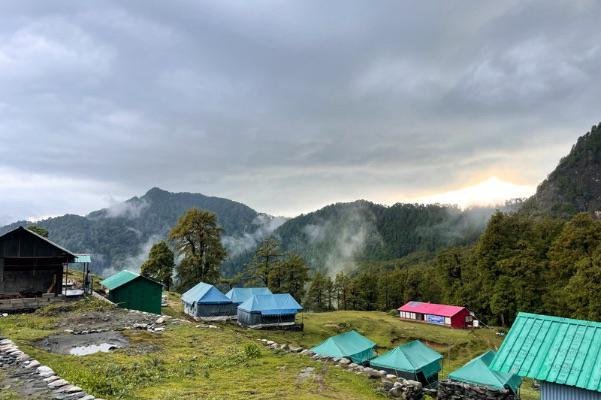
If you’re planning a Himalayan trek in Uttarakhand, chances are you’ll hear one name again and again—Lohajung.
Whether you are planning for the Roopkund trek, Ali Bedni Bugyal, or Brahatal trek. Your journey likely begins in a small, mist-covered village called Lohajung.
In this guide, we’ll walk you through everything you need to know about this vital base camp.
Where Is Lohajung Located and Why Is It Important for Himalayan Treks?
Geographic location of Lohajung in Uttarakhand
Lohajung is a small mountain village located in the Chamoli district of Uttarakhand, at an altitude of around 7,600 ft.
It lies near the banks of the Pindar River and offers clear views of Mt. Nanda Ghunti on good weather days.
Lohajung is the gateway to Garhwal Himalayan treks
For trekkers, Lohajung isn’t just a village; it’s a strategic launchpad. It serves as the primary administrative and logistical hub where forest permits are sorted, mules are hired, and local guides join expeditions.
Treks that officially start from Lohajung
Brahmatal Trek: Famous for its winter snow and views of Mt. Trishul.
Roopkund Trek: The legendary trail to the high-altitude glacial lake.
Ali Bedni Bugyal: A trek to some of Asia’s largest high-altitude meadows.
Kuari Pass trek (Lord Curzon Trail): An iconic crossing through the heart of Garhwal.
What Makes Lohajung Different from Other Himalayan Base Camps
Quiet village atmosphere vs commercial hill stations
Unlike Manali or Kasol, Lohajung has resisted heavy commercialization. There are no loud cafes or shopping malls. Instead, you get the sound of temple bells and the sight of locals carrying fodder, providing a peaceful environment to prepare your mind for the trail.
Cultural connection with local mountain communities
The local community here has a strong connection to its traditional way of life. Staying here allows you to witness the “Pahadi” way of life, from their stone-and-wood architecture to the vibrant local festivals dedicated to Goddess Nanda Devi.
Why trekkers feel safer acclimatizing here
At 7,600 ft, Lohajung is the perfect height to spend a night before jumping to 10,000+ ft. It allows your body to start producing more red blood cells without the risk of acute mountain sickness (AMS) that occurs at higher camps.
How to Reach Lohajung from Delhi, Rishikesh, and Dehradun
Route 1: Reaching Lohajung via Rishikesh (The Most Popular Path)
Most trekkers take an overnight bus from Delhi to Rishikesh. From Rishikesh, it’s a 10–12 hour drive through scenic towns like Devprayag, Srinagar, and Karanprayag.
Route 2: Traveling from Kathgodam/Haldwani (The Kumaon Connection)
If you prefer the train, take the Ranikhet Express to Kathgodam. From there, the drive to Lohajung via Almora and Gwaldam is slightly shorter (about 8–9 hours) and offers stunning views of the Kumaon hills.
Public Transport vs. Private Taxis: Costs and Timings
Shared Jeeps: Available early morning (5:00 AM to 7:00 AM) from Rishikesh or Karanprayag. Costs around ₹600–₹800 per seat.
Private Taxis: A Bolero or Maxx will cost between ₹6,000 and ₹8,000 for a full vehicle.
Why Dehradun is a Viable Alternative for Air Travelers
If you are flying into Jolly Grant Airport, you can skip Rishikesh and head straight toward Karanprayag. It’s a long day on the road, but it’s the fastest way for those coming from South or West India.
Common mistakes people make while planning transport
The biggest mistake is starting late. Mountain roads are unpredictable. Always aim to leave your starting city by 6:00 AM to ensure you reach Lohajung before sunset, as driving these roads at night is risky.
Road Conditions and Travel Experience While Approaching Lohajung
Navigating the Winding Curves of the Pindar River Valley
After Karanprayag, the road narrows and follows the river valley.
The views are stunning, but motion sickness is common—carry medication.
Safety Tips for Driving in the Garhwal Himalayas
Avoid night driving
Listen to local drivers
Travel during daylight hours
Mountain roads demand patience.
Lohajung Altitude and Weather
Lohajung’s altitude makes it ideal for acclimatization.
Weather changes quickly:
Spring/Summer: Pleasant days, cool nights
Monsoon: Landslide risk
Winter: Expect heavy snowfall. Temperatures can drop to -5°C.
Local Attractions: Hidden Gems in and Around Lohajung Village
The Lohajung Viewpoint: A Sunset Over Nanda Ghunti
A short 15-minute walk from the main market leads you to a ridge where Mt. Nanda Ghunti looks so close you could almost touch it. The sunset here is legendary.
Short Acclimatization Hikes Near the Village
walk toward the forest check post or take the trail toward Wan village for an hour to get your lungs used to the thin air.
Visiting the Ancient Temple of Goddess Gauri
The local temple is a spiritual heart for the villagers. It’s a quiet place to sit and observe the local customs before you head into the wilderness.
Where to Stay in Lohajung: Guesthouses, Homestays, and Trekker Lodges
Budget guesthouses for trekkers
There are several basic lodges and trekker-friendly guesthouses located in the main market area of Lohajung. These stays typically offer clean, simple beds and common washrooms—ideal for backpackers and those on a tight budget looking for a functional place to rest before hitting the trail.
For a more seamless experience, you can connect with Roopkund Heaven. They are highly experienced local operators who run regular trekking batches during the peak seasons. They have their own dedicated hotel and guesthouse facilities in Lohajung, ensuring you get reliable accommodation, authentic meals, and expert guidance all in one place.
Choosing an operator-owned stay often makes logistics like equipment rental and bag storage much easier for first-time trekkers.
Homestays for cultural experience
Best for those who want local food and stories.
Trek operator accommodations
Most organized and reliable for first-time trekkers.
What facilities to realistically expect
Hot water (limited hours)
Shared rooms
Power cuts are common
Booking tips during peak trekking season
Book early for:
May–June
December–February
In May, June, September, and October, Lohajung gets crowded. Always book your stay at least two weeks in advance.
Food, Network Connectivity, and ATM Availability in Lohajung
Types of food available for trekkers
You’ll find local staples like Dal Bhat, Mandua ki Roti (millet bread), and basic Indian/Chinese snacks. Maggi and chai are, of course, everywhere.
Mobile network coverage by provider
Jio: Generally has the best 4G connectivity.
Airtel: Reliable for calls, data can be patchy.
BSNL: Good for basic calls but don’t count on the internet.
Internet reliability and power cuts
The Internet is slow. Power cuts are frequent. Inform family in advance.
ATM availability and cash planning tips
No reliable ATM. Carry enough cash with you all time.
Responsible Trekking: Leave No Trace Principles for the Lohajung Region
How trekkers can reduce plastic usage
Responsible trekking starts with small habits. Use a reusable water bottle—Lohajung’s natural water sources are clean and accessible. Say no to plastic bottles, and make it a rule to carry back every wrapper you bring, disposing of waste only at designated points in the village.
Respecting local culture and traditions
The people of Lohajung consider the mountains sacred. Dress modestly, ask for permission before taking photos of locals, and never litter near temples or water bodies.