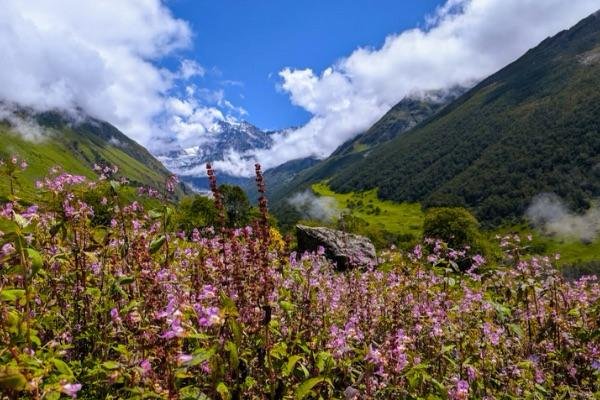
Ali Bedni Bugyal Trek Overview:
The Ali Bedni Bugyal trek is widely known as the most scenic part of the classic Roopkund route. Even though camping directly on the bugyals is now restricted to protect the fragile alpine ecosystem, the trek has adapted into a more sustainable and comfortable mix of homestays and designated campsites. This actually improves the experience for many trekkers—you get better rest, cleaner surroundings, and still enjoy the raw beauty of the Himalayas.
Altitude:
The trek reaches a maximum altitude of around 3,500m to 3,800m (11,500 ft to 12,500 ft) at Bedni Top.
This altitude range is considered ideal for Himalayan trekking because:
- You get clear views of major peaks like Trishul and Nanda Ghunti
- You experience mild altitude effects (slightly heavy breathing, faster fatigue)
- The risk of serious AMS is low compared to higher treks (above 4,500m)
However, beginners should not ignore acclimatization. Even at 11,000+ ft:
- You may feel tired faster
- Hydration becomes very important
- Sudden weather changes can impact energy levels
Distance: You will cover roughly 30–35 km over 6 days. The terrain transitions from dense Oak and Rhododendron forests to the sprawling alpine meadows that give the trek its name.
Difficulty Level: Rated as Easy-Moderate. While the gradients are manageable for beginners, the “steep” ascent from Didna to Ali Bugyal requires decent cardiovascular endurance.
Why Ali Bedni Bugyal is a Must-Do Trek in 2026:
In recent years, many Himalayan treks have become overcrowded, especially routes like Kedarkantha and Brahmatal. The ali bedni bugyal trek still offers a relatively peaceful experience, even during peak season.
What Is the Average ali bedni bugyal Trek Package Cost in the Current Year?
When booking an ali bedni bugyal trek package in 2026, you will encounter prices ranging from ₹8,500 to ₹15,000 per person. This variance isn’t just a matter of profit margins; it reflects the quality of safety gear, the expertise of the trek leads, and the nutritional value of the food provided at high altitudes. A “budget” package often cuts corners on oxygen cylinders, pulse oximeters, and the ratio of guides to trekkers—factors that are non-negotiable for a safe Himalayan experience.
The cost is largely influenced by the group size and the point of pickup. A package starting from Rishikesh or Kathgodam will naturally be higher than a package starting directly from the base camp at Lohajung. For 2026, expect to pay roughly ₹10,500 for a standard 6-day trek that includes transport from a major hub. This price accounts for the rising costs of fuel in the hills and the standardized wages for local porters and mules, ensuring that the local community in the Wan and Lohajung regions is fairly compensated.
What’s Included and Not Included in ali bedni bugayl Trek Package?
Usually Included:
- Accommodation: 2 Nights hotel accommodation in Lohajung on Triple / Quad sharing basis + 3 Nights tented accommodation during the trek on Triple sharing basis.
- Meals: All Meals starting from Dinner from day 1st till Morning tea on day 6th.
- Snacks: Morning Tea, Evening Tea/ Coffee with Light snacks and Soup while on trek.
- Camping Logistics: Camping tent, Trekking mat, sleeping bag, Dining tent, Toilet tent and Toilet stool.
- Camping Equipment: Gaiters, Micro spikes and Rope (If required).
- Permits: All necessary fees and permits (for Indian).
- Trek Leader: Certified and Experienced Trek leader.
- Guide and Support Team Ratio: Experienced Guide and Support staff (depends on the number of participants).
- Medical Ad: Basic First Aid Kit, Oxi Meter and Oxygen Cylinder.
- Transportation: Surface Transfer from Rishikesh to Rishikesh by Sumo / Bolero or Tempo Traveller – Non A/c (Depends on the number of Trekkers).
Note: Transportation is not included for participants opting for the Lohajung–Lohajung package.
Cloak Room: Cloak room facility at the base camp for extra luggage.
Not Included:
- Any expenses of personal nature.
- Meals during transit.
- Insurance of any kind.
- Unscheduled delays due to landslides or other natural causes.
- Cost escalation due to Force Majeure situations or evacuation charges.
- Anything not mentioned explicitly in the above inclusions.
Note: – Bag offloading cost: ₹1,600 per bag (maximum weight should not exceed 10 kg).
Always confirm inclusions before booking—this is where most confusion happens.
How Much Extra Money Should You Keep?
While your package covers the essentials, the Himalayas have a way of presenting unexpected costs. As a rule of thumb, carry ₹3,000 to ₹5,000 in cash.
Why cash? Because once you leave Rishikesh, ATM reliability drops to near zero, and digital payments in Lohajung are often thwarted by “No Service” bars on your phone.
Recommended buffer: ₹2,000 – ₹4,000
Why?
- Tea/snacks on trail: ₹50–₹150 per stop
- Mobile charging: ₹100–₹200
- Emergency transport
- Tips for guides/support staff
In remote villages, UPI may not always work, so cash is essential.
Hidden Costs: Offloading, Permits, and Personal Expenses
Many trekkers underestimate these.
Common hidden costs:
- Backpack offloading: ₹300–₹500 per day
- Poncho/shoes rental: ₹300–₹800
- Extra meals in Lohajung
- Last-minute gear purchase
Real scenario:
A “₹8,500 package” can easily become ₹14,000 if you’re not prepared.
The smartest approach:
Carry your own gear and train enough to avoid offloading.
Why most of the trekkers prefer Roopkund Heaven for ali bedni bugayl trek
Many trekkers choose Roopkund Heaven because they offer Best ali bedni bugayl trek package without compromising on safety gear or food quality. And also their strong local presence and long-term experience in the region.
Being Uttarakhand-based helps them manage logistics better and respond quickly to weather or route changes.
Trekkers often highlight:
- Transparent pricing with no hidden costs
- Local guides who understand terrain and culture
- Flexible planning based on forest permissions
For a trek as sensitive as Roopkund, operator reliability matters more than discounts.
Latest Itinerary: The 6-Day Journey
The 6-day itinerary for the ali bedni bugyal trek is designed for optimal acclimatization.
Day 1: Reaching the Base Camp at Lohajung
The journey begins with a 210 km drive from Rishikesh or Kathgodam. This isn’t just a commute; it’s a breathtaking introduction to Uttarakhand. You will pass through the “Prayags” (confluences) of the holy rivers. As you climb higher toward Lohajung (7,660 ft), the air turns crisp and the air smells of pine.
Experience Note: Use this day to hydrate. The winding roads can cause motion sickness even in seasoned travelers. Once at Lohajung, your trek leader will conduct a briefing and a health check (oxygen/pulse). This is the last night of “proper” beds and electricity—use it to charge your power banks.
Day 2: Trekking through the Oak Forests to Didna Village
The trek officially kicks off with a descent toward the Neel Ganga river, followed by a steady climb. You will be walking through ancient forests of Oak and Rhododendron (locally called Buransh). If you are trekking in March or April, the trail will be a riot of crimson flowers.
Expertise Tip: The descent to the river can be hard on the knees. Use your trekking poles from Day 1 to distribute the weight. You’ll reach Didna, a quaint high-altitude village, where you’ll likely stay in a traditional homestay. This gives you a rare glimpse into the Bhotiya culture of the region.
Day 3: The Ascent to the Twin Meadows of Ali Bugyal
This is the most challenging yet rewarding day. You will climb through the “Tolpani” forest—a steep zig-zag path that tests your lungs. As you break out of the treeline, the world opens up into ali bedni bugyal, uttarakhand.
The Sight: Ali Bugyal is one of the largest high-altitude meadows in Asia. It feels like a giant green carpet spread out for the gods. You will camp at the edge of the meadow, watching the sunset turn Mt. Trishul into a golden pyramid.
Day 4: Exploring Bedni Bugyal and the Sacred Bedni Kund
A short, scenic walk takes you from Ali Bugyal to Bedni Bugyal. Bedni is more “dramatic,” featuring the sacred Bedni Kund—a high-altitude lake that plays a central role in the Nanda Devi Raj Jat Yatra.
Acclimatization: We use this day to hike up to “Bedni Top” for 360-degree views of the Greater Himalayas, including Chaukhamba and Neelkanth. It’s a day for photography and reflection, keeping the physical exertion low to prepare for the long descent.
Day 5: Descent to Wan Village and Return to Lohajung
The return journey takes you through the deep forests of Ghairoli Patal. It’s a steep descent through some of the oldest trees in the region. You will eventually reach Wan, a village famous for its ancient Cypress trees and the Latu Devta temple.
Logistics: From Wan, a local jeep will pick you up for the 1-hour drive back to Lohajung. The first hot tea back at the base camp tastes like victory. It’s a night of celebration with your trekking team.
Day 6: Departure from Lohajung to Rishikesh/Kathgodam
After an early breakfast, you bid farewell to the peaks. The drive back is a great time to exchange photos and contact details with your fellow trekkers. You should expect to reach Rishikesh by 7:00 PM, so book your onward journey (train or flight) for late at night or the following morning.
Best Time to Visit: Seasonal Highlights
The ali bedni bugyal trek is a rare “all-season” gem, but the experience changes drastically depending on when you go.
Spring (March to May): This is the season of flowers. The Rhododendrons are in full bloom, and the meadows are a fresh, vibrant green. There might be patches of snow at Bedni Top, making it perfect for those who want a “snow experience” without the extreme cold.
Autumn (September to November): Post-monsoon, the air is at its clearest. If you are a photographer, this is your window. The views of Mt. Trishul are razor-sharp, and the meadows turn a beautiful golden-brown. The nights are colder, but the stability of the weather is much higher.
Winter (December to February): Only for the brave. The meadows are buried under 3–4 feet of snow. The trek becomes a “Winter Wonderland” experience, requiring gaiters and serious cold-weather gear.
Best overall:
May–June and September–October
Essential Preparation & Fitness Guide
Many beginners underestimate preparation.
Fitness Plan (3–4 Weeks)
Focus on:
- Running (3–5 km daily)
- Stair climbing (15–20 mins)
- Leg strength workouts
Why this matters:
- Prevents fatigue
- Reduces risk of injury
- Helps avoid altitude issues
Packing Essentials
Must carry:
- Waterproof shoes
- Poncho/rain cover
- Warm layers
- Trekking pole
Avoid overpacking:
Heavy bags increase fatigue
Realistic Expectations
- No luxury washrooms
- Limited network
- Basic food
If you’re mentally prepared, the experience becomes much better.
Frequently Asked Questions About Ali Bedni Bugyal Trek Package
1. Is Ali Bedni Bugyal trek suitable for beginners?
Yes, but only if you have basic fitness. The trek involves long walking hours and gradual altitude gain, which can feel tiring. It’s beginner-friendly trek compared to other Himalayan treks, but not effortless.
2. What is the total cost of Ali Bedni Bugyal trek?
The total cost ranges from ₹9,000 to ₹14,000 including travel, personal expenses, and package cost. Budget planning is important to avoid last-minute surprises.
3. Can I do Ali Bedni Bugyal trek without a package?
Yes, it’s possible. However, beginners should prefer a package for safety, logistics, and navigation, especially in remote areas. Another advantage of choosing a package is that it helps you avoid unexpected extra charges like permits, campsite setup, guide fees, and last-minute arrangements, which can become costly if you plan everything on your own.
4: Is there mobile network on the Ali Bedni Bugyal trek?
A: Network is extremely spotty. You will get BSNL/Jio signals at Lohajung. Once you start trekking toward Didna and Ali Bugyal, you will be in a “dark zone.” Inform your family beforehand that you will be unreachable for 4 days. This is actually a blessing—it allows you to truly disconnect.
5: Can I do this trek solo or without a package?
A: While possible, it is highly discouraged. The Uttarakhand Forest Department has strict permit rules, and navigating the forest trails without a local guide can be dangerous due to sudden weather changes and wildlife. A standard ali bedni bugyal trek package ensures you have the necessary permits, food logistics, and emergency support.
6: How do I manage oxygen levels during the trek?
A: The best way to manage oxygen is to “walk like a turtle”—slow and steady. Don’t rush or compete with others. Your trek leader will check your SpO2 levels every evening. If your oxygen levels drop below 80%, they will likely advise you to descend or use supplemental oxygen. Hydration (3-4 liters of water) is the best natural way to keep oxygen flowing.
7: Is the water on the trail safe to drink?
A: The water from Himalayan streams is generally very pure. However, to be 100% safe, use chlorine tablets or a portable filter (like a Lifestraw). Most trek packages provide boiled and cooled water at the campsites, which is the safest option for sensitive stomachs.
8: What is the age limit for this trek?
A: There is no strict age limit, but we generally recommend it for anyone between 8 and 65 years old. Children should have prior experience in long walks, and seniors should consult a doctor regarding heart and lung health before booking an ali bedni bugyal trek package.
9: How many days are required for this trek?
Typically 5–6 days including travel and trekking. Adding Roopkund extensions increases duration.
10: Is network available during the trek?
Network is limited. You may get signal at Lohajung and partially at Didna, but expect no connectivity in higher camps.