Most trekkers don’t just “visit” Sankri—they start their journeys from here. Whether it’s Har Ki Doon, Kedarkantha, Ruinsara Tal, Bali Pass, Borasu Pass, Dev Kyara Bugyal, Bharadsar Lake, Saru Tal, Nalgan Pass, Maldaru , this small village quietly powers some of the most iconic Himalayan treks.
In this guide, you’ll understand where Sankri is, why it matters, how to reach it, what to expect from weather, stay options, and real on-ground travel conditions—so you can plan your trip without confusion or last-minute surprises.
Where is Sankri Village? Location, Altitude & Overview
Sankri is a small Himalayan village located in the Uttarkashi district of Uttarakhand. It is perched at an altitude of approximately 1,950 meters (6,400 feet) within the pristine boundaries of the Govind Wildlife Sanctuary. For those looking at a map, it sits roughly 200 km away from the state capital, Dehradun.
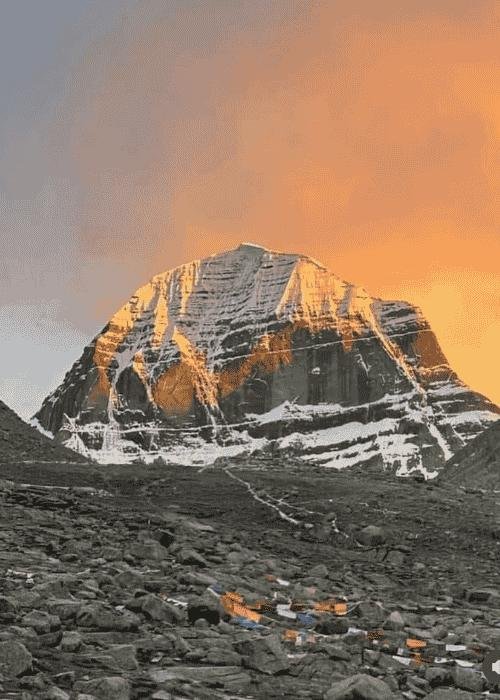
Because of its unique location, it offers stunning 360-degree views of massive peaks like Mt. Swargarohini and Black Peak. It is part of the Jaunsar-Bawar region, which is famous for its unique wooden architecture and deep mythological ties to the Mahabharata. When you arrive, you’ll notice the village isn’t just a transit point; it’s a living museum of Himalayan culture.
Key location facts:
- Region: Uttarkashi, Uttarakhand
- Altitude: ~1,950 meters
- Nearest major city: Dehradun (~200 km)
- Base camp for: Kedarkantha, Har Ki Dun, Bali Pass, Rupin Pass, Ruinsara Tal, etc.
What makes Sankri unique is its 360-degree mountain views, especially peaks like:
- Swargarohini
- Black Peak (Kala Nag)
Why Sankri Village is Important for Himalayan Treks
Calling Sankri just a village would be an understatement. It’s actually one of the most important trekking hubs in India. Without this village, the logistics of reaching the remote inner valleys of Uttarkashi would be nearly impossible.
The village acts as a supply hub, a recruitment center for local guides, and the final point of civilization where you can stock up on essentials. It provides a vital economic backbone to the local communities through trekking and tourism, ensuring that the heritage of the region is preserved while adventurers from across the globe get to experience the raw beauty of the Govind Pashu Vihar National Park.
Treks Start from Sankri Village (Nearby Famous Locations to Visit)
Sankri serves as the primary base camp for some of the most iconic treks in the Garhwal Himalayas, ranging from beginner-friendly winter trails to grueling high-altitude passes. Below is a detailed breakdown of the popular treks originating from this village:
1. Kedarkantha Trek
Kedarkantha trek widely considered India’s most popular winter trek, especially for beginners.
Highlight: It is renowned for its majestic 360-degree summit views of massive peaks like Swargarohini, Black Peak, and Bandarpoonch.
Best Time: December to April is ideal for snow lovers, while April to June offers lush greenery.
Difficulty: Easy to Moderate, making it an ideal first-time Himalayan experience.
2. Har Ki Dun Trek
Known as the “Valley of Gods,” this trek offers a deep dive into ancient Himalayan culture and mythology.
Highlight: Trekkers walk through 2,000-year-old wooden villages like Osla and Gangaad, which still preserve ancient traditions and unique architecture.
Landscape: A cradle-shaped valley at an altitude of approximately 3,566 meters, surrounded by alpine meadows and views of the Swargarohini massif.
Best Time: April to June and October to November.
3. Bali Pass Trek
A challenging expedition that connects the Har Ki Dun Valley to the Yamunotri Valley.
Highlight: Crossing the high-altitude Bali Pass at approximately 4,950 meters requires navigating steep ridges and deep snow.
Experience: It offers a dramatic transition from the lush greenery of the Har Ki Dun valley to the alpine beauty of Ruinsara Tal.
Difficulty: Challenging; recommended only for experienced trekkers.
4. Rupin Pass Trek
Rupin pass trek is Famous for its “surprises” around every corner, this trek crosses from Uttarakhand into Himachal Pradesh.
Highlight: The trek features a unique three-stage waterfall and a final, thrillingly steep climb to the pass.
Landscape: The scenery changes rapidly from pine forests to hanging villages and eventually glacial meadows.
Best Time: May to June and September to October.
5. Phulara Ridge Trek
One of the rare ridge treks in the Himalayas where you walk along a high-altitude spine for nearly an entire day.
Highlight: Unlike valley treks, this offers constant 270-degree views of the surrounding snow-capped ranges.
Experience: The trail concludes at the beautiful meadows of Pushtara, offering a serene and less-crowded alternative to Kedarkantha.
6. Ruinsara Tal & Dev Kyara Bugyal
These treks focus on hidden alpine lakes and meadows within the Govind Pashu Vihar National Park.
Ruinsara Tal: A sacred high-altitude lake surrounded by rhododendron bushes and snowy peaks, often visited en route to Bali Pass.
Dev Kyara: A massive, hidden valley meadow often compared to the Har Ki Dun valley but with far fewer crowds.
7. Borasu Pass & Other High-Altitude Passses
For those seeking extreme adventure, Sankri provides access to technical routes:
Borasu Pass: A high-altitude pass (5,450m) that connects the Har Ki Dun valley with the Baspa valley in Himachal Pradesh.
Maldaru Tal: A high-altitude glacial lake trek that is much steeper and more secluded than the standard trails.
Nearby places to explore (without long treks):
- Taluka village (short drive from Sankri)
- Osla village (traditional Himalayan culture)
- Saur village (zipline experience)
If you’re not into intense trekking, you can still enjoy:
- Short hikes
- Forest walks
- Mountain views
This flexibility makes Sankri suitable for both trekkers and relaxed travelers.
Why We Prefer Roopkund Heaven for Uttarakhand Trek
Planning a trek in uttarakhand which starts from Sankri. it isn’t just about reaching there—it’s about managing logistics in a remote region. That’s where experienced operators come in.
We prefer operator like Roopkund Heaven because they are ground-level expert. They manage all things—from forest permits and high-quality gear to nutritious meals and local guides who know the terrain like the back of their hand. Using a local expert ensures that your safety is never compromised and that your money goes directly into the local economy, supporting the very people who make these treks possible.
How to Reach Sankri Village from Major Transport Hubs
Getting to this remote corner involves a beautiful but long journey.
Dehradun to Sankri: This is the most popular route. The Sankri distance from Dehradun is about 200 km. It is a 7–10 hour drive that takes you through Mussoorie, Purola, and Mori.
By Bus: Early morning private and HRTC buses leave from near the Dehradun Railway Station (usually around 5:30 AM to 7:00 AM).
By Shared Taxi: You can find shared Maxx or Boleros from the Parade Ground or Railway Station in Dehradun.
From Delhi/Haridwar: Travelers from Delhi usually take an overnight train or bus to Dehradun and then continue the journey by road the next morning.
Accommodation Options: Homestays in Sankri Village, Uttarakhand
In Sankri, you’ll mostly find homestays and guesthouses that offer a glimpse into the local lifestyle. Luxury hotels are rare in this remote region, and that is actually part of its charm.
Staying in a Sankri village homestay means you get to eat authentic Pahadi food, sit by a traditional wood-fired hearth, and listen to stories of the valley from the elders. Most rooms are clean, basic, and built with deodar wood to keep the interiors warm during the freezing winters.
Best Time to Visit Sankri Village in Uttarakhand (Season Guide)
Summer (April to June): Ideal for trekking to Har Ki Dun or Bali Pass. The meadows are lush green, and the Sankri temperature is pleasant (10°C to 25°C).
Autumn (October to November): The best time for clear mountain views and photography. The air is crisp and the skies are sapphire blue.
Winter (December to February): The peak season for snow lovers. The village turns into a white wonderland, and the Sankri weather can see temperatures drop to -5°C.
Monsoon (July to August): Trekking is difficult due to landslides and leeches, but the region is at its greenest.
Road Conditions and Travel Experience While Approaching Sankri Village
The road from Dehradun to Sankri is a mix of smooth highways and narrow mountain bends. Once you cross Purola, the roads get narrower as you enter the Tons River valley.
The drive is mesmerizing, following the turquoise waters of the Tons and Yamuna rivers. However, travelers should be prepared for bumpy patches near Mori and Netwar, especially during or after the rainy season. It is a classic Himalayan road trip experience—thrilling, scenic, and best enjoyed with a sturdy vehicle and an experienced hill driver.
Weather in Sankri Village: What Trekkers Should Expect
The Sankri weather is typical of the high Himalayas.
Summer: Days are sunny and warm, while nights remain cool enough to require a light sweater.
Winter: It is a different world. Expect heavy snowfall, and ensure your Sankri base camp stay has enough blankets!
Sankri temperature in winter often stays between 5°C during the day and -5°C at night. Always check the forecast before leaving Dehradun to pack the right layers.
Responsible Trekking: Leave No Trace Principles for the Sankri Village
As Sankri grows in popularity, the pressure on the Govind Wildlife Sanctuary increases. Responsible trekking is the only way to save this paradise.
Carry Back Plastic: Whatever you take up the mountain, bring it back to the village for proper disposal.
Respect Culture: Ask for permission before taking photos of locals or their temples.
Stay on Trails: Do not create new paths through the meadows; it leads to soil erosion.
Minimize Noise: You are in a wildlife sanctuary; keep the music and loud shouting for the plains.
Frequently Asked Questions (FAQs)
1. Is there a mobile network in Sankri?
BSNL is the most reliable, but lately, VI and Jio have started providing intermittent signals. Don’t expect high-speed 4G; consider it a digital detox!
2. Are there ATMs in Sankri?
No. The last reliable ATMs are in Purola or Mori. Always carry enough cash from Dehradun for your trek fees, tips, and local shopping.
3. What is the distance from Dehradun to Sankri?
It is approximately 200 km, which usually takes 8 to 10 hours depending on the road conditions and traffic.
4. Can I get trekking gear in Sankri?
Yes, several local shops in the village market provide trekking shoes, jackets, and poles on rent at very reasonable prices. If you are trekking with roopkund heaven so you can buy rental gear with your tour package.
5. Do I need a permit to enter?
Yes, since it’s inside the Govind Wildlife Sanctuary, you need a forest permit which is available at the Netwar check post. If you book your trek with Roopkund heaven, they handle this for you.