Adi Kailash Om Parvat Trek Complete Guide
There’s a point on this journey where the noise of cities fades completely, and all that remains is the sound of wind moving through vast, empty valleys. The Adi Kailash Om Parvat Trek is not built for casual sightseeing—it’s designed for those who want to experience the Himalayas in their rawest, most spiritual form.
If you’re planning the adi kailash trek in 2026, chances are you’re trying to figure out the real picture—how difficult it actually is, what the permit process looks like on ground, how much the adi kailash tour package costs, and whether the journey is manageable without unnecessary complications. This guide answers those questions with practical clarity.
This adi kailash yatra route takes you deep into the Kumaon Himalayas, close to the Indo-Tibetan border, where infrastructure is limited and nature dominates every decision. You’ll pass through remote villages, cross high-altitude zones, and face sudden weather shifts that are typical of adi kailash weather conditions. But what makes it worth the effort is the rare combination of spiritual significance and untouched terrain—something you won’t find on more commercial treks.
Inside this guide, you’ll get:
- A realistic itinerary (day-by-day breakdown)
- Clear understanding of difficulty and fitness needs
- Step-by-step permit process (ILP and SDM ground reality)
- Detailed cost analysis with hidden expenses
- Practical travel insights based on actual conditions
If you prepare properly, this journey becomes structured and manageable. If you go in unplanned, even small issues can slow you down in a region where options are limited.
Key Highlights of Adi Kailash Om Parvat Trek
Adi kailash & om parvat trek offers a visual and spiritual feast that is unique even by Himalayan standards. The transition from lush green valleys to the stark, arid beauty of the high-altitude border region creates a dramatic backdrop for these highlights.
The Sacred “Om” Formation on Om Parvat
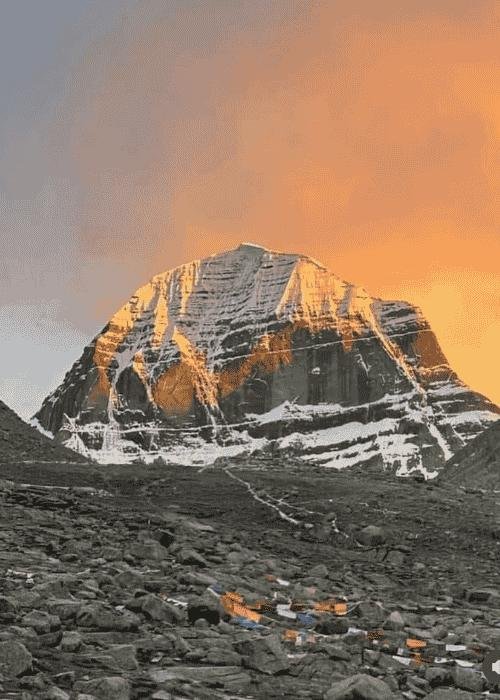
Om Parvat is a marvel of nature. The snow deposition on the black mountain face naturally forms the Sanskrit syllable “ॐ” (Om). Seeing this formation is considered a rare blessing, as it is only visible from specific vantage points near Nabhidhang. The precision of the lines formed by the mountain’s ridges makes it seem as though it was hand-carved by divinity.
Gauri Kund and Parvati Sarovar: Lakes of Divinity
Parvati Sarovar, located at the base of Adi Kailash, is a mirror-like lake reflecting the snow-capped peaks. Nearby, Gauri Kund offers a tranquil spot for pilgrims and trekkers to offer prayers. These water bodies are not just scenic; they are the lifelines of the local folklore, believed to be the bathing places of Goddess Parvati.
Views of the Annapurna Range and Mount Pandav
While the focus remains on the sacred peaks, the adi kailash trek provides sweeping views of the Annapurna range in Nepal and the five peaks of Mount Pandav. The sheer scale of these mountains against the deep blue Himalayan sky provides a perspective of insignificance and awe that stays with you long after the trek ends.
Darshan of Adi Kailash (Jolingkong Lake & Parvati Sarovar)
Reaching Jolingkong is the emotional peak of the journey. Here, the proximity to the Adi Kailash peak allows for an intimate “Darshan.” You can walk to the edge of Parvati Sarovar, where the reflection of the mountain creates a “double” Adi Kailash, a sight that is particularly breathtaking during the golden hours of sunrise.
Om Parvat Natural ‘ॐ’ Formation View
The trek to Nabhidhang is dedicated entirely to witnessing Om Parvat. Unlike other peaks where you might need to scramble to the top, the beauty of Om Parvat lies in its observation. The natural snow-patterns are most vivid in the early morning before the clouds roll in, making the early trek to the viewpoint absolutely essential.
High-Altitude Himalayan Landscapes & Remote Villages
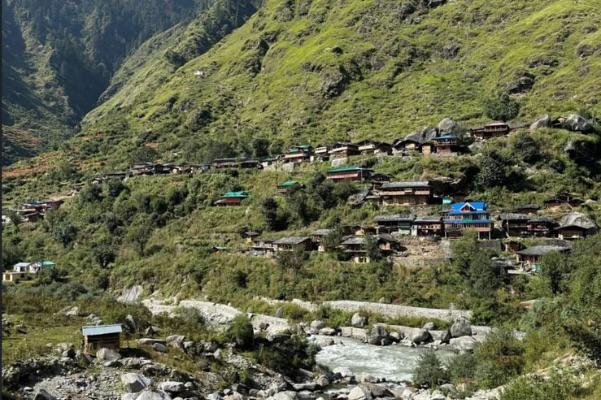
The trek takes you through the villages of Gunji, Nabi, and Kuti. These are some of the most remote settlements in India. You will see traditional stone houses with intricate wood carvings, vast barley fields, and a landscape that shifts from cedar forests to high-cold deserts.
Cultural Experience in Indo-Tibetan Border Region
The local Rung community has a rich heritage influenced by their proximity to Tibet. Engaging with the villagers in Nabi or Gunji offers a glimpse into a lifestyle that has survived for centuries in extreme conditions. Their hospitality, traditional attire, and unique dialect add a profound cultural layer to the physical trek.
Adi Kailash Om Parvat Trek Itinerary
A well-planned Adi Kailash Om Parvat Trek itinerary is the difference between a successful journey and an exhausting ordeal. This 8-9 day plan is designed for optimal acclimatization.
Day 1–2: Arrival at Dharchula and Permit Process
Dharchula is the gateway to the adi kailash trek. Situated on the banks of the Kali River, it shares a border with Nepal. Most of Day 1 and 2 are spent at the SDM office and local police station. You must undergo a mandatory medical check-up here. Use this time to explore the local market and get your body used to the humid heat of the valley before ascending to the cold heights.
Day 3–4: Dharchula to Gunji via Nabi Village
The journey from Dharchula to Gunji is now largely covered by road, but the ascent is steep. You will pass through scenic spots like Chialekh, which offers the first view of the high-altitude meadows. Staying in Nabi village (near Gunji) is recommended for its charming homestays. These two days are critical for acclimatization as you cross the 10,000 ft mark.
Day 5: Gunji to Om Parvat Darshan
From Gunji, a road leads toward Nabhidhang, the base for Om Parvat. The drive/trek offers stunning views of the Kali River. After witnessing the “Om” formation, you return to Gunji or Nabi for the night. This day involves significant altitude gain, so keeping hydrated is paramount.
Day 6: Gunji to Jolingkong (Adi Kailash Base)
This is the day you head toward the base of Adi Kailash. The route passes through the ancient village of Kuti, named after Kunti (mother of the Pandavas). Jolingkong is situated at approximately 14,000 ft. Here, you visit Parvati Sarovar and the Adi Kailash temple. The air is thin, and the wind is cold, but the sight of the peak is revitalizing.
Day 7–8: Return Journey to Dharchula
The descent is much faster but requires caution to avoid knee strain. You trace your path back through Gunji and down to Dharchula. The final evening in Dharchula is usually a celebratory one, marking the completion of a sacred circuit.
Best Time to do Adi Kailash Trek: Season-Wise Weather Guide
The Adi Kailash weather dictates the accessibility of the trail. Since the region is high-altitude, the window for travel is narrow.
Summer (May to June): Best Time for Clear Views
May and June is the most popular time for the Adi Kailash trek. The snow has melted from the roads, but the peaks are still heavily laden, making the “Om” symbol very prominent. Daytime temperatures are pleasant (15°C to 20°C), though nights remain cold (near 0°C).
Monsoon (July to August): Risks and Road Conditions
Trekking during the monsoon is for the experienced and the patient. While the valleys turn a vibrant green and the waterfalls are in full force, the risk of landslides on the road to Dharchula is extremely high. Cloud cover often obscures the peaks, potentially ruining the Darshan.
Autumn (September to October): Ideal for Photography
Post-monsoon, the dust is washed away, resulting in the clearest skies of the year. The landscape turns golden, and the visibility of Adi Kailash and Om Parvat is at its peak. This is arguably the best time to do Adi Kailash trek for photographers.
Winter (November to April): Route Closure and Snow Conditions
Heavy snowfall cuts off the Vyas Valley. The villages of Gunji and Nabi are often evacuated as temperatures plumet to -20°C. The trek remains officially closed to tourists during this period.
Is Adi Kailash Trek Suitable for Beginners?
The question of suitability depends on how you define “beginner.” While the adi kailash trek does not require technical mountaineering skills (ropes or ice axes), it is a high-altitude endurance test.
Difficulty Level and Terrain Reality
The terrain is a mix of motorable roads and rocky trails. In 2026, many sections that were previously trekked are now accessible by 4×4 vehicles, which has reduced the physical strain. However, the walking portions are still “Moderate” due to the steep gradients and uneven surfaces.
Fitness Level Required for First-Time Trekkers
A beginner must have a solid cardiovascular base. You should be able to walk 5-8 km with a light backpack without getting breathless. Starting a fitness regime 2 months in advance—including jogging, stairs, and core exercises—is non-negotiable.
Challenges You Should Be Prepared For
- Thin Air: Oxygen levels at Jolingkong are significantly lower than at sea level.
- Basic Amenities: Do not expect luxury. Life here is rudimentary.
- Temperature Swings: It can go from sweating in the sun to shivering in the shade in minutes.
Who Should Avoid This Trek
People with chronic respiratory issues, severe heart conditions, or untreated high blood pressure should consult a specialist. Since medical help is hours (or a helicopter ride) away, honesty regarding your health is vital.
How to Reach for Adi Kailash Trek from Major Cities in India
Reaching the edge of the Indo-Tibetan border is an adventure in itself.
Reaching Dharchula from Delhi
The most common route is to take an overnight train (Ranikhet Express) or bus from Delhi to Kathgodam/Haldwani. From there, it is a 10-12 hour drive to Dharchula. Alternatively, you can fly to Pithoragarh if flights are operational.
Routes from Mumbai, Bangalore, and Other Metro Cities
Travelers from South or West India should fly into Delhi or Dehradun. From Dehradun, you can take a long-distance cab or bus through the scenic hills of Almora and Pithoragarh to reach Dharchula.
Nearest Airport, Railway Station, and Road Connectivity
- Airport: Naini Saini Airport (Pithoragarh) is closest but has irregular flights. Pantnagar Airport is the reliable alternative.
- Railway Station: Kathgodam is the final railhead.
- Roads: Well-connected via NH09, though prone to monsoon delays.
Last Mile Travel: Pithoragarh to Dharchula
The final 90 km from Pithoragarh to Dharchula takes about 3-4 hours. The road hugs the Kali River and offers a thrilling entry into the border town.
Adi Kailash Trek Permit Registration and Complete ILP & SDM Process Guide
Because this is a sensitive border area, the Adi Kailash trek requires an Inner Line Permit (ILP).
Adi Kailash Trek Permit Fee 2026: A Detailed Cost Breakdown
The permit fee itself is nominal, but there are associated costs for police verification, notarized affidavits, and medical examinations. Expect to spend around ₹1,000–₹1,500 on the administrative process in Dharchula.
How to Get Adi Kailash Permit for a Self-Planned Trip vs. Tour Package
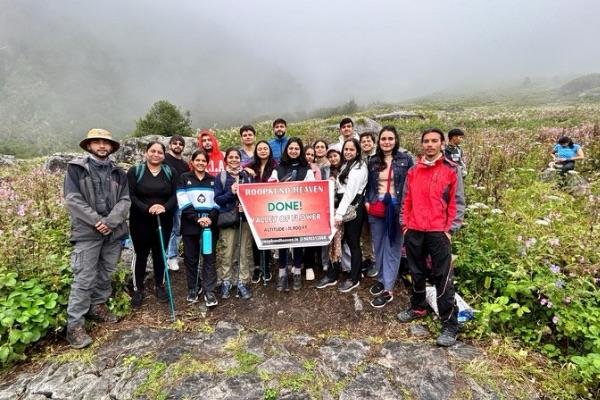
If you are planning to book a adi kailash tour package, We prefer tour operators like Roopkund Heaven or adikailashyaatra. These agencies take your documents in advance and have your Adi Kailash permit registration ready or pre-processed by the time you reach Dharchula.
For solo travelers, you must visit the SDM office in Dharchula personally with all your documents. It is cheaper but can take 24 to 48 hours of your travel time just for the paperwork.
Step-by-Step Adi Kailash Permit Registration Online: Official Portal Guide
In 2026, Uttarakhand has moved much of the registration to an online portal. You upload your ID, photo, and medical report to get a “provisional” permit, which must then be stamped in Dharchula.
Who Is Eligible for Adi Kailash Yatra Registration?
Only Indian citizens are currently allowed to visit the core areas of Adi Kailash and Om Parvat. Foreign nationals are restricted due to the proximity to the Tibet border.
SDM Dharchula Permit Process: How Approval Actually Works on Ground
Even with online forms, you must present yourself for a physical verification. The SDM office checks your medical fitness and ensures you have a local guide or porter.
Checkposts on the Adi Kailash Route Where Your ILP Is Verified
Expect your documents to be checked at Dharchula, Gunji, and Nabhidhang by the ITBP (Indo-Tibetan Border Police). Keep multiple photocopies of your permit and ID.
Documents Required for Adi Kailash Inner Line Permit (Complete Checklist)
- Aadhar Card (Original + 5 copies)
- Medical Fitness Certificate (issued by a Govt. Doctor)
- 4 Passport-sized photographs
- Police Verification Report (Character Certificate)
- Notarized Affidavit on ₹10 stamp paper
What Is the Adi Kailash Trek Package Cost in 2026?
The Adi Kailash trek package varies depending on the level of comfort and the starting point (Kathgodam vs. Dharchula).
What Is the Average Adi Kailash Trek Package Cost in 2026?
A standard 8-day package usually ranges from ₹35,000 to ₹45,000 per person. This typically includes transport from Kathgodam, basic homestays, meals, and permit assistance.
Typical range of package:
- Budget group packages: ₹25,000 – ₹35,000
- Standard packages: ₹35,000 – ₹50,000
- Premium/private packages: ₹50,000+
Cost depends on:
- Type of vehicle (Bolero vs Tempo Traveller)
- Accommodation quality
- Group size
- Inclusion of permits and coordination
What’s Included and Excluded in an Adi Kailash Trek Package?
- Included: 4×4 transport in the hills, guide fees, Inner Line Permits, vegetarian meals.
- Excluded: Personal laundry, insurance, offloading of bags, and emergency evacuation.
How Much Extra Money Should You Keep?
Keep at least ₹5,000–₹10,000 in cash. There are no ATMs beyond Dharchula, and you may need it for unexpected mule hires or local purchases.
Recommended Adi Kailash Packages for a Hassle-Free Journey
We highly recommend booking through Roopkund Heaven. Their Adi Kailash Trek package is renowned for its transparency, local guide expertise, and seamless handling of the SDM permit process. Using an experienced operator is safer in this sensitive zone.
Accommodation, Food & Facilities During the Adi Kailash Om Parvat Yatra
Stay Options: Dharchula, Gunji, Nabi, Kuti
In Dharchula, you will find decent hotels. However, beyond that, you will stay in traditional homestays or ITBP-managed guest houses. These are clean but very basic, usually with shared bathrooms.
Food Availability and Meal Type
Meals are strictly vegetarian. Expect “Pahadi” food—Dal, Chawal, Sabzi, and Roti. In high altitudes, the diet focus is on carbohydrates and garlic-heavy soups to help with oxygen absorption.
Mobile Network, Electricity, and ATMs
- Network: BSNL is the only hope beyond Dharchula, and even that is patchy.
- Electricity: Solar power is common. Charging points are limited; carry a high-capacity power bank.
- ATMs: Last reliable ATM is in Dharchula.
Toilet and Basic Facilities in Remote Areas
At base camps like Jolingkong, facilities are limited to pit toilets or basic community latrines. Always carry your own toilet paper and biodegradable wipes.
Essential Packing List for Adi Kailash Trek
Clothing for High Altitude Weather
- Thermal base layers (Top & Bottom)
- Fleece or down jacket (for -5°C to -10°C)
- Waterproof trekking pants and a sturdy poncho for rain.
Documents and Permit Essentials
Carry a waterproof folder containing your original Aadhar, 10 passport photos, medical reports, and the notarized affidavit.
Medical Kit and Personal Safety Gear
- Diamox (for altitude), Oximeter, Painkillers, and Digestion tablets.
- Sunscreen (SPF 50+) and polarized sunglasses to prevent snow blindness.
Backpack and Accessories Checklist
- 50-60L main backpack + 20L daypack.
- Headlamp with extra batteries.
- Two 1-liter water bottles (insulated).
Safety Tips & Altitude Sickness Awareness
Safety in the Adi Kailash om parvat is 10% gear and 90% awareness.
Understanding AMS (Acute Mountain Sickness)
AMS occurs when your body cannot adapt to the decrease in oxygen. It can happen to anyone, regardless of fitness.
Symptoms You Should Not Ignore
- Persistent headache that doesn’t go away with water or rest.
- Loss of appetite and nausea.
- Dizziness or “drunk-like” walking (Ataxia).
Prevention Tips for High Altitude Travel
The golden rule is “Climb high, sleep low.” Ascend gradually. Drink 4-5 liters of water daily. Avoid alcohol and smoking entirely during the trek.
Emergency Situations and Response
In case of severe AMS, the only cure is immediate descent. If roads are blocked, the ITBP is the only authority with satellite phones and potential helicopter evacuation capabilities.
Conclusions
The Adi Kailash Om Parvat Trek is more than a trip; it is an endurance of faith and a testament to the raw power of the Himalayas. By preparing your body for the altitude and your mind for the simplicity of mountain life, you unlock an experience that few on Earth ever witness. Whether you go for the “Om” on the mountain or the peace in your heart, the 2026 season awaits with open arms.
H2: FAQs
1. Do I need a passport for Adi Kailash?
No, as an Indian citizen, a valid Aadhar Card is sufficient for the Inner Line Permit.
2. Can I carry my own oxygen cylinder?
Small portable oxygen cans (like Oxy99) are recommended for emergencies, but they are not a substitute for proper acclimatization.
3. Is there a mobile network at Om Parvat?
Generally, no. BSNL works intermittently at Gunji, but Nabhidhang and Jolingkong are usually “dark” zones for mobile signals.
4. What is the age limit for the Adi Kailash trek?
Typically, people between 18 and 70 years are allowed, provided they pass the medical fitness test in Dharchula.