Planning the Adi Kailash Om Parvat trek in 2026 sounds exciting—until you realise one mistake in timing can ruin the entire experience. You might reach there and see nothing but clouds instead of the sacred “Om” formation. Or worse, get stuck due to landslides or permit delays.
This guide is built to remove that confusion. It breaks down the best time to visit Adi Kailash, real weather patterns, permit realities, travel routes, costs, and what actually happens on ground. Whether you’re a first-time Himalayan traveler or someone planning a spiritual journey, this will help you choose the right month, avoid risks, and plan your yatra with clarity.
About Adi Kailash om Parvat Yatra
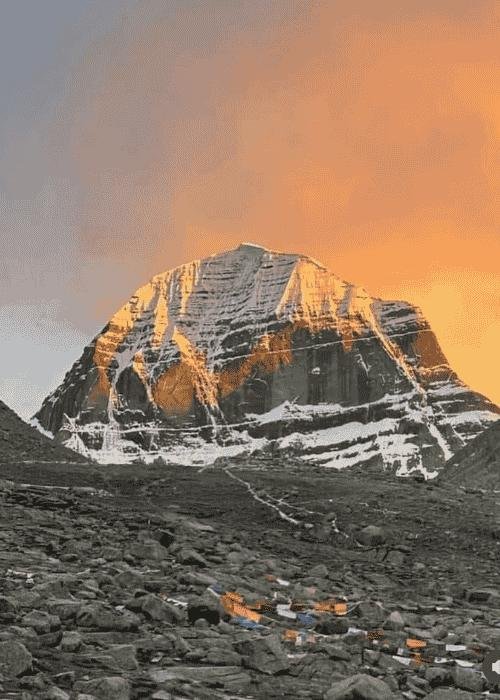
The Adi Kailash Om Parvat Yatra is one of the most revered and geographically significant pilgrimages in the Indian Himalayas. Located in the Pithoragarh district of Uttarakhand, near the Indo-Tibetan border, Adi Kailash is often called “Chhota Kailash” or the “Little Kailash” because of its uncanny resemblance to Mount Kailash in Tibet. Standing at an altitude of approximately 5,945 meters, it is a site of immense spiritual energy. The yatra is not just a trek; it is a journey through the Vyas Valley, a landscape steeped in Vedic history and local Kumaoni folklore.
Om Parvat, standing nearby at 5,590 meters, is a marvel of nature. The snow deposition on the black mountain face naturally forms the Sanskrit syllable “ॐ” (OM). Unlike Adi Kailash, which requires a trek to its base, Om Parvat is viewed from Nabhidhang. In 2026, the yatra has become more accessible due to significant road infrastructure development by the BRO (Border Roads Organization), yet it remains a high-altitude challenge that requires mental resilience and physical preparation. The journey takes you through remote villages like Gunji, Nabi, and Kuti, where the unique Rung culture thrives. It is a region where the air is thin, the silence is profound, and the presence of the divine feels tangible. This yatra is a test of one’s devotion and endurance, rewarding the traveler with views that are often described as life-changing.
best time to do Adi Kailash & Om Parvat yatra : A 2026 Seasonal Overview
Choosing the Best Time to trek Adi Kailash Om Parvat in 2026 requires understanding the distinct seasonal cycles of the Kumaon Himalayas. Unlike lower-altitude treks, the window here is dictated by heavy snow and the intense Indian monsoon.
1. Summer Season (May to June)
The summer season is arguably the most popular and reliable window for the Adi Kailash & Om Parvat yatra. As the winter snow begins to recede from the lower passes in late April, the trails open up for pilgrims. During May and June, the weather is at its most stable. You can expect clear blue skies in the mornings, which is essential for a clear view of the “OM” on Om Parvat. The temperature during the day hovers between 10°C to 18°C, making trekking pleasant. However, don’t be fooled by the sun; once it sets, temperatures can drop to near freezing (0°C to -2°C).
This is the best time for beginners because the roads are generally dry, and the risk of landslides is minimal. The snow on the peaks is still fresh, which makes the sacred symbols stand out brilliantly against the dark rock.
2. Monsoon Season (July to September)
Monsoon is the most challenging and often dangerous time to attempt adi kailash trek. The Kumaon region receives heavy rainfall, and the road from Tanakpur or Kathgodam to Dharchula is notorious for landslides. If you choose this window, you must be prepared for long delays—sometimes lasting 2-3 days—as road clearing crews work to remove debris. On the trail, the landscape becomes incredibly lush and green, with alpine flowers blooming in the high meadows.
However, cloud cover is persistent. Many trekkers return disappointed during the monsoon because the holy peaks remain hidden behind a thick veil of mist for days on end. Only seasoned trekkers who enjoy the “mystical” atmosphere of the rain and have extra buffer days should consider this period.
3. Autumn Season (September to October)
Late September to late October is the “Second Peak Season” and is favored by professional photographers and experienced trekkers. After the monsoon washes away the dust and haze, the atmosphere becomes incredibly transparent. The views during this time are the sharpest of the year. The landscape turns from lush green to shades of gold and orange, providing a stunning contrast to the snow-capped Adi Kailash.
While the days are crisp and clear, the cold begins to intensify. Daytime temperatures rarely exceed 12°C, and night temperatures consistently stay below freezing (-5°C to -8°C). This is the ideal time if you want to avoid the summer crowds and witness the Himalayas in their most pristine, post-rain glory.
4. Winter Season (November to April)
From November onwards, the Vyas Valley transforms into a frozen desert. Heavy snowfall blocks the high passes like Lipulekh and Sin La, making the villages of Gunji and Nabi nearly inaccessible for civilians. Most of the local population migrates to lower altitudes during these months.
The Indian Army and ITBP maintain a presence, but for trekkers, the route is effectively closed. Temperatures can plummet to -20°C or lower. Attempting to reach Adi Kailash during this time is not only illegal without specialized military-grade permits but also life-threatening due to the risk of avalanches and extreme hypothermia. The route usually only begins to “thaw” and reopen for the yatra in late April or early May.
Why Choosing the Right time is Critical for the Adi Kailash Om Parvat View
The entire purpose of the Adi Kailash Om Parvat Yatra is “Darshan”—the act of seeing the sacred. Unlike a summit-oriented trek where reaching the top is the goal, this is a vision-oriented journey. If you choose the wrong time, you might reach the high-altitude viewpoints of Jolingkong or Nabhidhang only to see a wall of gray clouds.
The “OM” formation on Om Parvat is a result of snow filling the natural crevices of the mountain. In early summer (May), the “OM” is thick and clearly visible. By late June, if the heat is excessive, some of the snow may melt, making the symbol appear fragmented. Conversely, during the monsoon, the clouds settle low in the valley, often sitting right on top of the viewpoints. For a successful view, you need high visibility. Furthermore, safety is a massive factor.
The road from Dharchula to Gunji is carved into steep cliffs; during the wrong season (monsoon), these roads become shooting galleries for falling rocks. Choosing the right window ensures that the logistics—permits, helicopter services, and road transport—are functioning smoothly. A “hassle-free” journey is only possible when you align your travel dates with the mountain’s natural temperament.
Adi Kailash Weather, Temperature and Climate Breakdown by Month
To plan your Adi Kailash yatra effectively, you need a month-by-month understanding of the climate variables:
- May: The transition month. Daytime: 10°C. Night: -2°C. Weather is generally clear, but lingering winter snow might require micro-spikes on some trail sections.
- June: The warmest month. Daytime: 18°C. Night: 2°C. Highest visibility. This is the peak window for the 2026 yatra.
- July & August: Peak Monsoon. Daytime: 15°C (but humid). Night: 5°C. High humidity and 80% chance of rain daily. Expect road blocks and leeches in lower sections.
- September: The clearing month. Early September still has rain, but late September brings clarity. Daytime: 12°C. Night: -2°C.
- October: Cold but beautiful. Daytime: 8°C. Night: -8°C. Very dry air, extremely clear views. Pack heavy woolens and high-grade down jackets.
- November to March: Deep Winter. Temperatures stay below zero even during the day. This period is not suitable for trekking.
Understanding these fluctuations is vital for your packing strategy. In May, you need layers; in October, you need a survival-grade gear system.
How to Reach for Adi Kailash trek from Major Cities in India
Reaching this remote corner of India requires a multi-stage journey. Dharchula is the base town where your actual journey begins.
- From Delhi: Take the Ranikhet Express or Uttarakhand Sampark Kranti to Kathgodam. From Kathgodam, it’s a 10-12 hour drive (280 km) to Dharchula via Almora and Pithoragarh.
- From Mumbai/Bangalore/Chennai: Fly to Delhi or Dehradun. From Dehradun, you can take a long-distance taxi to Dharchula, though it’s a two-day journey. Alternatively, fly to Pantnagar airport and drive to Dharchula.
- From Kolkata: Take a train to Lucknow or Bareilly, then a bus or taxi to Tanakpur, followed by a drive to Dharchula.
- The Helicopter Option: In 2026, the government and private operators like Roopkund Heaven often coordinate with Pawan Hans or other heli-services for flights from Pithoragarh to Gunji, significantly reducing travel time for those who cannot handle the long road journey.
- Road Connectivity: The road from Tanakpur to Dharchula is well-paved (NH-9), but the final stretch from Dharchula to Gunji is a rugged mountain road suitable only for 4×4 vehicles like Boleros or specialized mountain jeeps.
How to Get Adi Kailash trek Permit for a Self-Planned Trip vs. Tour Package
The Adi Kailash trek lies in a sensitive border zone, requiring an Inner Line Permit (ILP) issued by the SDM (Sub-Divisional Magistrate) of Dharchula.
- Self-Planned Trip: You must physically visit the SDM office in Dharchula. You need a medical fitness certificate from a government doctor, a police verification report (which can take days if not done beforehand), and valid ID proof (Aadhaar). This process can take 2-3 working days, often eating into your trekking time.
- Tour Package: When you book with an agency like Roopkund Heaven, the permit process is handled entirely by them. You send your documents (Aadhaar, photo, and medical) in advance, and your permit is ready when you arrive in Dharchula. This is highly recommended to avoid the bureaucratic maze.
- Important Documents: You must carry at least 10-12 photocopies of your ID and 5-6 passport-size photos, as there are multiple ITBP (Indo-Tibetan Border Police) checkposts at Gunji, Kalapani, and Nabhidhang where you must register.
Places to Visit Near Adi Kailash
While the primary goals are Adi Kailash and Om Parvat yatra, the region is dotted with other significant sites:
- Parvati Sarovar: A beautiful lake near the base of Adi Kailash trek. It is believed that Goddess Parvati used to bathe here. The reflection of Adi Kailash in the lake is a spiritual highlight.
- Gauri Kund: A small hot water spring/pond located at the foot of Adi Kailash.
- Kuti Village: Named after Mata Kunti (mother of the Pandavas), this ancient village features traditional wood-carved houses and a unique culture.
- Kalapani: The source of the Kali River, featuring a dedicated temple and a permanent ITBP post.
- Nabhidhang: The viewing point for Om Parvat. It is a high-cold desert landscape that offers a stark, beautiful contrast to the green valleys below.
- Gunji: The central hub where the roads to Adi Kailash and Lipulekh Pass diverge. It’s an essential stop for acclimatization.
7-Day Adi Kailash and Om Parvat Yatra Itinerary
This is a standard, safe itinerary that allows for proper acclimatization:
- Day 1: Kathgodam to Dharchula (280 km drive). Arrive in the border town and check into your hotel.
- Day 2: Permit Day & Dharchula to Pangu/Sirkha. Finalize permits and move to the first mountain camp.
- Day 3: Drive to Gunji. Cross the spectacular Chialekh meadows. Night stay in Gunji/Nabi for acclimatization.
- Day 4: Gunji to Nabhidhang (Om Parvat Darshan) and back. Morning view of the “OM” and return to Nabi village.
- Day 5: Gunji to Jolingkong (Adi Kailash Base). Visit Parvati Sarovar and Adi Kailash temple. This is the highest point of the yatra.
- Day 6: Return to Dharchula. A long drive back down the mountains to the warmth of Dharchula.
- Day 7: Dharchula to Kathgodam. Final departure for your onward journey.
Accommodation, Food & Facilities During the adi kailash Yatra
Logistics in the Vyas Valley are basic but improving.
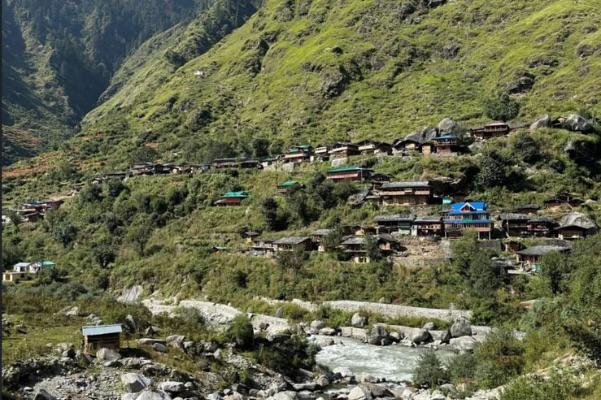
- Accommodation: In Dharchula, you have standard hotels. Beyond that, in villages like Nabi and Gunji, you will stay in Homestays. These are traditional houses where you sleep on floor mattresses with heavy quilts. It is a great way to experience local Rung culture. At Jolingkong, there are fiber huts and basic tented camps.
- Food: Expect simple, vegetarian Indian meals—Dal, Chawal, Roti, and Sabzi. Local dishes like “Bhang ki Chutney” or “Kumaoni Raita” are often served. It is vital to eat light and stay hydrated to prevent AMS (Acute Mountain Sickness).
- Facilities: Electricity is limited (mostly solar). Mobile network (BSNL) is patchy and usually disappears after Gunji. ATMs are only available in Dharchula, so carry sufficient cash for the entire week.
What Is the Average adi kailash yatra Package Cost in 2026?
The cost of the adi kailash yatra can vary significantly based on your level of comfort:
- Budget Group Packages: ₹25,000 – ₹35,000. These usually involve shared transport and basic homestays.
- Standard Packages: ₹35,000 – ₹50,000. These include better transport (Bolero/Innova) and more comprehensive meal plans.
- Premium/Private Packages: ₹50,000+. These are customized for small groups or families with private guides and better amenities.
Recommended Adi Kailash Packages for a Hassle-Free Journey
If you are looking for a reliable operator, Roopkund Heaven offers one of the best-valued packages for the 2026 season. Their Adi Kailash Trek Package is priced competitively:
- Base Cost: ₹30,000 + 5% GST (Kathgodam to Kathgodam).
- Mandatory Add-ons: ₹510 for comprehensive high-altitude insurance.
- Luxury Add-ons: ₹3,000 per person for double-sharing tents (for those who prefer privacy over group dorms).
- Total Expected Cost: Approximately ₹36,645 inclusive of GST and insurance.
Roopkund Heaven is recommended because they manage the complex permit coordination, provide experienced local guides who understand the high-altitude terrain, and offer rental gear (jackets, poles, shoes) so you don’t have to invest in expensive equipment for a one-time trek. They also offer customization for senior citizens or larger groups.
Frequently Asked Questions
- Is Adi Kailash yatra difficult?
It is considered a “Moderate” trek/yatra. The main difficulty is the altitude (14,000+ ft), not the technicality of the climb. Anyone with basic fitness and no major heart/lung issues can do it.
- Can we go to Adi Kailash by our own car?
Only high-clearance 4×4 vehicles are allowed beyond Dharchula. Small hatchbacks or sedans will not survive the road. You also need a specific vehicle permit.
- Is oxygen available during the yatra?
Most organized tour operators like Roopkund Heaven and adikailash yaatra or Norther Himalayas carry oxygen cylinders. The ITBP posts also have medical facilities for emergencies.
- Can senior citizens do this yatra?
Yes, many people in their 60s and 70s complete it. However, a thorough medical checkup and a slow pace are mandatory.
- Do I need an Aadhaar card for the permit?
Yes, an Aadhaar card is the primary document required for the Inner Line Permit and ITBP registrations.