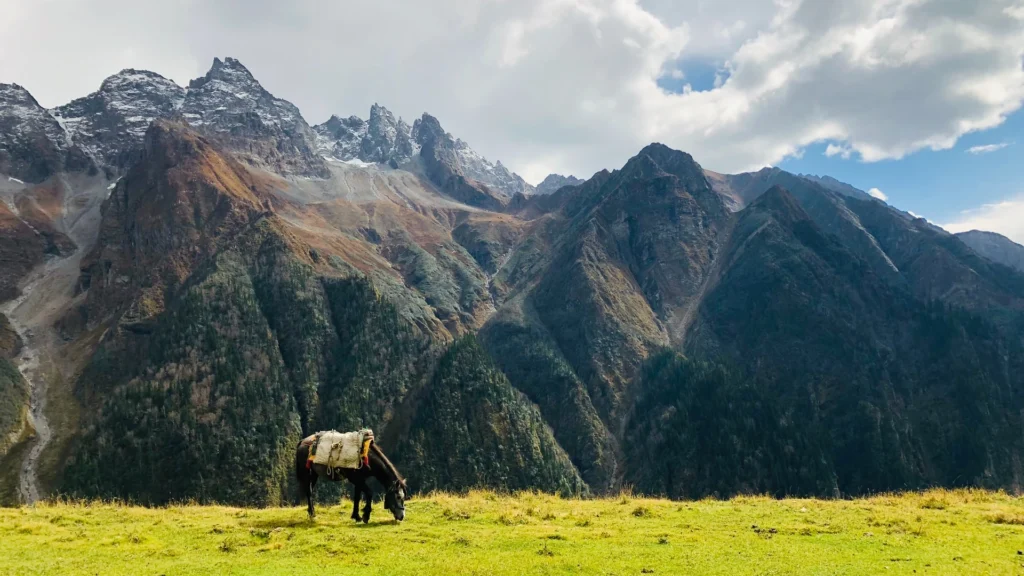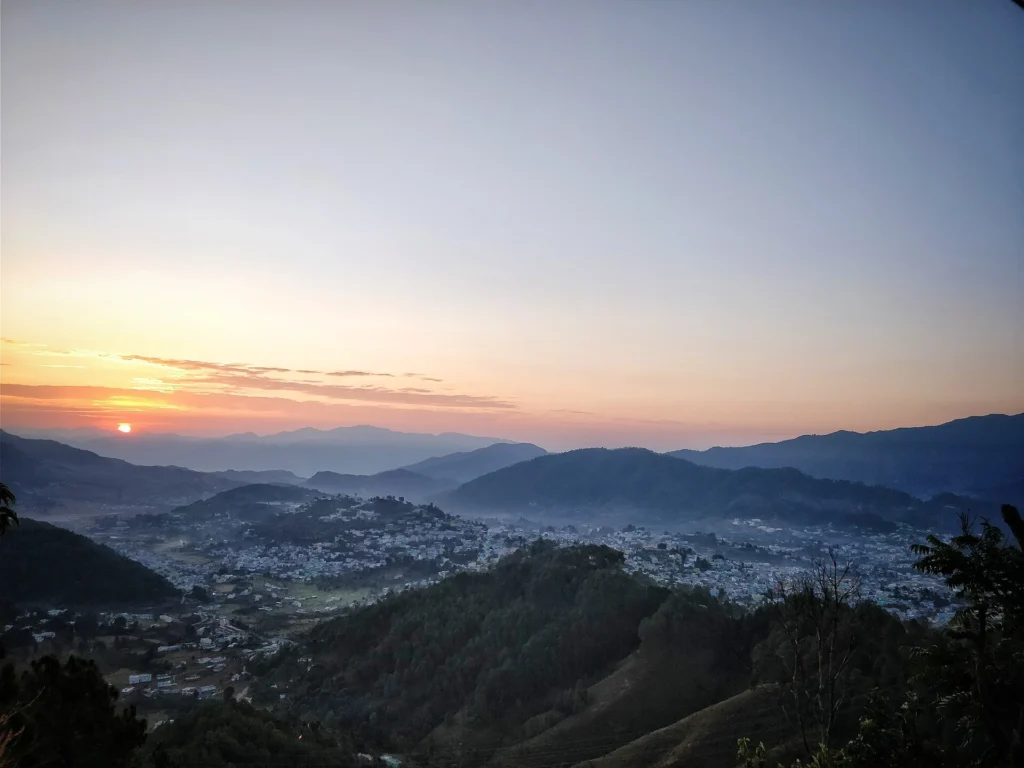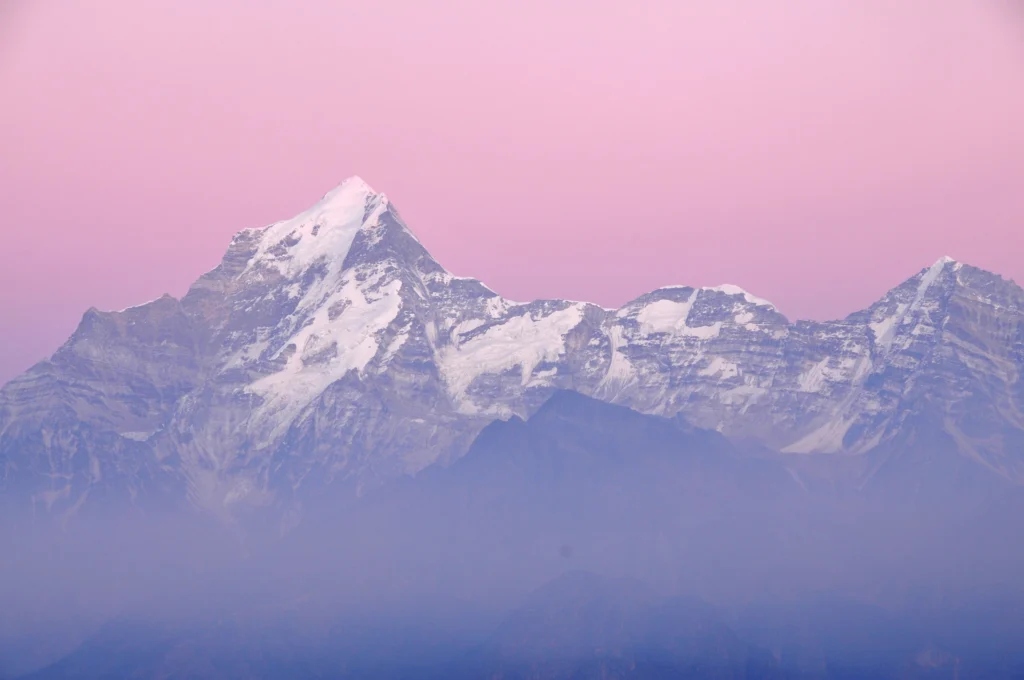
Planning the Panch Kedar Yatra in September or October means travelling during one of the best periods to explore the Garhwal Himalayas. The monsoon usually starts to retreat, the weather becomes clearer and the mountains look fresh and green.
The Panch Kedar Yatra is not one single trek. It covers five Shiva temples—Kedarnath, Tungnath, Rudranath, Madhyamaheshwar and Kalpeshwar—with different routes, altitudes, trekking difficulty and temple closing dates.
In this complete guide, we cover everything you need to know before starting your Panch Kedar Yatra in 2026, including the best time to visit, weather, temple opening and closing dates, trek difficulty, route and itinerary, registration, accommodation, packing, travel costs and important tips for a safe and comfortable journey.
About Panch Kedar Yatra
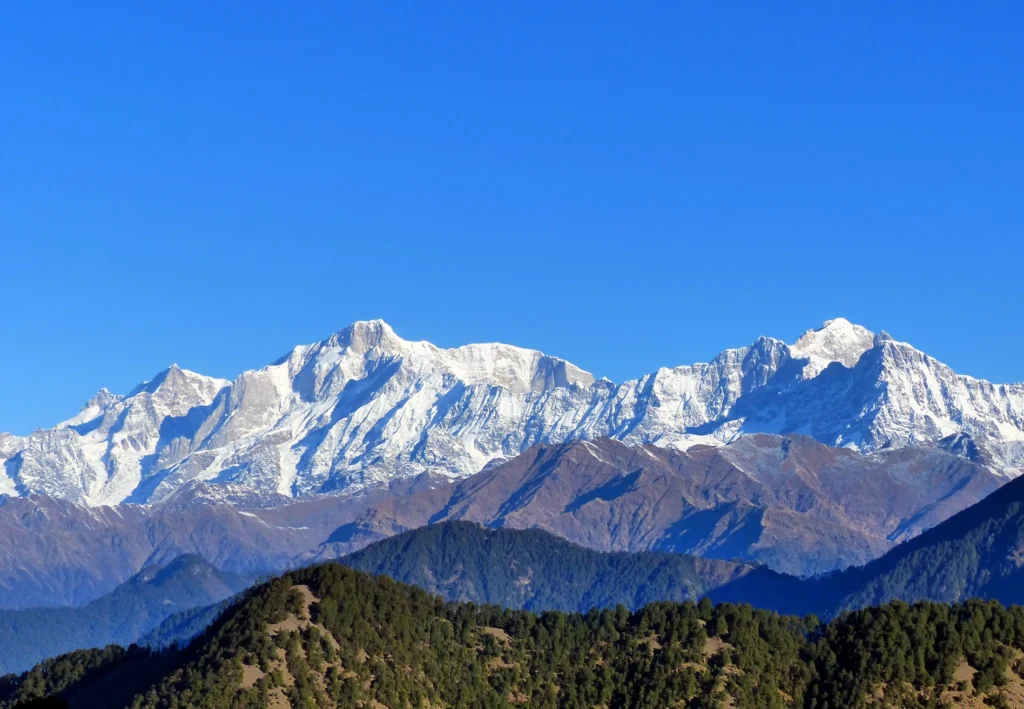
The Panch Kedar Yatra is a sacred pilgrimage covering five ancient Shiva temples in the Garhwal Himalayas of Uttarakhand — Kedarnath, Tungnath, Rudranath, Madhyamaheshwar and Kalpeshwar. According to Hindu tradition, each temple represents a different part of Lord Shiva’s divine form.
The traditional story of Panch Kedar is connected with the Pandavas after the Kurukshetra War. Seeking the blessings and forgiveness of Lord Shiva, the Pandavas travelled to the Himalayas in search of him.
According to legend, Shiva took the form of a bull and tried to remain hidden from the Pandavas. Bhima recognised him and attempted to catch him. As Shiva disappeared into the ground, different parts of his divine form are believed to have appeared at five different locations in the Garhwal Himalayas.
These places became the five sacred Panch Kedar temples:
| Temple | Traditional Form of Shiva | Approx. Altitude |
| Kedarnath | Hump | 3,583 m |
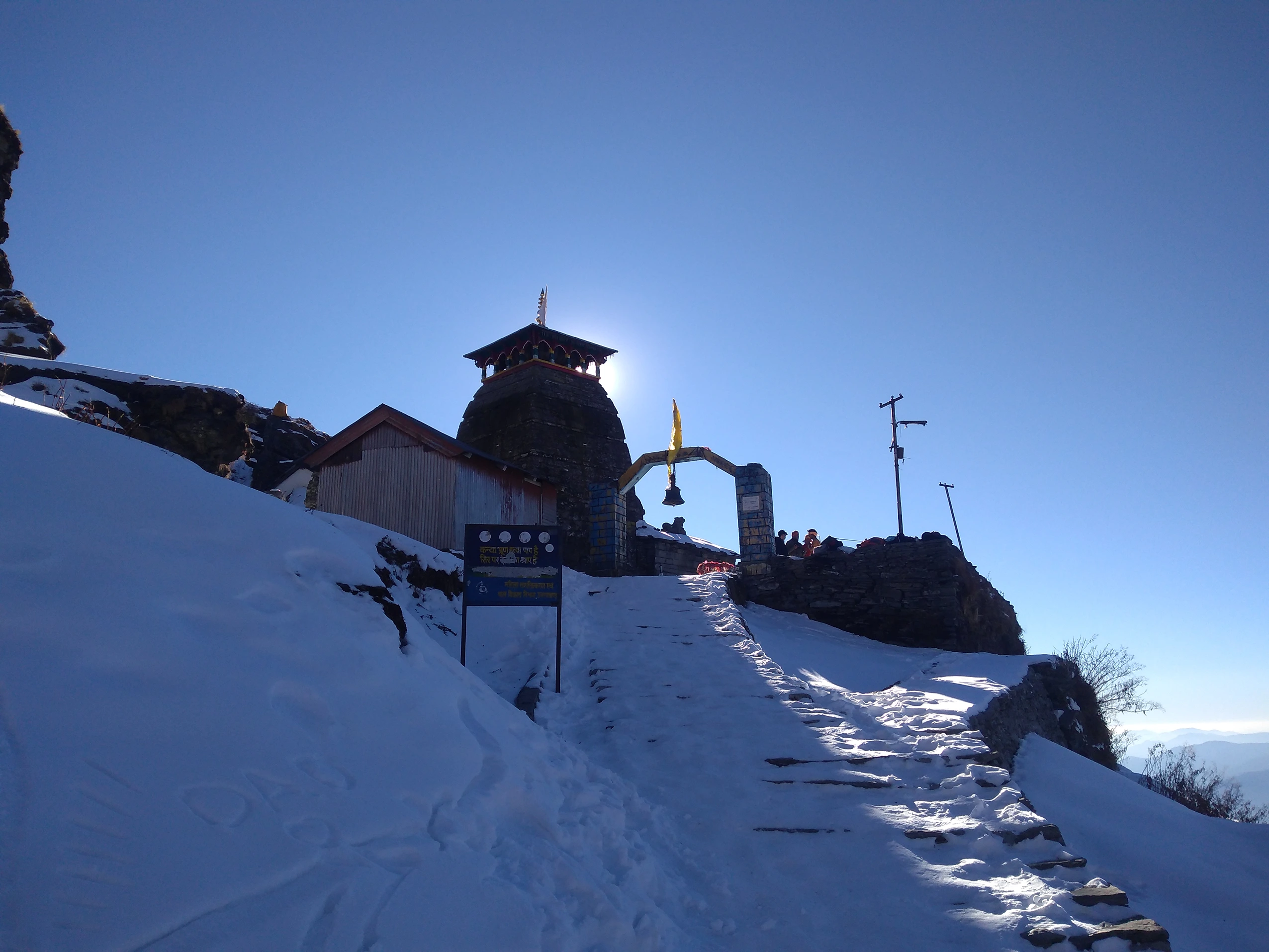
| Tungnath | Arms | 3,680 m |
| Rudranath | Face | Around 3,600 m |
| Madhyamaheshwar | Navel and stomach | Around 3,490 m |
| Kalpeshwar | Hair or Jata | Around 2,200 m |
For devotees, the Panch Kedar Yatra is therefore not only a Himalayan journey but also a pilgrimage associated with faith, devotion, repentance and perseverance.
If you are planning the Panch Kedar Yatra in October 2026, keep the winter closing dates of all five temples in mind. Each temple closes on a different date, so your itinerary should be planned according to the temple schedule.
Panch Kedar Temple Closing Dates 2026
| Temple | Winter Closing Date 2026 |
| Kedarnath | 11 November 2026 |
| Tungnath | 4 November 2026 |
| Rudranath | 17 October 2026* |
| Madhyamaheshwar | 20 November 2026 |
| Kalpeshwar | Open throughout the year |
Why We Prefer September-October for Panch Kedar Yatra
The Panch Kedar Yatra involves multiple treks, long mountain drives and visits to high-altitude temples, so choosing the right season can make the journey much more comfortable.
Our preference is mainly based on better trekking conditions after the monsoon, clearer mountain views and beautiful Himalayan scenery.
September — Fresh Green Mountains and Better Flexibility
September is a transition month when the monsoon usually starts to withdraw, but occasional rain is still possible, especially early in the month.
The mountains remain lush green and fresh, with full streams and waterfalls. Trekking temperatures are generally pleasant, but rain can make trails slippery and may cause delays on mountain roads.
If you are travelling in September, carry a rain jacket, waterproof backpack cover and good-grip trekking shoes, and keep some flexibility in your itinerary.
September is ideal if you want:
- Green Himalayan landscapes
- Pleasant trekking weather
- Fresh waterfalls and streams
- Less cold than later in autumn
The main thing to remember is that weather and road conditions can change quickly, so check the latest conditions before starting your journey.
October — Clearer Views and Pleasant Trekking Weather
We also prefer October because the weather is generally drier and clearer. Mountain visibility often improves, the air becomes cooler and the Himalayan landscape starts changing into beautiful autumn colours.
These conditions are particularly good for long trekking days and enjoying the surrounding mountains. October is also an excellent month for photography because clearer skies can provide better views of the Himalayan peaks.
The main thing to remember is that temperatures drop considerably at night, especially at higher-altitude trekking locations. Warm layers and proper cold-weather clothing are therefore important.
For trekking, the practical benefits are:
- Better visibility after the monsoon.
- Cooler daytime temperatures.
- Pleasant conditions for long walking days.
- Fresh greenery in September.
- Clearer skies and autumn landscapes in October.
- Good conditions for photography.
- Lower risk of extreme summer heat.
One Important Thing to Keep in Mind
Although September and October are our preferred months, post-monsoon does not mean completely risk-free weather. Rain can still occur, and heavy showers may cause landslides or temporary problems on mountain roads. Trekking trails can also become slippery after rainfall.
October also requires more careful planning because some Panch Kedar temples close for the winter season earlier than others.
Overall, We would recommend you to choose September to early or mid-October for Panch kedar yatra.
Panch Kedar Closing Dates – You Need to Plan Before
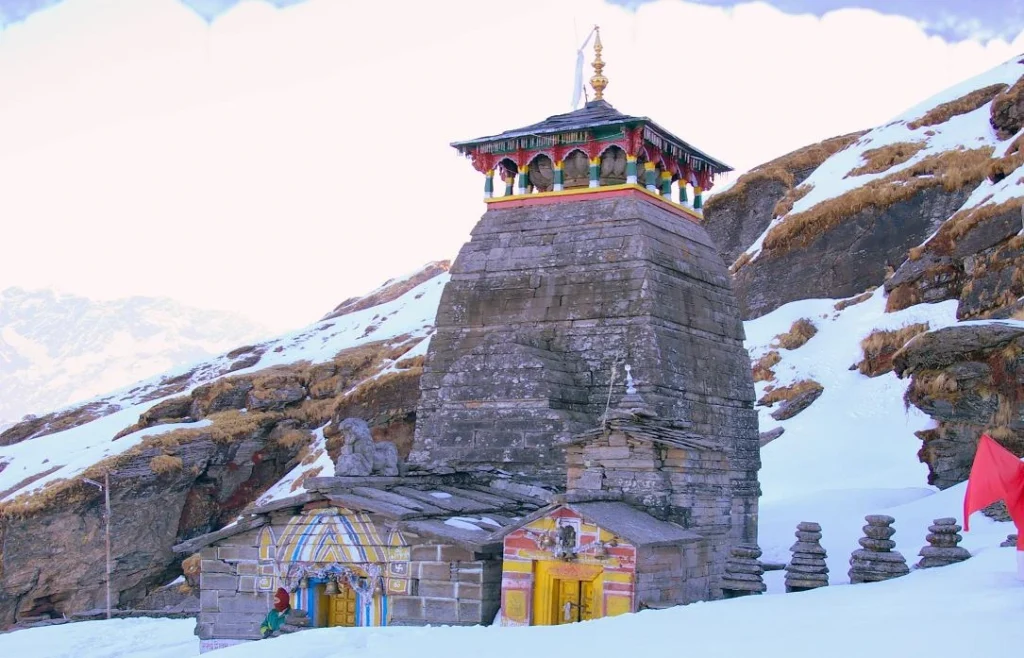
Panch Kedar Closing Dates 2026 — Plan Before You Book
If you are planning the Panch Kedar Yatra in October, check the winter closing dates before booking your transport or fixing your itinerary.
For 2026, the currently published schedule is:
| Temple | 2026 Opening | 2026 Closing |
| Kedarnath | 22 April | Around 11 November* |
| Tungnath | 2 May | Around 4 November* |
| Rudranath | 18 May | 17 October |
| Madhyamaheshwar | 21 May | Around November* |
| Kalpeshwar | Year-round | Year-round |
Weather & Temperature by Temple (Sept-Oct)
If you are planning the Panch Kedar Yatra in October, check the winter closing dates before booking your transport or fixing your itinerary.
For 2026, the currently published schedule is:
| Temple | 2026 Opening | 2026 Closing |
| Kedarnath | 22 April | Around 11 November* |
| Tungnath | 2 May | Around 4 November* |
| Rudranath | 18 May | 17 October |
| Madhyamaheshwar | 21 May | Around November* |
| Kalpeshwar | Year-round | Year-round |
Panch kedar yatra Difficulty by Temple
The Panch Kedar circuit is not a beginner-level single trek. It combines several treks with different terrain and altitude.
A practical difficulty comparison is:
| Temple | Approx. Trek | Difficulty |
| Kedarnath | 16–18 km one way | Moderate to Difficult |
| Tungnath | 3.5 km one way | Easy to Moderate |
| Rudranath | Around 18–20 km depending on route | Difficult |
| Madhyamaheshwar | Around 19 km one way | Moderate to Difficult |
| Kalpeshwar | Short walk from road/roadhead | Easy to Moderate |
1. Kedarnath — Moderate to Difficult
The Kedarnath Trek is around 16–18 km one way, depending on the route and current starting point. The trail is well established and receives many pilgrims, but the long distance and continuous ascent make it physically demanding.
The higher sections can feel tiring because of the altitude, and the final part of the trek can be particularly challenging. Good stamina and regular walking practice are recommended.
Difficulty: Moderate to Difficult
2. Tungnath — Easy to Moderate
Tungnath has the shortest trek among the main high-altitude Panch Kedar routes, at around 3.5 km one way from Chopta. The trail is clearly marked and commonly used by trekkers and pilgrims.
However, the route is steep in places, and Tungnath is located at around 3,680 metres, so the climb can feel harder than the short distance suggests.
Difficulty: Easy to Moderate
3. Rudranath — Difficult
Rudranath is one of the toughest Panch Kedar treks. Depending on the route, the trek can involve around 18–20 km of walking, along with steep sections, forests, meadows and remote mountain trails.
The route is more demanding than Tungnath and requires good endurance. Changing weather and trail conditions can also make the journey more challenging.
Difficulty: Difficult
4. Madhyamaheshwar — Moderate to Difficult
The Madhyamaheshwar Trek is around 19 km one way from the roadhead, making it one of the longer Panch Kedar routes.
The trail includes several uphill and downhill sections, and the long walking distance can be tiring. The final approach also involves a significant climb, so good stamina is important.
Difficulty: Moderate to Difficult
5. Kalpeshwar — Easy to Moderate
Kalpeshwar is the easiest Panch Kedar in terms of trekking distance. The temple is located close to the roadhead, so the walking section is much shorter than the other four Kedars.
However, the journey still involves mountain roads and uneven terrain, so basic fitness and comfortable walking shoes are recommended.
Difficulty: Easy to Moderate
Panch Kedar Yatra Itinerary including Badrinath Dham visit
We recommend this 12-day Panch Kedar Yatra itinerary with Badrinath Dham for trekkers who are reasonably fit and comfortable with consecutive trekking days.
Day 1: Haridwar/Rishikesh to Guptkashi
Drive: Around 190–200 km
Travel Time: 7–9 hours
Altitude: Guptkashi – around 1,300 m
Stay: Hotel in Guptkashi
We start our journey from Haridwar or Rishikesh and drive towards Guptkashi. During the journey, you will pass through beautiful mountain valleys and important places such as Devprayag and Rudraprayag.
We keep this day mainly for road travel and rest. After reaching Guptkashi, check in to your hotel, have dinner and get ready for the Kedarnath Trek the next morning.
Overnight Stay: Guptkashi
Day 2: Guptkashi → Gaurikund → Kedarnath
Drive: Around 30 km to Gaurikund
Trek: Around 16–18 km
Walking Time: 7–9 hours
Altitude: Kedarnath – 3,583 m
Stay: Guesthouse/Dharamshala in Kedarnath
We start early from Guptkashi and drive to Gaurikund, the starting point of the Kedarnath Trek.
From Gaurikund, we begin our long uphill walk towards Kedarnath Dham. We recommend walking at a comfortable pace and taking regular breaks rather than trying to cover the distance quickly.
After reaching Kedarnath, you can check in, rest and attend Kedarnath Temple darshan according to the temple timings and crowd conditions.
Overnight Stay: Kedarnath
Day 3: Kedarnath → Gaurikund → Chopta
Trek: Around 16–18 km downhill
Walking Time: 6–8 hours
Drive: Gaurikund to Chopta – around 4–5 hours
Altitude: Chopta – around 2,680 m
Stay: Hotel/Camp in Chopta
We start early and trek back from Kedarnath to Gaurikund. After reaching Gaurikund, our vehicle takes us towards Chopta.
This is a long day because you will complete the Kedarnath descent and then continue by road. Once we reach Chopta, you can check in, relax and prepare for the next day’s Tungnath Trek.
Overnight Stay: Chopta
Day 4: Chopta → Tungnath → Chandrashila → Chopta
Trek: Around 7–8 km round trip
Walking Time: 4–6 hours
Altitude: Tungnath – around 3,680 m
**Chandrashila – around 4,000 m
Stay: Hotel/Camp in Chopta
We start early from Chopta and trek towards Tungnath Temple. The trail is short compared with Kedarnath, but it is a continuous uphill climb.
After Tungnath darshan, trekkers who are feeling comfortable and if the weather is suitable can continue towards Chandrashila. After enjoying the Himalayan views, we trek back down to Chopta.
If you do not want to continue to Chandrashila, you can return after Tungnath darshan.
Overnight Stay: Chopta
Day 5: Chopta → Sagar/Gopeshwar → Rudranath Route
Drive: Around 4–6 hours
Stay: Village stay/Camp
After breakfast, we leave Chopta and drive towards the Rudranath route through the Gopeshwar/Sagar side.
We use this day to reach the appropriate roadhead for the Rudranath Trek. The exact roadhead and overnight location can depend on the route being used and the current road conditions.
After reaching the village or campsite, we organise our trekking requirements and take proper rest because the next day is one of the longest trekking days of the yatra.
Overnight Stay: Village/Camp near Rudranath route
Day 6: Trek to Rudranath
Trek: Around 18–20 km, depending on route
Walking Time: 8–10 hours
Altitude: Rudranath – around 3,600 m
Stay: Basic Guesthouse/Camp
We start early for the Rudranath Trek.
This is one of the toughest sections of the Panch Kedar Yatra. The route takes us through forests, meadows and remote Himalayan terrain, with several uphill and downhill sections.
We recommend keeping a steady pace, carrying enough water and avoiding unnecessary weight in your backpack.
After reaching Rudranath, we settle into our basic accommodation and complete darshan according to the available temple timings.
Overnight Stay: Rudranath
Day 7: Rudranath Darshan → Descent
Walking Time: Around 6–9 hours
Trek Distance: Depends on selected route
Stay: Village Stay/Guesthouse
We start the morning with Rudranath Temple darshan if it was not completed the previous evening.
After darshan, we begin our descent towards the selected village or roadhead. The distance for this day depends on the route and overnight arrangement.
After reaching the lower area, we rest and prepare for the next major trekking section towards Madhyamaheshwar.
Overnight Stay: Village/Guesthouse
Day 8: Roadhead → Madhyamaheshwar
Trek: Around 16–19 km
Walking Time: 7–9 hours
Altitude: Madhyamaheshwar – around 3,490 m
Stay: Guesthouse/Camp near Madhyamaheshwar
We drive towards the Ransi/Gaundar side and begin our trek to Madhyamaheshwar Temple.
The trail passes through mountain villages, forests and beautiful Himalayan landscapes. The long distance and uphill sections make this another physically demanding day.
We walk at a comfortable pace and take regular breaks before reaching Madhyamaheshwar.
Overnight Stay: Madhyamaheshwar
Day 9: Madhyamaheshwar Darshan → Descent
Trek: Around 16–19 km
Walking Time: 6–8 hours
Stay: Guesthouse/Hotel in the lower valley
We start the morning with Madhyamaheshwar Temple darshan.
After darshan, we begin our descent towards the lower valley and roadhead. Although the return journey is downhill, it can still be tiring after several days of trekking, so we recommend taking care of your knees and maintaining a steady pace.
Once we reach the roadhead, we rest for the night.
Overnight Stay: Lower Valley
Day 10: Lower Valley → Urgam → Kalpeshwar
Drive: Around 5–7 hours
Walking: Short walk to Kalpeshwar Temple
Altitude: Kalpeshwar – around 2,200 m
Stay: Homestay/Guesthouse in Urgam Valley
After breakfast, we continue towards Urgam Valley and Kalpeshwar.
Kalpeshwar is the fifth and final Panch Kedar temple. Unlike the other four, it is located at a lower altitude and remains open throughout the year.
After reaching the area, we take the short walking route to Kalpeshwar Temple for darshan. After visiting the temple, we return to our stay and relax.
Overnight Stay: Urgam Valley
Day 11: Kalpeshwar → Badrinath Dham
Drive: Around 5–7 hours
Altitude: Badrinath – around 3,133 m
Stay: Hotel/Guesthouse in Badrinath
After breakfast, we leave Urgam Valley and drive towards Badrinath Dham.
This is mainly a road-travel day, so we keep some flexibility in the schedule. Mountain travel can take longer than expected because of traffic, weather and road conditions.
After reaching Badrinath, we check in to the hotel. If the temple timings allow, we can attend Badrinath Dham darshan the same evening.
Overnight Stay: Badrinath
Day 12: Badrinath Darshan → Haridwar/Rishikesh
Drive: Around 320–330 km
Travel Time: Approximately 10–12 hours
Stay: Journey Ends
We start the morning with Badrinath Dham darshan if it was not completed the previous evening.
After darshan, we begin our return journey towards Haridwar or Rishikesh. It is a long mountain drive, so we recommend starting early and keeping enough time for meals and rest breaks.
After reaching Haridwar/Rishikesh, your Panch Kedar Yatra with Badrinath Dham comes to an end.
What to Pack for Panch Kedar Yatra ?
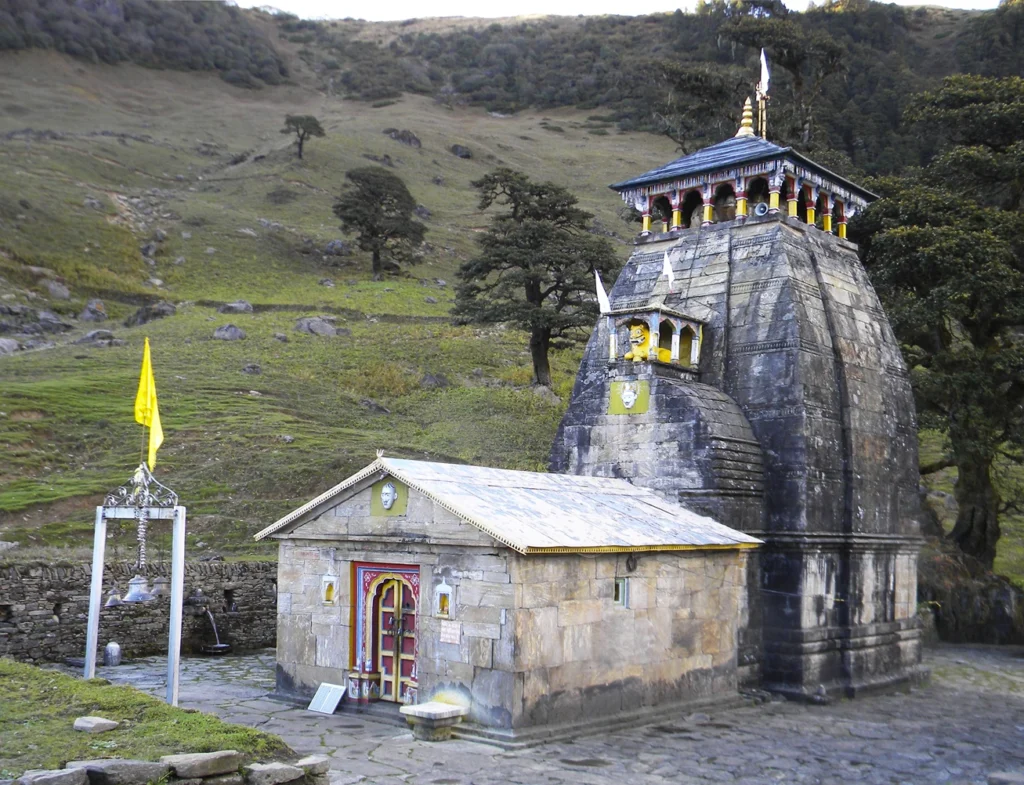
Packing for the Panch Kedar Yatra in September and October should cover both rain and cold weather. Since the yatra includes multiple trekking sections and high-altitude areas, keep your luggage light and practical.
Essential Packing List
- High-ankle trekking shoes with good grip
- Waterproof rain jacket/poncho
- Backpack rain cover and dry bags
- Thermal innerwear
- Fleece and warm down/synthetic jacket
- 2–3 trekking trousers and quick-dry T-shirts
- Woollen socks and gloves
- Woollen cap and sun cap
- UV-protection sunglasses and sunscreen
- Trekking poles
- Headlamp with spare batteries
- Water bottles and ORS/electrolytes
- Personal medicines and basic first-aid kit
- Power bank and charging cable
- Toiletries, tissues and small towel
- ID and other required travel documents
- Lightweight snacks such as dry fruits or energy bars
Pack According to the Month
September: Prioritise rain protection and waterproofing, as occasional showers are still possible.
October: Carry more warm layers, especially for cold mornings and nights at higher altitudes.
Avoid carrying a large suitcase during trekking sections. Keep your main luggage for road travel and carry only the essentials in a 20–30 litre trekking backpack.
Our tip: Instead of carrying too many clothes, use a layering system. It keeps you warm without adding unnecessary weight to your backpack.
What Registration & Permits Required ?
Before starting your Panch Kedar Yatra with Badrinath, the required registrations and permits need to be completed. Registration requirements can vary depending on the temple, trekking route and current government rules.
For Kedarnath and Badrinath, the applicable Char Dham/Yatra registration and valid government ID are generally required. Some trekking routes, particularly Rudranath and Madhyamaheshwar, may also have local or forest permission requirements.
If you are trekking with Roopkund Heaven, we take care of the required registrations, permits and local documentation for you. You only need to provide the required ID proof and documents before the trip, and we handle the rest.
Accommodation Facilities During Panch Kedar Yatra
During our Panch Kedar Yatra, we arrange accommodation according to the location and trekking route. We provide comfortable hotels or guesthouses at accessible destinations, while remote trekking sections may include simple guesthouses, village stays or camps.
At places like Kedarnath, Chopta, Gopeshwar and Badrinath, we arrange suitable accommodation where you can relax and recover after the day’s journey. On remote routes such as Rudranath and Madhyamaheshwar, facilities are more basic because of the terrain and limited infrastructure. At remote locations, facilities such as hot water, electricity and mobile networks may be limited.
We clearly mention where you will stay each night in the itinerary, so you can understand the accommodation arrangements before starting your yatra.
Our priority is to provide you with a clean, safe and comfortable place to rest after a long trekking day, rather than promising facilities that may not be available in remote Himalayan areas.
Practical Tips for Panch Kedar Yatra
Keep these important points in mind before starting your Panch Kedar Yatra:
- Start Early: Begin long trekking days early to get more daylight and enough time for breaks.
- Build Fitness: Prepare with regular walking, stair climbing and weekend hikes before the yatra.
- Do Not Underestimate Rudranath: It is one of the toughest sections, so save enough energy for this trek.
- Maintain a Steady Pace: Walk comfortably and avoid rushing, especially at higher altitudes.
- Stay Hydrated: Drink water regularly and carry ORS or electrolytes.
- Watch for Altitude Symptoms: Headache, nausea, dizziness or unusual breathlessness should not be ignored. Inform your trek leader immediately.
- Keep Buffer Days: Rain, landslides, roadblocks or trail conditions can cause delays.
- Check Temple Closing Dates: October travellers should especially check the closing dates of all panch kedar temples. For 2026, the currently published schedule is Rudranath – 17 October, Tungnath – around 4 November, Kedarnath – around 11 November, Madhyamaheshwar – around 20 November, and Kalpeshwar – open throughout the year.
- Check Local Conditions: Confirm the latest weather, road and trail conditions before starting remote sections.
- Pack Light: Carry only essential trekking gear and use a comfortable backpack.
- Carry Cash: UPI and card payments may not work reliably in remote areas.
- Keep Electronics Charged: Carry a power bank and download important maps, contacts and booking details offline.
- Carry Basic Medicines: Keep personal medicines, first-aid supplies and blister care easily accessible.
- Be Ready for Simple Facilities: Remote areas may have limited electricity, hot water, network and food options.
- Follow Your Trek Leader: Follow instructions regarding pace, route, weather and safety throughout the trek.
- Respect Nature and Temples: Avoid littering and follow local rules and religious customs.
- Keep Your Itinerary Flexible: Do not plan tight connections immediately after the yatra. Allow time for unexpected mountain delays.
Our advice: Prepare well, walk at your own pace and keep some flexibility. The Panch Kedar Yatra is a challenging Himalayan journey, and good planning makes it much more comfortable and enjoyable.
FAQs
1. What is the best time for Panch Kedar Yatra?
May to June and September to October are the main trekking seasons. For better post-monsoon weather and clearer Himalayan views, September and October are excellent months.
2. Can I do Panch Kedar Yatra in October?
Yes. However, check the temple closing dates before booking because the five temples close on different dates. Rudranath closes earlier, on 17 October 2026.
3. What are the Panch Kedar temple closing dates in 2026?
The currently published dates are Rudranath – 17 October, Tungnath – around 4 November, Kedarnath – around 11 November, Madhyamaheshwar – around 20 November, and Kalpeshwar – open throughout the year. Confirm the latest dates before your trip.
4. Which is the toughest Panch Kedar trek?
Rudranath is generally one of the toughest because of its long, remote and demanding trekking route. Madhyamaheshwar is also physically challenging.
5. Which Panch Kedar temple is easiest to reach?
Kalpeshwar is generally the easiest to reach because of its lower altitude and shorter walking approach. It is also open throughout the year.
6. Is Panch Kedar suitable for beginners?
A complete Panch Kedar Yatra is not recommended for completely unprepared beginners. It involves multiple long trekking days and high-altitude routes. Proper fitness preparation is important.
7. How many days are required for the Panch Kedar Yatra?
A complete Panch Kedar Yatra generally takes 12–16 days, depending on the route, trekking pace, road conditions and buffer days.
8. What is the total Panch Kedar trek distance?
There is no single fixed distance because each temple has a separate route. The main trekking sections range from the short Tungnath trek of about 3.5 km to longer routes such as Rudranath and Madhyamaheshwar.
9. Can I do Panch Kedar Yatra in September?
Yes. September is an excellent post-monsoon month, especially for green landscapes and pleasant trekking conditions. Early September can still receive rain, so carry proper rain protection.
10. Is October better than September for Panch Kedar?
October is better for clearer skies and Himalayan views, while September offers greener landscapes. October is colder, and temple closing dates become more important.
11. What should I pack for Panch Kedar Yatra?
Carry good trekking shoes, rain protection, warm layers, gloves, cap, sunglasses, sunscreen, trekking poles, personal medicines, water bottles, snacks, headlamp and power bank. Pack more rain protection in September and warmer clothing in October.