Are you planning to visit Buran Ghati Trek in September or October? You may have many questions about the weather, snow, trail conditions, difficulty and the best time to go.
In this guide, we’ll clear everything you need to know before planning your trek, especially if you are visiting in September or October.
Why Buran Ghati Is a Must-Do Trek in September and October
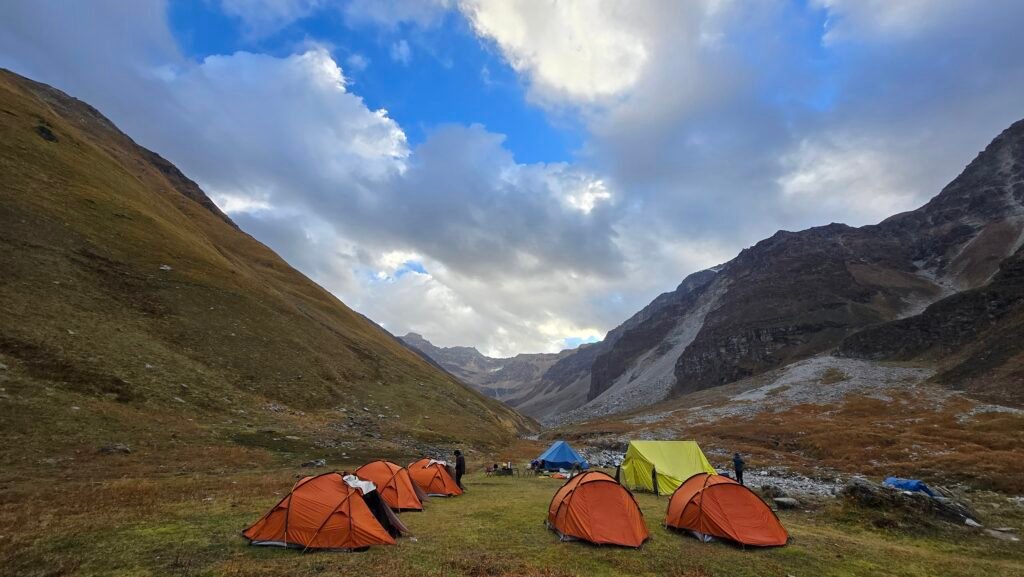
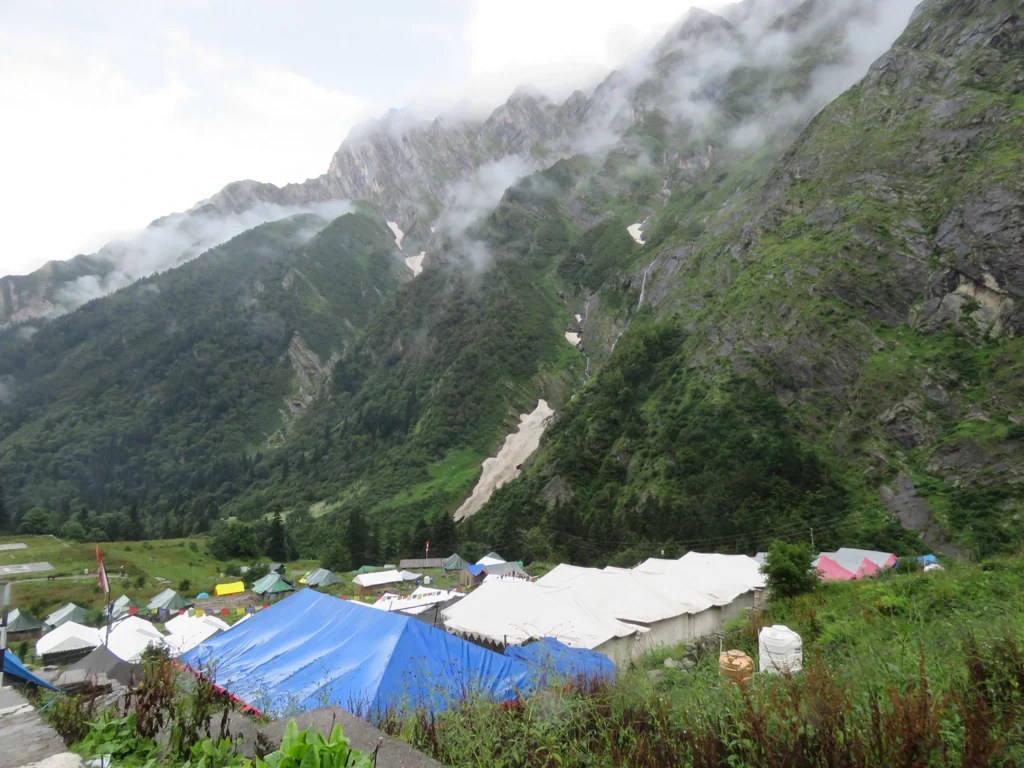
Buran Ghati is a must-do trek in September and October because the landscape changes dramatically after the monsoon. The lower sections around Janglik remain green, the forests look fresh, and as you climb higher, the meadows slowly turn yellow and golden.
The biggest advantage of doing the Buran Ghati Trek after the monsoon is the clearer weather and better visibility. As the rains fade, the skies often become clearer, allowing you to enjoy wide views of the Himalayan peaks, beautiful landscapes and stunning photography opportunities along the trail.
The trek reaches around 15,000 ft at Buran Ghati Pass, making it a challenging high-altitude trek. Although autumn usually has less snow than May and June, the trek still requires good fitness and careful walking.
Another important difference is the pass descent. In summer, the Kinnaur side can have the famous snow-and-ice wall. By September and October, most of this snow has melted, and the descent becomes steep, rocky and bouldery. You may not get the dramatic ice-wall experience, but the rocky descent offers a different challenge and requires good balance and careful footing.
For many trekkers, autumn is a great choice if they want:
- Clearer Himalayan views
- Green, yellow and golden landscapes
- Less snow on the main trail
- Cooler trekking weather
- An exciting high-altitude pass crossing
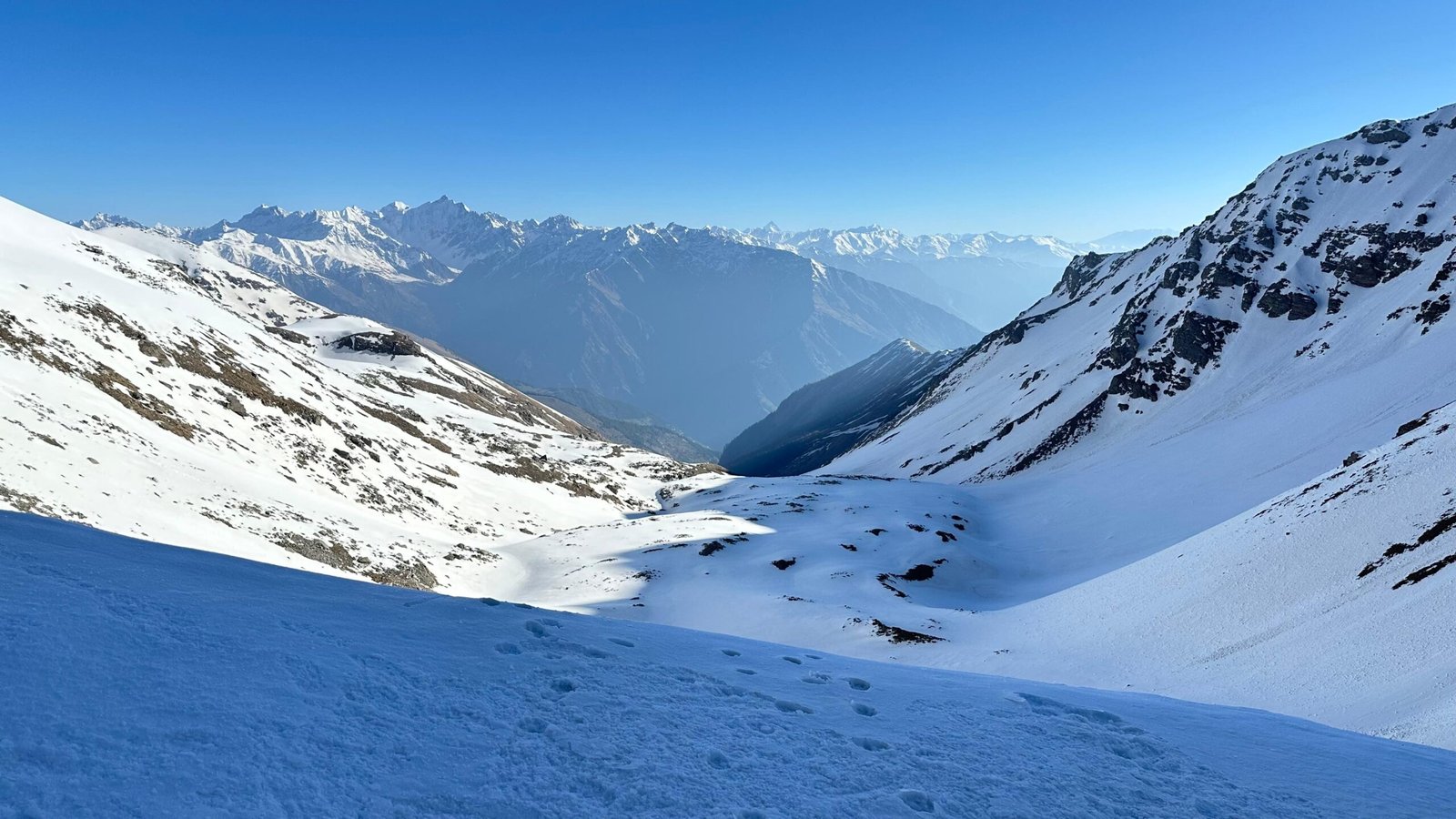
One thing to remember is that snow is not guaranteed in September or October. Small patches may remain at higher sections, and early snowfall is possible towards the end of October. Snow conditions can vary from year to year.
September vs October — Which One’s Right for You?
Both months are good, but they offer slightly different experiences. September is better if you prefer milder weather and clear post-monsoon views, while October is better if you enjoy colder weather and stronger autumn colours.
Buran Ghati Trek in September
September is a beautiful time to do the Buran Ghati Trek, especially after the main monsoon starts to move away. The forests and meadows are still green in many places, while the first autumn colours begin to appear as you climb higher.
This is one of the best periods if your priority is clear mountain scenery. The skies can be much clearer than during monsoon, and the surrounding peaks become easier to see.
During the day, temperatures are generally around 12°C to 16°C, while nights become much colder at higher camps. At places like Dhunda, temperatures can drop to around 0°C to -4°C or even -5°C.
Don’t come to Buran Ghati in September expecting the big summer snow wall. Most of the snow has usually melted by this time, although you may still find a few patches at higher sections depending on the year. The pass descent is generally rocky and bouldery, so you still need to walk carefully.
The higher camps can be quite cold, so you should carry around 4 warm layers, including thermals, a fleece and a warm insulated jacket.
September is a great choice if you want:
- Clear post-monsoon skies
- Green meadows with early autumn colours
- Beautiful Himalayan views
- Less snow on the trail
- Cooler trekking weather
- An exciting pass crossing
If you are a beginner, remember that less snow does not mean an easy trek. The altitude, long walking days and rocky descent still require preparation.
Buran Ghati Trek in October
October brings a colder and more colourful side of the Buran Ghati Trek. The mornings and evenings become chilly, while the forests and meadows start showing beautiful yellow, orange and golden colours.
During the day, the temperature is generally around 12°C to 16°C, but it becomes much colder at higher camps after sunset. Night temperatures can drop to around 0°C to -4°C or even -5°C, especially at higher altitudes. So, proper thermal layers, a warm insulated jacket, gloves and a woollen cap are important.
By October, the famous summer snow wall has usually melted. The pass crossing is mostly rocky and bouldery, and the descent can be challenging after reaching around 15,000 ft. Good trekking shoes and careful footing are important.
There is also a possibility of early snowfall towards the end of October. It is not guaranteed on every batch, but weather can change quickly at high altitude.
October is a great choice if you want:
- Beautiful yellow, orange and golden landscapes
- Clear Himalayan views
- Mostly snow-free trails
- Cold and crisp mountain weather
- A chance of early-season snowfall
Buran Ghati trek Difficulty
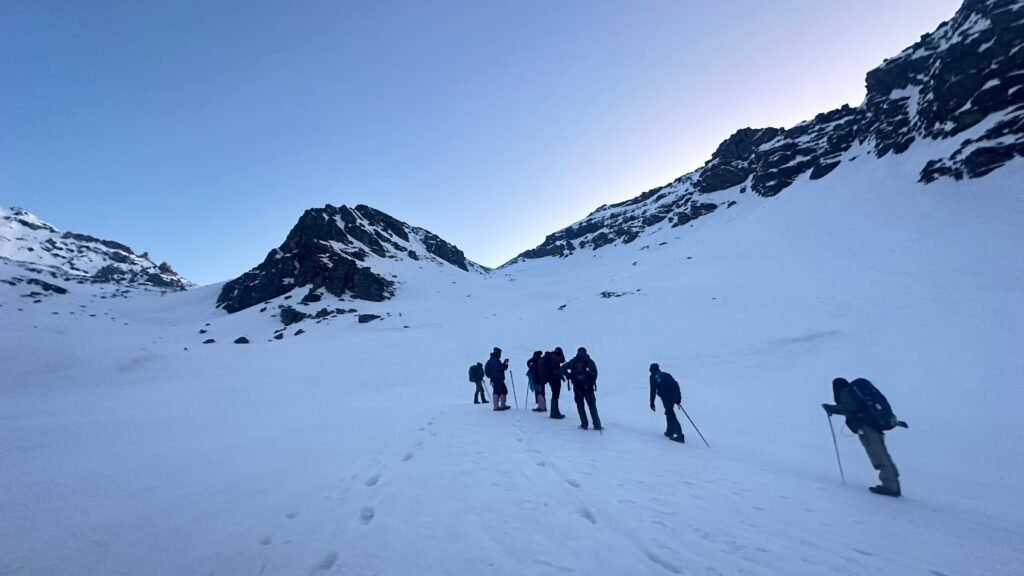
The Buran Ghati Trek is a moderate to difficult high-altitude trek. Even in September and October, when there is less snow, it is not an easy trek.
The main difference in autumn is the trail condition. The famous summer ice wall is usually gone, but the pass descent becomes steep, rocky and bouldery. Good balance and careful walking are important here.
The toughest part of the Buran Ghati Trek is not just crossing the pass. By the time you reach Buran Ghati, you have already spent several days walking and gaining altitude. The long days and high altitude can make the final climb feel more tiring.
What Makes Buran Ghati Difficult?
You may find these sections challenging:
- Long walking days
- Steep climbs before the pass
- High altitude of around 15,000 ft
- Rocky and uneven descents
- Cold mornings and nights
- Long and tiring pass-crossing day
You do not need technical mountaineering experience, but good physical preparation is important. If you are a beginner, start preparing at least 3–4 weeks before the trek. Brisk walking, stair climbing, uphill walking and longer weekend walks are good ways to build stamina.
A simple goal is to become comfortable with 45–60 minutes of continuous walking and gradually add some stairs or uphill walking. Avoid starting intense workouts just a few days before the trek.
If you have any significant medical condition, it is best to consult your doctor before planning a high-altitude trek. During the trek, do not ignore symptoms such as persistent headache, vomiting, unusual breathlessness, severe dizziness or confusion. Inform your trek leader immediately if you experience them.
Overall, Buran Ghati is challenging but manageable with proper preparation, good fitness and an experienced trekking team.
What to Pack during september and october
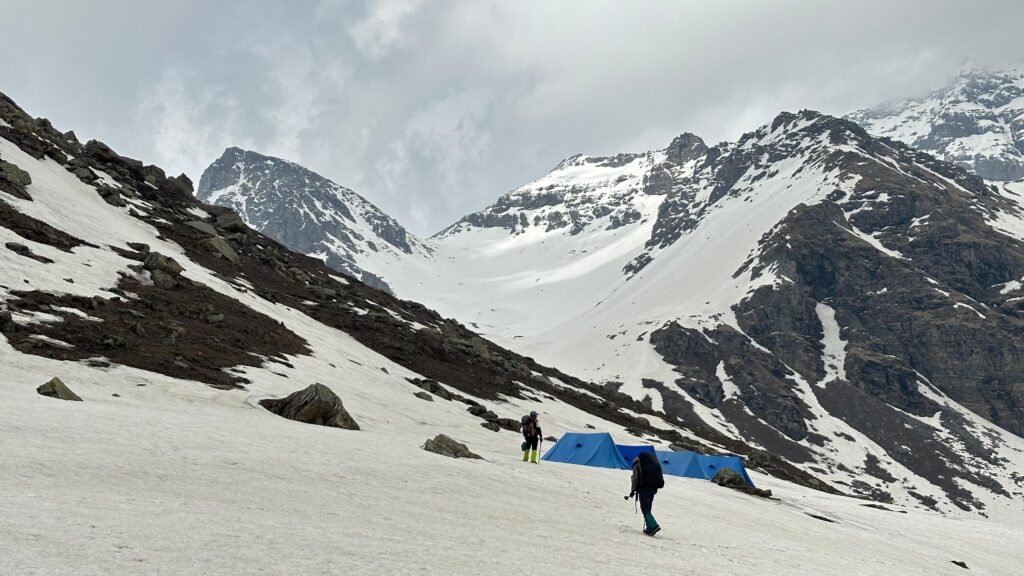
Your Buran Ghati packing list for September and October should focus on cold, changing weather and rocky terrain rather than heavy snow equipment. (write it like packing for trek become easy then you decide when you have to visit sep or oct then pack accordingly)
Packing for the Buran Ghati Trek becomes much easier when you first decide which month you are visiting. September can be slightly milder during the day, while October is colder, especially in the mornings and at night. So, pack according to the month and the weather conditions expected during your trek.
Essential Clothing
- Thermal innerwear
- Fleece or warm mid-layer
- Warm insulated/down jacket
- Waterproof rain jacket
- Comfortable trekking pants
- Woollen cap
- Warm gloves
- 2–3 pairs of good trekking socks
- Extra dry clothes
For September: You can pack lighter layers for the daytime, but keep a warm jacket and thermals for higher camps and cold nights.
For October: Carry an extra warm layer as temperatures can drop further, especially at higher camps. Nights can reach around 0°C to -5°C, depending on altitude and weather conditions.
Trekking Gear
- High-ankle trekking shoes with good grip
- Trekking poles
- UV-protection sunglasses
- Sunscreen and lip balm
- Headlamp with spare batteries
- Backpack rain cover
- Reusable water bottles
- Personal medicines
- Small first-aid kit
- Blister patches
- ORS/electrolytes
- Energy snacks
You do not usually need to carry heavy snow equipment for a September or October trek. The pass is generally rocky and bouldery rather than covered with deep snow, but conditions can change depending on the weather.
Do not underestimate the cold just because it is autumn. During the day, the weather can feel comfortable while walking, but temperatures can drop quickly after sunset. October is generally colder than September, so a good insulated jacket, thermals, gloves and a warm cap are important.
Good footwear is equally important. The autumn pass has steep, rocky and uneven sections, so trekking shoes with good grip can provide better stability during the descent.
It is also a good idea to keep rain protection in your backpack. Early September can still experience occasional rain, and mountain weather can change quickly even after the monsoon starts to clear.
Quick FAQs
1. Is Buran Ghati Trek open in September?
Yes. The autumn trekking season generally starts around mid-September, depending on weather and trail conditions.
2. Is Buran Ghati Trek open in October?
Yes. Buran Ghati generally remains open through October, although late October can be colder and more unpredictable.
3. Which is the best month for Buran Ghati Trek?
The best seasons are mid-May to June and mid-September to mid-October. Choose May–June for snow and the ice wall, or September–October for clearer views and autumn colours.
4. Is September a good time for Buran Ghati Trek?
Yes. September offers green landscapes, clearer post-monsoon skies, good mountain views and mostly snow-free trails.
5. Is October a good time for Buran Ghati Trek?
Yes. October is ideal for autumn colours, crisp mountain views and cooler weather. Nights are colder, so proper warm clothing is important.
6. Is there snow at Buran Ghati Pass in September?
Usually, there is little or no snow on the main pass route by September. Small patches may remain at higher sections depending on the year’s weather.
7. Can I see the Buran Ghati ice wall in September?
Usually not. The famous Buran Ghati ice wall is mainly a May–June feature. By September, most of the snow has melted and the descent is generally rocky.
8. Can it snow in Buran Ghati in October?
Yes. Fresh snowfall is possible at higher elevations, especially towards late October, but it depends entirely on the weather that year.
9. How cold is Buran Ghati in October?
Daytime temperatures can feel comfortable in sunshine, but nights at higher camps can fall to around 0°C to -5°C. Thermals, an insulated jacket, gloves and a warm cap are recommended.
10. Is Buran Ghati Trek difficult in September and October?
Yes. It remains a moderate to difficult high-altitude trek. Less snow makes the route different, but the long walking days, altitude and rocky pass descent are still challenging.
11. Can beginners do the Buran Ghati Trek?
A physically fit beginner can do the trek with proper preparation and experienced support. However, it should not be treated as an easy trek because the pass reaches around 15,000 ft.
12. Which is better for Buran Ghati, September or October?
Choose September for relatively milder conditions and clear post-monsoon views. Choose October if you prefer stronger autumn colours and colder weather.
13. What is the biggest difference between summer and autumn Buran Ghati?
The main difference is the pass crossing. May–June can have snow and the famous ice wall, while September–October is generally rocky and bouldery with much less snow.
14. What should I pack for Buran Ghati in September and October?
Carry thermal layers, a fleece, insulated jacket, trekking shoes with good grip, gloves, warm cap, trekking socks, rain protection and trekking poles. Pack according to the month and current weather conditions.
15. What is the best time for clear mountain views on Buran Ghati?
September and early October are excellent for clear post-monsoon mountain views. October also adds beautiful yellow and golden autumn colours.
16. How can I book the Buran Ghati Trek?
You can book the Buran Ghati Trek with Roopkund Heaven by choosing your preferred batch and contacting our team for booking confirmation, availability and trek details.
17. What is the price of the Buran Ghati Trek?
The Buran Ghati Trek offer price is ₹16,000 per person + 5% GST, for the Shimla-to-Shimla package. The final price may vary depending on the batch and selected add-ons.
18. What is included in the Buran Ghati Trek package?
The Buran Ghati Trek package generally includes Shimla-to-Shimla transportation, accommodation, meals, camping arrangements, trek support and a trek leader. Check the package inclusions before booking to see exactly what is covered.