The Ali Bedni Bugyal Trek is one of Uttarakhand’s most breathtaking Himalayan meadow treks, attracting trekkers with its endless alpine grasslands, dense oak and rhododendron forests, sacred mountain lakes, and uninterrupted views of towering Himalayan peaks like Mt. Trishul and Nanda Ghunti. Often considered one of the most scenic trekking experiences in India, this trail offers a perfect balance of adventure, nature, and cultural heritage.
However, before booking the trek, one question appears repeatedly among beginners and experienced trekkers alike:
How difficult is the Ali Bedni Bugyal Trek?
The answer isn’t simply “easy” or “difficult.” The experience depends on several factors, including your fitness level, altitude adaptation, weather conditions, daily trekking distance, and preparation. While the trek does not involve technical mountaineering or glacier crossings, it demands consistent walking over multiple days, gradual altitude gain, and the ability to trek through changing mountain terrain.
For many trekkers, the Ali Bedni Bugyal Trek serves as an excellent introduction to high-altitude Himalayan trekking. At the same time, its spectacular landscapes make it equally rewarding for experienced hikers looking for a peaceful alternative to crowded trekking routes.
In this comprehensive guide, we’ll explain the actual Ali Bedni Bugyal Trek Difficulty, discuss the trek route, altitude, weather, fitness requirements, altitude sickness, packing essentials, permits, and everything else you need to know before planning your journey.
Why Is the Ali Bedni Bugyal Trek So Popular?
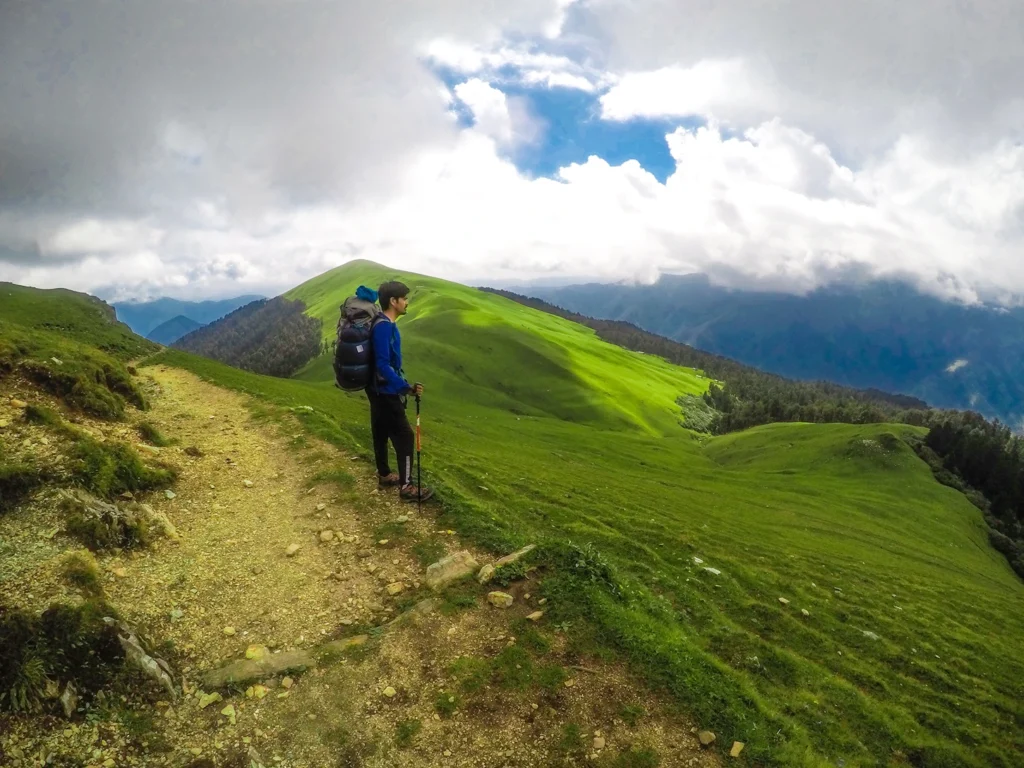
Every Himalayan trek has its own identity. Some are known for snow-covered passes, others for challenging summits or glacial terrain. The Ali Bedni Bugyal Trek stands apart because of its extraordinary alpine meadows, which are among the largest and most beautiful in Asia.
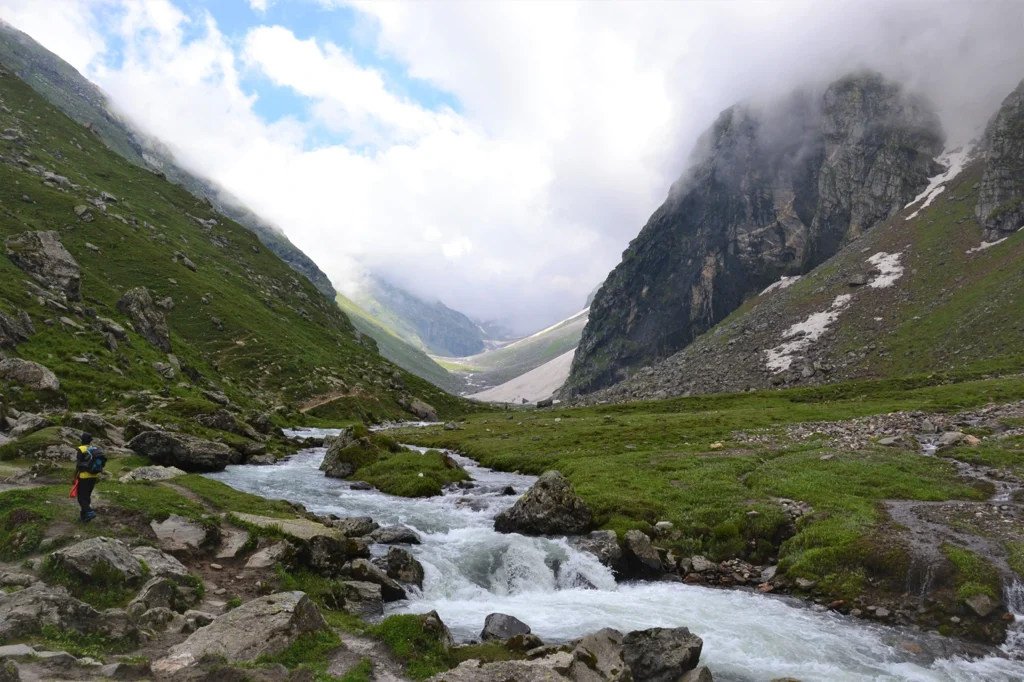
Unlike many Himalayan treks where forests dominate most of the route, this trek opens into vast rolling grasslands stretching across the mountains. During sunrise and sunset, these meadows transform into shades of emerald green and golden yellow, creating a landscape unlike anywhere else in the Indian Himalayas.
The trail also passes through charming villages, ancient oak forests, vibrant rhododendron groves, and the sacred Bedni Kund, a high-altitude lake deeply connected to local traditions and the famous Nanda Devi Raj Jat Yatra.
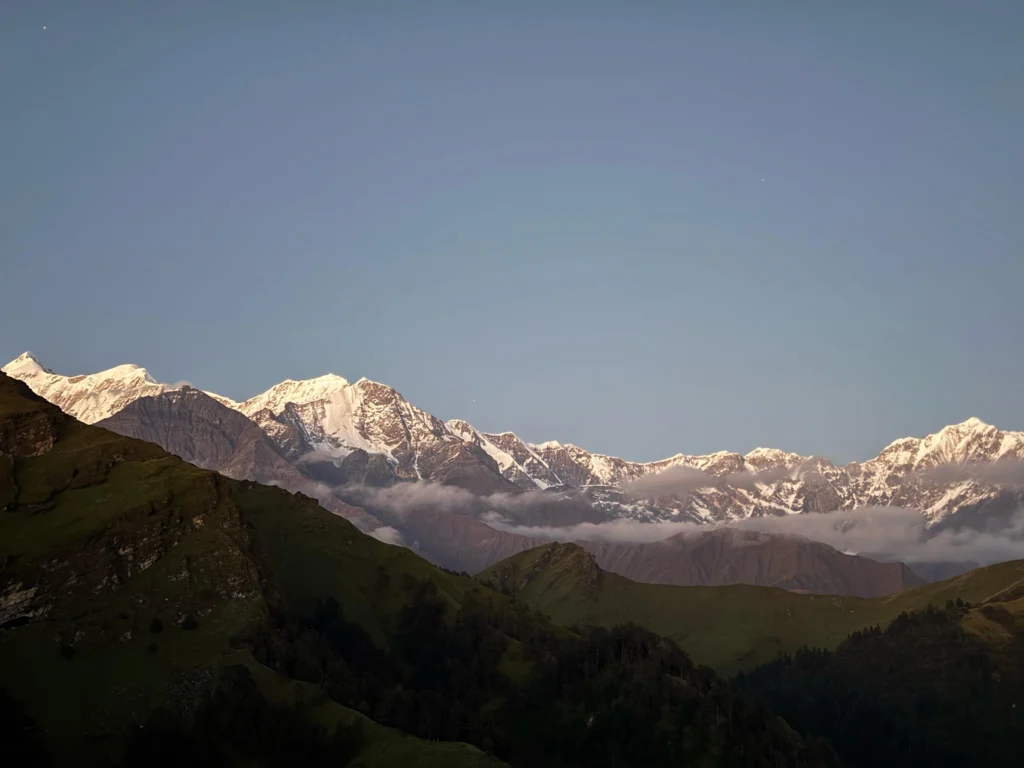
Another reason behind the trek’s growing popularity is its panoramic Himalayan views. On clear days, trekkers witness an uninterrupted skyline featuring Mt. Trishul, Nanda Ghunti, Chaukhamba, Neelkanth, and several other majestic peaks.
Unlike highly crowded Himalayan routes, the Ali Bedni Bugyal Trek still retains a peaceful atmosphere, allowing trekkers to immerse themselves in nature without excessive footfall.
What Is the Difficulty Level of the Ali Bedni Bugyal Trek?
The Ali Bedni Bugyal Trek Difficulty is generally classified as Moderate.
This means the trek is suitable for healthy beginners with proper preparation while still offering enough physical challenge to satisfy experienced trekkers.
Unlike technical expeditions, you don’t need ropes, crampons, ice axes, or prior mountaineering skills. However, the trek should not be underestimated simply because it is non-technical.
Several factors contribute to its moderate difficulty.
1. Continuous Walking
Trekkers spend approximately 5–7 hours walking on most trekking days. While individual sections may not feel particularly difficult, the cumulative effort over multiple days can be physically demanding.
Maintaining a steady pace becomes far more important than walking fast.
2. Gradual Altitude Gain
The trek starts from the picturesque village of Lohajung and gradually climbs towards the high alpine meadows of Ali Bugyal and Bedni Bugyal.
The highest point reaches approximately 12,550 ft (3,825 m).
Although the altitude gain is gradual, oxygen levels naturally decrease as you ascend. Many first-time trekkers notice slower breathing during uphill sections, especially above 10,000 ft.
Fortunately, the itinerary is designed to help your body acclimatize naturally.
3. Changing Terrain
The trail constantly changes throughout the journey.
You’ll walk through:
- Forest trails
- Stone pathways
- Village routes
- Alpine grasslands
- Steep ascents
- Gradual ridgelines
- Muddy paths after rainfall
Because the terrain changes almost every day, the trek remains engaging while requiring careful footing in certain sections.
4. Weather Variations
Mountain weather is famously unpredictable.
A bright sunny morning can quickly turn into cloudy skies, strong winds, or afternoon rain.
Depending on the season, trekkers may also experience:
- Cold mornings
- Warm afternoons
- Freezing nights
- Fog
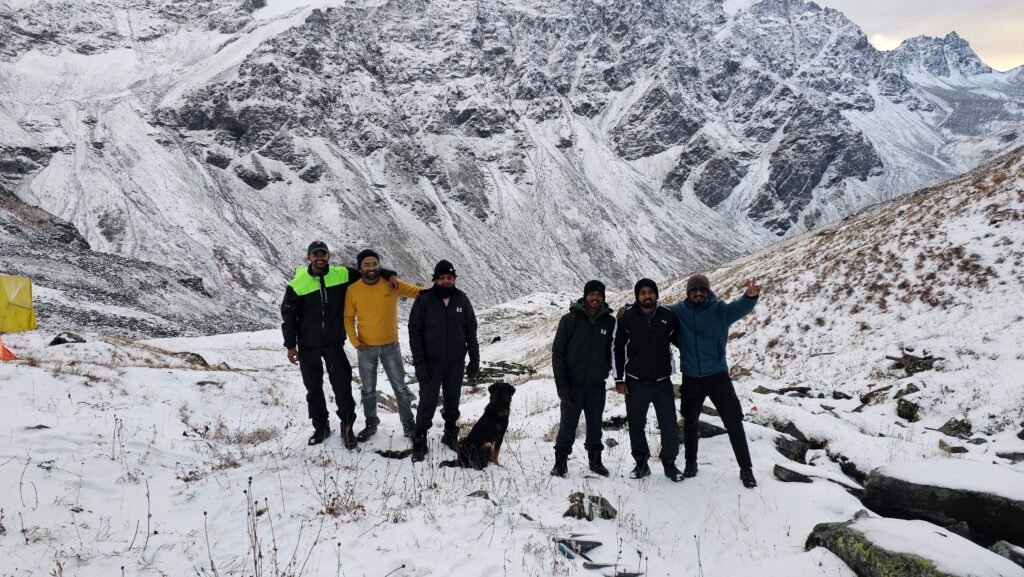
- Light snowfall (late autumn)
- Occasional rain showers
Layering clothing properly becomes essential for staying comfortable throughout the trek.
Physical Difficulty of the Ali Bedni Bugyal Trek
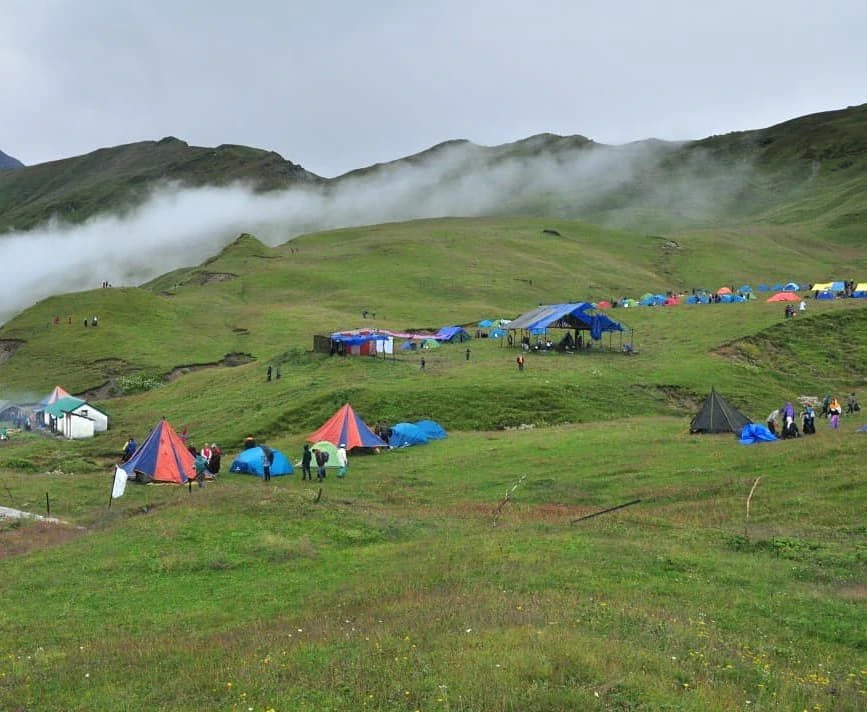
From a physical perspective, the trek primarily tests endurance rather than strength.
You won’t need to climb vertical rock faces or navigate dangerous ridges. Instead, success depends on maintaining energy over several consecutive trekking days.
Typical daily walking distance ranges between 6–10 km, with gradual ascents interspersed by occasional steeper sections.
People who regularly participate in activities such as:
- jogging,
- cycling,
- swimming,
- hiking,
- or brisk walking,
generally adapt well to the trek.
Those with sedentary lifestyles should begin preparing at least 6–8 weeks before departure.
A combination of cardio exercises, stair climbing, squats, lunges, and core strengthening significantly improves comfort during the trek.
Is the Ali Bedni Bugyal Trek Technically Difficult?
One of the biggest misconceptions is that every Himalayan trek involves dangerous climbing.
Fortunately, that isn’t the case here.
The Ali Bedni Bugyal Trek does not require:
- Rock climbing
- Ice climbing
- Glacier travel
- Rope techniques
- Crampon usage
- River crossings using ropes
The trail is well-established and follows traditional shepherd paths and trekking routes.
This makes it one of the safest Himalayan treks for beginners when undertaken with a reputed trekking organization.
However, trekkers should still remain cautious during slippery forest sections, loose stones, or wet trails after rainfall.
Proper trekking shoes with good grip are far more important than advanced climbing equipment.
Does Altitude Make the Trek Difficult?
Altitude is often the most underestimated challenge on Himalayan treks.
While the Ali Bedni Bugyal Trek Height of around 12,550 ft is lower than many summit expeditions, it is still high enough for some trekkers to experience mild symptoms of altitude adaptation.
These may include:
- Mild headache
- Reduced appetite
- Slight breathlessness on steep climbs
- Fatigue
- Difficulty sleeping on the first high-altitude night
These symptoms are usually temporary and improve as the body acclimatizes.
The gradual ascent profile of the trek helps minimize the risk of severe Ali Bedni Bugyal Trek Altitude Sickness, but trekkers should never ignore symptoms or attempt to rush the ascent.
Simple precautions such as drinking sufficient water, eating regular meals, maintaining a steady pace, and avoiding alcohol greatly reduce the likelihood of altitude-related issues.
Is the Ali Bedni Bugyal Trek Suitable for Beginners?
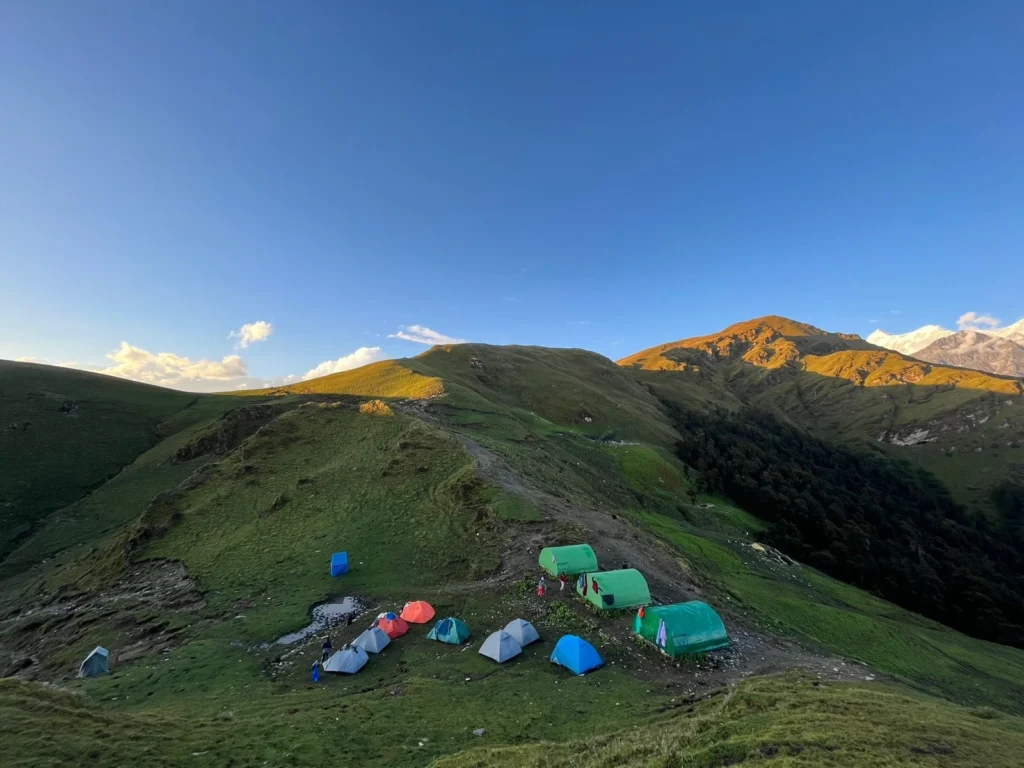
Yes—provided you prepare properly.
The Ali Bedni Bugyal Trek is widely regarded as one of the best Himalayan treks for first-time trekkers because it offers an authentic high-altitude experience without requiring technical mountaineering skills.
If you can comfortably:
- walk 8–10 km in a day,
- climb several flights of stairs without excessive fatigue,
- jog or brisk walk for 45–60 minutes,
- and maintain good overall fitness,
you are well prepared for the trek.
Beginners who invest a few weeks in physical preparation often enjoy the experience far more than those who rely solely on enthusiasm.
The trek rewards patience, consistency, and respect for the mountains—not speed.
Ali Bedni Bugyal Trek Route Explained
One of the biggest reasons behind the popularity of the Ali Bedni Bugyal Trek is its beautifully diverse route. Unlike many Himalayan treks that remain inside dense forests or follow a single type of terrain, this trail constantly changes its scenery. From traditional Garhwali villages and ancient oak forests to vast alpine meadows and sacred high-altitude lakes, every day offers something different.
The Ali Bedni Bugyal Trek begins with a scenic drive from Rishikesh to Lohajung, the picturesque base village located in Chamoli district of Uttarakhand. From Lohajung, the trekking trail passes through traditional Himalayan villages, dense oak and rhododendron forests, the vast alpine meadows of Ali Bugyal and Bedni Bugyal, before descending to Wan Village. The journey concludes with a drive back to Rishikesh, completing a comfortable Rishikesh to Rishikesh itinerary
A standard Ali Bedni Bugyal Trek Route generally follows this itinerary:
- Rishikesh → Lohajung
- Lohajung → Didna Village
- Didna → Ali Bugyal
- Ali Bugyal → Bedni Bugyal
- Bedni Bugyal → Lohajung
- Lohajung → Rishikesh
Some operators may include Ghairoli Patal or nearby campsites depending on the itinerary, but the overall trekking experience remains largely the same.
As you ascend higher, the forests gradually give way to the iconic rolling meadows of Ali and Bedni Bugyal, where panoramic Himalayan views stretch as far as the eye can see.
If you’re looking at an Ali Bedni Bugyal Trek Map, you’ll notice that the route forms a gradual ascent rather than a steep climb. This is one of the key reasons why the trek is suitable for beginners while still offering a rewarding Himalayan experience.
Day-wise Difficulty Breakdown
Understanding the daily terrain helps trekkers prepare both mentally and physically. Here’s what you can realistically expect on each trekking day.
Day 1: Rishikesh to Lohajung
Difficulty: Easy
The adventure begins from Rishikesh, where trekkers meet the Roopkund Heaven team early in the morning before starting the scenic drive towards Lohajung. The journey takes around 10–11 hours, passing through Devprayag, Srinagar, Karnaprayag, and Gwaldam while offering spectacular views of river valleys, pine forests, and Himalayan villages. Although it is a long drive, the changing landscapes make it an enjoyable beginning to the trek. Upon reaching Lohajung, trekkers settle into their accommodation, attend a briefing by the trek leader, and prepare for the adventure ahead.
Day 2: Lohajung to Didna Village
Difficulty: Moderate
This is your first trekking day and a good introduction to Himalayan trails.
The route includes:
- Descending towards a mountain stream
- Crossing small bridges
- Steady uphill forest climbs
- Traditional village paths
Most beginners find this day physically demanding because the body is adjusting to carrying a backpack and walking continuously.
Fortunately, frequent breaks and a comfortable pace make the climb manageable.
Day 3: Didna Village to Ali Bugyal
Difficulty: Moderate
Many trekkers consider this the most rewarding day of the entire journey.
The trail initially passes through dense oak and rhododendron forests before suddenly opening into the spectacular Ali Bugyal.
The transition is unforgettable.
One moment you’re surrounded by towering trees, and the next you’re standing in one of Asia’s largest alpine meadows with uninterrupted Himalayan panoramas.
Although there are a few uphill stretches, the excitement of reaching Ali Bugyal often makes the effort worthwhile.
Day 4: Ali Bugyal to Bedni Bugyal
Difficulty: Easy to Moderate
This day is physically easier but visually extraordinary.
The route gently traverses rolling meadows with gradual ascents and descents.
Unlike previous days, there are fewer forest sections and more open landscapes.
Trekkers spend most of the day walking across lush grasslands while enjoying magnificent views of Mt. Trishul, Nanda Ghunti, Chaukhamba, and Neelkanth.
The visit to Bedni Kund, a sacred alpine lake, adds both cultural and spiritual significance to the experience.
Day 5: Ali Bugyal to Lohajung via Gharoli Patal
Difficulty: Moderate
The final trekking day follows a scenic descent from Ali Bugyal through the beautiful forests of Ghairoli Patal to Lohajung. Although mostly downhill, the long descent can be demanding on the knees, making trekking poles highly recommended. Upon reaching Lohajung, trekkers celebrate the successful completion of the Ali Bedni Bugyal Trek and relax after an unforgettable Himalayan adventure.
Day 6: Lohajung – Rishikesh
Difficulty: Easy
After an early breakfast, the team departs from Lohajung for the scenic drive back to Rishikesh. The route follows the Alaknanda River through picturesque mountain towns such as Gwaldam, Karnaprayag, Srinagar, and Devprayag before reaching Rishikesh by evening.
As the Himalayas fade into the distance, trekkers return with unforgettable memories of walking through the magnificent meadows of Ali and Bedni Bugyal, witnessing breathtaking Himalayan panoramas, and experiencing one of Uttarakhand’s most rewarding trekking adventures.
Which Part of the Trek Is the Most Challenging?
Unlike summit expeditions where one particular day is extremely demanding, the Ali Bedni Bugyal Trek Difficulty is spread evenly across the journey.
Trekkers usually find these sections most challenging:
- Long ascent from Lohajung towards Didna
- Continuous uphill forest trail before Ali Bugyal
- Walking at altitude above 11,000 ft
- Cold mornings during autumn
- Slippery trails after rainfall
However, none of these sections involve technical climbing or dangerous exposure.
The trek rewards patience far more than speed.
Best Time for Ali Bedni Bugyal Trek
Choosing the right season can dramatically change your trekking experience.
Every season presents the Bugyals in a different form.
May to June – Lush Green Meadows
This is one of the most popular seasons.
Trekkers enjoy:
- Pleasant daytime temperatures
- Blooming rhododendron forests
- Vibrant green meadows
- Comfortable camping weather
- Crystal-clear mountain views
This period is ideal for first-time trekkers.
September to November – Golden Himalayan Landscapes
Post-monsoon is widely considered the best season for photography.
Expect:
- Exceptionally clear skies
- Fresh mountain air
- Golden grasslands
- Spectacular Himalayan visibility
- Crisp mornings
If your priority is panoramic mountain views, autumn is hard to beat.
Winter
Some trekking operators conduct winter departures depending on snow conditions.
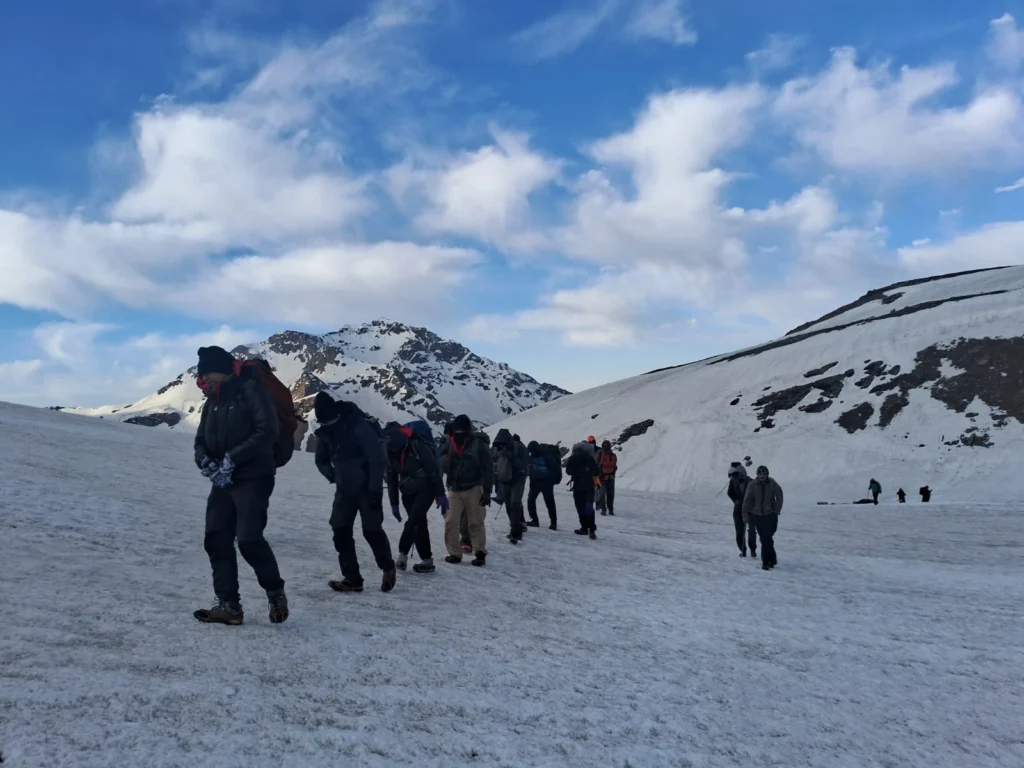
Snow transforms Ali and Bedni Bugyal into a white Himalayan wonderland, but trekking becomes more demanding due to freezing temperatures and snow-covered trails.
Ali Bedni Bugyal Trek Weather
Mountain weather changes rapidly, making preparation essential.
Summer
Day Temperature:
10°C to 18°C
Night Temperature:
2°C to 8°C
Pleasant trekking conditions with occasional afternoon clouds.
Autumn
Day Temperature:
8°C to 15°C
Night Temperature:
-2°C to 5°C
Cool mornings, clear skies, and excellent visibility.
Winter
Heavy snowfall is common.
Night temperatures may drop well below freezing, making proper winter gear essential.
Regardless of the season, carrying layered clothing is always recommended because weather can change within hours.
Fitness Preparation Before the Trek
Although beginners can complete the trek, physical preparation significantly improves the experience.
A good training routine should begin 6–8 weeks before departure.
Focus on:
Cardio
- Jogging
- Brisk walking
- Cycling
- Swimming
Aim for 45–60 minutes at least five days per week.
Strength Training
Include:
- Squats
- Lunges
- Step-ups
- Planks
- Wall sits
- Core exercises
Strong legs reduce fatigue during long ascents and descents.
Endurance
Weekend hikes carrying a light backpack closely simulate trekking conditions and build confidence.
Ali Bedni Bugyal Trek Packing List
Packing smart is just as important as fitness.
Essential items include:
Clothing
- Moisture-wicking base layers
- Fleece jacket
- Insulated down jacket
- Waterproof shell
- Trekking pants
- Thermal wear
- Woollen cap
- Sun cap
- Waterproof gloves
- Warm socks
Footwear
- High-ankle trekking shoes with good grip
- Lightweight camp shoes
- Extra socks
Accessories
- Trekking poles
- Sunglasses (UV protection)
- Sunscreen SPF 50+
- Lip balm
- Headlamp
- Power bank
- Water bottles (2 litres minimum)
- Personal medicines
- Rain cover for backpack
Avoid carrying unnecessary clothing, as excess weight makes trekking more tiring.
Ali Bedni Bugyal Trek Permit Guide
Since the trek passes through protected forest areas, necessary permissions are required before entering the trail.
These typically include:
- Forest entry permits
- Eco-development fees (where applicable)
- Government-issued photo identification
- Registration with local authorities, if required
If you book with a reputed trekking company like Roopkund Heaven, permit arrangements are generally handled on your behalf, allowing you to focus entirely on the trekking experience.
Ali Bedni Bugyal Trek Cost – What Does It Usually Include?
The Ali Bedni Bugyal Trek Cost varies depending on the operator, group size, itinerary, and inclusions.
A standard trekking package generally includes:
- Accommodation during the trek
- Camping equipment
- Nutritious vegetarian meals
- Certified trek leaders
- Experienced local guides
- Forest permits
- First-aid support
- Kitchen staff
- Camping crew
Roopkund Heaven’s Ali Bedni Bugyal Trek package includes transportation from Rishikesh to Rishikesh. The package generally covers transportation, accommodation, meals during the trek, camping equipment, experienced trek leaders, local guides, permits, and safety support, allowing trekkers to enjoy a hassle-free Himalayan adventure.
The Summit Story – Why Every Step Feels Worth It
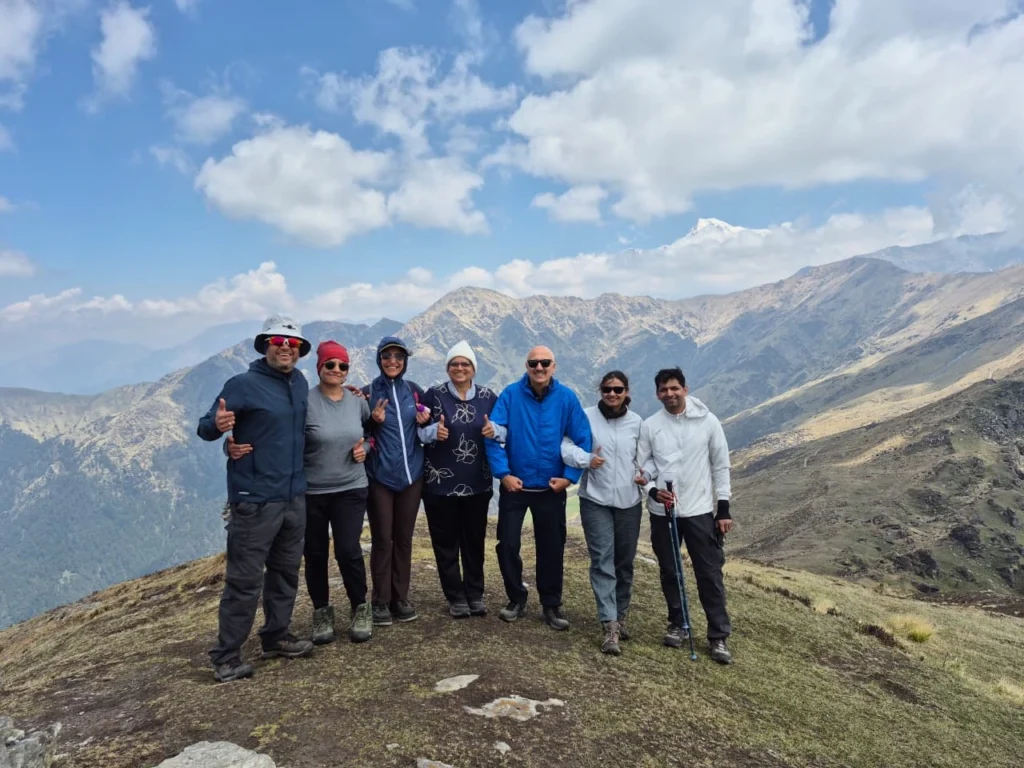
Unlike summit-focused expeditions, the true reward of the Ali Bedni Bugyal Trek isn’t reaching a single peak—it’s immersing yourself in one of the Himalayas’ most breathtaking landscapes.
Imagine stepping out of your tent just before sunrise. The meadow is silent except for the gentle mountain breeze. As the first rays of sunlight touch Mt. Trishul and Nanda Ghunti, their snow-covered faces glow in brilliant shades of gold and orange. Thin wisps of mist drift across the grasslands, and Bedni Kund reflects the awakening sky like a mirror.
There are no crowds, no city noise, and no rush—only endless alpine meadows stretching toward the horizon.
It’s in these quiet moments that trekkers truly understand why Ali and Bedni Bugyal are considered among the finest high-altitude meadows in the Himalayas.
The journey isn’t about conquering a mountain; it’s about experiencing the rhythm of the mountains themselves.
Common Mistakes First-Time Trekkers Make
The Ali Bedni Bugyal Trek is often recommended as one of the best beginner-friendly Himalayan treks. However, many first-time trekkers underestimate the preparation required. While the trail is non-technical, poor planning can make the experience unnecessarily challenging.
Here are the most common mistakes and how to avoid them.
1. Underestimating the Trek
One of the biggest misconceptions is that a moderate trek requires little preparation. Although the trail doesn’t involve climbing or glaciers, you’ll still walk for several hours each day at high altitude. Regular cardio and strength training before the trek can make a significant difference.
2. Wearing New or Inappropriate Shoes
Footwear can determine whether your trek is enjoyable or painful. New trekking shoes that haven’t been broken in often cause blisters, while sports shoes usually lack the grip needed on rocky or muddy trails.
Invest in a good pair of high-ankle trekking shoes and wear them during practice walks before your trek begins.
3. Carrying Too Much Weight
Many beginners pack “just in case” items they never use. A heavy backpack increases fatigue, especially during long uphill climbs.
Pack only the essentials, following a well-planned Ali Bedni Bugyal Trek Packing List, and keep your backpack as light as possible.
4. Ignoring Hydration
The cool mountain climate often masks dehydration. At higher altitudes, your body loses fluids more quickly, increasing the risk of headaches and fatigue.
Drink water regularly throughout the trek, even if you don’t feel thirsty.
5. Walking Too Fast
Trying to lead the group or maintain a fast pace usually results in exhaustion.
The mountains reward consistency rather than speed. Maintain a comfortable rhythm and take short breaks whenever needed.
6. Neglecting Weather Preparation
Mountain weather can change rapidly. Even on sunny days, evenings and early mornings are often cold.
Always carry waterproof layers, warm clothing, gloves, and a rain cover for your backpack.
Is the Ali Bedni Bugyal Trek Worth It?
Absolutely.
The Ali Bedni Bugyal Trek is one of those rare Himalayan journeys where the destination is only part of the experience. Every day brings a new landscape—dense oak forests, traditional mountain villages, vibrant rhododendron trails, and finally, the breathtaking alpine meadows that make this trek famous.
Unlike high-altitude summit expeditions that focus on reaching a peak, this trek invites you to slow down and appreciate the journey itself. Walking across endless grasslands with panoramic views of Mt. Trishul and Nanda Ghunti creates memories that remain long after the trek ends.
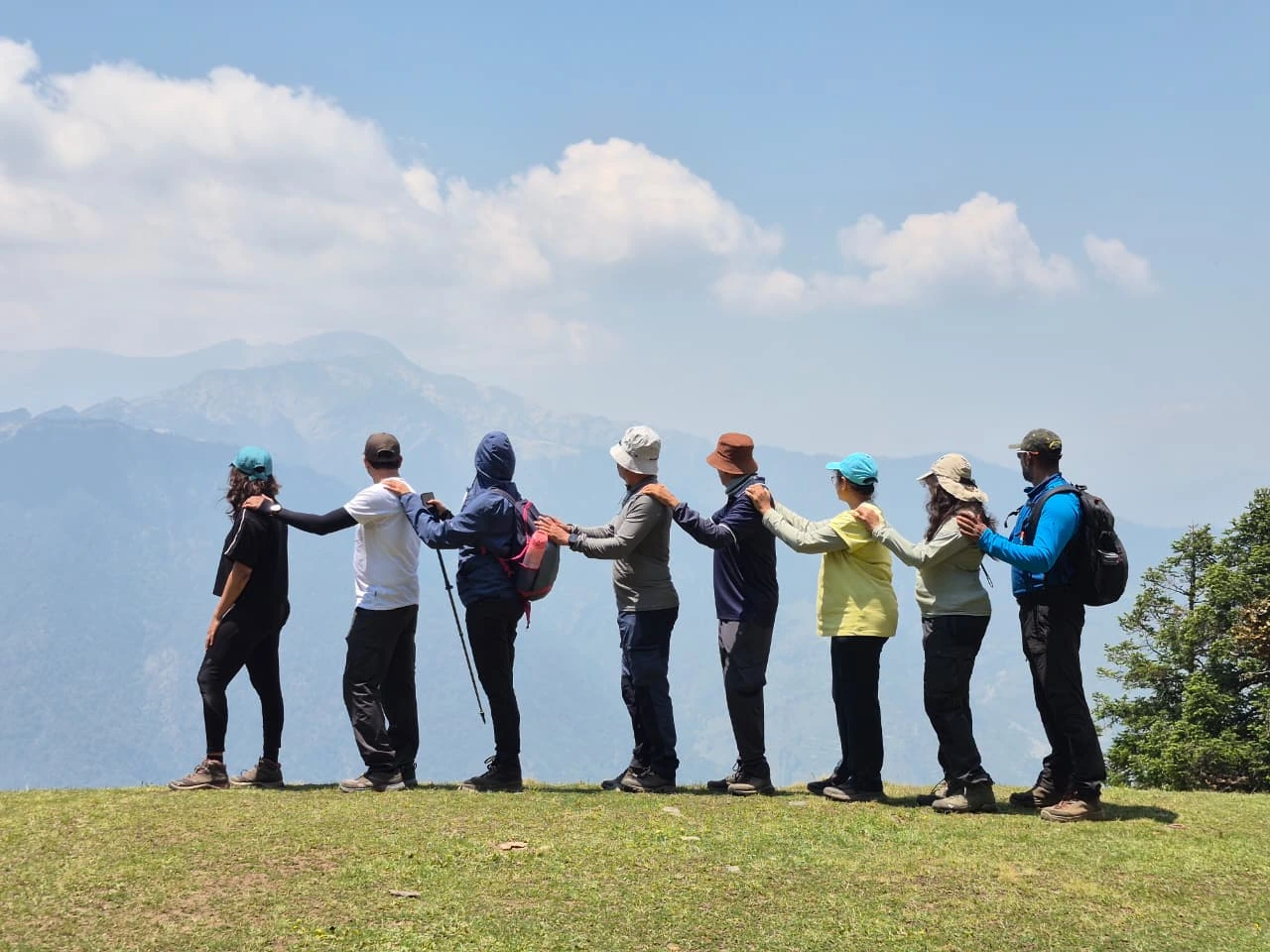
Whether you’re an experienced trekker or planning your first Himalayan adventure, Ali and Bedni Bugyal offer a rewarding combination of natural beauty, moderate challenge, and cultural significance.
Why Choose Roopkund Heaven for the Ali Bedni Bugyal Trek?
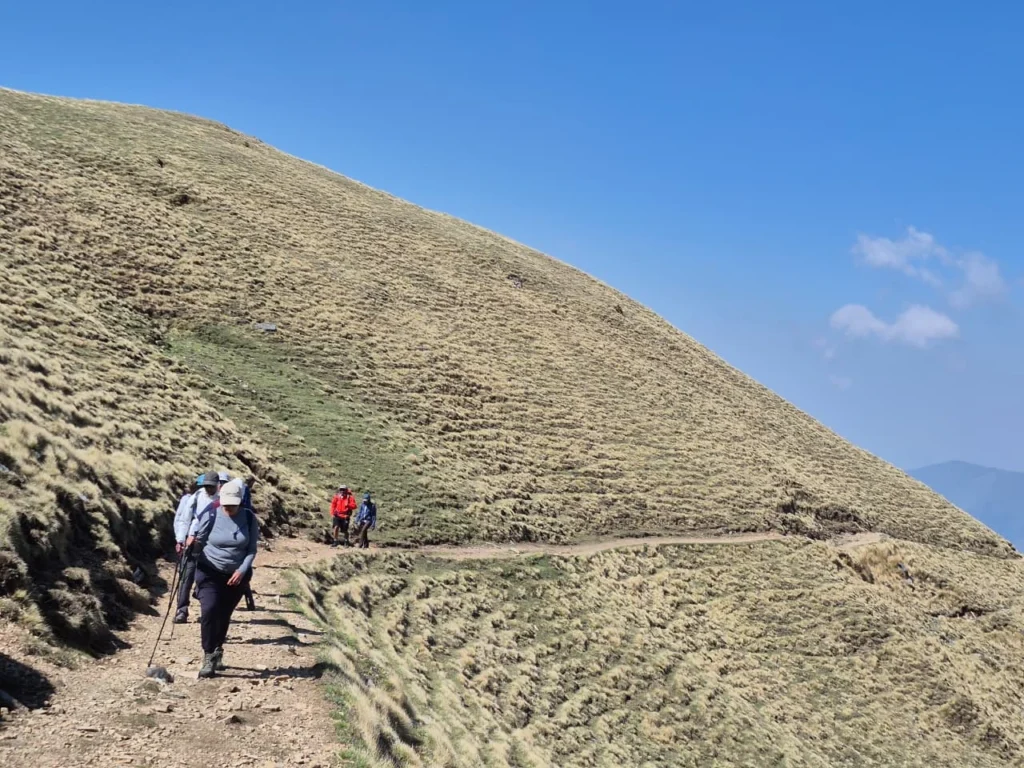
Choosing the right trekking organization is just as important as choosing the trek itself. A well-organized expedition enhances safety, comfort, and the overall mountain experience.
At Roopkund Heaven, every trek is led by experienced local professionals who have extensive knowledge of the terrain, weather patterns, and Himalayan conditions.
When you trek with Roopkund Heaven, you benefit from:
- Experienced and certified trek leaders
- Local guides with in-depth regional knowledge
- Well-planned itineraries for proper acclimatization
- Fresh, hygienic, and nutritious meals during the trek
- High-quality camping equipment
- Comprehensive first-aid support
- Small group sizes for better safety and personalized attention
- Responsible trekking practices that respect local communities and fragile mountain ecosystems
Our focus is not simply on completing the trek but on ensuring that every participant enjoys a safe, memorable, and authentic Himalayan experience.
Final Verdict: How Difficult Is the Ali Bedni Bugyal Trek?
So, how difficult is the Ali Bedni Bugyal Trek?
The honest answer is that it is moderately difficult, but highly achievable for anyone who prepares properly.
It is not a technical trek. You won’t need ropes, mountaineering equipment, or prior climbing experience. However, it does require good physical fitness, mental endurance, and respect for the challenges of trekking at altitude.
The trek becomes significantly easier if you:
- Build your fitness before departure
- Wear proper trekking gear
- Stay hydrated
- Walk at a steady pace
- Follow your trek leader’s guidance
- Pack wisely
- Allow your body to acclimatize naturally
For beginners seeking their first Himalayan trekking experience and seasoned trekkers looking to explore one of India’s most spectacular alpine meadows, the Ali Bedni Bugyal Trek is an excellent choice.
The reward is far greater than the effort—a journey through ancient forests, expansive bugyals, sacred mountain lakes, and some of the most breathtaking Himalayan views you’ll ever witness.
Frequently Asked Questions (Ali Bedni Bugyal Trek FAQ)
1. Is the Ali Bedni Bugyal Trek difficult?
The Ali Bedni Bugyal Trek Difficulty is graded as moderate. It involves gradual altitude gain, daily trekking of 5–7 hours, and some steep forest sections. With proper preparation, beginners can complete it comfortably.
2. What is the height of the Ali Bedni Bugyal Trek?
The highest point of the trek is approximately 12,550 ft (3,825 m) above sea level, offering magnificent views of Mt. Trishul, Nanda Ghunti, Chaukhamba, and surrounding Himalayan peaks.
3. Is the Ali Bedni Bugyal Trek suitable for beginners?
Yes. The trek is ideal for beginners who maintain good physical fitness and prepare with regular walking, jogging, stair climbing, or cycling for several weeks before the trek.
4. What is the best time for the Ali Bedni Bugyal Trek?
The best time is May to June for lush green meadows and blooming rhododendrons, and September to November for crystal-clear Himalayan views, pleasant weather, and golden alpine landscapes.
5. How many days does the Ali Bedni Bugyal Trek take?
The Ali Bedni Bugyal Trek is generally completed in 6 Days and 5 Nights, including transportation from Rishikesh to Rishikesh. The itinerary covers the scenic drive to Lohajung, trekking through Didna Village, Ali Bugyal, Bedni Bugyal, Wan Village, and the return journey to Rishikesh
6. What is the total trekking distance?
The total trekking distance is approximately 30–35 km, depending on the itinerary followed.
7. Can beginners experience altitude sickness?
Although the trek reaches around 12,550 ft, the gradual ascent helps reduce the risk of altitude sickness. Staying hydrated, eating properly, and maintaining a steady pace are important preventive measures.
8. What does the Ali Bedni Bugyal Trek Cost usually include?
Most trekking packages include accommodation, meals, camping equipment, certified trek leaders, local guides, forest permits, and first-aid support. Transportation may vary depending on the operator.
9. Is a permit required for the Ali Bedni Bugyal Trek?
Yes. Forest permits are mandatory for entering protected trekking areas. Most organized trekking companies arrange these permits as part of the package.
10. What kind of weather should I expect?
Weather varies by season. Summers are pleasant during the day, autumn offers clear skies and cool temperatures, while winters bring snowfall and sub-zero nights.
11. What should I pack for the Ali Bedni Bugyal Trek?
Essential items include waterproof trekking shoes, layered clothing, an insulated jacket, rain gear, trekking poles, headlamp, sunglasses, sunscreen, gloves, warm socks, reusable water bottles, and personal medications.
12. Is camping allowed at Bedni Bugyal?
Camping is permitted only in designated areas, subject to current forest regulations. Trekkers should always follow environmental guidelines to help preserve the fragile alpine ecosystem.
13. Is a guide mandatory for the trek?
While regulations may vary, trekking with an experienced guide or registered trekking company is highly recommended for safety, navigation, local support, and permit management.
14. How fit should I be before attempting the trek?
You should be able to comfortably walk 8–10 km in a day and perform moderate cardiovascular activities without excessive fatigue. Preparing for 6–8 weeks before the trek is recommended.
15. Why is the Ali Bedni Bugyal Trek famous?
The trek is renowned for its vast alpine meadows, sacred Bedni Kund, panoramic Himalayan views, vibrant rhododendron forests, traditional mountain villages, and its role as one of Uttarakhand’s most scenic meadow treks.
16. Where does the Ali Bedni Bugyal Trek start?
The Ali Bedni Bugyal Trek with Roopkund Heaven starts from Rishikesh. Trekkers assemble in Rishikesh before driving to Lohajung, the trek’s base village. After completing the trek via Ali Bugyal, Bedni Bugyal, and Wan Village, the group returns to Rishikesh, making it a complete Rishikesh-to-Rishikesh itinerary.
Conclusion
The Ali Bedni Bugyal Trek perfectly demonstrates that a memorable Himalayan adventure doesn’t have to involve extreme difficulty. While the trek demands preparation, endurance, and respect for the mountains, it remains accessible to anyone willing to train and embrace the journey with the right mindset.
From the quiet trails winding through ancient oak forests to the breathtaking expanse of Ali and Bedni Bugyal, every step reveals why this trek is regarded as one of Uttarakhand’s finest. The gradual ascent, rich cultural heritage, sacred Bedni Kund, and uninterrupted views of Mt. Trishul and Nanda Ghunti create an experience that is both rewarding and unforgettable.
If you’re looking for a Himalayan trek that combines natural beauty, moderate adventure, and a sense of peace away from crowded trails, the Ali Bedni Bugyal Trek deserves a place at the top of your bucket list. With proper preparation and an experienced team by your side, it’s a journey that offers not only stunning landscapes but also lasting memories of the Himalayas.