Your wait is over! The monsoon has ended, and bookings are officially OPEN for our Autumn Season Treks!
Here is our list of 12 must-do Himalayan treks in September and October. Find the trek that suits you and start planning your Himalayan adventure.
Why Is Autumn the Best Season for Trekking in the Himalayas?
September and October bring some of the most comfortable trekking conditions in the Himalayas. The monsoon begins to move away, trails gradually dry out, and the weather becomes more suitable for long days of walking.
Clearer skies are one of the biggest advantages. During the monsoon, clouds and rain can hide the mountains and make trails muddy or slippery. In autumn, clearer mornings often give you better views of Himalayan peaks, ridges and high passes.
The scenery changes as the season moves forward. September usually feels fresh and green after the rains, while October brings cooler weather and more golden and brown colours across forests and meadows.
The temperature also drops as autumn progresses. Days are generally comfortable for trekking, but mornings and nights can become quite cold, especially at higher camps. So, proper warm clothing becomes important for October treks.
Not every trek is the same in autumn. Some routes are better in September, while others are more suitable in October or later. Your fitness, trekking experience and the kind of landscape you want to see should also guide your choice.
In this guide, we’ve covered 12 treks to help you compare your options and find the one that feels right for you.
Bookings are now open for September and October 2026 treks. Check the available dates, choose your trek and start planning your Himalayan adventure.
1. Kedarkantha Trek
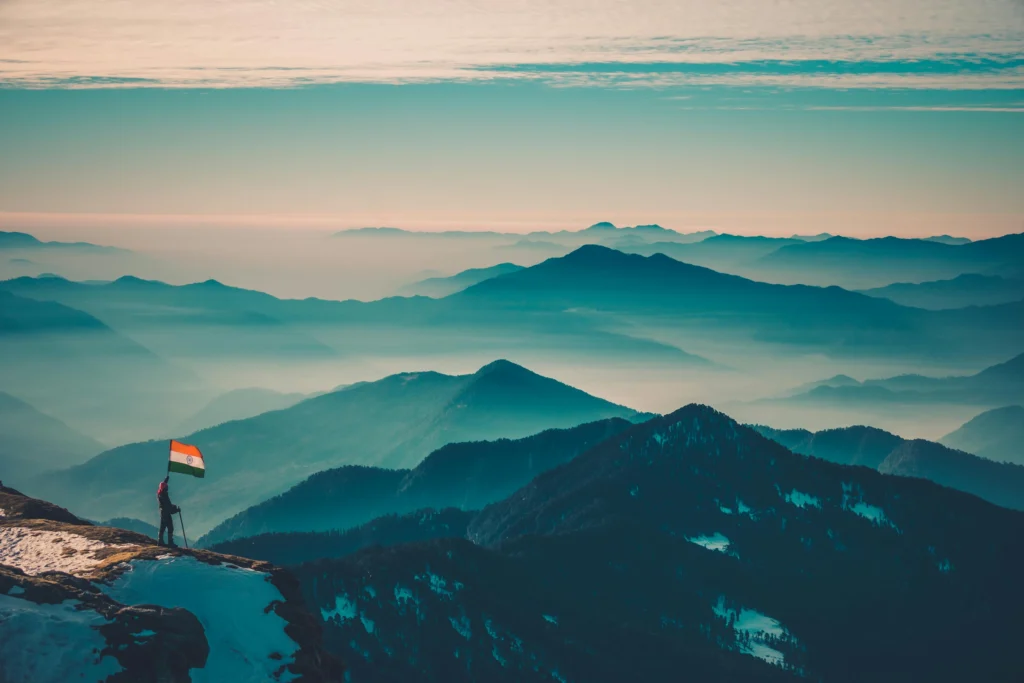
Kedarkantha Trek is one of the most popular winter treks in India. The trek starts from Sankri village, Uttarakhand and takes you through pine forests, open meadows and beautiful campsites before reaching the Kedarkantha summit at around 12,500 ft.
The trek is easy to moderate and is a good option for beginners and first-time trekkers. You do not need technical climbing skills, but good fitness, proper pacing and regular hydration are important.
Duration: 5 Days / 4 Nights
Difficulty: Easy to Moderate
Starting Point: Sankri, Uttarakhand
Highest Point: Around 12,500 ft
Best Time: December–April for snow, May–June and September–November for greener and clearer views
Starting Price: ₹5,500/person
Best For: Beginners, first-time trekkers and short Himalayan adventures
The main highlight is the Kedarkantha summit, which offers wide Himalayan views on a clear day. From the top, you can see himalayan peaks such as Swargarohini, Bandarpoonch, Black Peak (Kalanag) and Ranglana from the top.
Kedarkantha is famous as a snow trek in winter, but September and October offers a different experience. The landscape is greener, mornings and nights are cooler, and clear skies can provide better mountain visibility. If you specifically want a snow experience, plan your trek from late October onwards, when temperatures start dropping and the chances of snow increase.
In short: Kedarkantha Trek is a good choice if you want a short 5-day, beginner-friendly Himalayan trek with a summit climb, beautiful mountain views, pine forests, open meadows and scenic campsites.
2. Ali Bedni Bugyal Trek
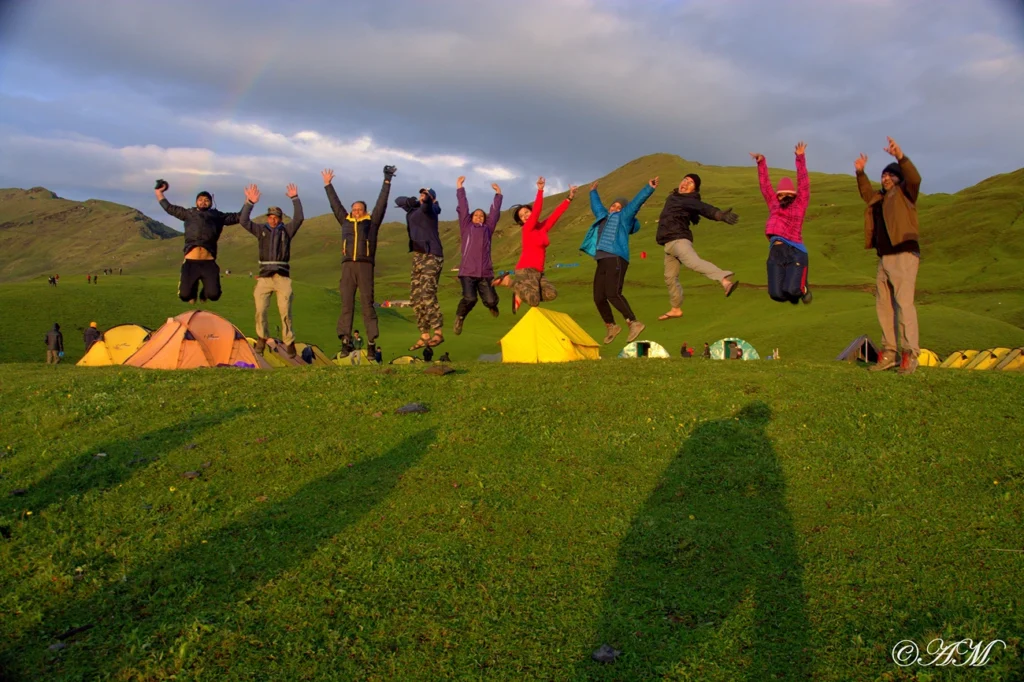
The Ali Bedni Bugyal Trek is a great choice for beginners, active families and anyone who wants to experience the vast alpine meadows of the Himalayas. The trek starts from Lohajung in Chamoli, Uttarakhand, and takes you through beautiful oak and rhododendron forests, mountain villages and open meadows before reaching the famous Ali Bugyal and Bedni Bugyal.
The trek is easy to moderate and does not require technical climbing skills. A typical itinerary takes around 6 days, with daily walks of roughly 6–10 km, depending on the route and campsite. You still need basic fitness because some sections are uphill.
Duration: 6 Days / 5 Nights
Difficulty: Easy to Moderate
Starting Point: Lohajung, Uttarakhand
Highest Point: Around 12,500 ft
Best Time: September–November
Starting Price: ₹8,500/person
Best For: Beginners, active families, photographers and meadow lovers
The main attraction is the vast Ali and Bedni Bugyal, where you can enjoy open grasslands and beautiful Himalayan views. On clear days, you can see Mt. Trishul and Mt. Nanda Ghunti rising above the surrounding mountains.
The forest section is also an important part of the trek. Trails through oak and rhododendron forests offer a peaceful change from the open meadows, while campsites surrounded by trees and mountains make the journey more memorable.
September usually brings greener meadows and fresh post-monsoon landscapes, while October offers cooler mornings and nights, clearer skies and better mountain visibility. The autumn light can make the meadows and surrounding peaks especially beautiful during sunrise and sunset.
In short: Ali Bedni Bugyal is a good choice if you want a 6-day beginner-friendly Himalayan trek with huge alpine meadows, peaceful forest trails, village life and beautiful views of the Himalayan peaks.
3. Buran Ghati Trek
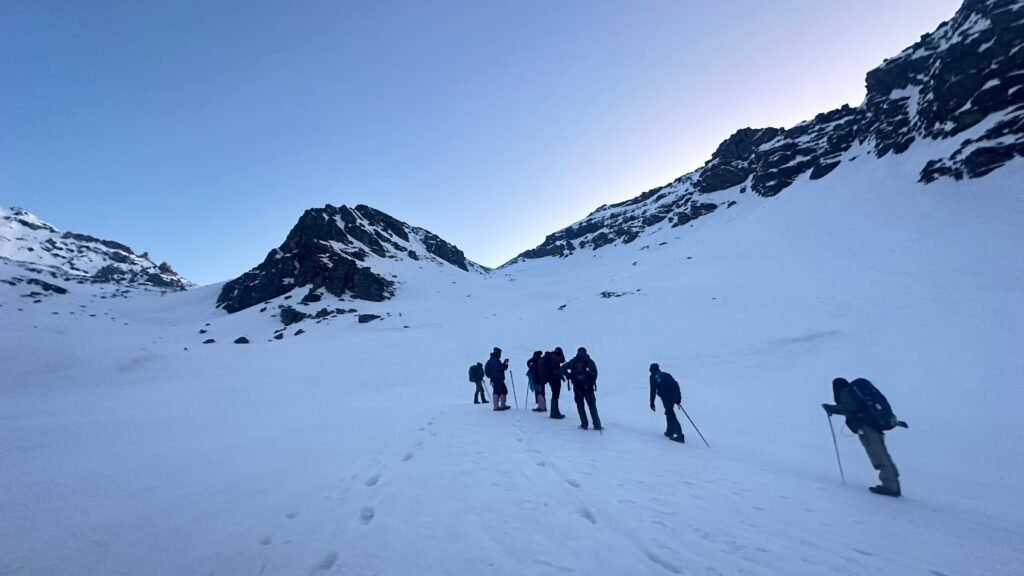
The Buran Ghati Trek is a moderate to difficult trek in Himachal Pradesh, known for its changing landscapes and exciting pass crossing. The trail takes you through dense forests, green meadows, Chandranahan Lake and high-altitude terrain before reaching the famous Buran Ghati Pass.
The trek is more challenging than beginner-friendly treks and requires good fitness and confidence on steep and uneven sections. You do not need technical mountaineering experience, but you should be comfortable with long walking days and high-altitude trails.
Duration: 7 Days / 6 Nights
Difficulty: Moderate to Difficult
Starting Point: Janglik
Highest Point: Around 15,000 ft
Best Time: May–June & September–October
Starting Price: ₹13,000/person
Best For: Intermediate trekkers, adventure seekers and experienced beginners
The main highlights of Buran Ghati include Chandranahan Lake, Dayara Meadows, the famous Buran Ghati Ice Wall and the final pass crossing. The trail keeps changing from forests and open meadows to rugged high-altitude terrain. On clear days, you can also enjoy views of Himalayan peaks such as Kinner Kailash and Shrikhand Mahadev.
The famous Buran Ghati Ice Wall is one of the biggest attractions of the trek. It is mainly seen during the May–June season, when snow remains around the pass. In September and October, the snow wall may not be present, but you can expect cooler weather, greener landscapes, clearer skies and better mountain visibility.
The most challenging part of the trek is Buran Ghati Pass crossing, where steep terrain and altitude make the route physically demanding. You should be comfortable with long uphill walks, uneven trails and changing mountain conditions.
4. Chopta Tungnath Chandrashila Trek with Deoria Tal
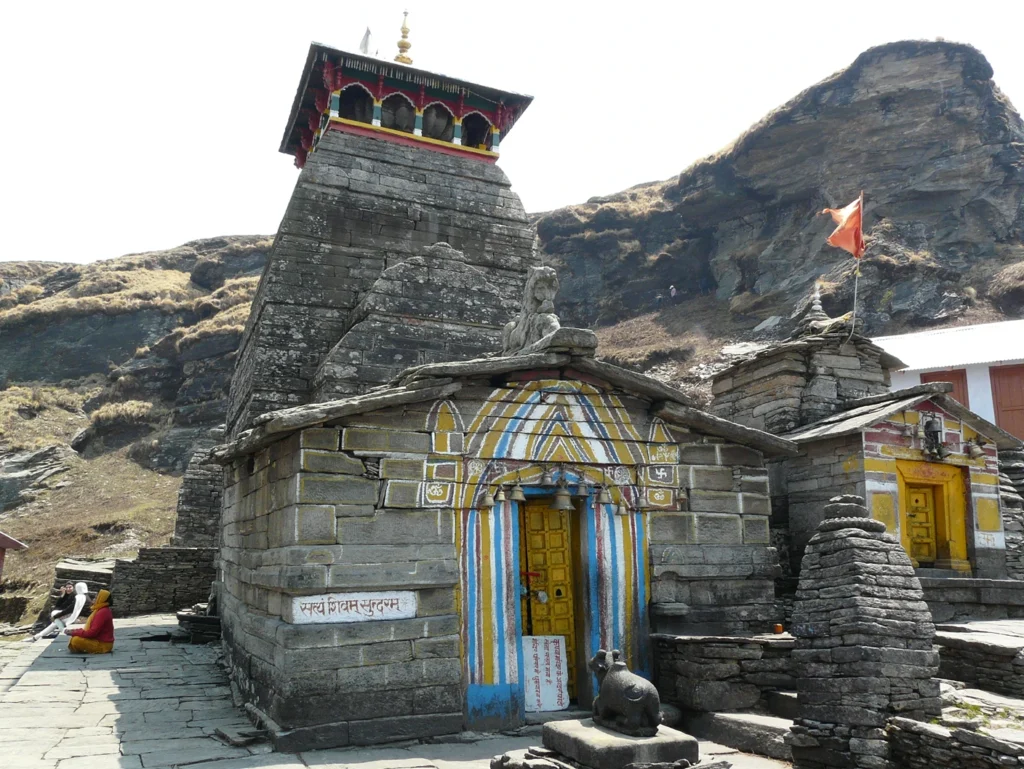
The Chopta Tungnath Chandrashila Trek with Deoria Tal is an easy Himalayan trek and is considered one of the best family-friendly treks in Uttarakhand. The route combines beautiful meadows, forests, wildflowers, Deoria Tal, Tungnath Temple and Chandrashila Summit, without requiring technical climbing or rope sections.
Duration: 3 Days / 2 Nights
Difficulty: Easy
Starting Point: Sari / Chopta, Uttarakhand
Highest Point: Around 12,100 ft
Best Time: March–June & September–December
Starting Price: ₹6,900/person
Best For: Beginners, families and first-time trekkers
The Tungnath Temple is one of the Panch Kedar temples and is widely known as the highest Shiva temple in the world, located at around 12,000 ft. The trek from Chopta to Tungnath is around 3.5 – 4 km one way and usually takes 2–3 hours, depending on your walking speed and breaks.
The trail is mostly stone-paved and easy to follow. Along the way, you can enjoy green meadows, oak and rhododendron forests, colourful rhododendron flowers, Himalayan birds and wildlife such as Himalayan monal, musk deer and barking deer. Wildlife sightings are not guaranteed, but the natural surroundings make the walk enjoyable. In spring and early summer, blooming rhododendrons add bright colours to the forest.
After Tungnath, you can continue another 1.5 km uphill to Chandrashila Summit. This section is steeper, but the summit offers wide Himalayan views. On clear days, you can see peaks such as Chaukhamba, Nanda Devi, Trishul, Kedarnath and Kedar Dome.
Deoria Tal is another major highlight of the trek. The beautiful lake is surrounded by forests and offers stunning views of the Chaukhamba massif, Kedarnath and Kedar Dome on clear days.
In September and October, you can expect green landscapes, cooler weather, clear skies, better mountain visibility and peaceful forest trails after the monsoon.
5. Friendship Peak Expedition
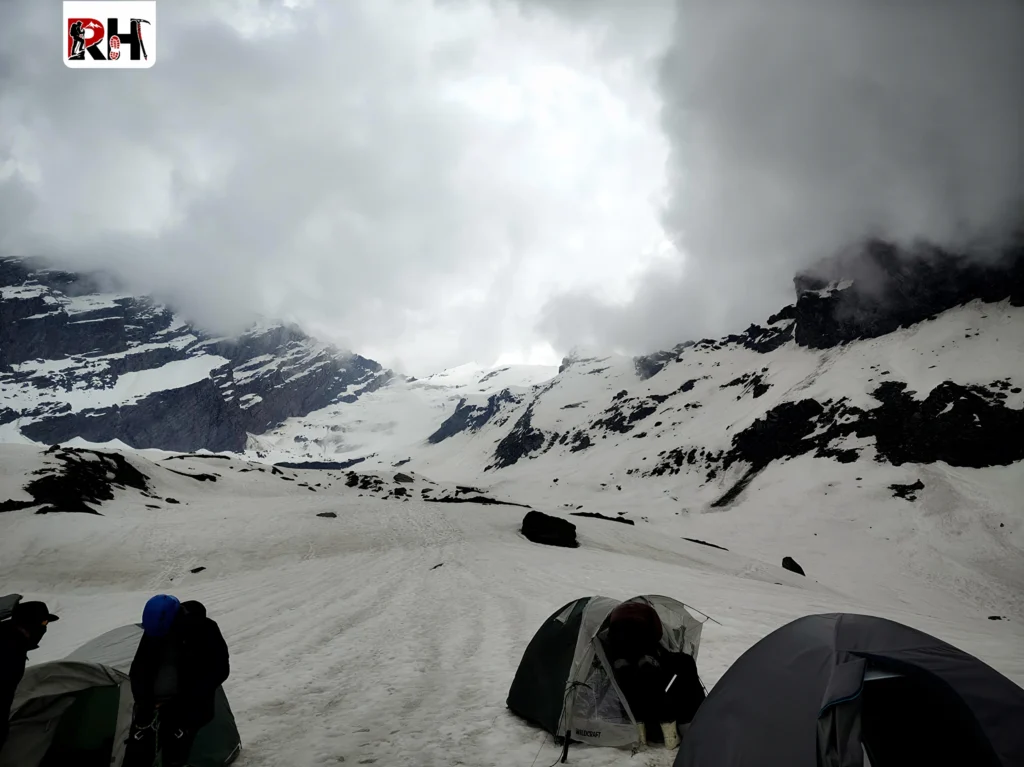
Friendship Peak Expedition is a difficult peak expedition in Himachal Pradesh and a major step up from a regular Himalayan trek. The route involves high altitude, steep terrain and technical sections, so it is mainly suitable for experienced trekkers and aspiring mountaineers.
Duration: 7 Days / 6 Nights
Difficulty: Difficult
Starting Point: Solang Valley, Himachal Pradesh
Highest Point: Around 17,350 ft
Best Time: May–June & September–October
Starting Price: ₹26,500/person
Best For: Experienced trekkers and aspiring mountaineers
The main challenge is reaching the Friendship Peak summit, where you experience steep high-altitude terrain, snow and ice sections and challenging climbing conditions. Depending on the route and conditions, you may need crampons, an ice axe and ropes, so proper training and basic mountaineering experience is important.
September and October offer a very different climbing experience. After the monsoon, the atmosphere is often much clearer, giving you sharp views of the Dhauladhar and Pir Panjal ranges. On clear days, you can also enjoy views of major peaks such as Hanuman Tibba, Deo Tibba and Indrasan.
The lower landscapes also change during autumn. The green meadows around Solang and Bakarthach begin taking on golden and amber colours, while higher sections can have rocky moraines and firmer, hard-packed snow and ice. These conditions can make the climb more demanding and require careful movement with mountaineering equipment.
You can expect sunny days and cold mornings and nights, but high-altitude weather can change quickly. At Advanced Base Camp, temperatures can fall below freezing, while during the midnight summit push, temperatures may drop to around -5°C to -12°C, so proper winter clothing and suitable expedition gear are essential.
In short: Friendship Peak is a good choice if you want to move beyond regular trekking and experience a serious Himalayan peak expedition with technical climbing, high altitude, snow and ice, challenging terrain and spectacular autumn mountain views. It is not suitable for beginners without previous high-altitude or mountaineering experience.
6. Hampta Pass Trek
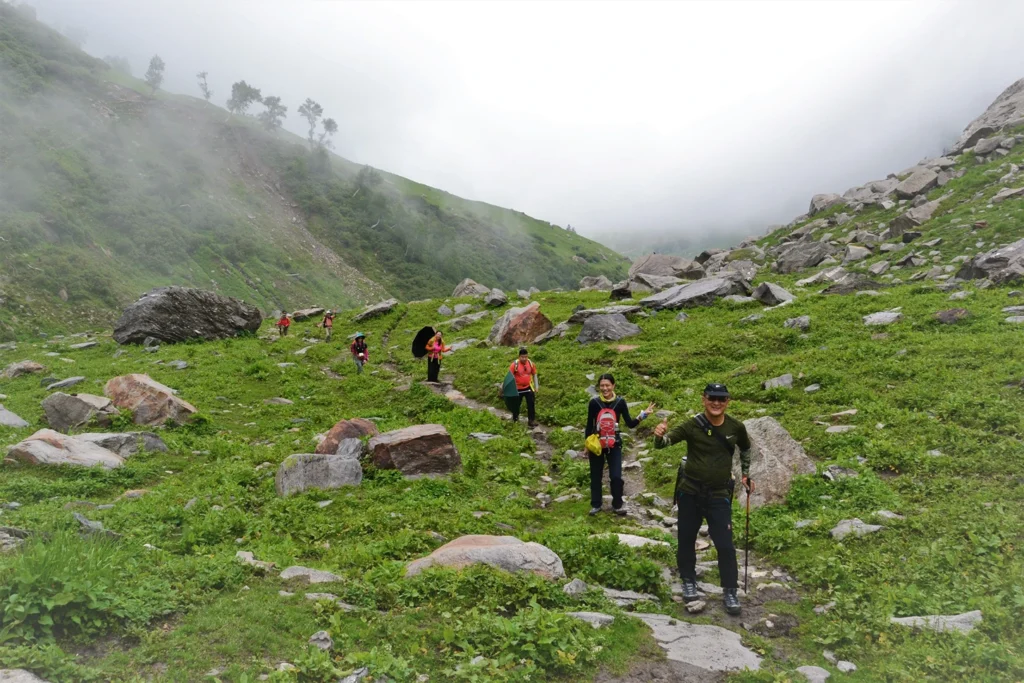
The Hampta Pass Trek is an easy to moderate trek in Himachal Pradesh and a good choice for beginners and intermediate trekkers who want to experience different Himalayan landscapes in a short trip. The trail changes from green forests and meadows of the Kullu Valley to the rugged, dry landscapes of Lahaul after crossing Hampta Pass.
Duration: 5 Days / 4 Nights
Difficulty: Easy to Moderate
Starting Point: Manali, Himachal Pradesh
Highest Point: Around 14,000 ft
Best Time: June–September
Starting Price: ₹8,500/person
Best For: Beginners, intermediate trekkers and varied Himalayan landscapes
The main highlights include Hampta Pass, Chandratal Lake, Rani Nallah, Jwara Meadows and the dramatic Lahaul Valley. On clear days, you can also enjoy views of Himalayan peaks such as Indrasen, Deo Tibba and Hanuman Tibba from parts of the route.
September and early October offer a completely different experience. The monsoon starts fading, bringing clearer skies, crisp mountain air and better visibility. In September, the lower valleys around Jobra and Chika are still green, while by October, the landscape gradually turns golden and brown with the arrival of autumn.
As you climb towards the Hampta Pass at around 14,000 ft, the scenery becomes more rugged, with rocky moraines, glacial boulders and high-altitude terrain. After crossing the pass, the landscape changes dramatically as you descend towards Shea Goru and Chatru, where the green Kullu Valley gives way to the dry and barren Lahaul landscape.
Autumn can also bring easier river crossings as the snowmelt decreases. However, higher camps can become very cold. During the day, temperatures can be around 10°C–15°C, while nights at camps such as Shea Goru can fall to around 0°C to -5°C or lower, depending on the weather.
The trek is generally quieter in autumn than during the peak summer season, giving you more peaceful trails and better opportunities to enjoy the mountain scenery. However, late October can bring a higher chance of snowfall, which may affect the pass crossing and can lead to changes in the itinerary.
In short: Hampta Pass is a good choice if you want a short Himalayan trek with forests, green meadows, a high pass, river crossings and a dramatic change from the lush Kullu Valley to the dry Lahaul landscape.
7. Har Ki Dun Trek
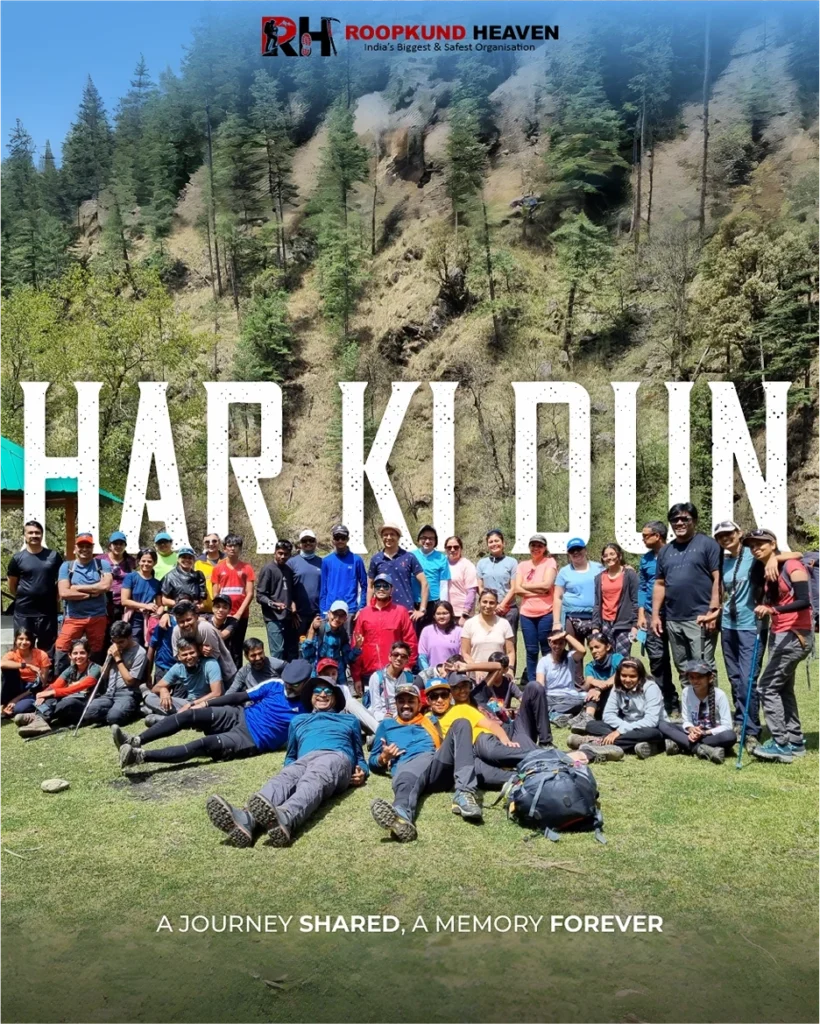
The Har Ki Dun Trek is a moderate trek in Uttarakhand and a great choice if you prefer forests, villages and valleys over a summit climb. The route passes through pine and deodar forests, remote Himalayan villages, river valleys and the wide Har Ki Dun Valley, making it a scenic trek without any technical climbing.
Duration: 7 Days / 6 Nights
Difficulty: Moderate
Starting Point: Sankri, Uttarakhand
Highest Point: Around 11,800 ft
Best Time: April–June & September–November
Starting Price: ₹9,000/person
Best For: Nature lovers, photographers and trekkers who enjoy scenic valley walks
The main highlights of the trek, Har Ki Dun Valley, Osla Village, ancient temples, alpine meadows, forests and surrounding Himalayan ranges. On clear days, you can enjoy views of peaks such as Swargarohini, Bandarpoonch and Black Peak (Kalanag). The trail also gives you a chance to experience traditional village life, peaceful forest walks and open valley landscapes.
September and October offer a beautiful experience. The rains start to fade, the trails become drier and the skies are often clearer. September usually keeps the valley green and lush, while October brings cooler weather and golden and yellow autumn colours across the forests and meadows. Day temperatures can be around 10°C to 18°C, but nights become much colder at higher camps and can fall to around 0°C to 5°C or lower, so warm layers, thermal innerwear, gloves and a good jacket are important.
With less rain, the trail is generally more comfortable to walk, although some muddy sections and stream crossings can still appear after rainfall. The route includes gradual climbs, uneven village paths, forest trails, river crossings and open valley sections, so good fitness and comfortable trekking shoes are important. Clear autumn mornings can also give you better mountain visibility, while clear nights at higher camps can be good for stargazing.
In short: Har Ki Dun is a good choice if you want a peaceful Himalayan trek with forests, traditional villages, alpine meadows, river valleys and beautiful mountain views. September and October are especially good if you want greener landscapes, autumn colours, clearer skies, cooler days and cold mountain nights.
8. Kashmir Great Lakes Trek
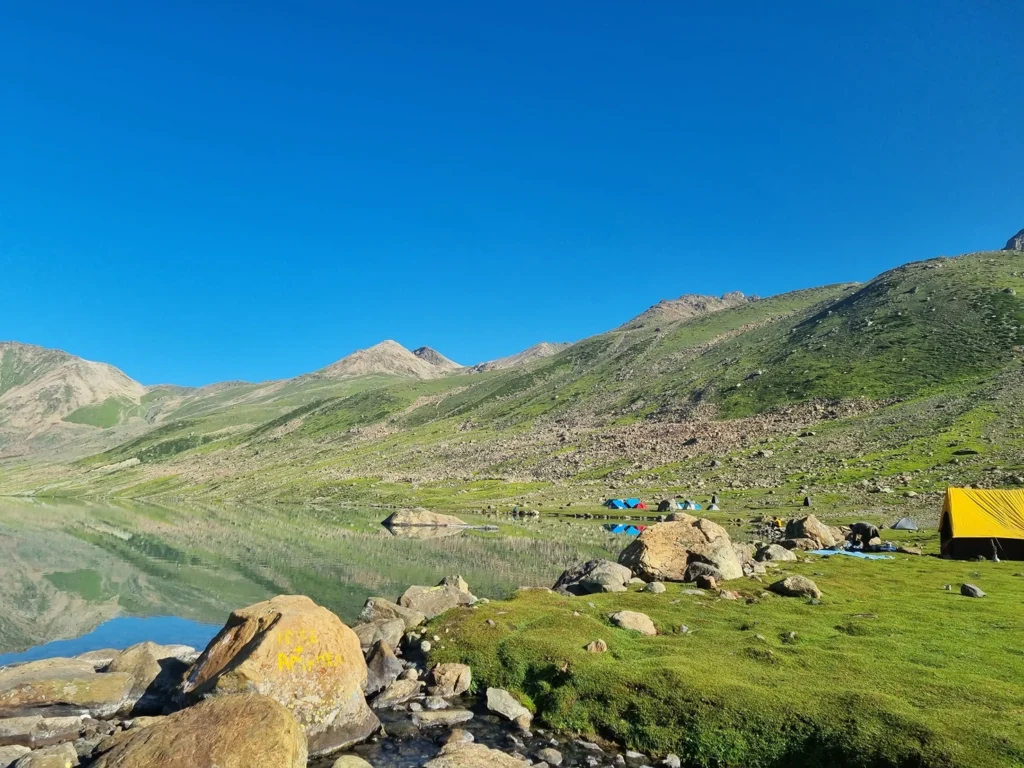
Kashmir Great Lakes Trek is a moderate to difficult trek and one of the most scenic high-altitude treks in India. The route takes you through vast meadows, alpine lakes and high mountain passes, with a different landscape almost every day. It is better suited to trekkers with some previous trekking experience.
Duration: 7 Days / 6 Nights
Difficulty: Moderate to Difficult
Starting Point: Sonamarg, Kashmir
Highest Point: Around 13,700 ft
Best Time: July–September
Starting Price: ₹15,000/person
Best for: Intermediate trekkers, photographers and alpine landscape lovers
The biggest attractions are Kishansar Lake, Gadsar Lake, Satsar Lakes, Gangbal Lake and Nundkol Lake, along with the huge meadows of Vishansar Valley and Gadsar. The trail also crosses several high passes, including Zaj Pass and Gadsar Pass.
On clear days, you can enjoy views of surrounding peaks of the Kashmir Himalayas, including Harmukh, one of the most prominent peaks visible from the Gangbal–Nundkol area.
September offers a beautiful autumn experience as the summer greenery slowly changes into golden and brown shades, creating a striking contrast with the deep blue alpine lakes. The post-monsoon air is often clearer, giving you better visibility of the surrounding mountains and peaks such as Harmukh. With the busy July and August period behind you, the trail can also feel quieter, allowing you to enjoy the vast meadows and lakes in a more peaceful setting.
The days are generally comfortable for trekking, with temperatures often around 14°C to 18°C under clear skies, but the temperature drops quickly after sunset. At higher camps and passes, nights can fall to around 0°C to -4°C or lower, especially towards late September. Early mornings can be very cold, with frost, frozen tents and icy puddles possible, so thermal innerwear, warm layers, gloves and a good sleeping bag are important.
The trek is physically demanding because of long walking days, repeated ascents and descents, high passes and altitude. Technical climbing is not usually required, but changing weather can make the high passes more challenging. By late September, early snowfall can occur around high passes such as Gadsar, and if winter conditions arrive early, snowfall can make the trail difficult or bring the trekking season to an end.
In short: Kashmir Great Lakes is a good choice if you want alpine lakes, huge meadows, high mountain passes and dramatic Kashmir landscapes. September offers a mix of greener-to-golden landscapes, clearer mountain views and quieter trails, but late-season trekkers must be prepared for freezing nights, sudden snowfall and changing high-altitude conditions.
9. Rupin Pass Trek
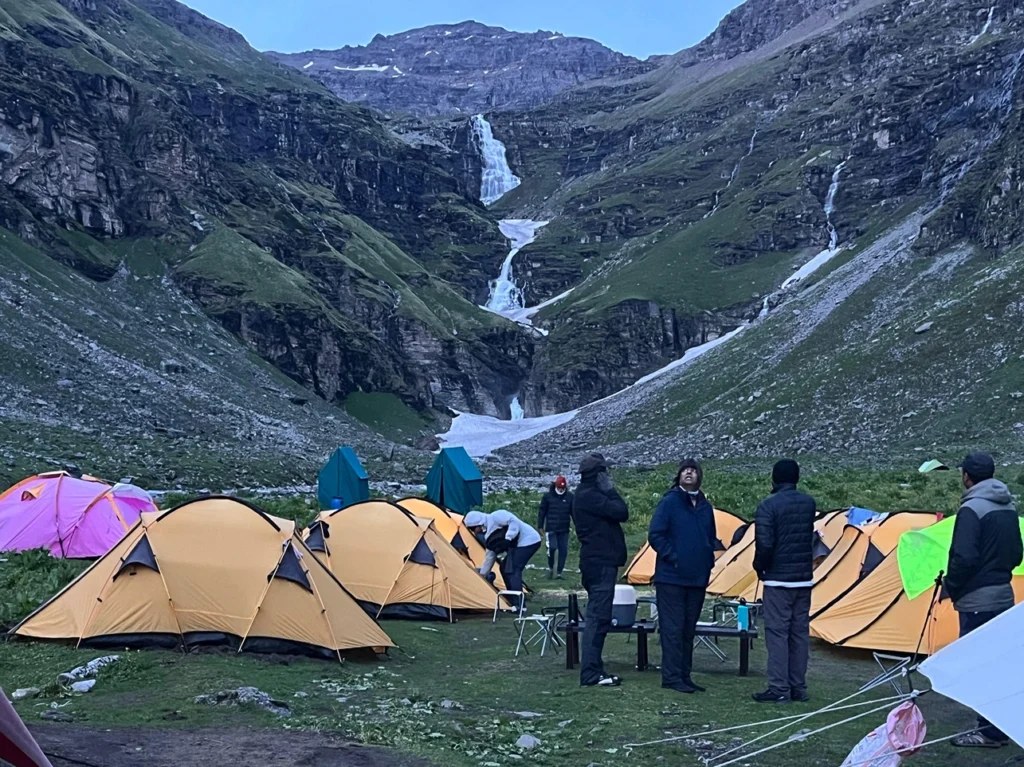
Rupin Pass Trek is a moderate to difficult trek and one of the classic high-altitude pass treks in the Himalayas. The route takes you through villages, dense forests, waterfalls, river sections, meadows and high-altitude terrain before the final Rupin Pass crossing. It is better suited to trekkers with some Himalayan trekking experience.
Duration: 7 Days / 6 Nights
Difficulty: Moderate to Difficult
Starting Point: Dhaula, Uttarakhand
Highest Point: Around 15,250 ft
Best Time: May–June & September–October
Starting Price: ₹14,500/person
Best for: Intermediate trekkers, adventure seekers and experienced hikers
The main attractions include the Rupin Waterfall, Dhanderas Thatch, Rata Pani, Rupin Pass and the hanging village of Jiskun. The landscape changes constantly as you move from forests and green valleys to open meadows and rugged high-altitude terrain. On clear days, you can also enjoy views of the Kinnaur and Dhauladhar ranges, with peaks such as Kinner Kailash visible from parts of the route.
September and October offer a beautiful autumn experience. After the monsoon, the lower valleys remain green, while the forests and meadows slowly start turning golden and brown. The skies are often clearer, giving you better views of the surrounding mountains. Day temperatures at lower camps can be around 12°C to 18°C, so the weather is usually comfortable for walking. Waterfalls and streams can still have good water flow after the rainy season.
As you climb above 11,000 ft, the scenery becomes more rocky and rugged. There is usually less snow than in spring, so you can see more of the rocks and mountain slopes. However, nights become very cold at higher camps, and temperatures can drop to around -1°C to -6°C or lower. You should carry thermal innerwear, warm layers, gloves, a good jacket and a warm sleeping bag.
The trek can be physically demanding because of long walking days, steep climbs, high altitude and uneven trails. The Rupin Pass crossing is one of the hardest parts of the trek, so good fitness and previous trekking experience are important.
In short: Rupin Pass is a good choice if you want a challenging Himalayan trek with waterfalls, forests, meadows, mountain views and a high-altitude pass crossing. September and October offer clearer skies, autumn colours and comfortable daytime trekking, but the higher camps can be very cold.
10. Kuari Pass Trek
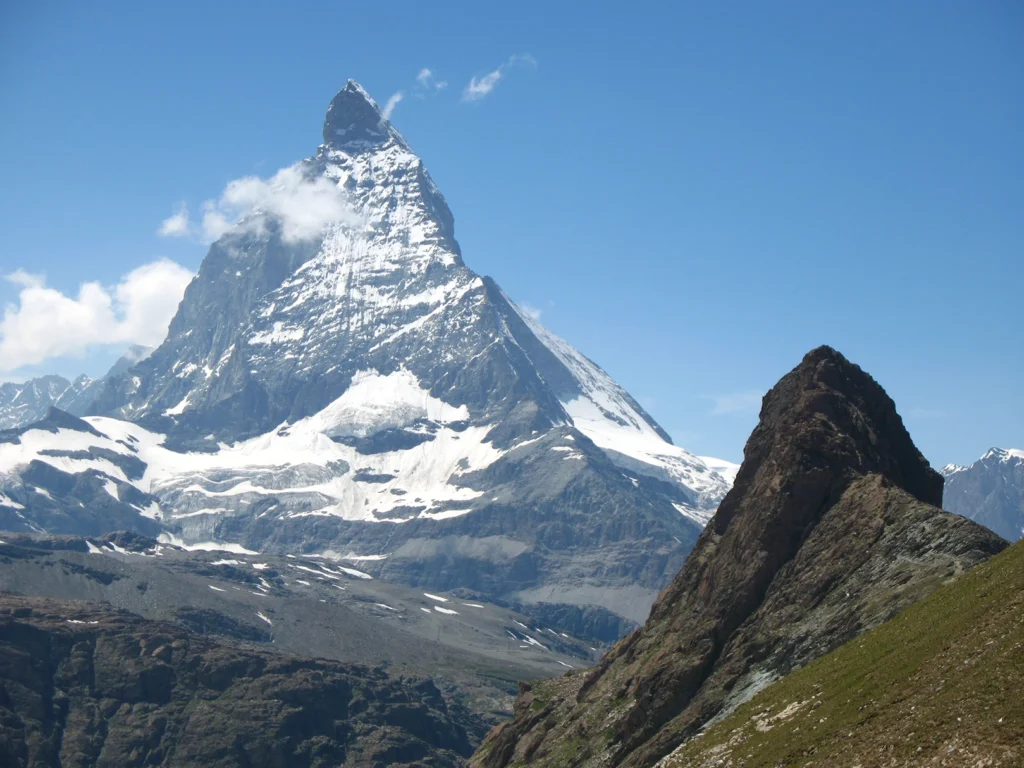
The Kuari Pass Trek is an easy to moderate trek in Uttarakhand and a good choice for beginners who want beautiful Himalayan mountain views. The trail passes through oak and pine forests, open meadows and high-altitude landscapes before reaching Kuari Pass. You do not need technical climbing skills, but you should be comfortable walking for several hours each day.
Duration: 6 Days / 5 Nights
Difficulty: Easy to Moderate
Starting Point: Joshimath, Uttarakhand
Highest Point: Around 12,516 ft
Best Time: April–June & September–December
Starting Price: ₹7,500/person
Best for: Beginners, mountain-view lovers and first-time pass trekkers
The main attractions include Kuari Pass, Gorson Bugyal, Auli, Chitrakantha and beautiful forest trails. The biggest highlight is the wide Himalayan panorama. On a clear day, you can enjoy views of Nanda Devi, Dronagiri, Kamet, Trishul, Hathi Ghoda and Chaukhamba.
From mid-September to November, Kuari Pass offers a beautiful autumn trekking experience. The monsoon is over, so the weather becomes drier and the trails are usually firmer, with less mud and fewer leeches. September can still be green and fresh, while the meadows gradually turn golden and amber and dry leaves cover parts of the oak and pine forests. Days become cooler as the season progresses, with temperatures around 16°C in September dropping to about 2°C by November. Nights can fall from around 4°C in October to around -4°C by late November, so warm clothes and thermal innerwear are important.
The autumn weather also brings clearer skies and better mountain visibility. The trails are generally quieter than during the busy spring and summer months, so you can enjoy the forests, meadows and mountain views in a more peaceful setting. The route still includes gradual climbs and high-altitude sections, so basic fitness is important even though there are no technical climbing sections.
In short: Kuari Pass is a good choice if you want an easy to moderate Himalayan trek with forests, golden meadows, a classic mountain pass and wide mountain views. September to November offers drier trails, clearer skies, fewer crowds, colourful autumn landscapes, cooler days and very cold nights.
11. Roopkund Trek
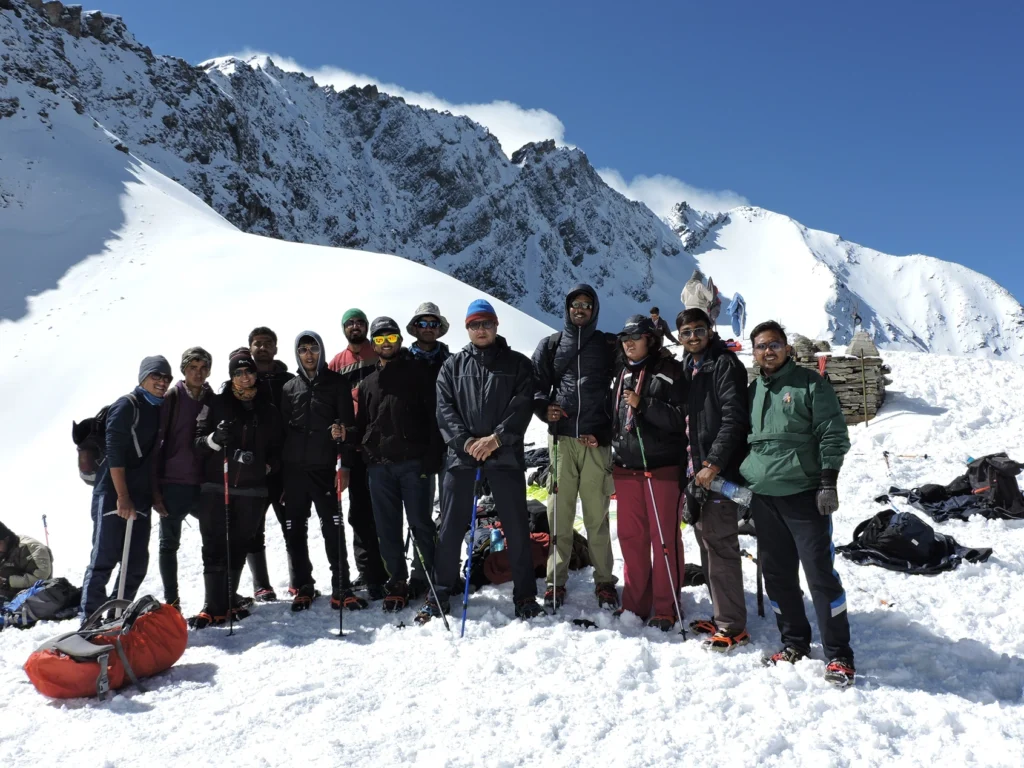
The Roopkund Trek is a moderate to difficult high-altitude trek in Uttarakhand, famous for the mysterious Roopkund Lake, located at around 16,000 ft. The trek takes you through Ali Bugyal, Bedni Bugyal, Patar Nachauni and Bhagwabasa, with beautiful views of the surrounding Himalayan peaks. such as Trishul, Nanda Ghunti and Nanda Devi on clear days. The route includes long climbs and high-altitude sections, so good fitness and some previous trekking experience are recommended.
Duration: 8 Days / 7 Nights
Difficulty: Moderate to Difficult
Starting Point: Lohajung, Uttarakhand
Highest Point: Around 16,000 ft
Best Time: Mid-September–October
Starting Price: ₹15,500/person
Best For: Experienced trekkers and adventure seekers
Good news for trekkers: Roopkund Trek is open again in 2026. Earlier, restrictions on overnight camping in the higher bugyal areas made the classic Roopkund route difficult or impossible to operate. On 20 July 2026, the Supreme Court set aside the earlier restrictions, including the 200-person limit and blanket ban on overnight stays. Trekking and camping can now take place under the applicable forest and environmental rules.
Mid-September and October is the best time to do the Roopkund trek. The trails are generally drier, the skies become clearer and Ali and Bedni Bugyal gradually turn golden and brown. Higher camps such as Bhagwabasa can be extremely cold, with temperatures potentially falling to around -10°C at night, so proper warm clothing and a good sleeping bag are essential.
The trek is physically demanding because of long walking days, steep climbs, high altitude and rocky terrain. The final climb towards Roopkund is one of the toughest sections, so good fitness and some previous Himalayan trekking experience will help.
In short: Roopkund is a challenging Himalayan trek combining Ali Bugyal, Bedni Bugyal, Patar Nachauni, Bhagwabasa, Roopkund Lake and beautiful Himalayan mountain views. With trekking and camping allowed again in 2026, it is once again possible to experience the classic Roopkund route.
12. Pangarchulla Trek
The Pangarchulla Peak Trek is a moderate to difficult trek in Uttarakhand and a good choice if you want to climb a Himalayan peak. The route passes through oak and rhododendron forests, Gorson Bugyal, open meadows and rocky mountain trails before reaching the Pangarchulla summit.
Duration: 6 Days / 5 Nights
Difficulty: Moderate to Difficult
Starting Point: Dhak Village, Uttarakhand
Highest Point: Around 14,700 ft
Best Time: April–May & October–November
Starting Price: ₹8,000/person
Best For: Experienced trekkers and summit-focused adventures
The main highlights include Pangarchulla Peak, Gorson Bugyal, alpine meadows, forests and wide Himalayan views. On a clear day, you can see peaks such as Nanda Devi, Dronagiri, Chaukhamba, Hathi Parvat and Changabang.
October and November offer a different experience from spring. After the monsoon, September can still have green meadows, while October and November bring golden and brown landscapes and clearer skies. Day temperatures are usually around 5°C to 15°C, while nights at higher camps like Khullara can become very cold, dropping to around 5°C to -10°C.
The upper part of the trek becomes rocky and steep, with large rocks and loose sections on the way to the summit. By late October and November, there can also be small patches of snow or ice. Good trekking shoes, careful walking and proper guidance are important.
The clear autumn weather can give you excellent mountain views. However, the summit climb is demanding because of the steep climb, high altitude and rocky trail, so good fitness and some previous trekking experience are recommended.
In short: Pangarchulla is a good choice if you want a challenging Himalayan trek with forests, meadows, rocky trails and beautiful mountain views. Autumn offers clear skies and golden landscapes, but the higher sections can be very cold and difficult.
Quick Comparison Table
| Trek | Difficulty | Duration | Starting Price | Best Autumn Window |
| Kedarkantha | Easy to Moderate | 5D/4N | ₹5,500 | Late Sep–Nov |
| Ali Bedni Bugyal | Easy to Moderate | 6D/5N | ₹8,500 | Sep–Oct |
| Buran Ghati | Moderate to Difficult | 7D/6N | ₹13,000 | Sep–Oct |
| Chopta Tungnath Chandrashila | Easy | 3D/2N | ₹6,900 | Sep–Nov |
| Friendship Peak | Difficult | 7D/6N | ₹26,500 | Sep–Oct |
| Hampta Pass | Easy to Moderate | 5D/4N | ₹8,500 | September |
| Har Ki Dun | Moderate | 7D/6N | ₹9,000 | Sep–Oct |
| Kashmir Great Lakes | Moderate to Difficult | 7D/6N | ₹15,000 | September |
| Rupin Pass | Moderate to Difficult | 7D/6N | ₹14,500 | Sep–Oct |
| Kuari Pass | Easy to Moderate | 6D/5N | ₹7,500 | Sep–Oct |
| Roopkund | Easy to Moderate | 8D/7N | ₹15,500 | Mid-Sep–Oct |
| Pangarchulla Peak | Easy* | 6D/5N | ₹8,000 | October |
How to Choose the Trek Right for You?
The best trek is not always the highest, longest or most famous. Choose a trek that matches your fitness, trekking experience, available time and the type of experience you want.
If this is your first Himalayan trek, Chopta Tungnath Chandrashila, Ali Bedni Bugyal or Kuari Pass are good options. These treks offer beautiful mountain views without technical climbing.
For a stronger but manageable challenge, choose Hampta Pass or Har Ki Dun. You should be comfortable walking for several hours a day and handling regular uphill sections.
For intermediate trekkers, Buran Ghati, Rupin Pass, Roopkund and Kashmir Great Lakes require more preparation. Long walking days, altitude, steep climbs, high passes and changing weather make these treks more demanding.
If you want a serious mountain objective, Friendship Peak requires proper high-altitude experience, training and technical preparation.
Choose the Right Month
- September: Green landscapes, fresh post-monsoon scenery and comfortable daytime weather.
- October: Clearer mountain views, cooler weather and colder nights at higher camps.
- November: Colder conditions, especially on higher treks, with a greater chance of snow or ice on some routes.
A Simple Fitness Check
Start preparing at least 4–6 weeks before a moderate trek. You can include:
- Brisk walking or jogging 4–5 days a week.
- Stair climbing 2–3 times a week.
- Squats, lunges and step-ups for leg strength.
- Longer walks on weekends.
- Gradually increasing your walking distance and time.
For difficult treks, start training earlier and add loaded walking with a comfortable daypack.
Choose Based on Your Travel Style
- Ali Bedni or Har Ki Dun: If you enjoy meadows, forests and scenic trails.
- Chopta Tungnath: If you have limited time.
- Kashmir Great Lakes: If alpine lakes are your main attraction.
- Rupin Pass or Buran Ghati: If you want changing landscapes and more adventure.
- Friendship Peak: If you are ready for a proper peak expedition.
Note: Don’t choose a trek only by looking at the price. Before booking, check what you are actually getting, including experienced guide support, meals, transport, permits, camping equipment, safety and first-aid support, and any technical gear needed for the trek. Also check for hidden or extra charges.
Not sure which trek is right for you? Contact Roopkund Heaven and tell us about your trekking experience, fitness level, available time and what you want from the trek. We can help you choose an option that matches your needs.
FAQs
1. Which are the best treks for September and October in India?
Popular options include Ali Bedni Bugyal, Buran Ghati, Har Ki Dun, Rupin Pass, Kuari Pass, Chopta Tungnath Chandrashila and Roopkund. Kashmir Great Lakes is mainly suitable for September, while Friendship Peak is better for experienced trekkers.
2. Is September a good month for Himalayan trekking?
Yes, September is a good month for Himalayan trekking. The monsoon starts to end, trails become drier and mountain views usually improve as the month progresses. Early September can still bring rain, so check the latest weather conditions.
3. Which is the best autumn trek for beginners?
Chopta Tungnath Chandrashila, Ali Bedni Bugyal and Kuari Pass are good choices for beginners. They do not require technical climbing, but you still need basic fitness for uphill walking.
4. Is October better than September for trekking?
It depends on your preference. September is usually greener, while October often has clearer skies and cooler weather. October nights are also colder, especially at higher camps.
5. Which trek is best for clear Himalayan views?
Kuari Pass, Ali Bedni Bugyal and Har Ki Dun can offer excellent mountain views in autumn. Clear skies are more common after the monsoon, but mountain weather can change quickly.
6. Is Roopkund Trek open in 2026?
Yes, the Roopkund Trek has reopened for trekking and camping in 2026. On 20 July 2026, the Supreme Court set aside key restrictions, including the earlier 200-person limit and blanket overnight camping restriction. Other forest and environmental rules still apply.
7. Which is better: Buran Ghati or Rupin Pass?
Both are challenging pass treks. Buran Ghati is known for meadows, Chandranahan Lake and the pass crossing, while Rupin Pass offers waterfalls, villages, rivers and changing mountain landscapes.
8. Is Kashmir Great Lakes good in October?
October is generally outside the normal Kashmir Great Lakes trekking season. September is usually the better late-season option, but always confirm the actual operating dates before booking.
9. Which autumn trek is best for families?
Chopta Tungnath Chandrashila is one of the better choices for active families because the trek is short and non-technical. Ali Bedni Bugyal can also work for families with good fitness.
10. What should I pack for September and October treks?
Carry good trekking shoes, layered clothes, a warm jacket, rain protection, gloves, a cap, sunglasses, sunscreen, a headlamp and personal medicines. Higher-altitude treks may also require gaiters, microspikes or other equipment depending on conditions.
11. How long should I train before a Himalayan trek?
For an easy to moderate trek, 4–6 weeks of regular preparation is a good starting point. Focus on walking, stairs, step-ups, squats and longer weekend walks. Difficult treks require more preparation.
12. Can it still rain during September and October treks?
Yes. Early September can still have rain and wet trails, while October is generally drier in many Himalayan areas. Weather can change quickly, so always carry rain protection.
13. Which trek is best for mountain photography in autumn?
Kuari Pass, Ali Bedni Bugyal and Har Ki Dun are good choices for autumn photography because of their open landscapes, changing colours and Himalayan views.
14. Which are the most difficult treks on this list?
Friendship Peak is the most demanding because it is a peak expedition requiring technical preparation. Rupin Pass, Buran Ghati, Roopkund and Kashmir Great Lakes are also challenging due to altitude, terrain and long walking days.
15. How should I compare Himalayan trek prices in 2026?
Don’t compare only the starting price. Check meals, accommodation, transport, permits, guide support, equipment, insurance, taxes and emergency support. Also check for extra charges before booking so you know the actual cost.