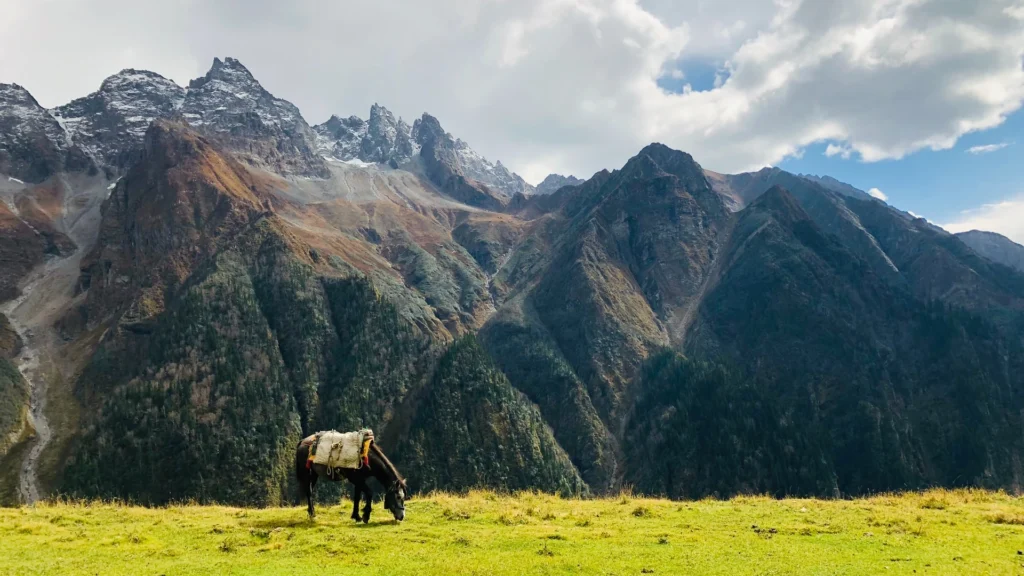
Picture your family standing together at nearly 12,000 feet, staring up at a golden pyramid-shaped peak that looks almost exactly like Mount Kailash, with your kids asking a hundred questions and your parents genuinely tearing up at the sight. That’s the real experience the Adi Kailash Yatra with kids and family offers — and yes, it’s genuinely possible for most families to do together.
If you’re wondering whether your children are old enough, whether your elderly parents can manage it, or what the whole trip actually demands, this guide answers all of it honestly. No inflated promises, just a clear, practical picture — the exact 7-day route, age limits, medical requirements, permits, packing, and booking — so your family can plan this pilgrimage with confidence rather than guesswork.
Why Adi Kailash Yatra is a Must-Do Pilgrimage with Family
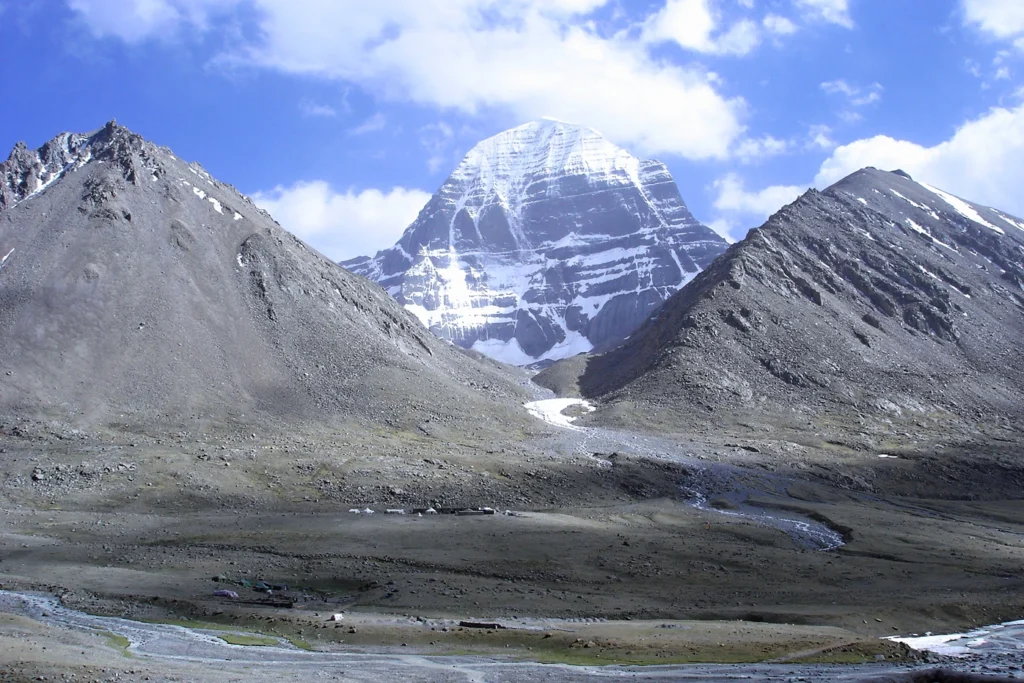
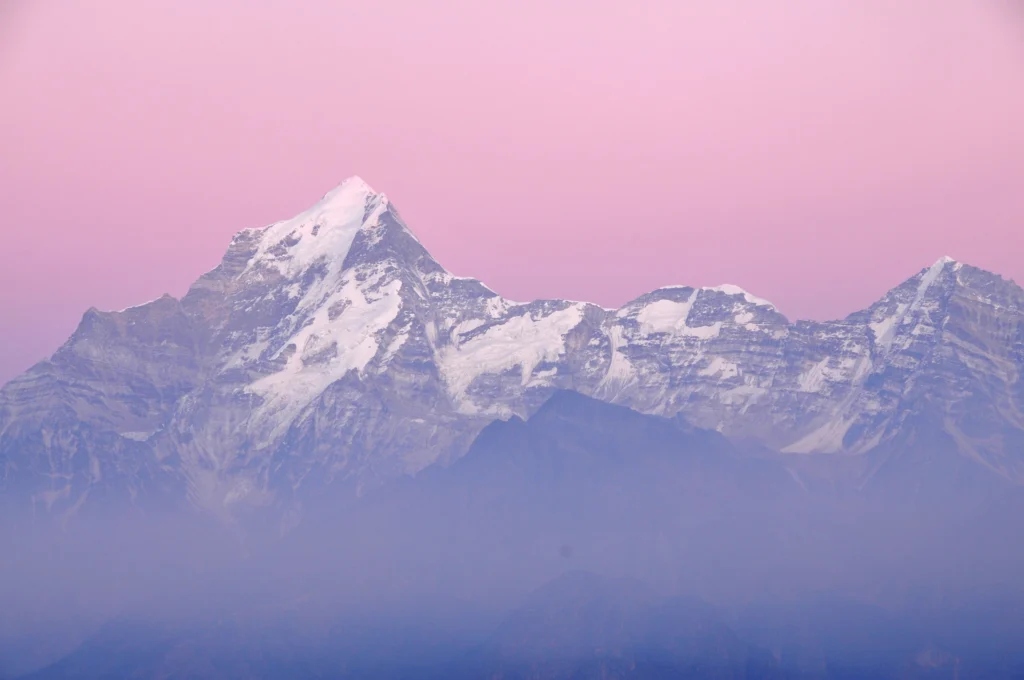
Adi Kailash, also known as Chhota Kailash, is a sacred peak in the Pithoragarh district of Uttarakhand. It is traditionally associated with Lord Shiva and is considered a spiritual counterpart of Mount Kailash in Tibet. The yatra also includes Om Parvat, where snow naturally forms the shape of the sacred “Om” symbol on the mountain face. Parvati Tal, near Adi Kailash, is another important sacred site, believed to be a site where Goddess Parvati meditated.
The spiritual importance of Adi Kailash is one of the main reasons pilgrims undertake this journey. The peaceful surroundings, sacred sites and presence of the Himalayan peaks create a setting for prayer and reflection. Known as Chhota Kailash, Adi Kailash holds a special place among devotees of Lord Shiva.
The journey is also about experiencing the Kumaon Himalayas beyond the usual tourist destinations. The route passes through high mountain valleys, rivers and traditional villages. Places such as Gunji and Nabi provide an opportunity to see the traditional lifestyle and culture of the local Rung community. Snow-covered peaks and the rugged Himalayan landscape add to the experience.
Another important advantage is that the route has become more accessible by road in recent years. Much of the journey can be covered by vehicle, so it does not require a long traditional trek. Short walks may still be required at some places, depending on the itinerary and current access. This makes the journey more manageable for different age groups, although the high altitude remains an important consideration.
The Adi Kailash yatra takes you into a remote Himalayan border region, so it is very different from a regular holiday. Accommodation and facilities become simpler as you travel deeper into the valley, while weather and road conditions can affect the journey. Proper acclimatisation, warm clothing, hydration and a relaxed pace are important because of the altitude and the risk of Acute Mountain Sickness (AMS).
Is Adi Kailash Yatra Suitable for Families with Kids?
Yes, the Adi Kailash Yatra can be suitable for families with healthy children, mainly because much of the route can be covered by road. Unlike a traditional high-altitude trek, you do not have to walk for several days or carry a heavy backpack. This makes the journey more manageable for different age groups.
However, road access does not mean the yatra is easy. The route reaches a high altitude, and places such as Gunji, at around 10,500 feet, and Jolingkong, near Adi Kailash, are much higher than the plains. Children and older adults may feel tired, develop headaches or experience other altitude-related discomfort. Giving the body enough time to adjust and avoiding a rushed itinerary are therefore important.
The walking involved is generally limited compared with a long trek. Short walks around places such as Jolingkong and Parvati Sarovar can be included according to the group’s fitness, weather and current access. There is no need to push children or older travellers to walk further if they are tired or uncomfortable.
Extra care is needed when travelling with very young children or anyone with serious heart, lung or other health problems. It is better to discuss the journey with a doctor before travelling if there are existing health concerns.
Overall, the Adi Kailash and Om Parvat Yatra can be one of the best family trips in Uttarakhand. It combines spirituality, beautiful Himalayan landscapes and a unique travel experience. With proper planning, enough time for acclimatisation and a comfortable pace, the journey can be enjoyed together by children, parents and grandparents.
Minimum & Maximum Age Limit — Our Suggestion
For the Adi Kailash Yatra, we suggest 9–10 years as a practical minimum age and 70 years as a general upper guideline. These are only recommendations, not strict age limits. Health, fitness and the ability to handle high-altitude travel are more important than age alone.
Minimum Age for Adi Kailash Yatra
The minimum recommended age for the Adi Kailash Yatra is 9 years. The main challenge is not walking. The journey involves several days at high altitude, long road journeys and basic accommodation. Cold weather, changing road conditions and different food can also be difficult for young children.
Children aged 9 years and above can consider the yatra if they are healthy, active and comfortable with long journeys. However, every child is different, so their health and ability to handle high-altitude conditions should be considered before booking.
Maximum Age for Adi Kailash Yatra
There is no fixed maximum age of 70 years for the Adi Kailash Yatra. However, 70 years can be considered a general upper guideline. The yatra is mostly covered by road, but it still involves high-altitude travel, long journeys, cold weather and basic accommodation.
Travellers above 70 can consider the yatra if they are healthy, reasonably fit and comfortable with high-altitude conditions. A medical fitness certificate may also be required depending on the operator and current travel rules.
If you are above 70 or have any health concerns, it is best to consult your doctor before planning the yatra.
In Short
We suggest 9 years as the minimum recommended age and 70 years as a general upper guideline. These are not strict age limits. Health, fitness and the ability to handle high-altitude conditions are more important than age alone.
Medical Fitness Certificate & Health Checks Required
A medical fitness certificate is an important requirement for the Adi Kailash Yatra. Please do not treat it as just a formality. A proper health check helps you understand whether your body is ready for high-altitude travel, especially if you are travelling with children or elderly family members.
The medical certificate should confirm that you are fit for high-altitude travel and should be issued by a registered doctor. We recommend completing your medical check-up 3–4 weeks before the journey, rather than waiting until the last moment.
For children, the check-up should include any breathing or respiratory problems such as asthma, as high altitude can sometimes make breathing problems more difficult.
For senior citizens, it is important to discuss blood pressure, heart health, diabetes and other existing health conditions with the doctor. Even though much of the Adi Kailash Yatra is covered by road, the altitude, cold weather and long travel days can still put extra stress on the body.
When visiting your doctor, clearly explain that the journey involves high altitude, several days of travel, long road journeys, cold weather and limited medical facilities in some remote areas. This will help the doctor make a proper assessment of your fitness for the journey.
Getting the check-up early also gives you enough time to follow medical advice, take any precautions or reconsider your travel plans if a health concern is identified.
The Adi Kailash & Om Parvat Itinerary — Route Explained
Here is a simple 7-day Adi Kailash and Om Parvat itinerary, starting and ending at Kathgodam.
Day 1: Kathgodam to Dharchula — 280 km Drive
The journey begins with a scenic drive from Kathgodam to Dharchula. The road follows the Kali River and takes you towards the remote Kumaon region.
This is a full day of travel, so carry enough water, snacks and other essentials. Mobile network can become limited as you move towards Dharchula.
- Distance: Approx. 280 km
- Altitude at Stay: Approx. 940 m
- Overnight Stay: Dharchula
Day 2: Dharchula — Permit & Local Sightseeing
Day 2 is mainly for completing the Inner Line Permit (ILP) formalities required for the border area. It also gives you time to rest before travelling further into the high-altitude region.
You can use the free time for local sightseeing, including a visit to the bridge near the Nepal border.
- Travel Distance: Local sightseeing only
- Altitude at Stay: Approx. 940 m
- Overnight Stay: Dharchula
Day 3: Dharchula to Gunji/Nabi — 70 km Jeep Drive
The journey continues from Dharchula to Gunji or Nabi by jeep. The landscape becomes more remote and mountainous as you pass through several security check-posts and border areas.
The road can be rough in places, so be prepared for a long mountain drive. You will stay in a local homestay, where accommodation is simple and comfortable.
- Distance: Approx. 70 km
- Altitude at Stay: Gunji approx. 3,200 m / Nabi approx. 3,000 m
- Overnight Stay: Gunji/Nabi
Day 4: Gunji to Jolingkong — Adi Kailash Darshan
Today you travel towards Jolingkong, the area near Adi Kailash. You will visit Adi Kailash, Parvati Sarovar and the Shiva Temple.
The peaceful surroundings and views of Adi Kailash make this one of the most important days of the yatra. There is a short walk to Parvati Sarovar, but the high altitude means you should walk slowly and avoid unnecessary exertion.
After darshan and sightseeing, return to Gunji for the night.
- Distance: Approx. 50–60 km round trip by road
- Highest Altitude Reached: Approx. 4,700 m near Jolingkong
- Altitude at Stay: Approx. 3,200 m
- Overnight Stay: Gunji
Day 5: Gunji to Nabhidhang — Om Parvat Darshan
Day 5 is dedicated to Om Parvat Darshan. You travel towards Nabhidhang, from where you can view the natural Om-shaped formation on the mountain.
You will also visit Kalapani, an important spiritual and geographical location associated with the Kali River.
This is one of the highest-altitude days of the journey. Take enough rest, stay hydrated and inform your trek leader if you feel uncomfortable at altitude.
- Distance: Approx. 30–35 km one way
- Highest Altitude Reached: Approx. 4,600 m at Nabhidhang
- Altitude at Stay: Approx. 3,200 m
- Overnight Stay: Gunji
Day 6: Gunji to Dharchula
After completing the main darshan, you begin your return journey towards Dharchula.
The route takes you back through the mountain region, with the gradual drop in altitude making the journey more comfortable for most travellers.
- Distance: Approx. 70 km
- Altitude at Stay: Approx. 940 m
- Overnight Stay: Dharchula
Day 7: Dharchula to Kathgodam — 280 km Drive
The final day is a long drive from Dharchula to Kathgodam.
If you have a train or flight from Kathgodam or nearby, keep enough buffer time in your schedule. Mountain roads can sometimes cause delays because of traffic, weather or road conditions.
- Distance: Approx. 280 km
- Altitude at End Point: Kathgodam approx. 550 m
- Yatra Ends: Kathgodam
Accommodation Options During Adi Kailash Yatra
Accommodation changes as you travel deeper into the Adi Kailash route. You should be prepared for more basic facilities once you leave Dharchula.
Dharchula
In Dharchula, you can expect hotel-style accommodation with attached bathrooms and basic facilities such as hot water. This is generally the most comfortable stay during the yatra.
Accommodation: Hotel
Facilities: Attached bathroom, bedding and basic hot water facilities
Gunji & Nabi
After Dharchula, accommodation becomes simpler. In Gunji and Nabi, you usually stay in local homestays or guesthouses run by local families.
Rooms are generally provided on a shared basis, with basic bedding and common washrooms. You can also experience home-style local meals and traditional hospitality.
Private rooms may not always be available because accommodation options are limited in these remote villages. It is best to be prepared for shared accommodation.
Accommodation: Homestay / Guesthouse
Facilities: Basic bedding, shared washrooms and home-style meals
Jolingkong
At Jolingkong, accommodation is more basic because of the high altitude and remote location. Depending on the arrangements, you may stay in a homestay, tent or eco-hut.
Nights can be very cold at this altitude, so carrying proper warm clothing and suitable sleeping layers is important.
Accommodation: Basic homestay / Tent / Eco-hut
Facilities: Basic bedding and essential facilities
What to Expect
The accommodation becomes more basic as you move towards Adi Kailash and Om Parvat. Do not expect the same comfort and facilities that you get in regular hotels.
The focus of this journey is the mountains, spiritual experience and remote Himalayan landscape, so being prepared for simple accommodation will make the yatra more comfortable and enjoyable.
What is the Best Time to Do Adi Kailash Yatra with Family?
Choosing the right time can make a big difference to your comfort, road travel and overall experience. The weather and road conditions change considerably during the yatra season.
June — Good Start to the Yatra Season
June is a good time for the Adi Kailash Yatra, as the weather is generally comfortable and the monsoon has not yet started. The days are suitable for travel, while the higher areas can still be cold, especially in the mornings and at night.
July & August — Monsoon Season
July and August are generally not recommended because of the monsoon. Heavy rain can increase the risk of landslides, roadblocks and travel delays in the mountain region. Clouds and rain can also reduce visibility of Adi Kailash and Om Parvat.
Mid-September to Mid-October
We consider Mid-September to mid-October to be one of the best periods for the Adi Kailash Yatra. The monsoon usually starts to move away, roads become more stable and the weather is generally clearer.
This period is especially good for clear mountain views and better Om Parvat visibility. Temperatures are also more manageable before the colder weather arrives.
Late October Onwards — Increasing Cold
From late October onwards, temperatures start to drop considerably, especially at higher places such as Jolingkong and Nabhidhang. Cold winds, snow and changing weather conditions can make the journey more challenging
In Short
For a comfortable Adi Kailash Yatra, we recommend mid-September to mid-October. June is also a good option if you prefer to travel earlier, while July and August are best avoided because of the monsoon.
Whenever you travel, be prepared for changing Himalayan weather and road conditions. Conditions at high altitude can change quickly, so keep some flexibility in your travel plans.
Adi Kailash Yatra Permit Registration Process
The Inner Line Permit (ILP) is required for the Adi Kailash Yatra because the route passes through a restricted border area. We recommend completing the permit formalities properly before you enter the higher and more remote parts of the route.
For our travellers, the ILP process is handled in Dharchula, the main town before the route enters the restricted border area. We take care of the required permit formalities and guide you through the documentation so you do not have to worry about the process yourself.
Before starting the yatra, keep your government-issued photo ID ready for every traveller, including children, along with passport-size photographs. We recommend keeping these documents prepared in advance so there is no unnecessary delay in Dharchula.
This is also why we keep Day 2 of the itinerary for permit formalities and local sightseeing. After your long journey from Kathgodam to Dharchula, you get time to rest while we complete the necessary permit work before the journey continues towards Gunji and the higher border areas.
If you are travelling with a foreign national or NRI family member, please inform us well in advance. Additional documentation may be required, and we can guide you about the documents needed before your journey begins.
The permit process itself is straightforward when your documents are ready. Our advice is simple: keep your documents prepared in advance and leave the permit formalities to us, so you can focus on enjoying the Adi Kailash journey.
Planning your Adi Kailash Yatra? We have also prepared a detailed guide covering the permit registration process, required documents and other important information.
Read our complete Adi Kailash Yatra Permit Registration 2026 guide before starting your trip.
Packing Checklist Families travelling with Kids and elders
Packing for the Adi Kailash Yatra needs a little more planning when you are travelling with children or elderly members. The route involves cold weather, high altitude, long road journeys and basic accommodation, so carrying the right things can make the journey much more comfortable.
Basic Gear
- Small daypack: Keep daily essentials such as water, snacks, medicines and a light jacket easily accessible.
- Reusable water bottle: Carry enough water and refill whenever possible.
- Power bank: Charging facilities can be limited once you travel beyond Dharchula.
- Personal first-aid kit: Keep basic medicines and any regularly used medicines in an easily accessible bag.
- Rehydration salts: Useful during long travel days, particularly when you need to maintain proper hydration.
- Snacks: Carry familiar snacks for children and some easy-to-eat options for elderly travellers.
- Cash: Carry sufficient cash before leaving Dharchula, as banking and ATM facilities are very limited on the higher route.
Clothes
- Thermal inner layers: Important for children and elders as the temperature can drop considerably at higher places.
- Fleece or warm mid-layer: Useful for mornings, evenings and cold travel days.
- Warm jacket: Carry a good insulated jacket for colder areas such as Gunji, Jolingkong and Nabhidhang.
- Woollen socks: Carry at least 2–3 pairs.
- Gloves: Warm gloves are important, especially for children and elderly travellers.
- Rain protection: Carry a lightweight rain jacket or poncho as Himalayan weather can change quickly.
- Extra clothes: Keep one extra set easily accessible in case clothes become wet or uncomfortable.
Head Gears
- Warm woollen cap: Essential for cold mornings and evenings at higher altitude.
- Sun hat or cap: Useful during daytime travel when the sun is strong.
- UV-protection sunglasses: Important at high altitude to protect your eyes from strong sunlight and glare.
- Neck warmer or muffler: Helpful in cold and windy conditions, particularly for children and elders.
Foot Gears
- Comfortable walking shoes: Choose well-fitting footwear with good grip for short walks around villages and high-altitude areas.
- Warm socks: Woollen or thermal socks help keep feet warm.
- Extra socks: Carry an additional pair in your daypack.
- Walking support: If an elderly traveller normally uses a walking stick or other mobility aid, bring it along.
Utilities
- Sunscreen: Apply sunscreen regularly because UV exposure is stronger at high altitude.
- Lip balm and moisturiser: Cold and dry mountain air can cause dry or cracked skin.
- Torch or headlamp: Useful during early mornings, power cuts or around basic accommodation.
- Personal toiletries: Carry essential toiletries in a small waterproof pouch.
- Wet wipes and tissues: Useful where washroom facilities are basic.
- Small waterproof bags: Keep medicines, electronics and important items protected from rain and moisture.
- Government photo ID and passport-size photographs: Keep these ready for the permit formalities in Dharchula.
Extra Tips for Kids and Elders
For children, carry familiar snacks, comfortable clothes and a few small entertainment items for the long road journeys. Avoid overpacking their bags; keep only the essentials easily accessible.
For elderly travellers, keep regularly prescribed medicines in a clearly labelled and easily accessible bag. Comfortable footwear, warm layers and any mobility aid they normally use should also be packed.
Our advice: Do not try to pack everything you would carry for a normal holiday. Keep your luggage practical and focus on warmth, comfort, medicines, hydration and essentials. The simpler your packing, the easier it will be to manage the long road journeys and changing conditions on the Adi Kailash route.
FAQs
Can children go on the Adi Kailash Yatra?
Yes, children can join the Adi Kailash Yatra. Since most of the route is covered by road, the journey is manageable for children compared with a long trekking route. We recommend that children are healthy, active and comfortable with long road journeys and high-altitude conditions.
What is the minimum age for Adi Kailash Yatra?
We recommend 9 years as the minimum age for the Adi Kailash Yatra. Age alone is not the only consideration. Your child’s health, fitness and ability to handle long journeys, cold weather and high altitude should also be considered.
Is Adi Kailash Yatra safe for kids?
Yes, it can be a safe and comfortable journey for children when it is properly planned. Acclimatization, warm clothing, hydration, medical preparation and regular monitoring are important at high altitude. Children should not be pushed if they feel unwell or uncomfortable.
Can senior citizens do the Adi Kailash Yatra?
Yes, senior citizens can travel to Adi Kailash, provided they are fit for high-altitude travel. The route is largely covered by road, which reduces the amount of walking required. We recommend a medical check-up before the journey, particularly for elderly travellers.
Is Adi Kailash Yatra difficult?
The yatra is moderately demanding rather than a traditional trekking expedition. Most of the journey is completed by vehicle, but long road journeys, high altitude, cold weather and basic accommodation in remote areas can be challenging. Proper planning makes the journey much more comfortable.
How high does the Adi Kailash Yatra go?
The Adi Kailash route reaches above 15,000 feet in some areas, including the higher regions around Jolingkong and Nabhidhang. Because of this altitude, proper acclimatization and taking things slowly are important, even though most of the route is covered by road.
Can children get altitude sickness at Adi Kailash?
Yes. Children can also experience altitude sickness. Keep an eye on symptoms such as headache, unusual tiredness, vomiting, dizziness, loss of appetite or unusual behaviour. If a child feels unwell at altitude, do not ignore the symptoms and inform your trek or tour team immediately.
How many days are needed for the Adi Kailash Yatra?
Our standard Adi Kailash and Om Parvat Yatra itinerary takes 7 days from Kathgodam to Kathgodam. The itinerary includes the main route, permit formalities, Adi Kailash and Om Parvat darshan, along with time for rest and acclimatization.
What should children pack for Adi Kailash?
For children, pack warm layered clothing, thermal wear, gloves, woollen socks, a warm cap, comfortable footwear, sunglasses, sunscreen, personal medicines and familiar snacks. A few small entertainment items are also useful during long road journeys.
What is the best time for Adi Kailash Yatra with family?
We consider mid-September to mid-October one of the best times for the Adi Kailash Yatra. The monsoon usually starts to move away, roads become more stable and mountain views are generally clearer. June is also a good option, while July and August are best avoided because of the monsoon.
Is a medical fitness certificate required for children?
Yes, we recommend getting a medical fitness certificate before the yatra, including for children. The doctor should assess whether the child is fit for high-altitude travel, long road journeys and cold weather. If your child has any existing health or breathing concerns, discuss these with the doctor before travelling.
Is an Inner Line Permit required for Adi Kailash?
Yes, an Inner Line Permit (ILP) is required for the Adi Kailash route. We guide our travellers through the required documentation and permit formalities before entering the restricted border areas. Keeping the required documents ready in advance helps avoid unnecessary delays.
Conclusion
The Adi Kailash and Om Parvat Yatra is possible with children and elderly members when you choose the right time, follow a comfortable pace and prepare properly for high-altitude travel. The journey is mostly by road, but the long travel days, cold weather, altitude and remote stays still require good planning.
From choosing the right travel season and preparing for high altitude to arranging transport, accommodation, meals, permits and local support, we help you take care of the important details before and during the yatra.
If you are planning to visit Adi Kailash and Om Parvat with your family, we recommend choosing Roopkund Heaven for a well-planned and comfortable journey. Our team will guide you with the itinerary, required documents, medical preparation and other arrangements so you can focus on the spiritual experience and Himalayan beauty.
Ready to plan your Adi Kailash Yatra? Share your travel dates and number of travellers with us, and we will help you choose the right package for your group.