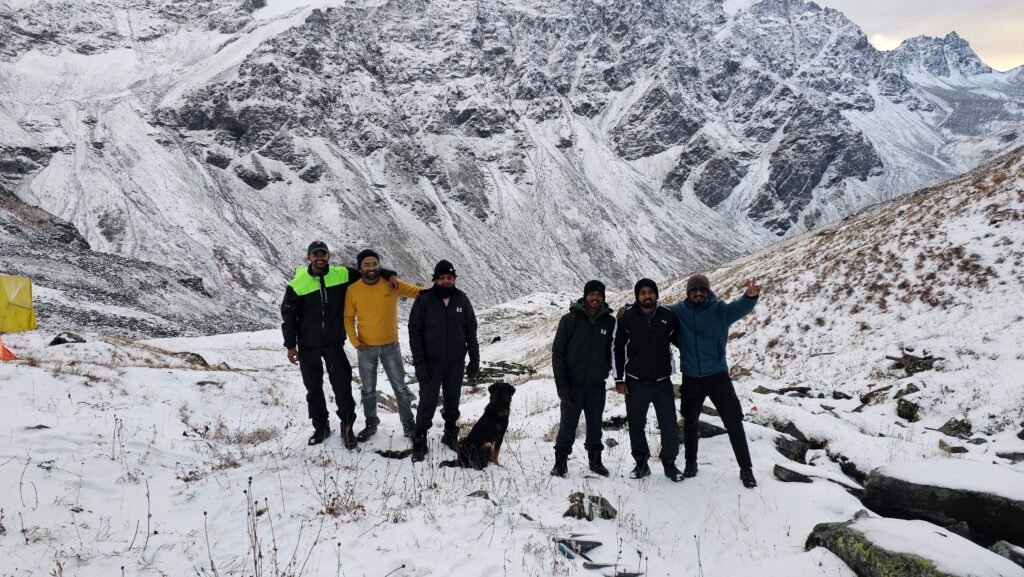
If you’re planning the Adi Kailash Yatra and have heard that the pilgrimage has been suspended, it’s natural to have questions. Due to heavy monsoon rainfall in the Pithoragarh region, the local administration has temporarily stopped the yatra and suspended the issuance of Inner Line Permits (ILPs) for the safety of pilgrims.
In this guide, we explain why the yatra has been paused, which routes are affected, when it is likely to resume, and what you should do if you have already booked your trip. This simple guide will help you stay informed and plan your journey with confidence.
Adi Kailash Yatra Suspended – Latest Official Update
The Adi Kailash Yatra has been temporarily suspended by the Pithoragarh district administration due to continuous heavy rainfall and unsafe road conditions. This is an official announcement, not a rumour, and it applies to all pilgrims planning to visit Adi Kailash.
The suspension was announced after heavy monsoon rains caused landslides, falling rocks, road damage, and debris at several points along the route. Since the Adi Kailash Yatra passes through remote Himalayan roads near the India–China border, even a small landslide can block the only access road and create serious safety risks. To protect pilgrims, the administration has temporarily stopped all yatra activities until conditions improve.
The July and August monsoon season is one of the most challenging periods for travel in this region. Continuous rainfall can quickly weaken mountain slopes, leading to road closures, flash floods, and unexpected landslides. This is why authorities closely monitor weather conditions and suspend the yatra whenever passenger safety is at risk.
If you have planned your journey with Roopkund Heaven or are travelling independently, we strongly recommend not starting your trip until the administration officially announces that the route is safe to reopen. The suspension also affects travel schedules, Inner Line Permits, and vehicle movement, so waiting for official clearance is the safest option.
Inner Line Permit (ILP) Suspension – Everything You Need to Know
The Inner Line Permit (ILP) is mandatory for visiting Adi Kailash because the route passes through a sensitive border area near the India–China border. Without a valid ILP, no pilgrim is allowed to enter the yatra route.
Due to the temporary suspension of the Adi Kailash Yatra, the administration has also stopped issuing new Inner Line Permits. The suspension came into effect in early July 2026 after continuous heavy rainfall, landslides, and road damage made the route unsafe for travel.
The administration has paused new permits to prevent more pilgrims from entering a region where road conditions are unstable and rescue operations can become difficult. By stopping ILP issuance, authorities can better manage the number of people already on the route and reduce the risk of anyone getting stranded due to landslides or road closures.
If you already have a booking for the Adi Kailash Yatra, please note that a previous booking does not guarantee entry. Without an active and valid Inner Line Permit, pilgrims will not be allowed to cross the security checkpoints.
We are following official updates regarding ILP issuance. As soon as the administration resumes issuing permits and declares the route safe, we will help our guests complete the permit process and update them with the latest travel information.
Official Statement from the Pithoragarh District Administration
The Pithoragarh district administration has issued an official advisory regarding the temporary suspension of the Adi Kailash Yatra. The administration has asked all pilgrims to avoid travelling on the Adi Kailash route until further notice due to unsafe road conditions caused by heavy rainfall and landslides. Security checkpoints are also ensuring that no one enters the restricted route without permission.
Officials have acknowledged that the suspension may affect the travel plans of many pilgrims and have expressed regret for the inconvenience. However, they have emphasized that the safety of pilgrims is the highest priority, and the yatra will resume only after the roads are declared safe.
The administration has also instructed all tour operators to stop new departures on the affected route and to provide accurate information to travellers instead of making uncertain promises about reopening dates.
Pilgrims are advised to follow only official updates from the district administration, Uttarakhand Government, and the India Meteorological Department (IMD). Avoid relying on unverified social media posts or forwarded messages, as they may contain outdated or incorrect information.
Landslide-Prone Areas Along the Adi Kailash Route
Not every part of the route is equally affected, and knowing exactly where the real risk lies helps you understand this situation instead of assuming the entire region is a disaster zone.
Dharchula to Tawaghat Road Conditions
One of the most vulnerable sections is the Dharchula–Tawaghat road. Heavy rain has caused landslides, falling debris, and road damage in this area, making it unsafe for vehicles. Since this is the main route to Adi Kailash, any blockage here can temporarily stop the entire yatra.
Mangti and Other High-Risk Zones
Another high-risk area is Mangti, along with a few nearby stretches. During the monsoon, continuous rain weakens the mountain slopes, increasing the chances of fresh landslides and road closures. Even if a road appears open, conditions can change quickly due to falling rocks or sudden slope failure.
The district administration and road maintenance teams are working to clear debris and restore the roads. However, repair work depends on weather conditions, and heavy rain can delay restoration efforts.
India Meteorological Department (IMD) Weather Alert
The India Meteorological Department (IMD) has issued Yellow and Orange weather alerts for Pithoragarh and nearby districts due to continuous heavy rainfall during the first week of July. An Orange Alert indicates the possibility of heavy rain, landslides, road blockages, and travel disruptions, making conditions unsafe for pilgrims.
Based on these weather warnings and the ground situation, the district administration temporarily suspended the Adi Kailash Yatra to ensure the safety of all travellers.
According to the latest forecasts, intermittent heavy rainfall is expected to continue, and weather conditions may remain unstable for the next few days. The administration is expected to resume the yatra only after rainfall decreases, roads are restored, and the route is declared safe.
How Many Pilgrims Have Completed the Adi Kailash Yatra So Far?
Before the temporary suspension, the 2026 Adi Kailash Yatra was witnessing an excellent response from pilgrims across India.
Since the yatra opened on 1 May 2026, the administration has issued more than 52,441 Inner Line Permits (ILPs) for the Adi Kailash and Om Parvat routes, making it one of the busiest pilgrimage seasons in recent years. Most pilgrims completed their journey successfully during May and June, when weather conditions remained favourable and roads were largely accessible.
The current suspension is mainly due to the July–August monsoon season, when heavy rainfall increases the risk of landslides, road closures, and flash floods in the Himalayan region. This is a normal weather pattern, and every year the administration closely monitors conditions before allowing pilgrims to travel.
If weather conditions improve as expected, the Adi Kailash Yatra is likely to resume from September and continue through October, which is considered one of the best times to visit Adi Kailash. During these months, the skies are usually clearer, the mountain views are spectacular, and road conditions are much more stable than during the monsoon.
Plan Your September–October Adi Kailash Yatra
If you’re planning to visit Adi Kailash after the monsoon, we recommend booking your September or October departure in advance. These months are in high demand, and permits, accommodation, and transport fill up quickly once the yatra reopens.
At Roopkund Heaven, we have already started accepting advance bookings for the September–October 2026 Adi Kailash Yatra. Once the administration officially resumes the yatra, our team will handle your Inner Line Permit, accommodation, transportation, and complete travel arrangements, ensuring a safe and hassle-free pilgrimage.
About Adi Kailash and Om Parvat
Adi Kailash and Om Parvat are two of the most sacred destinations in Uttarakhand, attracting thousands of pilgrims and nature lovers every year. Located in the Pithoragarh district near the India–China border, both places are known for their religious importance and breathtaking Himalayan scenery.
Adi Kailash (Chhota Kailash)
Adi Kailash, also known as Chhota Kailash, is believed to be the earthly abode of Lord Shiva and is considered a sacred counterpart to Mount Kailash in Tibet. The mountain stands near Jolingkong, where pilgrims also visit the holy Parvati Sarovar. Surrounded by snow-capped peaks and peaceful landscapes, Adi Kailash offers a unique spiritual experience in the Himalayas.
Om Parvat
Om Parvat is famous for the naturally formed “Om (ॐ)” symbol that appears on its snow-covered face. This rare natural phenomenon makes it one of the most revered mountains in India. Pilgrims usually visit Adi Kailash and Om Parvat together as part of the same yatra.
Location Near the India–China Border
Both Adi Kailash and Om Parvat are located close to the India–China border, which is why an Inner Line Permit (ILP) is mandatory for all visitors. The route passes through security checkpoints, and every traveller must carry valid documents and permits throughout the journey.
Spiritual Significance
The Adi Kailash Yatra is often considered a spiritual alternative to the Kailash Mansarovar Yatra. While Mount Kailash lies in Tibet, Adi Kailash allows devotees to experience a similar spiritual atmosphere without leaving India. Every year, thousands of pilgrims visit this sacred region to seek the blessings of Lord Shiva and enjoy the peaceful beauty of the Himalayas.
When Will the Adi Kailash Yatra Resume?
Based on previous years, the Adi Kailash Yatra is expected to reopen from September 2026, after the monsoon season. September and October are considered the best months to visit Adi Kailash, as the weather is pleasant, the skies are clearer, and road conditions are generally much safer.
If you are planning your pilgrimage after the monsoon, we recommend booking your September or October departure in advance, as Inner Line Permits (ILPs), accommodation, and transport get booked quickly once the yatra resumes.
Already Booked Your Adi Kailash Yatra with Roopkund Heaven?
If your travel dates fall during the suspension period, there’s no need to worry. Our team is here to assist you throughout the process.
Frequently Asked Questions (FAQs)
Is the Adi Kailash Yatra currently closed?
Yes. The Adi Kailash Yatra is temporarily suspended due to heavy monsoon rainfall, landslides, and unsafe road conditions in Pithoragarh district. The yatra will resume only after the administration declares the route safe.
When is the Adi Kailash Yatra expected to reopen?
There is no official reopening date yet. However, if weather conditions improve, the yatra is expected to resume from September 2026. September and October are considered the best months to visit Adi Kailash.
Are Inner Line Permits (ILPs) being issued?
No. New Inner Line Permits (ILPs) are currently on hold due to the suspension. Permit issuance will restart once the administration officially reopens the yatra.
What is the difference between Adi Kailash and Om Parvat?
Adi Kailash is a sacred mountain near Jolingkong, revered as the earthly abode of Lord Shiva. Om Parvat is a nearby peak famous for the naturally formed “Om (ॐ)” symbol created by snow on its face. Most pilgrims visit both destinations during the same journey.
What happens if I have already booked my Adi Kailash Yatra?
If you have booked with Roopkund Heaven, our team will help you reschedule your trip, assist with updated ILP arrangements, and provide the latest official travel updates. Refunds or cancellations are handled according to the booking terms and conditions.
Can I visit Om Parvat during the suspension?
No. Since Om Parvat and Adi Kailash share the same route and permit system, both destinations remain closed until the administration lifts the suspension.
Which is the best time to visit Adi Kailash?
The best time to visit is May to June and September to October. For post-monsoon travel, September and October offer pleasant weather, clear mountain views, and safer road conditions.
Where can I get the latest Adi Kailash Yatra updates?
You can follow updates from the Pithoragarh District Administration, Uttarakhand Government, and the India Meteorological Department (IMD). You can also contact Roopkund Heaven, and our team will keep you informed about the latest road conditions, permit status, and reopening announcements.