Wondering when to do the Buran Ghati Trek? The best time to do this trek is in two main seasons: summer and autumn.
Summer (May–June) is best for experiencing snow and the famous Buran Ghati ice wall, while autumn (September–October) offers clearer skies, pleasant trekking conditions and beautiful mountain views.
Buran Ghati reaches around 15,000 ft, so weather and trail conditions can change the trekking experience. Snow, rain and cold can also affect the difficulty.
In this article, we cover a detailed guide to Buran Ghati weather by month, snow conditions, seasonal difficulty, packing needs and the best season for different trekkers.
Why Getting the Timing Right Can Make or Break This Trek
Buran Ghati is not just about beautiful views. The season can change the trail, weather and overall trekking experience.
The trek starts from Janglik in Himachal Pradesh and passes through forests, green meadows and high-altitude terrain before reaching the Buran Ghati Pass. As you climb higher, the temperature drops and the trail becomes more exposed.
In May and June, snow can still cover the upper sections. Depending on the snowfall that year, you may find snow around Dhunda and the pass. The famous Buran Ghati ice wall may also be present, giving you the classic summer experience.
By September and October, most of the snow has usually melted. The pass becomes more rocky and bouldery, while post-monsoon weather often brings clearer mountain views. The meadows also start changing colour, creating a beautiful autumn landscape.
So, the same trek can feel very different depending on when you visit.
Season Can Change
- Snow: More common from May to June.
- Ice wall: Mainly seen in summer, depending on snow conditions.
- Green meadows: Best during the early summer period.
- Autumn colours: More visible from September to October.
- Clear views: Often better after the monsoon.
- Rain: July and August can bring heavy rain and difficult trail conditions.
- Cold: Temperatures drop as the season progresses.
- Difficulty: Snow can make the summer route more challenging, while rocks and boulders can make the autumn descent physically demanding.
One important thing to remember is that weather at 15,000 ft can be very different from the weather in Shimla or your hometown. Conditions around Buran Ghati can change quickly.
That is why choosing the right season is not only about finding good weather. It is about choosing the type of Buran Ghati experience you are ready for.
The Short Answer — Best Time to Do Buran Ghati Trek
The best time to do the Buran Ghati Trek is from mid-May to June and mid-September to mid-October. These two main trekking seasons offer very different experiences.
If your priority is snow, snowfields and the famous Buran Ghati ice wall, choose May or June. The upper trail normally carries much more snow during this period, although the exact amount varies every year.
If you prefer clear mountain views, greener-to-golden landscapes and a mostly snow-free trail, choose September or early October. The post-monsoon period generally provides better visibility and a more stable trekking experience.
A simple way to decide is:
| What you want | Better season |
| Maximum snow | May–June |
| Ice wall | May–June, depending on conditions |
| Snow + green meadows | Late May–June |
| Clear mountain views | September–October |
| Autumn colours | September–October |
| Mostly snow-free trail | September–October |
| Avoid monsoon | September–October |
There is no single “perfect” month for everyone. June is particularly attractive if you want the classic snow-covered Buran Ghati experience, while September is a strong choice if views and autumn landscapes matter more to you.
Keep in mind that the exact opening and closing dates can change according to snowfall, weather and trail conditions. Check our upcoming Buran Ghati batches and contact us for the latest dates, availability and trek details.
Summer Season (Mid-May to June): Snow, Ice Walls & Blooming Meadows
Mid-May to June is the main season for the Buran Ghati Trek and is popular with trekkers who want to experience the classic snow crossing.
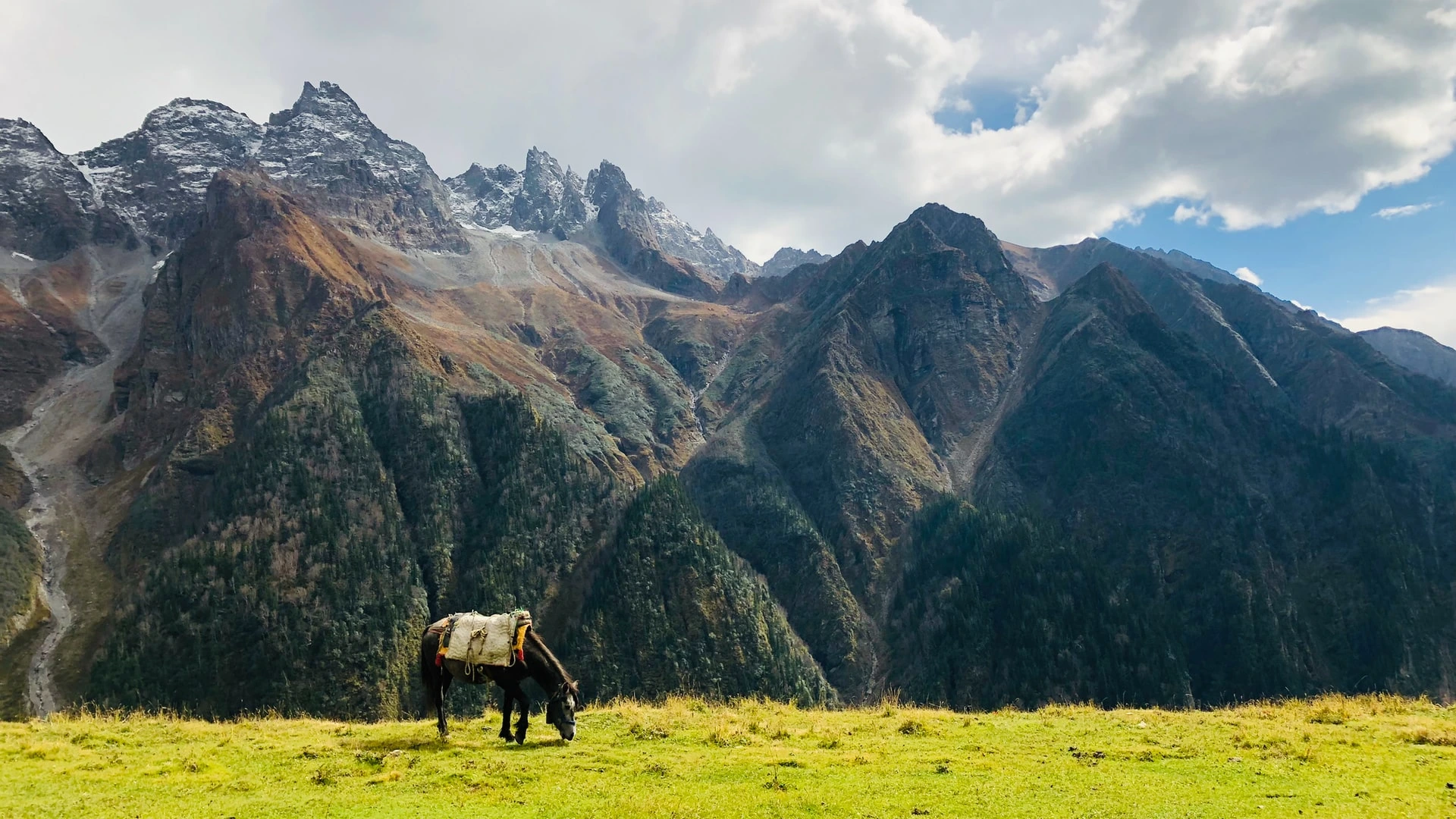
As you climb from Janglik and Dayara, the landscape changes quickly. The lower areas start turning green, while snow remains at higher elevations. This creates a beautiful contrast of green forests and meadows below and snow-covered slopes above.
The biggest highlight is the Buran Ghati Pass. Snow can remain on the upper trail, and the famous Buran Ghati ice wall may be present on the Kinnaur side. When conditions are suitable, the trek team uses ropes and technical support for the descent. The condition of the ice wall changes every year depending on snowfall and melting.
Summer also has some challenges:
- Snow can make the trail harder and more tiring.
- Careful foot placement is needed on snow.
- Early starts may be required for the pass crossing.
- Snowmelt can increase water levels in streams.
For beginners, this is not the easiest version of Buran Ghati Trek. A fit and well-prepared trekker can attempt it, but the snow sections require more care than the autumn route.
May:
Buran Ghati in May is generally the beginning of the main snow season. The higher sections can still have substantial snow, particularly around Dhunda and the approach to Buran Ghati Pass. At the same time, the lower trails may already be green, creating a beautiful contrast between forests, meadows and snow-covered slopes.
If you specifically want a snow experience, May is a good choice. However, early May can be less predictable because the trail may still have heavy snow from the previous winter.
Snow conditions are different every year. A heavy winter can leave more snow on the pass, while warmer weather can cause faster melting. So, do not choose May based only on how much snow you expect.
The Buran Ghati ice wall may also be present, but its condition and accessibility depend on the actual trail conditions. A trained technical team should assess and manage the snow sections.
Expect cold mornings and nights, especially at higher camps. Thermal layers, gloves, warm socks and a good sleeping system are important.
May is best suited to trekkers who:
- Want a snow-covered Buran Ghati.
- Are comfortable walking on snow.
- Have reasonable fitness.
- Can handle cold nights.
- Are prepared for changing trail conditions.
If this is your first Himalayan trek, remember that snow does not make the trek easier. It looks beautiful, but snow can make walking more tiring and require extra care.
June:
June is one of the most popular months to experience buran ghati trek. Snow can still cover the upper sections while the lower meadows become greener and more vibrant.
This is the period when you can often get the best combination of snow, green meadows and a relatively established trekking window. The Buran Ghati snow wall can also remain well defined, especially earlier in June, although conditions vary from year to year.
The pass crossing is the most challenging part of the trek. Snow can slow you down, while the high altitude, cold and steep sections require good fitness and careful movement.
Do not judge the weather only by the lower camps. Temperatures can drop quickly after sunset at higher altitudes. Strong sun during the day can also increase dehydration because snow reflects sunlight.
June is a good choice if you want:
- Snow-covered upper trails.
- A chance to experience the ice wall.
- Green meadows at lower elevations.
- A classic high-altitude pass-crossing experience.
- A more adventurous version of Buran Ghati.
The snow sections demand proper footwear, careful movement and experienced technical support.
Monsoon
Monsoon is generally not recommended for the Buran Ghati Trek. The problem is not simply getting wet. Heavy rainfall can make forest trails slippery, increase the risk of landslides and falling rocks, and cause streams to rise quickly.
Cloud cover can also reduce mountain visibility, while wet trails make walking and descents more difficult. The approach roads may also become slow or difficult after heavy rain.
If you are considering Buran Ghati during July and August, keep these risks in mind:
- Slippery forest trails.
- Higher possibility of landslides on mountain roads.
- Increased stream and river flow.
- Poor visibility due to cloud cover.
- Wet camping conditions.
- More difficult logistics and possible route changes.
For these reasons, we generally pause our Buran Ghati Trek batches during the main monsoon period.
If your dates are flexible, we recommend planning the trek in September, when the monsoon usually starts to clear and trekking conditions improve. Always carry a rain jacket, as mountain weather can change quickly.
Autumn Season (Mid-September to Mid-October): Clear Skies & Golden Colours
Autumn gives you a very different Buran Ghati Trek.
By mid-September, the main monsoon period has usually passed, and the trail begins to dry out. Snow on the pass is generally much less than in May and June, although small patches can remain depending on the year’s weather.
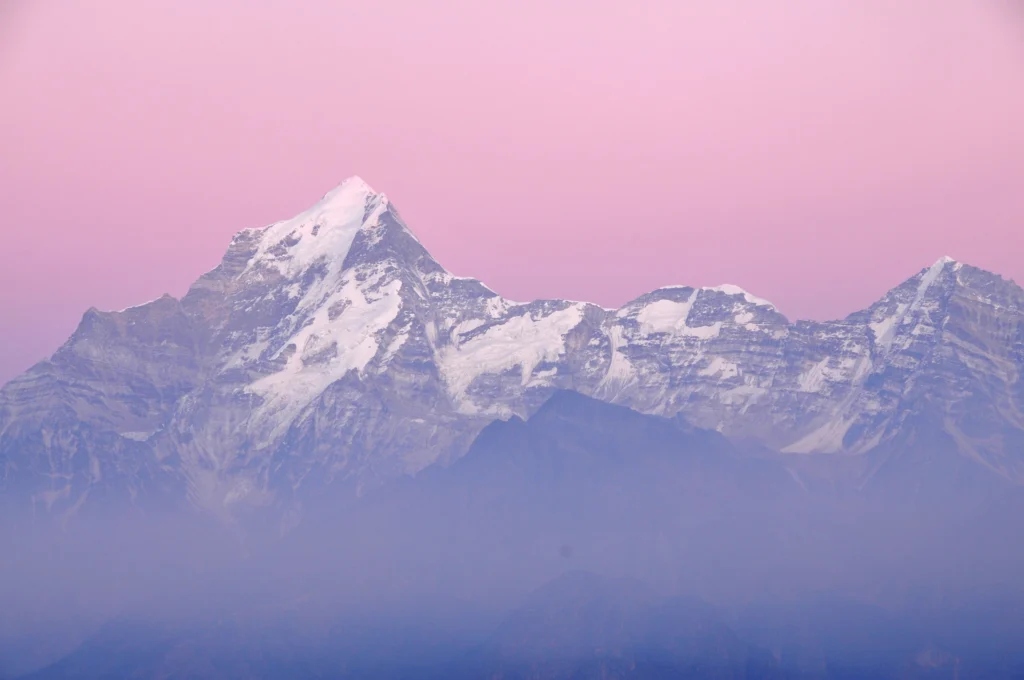
The biggest advantage is visibility. Clear post-monsoon weather can reveal long mountain views that may be hidden by clouds during the rainy season.
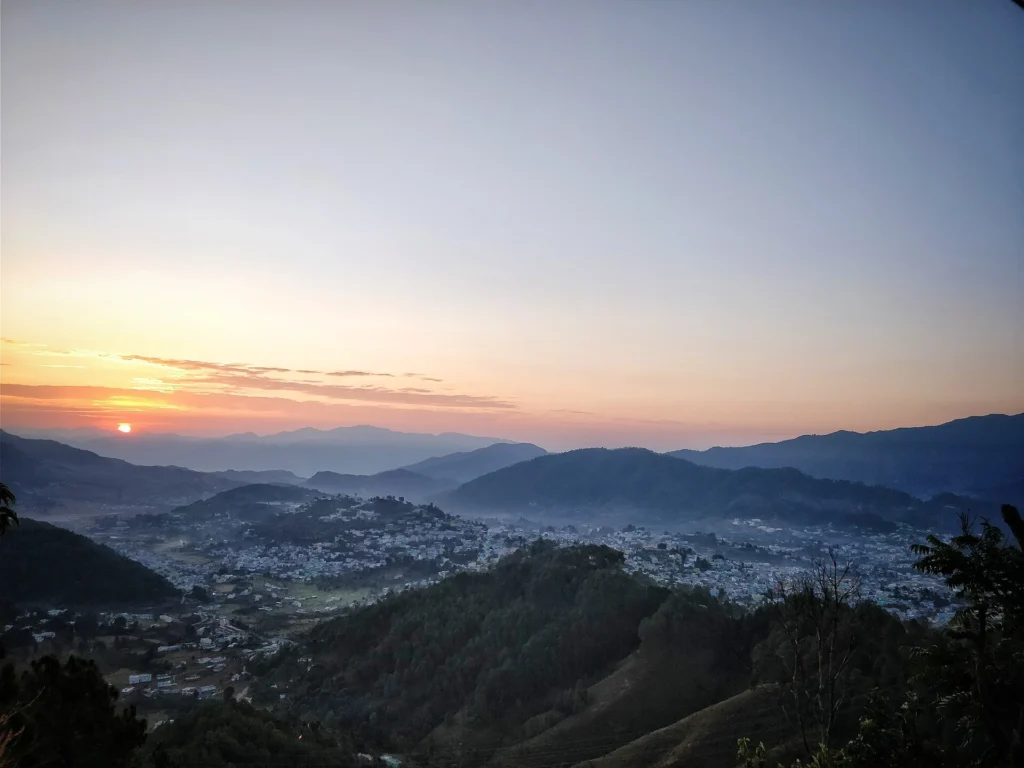
The landscape also begins changing colour. Green meadows gradually take on yellow and golden shades, while the forests and high-altitude terrain develop an autumn character.
The pass itself also changes. Instead of descending a snow-covered ice wall, trekkers generally encounter a steep rocky and bouldery section. This removes much of the snow-related technical character but does not make the pass crossing effortless. Loose rock and steep descents can be hard on the knees, particularly after a long day at altitude.
Autumn is therefore a strong choice for trekkers who prioritise:
- Clear Himalayan views.
- Photography.
- Autumn colours.
- Less snow on the trail.
- Cooler trekking temperatures.
- A different kind of pass-crossing challenge.
It is also important to remember that September and October are not warm-weather trekking months at high altitude. Nights can become very cold, particularly as October progresses.
September:
September is one of the best months to visit Buran Ghati. The monsoon usually starts to clear, bringing clearer skies, better mountain views and drier trails.
The lower meadows remain attractive after the monsoon, while the landscape begins changing towards autumn. The sky is often much clearer than during July and August, giving you better opportunities to see distant Himalayan peaks.
Most of the major snow from summer has normally melted, so you should not choose September expecting the same snow wall experience as June. Instead, you get clear views, open landscapes and a mostly rocky pass crossing.
TThe steep descent still requires good balance and careful footwork. Early September can bring occasional rain, so carrying waterproof protection is important.
September is a great choice if you want:
- Clear Himalayan views
- Green and changing autumn landscapes
- Good photography opportunities
- Less snow on the trail
- Better trekking conditions after the monsoon
October:
October is another good time to do the Buran Ghati Trek, especially if you want clear mountain views, autumn colours and mostly snow-free trails. The weather is colder than September, but the skies are often clear.
The meadows and forests turn golden, making Buran Ghati in October a beautiful choice for photography. The pass remains challenging, even though there is usually much less snow than in May and June.
The main consideration is timing. Late October moves closer to winter, so temperatures drop and the possibility of early snowfall increases at higher elevations. Conditions can therefore become more unpredictable as the month progresses.
If you are planning the Buran Ghati Trek in October, warm clothing is important. Carry thermal layers, a good insulated jacket, gloves and warm socks to stay comfortable in the cold.
October is a good choice if you want:
- Clear mountain views
- Golden autumn landscapes
- Mostly snow-free trails
- Cooler trekking weather
- Fewer monsoon-related concerns
Between September and October, September generally has milder weather, while October is colder and feels more like the beginning of winter.
Winter (November–April): Why the Trek Shuts Down Completely
Buran Ghati is officially closed and inaccessible for recreational trekking during the winter season, generally from November to April. Heavy snowfall, extreme cold and difficult trail conditions make the high pass unsafe and the full Janglik-to-Barua crossing impractical.
During winter, snow can completely cover the trail, making navigation difficult. Campsites may become inaccessible, water sources can freeze and the pass itself may remain blocked. Road closures can also affect access to the base.
The main winter risks include:
- Heavy snowfall
- Buried or unclear trails
- Extreme cold at high camps
- Frozen water sources
- Avalanche and snow-slide risks
- Road closures
- Limited trekking support
The best time to do the Buran Ghati Trek is:
- Mid-May to the end of June – Best for snow, the Buran Ghati snow wall and green meadows.
- Mid-September to mid-October – Best for clear mountain views, autumn colours and mostly snow-free trails.
Outside these seasons, you may face heavy snow or monsoon rain, making the trek difficult and unsafe.
So, plan your Buran Ghati Trek 2026 within these trekking windows for the best experience.
Still unsure about the best time to visit? Contact our team, and we’ll help you choose the right season based on the experience you are looking for.
From Janglik to the Buran Ghati— How the Weather Changes as You Climb
The weather on the Buran Ghati Trek changes as you gain altitude. The higher you climb, the colder, windier and more exposed the trail becomes.
Janglik – Around 9,000 ft
- The trek starts from the village of Janglik.
- The trail passes through forests and open areas.
- Daytime weather can feel comfortable during the main trekking season.
- Nights are cooler but usually less harsh than at higher camps.
- Rain can make the forest trail slippery during unsettled weather.
Dayara – Around 11,000 ft
- The forest gradually opens into wide green meadows.
- Temperatures become noticeably cooler, especially after sunset.
- Cold winds can be felt more easily in the open meadow areas.
- Morning temperatures can be low, particularly in October.
- Weather can change faster than at Janglik.
Litham – Around 11,500–12,000 ft
- The landscape becomes more open and alpine.
- You are more exposed to wind and changing weather.
- Nights can become quite cold.
- Clouds can reduce visibility quickly.
- The temperature feels colder when strong winds are present.
Dhunda – Around 13,000 ft
- The higher altitude makes the cold more noticeable.
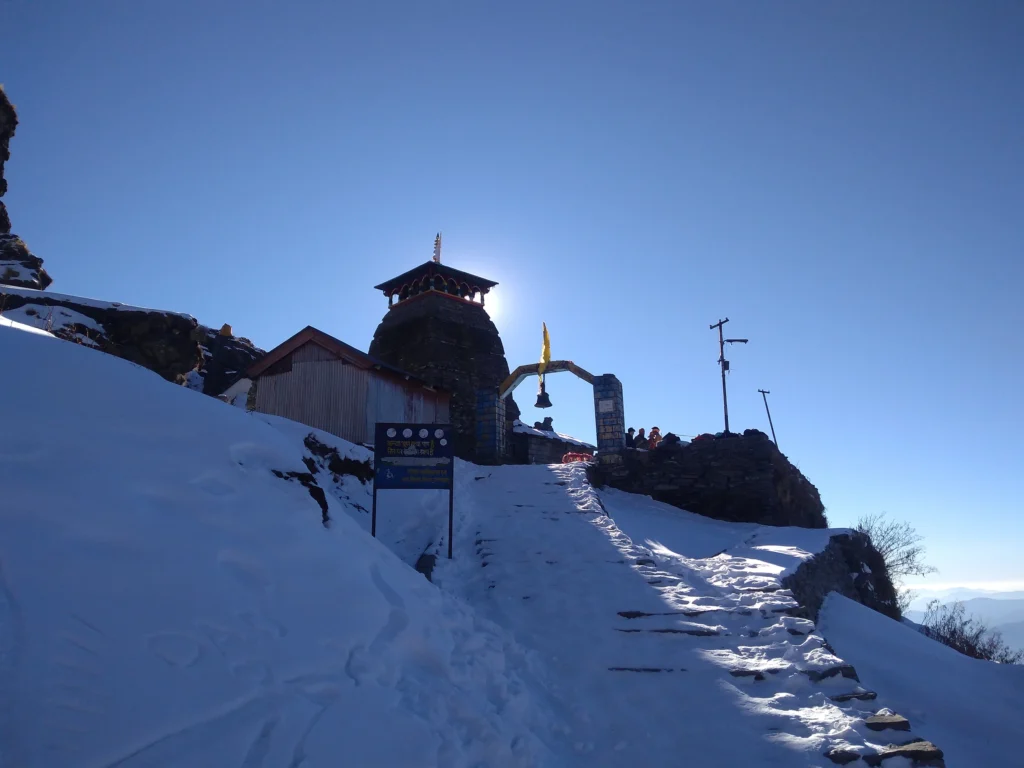
- Snow can remain around the trail during May and June.
- The terrain becomes more exposed with fewer trees for protection.
- Strong sunlight can make the daytime feel warmer, but temperatures drop quickly in the evening.
- Trekkers may also start feeling the effects of altitude more strongly.
Buran Ghati Pass – Around 15,000 ft
- This is the highest and most exposed section of the trek.
- Temperatures can be much lower than at Janglik.
- Strong winds can make it feel even colder.
- May and June can have significant snow around the pass.
- September and October are generally more rocky and mostly snow-free.
- Sudden clouds, wind or snowfall can change conditions quickly.
How Buran Ghati Temperature Changes
- Lower camps: More comfortable during sunny afternoons.
- Higher camps: Much colder, especially after sunset.
- Windy areas: Can feel colder than the actual temperature.
- Snow areas: Strong sunlight can increase heat and sun exposure during the day.
- Rain and clouds: Can quickly make the trail cold and uncomfortable.
- September–October: Days can be pleasant for walking, but nights can be very cold.
- May–June: Snow and cold are more common at higher elevations.
What to Carry for Changing Weather
- Thermal base layers
- Fleece or warm mid-layer
- Insulated down jacket
- Waterproof or windproof jacket
- Warm gloves
- Woollen socks
- Woollen cap
- UV-protection sunglasses
- Sunscreen and lip balm
The main point is simple: do not judge the weather at Janglik by the conditions at Buran Ghati Pass. The altitude increases from around 9,000 ft to 15,000 ft, so temperatures and weather conditions can change significantly during the trek.
Not Sure Which Season Fits You? Here’s How to Decide
Choosing the Buran Ghati trek best season depends on what kind of experience you want.
Choose May if:
You want an early-season snow experience and do not mind cold conditions. Be prepared for potentially deep snow and changing trail conditions.
Choose June if:
You want the classic combination of snow, green meadows and a chance of seeing the ice wall. June is one of the strongest choices for the summer version of Buran Ghati.
Choose September if:
You prefer clear skies, mountain views and a mostly snow-free trail. This is one of the best choices for trekkers who do not specifically need the ice wall.
Choose October if:
You enjoy autumn landscapes, colder weather and golden colours. Plan your gear carefully because winter conditions begin approaching at higher elevations.
Avoid July–August if:
You have flexible dates. The monsoon can bring slippery trails, heavy rain, road disruption and landslide risks.
Avoid November–April if:
- You want to do the standard Buran Ghati pass crossing.
- Heavy snow and winter conditions can make the normal route inaccessible.
How Difficulty Changes by Season
Summer (May–June): More snow, colder upper sections and potentially more technical snow crossings.
Autumn (September–October): Less snow, but the pass descent is mainly rocky and bouldery.
So, instead of asking only “Which month has the best weather?”, ask “Which trail conditions am I comfortable handling?” This will help you choose the right Buran Ghati trek best season for your trip.
What to Pack, Season by Season
Your Buran Ghati trek packing list by season should match the weather and trail conditions. What you need in May can be different from what you need in October.
May–June: Snow Season
Focus on warmth, good grip and snow protection.
Carry:
- High-ankle trekking shoes with good grip
- Thermal base layers
- Fleece jacket
- Warm insulated/down jacket
- Waterproof or windproof jacket
- Woollen cap and gloves
- Extra pairs of warm socks
- UV-protection sunglasses
- Sunscreen and lip balm
- Trekking poles
- Gaiters, if required
- Headlamp with spare batteries
- Personal medicines and basic first-aid kit
- Backpack rain cover
Depending on the current snow conditions, your trek operator may also recommend or provide microspikes and other technical gear.
September–October: Autumn Season
The trail is mostly snow-free, but higher camps can still be very cold, especially at night.
Carry:
- Trekking shoes with good grip
- Thermal innerwear
- Fleece or warm mid-layer
- Insulated jacket
- Waterproof rain jacket
- Warm cap and gloves
- Extra socks
- Sunglasses and sunscreen
- Trekking poles
- Headlamp
- Personal medicines
- Water bottles
- Backpack rain cover
Do not skip your warm jacket just because the daytime weather feels pleasant. Temperatures can drop quickly after sunset at higher altitudes.
Essentials for Both Seasons
Some items are useful throughout the trekking season:
- Required documents and ID
- Power bank
- Small first-aid kit and blister patches
- ORS/electrolytes
- Toilet paper and hygiene items
- Reusable water bottle
- Energy snacks
- Quick-dry clothes
- Lightweight daypack
- Emergency contact details
The best approach is to pack according to the season, altitude and current trail conditions. Carry only what you need and follow the latest instructions from your trek operator.
(FAQs)
1. What is the best time to do the Buran Ghati Trek?
The best time for the Buran Ghati Trek is mid-May to June and mid-September to mid-October. May and June are best for snow and the chance to see the ice wall, while September and October offer clearer views, autumn colours and mostly snow-free trails.
2. Is Buran Ghati Trek open in May?
Yes, the trekking season generally starts around mid-May, depending on snow and trail conditions. Early May can have heavy snow at higher sections, so always check the latest trail conditions before planning your trek.
3. Is June good for the Buran Ghati Trek?
Yes. June is one of the best months for Buran Ghati if you want snow, green meadows and the classic summer pass crossing. The ice wall may also be present, depending on the year’s snowfall and melting.
4. Can I see the Buran Ghati ice wall in September?
Usually, September is not the best month to visit specifically for the ice wall. Most summer snow has normally melted, and the pass descent is generally rocky and bouldery instead.
5. Is Buran Ghati Trek possible during monsoon?
We generally do not recommend the Buran Ghati Trek in July and August because of heavy rain, slippery trails, landslide risks, rising streams and difficult mountain-road conditions. September is a better option once the main monsoon period has passed.
6. Is Buran Ghati Trek open in winter?
No. The standard Buran Ghati crossover is generally closed from November to April because of heavy snowfall, extreme cold and difficult trail conditions. The exact opening depends on the snow conditions each year.
7. Which is better: Buran Ghati in June or September?
Choose June if you want snow, green meadows and a chance to experience the ice wall. Choose September if you prefer clear mountain views, autumn landscapes and a mostly snow-free trail.
8. How cold is Buran Ghati during the trekking season?
Temperatures vary with altitude and season. Days can feel comfortable in the sun, but temperatures can drop sharply after sunset at higher camps. September and October nights can be particularly cold, so warm layers are essential.
9. Is Buran Ghati difficult in May and June?
Yes, summer can be more challenging because of snow on the upper sections. Snow walking, high altitude, cold weather and the pass crossing require good fitness and careful movement.
10. Is Buran Ghati easier in September and October?
The trek can feel easier without extensive snow, but it is still a moderate to difficult trek. The pass descent can be steep, rocky and bouldery, so good fitness and proper trekking shoes are important.
11. What should I pack for Buran Ghati in October?
Carry thermal layers, a warm insulated jacket, fleece, gloves, woollen cap, warm socks, good trekking shoes, rain protection, sunglasses and trekking poles. Higher camps can become very cold at night.
12. When should beginners do the Buran Ghati Trek?
A fit beginner can do Buran Ghati with proper preparation and an experienced trek team. September is often a more comfortable choice for beginners who want to avoid extensive snow, while May and June require better preparation for snow conditions.
13. Can a beginner do the Buran Ghati Trek?
Yes, a fit beginner can do the Buran Ghati Trek, but it should not be treated as an easy trek. Proper fitness, preparation and guidance are important, especially during the snow season.
14. Is Buran Ghati very difficult?
Buran Ghati is a moderate to difficult trek. The main challenges are high altitude, steep sections, changing weather and the pass crossing. Snow can make the trek more difficult in May and June.
15. Which trek is easier, Buran Ghati or Rupin Pass?
Buran Ghati is generally easier than Rupin Pass. Buran Ghati has a shorter route and fewer demanding sections, while Rupin Pass involves longer trekking days, greater altitude gain and more varied terrain.
16. Which time is best for trekking Buran Ghati?
The best trekking windows are mid-May to the end of June and mid-September to mid-October. Choose summer for snow and the ice-wall experience, or autumn for clearer views, golden landscapes and mostly snow-free trails.