Winter changes the Himalayas completely.
The green meadows of summer disappear beneath snow, forest trails become quieter, frozen lakes replace open water, and some of Uttarakhand’s most familiar trekking routes take on an entirely different character. But winter trekking is not simply about finding snow. The right trek depends on the month, altitude, trail conditions, fitness level, road accessibility and the kind of Himalayan experience you want.
If you are planning Himalayan treks in winter 2026, this guide will help you understand which routes are worth considering and, equally importantly, when to plan them.
Among the most popular winter choices in Uttarakhand are the Brahmatal Trek, Kedarkantha Trek, Kuari Pass Trek and Dayara Bugyal. The Ali Bedni Bugyal trek is another outstanding Uttarakhand trail, but it should be planned outside the core winter season because heavy snow closes the route during winter.
This Uttarakhand Trekking Calendar 2026 compares the major routes month by month so that you can choose a trek based on actual seasonal suitability rather than simply selecting the most popular name.
Why Choose the Himalayas for a Winter Trek?
A winter trek is very different from trekking the same trail in spring, summer or autumn.
Between December and March, snowfall can transform the landscape into continuous stretches of white. Forests become quieter, alpine clearings are covered with snow, temperatures fall well below freezing at higher camps, and distant Himalayan summits can appear exceptionally sharp on clear days.
Winter trekking can offer:
- Snow-covered forests and campsites
- Frozen or partially frozen alpine lakes
- Clear mountain panoramas on stable-weather days
- Fewer trekkers on selected trails
- Dramatic sunrise and sunset conditions
- A genuine introduction to trekking on snow
- A very different Himalayan landscape from the summer trekking season
However, winter also introduces additional challenges.
Snow depth, black ice, sub-zero nights, shorter daylight hours, changing road conditions and sudden weather systems can make an otherwise moderate trail significantly harder.
That is why choosing the correct route and month matters.
Uttarakhand Winter Trekking Calendar 2026 at a Glance
| Trek | Best Winter Window | Approx. Highest Altitude | Difficulty | Best Known For |
| Kedarkantha Trek | December–March | 12,500 ft | Easy to Moderate | Summit experience, snow forests and Juda Ka Taal |
| Brahmatal Trek | December–March | Around 12,000+ ft | Moderate | Alpine lake, snow trails and Trishul views |
| Kuari Pass Trek | December–February | Around 12,000 ft | Moderate | Big Himalayan mountain views |
| Dayara Bugyal | December–March | Around 12,000 ft | Easy to Moderate | Vast snow-covered alpine meadows |
| Ali Bedni Bugyal Trek | Not recommended in core winter | High-altitude meadow route | Moderate | Ali and Bedni Bugyal, Trishul and Nanda Ghunti |
Important: Winter conditions vary from year to year. Snowfall dates, accumulation and route accessibility cannot be guaranteed simply from the calendar. Always check current trail and weather conditions before departure.
1. Kedarkantha Trek – The Classic Winter Summit Experience
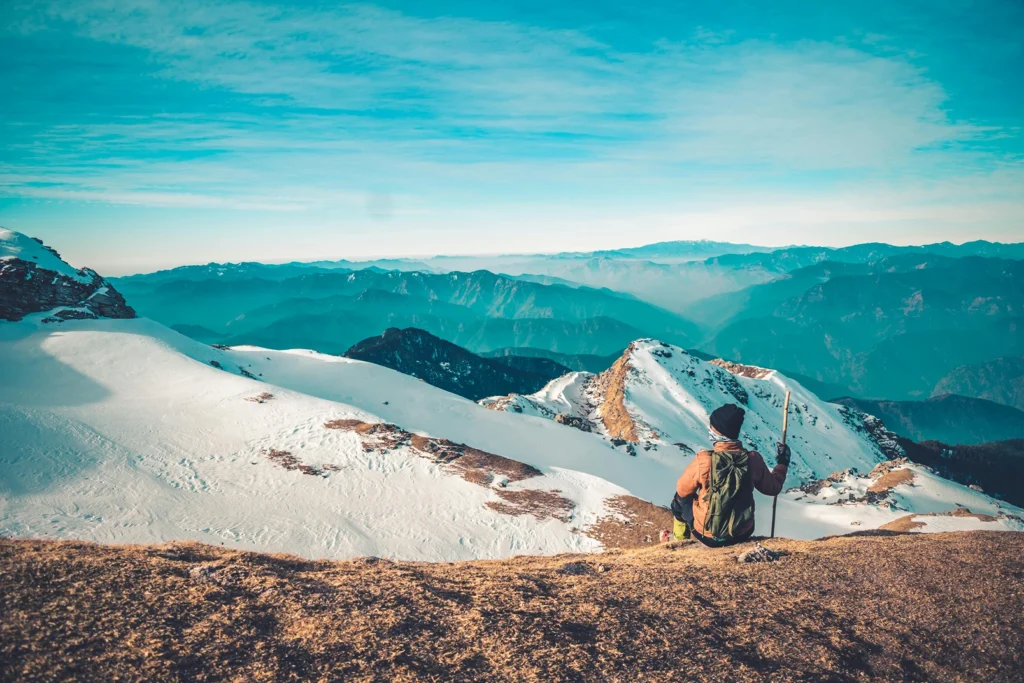
For many trekkers, the Kedarkantha Trek is the first name that comes to mind when discussing winter trekking in Uttarakhand.
The trek begins from the Sankri region and climbs through pine and oak forests towards Juda Ka Taal, Kedarkantha Base Camp and finally Kedarkantha summit.
The summit reaches approximately 12,500 ft (3,810 m).
What makes Kedarkantha particularly suitable for winter is the combination of manageable altitude, forest sections, established campsites and a proper summit day. In peak winter, the route can be covered in snow and Juda Ka Taal may freeze.
Why Choose Kedarkantha in Winter?
The biggest attraction is progression.
You do not see everything on the first day. The landscape changes gradually as you gain altitude.
The route moves from mountain villages into forest, from forest into snow-covered clearings, and finally towards an exposed summit ridge.
From the summit area, trekkers can experience broad views towards several major ranges of the western Garhwal Himalayas.
Best Months for Kedarkantha Trek
December: Good for early winter conditions and the possibility of fresh snowfall.
January: One of the strongest months if your priority is a proper snow-trekking experience.
February: Snow generally remains at higher elevations while daylight conditions gradually improve.
March: A good transition period, although snow coverage depends heavily on the winter’s snowfall.
Who Should Choose Kedarkantha?
Consider Kedarkantha if:
- You are attempting your first winter Himalayan trek.
- You want a summit-oriented itinerary.
- Snow is one of your main priorities.
- You are comfortable with cold nights.
- You want a relatively short Himalayan trekking itinerary.
The trek is classified as easy to moderate, but that should not be confused with effortless. Summit day, snow depth and low temperatures can substantially increase the physical demand.
2. Brahmatal Trek – Snow, Forests and an Alpine Lake
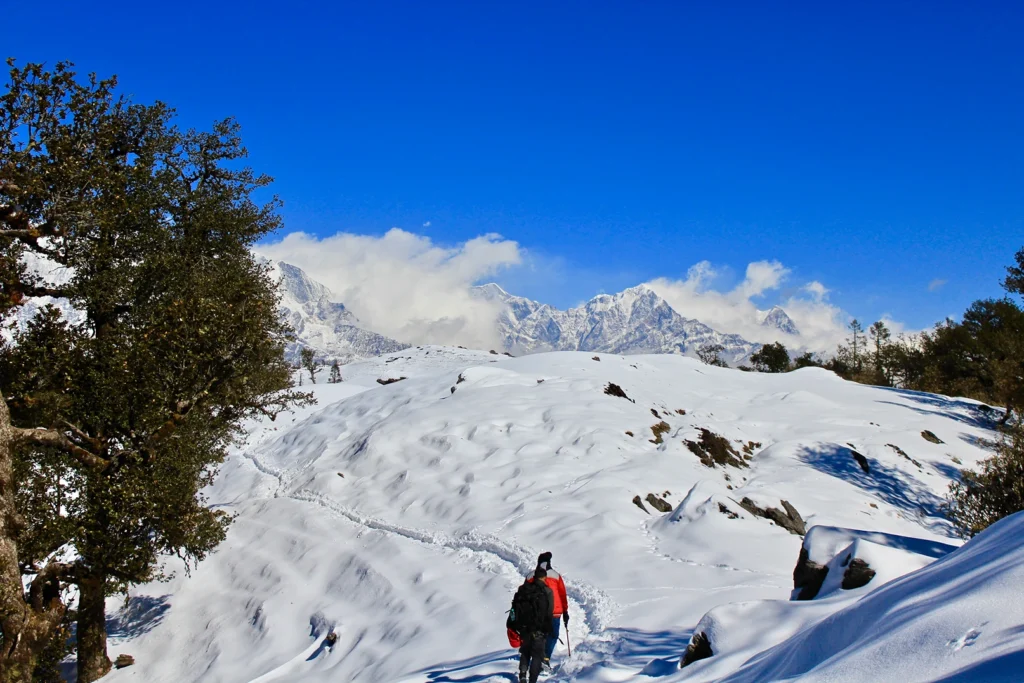
The Brahmatal Trek is another major winter trekking route in Uttarakhand and provides a noticeably different experience from Kedarkantha.
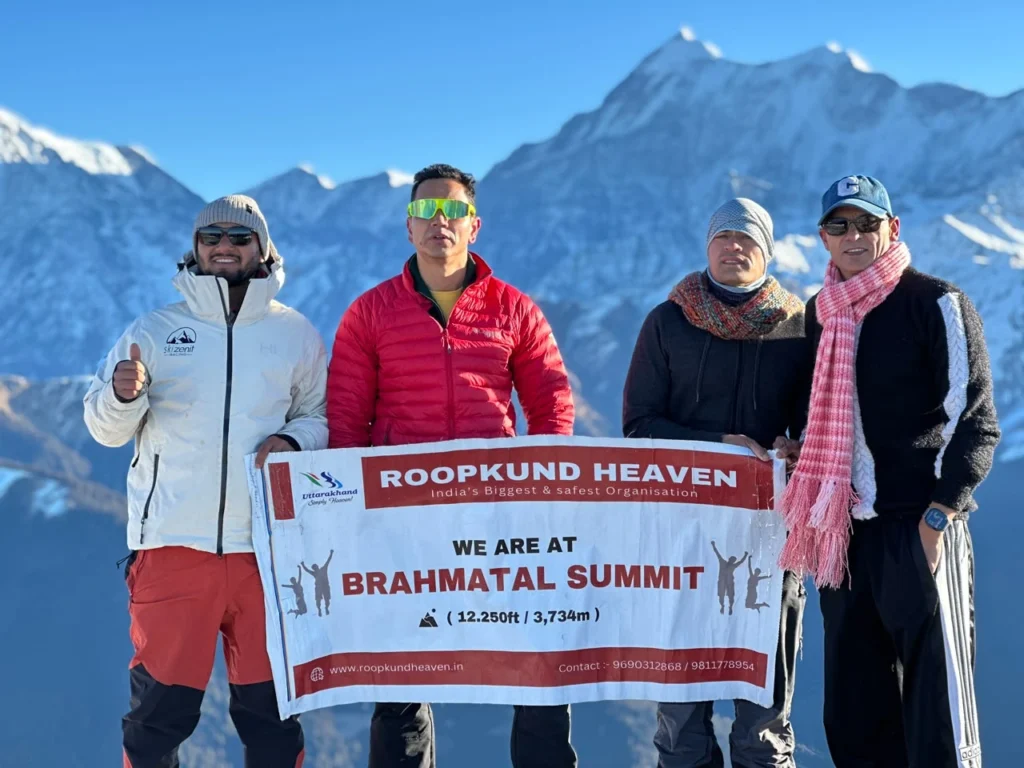
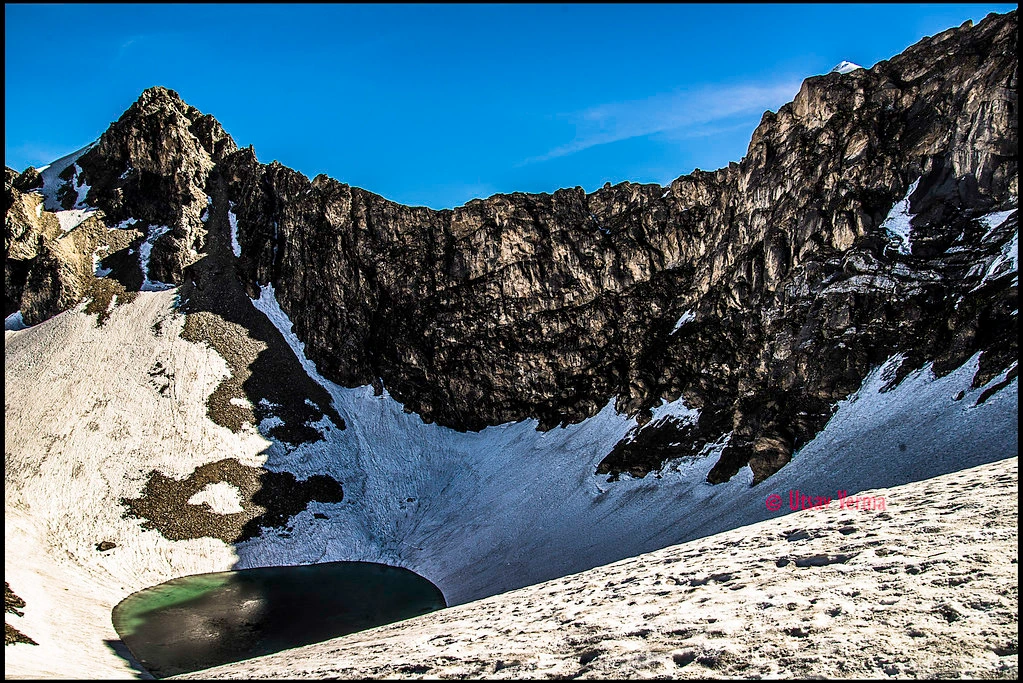
Rather than being defined primarily by a summit, Brahmatal is about the complete landscape: forests, high-altitude clearings, snowfields, an alpine lake and views towards major peaks including Trishul and Nanda Ghunti.
Lohajung acts as the principal base for the trek.
Why Is Brahmatal Special in Winter?
Brahmatal has become popular because it retains the feeling of a high Himalayan journey while remaining accessible to reasonably fit trekkers.
During the winter season, snowfall can transform the upper sections of the trail. The combination of white forest trails and large mountain faces in the distance creates a very different visual experience from a conventional summer meadow trek.
Best Time for Brahmatal Trek
December: The winter landscape begins developing as snowfall reaches higher sections.
January: Usually one of the most attractive periods for trekkers specifically looking for snow.
February: Often provides a good combination of existing snow and winter mountain scenery.
March: Conditions begin transitioning towards spring, although snow can remain at higher elevations.
Brahmatal vs Kedarkantha
This is one of the most common comparisons made by first-time winter trekkers.
Choose Kedarkantha if a summit experience is your biggest priority.
Choose Brahmatal if you are more interested in a varied trail involving forest, snow, an alpine lake and extended views of major Himalayan peaks.
Neither trek is universally “better.” They deliver different experiences.
3. Kuari Pass Trek – For Grand Himalayan Views
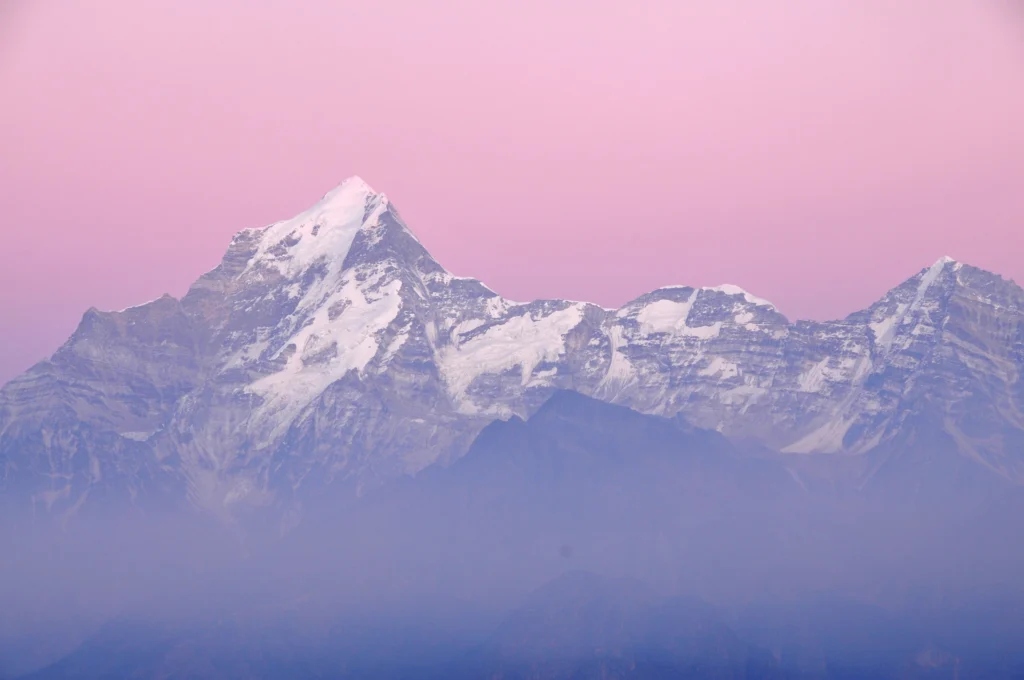
If your idea of a Himalayan trek is standing on a high trail surrounded by enormous snow-covered peaks, the Kuari Pass Trek deserves serious consideration.
The Kuari Pass region is famous for its mountain panorama, with views towards some of the most significant peaks of the Garhwal Himalayas.
The trek is generally approached through the Joshimath/Jyotirmath region.
In winter, the landscape changes considerably. Snow covers the upper forest and meadow sections, while clear-weather days can offer striking visibility towards the surrounding mountains.
Why Trek Kuari Pass in Winter?
Kuari Pass is less about chasing one summit and more about trekking through a landscape dominated by the high Himalayas.
Depending on the exact route and conditions, trekkers move through oak and rhododendron forests, snow-covered open sections and high ridges.
The upper route can become substantially more technical under snow and ice. Microspikes and careful movement may be required depending on trail conditions.
Best Winter Months
December: Early winter conditions with snow increasingly likely at higher elevations.
January: Deep winter. Expect low temperatures and potentially significant snow.
February: Excellent winter landscapes can continue, with snow persisting on upper sections.
Conditions in winter can change quickly, so the final route should always be based on local trail assessment.
Who Should Choose Kuari Pass?
Kuari Pass works particularly well for trekkers who:
- Prioritise mountain views over a summit objective
- Have reasonable trekking fitness
- Want a more serious winter trekking experience
- Are comfortable walking on snow
- Want to experience the Joshimath/Auli side of Uttarakhand
Auli itself is one of Uttarakhand’s major winter destinations and is surrounded by oak and coniferous forests with views towards Nanda Devi and other major Himalayan peaks.
4. Dayara Bugyal – A Vast Himalayan Meadow Under Snow
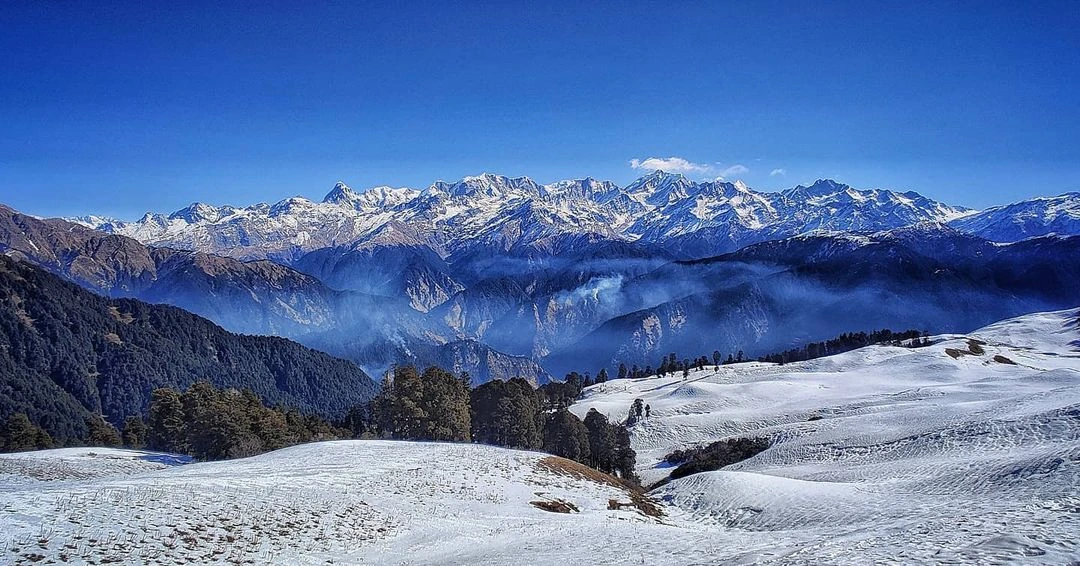
Dayara Bugyal Trek is one of Uttarakhand’s best-known high-altitude meadow landscapes.
In summer, the attraction is an enormous carpet of green. Winter creates almost the opposite scene: an expansive white landscape surrounded by snow-covered mountains.
The trek is commonly approached from Raithal in Uttarkashi district and reaches approximately 12,250 ft on the higher sections of the route.
Why Choose Dayara Bugyal in Winter?
The openness of the landscape is the biggest reason.
While Kedarkantha and Brahmatal include significant forest sections, Dayara eventually opens into enormous alpine meadows.
Under good snow conditions, these meadows become huge white expanses with panoramic views towards peaks such as Bandarpoonch, Draupadi Ka Danda, Srikanth and Kalanag.
Best Winter Months
December: Excellent for the transition from late autumn towards winter.
January: Strong potential for a classic snow-covered Dayara landscape.
February: One of the most balanced months for winter trekking.
March: Snow may remain on upper sections, but conditions increasingly depend on temperature and snowfall patterns.
Is Dayara Bugyal Suitable for Beginners?
For a fit beginner travelling with proper guidance, Dayara Bugyal can be an excellent introduction to the Himalayas.
However, difficulty ratings should always be treated as seasonal.
A trail described as easy to moderate in dry conditions can feel considerably harder after heavy snowfall.
What About the Ali Bedni Bugyal Trek in Winter?
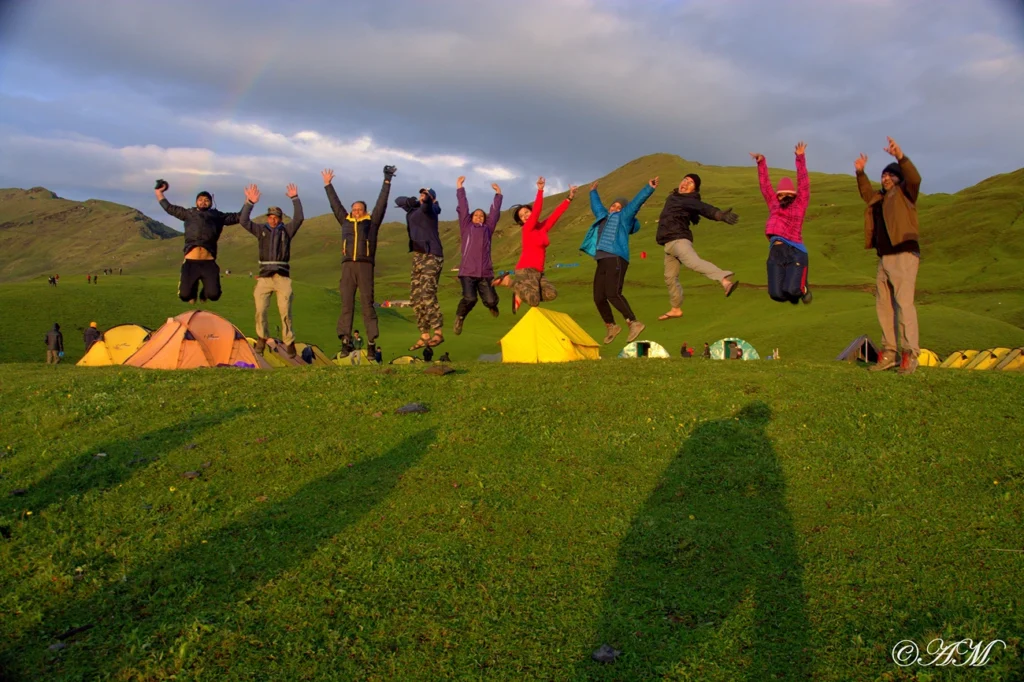
This distinction is important.
The Ali Bedni Bugyal trek is one of Uttarakhand’s finest meadow treks, but it should not be marketed as a regular December–February winter trek.
The route towards Ali and Bedni Bugyal provides exceptional views towards Trishul and Nanda Ghunti and is known for its vast alpine grasslands.
However, Roopkund Heaven’s current route information notes that the trek closes during the winter period from approximately November to April, when heavy snowfall can make the trail impassable.
Therefore, if Ali Bedni Bugyal is on your 2026 trekking list, plan it for the appropriate non-winter operating season rather than forcing it into a winter itinerary.
This is an important part of responsible Himalayan trek planning: not every beautiful Himalayan trail should be attempted in every season.
Month-by-Month Uttarakhand Trekking Calendar 2026
The correct trek often becomes much easier to choose once you decide your travel month.
December 2026 – Beginning of the Winter Trekking Season
December is the transition into proper Himalayan winter.
Early December can have relatively limited snow depending on the year. As western disturbances begin bringing precipitation, snow accumulation generally increases at higher elevations.
Recommended Options
- Kedarkantha Trek
- Brahmatal Trek
- Kuari Pass Trek
- Dayara Bugyal
Best For
Trekkers looking for cold conditions without necessarily experiencing the deepest snow of the season.
Do not book December solely on the assumption that every trail will already have deep snow. Himalayan snowfall is weather-dependent, not calendar-dependent.
January 2026 – Peak Winter Conditions
January is generally the month most people imagine when they think of winter Himalayan treks.
Temperatures are low, snow can be deep at higher camps and nights can fall well below freezing.
Recommended Options
Kedarkantha: Excellent for a classic snow-and-summit experience.
Brahmatal: Strong choice for forests, lake scenery and mountain views.
Dayara Bugyal: Excellent for expansive snow-covered meadows.
Kuari Pass: Ideal for experienced and well-prepared trekkers seeking mountain panoramas in winter conditions.
Keep in Mind
January demands better equipment and preparation.
Water can freeze overnight, trails can become icy, road journeys may be delayed and summit/pass attempts can change because of weather.
Keep a buffer day whenever possible.
February 2026 – One of the Most Balanced Winter Months
February can be an excellent month for winter trekking.
Snow from previous winter systems may remain at altitude while the days gradually become longer.
For many trekkers, February provides a strong balance between winter scenery and slightly more manageable conditions than the coldest part of January.
Recommended Options
- Brahmatal Trek
- Kedarkantha Trek
- Kuari Pass Trek
- Dayara Bugyal
February is particularly useful for travellers who want a genuine winter experience but do not necessarily want to travel around the Christmas/New Year peak period.
March 2026 – Winter Begins Turning to Spring
March is a transition month.
Lower-altitude snow starts melting while snow can remain on upper slopes, shaded forests and high ridges.
This means conditions can differ dramatically from one route to another.
Good March Options
- Kedarkantha
- Brahmatal
- Dayara Bugyal
Kuari Pass conditions should be checked carefully before departure because snow and ice on exposed sections can materially change the route.
March is an excellent choice for trekkers who prefer slightly milder temperatures but still want the possibility of snow.
November 2026 – Pre-Winter Trekking
November deserves a separate category.
It is not necessarily a snow month, but it can be one of the best periods for clear Himalayan views.
Post-monsoon skies are often crisp, vegetation has shifted towards autumn colours and the intense winter cold has not fully arrived.
If your primary objective is mountain visibility rather than snow, November can sometimes be a better choice than December.
Which Winter Trek Should You Choose?
There is no single “best” winter trek for everyone.
Choose Kedarkantha if:
You want a recognisable summit objective and a classic first winter trek.
Choose Brahmatal if:
You want snow, forests, an alpine lake and close Himalayan mountain views.
Choose Kuari Pass if:
Big mountain panoramas are your highest priority.
Choose Dayara Bugyal if:
You want huge open snow-covered meadows and a comparatively beginner-friendly itinerary.
Choose Ali Bedni Bugyal if:
You love alpine meadows and views of Trishul and Nanda Ghunti — but plan it outside the core winter closure period.
Brahmatal vs Kedarkantha vs Kuari Pass vs Dayara Bugyal
| Factor | Brahmatal | Kedarkantha | Kuari Pass | Dayara Bugyal |
| Snow Experience | Excellent | Excellent | Excellent | Excellent |
| Summit Experience | Limited | Excellent | Pass crossing/viewpoint | Meadow/high point |
| Forest Trail | Excellent | Excellent | Excellent | Good |
| Open Meadows | Good | Moderate | Excellent | Excellent |
| Mountain Views | Excellent | Excellent | Outstanding | Excellent |
| Beginner Friendly | Moderate | Good | Moderate | Good |
| Winter Challenge | Moderate | Moderate | Moderate–Higher | Moderate |
| Best For | Variety | Summit | Mountain panorama | Snow meadows |
How Difficult Are Himalayan Treks in Winter?
A common mistake is looking only at a trek’s standard difficulty rating.
Winter changes that rating in practical terms.
A moderate trail covered with packed snow, fresh snow or ice requires more energy and concentration than the same trail in October.
Several factors increase winter difficulty:
1. Snow Depth
Fresh snow slows walking considerably. Every step requires additional effort, particularly when breaking trail.
2. Sub-Zero Temperatures
Cold affects sleep, hydration, batteries, water availability and overall energy levels.
3. Shorter Daylight Hours
Winter trekking requires stricter time management because usable daylight is limited.
4. Ice
Packed snow can turn into hard ice, particularly on shaded sections and early in the morning.
5. Weather Changes
Fresh snowfall, high winds or poor visibility can alter the itinerary.
This is why a winter trek should never be judged purely by kilometres or altitude.
Essential Fitness for a Winter Himalayan Trek
You do not need to be an athlete to complete many beginner-to-moderate Himalayan treks, but you do need cardiovascular endurance, leg strength and the ability to walk continuously for several hours.
Start preparing at least four to six weeks before departure.
A useful routine can include:
- Brisk walking or jogging
- Stair climbing
- Squats and lunges
- Core-strength exercises
- Weekend hikes
- Walking with a light backpack
More important than speed is consistency.
You should be comfortable walking uphill for extended periods without becoming completely exhausted.
What to Pack for a Winter Trek in Uttarakhand
Packing for winter is about layering rather than carrying one extremely heavy jacket.
Clothing
Carry:
- Moisture-wicking base layers
- Fleece or insulated mid-layer
- Down or synthetic insulated jacket
- Waterproof/windproof outer shell
- Trekking pants
- Thermal layers
- Warm cap
- Sun cap
- Neck warmer/buff
- Waterproof gloves
- Multiple trekking socks
Footwear
Use proper trekking shoes with good ankle support and traction.
Depending on snow and ice conditions, gaiters and microspikes may be required.
Other Essentials
- Sunglasses with UV protection
- Sunscreen
- Headlamp
- Trekking poles
- Personal medicines
- Water bottles
- Backpack and rain cover
- Personal hygiene kit
- Power bank
- Small dry bags or waterproof pouches
Avoid cotton as your primary cold-weather layer because it retains moisture and dries slowly.
Safety Rules for Winter Himalayan Treks
Winter mountains require disciplined decision-making.
Never Chase the Summit in Bad Weather
A summit, pass or viewpoint is optional. Returning safely is not.
Follow Your Trek Leader
Snow can hide trail edges, rocks and slippery sections. Local trail knowledge becomes especially important in winter.
Hydrate Even When You Are Not Thirsty
Cold suppresses thirst, but your body still loses water.
Protect Yourself From UV Exposure
Snow reflects sunlight and can significantly increase UV exposure. Sunglasses and sunscreen are essential.
Do Not Ignore Symptoms of Altitude Illness
Headache, nausea, unusual fatigue, dizziness and loss of appetite should be reported to your trek leader.
Keep Buffer Time
Weather can delay both trekking itineraries and road travel.
Snowfall Is Never Guaranteed
This point is especially important when planning a winter trek.
Booking a Himalayan trek for a particular date does not guarantee fresh snowfall.
Snowfall varies substantially between years.
For example, parts of Uttarakhand experienced unusually dry conditions during the 2025–26 winter, illustrating why travellers should not treat historical snowfall patterns as guaranteed forecasts.
What operators can reasonably tell you is:
- Whether snow is currently present
- Approximate snow depth
- Recent snowfall
- Current trail accessibility
- Short-range weather forecasts
Nobody can responsibly guarantee that it will snow on your exact trekking dates months in advance.
Responsible Winter Trekking
The popularity of Himalayan treks creates environmental pressure on mountain villages, forests and campsites.
Every trekker should follow basic Leave No Trace principles:
- Do not leave plastic or food packaging on the trail.
- Carry personal waste back where required.
- Do not disturb wildlife.
- Avoid unnecessary loud music.
- Respect village customs.
- Do not damage vegetation for photographs or campsites.
- Use designated toilet and camping areas.
- Follow instructions regarding protected forests and local regulations.
The Himalayas should look the same after your group leaves as they did before you arrived.
Complete Winter Trek Selection Guide
If you are still undecided, use this simple framework.
First winter trek: Kedarkantha or Dayara Bugyal
Want a summit: Kedarkantha
Want an alpine lake: Brahmatal
Want the biggest mountain views: Kuari Pass
Want huge snow meadows: Dayara Bugyal
Want Trishul and Nanda Ghunti with beautiful bugyals outside winter: Ali Bedni Bugyal trek
Want peak snow conditions: Usually January–February, subject to actual snowfall
Want less severe cold: Late February–March
Want clear mountain views without depending on snow: November
Conclusion: Planning Your Himalayan Winter Trek in 2026
The best winter trek is not necessarily the trek with the deepest snow or the highest altitude.
It is the route that matches your fitness, previous trekking experience, preferred landscape, available dates and comfort with winter conditions.
The Kedarkantha Trek remains a strong choice for trekkers seeking a summit-focused winter adventure. The Brahmatal Trek offers an excellent combination of snow, forest, lake and mountain scenery. The Kuari Pass Trek stands out for its grand Himalayan panorama, while Dayara Bugyal is hard to beat if your dream is to walk across vast snow-covered alpine meadows.
And although the Ali Bedni Bugyal trek belongs on any serious Uttarakhand trekking list, it is best planned during its appropriate operating season rather than the core winter months.
Use this Uttarakhand Trekking Calendar as a starting point, then check current weather, snow conditions, road access and route status before confirming your departure.
Winter in the Himalayas rewards preparation.
Choose the right trail, prepare properly, respect the mountains and the experience can become one of the most memorable journeys you undertake.
Frequently Asked Questions About Winter Himalayan Treks
1. Which is the best winter trek in Uttarakhand in 2026?
There is no universal best trek. Kedarkantha is excellent for a summit-focused experience, Brahmatal for snow and alpine scenery, Kuari Pass for major Himalayan views and Dayara Bugyal for vast snow-covered meadows.
2. Which winter trek is best for beginners?
Kedarkantha and Dayara Bugyal are commonly considered good options for physically fit beginners travelling with experienced trek leaders. Actual difficulty depends on snow, temperature and trail conditions.
3. Is Kedarkantha better than Brahmatal?
Kedarkantha is usually better if reaching a summit is your priority. Brahmatal is better suited to trekkers looking for a combination of forests, snow, an alpine lake and mountain views. The choice depends on the experience you want.
4. Which month is best for snow trekking in Uttarakhand?
January and February are generally the strongest months for established winter snow conditions on popular Uttarakhand trekking routes. However, snowfall varies every year and cannot be guaranteed.
5. Can beginners do the Brahmatal Trek?
Fit beginners can attempt Brahmatal with proper preparation and professional guidance. Snow and low temperatures make winter conditions more demanding than dry-season trekking.
6. Is Kuari Pass Trek open in winter?
Kuari Pass is trekked during winter, but heavy snowfall or unsafe conditions can alter the route or prevent access to particular sections. Current conditions should always be checked before departure.
7. Is Dayara Bugyal worth visiting in winter?
Yes. Dayara Bugyal is particularly impressive after snowfall because its vast alpine meadows become large open snowfields surrounded by Himalayan peaks.
8. Can I do the Ali Bedni Bugyal trek in December or January?
It should not be treated as a standard winter trek. Heavy snowfall closes the route during the core winter period, so Ali Bedni Bugyal should be planned during its suitable operating season.
9. Will I definitely get snow on a December trek?
No. December snowfall varies considerably between years. Higher elevations may already have snow while lower trails can remain dry. Fresh snowfall on your exact travel dates can never be guaranteed months in advance.
10. How cold does a winter Himalayan trek get?
Temperatures depend on altitude, month, weather and campsite. At higher winter camps, nighttime temperatures can fall well below 0°C and may reach around -10°C or lower on some routes during severe conditions.
11. Do I need previous trekking experience for a winter trek?
Not necessarily. Several beginner-friendly Himalayan treks can be attempted as a first trek, but good cardiovascular fitness and appropriate winter preparation are essential.
12. What is the best winter trek for photography?
Kuari Pass is exceptional for large mountain panoramas, Dayara Bugyal for minimalist snow landscapes, Brahmatal for varied compositions and Kedarkantha for forest, snow and summit photography.
13. Are Himalayan winter treks safe?
They can be undertaken safely when weather conditions are suitable and the trek is managed by experienced professionals with appropriate equipment, route knowledge and emergency protocols. No high-altitude trek is completely risk-free.
14. How early should I book a winter trek in Uttarakhand?
For Christmas, New Year and other high-demand winter dates, booking several weeks in advance is sensible. Outside peak dates, availability may be better, but transport and accommodation should still be organised in advance.
15. Which is best for winter: Kedarkantha, Brahmatal, Kuari Pass or Dayara Bugyal?
Choose according to your objective: Kedarkantha for a summit, Brahmatal for a complete snow-trail experience, Kuari Pass for mountain views and Dayara Bugyal for expansive snow meadows.