A Himalayan trek can be one of the most memorable adventures of your life. Walking through alpine meadows, dense forests, remote mountain villages, and high-altitude landscapes offers an experience that is difficult to find anywhere else.
But the quality and safety of your trek depend heavily on the trekking company you choose.
Whether you are planning the Ali Bedni Bugyal trek, Roopkund trek, Valley of Flower trek, Brahmatal trek, or Kuari Pass trek, you should not select a trekking company only because it offers the lowest package price.
A reliable trekking company should have experienced guides, a clear safety system, transparent pricing, appropriate equipment, responsible trekking practices, and strong knowledge of the region.
Before making your booking, ask these 10 important questions.
1. How Experienced Is the Trekking Company?
The first thing to understand is how much actual Himalayan trekking experience the company has.
There is a major difference between simply selling a trekking package and actually managing groups in remote mountain terrain. An experienced local trekking company understands trail conditions, weather patterns, altitude-related challenges, campsite logistics, local regulations, and emergency procedures.
Ask the company:
- How long have you been organizing Himalayan treks?
- Which regions do you regularly operate in?
- Do you have your own ground team?
- How familiar are your guides with this particular route?
This becomes particularly important on high-altitude routes such as the Roopkund trek, where terrain, weather, and regulations can significantly affect the itinerary.
At Roopkund Heaven, our trekking experiences are rooted in Uttarakhand, giving our team practical knowledge of the trails, villages, weather conditions, and mountain environment in which we operate.
2. Who Will Be Leading the Trek?
A beautiful itinerary means very little if the person leading your group does not have sufficient mountain experience.
Your trek leader or guide is one of the most important people on the expedition. They are responsible for managing the group, assessing trail and weather conditions, maintaining the trekking schedule, and responding appropriately when someone experiences difficulty.
Before booking, ask about the experience of the trek leaders and support staff.
A good guide should understand:
- High-altitude trekking
- Route navigation
- Basic first aid
- Altitude-related symptoms
- Weather assessment
- Group management
- Emergency response
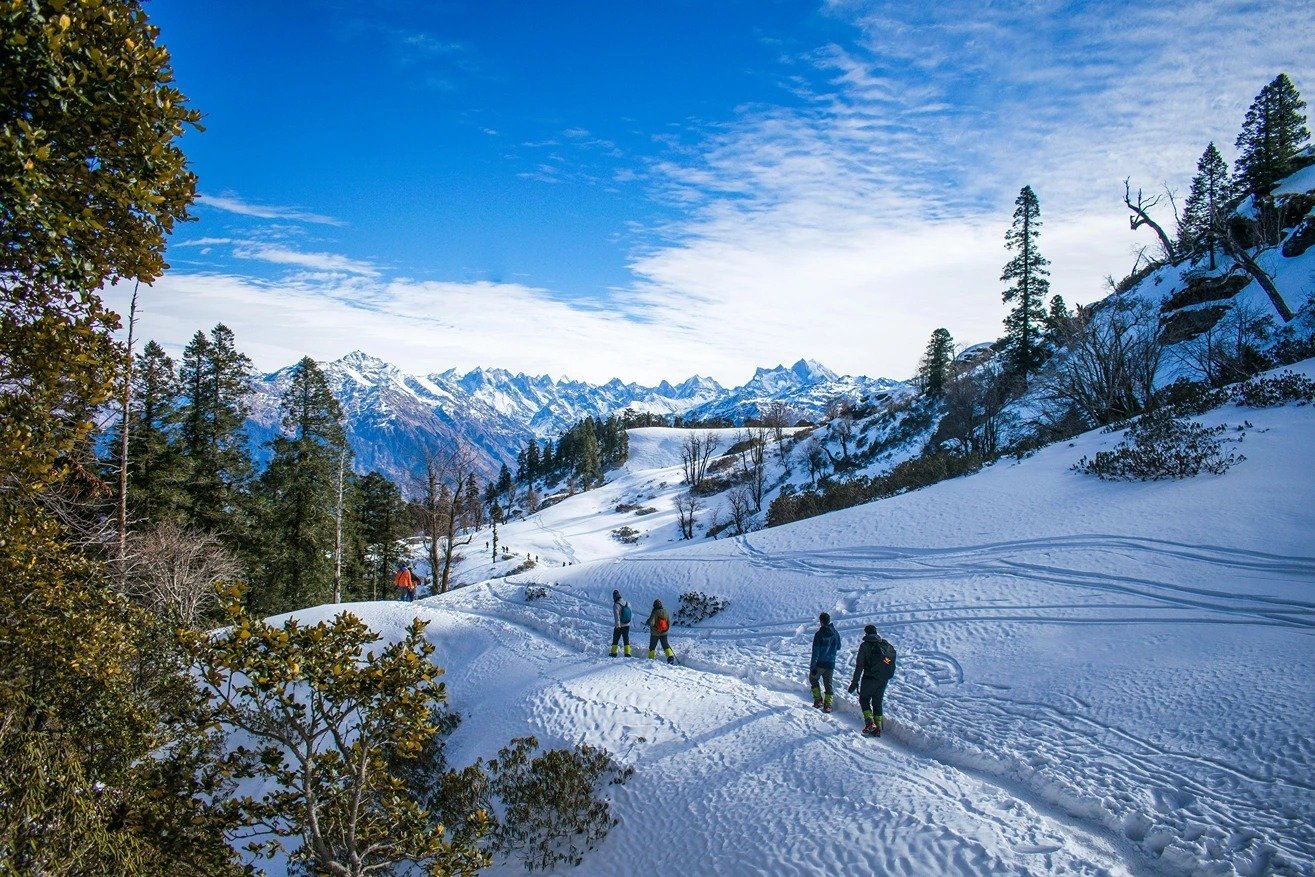
For routes such as the Kuari Pass trek and Brahmatal trek, winter conditions can make trail management especially important. Snowfall, low temperatures, and changing weather require guides who know the terrain rather than simply following a fixed itinerary.
3. What Safety Measures Are Included?
Safety should never be treated as an optional feature of a trekking package.
Ask the trekking company to clearly explain its safety protocol before you pay your booking amount.
Depending on the trek and altitude, the team should have appropriate first-aid supplies and a system for handling altitude sickness, injuries, bad weather, and evacuation.
Important questions include:
- Does the team carry a first-aid kit?
- How are trekkers monitored at altitude?
- What happens if somebody cannot continue?
- Is there an emergency evacuation plan?
- How does the team communicate in remote areas?
- What happens if weather conditions make the planned route unsafe?
You should receive clear answers rather than vague statements such as “everything will be managed.”
In the Himalayas, conditions can change quickly. A responsible trekking company must be prepared to modify the itinerary when safety requires it.
4. What Is Included and Excluded in the Trek Cost?
A surprisingly cheap trek package can become expensive once additional charges start appearing.
Always request a detailed list of inclusions and exclusions before booking.
Check whether your package includes:
- Accommodation
- Camping equipment
- Meals during the trek
- Transportation
- Trek leader and guides
- Support staff
- Permits and forest charges
- Safety equipment
- Porter or mule support, if applicable
Also ask about expenses that are not included.
For example, transport to the starting point, personal equipment rental, additional porter services, emergency evacuation, personal expenses, and accommodation before or after the trek may be charged separately.
Comparing trekking companies only by their advertised price can therefore be misleading. Compare the complete package instead.
5. What Is the Group Size?
Group size directly affects your trekking experience.
Very large groups can be difficult to manage on narrow trails and at campsites. They can also make it harder for guides to monitor individual trekkers.
Ask the company:
How many trekkers will be in my batch?
Then ask how many guides or support staff will accompany that group.
A well-managed group gives trekkers better access to guides and makes it easier for the team to identify someone who may be struggling with fatigue, cold, dehydration, or altitude.
This is especially valuable on treks such as the Ali Bedni Bugyal trek, where trekkers should have enough time and space to experience the remarkable alpine landscape without feeling like they are moving in a crowded procession.
6. How Do You Handle Altitude Acclimatization?
Altitude should never be underestimated.
As trekkers move higher, the amount of available oxygen decreases. Some people may experience headache, tiredness, loss of appetite, nausea, disturbed sleep, or other symptoms associated with altitude.
A professional trekking company should design its itinerary with altitude gain in mind rather than simply trying to complete the route as quickly as possible.
Before booking, ask:
- What is the maximum altitude?
- How quickly will we gain elevation?
- How does the team monitor trekkers?
- What happens if someone develops symptoms of altitude sickness?
- Can the itinerary be modified when required?
The answer is particularly important when considering high-altitude routes such as the Roopkund trek.
Never choose a company that guarantees that altitude sickness “will not happen.” Individual responses to altitude vary, and responsible operators take that uncertainty seriously.
7. What Kind of Accommodation and Food Will Be Provided?
Accommodation and meals may sound like minor details when you are looking at photographs of Himalayan summits, but after several hours of trekking they become extremely important.
Ask exactly where you will stay.
Depending on the route, accommodation may include tents, guesthouses, or homestays.
If camping is involved, ask about:
- Tent sharing
- Sleeping arrangements
- Toilet facilities
- Campsite setup
- Drinking water
- Hygiene practices
Food is equally important because trekkers require adequate energy throughout the journey.
Ask how many meals are provided each day and whether the company can accommodate reasonable dietary requirements.
On a route such as the Valley of Flower trek, where trekkers spend several days walking through mountain terrain, proper meals, hydration, and rest play an important role in maintaining energy throughout the journey.
8. What Happens If the Weather Changes?
The Himalayan weather does not follow your booking confirmation.
Rain, snow, landslides, strong winds, trail damage, and sudden weather changes can affect even a carefully planned itinerary.
Ask the trekking company what happens if the scheduled route cannot be completed.
A responsible operator should prioritize the safety of trekkers rather than attempting to complete an itinerary simply because it was advertised.
This question is particularly important for seasonal treks.
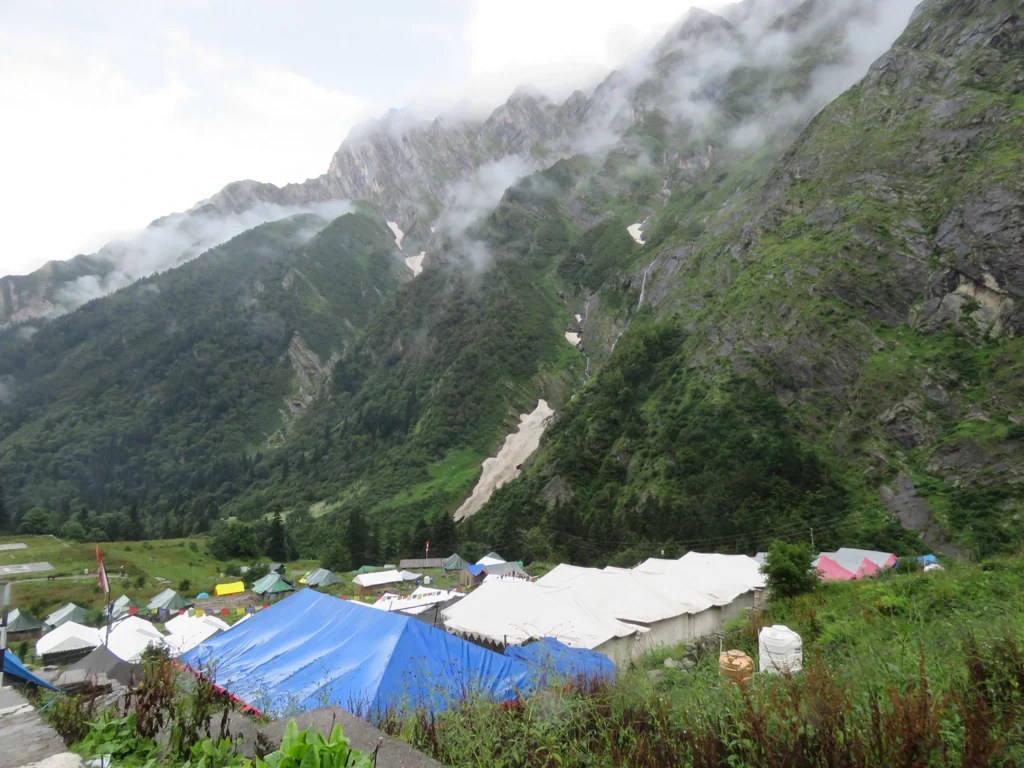
For example, the experience of the Brahmatal trek can vary significantly depending on snowfall and winter conditions, while the Valley of Flower trek is closely connected to monsoon conditions and the flowering season.
Flexibility is therefore an essential part of professional Himalayan trekking operations.
9. Does the Company Follow Responsible Trekking Practices?
The Himalayas are environmentally sensitive.
As trekking becomes increasingly popular, waste generation, plastic pollution, campsite damage, and pressure on local ecosystems have become serious concerns.
Before booking, ask what the trekking company does to minimize its environmental impact.
Responsible practices can include:
- Carrying non-biodegradable waste back from campsites
- Avoiding unnecessary single-use plastic
- Using established trails and campsites
- Preventing littering
- Respecting wildlife and vegetation
- Working with local communities
- Following forest and local regulations
Trekkers also have a responsibility to follow these practices.
Places such as Ali Bedni Bugyal are valuable not only because they are beautiful but because they are ecologically sensitive Himalayan landscapes. Protecting them should be part of every trekking experience.
10. What Is the Cancellation, Refund, and Trek-Change Policy?
This is one of the most commonly overlooked questions.
Himalayan trekking plans can change because of personal circumstances, weather, government restrictions, forest regulations, road closures, or other conditions beyond anyone’s control.
Before paying, read the company’s cancellation and refund policy carefully.
Ask:
- How much is refundable after cancellation?
- Does the refund amount depend on the cancellation date?
- Can the booking be transferred?
- Can the trek date be changed?
- What happens if the trek is cancelled because of weather?
- What happens if authorities restrict access to the route?
- Are any charges non-refundable?
Get these details before booking rather than after a problem occurs.
This is particularly important for routes where government, forest, or environmental regulations may influence access.
Don’t Choose a Himalayan Trekking Company Based Only on Price
It is natural to compare prices when planning a trek. However, the cheapest package is not necessarily the best-value package.
A lower price can sometimes mean compromises in guide-to-trekker ratios, equipment quality, meals, campsite arrangements, transportation, support staff, or safety preparation.
Instead of asking only:
“How much does this trek cost?”
Ask:
“What exactly am I getting for this price?”
Compare safety standards, guide experience, group size, accommodation, food, transportation, equipment, permits, cancellation terms, and local expertise.
A Himalayan trek is an adventure where operational quality matters.
Choosing the Right Trek for Your Himalayan Adventure
The right trekking company is important, but choosing the right trek for your fitness level, season, and expectations matters just as much.
The Ali Bedni Bugyal trek is known for its vast alpine meadows and spectacular Himalayan surroundings.
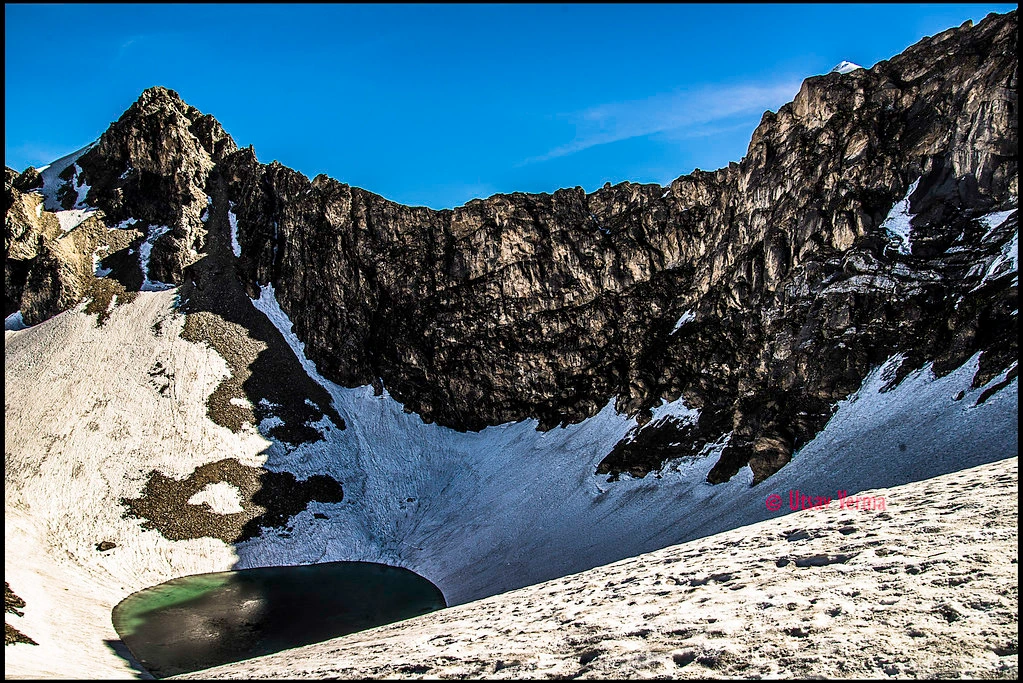
The Roopkund trek is famous for its high-altitude landscape, challenging terrain, and the mystery associated with Roopkund Lake. Trekkers should always check the latest access rules and permitted route before planning the trek.
The Valley of Flower trek offers an entirely different experience, with monsoon-fed landscapes and an extraordinary variety of Himalayan flora.
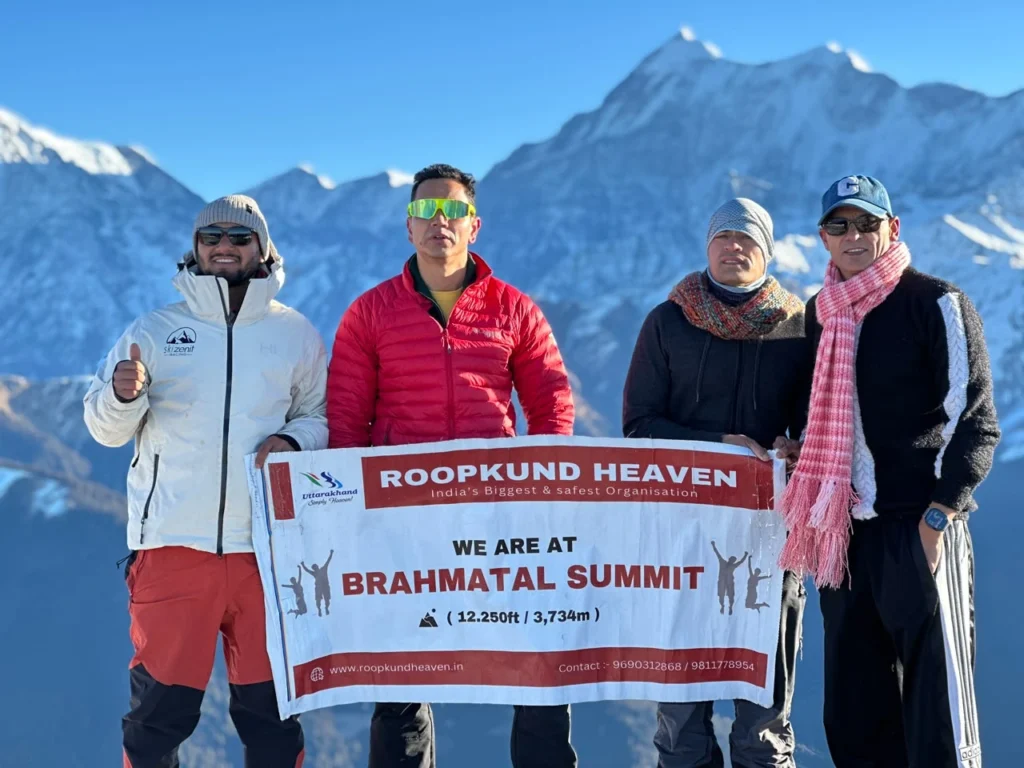
The Brahmatal trek is particularly popular as a winter trekking experience, offering snowy trails and expansive mountain views.
The Kuari Pass trek combines forests, mountain landscapes, and impressive views of major Himalayan peaks, making it an excellent choice for trekkers looking to explore Uttarakhand’s high-altitude terrain.
Whichever trek you choose, preparation and the quality of your trekking team can make a major difference to your overall experience.
Why Trek with Roopkund Heaven?
At Roopkund Heaven, we believe a Himalayan trek should be more than simply reaching a destination.
Our focus is on creating well-managed trekking experiences supported by local knowledge, experienced teams, responsible trekking practices, and realistic guidance for trekkers.
Whether you are considering the Ali Bedni Bugyal trek, Roopkund trek, Valley of Flower trek, Brahmatal trek, or Kuari Pass trek, choosing an operator that understands Uttarakhand’s mountain environment can help you prepare more confidently for the journey.
Before booking any trek, ask questions. Understand the itinerary. Check what is included. Know the challenges involved. And most importantly, choose a trekking company that treats safety and responsible trekking as priorities.
Plan carefully. Ask the right questions. Choose responsibly.
Your Himalayan journey begins long before you step onto the trail – it begins with choosing the right people to take you there.