Planning your Buran Ghati Trek? What you need to pack depends on the season, weather and what is already included in your tour package.
Since the trek reaches around 15,000 ft, you should be prepared for cold temperatures, changing weather and long days on the trail.
In this guide, we’ll cover what to pack for Buran Ghati by season, including clothing, trekking shoes, backpack, medicines, toiletries and other essentials. We’ll also explain what is included in our Buran Ghati Trek package, so you know what we provide and what you do not need to carry.
Why Packing for Buran Ghati Isn’t One-Size-Fits-All
Planning for Buran Ghati Trek means packing according to the month you choose. The trek has two main seasons — May to June and September to October — and the weather and trail conditions can be quite different.
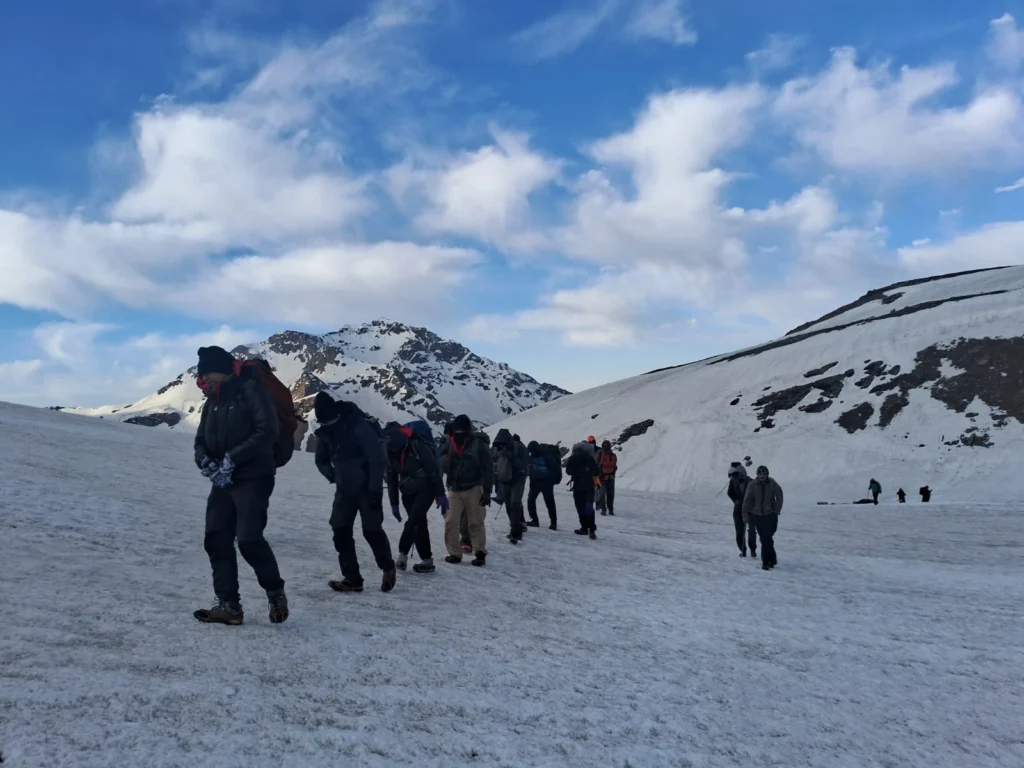
In May and June, snow can be found on the higher sections, and the famous snow wall may be present near Buran Ghati Pass. This means you need better protection from cold and snow, including warm layers, gloves, good socks and footwear with a strong grip.
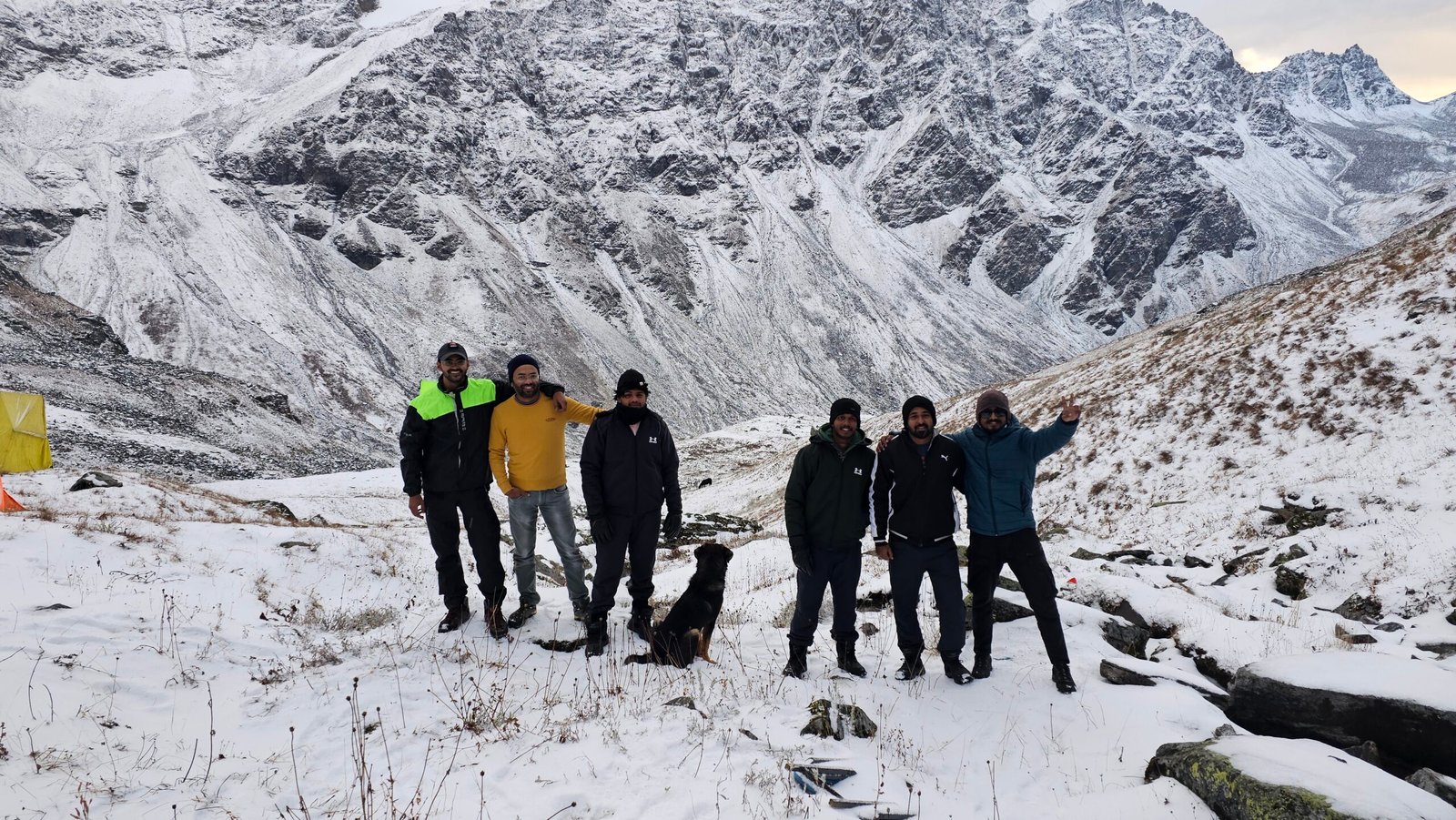
In September and October, most of the snow has usually melted. The trail becomes more rocky and bouldery, while nights at higher camps can still be very cold. You still need warm clothing and proper protection from wind and rain.
So, your Buran Ghati packing list for May–June will be slightly different from your September–October packing list.
One more thing — good packing does not make Buran Ghati an easy trek. The trek reaches around 15,000 ft and includes long walking days, steep climbs and difficult sections. Fitness, proper pacing and preparation are equally important.
Before packing, confirm what equipment is already included in your package. We provide sleeping bags, mattresses and required technical safety equipment, so there is no need to carry duplicate items and add extra weight to your backpack.
The Layering System — The One Rule That Matters Most
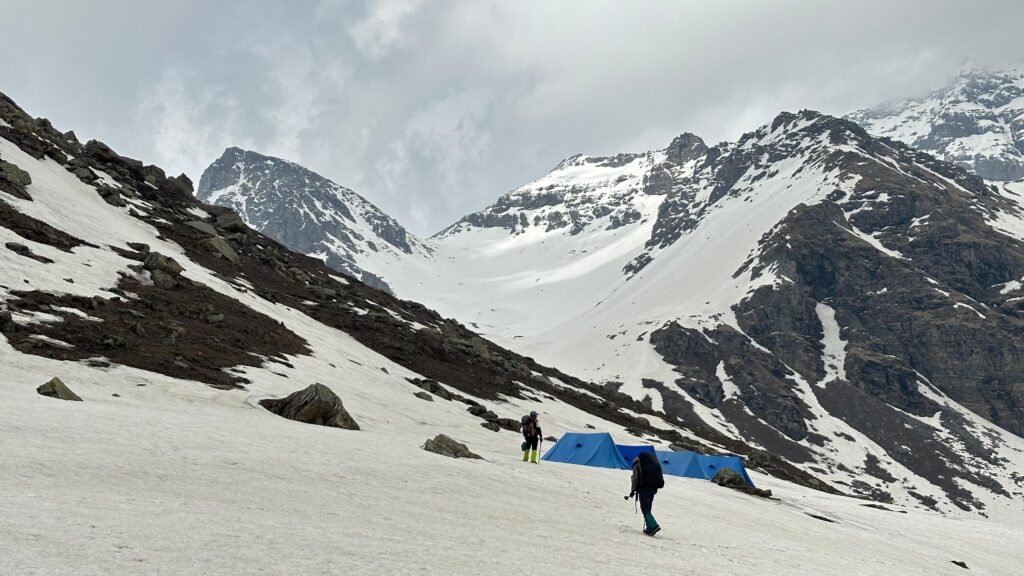
The layering system is one of the best ways to stay comfortable on the Buran Ghati Trek. Instead of depending on one thick jacket, use different layers that you can add or remove as the temperature and weather change.
A simple layering system has three main layers:
- Base layer: Thermal or moisture-wicking innerwear to keep sweat away from your body.
- Warm layer: Fleece or sweater to keep you warm.
- Outer layer: Waterproof or windproof jacket to protect you from rain, snow and strong wind.
For colder mornings and nights, add an insulated jacket over your fleece.
For example:
Cold morning: Thermal → Fleece → Insulated jacket → Waterproof jacket
During normal walking: Thermal → Fleece
During a hard climb: Base layer → Light outer layer, depending on the weather
This system is better than carrying several heavy sweaters. During uphill walking, you may feel warm and start sweating, so you can remove a layer. When you stop or the wind becomes stronger, you can put it back on.
For May and June, carry enough protection for possible snow and cold conditions. For September and October, warm layers are still important because temperatures at higher camps can drop below freezing.
The main idea is simple: carry the right layers, not more clothes. A thermal, fleece, insulated jacket and reliable waterproof layer will usually be much more useful than several casual outfits.
Common Gear You’ll Need Regardless of Season
Some things should be in your Packing list whether you are trekking in May, June, September or October.
The most important items are a comfortable backpack, good trekking shoes, water bottles, headlamp, sunglasses, trekking poles and basic personal essentials.
The important principle is to carry equipment that solves an actual trekking problem.
Backpack, Footwear & Trekking Essentials
Your backpack is one of the most important decisions you will make.
For a supported trek, a 50–60 litre rucksack is commonly recommended. If you use offloading, a smaller daypack of around 20–30 litres can be enough for the items you need during the day.
Do not buy a large backpack simply because you think more space is better. Extra space often encourages overpacking.
Your backpack should have:
- Comfortable shoulder straps
- Good hip-belt support
- Rain cover
- Multiple accessible pockets
- Strong zippers
- A fit suitable for your body
Footwear deserves even more attention.
Good trekking shoes are one of the most important items on the Buran Ghati trek packing list.
Carry high-ankle trekking shoes with good grip. Waterproof or water-resistant shoes are preferable because parts of the trail can be wet, rocky and uneven.
Also carry:
- 3–5 pairs of good trekking socks
- Lightweight sandals or camp footwear
- Gaiters, if required for your season
- Trekking poles
Make sure your socks fit properly and do not form folds inside your shoes. A small blister on Day 1 can become a serious problem during the long pass-crossing day.
If you are trekking in May or June, check whether gaiters, microspikes or other snow equipment are included in your package before packing them yourself. This helps you avoid carrying equipment you may not need.
During summer snow conditions, the ice-wall section is handled by trained trek staff on organised departures. Check your package inclusions to see whether technical safety equipment such as ropes, harnesses and related gear is provided for this section.
First Aid, Safety & Navigation
Your First aid kit should be small but useful. You do not need to carry a large medical box—just basic supplies for common problems and your own regular medicines.
A practical personal kit can include:
- Personal prescription medicines
- Blister patches
- ORS
- Basic pain-relief medicine, if suitable for you
- Antiseptic or wound-cleaning wipes
- Small bandages
- Medical tape
- Personal allergy medicines, if prescribed
- Any medicines recommended by your doctor
- Hand sanitizer
If you take regular medicines, carry enough for the complete trek plus a little extra in case of delays.
Altitude Safety
Buran Ghati reaches around 15,000 ft, so altitude needs special attention. Altitude-related problems can affect both beginners and experienced trekkers, regardless of fitness level.
Early warning signs can include headache, nausea, dizziness, unusual tiredness and loss of appetite. Difficulty breathing at rest, confusion or severe weakness can be more serious and should not be ignored.
If you feel unwell at high altitude, inform your trek leader immediately. Do not try to push through serious symptoms just to complete the trek.
Navigation and Mobile Network
Do not depend completely on your mobile network during the trek. Remote sections can have limited or no connectivity.
Keep important contact numbers saved on your phone, carry a power bank, and protect your phone from rain and cold.
Your trekking team will handle the main route and navigation, but keeping your phone charged and carrying important information offline is still a good idea.
Packing List for Summer (May–June): Snow, Ice Wall & Cold Camps
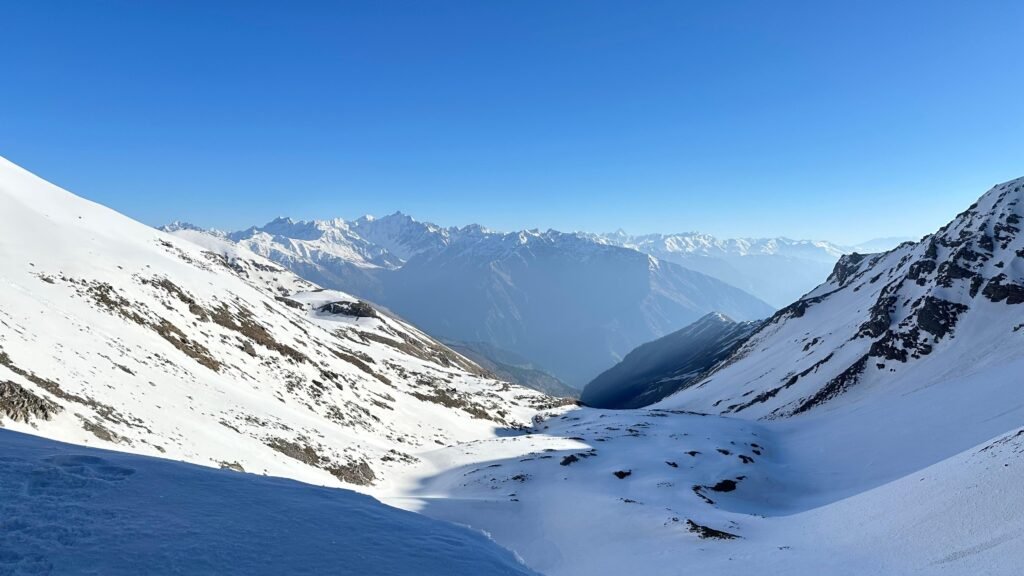
May and June are among the best times to visit Buran Ghati Trek if you want to see snow on the higher sections. During this period, the Buran Ghati ice wall may also be present. The amount of snow can change depending on the weather conditions.
You should be ready for cold mornings, snow and wet conditions.
Carry
- 1 pair of thermal upper and lower
- 2 trekking pants
- 2–3 full-sleeve quick-dry T-shirts
- 1 fleece jacket
- 1 warm insulated jacket
- 1 waterproof/windproof jacket
- Waterproof trekking pants or rain pants
- 3–5 pairs of trekking socks
- Warm woollen cap
- Sun cap
- Waterproof warm gloves
- Neck warmer or buff
- Good-quality trekking shoes
- Lightweight camp sandals
- UV-protection sunglasses
May can be colder and snowier than late June, so keep enough warm layers for cold mornings and higher camps.
The most important thing is not carrying too many clothes. It is keeping your clothes dry and ready to use.
Use waterproof or dry bags inside your backpack. Keep one complete set of dry warm clothes protected for the evening. Avoid sleeping in damp clothes after a long day of trekking.
For the snow-wall section, follow the instructions of your trek team. You may need a harness, rope system or other technical equipment. Before packing these items, check whether they are included in your trek package.
Also carry good UV-protection sunglasses, as snow can reflect strong sunlight and cause glare.
A waterproof phone pouch, power bank and small snacks are useful during long trekking days.
Packing List for Autumn (September–October): Colder Nights, Drier Trail
September and October are also good months for the Buran Ghati Trek. The monsoon is usually over, the trail is generally drier, and the ice wall has usually melted.
Instead of walking through snow, you should be prepared for rocky and boulder sections, especially around the pass.
But do not assume that autumn means warm weather. During the day, temperatures can be around 12–16°C, while nights at higher camps can drop to around 0°C or below, depending on the weather conditions.
Your Buran Ghati packing list for September and October should include:
Carry
- 1 pair of thermal upper and lower
- 2 trekking pants
- 2–3 quick-dry T-shirts
- 1 fleece jacket
- 1 insulated warm jacket
- 1 waterproof/windproof jacket
- 3–5 pairs of warm trekking socks
- Waterproof warm gloves
- Woollen cap
- Sun cap
- Buff or neck warmer
- High-ankle trekking shoes
- Lightweight camp sandals
- UV-protection sunglasses
- Sunscreen and lip balm
September can feel comfortable during sunny daytime hours, so you may not need your thickest jacket while walking. Use layers instead, so you can add or remove a layer as the temperature changes.
October can be noticeably colder, especially in the early morning and evening. If you are trekking later in October, keep enough warm clothing for cold nights and higher camps.
The trail also affects your footwear. After the summer snow melts, rocks and boulders become more common around the pass. Good shoe grip, ankle support and trekking poles can make these sections easier to handle.
A dry trail does not mean an easy trek. The Buran Ghati pass-crossing day is still long and demanding, so wear comfortable trekking shoes and avoid carrying unnecessary weight.
Keep one warm and completely dry set of clothes for the night. This can make a big difference after a long day on the trail.
Toiletries & Personal Utilities Checklist
Keep your toiletries small and simple. Pack only what you actually need.
Carry
- Small quick-dry towel
- Toothbrush and small toothpaste
- Biodegradable soap or paper soap
- Toilet paper
- Wet wipes
- Hand sanitizer
- Sunscreen
- Lip balm
- Small moisturiser
- Small comb
- Personal hygiene products
- Small waste bags
- Prescription medicines
Sunscreen is important even when the weather feels cold. At high altitude, you can still get strong sun exposure, especially on clear days.
Carry lip balm as well. Cold wind and dry air can quickly make your lips dry and cracked.
Wet wipes can be useful when a proper wash is not possible. However, do not leave used wipes or other waste on the trail. Keep your waste with you and dispose of it as instructed by your trek team.
Keep all toiletries together in a small waterproof pouch. This makes them easier to find and protects them if your backpack gets wet.
Water & Snacks
Carry your personal water bottles or hydration system. You can also keep a few easy-to-carry snacks such as:
- Nuts
- Dry fruits
- Energy bars
- Chocolates
You do not need to carry too much food because meals are included in the package.
Keep Important Items Together
Keep your important personal items in one easily accessible and waterproof pouch:
- Government ID
- Booking details
- Emergency contact information
- Cash
- Phone
- Power bank
- Medicines
Avoid carrying unnecessary valuables. Expensive jewellery, bulky electronics and other items you will not use only add weight to your backpack.
How Heavy Should Your Bag Actually Be?
Your Buran Ghati trek backpack weight should be as light as possible while still carrying everything you personally need.
You do not need to carry camping equipment that is already included in your Buran Ghati trek package. The lighter your backpack, the easier it is to walk uphill and manage the long pass-crossing day.
The simple rule is:
If you are not going to use it, do not carry it.
What We Already Include in Your Package
With our Buran Ghati Trek package, you do not need to carry the main camping equipment yourself. We provide:
- Sleeping bag and trekking mat
- Camping tents
- Dining tent and toilet tent
- Stool for the campsite
- Gaiters and microspikes
- Rope, if required
- Trek leader, guide and support team
- Basic first aid kit, oximeter and oxygen cylinder
- Meals from Day 1 dinner to Day 7 breakfast
- Morning and evening tea/coffee, light snacks and soup
- Required permits and fees for Indian nationals
- Cloak room facility at the base camp for extra luggage
So, there is no need to carry your own sleeping bag, tent or technical snow equipment unless you have a specific reason to do so.
What You Should Carry
Your personal backpack should mainly contain:
Essential
- Trekking clothes
- Warm layers
- Rain/wind protection
- Trekking shoes
- Water bottles
- Personal medicines
- Headlamp
- Sunglasses
- Personal first-aid items
- ID and money
Useful
- Trekking poles
- Power bank
- Small snacks
- Dry bags
- Camp sandals
- Camera, if you want to carry one
Unnecessary
- Multiple casual outfits
- Heavy jeans
- Large towels
- Extra footwear
- Full-size toiletries
- Expensive electronics
- Gadgets you will not use
Using Offloading Service?
If you choose an offloading service, keep only the things you need during the day in your daypack.
Your water, rainwear, warm layer, snacks, medicines, sunglasses and headlamp should always remain with you.
Your remaining luggage can be sent with the offloading arrangement instead of carrying it throughout the trek.
Check Your Bag Before the Trek
Before leaving for trek, pack your bag completely and walk around with it for some time.
If it already feels uncomfortable at home, it will feel much heavier after several hours of uphill walking.
Quick Season-Wise Packing Comparison
| Item | May–June | September–October |
| Thermal layers | Essential | Essential |
| Fleece jacket | Essential | Essential |
| Insulated jacket | Essential | Essential |
| Waterproof jacket | Essential | Essential |
| Waterproof trousers | Strongly recommended | Recommended |
| Warm gloves | Essential | Essential |
| Woollen cap | Essential | Essential |
| Trekking shoes | High-ankle, good grip | High-ankle, good grip |
| Extra warm socks | Essential | Essential |
| Gaiters | Useful in snow | Usually not needed |
| Microspikes | Useful in snow | Usually not needed |
| Sunglasses | Essential | Essential |
| Sunscreen | Essential | Essential |
| Trekking poles | Recommended | Recommended |
| Headlamp | Essential | Essential |
| Water bottles | 2 × 1L is a practical option | 2 × 1L is a practical option |
| Rain protection | Essential | Essential |
| Snow-wall technical gear | Check package inclusions | Usually not required |
| Camp sandals | Recommended | Recommended |
| Dry bags | Recommended | Recommended |
The biggest difference between the two seasons is the trail condition. May and June can have more snow and the Buran Ghati ice wall may be present, while September and October usually have more rocky and boulder sections after the snow melts.
Do not treat this table as a fixed technical-equipment list. Snow and trail conditions can change, especially around the pass.
Not Sure What Is Included in Your Package?
If you are booking the Buran Ghati Trek with Roopkund Heaven and are not sure what you need to carry, you can contact us before departure. We will guide you on what is included in your package and what you need to arrange yourself.
If you do not want to buy trekking gear just for one trek, you can add rental gear to your Buran Ghati Trek booking at the time of booking. Depending on your requirements and availability, rental options may include:
- Trekking poles
- Poncho / rain protection
- Trekking shoes
- Jumbo bag
- Headlamp
- Gaiters
- Microspikes
- Other useful trekking gear
Rental gear is available at an additional cost and subject to availability. You can simply tell us what you need while booking, and we can guide you on the available options.
This helps you avoid buying trekking gear that you may not use again and makes your packing easier.
FAQs
1. What should I pack for Buran Ghati Trek in May and June?
Carry thermals, fleece, an insulated jacket, waterproof outerwear, warm gloves, woollen cap, trekking socks, and good trekking shoes. Snow and the ice wall may be present on higher sections.
2. What should I pack for Buran Ghati Trek in September and October?
Carry thermal layers, fleece, an insulated jacket, waterproof jacket, warm gloves, woollen cap, trekking pants, warm socks, and high-ankle trekking shoes. Nights can be very cold at higher camps.
3. Do I need a sleeping bag for the Buran Ghati Trek?
If you book a trek package with us, a sleeping bag is included, so you do not need to carry or buy your own.
4. Do I need special gear for the Buran Ghati ice wall?
The ice-wall section may require technical equipment such as ropes and other safety gear. Check your package inclusions before departure to know what is provided.
5. Do I need gaiters and microspikes for Buran Ghati?
They can be useful during the summer snow season. With our package, gaiters and microspikes are included, so you do not need to buy them separately.
6. What type of shoes should I wear for Buran Ghati Trek?
Wear high-ankle trekking shoes with good grip. Waterproof or water-resistant shoes are preferable for wet, snowy and rocky sections.
7. How big should my backpack be for Buran Ghati Trek?
A 50–60 litre backpack is generally suitable for carrying your personal trekking gear. If you use offloading, you can carry your daytime essentials in a smaller daypack.
8. Can I rent trekking gear for Buran Ghati Trek?
Yes. You can add rental trekking gear while booking your Buran Ghati Trek package with us. Options may include trekking poles, ponchos, trekking shoes, jumbo bags, headlamps and other useful gear, subject to availability.
9. What should I not carry on Buran Ghati Trek?
Avoid jeans, heavy cotton clothes, unnecessary electronics, large toiletries, extra footwear, expensive valuables and duplicate trekking gear. Keep your backpack as light as practical.
10. What trekking gear is included in the Buran Ghati package?
Our package includes sleeping bags, trekking mats, tents, gaiters, microspikes and rope if required, along with camping and trek support equipment. Check the latest package inclusions before departure.