Planning the Rupin Pass Trek in September or October 2026? This guide covers everything you need to know before planning your trek, including weather, temperature, snow conditions, difficulty, packing, permits and what to expect on the trail during these months.
Good news: Roopkund Heaven is now open for Rupin Pass Trek bookings for September and October 2026. Check the available dates and book your trek today.
Why September-October Is Genuinely the Best Time to Visit Rupin Pass?
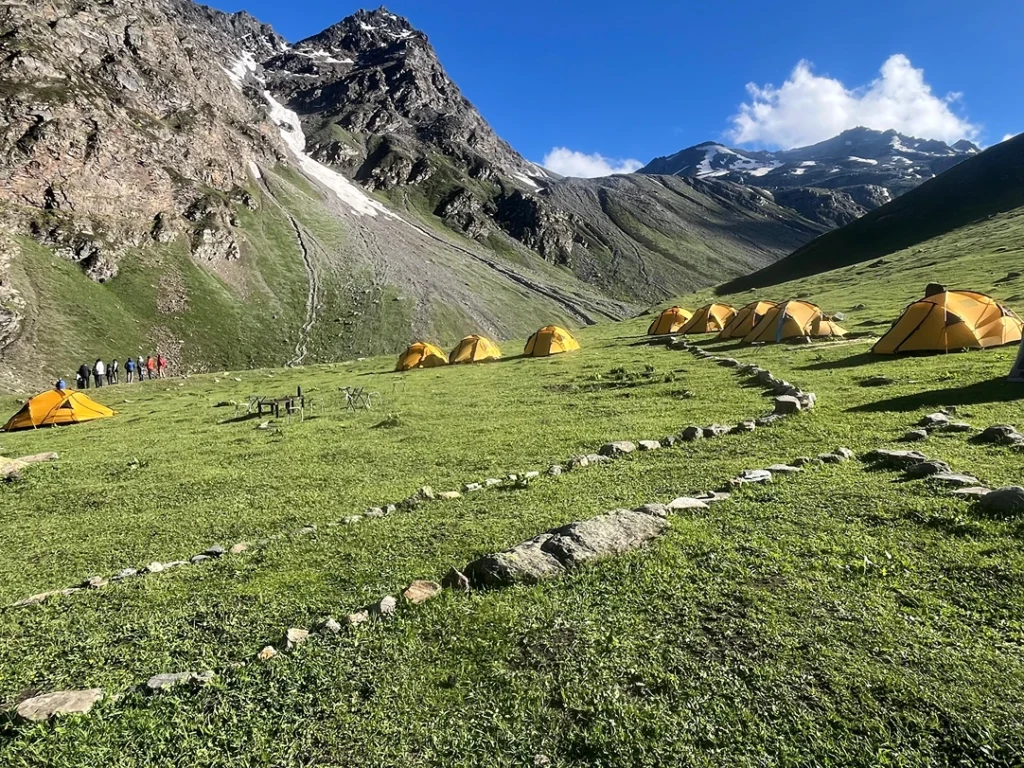
September and October give Rupin Pass a very different feel compared with the May–June season.
Fresh Green Valleys and Autumn Colours
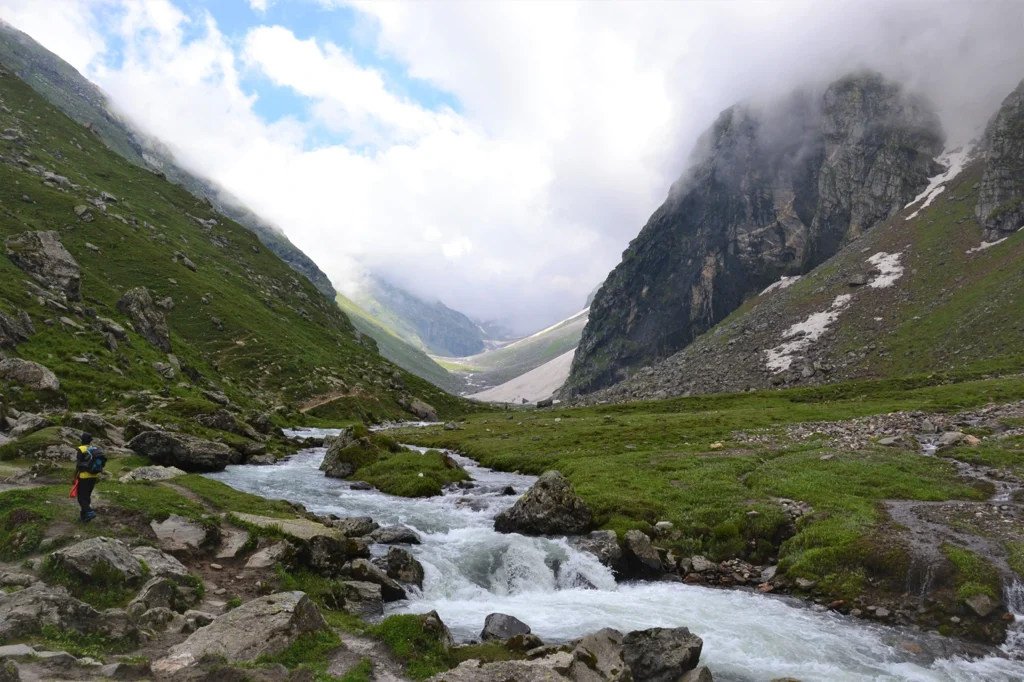
After the monsoon, the lower Rupin Valley looks fresh and green, while the higher sections become colder and drier.
As October arrives, the forests and meadows slowly start showing golden and brown autumn colours. The skies can also become much clearer, giving you better views of the surrounding mountains.
Late September to mid-October is generally considered a good post-monsoon window for the trek.
2. Much Less Snow
One of the biggest advantages of September and October is that there is much less snow.
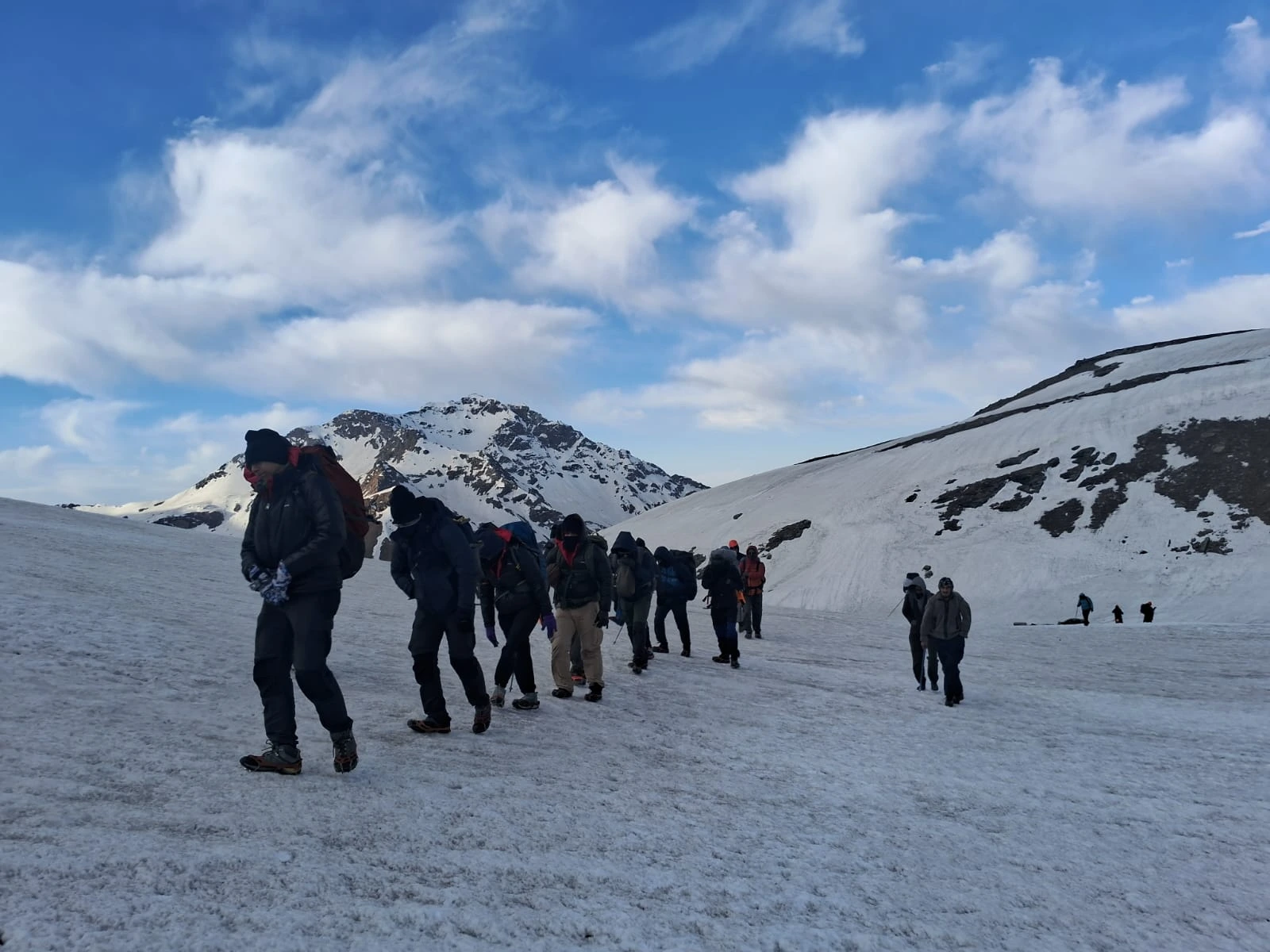
In May and June, you may find large snow bridges and snow-covered sections in the upper part of the trek. By September and October, most of this seasonal snow has usually melted.
Because of this, the upper route feels more like a rocky high-altitude trek than a snow trek.
3. Still a Difficult High-Altitude Trek
Less snow does not mean Rupin Pass becomes easy.
The trek still reaches around 15,250 ft. The Rupin Gully is steep, the Upper Waterfall section requires effort, and the final climb to the pass can be tiring.
Even in autumn, Rupin Pass remains a difficult trek, with steep sections, boulders and challenging terrain.
4. Generally Drier Weather
September and October usually bring drier weather, but conditions can still change quickly in the mountains.
Early September may still have some unsettled weather as the monsoon moves away. By late September and October, the weather is generally more stable and dry.
5. Better Mountain Views
Mountain views are another major reason to choose the September and October season.
In September, the lower Rupin Valley can still remain fresh and green after the monsoon. As October progresses, the landscape slowly changes, with the higher meadows and forests taking on golden and brown autumn colours.
The skies can also become clearer during this period, which can give you better views of the surrounding Himalayan peaks.
If you are mainly looking for beautiful mountain views, changing landscapes and good photography opportunities, September and October can be one of the best times to experience Rupin Pass.
So, Is September-October the Best Time?
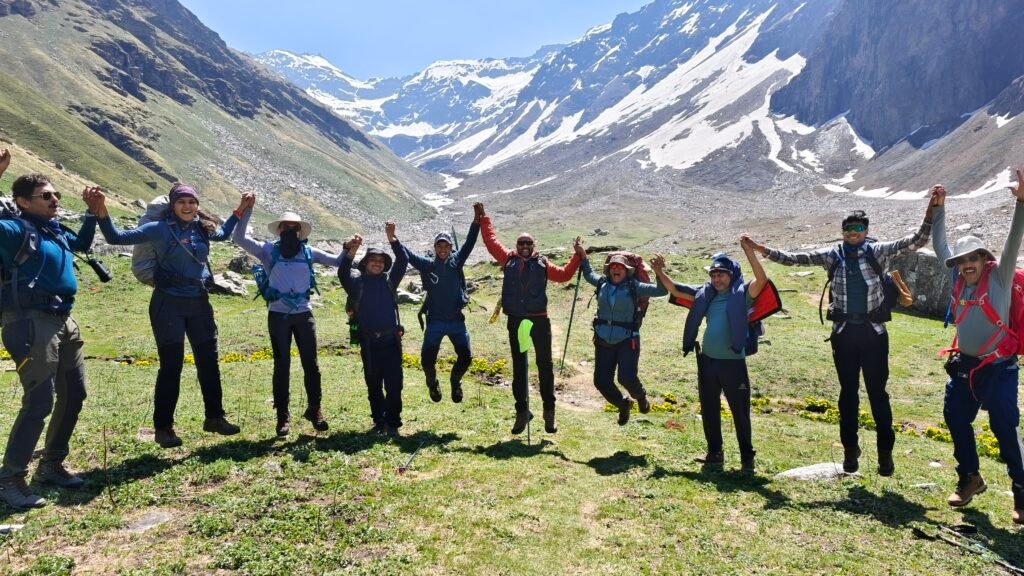
If you want clear mountain views, less snow, drier trails and beautiful autumn colours, September and October are great months for the Rupin Pass Trek.
However, the autumn season is short. The trekking season usually starts to end around mid-October as winter gets closer. So, if you want to trek in this season, it is better to plan your dates early.
September vs October — What Actually Changes Week to Week
If you are choosing your trek dates between September and October, your choice should depend on what you want to experience on the Rupin Pass Trek.
Early to Mid-September — Green Landscapes and Active Waterfalls
If you enjoy green valleys, waterfalls and fresh post-monsoon scenery, early September can be a good choice.
- The lower Rupin Valley is usually lush and green.
- Seasonal waterfalls are still active.
- Meadows remain fresh after the monsoon.
- Wildflowers, including blue poppies around Dhanderas Thatch, may still be seen.
- Rain and cloud cover are still possible, especially in the first week or two.
- Some sections can remain loose after the monsoon.
- Be extra careful around landslide-affected areas near Saatopani, river crossings and loose scree.
The main attraction is the fresh green landscape and active waterfalls, but weather and trail conditions can still change quickly
Late September — A Good Balance
Late September is a good choice if you want a balance of greenery, clearer skies and early autumn colours.
- The monsoon usually starts moving away.
- Skies generally become clearer.
- The landscape slowly changes from green to golden and brown.
- Some waterfalls may still be visible.
- Mountain views usually start improving.
- Trails generally become drier.
If you want to avoid the wetter conditions of early September and the colder weather of October, late September can be a good middle ground.
Rain is still possible, so keep some flexibility in your travel plans.
Early October — Clearer Views and Autumn Landscapes
If your priority is clear mountain views, drier trails and autumn scenery, early October is a good time for the Rupin Pass Trek.
- Skies are usually clearer.
- Mountain visibility can be excellent.
- Meadows and forests start showing golden and brown autumn colours.
- The Kinnaur side also starts showing beautiful autumn colours.
- The trail is usually much less snowy than in May and June.
- You can expect drier trails, cold mountain air and classic autumn landscapes.
October is not mainly a month for deep snow. Instead, the trek is more about clear mountain views, autumn colours and rocky high-altitude terrain.
Mid to Late October — Colder and More Uncertain
October gets colder as the month progresses.
- Daytime temperatures can still be comfortable while walking.
- Temperatures drop quickly after sunset.
- Nights become much colder.
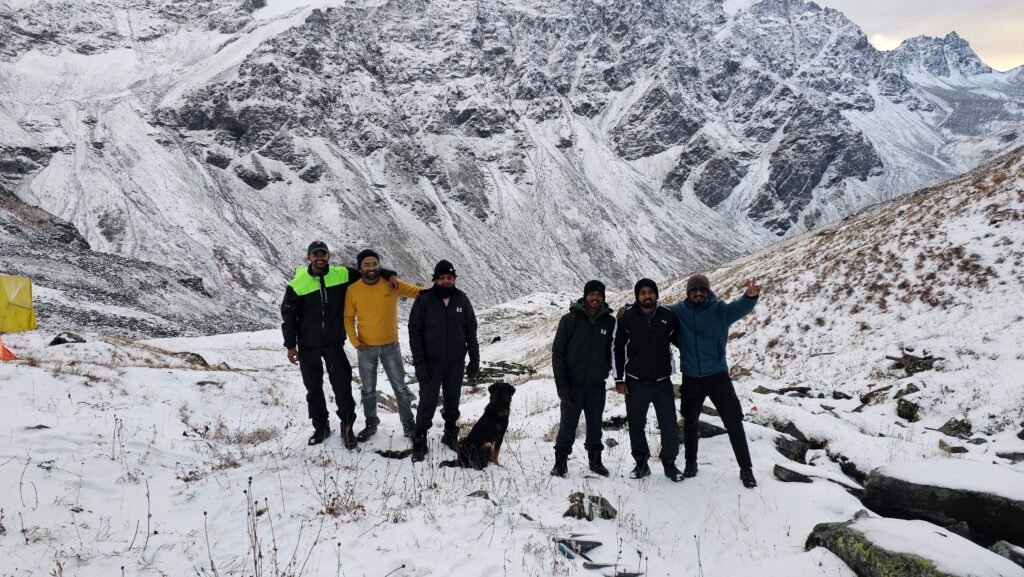
- The chance of early snowfall around the pass increases.
- Fresh snow can make the crossing more difficult.
- Weather conditions can change quickly.
Because of these changing conditions, late October can become much harder for trekking, especially around the higher sections where snowfall and colder weather become more likely.
For this reason, we stop Rupin Pass departures in late October and close the season for the winter months.
If you are planning to trek in September or early October, check the available batch dates and book in advance, as the autumn trekking season is short.
Our advice: For a good balance of weather, mountain views and trekking conditions, late September to early October is a strong period to consider.
Day and Night Temperatures You Should Actually Expect
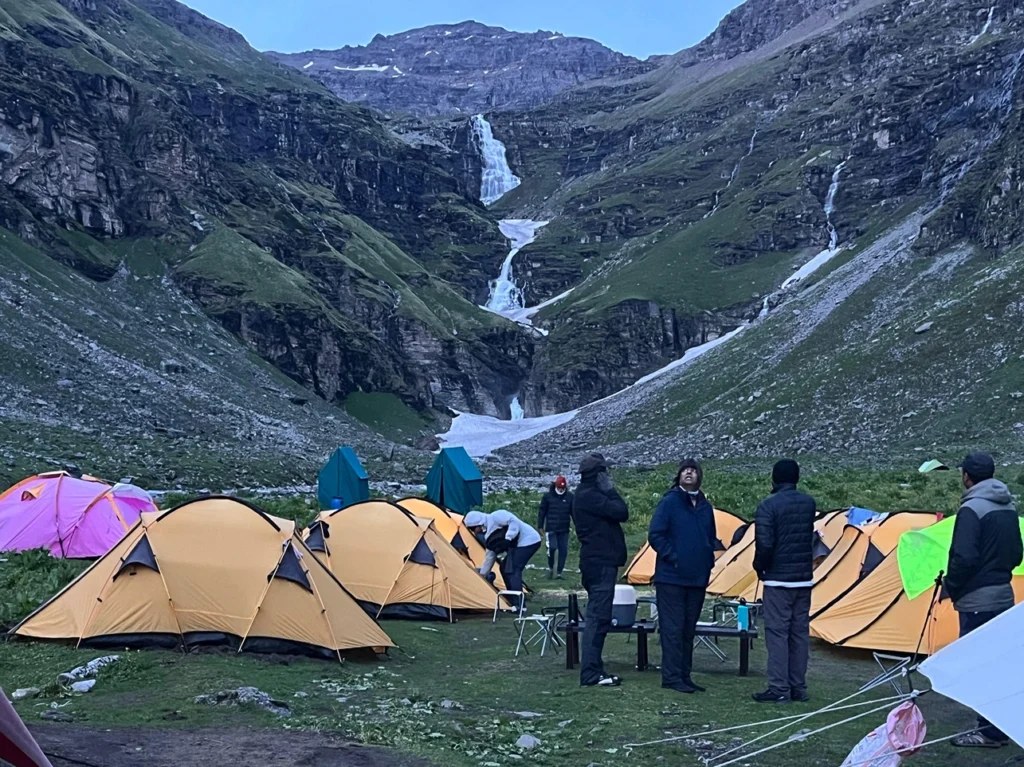
This is one of the most important things to know when planning the Rupin Pass Trek in September and October. Temperatures drop with altitude, so higher camps can be much colder.
Temperature You Can Expect
| Trek condition | September | October |
| Lower trail daytime | Around 12–18°C | Around 10–16°C |
| Higher trail daytime | Around 5–12°C | Around 3–10°C |
| Higher camp nights | Around 0 to -4°C | Around -3 to -5°C or colder |
| Pass morning | Very cold and windy | Colder, with a higher chance of early snow |
These are planning ranges, not fixed temperatures. Actual conditions can change depending on altitude, wind, clouds and weather.
Wind Can Make It Feel Much Colder
At higher altitudes, wind can make the temperature feel much colder.
You may feel comfortable walking in a fleece during the afternoon, but once you stop at camp, you can start feeling cold very quickly. Keep your insulated jacket easily accessible instead of packing it at the bottom of your backpack.
Summit Morning Is Colder
The final climb to Rupin Pass usually starts before sunrise, when temperatures are at their lowest.
Even if the daytime temperature later reaches 10–15°C, the pass can feel much colder in the early morning because of the cold air and strong winds.
So, make sure your warm layers are ready before you leave camp. The summit morning is when you will need them the most.
Will There Be Snow at the Pass?
If you are planning the Rupin Pass Trek in September or October, do not expect the deep snow you may see in photos from May or June.
Most of the summer snowfields and snow bridges have usually melted by autumn. You may still find:
- Small snow patches
- Old snow in shaded areas
- Frost at higher camps
- Snow near the pass after a fresh weather system
- Fresh snowfall in October
The amount of snow can change from year to year. So, do not plan your trek based only on photos you see online, as many of them may have been taken during the May–June season.
What Is the Trail Like Without Deep Snow?
In September and early October, Rupin Pass is usually a rocky high-altitude trek.
The good part is that less snow generally means easier footing on many sections. You are less dependent on snow bridges and deep snow travel. However, the trek is still difficult.
The Rupin Gully remains steep, boulder sections need careful footing, and the final climb to the pass still requires good effort at high altitude.
What About Snow in October?
October needs a little more attention because fresh snowfall can occur around the pass as winter gets closer.
A mostly rocky trail can become more difficult after fresh snow, so do not judge the conditions only by photos or reports from the previous week.
Before starting the trek, follow the latest assessment from your trek leader, especially if snowfall or strong winds are expected.
If conditions around the pass become unsafe, the right decision is to change the plan, delay the crossing or turn back. Safety should always come before reaching the pass.
Is Rupin Pass Trek Difficulty in September and October?
Yes, the Rupin Pass Trek is still a difficult trek in September and October.
Less snow can make some sections easier than in May and June, but the trek still has steep climbs, long walking days, boulder sections and high-altitude terrain.
What Gets Easier in September and October?
The main advantage of autumn is less snow.
- Most large snow-covered sections and snow bridges have been reduced.
- Many parts of the trail have firmer and easier footing.
- Water crossings can be easier than during the peak snowmelt period, although recent rain can still affect water levels.
- Clearer post-monsoon weather can give you better mountain views.
- Less cloud cover can also make the upper valley easier to see and photograph.
However, less snow does not mean an easy trek. The difficult sections are still there, and you need good fitness for the long climbs.
What Makes the Trek Difficult?
Even without deep snow, you still have to deal with:
- Steep climbs, including the Rupin Gully
- Boulder sections that require careful footing
- The Upper Waterfall section
- Long walking days
- High altitude, with the pass reaching around 15,250 ft
- Cold and changing mountain weather
So, do not choose Rupin Pass simply because there is less snow in autumn. You still need to be physically prepared for a demanding high-altitude trek.
What Gets Harder in Autumn?
The biggest challenge in September and October is cold weather at higher camps.
- Temperatures can drop to around 0°C to -5°C or lower at higher camps.
- October becomes colder as the month progresses.
- Early mornings can be especially cold.
- Daylight becomes shorter as October progresses.
- The final summit push usually starts before sunrise, so a good headlamp is important.
- You should not depend on a campfire for warmth. Your warm clothing and sleeping system are your main protection against the cold.
October Needs Extra Care
Early October can offer good trekking conditions, but the weather becomes less predictable towards the end of the month.
The chance of early snowfall and winter-like conditions increases around the pass. Fresh snow can make an already difficult section more challenging.
Note: The Rupin Pass Trek is not an extremely difficult trek. With proper planning, good fitness, the right trekking gear and guidance from an experienced trek leader, most prepared trekkers can manage it comfortably.
H2: What to Pack for These Two Months
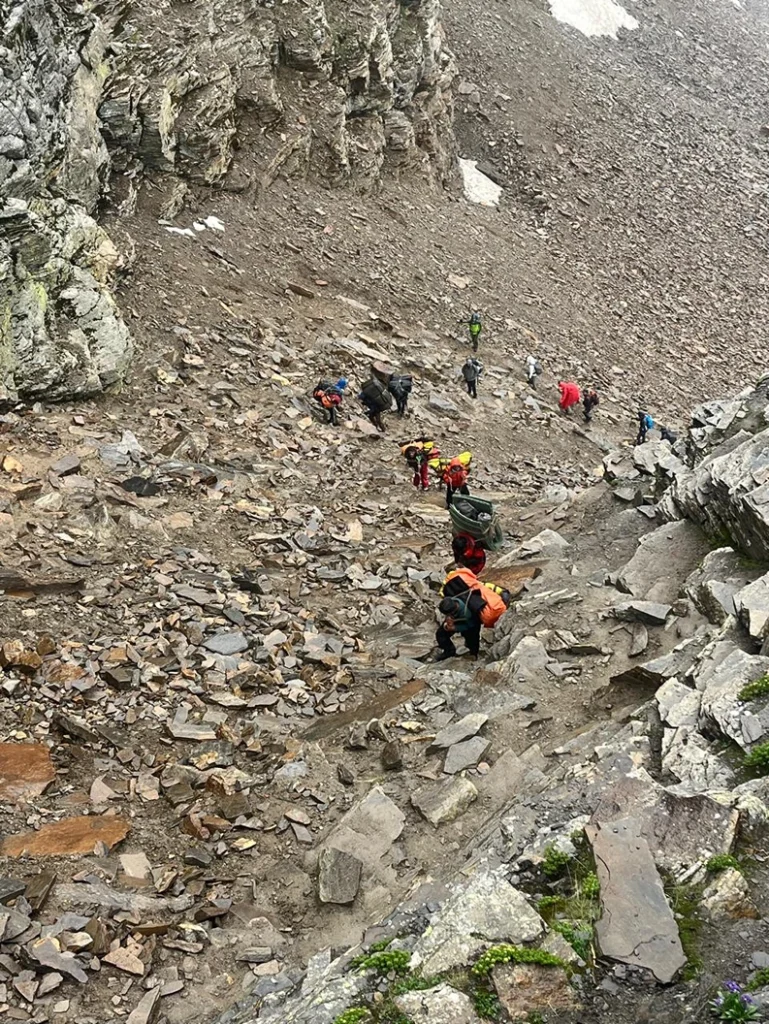
For the Rupin Pass Trek in September and October, focus on warm layers, rain protection and good trekking shoes.
You do not need to pack like you are going on a winter expedition, but you should be prepared for cold mornings, colder nights, rain and changing mountain weather.
Clothing
Carry:
- 1–2 thermal base layers
- 2 trekking pants
- 2–3 quick-dry T-shirts
- 1 fleece jacket
- 1 insulated/down or synthetic jacket
- 1 waterproof and windproof jacket
- 3–4 pairs of trekking socks
- 1 pair of warm woollen socks for camp
- Warm gloves
- Woollen cap
- Sun cap
- Buff or neck warmer
Layering is better than carrying many thick sweaters. You can remove a layer while climbing when you feel warm and add it again when you stop or reach camp.
Footwear
Carry broken-in, high-ankle trekking shoes with good grip.
Do not start the trek with brand-new shoes. Even though September and October are generally drier, you can still come across wet rocks, mud, uneven trails and steep sections.
Rain and Weather Protection
Even after the monsoon, mountain weather can change quickly. Carry:
- Backpack rain cover
- Poncho or rain jacket
- Waterproof packing bags
- Waterproof phone pouch
September can still receive occasional rain, so keeping your clothes and important items dry is important.
Personal Essentials
Also carry:
- Headlamp with spare batteries
- 2 × 1-litre water bottles or a suitable hydration system
- Sunscreen
- Lip balm
- UV-protection sunglasses
- Personal medicines
- Basic first-aid items
- ORS
- Power bank
- Government photo ID
- Small personal waste bags
Keep Your Backpack Light
You do not need to carry every trekking item yourself. If you are joining an organised trek, check the gear included in your package before packing.
If you are trekking with us, the following trekking and camping gear is included in the package:
- Camping tent and trekking mat
- Sleeping bag
- Gaiters
- Microspikes and rope, if required
- Dining tent and toilet tent
- Basic first-aid kit
- Oximeter and oxygen cylinder
When booking your trek with us, you can also add rental gear if you do not have your own equipment. Options may include trekking shoes, poncho, trekking pants, jacket, trekking poles and other useful gear at an additional cost.
This helps you avoid carrying or buying equipment that you may only use for the trek.
For more tips, read our guide: The Importance of Choosing the Right Backpack for Trekking.
How to Book Rupin Pass trek package?
Planning your Rupin Pass Trek? Before booking, look beyond the package price and check what you are actually getting. Make sure the package clearly mentions meals, accommodation, transportation, trekking gear, permits, trek dates and any extra charges.
It is also better to book with a trusted trekking company that provides clear pricing and proper support throughout the trek. With Roopkund Heaven, you get transparent pricing with no hidden charges, experienced trek leaders and guides, proper trek support, and 24/7 assistance during your trip.
Before making your booking, also check the company’s reviews, experience, safety arrangements, cancellation policy and customer support. A clear package and reliable support can make your Trek much easier to plan.
Rupin Pass Trek Package Price
₹17,500 per person + 5% GST
Shimla to Shimla
What Is Included?
Your trek package includes:
- Accommodation: 1 night homestay at Jiskun on triple/quad sharing and 5 nights in tents during the trek on triple sharing.
- Meals: All vegetarian meals from dinner on Day 1 to breakfast on Day 7.
- Snacks: Morning tea, evening tea/coffee, light snacks and soup during the trek.
- Camping Gear: Tent, trekking mat, sleeping bag, dining tent, toilet tent and toilet stool.
- Trekking Equipment: Gaiters, microspikes and rope, if required.
- Permits: Necessary fees and permits for Indian nationals.
- Trek Leader: Certified and experienced trek leader throughout the trek.
- Guide & Support Team: Experienced guide and support staff. The team size depends on the number of participants.
- Medical Support: Basic first-aid kit, oximeter and oxygen cylinder.
- Transportation: Non-AC transfer from Shimla to Shimla by Sumo, Bolero or Tempo Traveller, depending on the group size.
- Cloak Room: Facility to store extra luggage at the base camp.
Note: Transportation is not included for participants choosing the Jiskun to Sangla package.
Bag Offloading
If you do not want to carry your main backpack during the trek, you can choose bag offloading for ₹3,800 per bag.
- Maximum weight: 10 kg per bag
Rental Trekking Gear
If you do not have your own trekking gear, you can also add rental gear while booking your trek.
Rental options may include:
- Trekking shoes
- Poncho
- Trekking pants
- Trekking jacket
- Trekking poles
- Other useful trekking gear
Rental gear is available at an additional cost.
How to Book Your Trek
Bookings are open for September and October 2026.
Follow these simple steps to book your Rupin Pass Trek:
- Check the Rupin Pass Trek page and review the trek details, price, inclusions and available dates.
- Click the “Book Now” option on the trek page.
- Choose your preferred departure date from the available September and October 2026 dates.
- Select any optional services you need, such as rental trekking gear or bag offloading.
- Enter the required traveller details and continue with the booking.
- Complete the payment to confirm your trek.
After your booking is confirmed, we will share all the necessary trek details with you, including the reporting point, schedule, things to carry and other important instructions.
FAQs
1. Is September a good time for the Rupin Pass Trek?
Yes. September is a good time for the Rupin Pass Trek, especially from the middle of the month. The lower valley remains green, waterfalls can still be active and the weather usually becomes clearer. Early September can still have some rain, so carry proper rain protection.
2. Is Rupin Pass open in October?
Yes, but the trekking season usually runs only through the early to mid-October period. Weather becomes colder and more uncertain towards the end of October, with a higher chance of fresh snowfall. Check the available 2026 departure dates before booking.
3. How cold is Rupin Pass in September and October?
September and October can have comfortable temperatures during the day, but higher camps can become very cold at night. Temperatures can fall to around 0°C to -5°C or lower at higher altitudes. October is generally colder, so carry thermals, a warm jacket, gloves and a woollen cap.
4. Will there be snow on Rupin Pass in September?
You should not expect deep snow like the conditions seen in May and June. Most seasonal snow usually melts during summer. However, small snow patches, frost or fresh snowfall can still occur around the pass, especially in October.
5. Is Rupin Pass difficult in September and October?
The Rupin Pass Trek is not an extremely difficult trek, but it is a high-altitude trek that requires good fitness. Steep climbs, boulder sections, Rupin Gully, the Upper Waterfall section and the final climb to around 15,250 ft require effort. With proper planning, good fitness and guidance from an experienced trek leader, it can be managed well.
6. What is the Rupin Pass Trek package cost for 2026?
The Rupin Pass Trek package costs ₹17,500 per person + 5% GST for the Shimla to Shimla option. The package includes accommodation, meals, camping equipment, trekking equipment, permits, trek leader, guide and support team, medical support, transportation and cloak room facility.
7. What trekking gear is included in the Rupin Pass package?
The package includes tent, trekking mat, sleeping bag, gaiters, microspikes and rope if required. Camping equipment such as the dining tent and toilet tent is also provided. You can check the complete list of inclusions before booking.
8. Can I rent trekking gear for the Rupin Pass Trek?
Yes. If you do not have your own trekking gear, you can add rental gear while booking the trek. Rental options may include trekking shoes, poncho, trekking pants, trekking jacket and trekking poles. Rental gear is available at an additional cost.
9. Can I get my backpack offloaded during the trek?
Yes. Bag offloading is available at ₹3,800 per bag, with a maximum weight limit of 10 kg per bag. You can add this option while booking if you do not want to carry your main backpack.