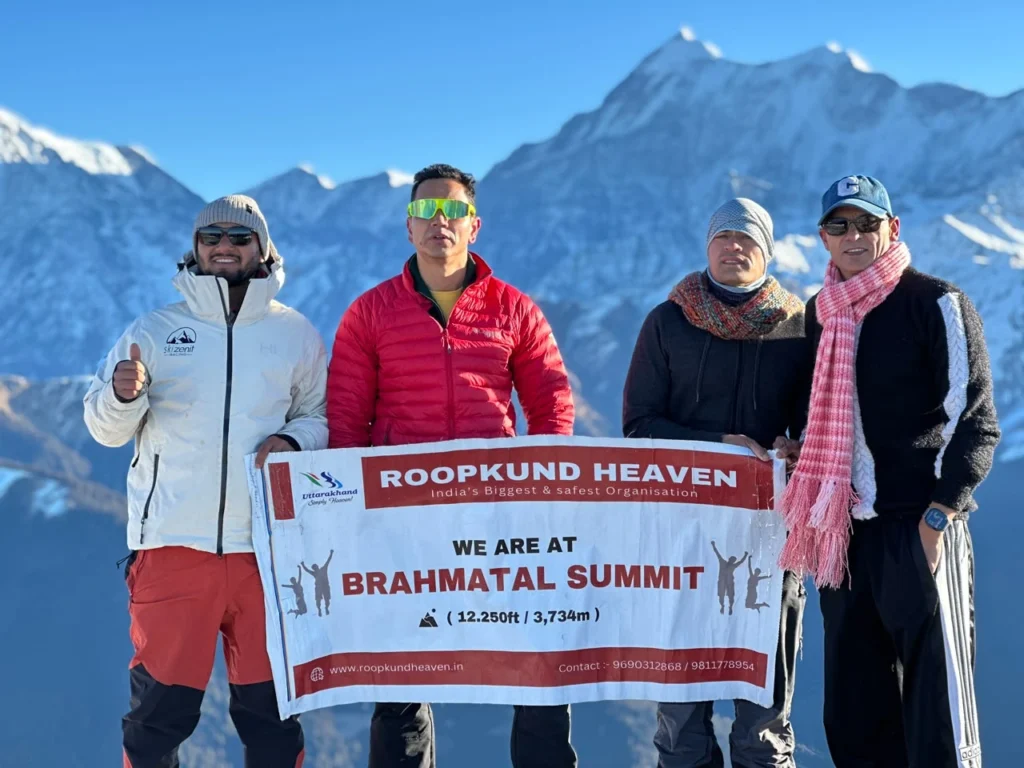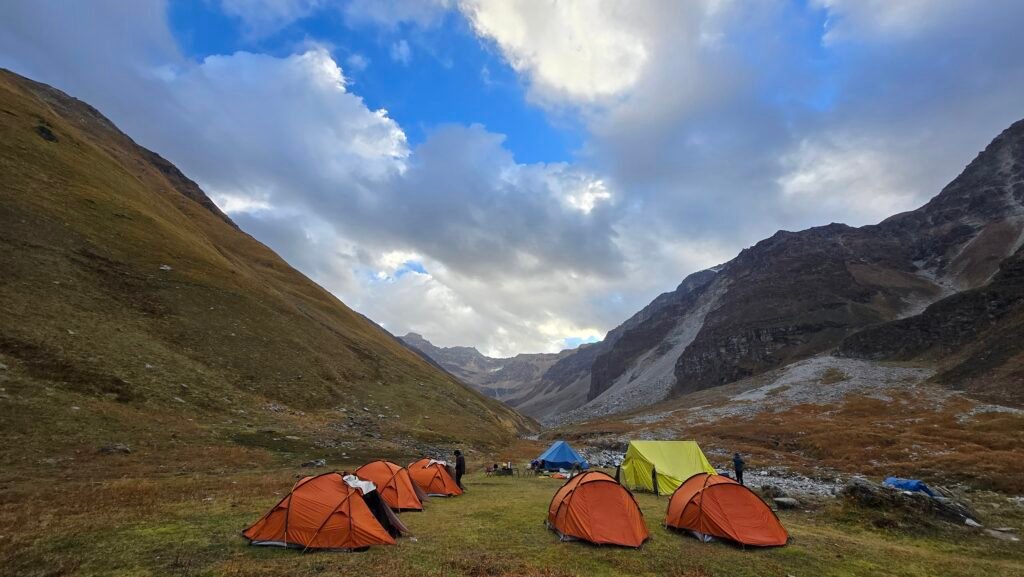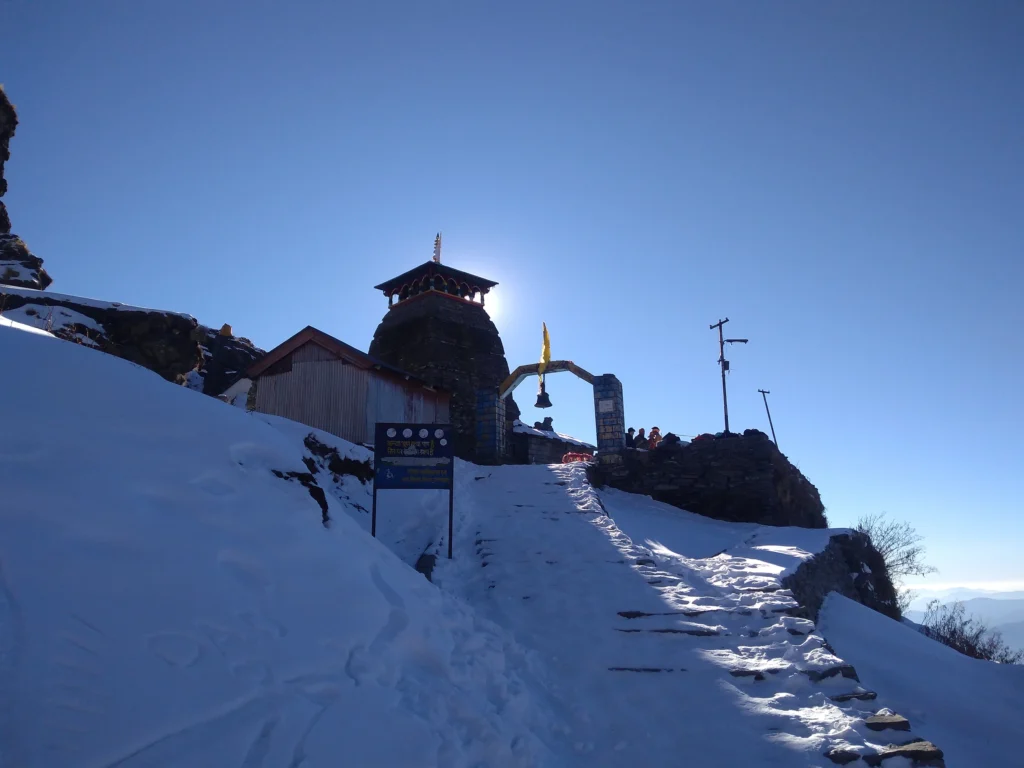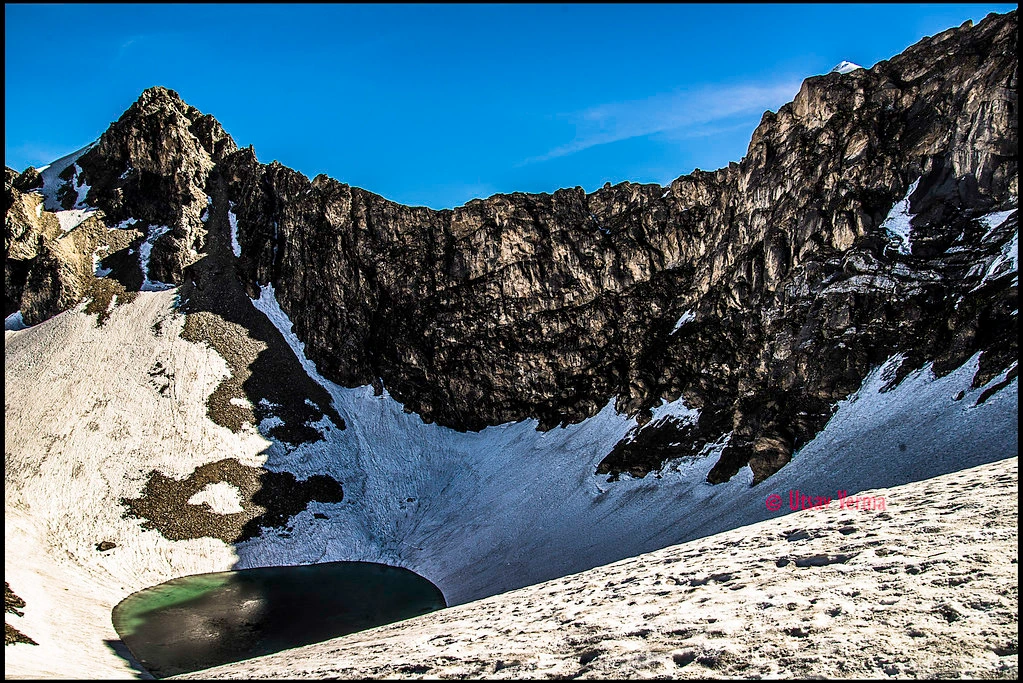
High in the Garhwal Himalayas of Uttarakhand, Roopkund has always represented something more than an ordinary trekking destination. Its mysterious glacial lake, ancient human remains, vast alpine meadows and dramatic mountain landscapes have attracted trekkers, researchers and adventure enthusiasts for decades. Yet behind the fascination surrounding Roopkund lies a much larger question about the future of Himalayan tourism.
How can a destination become accessible to trekkers without compromising the natural environment that makes it extraordinary?
For years, the future of the Roopkund Trek remained uncertain. Environmental concerns surrounding the fragile alpine meadows of Ali Bugyal and Bedni Bugyal led to legal restrictions that significantly affected organised trekking activities. These measures were intended to protect vulnerable mountain ecosystems, but they also created challenges for local communities whose livelihoods were connected to trekking tourism.
The situation changed in July 2026, when a reported Supreme Court decision brought relief from important restrictions introduced in 2018. The development renewed interest in the Roopkund route and raised expectations among trekking operators, guides, porters and residents of nearby Himalayan villages. However, the future of Roopkund trekking cannot be understood through access permissions alone.
The real challenge is finding a sustainable relationship between environmental protection, local economic development and responsible adventure tourism.
Roopkund Trek: A Himalayan Landscape Worth Protecting
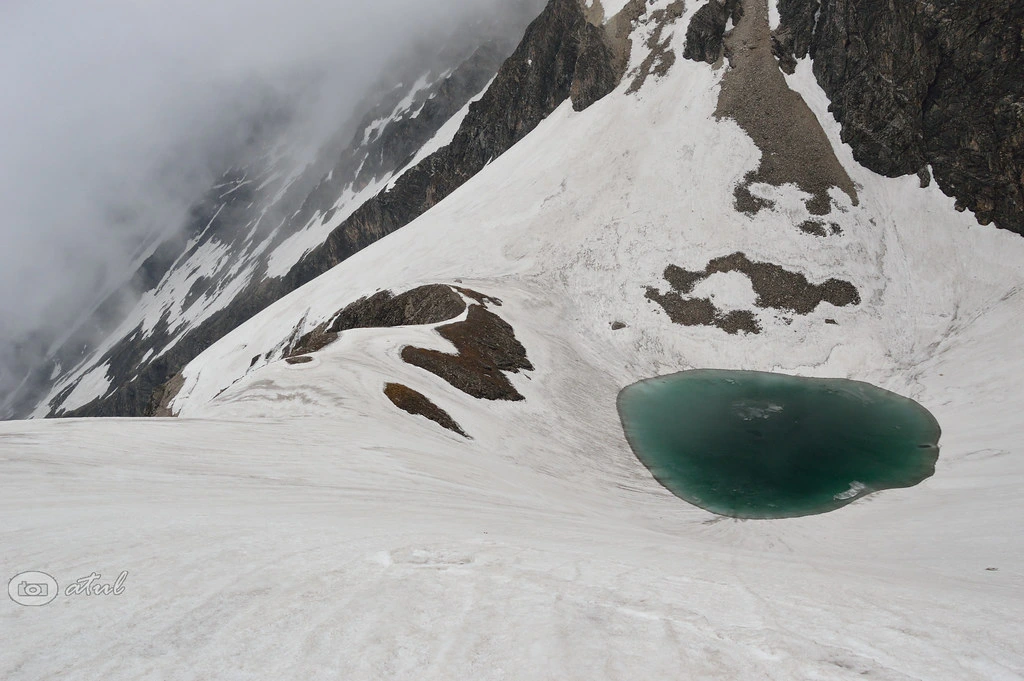
Situated at approximately 5,000 metres above sea level in Uttarakhand’s Chamoli district, Roopkund is among the most distinctive high-altitude trekking destinations in India. The lake lies beneath rugged mountain slopes, surrounded by a landscape shaped by snow, extreme temperatures, seasonal weather and centuries of natural processes.
The traditional Roopkund trekking route begins around Lohajung and passes through forests, villages and alpine landscapes before reaching higher camps near Patar Nachauni and Bhagwabasa. One of its most remarkable features is the transition from dense mountain forests to the open grasslands of Ali Bugyal and Bedni Bugyal.
These meadows are not simply scenic stops along a trekking route. They are living ecosystems that support seasonal vegetation, wildlife, grazing traditions and the ecological processes associated with high-altitude grasslands.
During the warmer months, alpine vegetation grows within a relatively short seasonal window. Snowmelt provides moisture, while mountain soils support grasses, flowering plants and other species adapted to demanding environmental conditions. As temperatures fall, the landscape gradually returns to its winter state.
The beauty of these meadows also makes them vulnerable. Repeated trampling, poorly managed campsites, waste accumulation and uncontrolled movement away from established trails can damage vegetation and expose mountain soils to erosion.
At high elevations, ecological recovery may be slow because plants have limited growing seasons and face difficult climatic conditions.
Protecting the Roopkund landscape therefore requires more than keeping the lake itself clean. It involves safeguarding the forests, meadows, water sources and surrounding mountain habitats that form the entire trekking corridor.
Why Roopkund Trekking Became an Environmental Concern
The debate over Roopkund trekking intensified as environmental organisations and local stakeholders raised concerns about the increasing commercial use of Uttarakhand’s alpine meadows.
The Ali-Bedni-Bagzi Bugyal region became particularly important in this discussion.
In 2014, the Aali-Bedini-Bagzi Bugyal Sanrakshan Samiti pursued legal action seeking stronger protection for these sensitive grasslands. The concerns included permanent construction, environmental degradation, commercial grazing, pollution and tourism-related pressure on the landscape.
The case eventually resulted in a significant judgment from the Uttarakhand High Court on 21 August 2018.
The court directed the removal of permanent structures from alpine meadows, restricted tourist numbers, prohibited overnight stays in bugyals and introduced measures concerning grazing and environmental protection. The judgment also called for institutional action to preserve the ecology of these mountain grasslands.
These restrictions had major implications for trekking routes that traditionally depended on overnight camps in alpine meadow areas.
Roopkund was particularly affected because Bedni Bugyal had historically served as an important camping and acclimatisation location on the route.
Without the ability to organise overnight stays in the usual manner, operating the traditional trekking itinerary became significantly more difficult.
The restrictions highlighted a difficult reality of mountain tourism. A destination may be geographically suitable for trekking while still requiring strict environmental safeguards to prevent long-term ecological damage.
The debate was therefore not simply about whether tourists should be allowed to visit Roopkund. It concerned the conditions under which tourism could coexist with conservation.
The 2026 Development: A New Chapter for Roopkund Trekking
After years of uncertainty, July 2026 marked an important development for Roopkund and the surrounding alpine meadows.
Reports published following a Supreme Court proceeding on 20 July 2026 indicated that key restrictions relating to overnight stays and tourist numbers had been lifted. The decision was widely welcomed by people associated with trekking and tourism in the Chamoli region.
Reporting from the area described renewed optimism among homestay operators, local guides, porters, mule operators and small businesses that had been affected by restrictions on trekking activity.
However, the reported relaxation of specific restrictions should not be interpreted as permission for unrestricted commercial activity.
The remaining environmental protections, applicable forest regulations, local administrative requirements and route-specific permissions continue to matter.
A sustainable future for Roopkund will depend on how trekking activity is managed following this development.
Editorial verification note: The July 2026 change is supported by contemporary reporting and the existing Roopkund Heaven update. The full July Supreme Court order and associated forest department circular were not independently obtained during this research. Operators should verify the current legal position and permissions with the competent authorities before advertising or operating departures.
The significance of the development extends beyond the reopening of a famous trail. It creates an opportunity to reconsider how Himalayan trekking destinations are managed, how local communities participate in tourism decisions and how environmental protection can become an integral part of the trekking experience.
The Importance of Ali and Bedni Bugyal in Roopkund’s Future
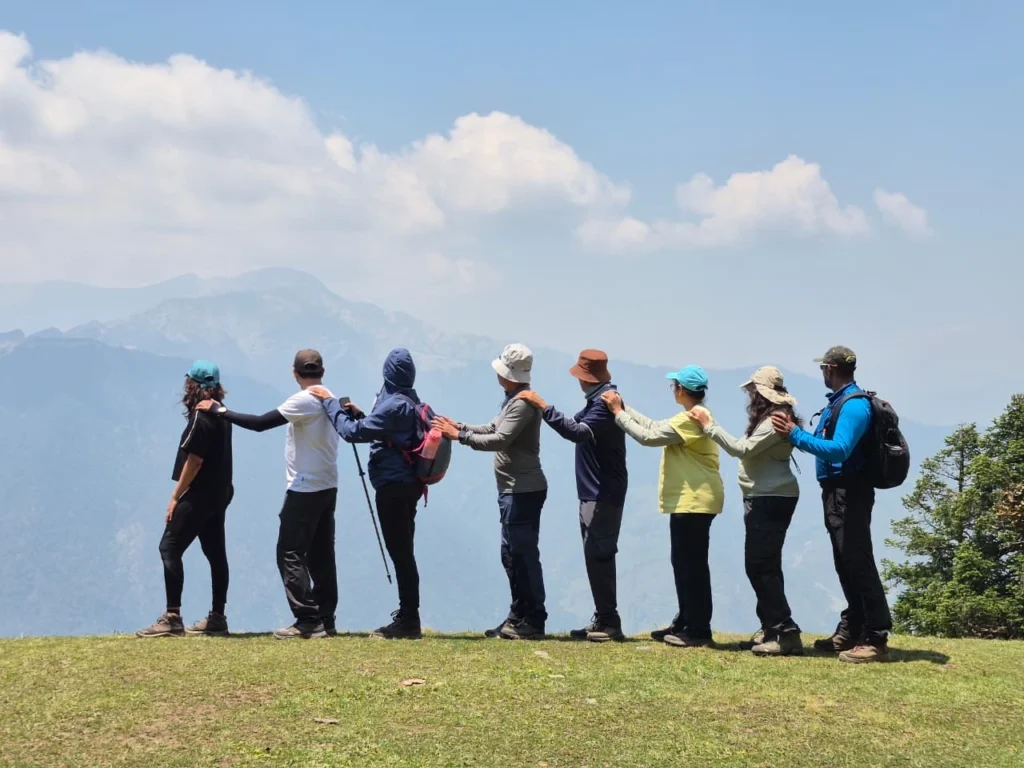
Any serious discussion about the future of Roopkund must include Ali Bugyal and Bedni Bugyal.
These high-altitude grasslands are among the defining landscapes of the traditional trekking route. Their sweeping green slopes, seasonal wildflowers and mountain views are a major reason trekkers are drawn to this part of Uttarakhand.
Yet the ecological importance of these meadows extends far beyond their visual appeal.
Alpine grasslands contribute to soil protection, seasonal water movement, plant diversity and habitat availability. Their vegetation is adapted to strong winds, cold temperatures, snow cover and relatively short growing periods.
When large numbers of visitors repeatedly use the same locations for camping, cooking, walking and other activities, the resulting pressure can become concentrated in small areas.
Vegetation may be flattened or removed, exposed soil may become more susceptible to erosion, and waste may accumulate where disposal systems are inadequate.
Even activities that appear harmless at lower elevations can have more significant consequences in fragile alpine environments.
This does not mean that every form of trekking is inherently destructive. It means that the environmental impact of tourism depends heavily on how visitors behave, where activities take place and how effectively the destination is managed.
A well-planned trekking system can reduce avoidable damage by keeping visitors on designated trails, managing waste properly, selecting suitable camping areas and preventing unnecessary disturbance to vegetation.
The future of Roopkund should therefore be closely connected to the long-term ecological health of Ali Bedni Bugyal Trek.
Local Livelihoods: The Human Side of Himalayan Conservation
The discussion around Roopkund often focuses on landscapes, court decisions and trekking regulations. However, another equally important dimension is the economic relationship between mountain communities and tourism.
Villages around Lohajung, Wan, Mundoli, Didna and neighbouring areas have long been associated with the movement of trekkers through the region.
For local residents, trekking can create employment opportunities that are difficult to replace in remote mountain economies.
A single organised trekking group may require guides, porters, transport services, accommodation, meals, supplies and other forms of local support. These activities can generate income across several households and businesses.
The economic benefits are not limited to those who accompany trekkers into the mountains.
Guesthouse owners, drivers, shopkeepers, farmers supplying food, equipment providers and people involved in local logistics may also benefit from visitor spending.
When trekking activities are restricted, the effects can extend throughout this network.
A reduction in visitors may mean fewer guiding assignments, lower accommodation demand and reduced business for transport providers and small shops.
This helps explain why the 2026 developments generated considerable interest among local tourism stakeholders.
Contemporary reporting identified villages including Lohajung, Wan, Mundoli, Kulling and Didna as communities with economic connections to the Ali-Bedni and Roopkund trekking region.
At the same time, tourism should not be viewed as the only possible foundation of mountain livelihoods.
Agriculture, pastoral traditions, local crafts and other economic activities remain important in many Himalayan communities. A sustainable tourism model should complement these livelihoods rather than make communities entirely dependent on seasonal visitor numbers.
The long-term objective should be to create a local economy that benefits from responsible tourism while retaining the flexibility to withstand changes in weather, regulations and visitor demand.
Conservation and Tourism: Must They Always Be in Conflict?
The Roopkund debate raises a question that applies to many Himalayan destinations: does protecting the environment necessarily require restricting tourism?
There is no single answer.
In some ecologically sensitive locations, strict restrictions may be necessary to prevent irreversible damage. In others, carefully managed tourism may be compatible with conservation objectives.
The challenge is determining what level and type of activity a particular landscape can sustain.
Simply increasing visitor numbers is not a reliable measure of tourism success. A destination receiving fewer visitors who stay longer, use local services and follow responsible practices may generate meaningful economic benefits with less environmental pressure than one experiencing uncontrolled high-volume tourism.
Similarly, conservation cannot be measured only by the absence of tourists. Effective protection also requires monitoring, waste management, habitat restoration, enforcement and cooperation with communities that have longstanding relationships with the land.
For Roopkund, the central issue is not whether tourism or conservation should dominate the conversation.
It is whether tourism can operate within clearly defined environmental limits while generating fair and meaningful benefits for local residents.
This requires coordination among forest authorities, local communities, trekking operators, environmental specialists and visitors.
Without such coordination, tourism growth can become difficult to manage. With it, the region has an opportunity to develop a more accountable approach to high-altitude trekking.
What Responsible Access to Roopkund Could Look Like
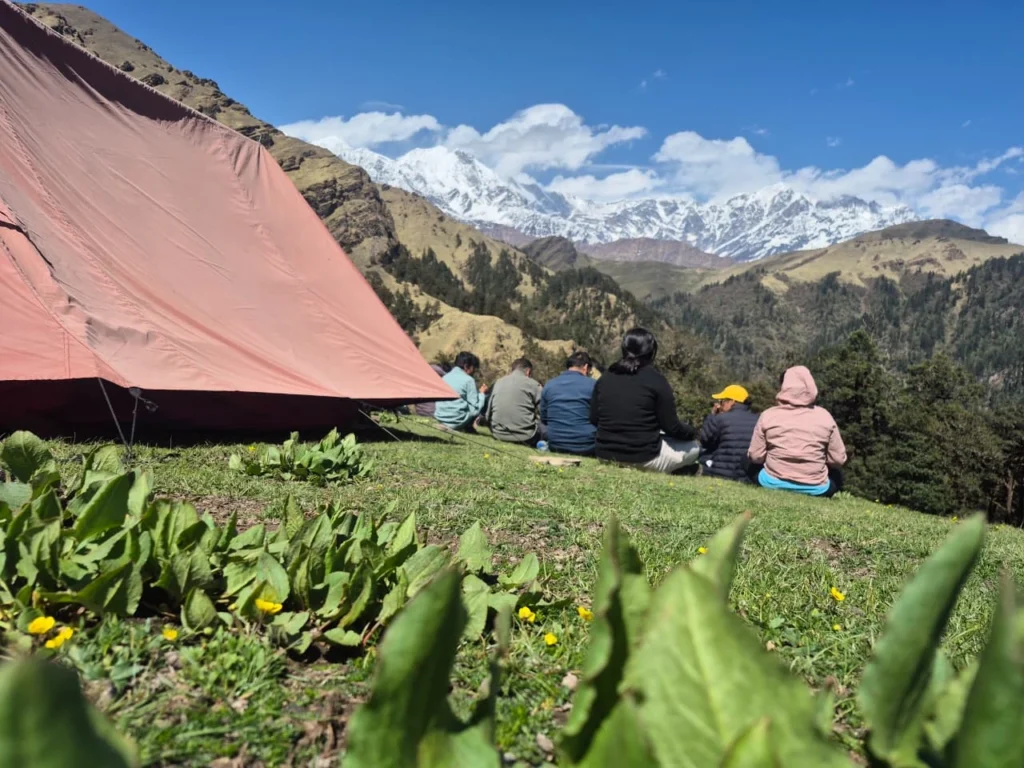
The future of Roopkund trekking may depend less on the number of people who wish to visit and more on the systems developed to manage their presence.
Responsible access requires a shift from treating trekking as a purely recreational activity to recognising it as a form of tourism that operates within an ecologically sensitive landscape.
One possible approach is a structured visitor-management system based on environmental assessments, route conditions and the capacity of designated camping areas. Rather than applying arbitrary limits, authorities could assess how many visitors particular sections of the route can accommodate without unacceptable ecological damage.
Designated camping locations could help concentrate necessary activities in suitable areas while protecting vulnerable vegetation and water sources. Such arrangements would need to comply with applicable forest regulations and conservation requirements.
Waste management is another essential consideration. Trekking groups should have clear responsibilities for collecting, transporting and disposing of waste outside sensitive mountain environments. Food packaging, plastic materials, damaged equipment and other non-biodegradable items should never be abandoned along the route.
Human waste management also requires careful planning. In alpine environments, inappropriate sanitation practices can affect water quality and create long-term problems around frequently used camping locations.
Internationally recognised Leave No Trace principles provide a useful framework for reducing recreational impacts. These include preparing carefully, using durable surfaces, managing waste, respecting wildlife and leaving natural objects undisturbed.
For Roopkund, these principles would need to be adapted to local geography, environmental conditions and the rules established by the responsible authorities.
Responsible access should also involve training for guides and trekking staff. Local professionals with experience in mountain conditions can play an important role in explaining environmental expectations, identifying unsafe practices and encouraging trekkers to respect the landscape.
The goal should not be to make trekking unnecessarily complicated. It should be to ensure that every organised expedition contributes as little avoidable environmental damage as possible.
Why Local Communities Should Help Shape Tourism Policy
One of the most important lessons from the Roopkund experience is that environmental decisions can have economic consequences for communities living near protected landscapes.
This makes local participation essential.
Residents of mountain villages often possess detailed knowledge of seasonal weather, traditional routes, grazing patterns, water availability and changes in the surrounding landscape.
Their understanding of the region can complement scientific research and administrative planning.
When tourism policies are developed without meaningful community participation, there is a risk that conservation objectives and livelihood needs will be treated as competing interests rather than interconnected concerns.
A more inclusive approach would involve local guides, village representatives, homestay operators, traditional land users, conservation specialists and relevant government departments in discussions about how tourism should function.
Community participation could extend to visitor education, trail maintenance, environmental monitoring, waste collection and the identification of areas requiring temporary protection.
Local employment should also be considered when designing tourism systems. If trekking generates economic value, a meaningful proportion of that value should remain within the communities that provide services and help maintain access to the destination.
This does not mean that every tourism-related decision should prioritise income over environmental protection.
Rather, it recognises that long-term conservation is more likely to gain local support when residents are treated as partners in protecting the landscape.
The Role of Trekking Companies in Protecting Roopkund
Responsible tourism cannot depend entirely on government regulation. Trekking companies also influence the environmental footprint of visitors.
Operators determine group organisation, equipment choices, campsite practices, food arrangements, waste-handling procedures and the information provided to trekkers before departure.
These decisions affect what happens on the mountain.
A responsible operator should verify current permissions, communicate environmental rules clearly and ensure that trekking itineraries are designed around safety and legal access rather than convenience alone.
Group leaders should be equipped to manage waste, prevent unnecessary disturbance to vegetation and respond appropriately when trail conditions change.
Environmental responsibility also extends to the information presented online.
Trekking companies should avoid making unrealistic promises about weather, snow conditions, route accessibility or guaranteed experiences. Himalayan conditions are inherently variable, and responsible communication helps visitors prepare appropriately.
At Roopkund Heaven, we believe that the future of Himalayan trekking must be connected to respect for the landscapes and communities that make these journeys possible.
The responsibility of a trekking organisation extends beyond guiding people towards a destination. It also involves helping visitors understand why the destination deserves protection.
Climate Change Adds Another Dimension to Roopkund’s Future
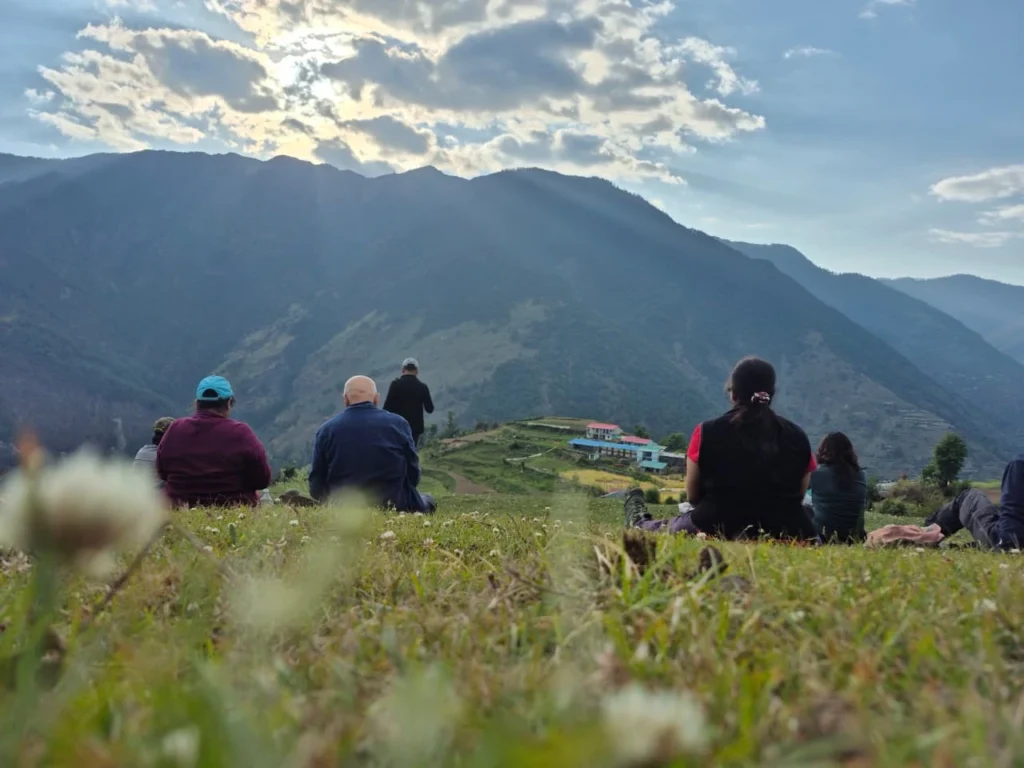
Environmental management in the Himalayas is becoming increasingly complex because mountain landscapes are affected by changing climatic conditions.
Temperature patterns, precipitation, snow accumulation and extreme weather events influence trekking conditions and the ecological processes of high-altitude environments.
For alpine meadows, changes in snowmelt timing and seasonal temperatures can affect soil moisture, vegetation growth and the length of the growing season.
For trekkers, changing weather patterns can influence trail conditions, water availability, snow cover and the safety of exposed mountain sections.
However, broad evidence of climate change in the Himalayas should not be confused with proof of a specific trend at Roopkund. Establishing local changes requires reliable long-term observations and scientific analysis.
This distinction matters because responsible tourism planning should be based on evidence rather than assumptions.
Future management of the Roopkund route could benefit from systematic monitoring of trail erosion, vegetation recovery, snow conditions and visitor impacts.
Such information would help authorities and local stakeholders evaluate whether existing tourism practices remain appropriate as environmental conditions evolve.
The challenge is not simply preparing for a changing climate. It is ensuring that tourism management can adapt as new evidence becomes available.
Can Roopkund Become a Model for Sustainable Himalayan Trekking?
Roopkund occupies an unusual position in Indian adventure tourism.
It combines international recognition, archaeological significance, high-altitude trekking, sensitive alpine ecosystems and a network of mountain communities with longstanding connections to the landscape.
The environmental controversy surrounding the route has also made it an important example of the challenges involved in managing tourism in fragile mountain regions.
These characteristics create an opportunity for Roopkund to become a case study in responsible trekking.
Achieving that outcome would require more than reopening routes or introducing environmental guidelines.
It would require a long-term commitment to monitoring ecological conditions, enforcing applicable regulations, improving waste-management systems and ensuring that local communities participate meaningfully in tourism development.
Success should not be measured exclusively through visitor arrivals or trekking revenue.
Other indicators would matter, including the condition of alpine vegetation, the cleanliness of camping areas, the stability of trails, the quality of local employment and the effectiveness of visitor education.
A destination that maintains its ecological integrity while providing sustainable economic opportunities may offer a more valuable example than one focused primarily on increasing tourist numbers.
For Roopkund, this would represent a meaningful evolution from being known mainly as a mysterious Himalayan lake to being recognised as a landscape where conservation and responsible adventure tourism are taken seriously.
What Should Trekkers Understand Before Visiting Roopkund?
For travellers considering the Roopkund Trek, responsible tourism begins before reaching the mountains.
Understanding the environmental sensitivity of the route is as important as preparing for its physical challenges.
Trekkers should confirm the latest access requirements, choose operators who follow applicable regulations and prepare for the demands of high-altitude travel.
They should also recognise that alpine meadows are not unrestricted recreational spaces. Walking away from established trails, leaving waste behind, disturbing vegetation or removing natural objects can contribute to environmental degradation.
Respect for local communities is equally important.
The villages surrounding the trekking region are not merely transit points. They are home to people whose lives, traditions and livelihoods are connected to the mountain landscape.
Supporting legitimate local services, respecting community practices and following the guidance of experienced local professionals can help make trekking more beneficial for host communities.
A responsible trekker does not need to be an environmental expert. What matters is a willingness to travel carefully, follow local regulations and understand that access to a remarkable natural destination comes with responsibilities.
The Future of Roopkund Trekking Depends on the Choices Made Today
The story of Roopkund is no longer only about a Mysterious Skeleton Lake surrounded by Himalayan peaks.
It is also about how India manages tourism in environmentally sensitive mountain regions, how conservation policies affect local communities and how the trekking industry responds to changing expectations.
The restrictions introduced in 2018 brought attention to the ecological vulnerability of Uttarakhand’s alpine meadows. The developments reported in July 2026 renewed discussions about access, tourism and economic opportunities in the Roopkund region.
Together, these events underline an important reality: protecting a destination and allowing people to experience it are not necessarily incompatible goals, but achieving both requires careful planning and continued responsibility.
The future of Roopkund should not be defined solely by whether trekking is permitted. It should also be defined by the condition in which the landscape is preserved, the opportunities available to local communities and the standards followed by those who organise and undertake Himalayan journeys.
For Roopkund Heaven, the mountains represent more than destinations on a trekking itinerary. They are natural landscapes, cultural spaces and sources of livelihood that deserve long-term care.
The real future of Roopkund trekking lies in ensuring that the experience remains meaningful for visitors without diminishing what makes the region extraordinary.
Because the greatest achievement of responsible Himalayan tourism is not simply reaching the destination. It is helping preserve the possibility for future generations to experience it.