For trekkers planning the Kuari Pass Trek in 2026, one question becomes increasingly common as autumn approaches:
When will Kuari Pass receive its first snowfall?
It sounds like a simple question, but Himalayan snowfall does not follow a fixed calendar. The first flakes may arrive on the higher ridges weeks before the trekking trail develops a lasting snow cover. A brief spell can turn the mountains white overnight and disappear within a day or two, while another weather system later in the season can create the deep, persistent snow associated with a true winter trek.
That is why anyone planning Kuari Pass specifically for snow should understand the difference between first snowfall, first accumulation and the beginning of the reliable snow season.
As of 17 September 2026, early signs of the seasonal transition are already visible in Uttarakhand’s high Himalayas. Higher reaches of the state received early-season snowfall in September, and on 17 September, Hemkund Sahib in Chamoli district reported its first snowfall of the season. These developments are significant because Kuari Pass also lies in Chamoli’s high-altitude Himalayan landscape.
However, they do not mean that the Kuari Pass trekking trail is already covered in winter snow.
For most trekkers, the more meaningful snow window normally develops from late November into December, with December to February providing the stronger probability of sustained winter conditions.
This guide explains what the latest 2026 weather developments actually mean for Kuari Pass, when snow generally starts accumulating, what conditions to expect from September through March, and how to choose your dates if seeing snow is one of the main reasons for your trek.
Kuari Pass at a Glance
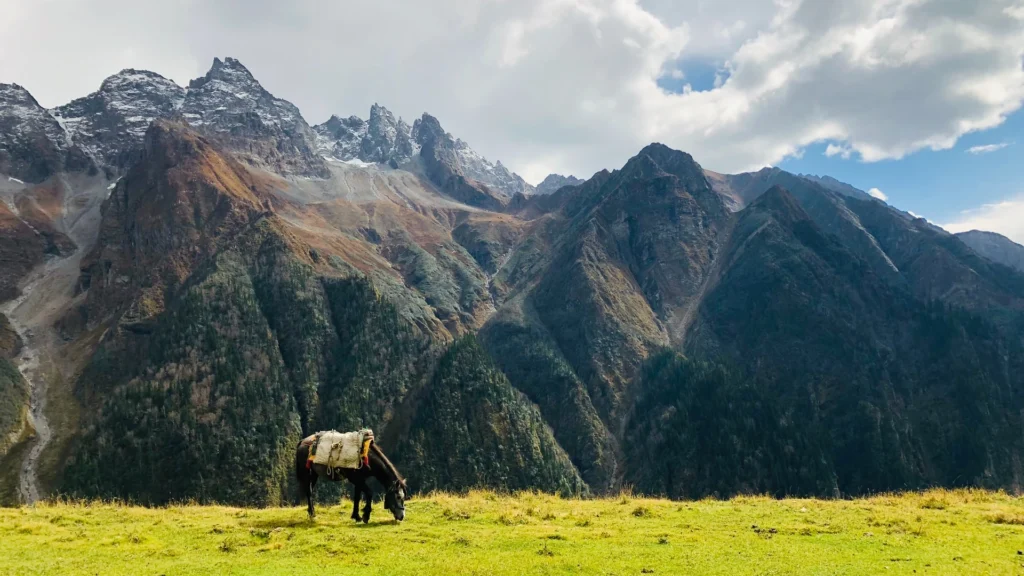
Kuari Pass is one of Uttarakhand’s classic Himalayan trekking routes. Situated in the Garhwal Himalayas, the pass reaches approximately 3,800 metres or 12,500 feet, depending on the route and measurement used.
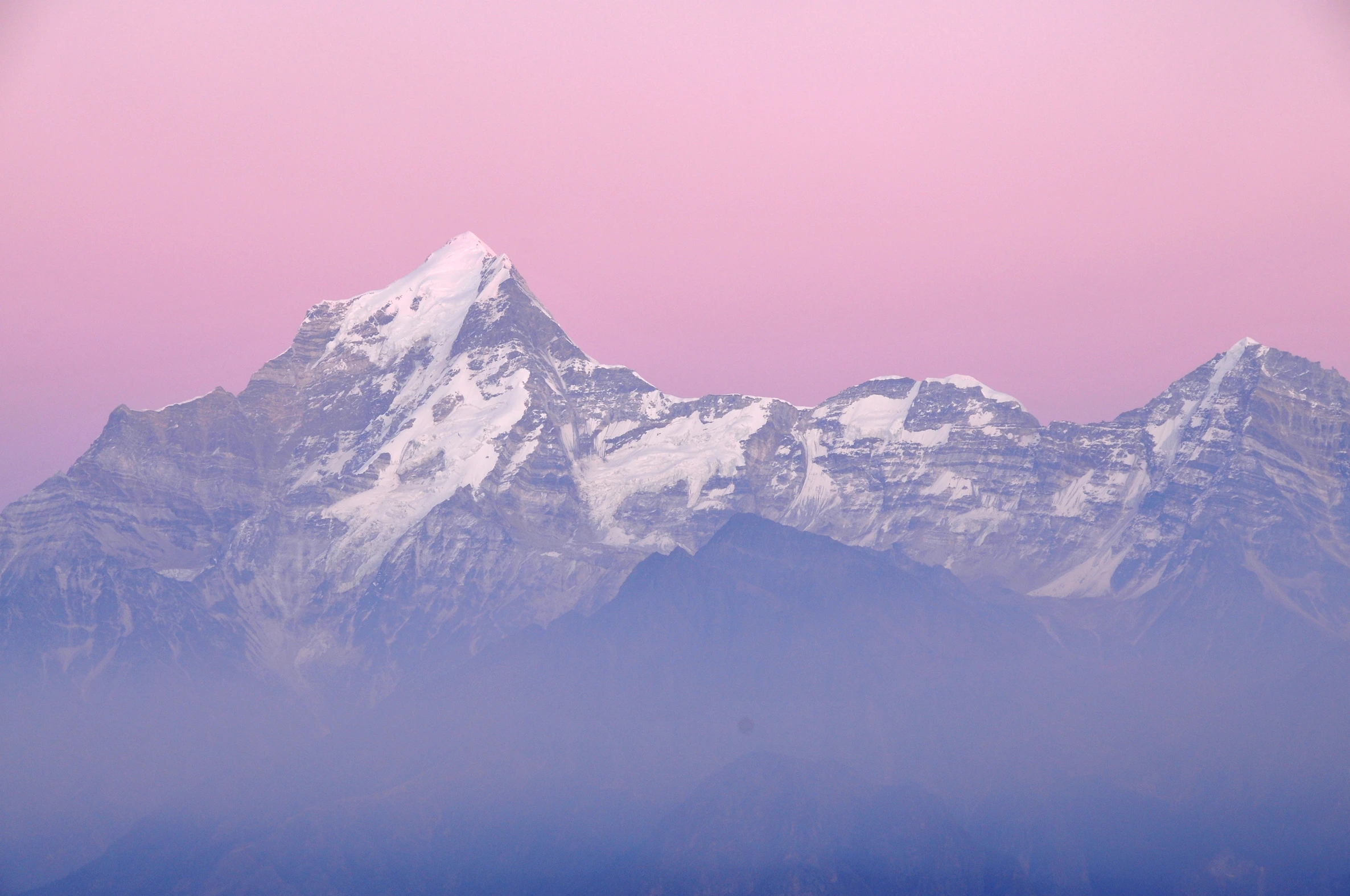
The trek is famous not simply because of its altitude but because of the enormous mountain panorama visible from its upper sections.
Trekkers can encounter views towards major Himalayan peaks and massifs including:
- Nanda Devi
- Dronagiri
- Kamet
- Hathi Parbat
- Ghori Parbat
- Chaukhamba
- Trishul
The landscape changes dramatically through the year.
Spring brings melting snow and rhododendron forests. Post-monsoon autumn offers clearer skies, brown-gold meadows and sharp mountain visibility. Winter transforms the forests, campsites and upper ridges into snow terrain.
For that reason, there is no single “best” Kuari Pass season. The correct season depends on whether your priority is mountain views, relatively comfortable trekking temperatures, autumn scenery or deep winter snow.
Latest Update: Has the 2026 Snowfall Season Started in Uttarakhand?
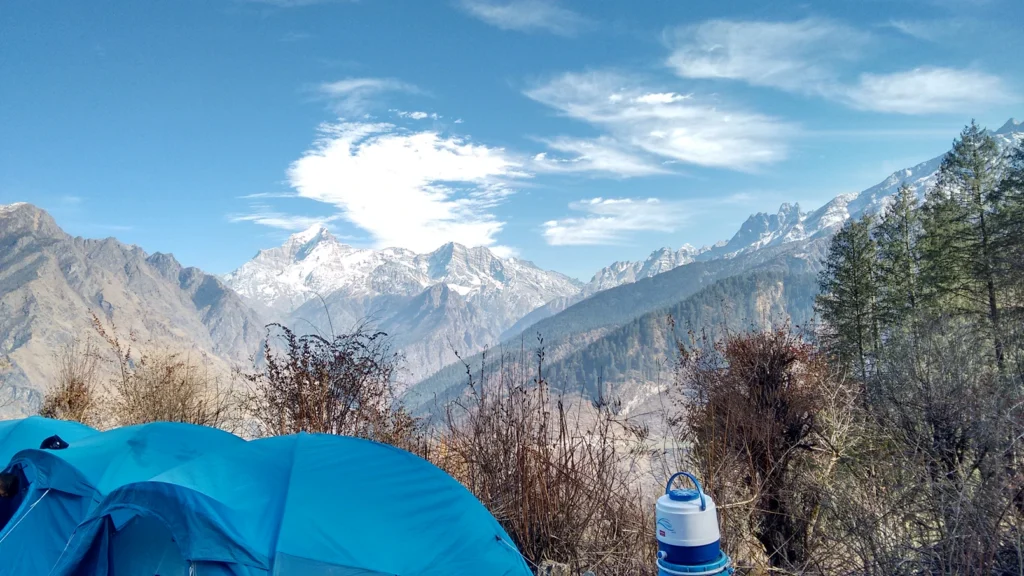
There have already been important weather developments in September 2026.
During early September, higher reaches of Uttarakhand experienced what was reported as the season’s first snowfall while lower elevations continued to experience rain and unsettled monsoon conditions.
A more relevant development for Kuari Pass occurred on 17 September 2026, when Hemkund Sahib in Chamoli district received its first snowfall of the season.
Hemkund Sahib is situated at roughly 4,300 metres, substantially higher than many sections of the Kuari Pass trekking route.
This difference in altitude matters.
When an early autumn weather system crosses Uttarakhand, precipitation may fall as snow at very high elevations while the same system produces rain at lower elevations. Therefore, snowfall at Hemkund Sahib or on surrounding high peaks cannot automatically be interpreted as continuous snow cover on Kuari Pass.
The September events should instead be viewed as an indication that temperatures at the highest elevations are beginning to become cold enough for snowfall under suitable weather systems.
They are not yet proof that the winter trekking season has established itself across the Kuari Pass trail.
First Snowfall vs Snow Season: They Are Not the Same Thing
This is the most important concept for anyone researching Kuari Pass snowfall.
There are essentially three different stages.
1. First Snowfall
The first snowfall is simply the first occasion on which precipitation falls as snow.
It can happen relatively early at high altitude.
A brief weather system may produce a few centimetres of snow on a ridge or pass. The landscape may temporarily turn white, but strong daytime sunshine can melt much of it quickly.
This is a meteorological event, not necessarily the beginning of winter trekking conditions.
2. Snow Accumulation
The next stage occurs when repeated snowfall and sufficiently low temperatures allow snow to remain on the ground.
Instead of melting completely between weather systems, snow begins accumulating in shaded forests, north-facing slopes, meadows and higher ridges.
For trekkers, this is considerably more important than the date of the first snowfall.
3. Established Winter Snow Cover
Eventually, colder temperatures combined with repeated western disturbances can create persistent snow cover.
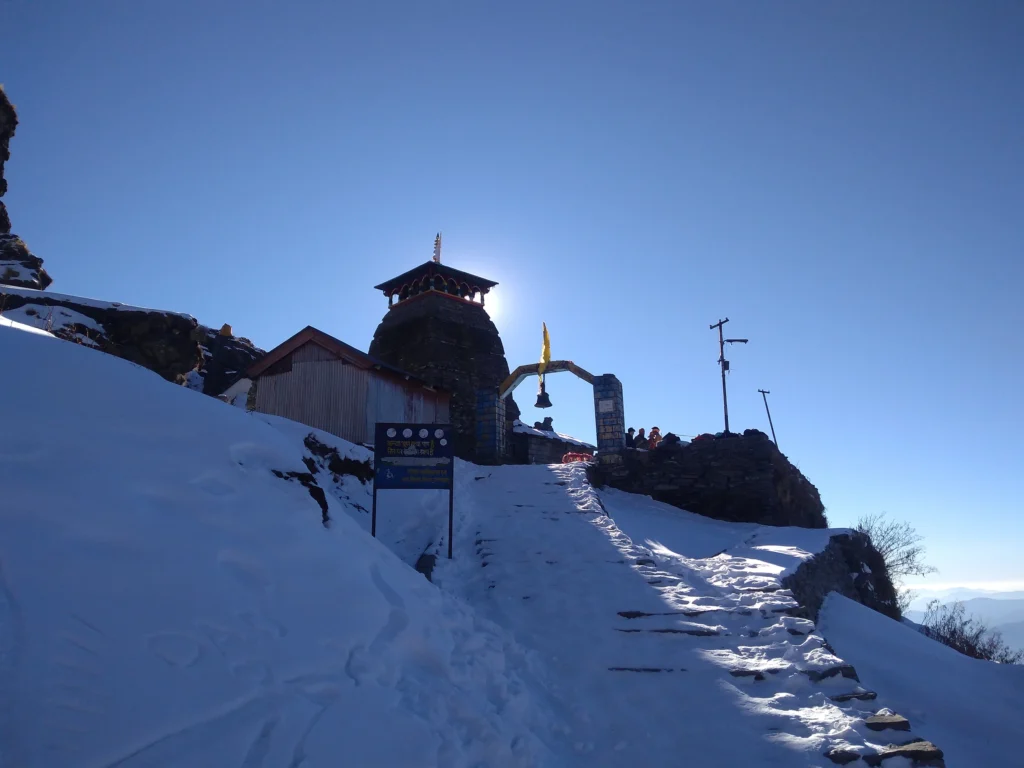
This is when Kuari Pass begins to resemble the classic winter photographs trekkers expect—white forests, snow-covered meadows and extended snowy sections approaching the pass.
This transition generally develops during December, although the exact timing changes every year.
When Does Kuari Pass Usually Receive Its First Snowfall?
Snow can begin appearing on the higher reaches around Kuari Pass from late November, although isolated earlier snowfall is possible.
Late October and November represent a transition period.
Temperatures steadily decrease, nights become colder and incoming weather systems have an increasing chance of producing snow rather than rain at higher elevations.
However, early snow is unreliable.
One November week might deliver fresh snowfall. Another year, November can remain predominantly dry.
This is why travellers should be cautious when someone promises:
“Book November and you will definitely get snow.”
Nobody can reliably make that guarantee months in advance.
The Himalayas do not operate according to trekking package calendars.
Expected Kuari Pass Snow Timeline: September 2026 to March 2027
Rather than relying on a single “snow starts on this date” answer, it is more useful to examine how conditions typically evolve month by month.
September 2026: High-Altitude Snow Signals, Not Winter Yet
September is primarily a post-monsoon transition month around Kuari Pass.
The landscape is generally green after the monsoon, while cloud cover and occasional rainfall may continue during the first part of the month.
As the monsoon withdraws, visibility can improve dramatically.
The important 2026 development is that high-altitude Uttarakhand has already reported early snowfall, including Hemkund Sahib in Chamoli on 17 September.
But trekkers should not interpret this as “Kuari Pass snow season has started.”
Snow falling above 4,000 metres can coexist with wet or snow-free trekking trails at lower elevations.
For Kuari Pass, September should still primarily be considered a post-monsoon trekking period rather than a snow-trekking month.
October 2026: Clearer Views, Cold Nights and Mostly Snow-Free Trails
October can be an excellent period for trekkers whose priority is mountain visibility rather than snow.
After the monsoon retreats, atmospheric clarity often improves.
The forests begin taking on autumn characteristics, the meadows gradually lose their monsoon green and nighttime temperatures drop significantly.
At higher elevations, a passing weather system can occasionally produce snowfall.
But persistent snow across the complete trekking route is unlikely to be something travellers should plan around.
Choose October for:
- clearer Himalayan views
- relatively stable post-monsoon trekking conditions
- fewer winter-related trail complications
- autumn landscapes
- photography
Do not choose October solely because you expect deep snow.
November 2026: The Transition Towards Winter
November is where snow expectations become more interesting.
The first half of the month can still feel strongly autumnal, particularly during sunny weather.
By late November, however, the likelihood of snowfall at higher elevations increases.
Trekkers may encounter:
- frost in the morning
- frozen ground
- thin ice around water sources
- occasional fresh snowfall
- small snow patches on shaded slopes
- colder campsites
- increasingly wintry conditions near the upper trail
Some trekking operators begin their winter Kuari Pass schedules from mid-November.
But this does not mean snow is guaranteed.
If your main objective is trekking through a completely white landscape, November involves considerably more uncertainty than January or February.
December 2026: The Real Beginning of Kuari Pass’s Winter Snow Season
For practical trekking purposes, December is when Kuari Pass enters its proper winter phase.
Snowfall frequency generally increases as winter weather systems begin affecting the western Himalayas.
The upper sections of the route can gradually become covered.
Forests may hold snow for longer because direct sunlight is limited. Meadows begin turning white. Frost becomes common, water can freeze overnight and trail conditions become more technical.
However, even December has two different personalities.
Early December
Early December is transitional.
Some years already have substantial snow.
Other years remain relatively dry.
A trek scheduled for the first week of December therefore offers a chance of snow but should not be booked with the assumption of guaranteed deep accumulation.
Mid to Late December
The probability of sustained snow conditions generally improves as December progresses.
Repeated snowfall events can begin building the base required for the classic Kuari Pass winter landscape.
If Christmas or New Year dates receive suitable weather systems, the trail can transform quickly.
But again, snowfall is weather-dependent.
December means winter conditions; it does not mean guaranteed snowfall on the exact day of your trek.
January 2027: Usually One of the Strongest Months for Snow
If your primary reason for Kuari Pass Trek is to walk through snow, January is historically one of the stronger periods to consider.
By this stage of winter, earlier snowfall has often had enough time to accumulate.
Trekkers may encounter:
- extensive snow-covered trails
- frozen forest sections
- icy morning conditions
- snow-covered meadows
- sub-zero nights
- deeper accumulation towards upper ridges
- fresh snowfall during active weather systems
But January also provides an important lesson about Himalayan weather.
Winter does not guarantee fresh snowfall.
The 2025–26 winter demonstrated this clearly.
Uttarakhand experienced an extended dry spell through December 2025 and much of January 2026. Significant winter precipitation finally arrived around 23 January 2026, when higher Himalayan areas including Auli, Badrinath, Hemkund Sahib, Gangotri and Kedarnath received snowfall.
That event is extremely relevant for anyone planning Kuari Pass in the future.
It proves why historical averages should be used for planning—not as guarantees.
A trekker can visit in January during a dry winter and encounter less snow than expected. Another trekker can arrive after an active western disturbance and experience substantial fresh snow.
February 2027: Established Snow with Gradually Longer Days
February is another strong period for a Kuari Pass snow trek.
Snow accumulated during December and January can remain across higher sections, particularly in shaded terrain.
At the same time, daylight gradually increases compared with the depths of winter.
Conditions can still be extremely cold.
Depending on the season, trekkers may encounter a mixture of:
- deep accumulated snow
- fresh powder
- hard-packed snow
- icy trails
- frozen sections in the morning
- softer snow after daytime heating
This variation makes appropriate footwear and trekking equipment important.
The fact that snow is older does not necessarily make trekking easier. Hard-packed snow and ice can sometimes be more difficult to negotiate than fresh powder.
March 2027: Winter Begins Retreating
March is a transition from winter towards Himalayan spring.
Snow does not suddenly disappear when February ends.
Higher sections around Kuari Pass can retain substantial snow during March, while lower areas begin thawing.
This produces a visually interesting contrast.
Lower forests begin showing signs of spring while upper slopes can remain white.
During sunny periods, daytime snow softens considerably. At night, temperatures fall again and the same surface can refreeze.
That freeze-thaw cycle can produce slippery morning conditions.
By late March and April, snow generally begins retreating progressively towards higher elevations.
So, What Is the Best Month for Snow at Kuari Pass?
There is no guaranteed snowfall date, but the broad pattern is:
| Period | Likely Kuari Pass Condition | Snow Reliability |
| September | Post-monsoon, mostly snow-free trekking trail | Very Low |
| October | Clear autumn conditions | Very Low |
| Early November | Cold, generally autumn conditions | Low |
| Late November | First meaningful snow becomes possible | Low to Moderate |
| Early December | Winter transition | Moderate |
| Late December | Snow accumulation increasingly likely | Moderate to High |
| January | Core winter | High |
| February | Established winter snow | High |
| March | Remaining winter snow, gradual melt | Moderate to High at altitude |
These are seasonal expectations, not guarantees.
For trekkers whose number-one objective is snow, January and February generally provide a stronger probability of established snow cover than November or early December.
Why Can’t Anyone Predict the Exact First Snowfall Date?
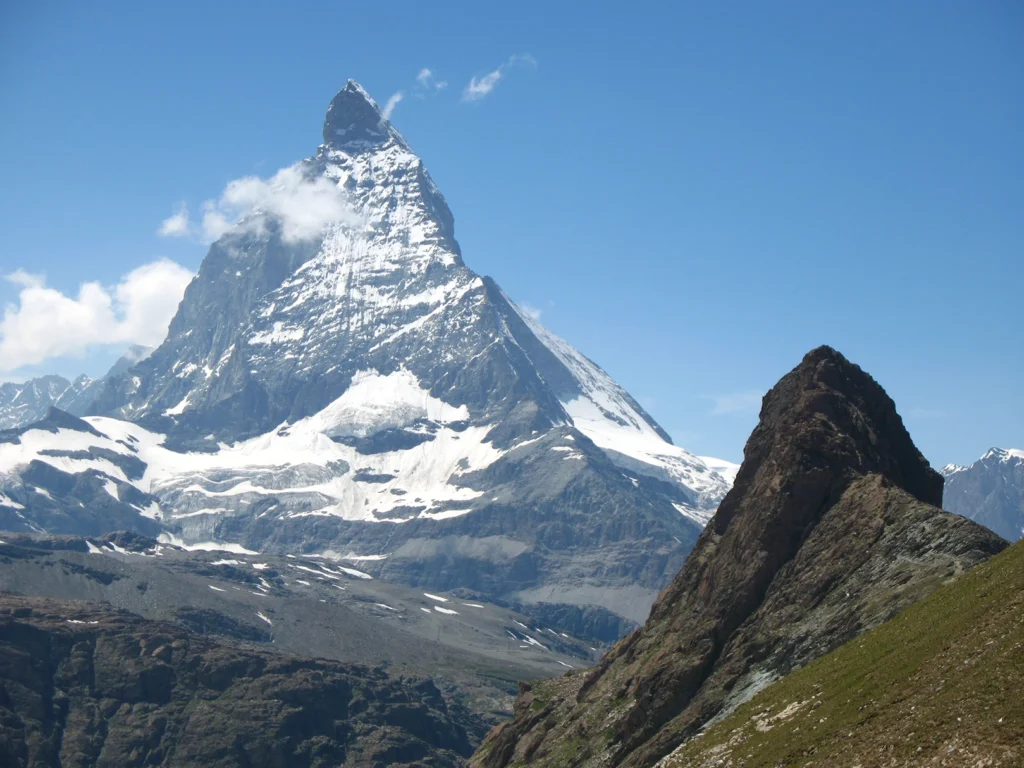
Kuari Pass snowfall depends heavily on western disturbances.
These are weather systems that travel eastwards towards northern India and provide much of the western Himalayas’ winter precipitation.
When moisture associated with a western disturbance encounters sufficiently cold Himalayan air, precipitation at higher elevations can fall as snow.
The exact outcome depends on several factors:
- strength of the western disturbance
- available atmospheric moisture
- elevation
- temperature profile
- wind direction
- local topography
- preceding snow cover
- duration of precipitation
This explains why snowfall can vary dramatically between years.
It also explains why long-range statements such as:
“Kuari Pass will receive its first snowfall on 25 November 2026”
should not be treated as reliable months in advance.
Short-range forecasts become much more useful close to departure.
What 2026 Has Already Taught Us About Himalayan Snow
The weather events of 2026 reinforce an important principle for Himalayan trekkers:
Follow actual conditions, not just historical calendars.
Winter 2025–26 included a prolonged dry period before widespread precipitation finally affected Uttarakhand’s mountains in late January.
Then, in September 2026, very high-altitude areas again began reporting early snowfall as the seasonal transition developed.
These events are not contradictory.
They demonstrate how variable Himalayan precipitation can be.
An early first snowfall does not guarantee a snowy winter.
Likewise, a dry December does not mean January or February cannot subsequently receive major snowfall.
For trek planning, the best approach is to combine:
- historical seasonal patterns,
- recent weather reports,
- current trail observations,
- short-range forecasts, and
- information from people actually operating in the region.
Snow at Kuari Pass vs Snowfall at Kuari Pass
These two search queries also mean different things.
If you ask:
“Will there be snow at Kuari Pass?”
you are asking whether accumulated snow will be present on the trail.
If you ask:
“Will it snow during my Kuari Pass trek?”
you are asking whether active snowfall will occur while you are there.
The first can often be estimated seasonally.
The second is impossible to guarantee far in advance.
For example, January may have extensive snow already lying on the ground while the skies remain completely clear during your entire trek.
Conversely, late November could have almost no existing snow until a weather system arrives and produces fresh snowfall during your trek.
Trekkers should therefore decide which experience matters more:
seeing snow or watching snowfall.
Seeing snow can be planned with reasonable seasonal probability.
Watching fresh snow fall from the sky depends on the weather system that happens to arrive during your trekking dates.
How Much Snow Can You Expect on Kuari Pass?
Snow depth varies substantially with elevation, slope orientation, wind exposure and recent weather.
Open ridges can sometimes appear surprisingly thin because wind redistributes snow.
Protected depressions and shaded forests can accumulate much deeper snow.
This means statements such as “Kuari Pass has two feet of snow” can be misleading unless they specify exactly where the measurement was taken.
Conditions can change over only a few kilometres.
A lower campsite may have exposed ground while the approach towards the pass has significantly deeper snow.
That is another reason real trail observations are more useful than generic destination forecasts.
How Snow Changes the Difficulty of Kuari Pass
Kuari Pass is frequently presented as suitable for trekkers moving into Himalayan trekking, but winter conditions change the nature of the route.
Snow increases physical effort.
Your feet sink into softer sections. Hard snow can become slippery. Previously obvious trails can become difficult to identify. Temperatures fall sharply after sunset.
Winter trekkers should be prepared for:
- slower walking speed
- sub-zero temperatures
- icy terrain
- changing trail conditions
- frozen water
- wet footwear
- stronger wind exposure
- weather-related itinerary changes
Depending on conditions, microspikes or similar traction equipment may become useful or necessary on icy sections.
Trekking poles can also improve balance.
The key principle is simple:
Do not judge winter difficulty using a summer description of the same trek.
What Should You Pack for Kuari Pass in Snow Season?
Winter trekking requires a proper layering system rather than one extremely heavy jacket.
A typical system includes:
Base Layer:
Moisture-managing thermal layer.
Insulation Layer:
Fleece or equivalent insulating garment.
Outer Insulation:
Down or synthetic insulated jacket appropriate for sub-zero conditions.
Weather Protection:
Windproof/water-resistant outer shell when conditions require it.
Other important items include:
- trekking shoes with good grip
- warm trekking socks
- waterproof gaiters where required
- insulated gloves
- woollen cap/beanie
- neck warmer
- UV-protection sunglasses
- sunscreen
- headlamp
- trekking poles
- reusable water bottles
- personal medication
- backpack rain cover
Always follow the equipment guidance issued for your specific departure because conditions can vary substantially between November and February.
Kuari Pass or Valley of Flowers Trek: Which Season Should You Choose?
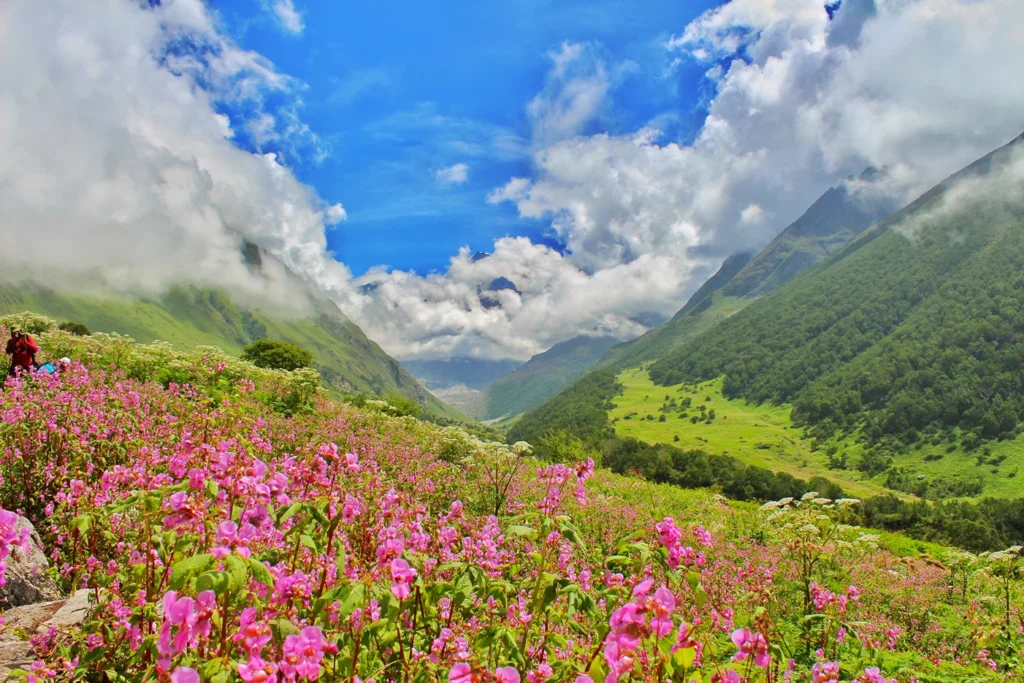
Travellers researching Uttarakhand often compare Kuari Pass with the Valley of flower trek, but the two provide very different seasonal experiences.
The Valley of flower trek is primarily associated with the monsoon and summer flowering season, when the famous alpine valley becomes filled with blooming Himalayan flora.
Kuari Pass, in contrast, is one of the stronger choices for trekkers specifically interested in a winter Himalayan experience.
Think of them as complementary rather than competing treks.
Choose the Valley of flower trek if your priority is:
- alpine flowers
- lush monsoon landscapes
- green Himalayan valleys
- seasonal biodiversity
- summer trekking
Choose Kuari Pass in winter if your priority is:
- snow trekking
- Himalayan mountain panoramas
- oak and rhododendron forests
- winter campsites
- cold-weather trekking
Planning More Winter Treks? Check the Winter Calender 2026
Kuari Pass is not the only Uttarakhand trek that changes dramatically during winter.
Trekkers planning travel between December and March can compare it with other winter routes such as Kedarkantha, Brahmatal and Dayara Bugyal.
Our Winter Calender 2026 can help you compare the best trekking windows, approximate altitude, difficulty and expected winter experience across multiple Himalayan routes.
For example:
- Kuari Pass: famous for huge mountain panoramas
- Kedarkantha: known for its summit experience
- Brahmatal: forests, alpine lake scenery and Trishul views
- Dayara Bugyal: vast Himalayan meadows
Remember that the dates in any Winter Calender 2026 should be treated as planning windows—not snowfall guarantees.
How to Track Kuari Pass Snow Before Your Trek
If you are booking Kuari Pass specifically for snow, do not stop checking conditions after making your reservation.
Start monitoring the region again around 7–10 days before departure.
Look for:
Recent Snowfall Reports
Check whether Chamoli, Auli, Joshimath and nearby high-altitude areas have received recent precipitation.
Short-Range Weather Forecast
A short-range forecast is much more useful than attempting to predict snowfall several months ahead.
Trail-Level Information
Ask for conditions from the actual trekking route.
Questions worth asking include:
- Is there snow at Guling?
- Is Khullara currently snow-covered?
- How deep is snow towards the upper ridge?
- Are microspikes currently being used?
- Is the normal route open?
- Has there been fresh snowfall in the last 48 hours?
Recent Photographs
Request dated photographs rather than generic promotional images.
A beautiful January photograph from a previous winter tells you nothing about current December trail conditions.
Kuari Pass Snow Forecast for Winter 2026–27: What Can We Say Now?
As of 17 September 2026, it is too early to responsibly predict the precise snow depth Kuari Pass will receive during December 2026 or January–February 2027.
What we can say is:
- high-altitude snowfall has already been reported in Uttarakhand during September 2026;
- Hemkund Sahib in Chamoli reported its first snowfall of the season on 17 September;
- this indicates the beginning of the seasonal cooling transition at very high elevations;
- Kuari Pass should not yet be considered to have entered its established winter snow season;
- late November is when meaningful snow becomes increasingly possible;
- December generally marks the transition into sustained winter trekking conditions;
- January and February historically provide stronger odds of established snow cover.
These expectations should be updated as the season develops.
Final Verdict: When Does Snow Season Actually Begin at Kuari Pass?
If by “snow season” you mean the first flakes falling somewhere around the highest terrain, snow can appear during autumn and occasionally surprisingly early.
If you mean visible patches of snow on the upper trekking route, late November becomes increasingly relevant.
If you mean the classic Kuari Pass winter experience with sustained snow-covered landscapes, look primarily towards:
December → January → February
And if seeing substantial snow is your highest priority, January and February generally offer better seasonal odds than November or early December.
The crucial lesson from 2026 is that Himalayan weather does not obey fixed dates.
The winter of 2025–26 demonstrated how long dry spells can delay expected precipitation. September 2026 has now shown how snowfall can return to Uttarakhand’s highest reaches relatively early in the seasonal transition.
So don’t ask only:
“When does Kuari Pass get its first snowfall?”
Ask the more useful question:
“When does enough snow accumulate to create the Kuari Pass experience I actually want?”
For most winter trekkers, that answer begins in December, becomes considerably stronger through January and February, and gradually transitions towards spring during March.
FAQs – Kuari Pass Snowfall 2026–27
1. When will the first snowfall happen at Kuari Pass in 2026?
There is no fixed date for the first snowfall at Kuari Pass. Early snowfall can occur on higher elevations during autumn, while meaningful snow on the trekking route becomes more likely from late November onwards. As of 17 September 2026, snowfall has already been reported at very high elevations in Chamoli district, including Hemkund Sahib, but this does not mean Kuari Pass has entered its established winter snow season.
2. Has snowfall started in Uttarakhand in September 2026?
Yes. Higher reaches of Uttarakhand reported early-season snowfall during September 2026. Hemkund Sahib in Chamoli district received its first snowfall of the season on 17 September 2026. Snowfall at these very high elevations should not be confused with continuous snow cover on lower trekking routes.
3. Is there snow at Kuari Pass in November?
Snow is possible at Kuari Pass in November, particularly towards the end of the month and at higher elevations. However, November snowfall and accumulation vary considerably from year to year. Trekkers should not book November solely on the assumption of guaranteed snow.
4. Does Kuari Pass have snow in December?
December is generally the beginning of the proper winter snow season at Kuari Pass. Early December can still have variable snow cover, while the probability of accumulated snow usually increases towards the middle and end of the month.
5. Which month has the most reliable snow at Kuari Pass?
January and February generally offer some of the strongest chances of encountering established snow cover on the Kuari Pass Trek. Actual snow depth depends on the year’s western disturbances and recent weather.
6. Can I see snow at Kuari Pass during Christmas 2026?
Snow is reasonably possible around Christmas because late December falls within the winter trekking season. However, snow depth and fresh snowfall cannot be guaranteed months in advance. Check actual trail reports and short-range weather forecasts close to departure.
7. Is Kuari Pass covered with snow in January?
Kuari Pass commonly experiences winter snow conditions in January. Depending on snowfall during December and January, forests, meadows and upper sections of the trail can have accumulated snow. Conditions still vary considerably between winters.
8. Does it snow at Kuari Pass in February?
Yes, February falls within the established winter period at Kuari Pass. Existing snow can remain on the trail and fresh snowfall is also possible when western disturbances affect Uttarakhand.
9. Is there snow at Kuari Pass in March?
Snow can remain around the higher sections of Kuari Pass during March. Lower elevations gradually begin thawing as temperatures rise, while shaded and higher-altitude sections can retain winter snow considerably longer.
10. What is the best time for the Kuari Pass snow trek?
For trekkers primarily interested in snow, December to February is generally the main winter window. January and February usually provide stronger odds of established snow cover, while December offers the transition into full winter conditions.
11. Is Kuari Pass difficult during winter?
Winter makes Kuari Pass more demanding than the same route in snow-free conditions. Deep or soft snow increases physical effort, while hard-packed snow and ice can make sections slippery. Cold temperatures, frozen water and changing weather also add difficulty.
12. What causes snowfall at Kuari Pass?
Much of the winter precipitation in the western Himalayas is associated with western disturbances. When these systems bring sufficient moisture and encounter cold air over the mountains, precipitation falls as snow at higher elevations.
13. Is snowfall guaranteed if I book Kuari Pass in January?
No. January is one of the stronger months for established snow cover, but fresh snowfall during your exact trekking dates cannot be guaranteed. The 2025–26 winter demonstrated this variability when Uttarakhand experienced an extended dry spell before significant precipitation arrived in late January 2026.
14. Which is better: Kuari Pass or Valley of flower trek?
They offer completely different experiences. The Valley of flower trek is best known for colourful alpine flowers and lush summer/monsoon landscapes, while Kuari Pass is particularly popular for Himalayan mountain views and winter snow trekking. Your choice should depend on the season and experience you want.
15. Which other winter treks can I combine with my Kuari Pass research?
Trekkers considering Kuari Pass can also compare Kedarkantha, Brahmatal and Dayara Bugyal. Check our Winter Calender 2026 to compare trekking seasons, difficulty, altitude and expected winter conditions before choosing a route.
16. How early should I check the Kuari Pass snow forecast?
Start monitoring weather roughly 7–10 days before your trek and pay closer attention during the final 3–5 days. Combine weather forecasts with recent photographs and reports from the actual trekking trail rather than relying solely on generic destination forecasts.
17. Can the first snowfall at Kuari Pass melt quickly?
Yes. Early-season snow can melt rapidly when ground temperatures remain relatively warm or when several sunny days follow the snowfall. This is why the first snowfall should not automatically be considered the beginning of permanent winter snow cover.
18. When does the Kuari Pass snow season end?
Snow generally begins retreating progressively during March and April. Lower elevations thaw first, while upper ridges and shaded sections can retain snow much longer. The exact timing depends on winter accumulation and spring temperatures.