The Buran Ghati Trek is a beautiful high-altitude trek, but many trekkers wonder how difficult it actually is.
The answer is simple: it’s not as difficult as it sounds.
We rate the Buran Ghati trek difficulty level as moderate-difficult.
With good fitness, proper preparation and an experienced trekking team, the trek is manageable for a well-prepared trekker.
You climb to around 15,000 ft, walk through steep and uneven sections, and cross the Buran Ghati Pass. The difficulty also depends on the season. May and June can be tougher because of snow and the famous snow wall, while September and October are mostly rocky and bouldery after the snow melts.
In this detailed guide, we explain what actually makes Buran Ghati difficult, which sections are the toughest, how much fitness you need, and whether beginners can do it. By the end, you’ll have a clear idea of what to expect on the trek and how difficult it actually is.
Buran Ghati Trek Difficulty at a Glance
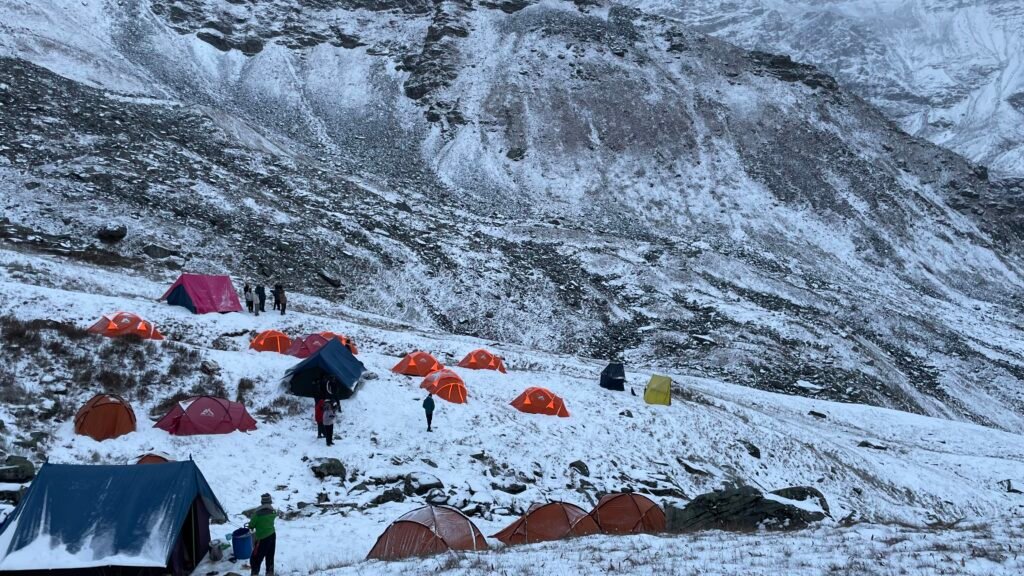
The Buran Ghati trek difficulty level comes from a combination of altitude, long walking days, steep climbs and the pass crossing. The trek is not difficult from start to finish. Most sections are manageable, but the difficulty increases as you gain altitude and reach its highest point at Buran Ghati Pass.
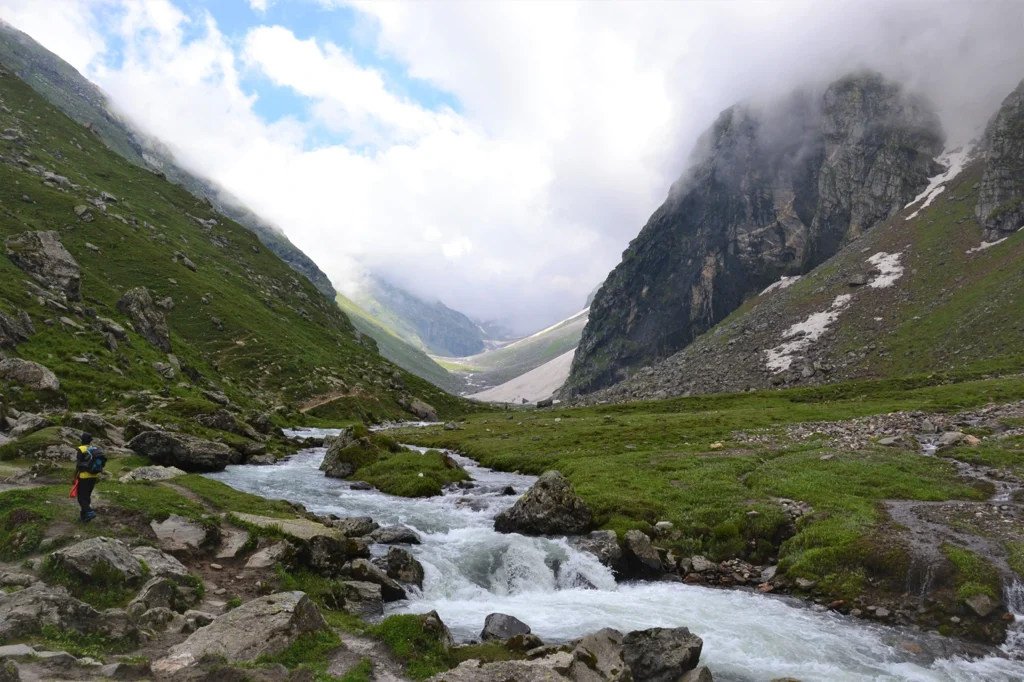
The trek starts from Janglik in Himachal Pradesh, at an altitude of roughly 9,200 ft. From there, the route moves through forests, meadows and higher alpine terrain before reaching Buran Ghati Pass at around 15,000 ft. That means your body has to adjust to a significant increase in altitude over several days.
Quick Difficulty Assessment
| Factor | Difficulty |
| Overall level | Moderate to Difficult |
| Highest point | Around 15,000 ft |
| Altitude | High |
| Long walking days | Yes |
| Steep climbs | Yes |
| Boulder sections | Yes |
| Pass crossing | Difficult |
| Summer snow | Can be technically demanding |
| Autumn descent | Rocky and bouldery |
| Beginner suitability | Fit beginners with preparation |
| Fitness required | Good stamina and strong legs |
The pass-crossing day is usually the toughest part of the trek. It can involve around 9–10 hours of walking, depending on the route, weather, snow conditions and group pace.
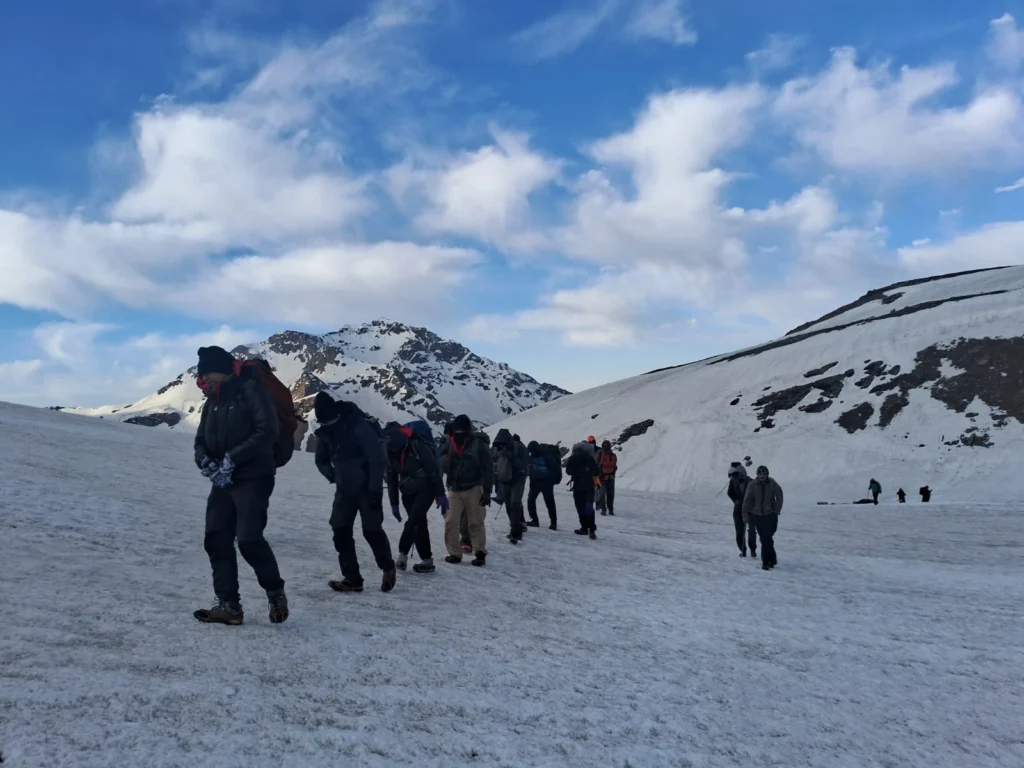
In May and June, snow can make the pass crossing more challenging. In September and October, most of the snow has melted, but the descent is generally steep, rocky and bouldery.
For a reasonably fit trekker, the difficulty is manageable with proper preparation. But if you are not used to long walks, uphill climbs or high-altitude trekking, the trek can feel much harder.
The key point is simple: Buran Ghati is not difficult because of one section alone. It is the combination of altitude, terrain, long walking days and the pass crossing that makes it a moderate-difficult trek.
Is Buran Ghati Trek Difficult?
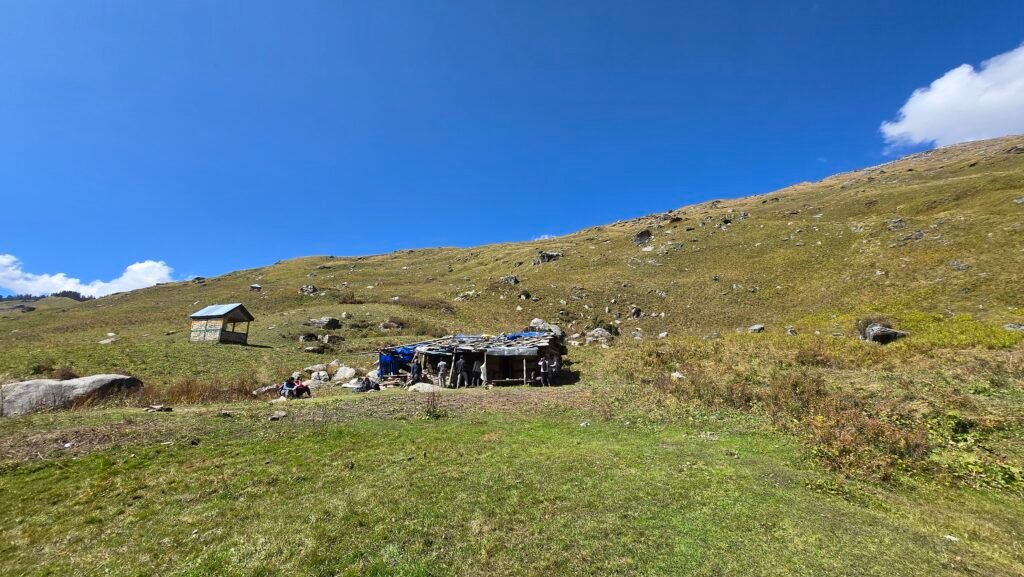
Buran Ghati is a challenging trek, but it is not as difficult as it sounds. We rate the trek as moderate-difficult.
The trek reaches around 15,000 ft and includes long walking days, steep climbs, uneven terrain and a high-altitude pass crossing. However, the difficulty increases gradually as you gain altitude.
The trek also has a different difficulty profile from beginning to end.
The early sections can be enjoyable and relatively moderate. You walk through forests and open meadows, giving your body time to settle into the trekking routine. As you move higher, the trail becomes steeper and more uneven. The Buran Ghati Pass crossing is usually the most challenging part of the trek.
Reaching the pass is not the end of the challenge. You still have to descend on the other side, where the terrain can be steep and rocky. This section can be tiring for your knees and ankles, so careful footing is important.
Season also changes the experience. May and June can be more challenging because of snow. In September and October, most of the snow has melted, and the descent is generally rocky and bouldery.
So, is Buran Ghati Trek hard?
- Fit trekker: Challenging but achievable.
- Fit first-time trekker: Possible with proper preparation and an experienced trekking team.
- Poor fitness: The trek can feel very difficult and is better avoided without preparation.
The trek rewards steady preparation rather than raw strength. You do not need to be an athlete, but you should be comfortable walking uphill for several hours and continuing even when your legs become tired.
Day-by-Day Difficulty Breakdown- How Does each Day Look?
Day 1: Shimla to Janglik
Travel Distance: 160–170 km
Travel Duration: 7–8 hours
Altitude: Shimla → Janglik (9,200 ft)
Difficulty Level: Easy
Highlights:
This is mainly a road journey to Janglik, the starting point of the trek. The long drive can be tiring, so take proper rest after reaching the village.
There is no major trekking effort on this day, giving you time to prepare for the trek ahead.
Day 2: Janglik to Dayara Thach
Trek Distance: 6–7 km
Trek Duration: 5–6 hours
Altitude: Janglik (9,200 ft) → Dayara Thach (11,150 ft)
Altitude Gain: Around 1,950 ft
Difficulty Level: Moderate
Highlights:
The first trekking day starts with a gradual climb towards Dayara Thach. The trail passes through traditional villages, dense forests, and beautiful Himalayan landscapes.
Although the distance is not very long, the continuous ascent makes this day moderately challenging. Since it is the first day of trekking, your body takes time to adjust to the altitude and walking pattern.
Day 3: Dayara Thach to Litham Thach
Trek Distance: 5–6 km
Trek Duration: 4–5 hours
Altitude: Dayara Thach (11,150 ft) → Litham Thach (11,900 ft)
Altitude Gain: Around 750 ft
Difficulty Level: Moderate
Highlights:
The trail continues through beautiful meadows and forest sections before opening into higher alpine terrain.
The distance is not very long, but the increasing altitude can make walking feel more tiring. Walk steadily and avoid rushing, especially on uphill sections.
Day 4: Litham Thach to Chandranahan Lake and Back
Trek Distance: 7–8 km
Trek Duration: 5–6 hours
Altitude: Litham Thach (11,900 ft) → Chandranahan Lake (13,900 ft) → Litham Thach
Altitude Gain: Around 2,000 ft
Difficulty Level: Moderate to Difficult
Highlights:
This is an excursion day to Chandranahan Lake, so you climb to a higher altitude and then return to Litham Thach.
The uphill section can feel demanding because of the altitude. The return journey also adds extra walking, making this a more tiring day than the previous one.
Day 5: Litham Thach to Dhunda
Trek Distance: 4–5 km
Trek Duration: 3–4 hours
Altitude: Litham Thach (11,900 ft) → Dhunda (13,300 ft)
Altitude Gain: Around 1,400 ft
Difficulty Level: Moderate to Difficult
Highlights:
The trail now enters higher and more rugged terrain as you move towards Dhunda. The distance is short, but the altitude gain makes the climb more demanding.
By this point, you have already been trekking for several days, so some fatigue is normal. Keep your pace slow and save energy for the pass-crossing day.
Day 6: Dhunda to Buran Ghati Pass and Down
Trek Distance: 9–10 km
Trek Duration: 9–10 hours
Altitude: Dhunda (13,300 ft) → Buran Ghati Pass (15,000 ft) → Lower Camps
Altitude Gain: Around 1,700 ft
Difficulty Level: Difficult
Highlights:
This is generally the hardest day of the Buran Ghati Trek. You climb towards the 15,000-ft Buran Ghati Pass and then descend on the other side.
The long walking hours, high altitude and steep sections make this day demanding. In May and June, snow can make the pass crossing more challenging, while September and October usually bring a steep, rocky and bouldery descent.
Day 7: Lower Camps to Barua
Trek Distance: 6–7 km
Trek Duration: 4–5 hours
Altitude: Lower Camps → Barua Village
Difficulty Level: Moderate
Highlights:
After crossing Buran Ghati Pass, the trail gradually descends towards Barua. The lower altitude can make the day feel easier, but your legs may still be tired from the previous day’s long trek.
The descent requires careful footing, especially on uneven sections. Once you reach Barua, the main trekking challenge is complete.
Is Buran Ghati Trek Good for Beginners?
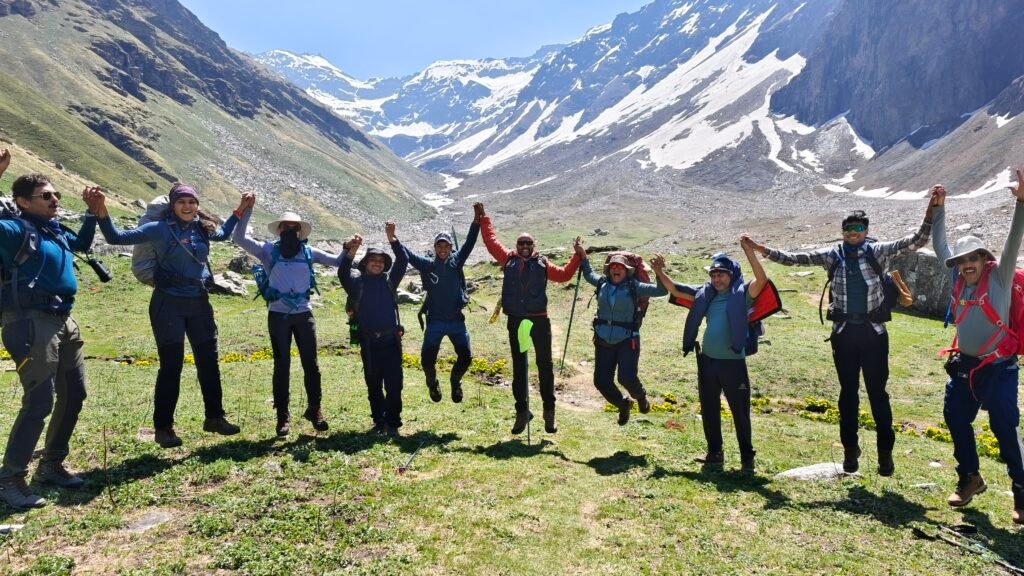
Yes — Buran Ghati for beginners is possible if you are physically fit and prepare well. You do not need previous Himalayan trekking experience, but you should be comfortable with long uphill and downhill walks.
Focus on stamina, leg strength and cardio fitness before the trek. The route reaches around 15,000 ft and includes steep climbs, uneven terrain and a long pass-crossing day, so good fitness is important.
You should also carry the right trekking gear for Buran Ghati, especially good-grip trekking shoes, warm layers, rain protection, trekking poles and other essentials for changing mountain weather.
If you rarely exercise or are only comfortable with short walks, Buran Ghati may feel too demanding as a first trek. In that case, starting with an easier trek and building your endurance first is a better option.
The important question is not “Have you done a trek before?” It is:
“Can you comfortably walk uphill and downhill for several hours and continue doing it for multiple days?”
If yes, and you prepare properly, Buran Ghati can be a good first Himalayan trek for you.
Fitness You Actually Need
The Buran Ghati trek fitness requirements are more about endurance and leg strength than looking physically strong.
You do not need a gym-body or advanced mountaineering fitness. You need a body that can keep moving for several hours, handle repeated climbs and descents and recover between trekking days.
Ideally, start your Buran Ghati trek training plan around 6–8 weeks before the trek if possible. If you already exercise regularly, you may need less time. If you are starting from a low fitness level, give yourself more time.
A Simple Weekly Training Plan
3–4 Days – Cardio
Choose brisk walking, jogging, cycling, stair climbing, treadmill walking or incline walking.
Start with 30–40 minutes and gradually increase to 45–60 minutes. The goal is to build stamina so you can keep walking without getting tired too quickly.
2–3 Days – Leg Strength
Focus on simple exercises such as:
- Squats
- Lunges
- Step-ups
- Calf raises
- Step-downs
- Glute bridges
These exercises help build the strength needed for both uphill climbing and downhill walking.
1 Day – Long Walk or Hike
Once a week, go for a longer walk or hike. Increase the duration gradually instead of suddenly trying to walk for several hours.
If you have access to hills, include uphill and downhill sections. If not, use stairs or an incline treadmill to make your training more trek-specific.
Practice in Your Trekking Shoes
Do not wear brand-new trekking shoes for the first time on the trek.
Use them during your training walks so your feet get used to them and you can identify any pressure points before the actual trek. This can also help reduce the chance of blisters.
Train for Downhill Walking
Do not focus only on climbing.
The Buran Ghati pass crossing also includes a long and demanding descent. Exercises such as step-downs, squats and lunges can help prepare your legs for this section.
Good balance and controlled movement are also important when walking over rocky and uneven terrain.
Do not ignore recovery
You do not need to train at maximum intensity every day. Rest is part of your training.
Increase your workload gradually and keep at least one proper recovery day each week. Avoid doing a very hard workout immediately before the trek.
If you have a known medical condition or have previously experienced serious problems at high altitude, speak with a qualified doctor before planning a high-altitude trek.
Does the Season You Choose Change the Difficulty?
Yes. The Buran Ghati trek difficulty changes with the season, mainly because of snow, temperature and trail conditions.
The main trekking windows are May to June and September to October. July and August fall during the monsoon and are generally not recommended because of rain, slippery trails and landslide risks.
Summer: Snow changes the challenge
May and June are the main snow season on the upper sections of Buran Ghati. The famous snow wall can be present near the pass, depending on the year’s snow conditions.
The snow can make the pass-crossing slower and more demanding. Steep snow or ice sections may require extra care and, depending on conditions, rope-assisted movement under the guidance of the trekking team.
Daytime temperatures at lower camps can generally be around 10°C to 18°C, while temperatures at higher camps can feel much colder. At night, temperatures can drop to around -5°C or lower at higher elevations.
Warm layers are essential, including thermals, a fleece or warm mid-layer, an insulated jacket, gloves and a warm cap.
September: Less snow, but still a serious trek
By September, most of the snow on the main trail has usually melted, including much of the snow-wall section. The descent from the pass is generally more rocky and bouldery.
Daytime temperatures can be around 12°C to 16°C, while higher camps can become cold at night, with temperatures around 0°C to -4°C depending on altitude and weather.
You still need proper warm layers because temperatures can drop quickly after sunset. Carry a warm jacket, thermals and gloves even if the daytime weather feels comfortable.
September is a good choice if you want less snow but still want green landscapes, early autumn colours and clearer mountain views.
October: Colder and more autumn-like
ctober is generally colder than September, especially at higher camps and during early mornings and nights. The trail is usually more rocky and bouldery rather than snow-covered, although early snowfall is possible later in the month.
Daytime temperatures can remain around 12°C to 16°C, but nights at higher camps can drop to around 0°C to -5°C or lower depending on weather conditions.
A warm insulated jacket, thermals, gloves, woollen cap and a wind/rain layer are important. Do not assume that sunny daytime conditions mean the trek will stay warm throughout the day.
July to August – Monsoon Conditions
July and August bring rain, slippery trails, poor visibility and possible landslide-related problems on the approach roads and trekking route.
Because of these conditions, we generally do not recommend Buran Ghati during the monsoon period.
Which Season Is Easier?
If you want to avoid most snow-related difficulty, September and October are generally easier than May and June.
If you specifically want the snow-wall experience, May and June are the more suitable months, but the snow can make the pass crossing more challenging.
Whichever season you choose, remember that Buran Ghati remains a high-altitude trek reaching around 15,000 ft. Good fitness, proper clothing and preparation are important throughout the season.
Book Your Buran Ghati Trek Package Today
Ready to experience Buran Ghati? Book your Buran Ghati Trek package today and let our team take care of the main trek arrangements, including transportation, accommodation, meals, camping and trek support.
Our Buran Ghati Trek package starts at ₹16,000 per person + 5% GST for the Shimla-to-Shimla package. Contact us to check the upcoming batch dates, availability and booking details.
FAQs
1. What is the Buran Ghati trek difficulty level?
Buran Ghati is generally rated moderate to difficult. The 15,000-ft pass, steep sections, long walking days and rocky terrain make it more demanding than an easy Himalayan trek.
2. Is Buran Ghati Trek hard for beginners?
It can be challenging for beginners. A fit beginner can do it with proper training, good stamina and experienced trek support. It is not recommended as an easy first trek.
3. What is the hardest day of Buran Ghati Trek?
The pass-crossing day is usually the hardest. You climb to around 15,000 ft and then descend on the other side. The day can take around 9–10 hours, depending on conditions and walking pace.
4. Is Buran Ghati harder than Kedarkantha?
Yes, generally. Buran Ghati has a higher pass, longer demanding sections, more varied terrain and a challenging descent. Kedarkantha is usually considered more beginner-friendly.
5. How high is Buran Ghati Pass?
Buran Ghati Pass is around 15,000 ft (4,572 m) above sea level. The high altitude is one of the main reasons proper fitness and acclimatization are important.
6. Is there a snow wall on Buran Ghati?
A snow wall can be present in May and June, depending on snow conditions. By September and October, most of the snow usually melts and the descent becomes more rocky and bouldery.
7. Do I need previous trekking experience for Buran Ghati?
No, previous trekking experience is not compulsory. However, you should be physically fit and comfortable with several hours of uphill and downhill walking.
8. How many weeks should I train for Buran Ghati?
Ideally, start training 6–8 weeks before the trek. Focus on brisk walking, stairs, uphill walking, cardio and leg-strength exercises such as squats and lunges.
9. Does Buran Ghati require technical climbing?
No, the standard trek does not require technical mountaineering skills. However, the summer snow-wall section can require rope-assisted movement under experienced supervision.
10. Is the descent harder than the climb?
The descent can feel equally challenging or harder because of steep sections, rocks and boulders. Good leg strength, balance and careful foot placement are important.
11. Can poor fitness make Buran Ghati difficult?
Yes. Poor fitness can lead to early exhaustion, especially on long trekking days. Good preparation helps you manage the climbs, descents and high-altitude walking more comfortably.
12. Is Buran Ghati difficult in September?
Yes, but the difficulty is different from summer. Most snow usually melts by September, so the pass descent is mainly rocky and bouldery. The 15,000-ft altitude and steep sections still make it challenging.
13. Is Buran Ghati difficult in October?
Yes. October is generally colder, and the trail is mostly rocky rather than snowy. Proper warm layers, good fitness and preparation are important.
14. What should I do if I develop altitude symptoms?
Tell your trek leader immediately. Persistent headache, dizziness, vomiting, severe weakness, confusion or breathing difficulty should not be ignored. Depending on the severity, medical attention and descent may be required.
15. Who should avoid the Buran Ghati Trek?
Anyone who is not comfortable with several hours of uphill and downhill walking should first improve their fitness. If you have a significant medical concern, take medical advice before planning this high-altitude trek.
16. What is the best time for the Buran Ghati Trek?
The main trekking seasons are May to June and September to October. Choose May–June for a better chance of snow and the snow-wall experience, or September–October for less snow and clearer autumn landscapes.
17. What is the Buran Ghati Trek package price?
Our Buran Ghati Trek package starts at ₹16,000 per person + 5% GST for the Shimla-to-Shimla package. The final price can vary by batch and selected add-ons.
18. How can I book the Buran Ghati Trek?
You can book your Buran Ghati Trek package with Roopkund Heaven by contacting our team. We can help you check the upcoming batch dates, availability, package details and booking process.