What Makes the Roopkund Trek One of Uttarakhand’s Most Famous Treks?
The Roopkund Trek is not just another Himalayan trek. It’s famous because it combines mystery, beautiful alpine meadows, dense forests, and the legendary Skeleton Lake—all in one unforgettable journey.
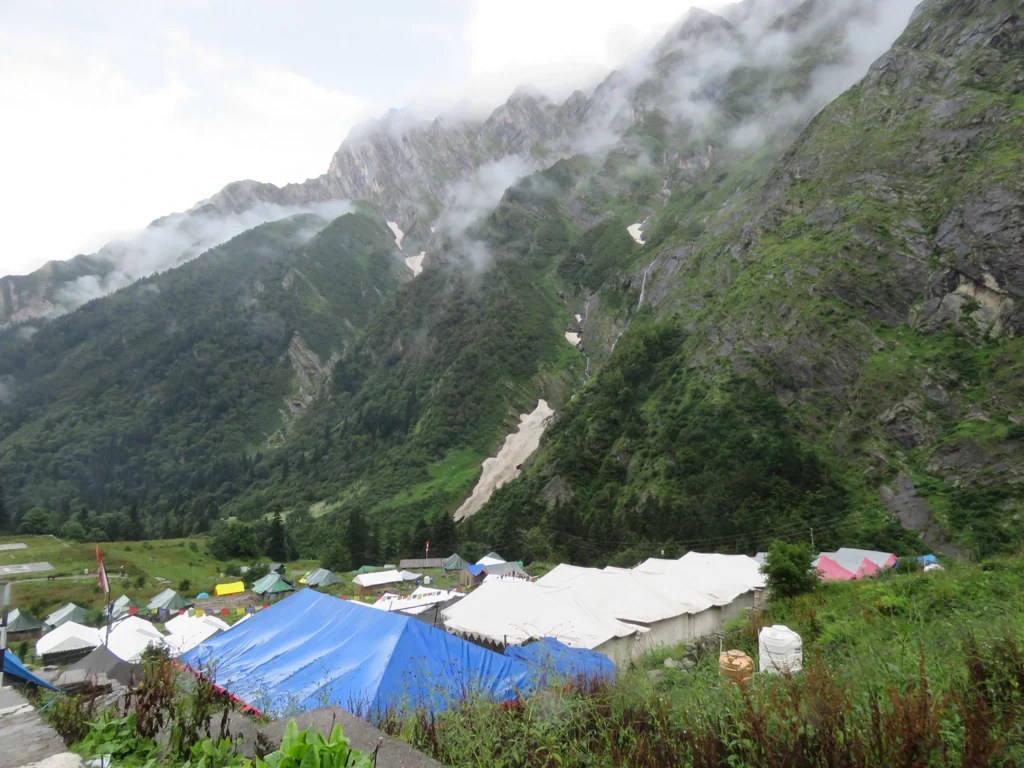
The trek takes you deep into the Garhwal Himalayas of Uttarakhand. Every day, the scenery changes. You begin by walking through thick oak and rhododendron forests before reaching the vast grasslands of Ali Bugyal and Bedni Bugyal. These are some of the biggest grassy meadows in all of Asia.
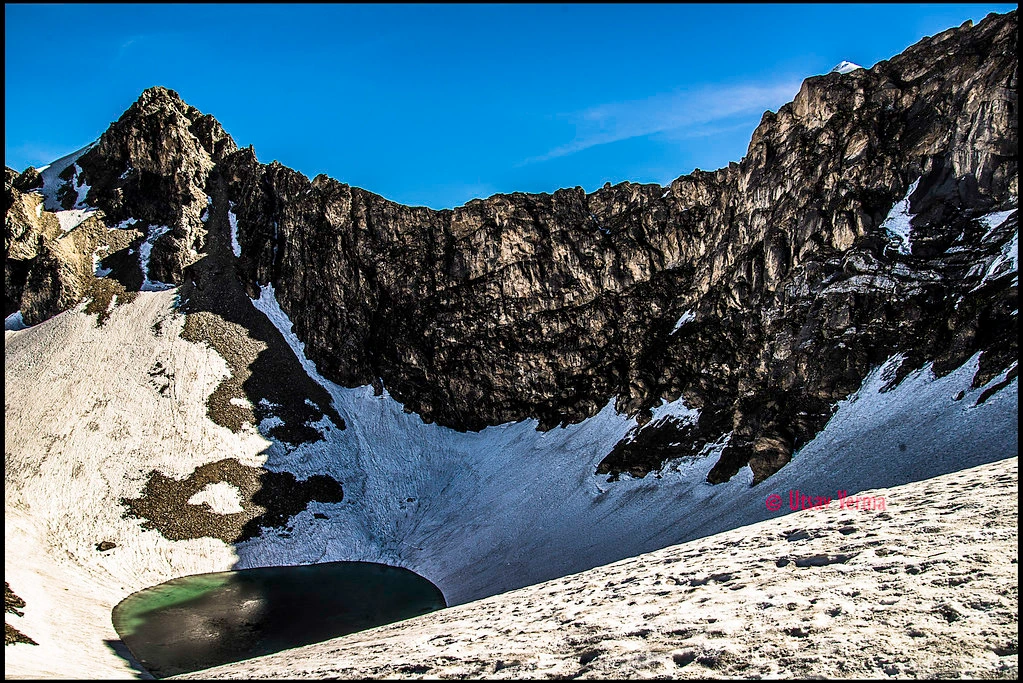
The trek became world-famous because of the skeletons found near Roopkund Lake. Scientists say these bones are hundreds of years old, which is why people call it “Skeleton Lake.” But most trekkers don’t come just for the bones — they come for the raw, real Himalayan experience.
On a clear day, you can also see big mountains like Trishul, Nanda Ghunti, Chaukhamba, and Neelkanth standing tall in front of you. This is not a short weekend trek. It feels like a real expedition , with long trekking days, high-altitude camps, and constantly changing weather.
But here’s something beginners often get wrong — they think it will be easy. It is not. The trail climbs above 4,500 metres, includes steep ascents and rocky sections, and mountain weather can change quickly. That is why picking the right month, and preparing your body properly in advance are two of the most important parts of planning a safe and enjoyable adventure.
Where Is Roopkund Lake Located?
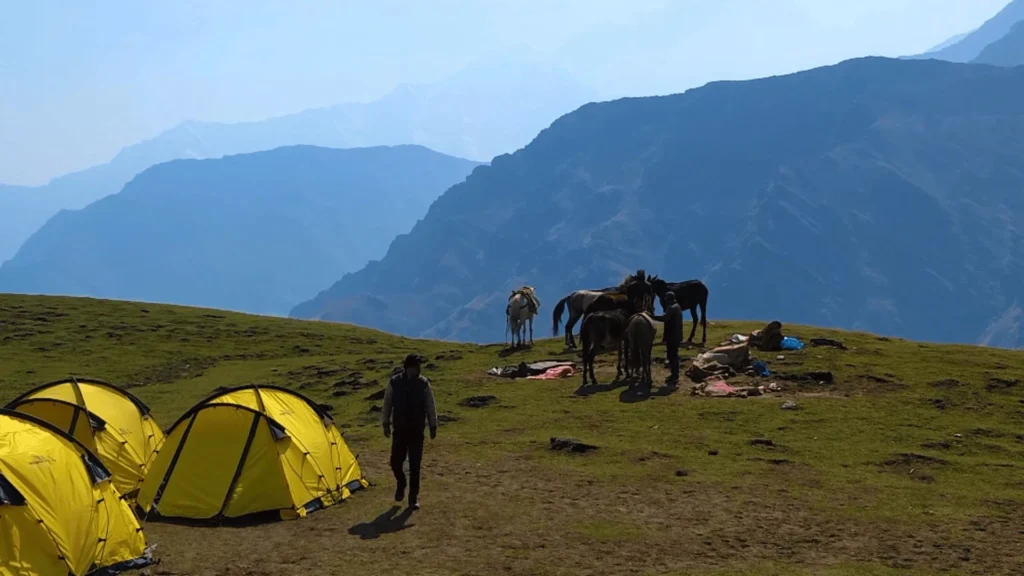
Roopkund Lake is located in the Chamoli district of Uttarakhand, high in the Garhwal Himalayas, near Trishul Peak, at an altitude of around 4,800 metres (15,750 ft). The lake lies within the Nanda Devi Biosphere Reserve, one of India’s most beautiful high-altitude regions.
Roopkund Trek starts from a small village called Lohajung (about 2,300 metres), which is the last point accessible by road. From here, the journey continues on foot through forests, alpine meadows, and high mountain trails.
The route passes through:
- Didna Village
- Ali Bugyal
- Bedni Bugyal
- Bhagwabasa
- Roopkund Lake
Depending on the approved trekking route, the total trekking distance is around 50 km.
Here’s something many beginners don’t realise — after Bedni Bugyal, the air gets thin very quickly. There is less oxygen, especially near Bhagwabasa and Roopkund. This is exactly where many trekkers start feeling tired, short of breath, or slightly sick from the altitude.
Because this region receives heavy snowfall in winter and frequent rain during the monsoon, trail conditions can become unsafe. That is exactly why choosing the right season is not just about comfort — it is about genuine safety.
Roopkund Trek Best Time: Which Season Should You Choose?
The best time to do the Roopkund Trek is during two seasons:
- Summer: May to June
- Autumn: September to October
Each season offers a completely different experience.
May and June are ideal if you want to enjoy lush green meadows, patches of snow near the higher sections, pleasant daytime temperatures, and flowing mountain streams. The weather is comfortable for trekking, and you’ll still get a taste of the Himalayan snow without facing harsh winter conditions.
September and October, after the monsoon, offer crystal-clear mountain views, fresh green landscapes, and excellent visibility. Since most of the seasonal snow around Roopkund Lake has melted by this time, the famous ancient skeletons are usually easier to see, making autumn the best season if visiting the legendary Skeleton Lake is one of your main reasons for doing the trek.
So, which season should you choose?
- Choose May or June if you want to see snow, green bugyals, and pleasant trekking weather.
- Choose September or October if you want the clearest mountain views, stable weather, and the best chance to see the Skeleton Lake clearly.
July and August are generally avoided because heavy rainfall makes trails slippery and increases the risk of landslides. Winter (November to April) is also not suitable, as heavy snowfall covers the trail and Roopkund Lake, hiding the skeletons beneath the snow.
For most trekkers—especially beginners—late May, June, and September offer the safest and most enjoyable Roopkund Trek experience, while September and October are the best months to see the famous skeletons at Roopkund Lake.
Month-by-Month Guide to the Roopkund Trek
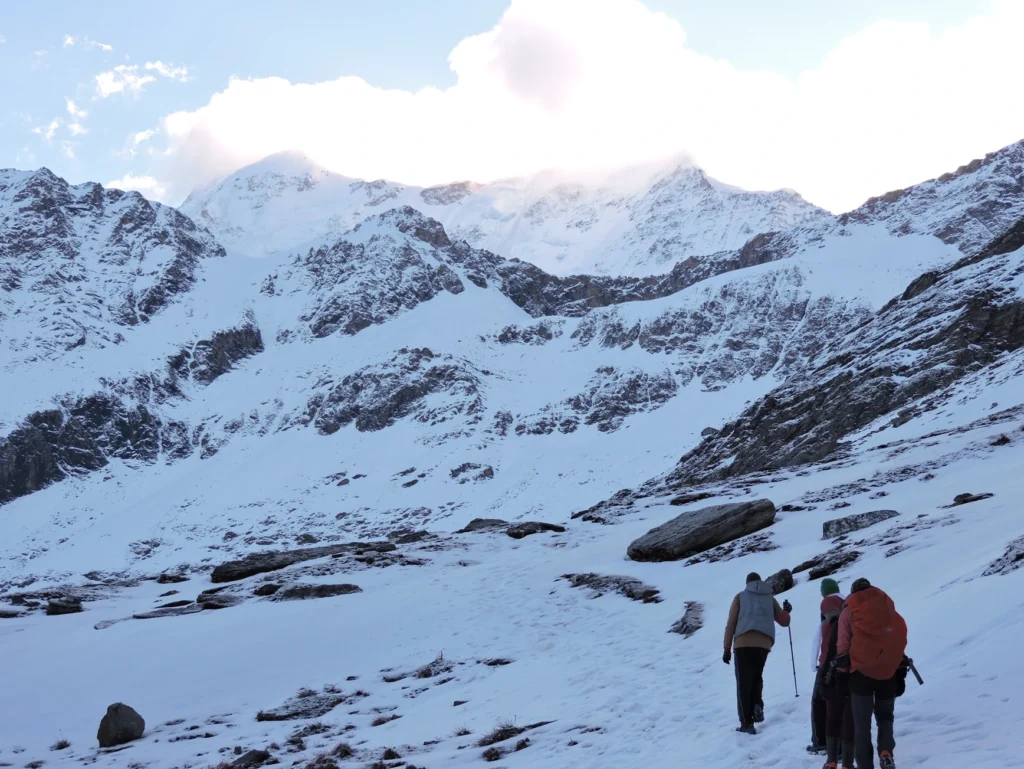
Instead of just picking a season, it helps to know exactly what each month looks like on the ground. Here’s a simple, honest breakdown of every trekking month, from April all the way to October.
April – Not Recommended (Heavy Snow, Avalanche Risk)
April is genuinely not a good time for this trek. Heavy snow still covers most of the trail, and campsites near Bedni Bugyal and Ali Bugyal remain frozen and hard to use properly. River crossings can also become dangerous, since melting ice makes the water flow unpredictable.
The biggest concern in April is avalanche risk on the higher sections of the trail. Only very experienced snow trekkers, travelling with proper gear and expert guides, should even consider attempting Roopkund this early. For regular trekkers and beginners, April should be avoided entirely.
May – Start of Season
May marks the real start of the trekking season. Lower camps begin clearing up nicely, but higher meadows still hold a good amount of snow, which makes the final push toward the lake more challenging than in June.
Daytime temperatures usually sit between 8°C and 15°C, while nights can drop to 0°C or even -5°C at higher camps. May genuinely works best for adventure lovers and snow lovers — people who specifically want that classic, snow-covered Himalayan trekking feel. Fit beginners can attempt this month too, but only with an experienced guide who understands changing snow conditions.
June – Best for Most Beginners
June is considered one of the best months for the Roopkund Trek. The trails become easier to walk, the weather is pleasant, and only patches of snow remain near the higher sections.
- Day temperature: 12°C to 18°C
- Night temperature: 3°C to 7°C
Rhododendron forests bloom beautifully during this time, making the trek even more scenic. June offers a great balance of comfortable weather, beautiful landscapes, and relatively easy trail conditions.
July–August – Monsoon (Avoid)
July and August bring heavy monsoon rain to the region. Trails become muddy and slippery, streams swell, and landslide risks increase. Leeches are also common in the forest sections.
For safety reasons, we do not operate Roopkund Trek batches during the monsoon season.
September – Best Overall (Clear Skies, Fewer Crowds)
September is when the Himalayas truly come alive after the monsoon. The skies turn clear, the air becomes fresh, and the mountain views are at their best. If your goal is to enjoy breathtaking Himalayan scenery and see Skeleton Lake, September is one of the best months to do the Roopkund Trek.
The meadows of Ali Bugyal and Bedni Bugyal change from bright green to golden shades, creating a beautiful contrast against snow-capped peaks like Trishul and Nanda Ghunti. By this time, most of the seasonal snow around Roopkund Lake has melted, making the ancient skeletons much easier to see. Day temperatures range between 10°C and 18°C, while nights stay around 0°C to 5°C. With fewer crowds and pleasant weather, September offers one of the best overall trekking experiences.
October – For Experienced Trekkers Only
October brings the clearest, most stable weather of the entire season, but also the coldest nights. Temperatures at Bhagwabasa can drop as low as -10°C, and the air feels thinner and drier, which can make breathing feel harder for some trekkers.
Snow near Roopkund itself is usually minimal by this point, making the climb technically a bit easier, even though it’s physically colder overall. Storms are rare in October, which actually makes this one of the most statistically reliable months for successfully reaching Roopkund. That said, given the extreme cold and shorter daylight hours, this month suits experienced trekkers more than complete beginners.
Why You Should Avoid the Roopkund Trek During Monsoon
July and August are not recommended for the Roopkund Trek. During these months, Chamoli receives heavy rainfall, making both the journey and the trek challenging.
The road to Lohajung often faces landslides and temporary closures, which can delay your trip before the trek even begins. On the trail, continuous rain turns the paths muddy and slippery, increasing the risk of slips and injuries.
The forests also become home to leeches, while thick clouds often hide the beautiful Himalayan views that make this trek so special. Higher sections of the trail become less stable during heavy rain, and lightning is an added risk in open alpine areas.
Because of these safety concerns, we do not operate Roopkund Trek batches during the monsoon season. We recommend planning your trek in September-October or May–June, when the weather is safer, the trails are more stable, and the overall trekking experience is much better.
Best Time for Photography, Camping, and Himalayan Views
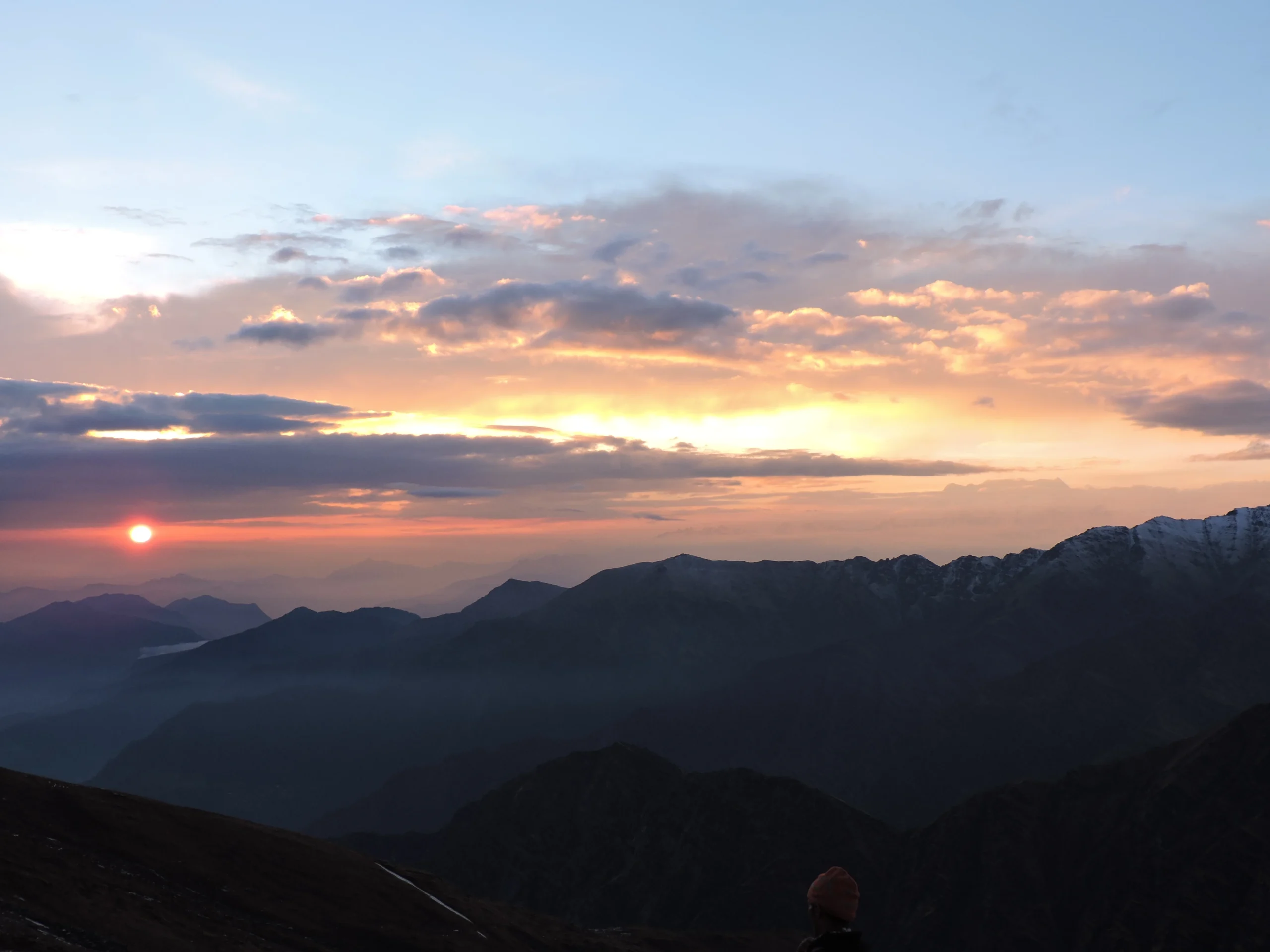
If photography is your main goal, September and October are the best months for the Roopkund Trek. The monsoon leaves the air clean, giving you crystal-clear views of Mount Trishul, Nanda Ghunti, and other Himalayan peaks. The golden meadows, blue skies, and beautiful sunrise and sunset light create perfect conditions for landscape photography.
For camping specifically, June offers the best overall experience. The weather stays warm enough to actually sit outside your tent in the evening and enjoy a clear view of the Milky Way. Camping at Ali Bugyal under a summer night sky is often the single highlight trekkers remember most from their entire Roopkund trip. The meadows feel soft underfoot, and horses grazing nearby add a genuinely peaceful, pastoral charm to your photos — something the harsher, colder autumn months simply don’t offer in the same way.
How to Reach Lohajung: The Base Camp of Roopkund Trek
Lohajung is the starting point of the Roopkund Trek, so planning your journey here is just as important as preparing for the trek itself.
- From Rishikesh/Dehradun: The drive takes around 10–12 hours, passing through Devprayag, Rudraprayag, Karnaprayag, and Gwaldam. It’s best to start early in the morning.
- From Kathgodam: The journey takes about 9–10 hours via Almora and Kausani, making it another popular route for trekkers.
Our tip: Before booking your Roopkund Trek, always check whether transport from Rishikesh is included in your package. If it’s not, you can usually add it as an optional service for around ₹1,800–₹2,000 per person.
If you book your transport with Roopkund Heaven, we arrange your pickup from Rishikesh on the trek departure day. A day before your trek, we’ll share your pickup time, location, vehicle details, and driver’s contact number, making your journey to Lohajung smooth and hassle-free.
Roopkund Trek Route Explained: Lohajung to Roopkund Lake
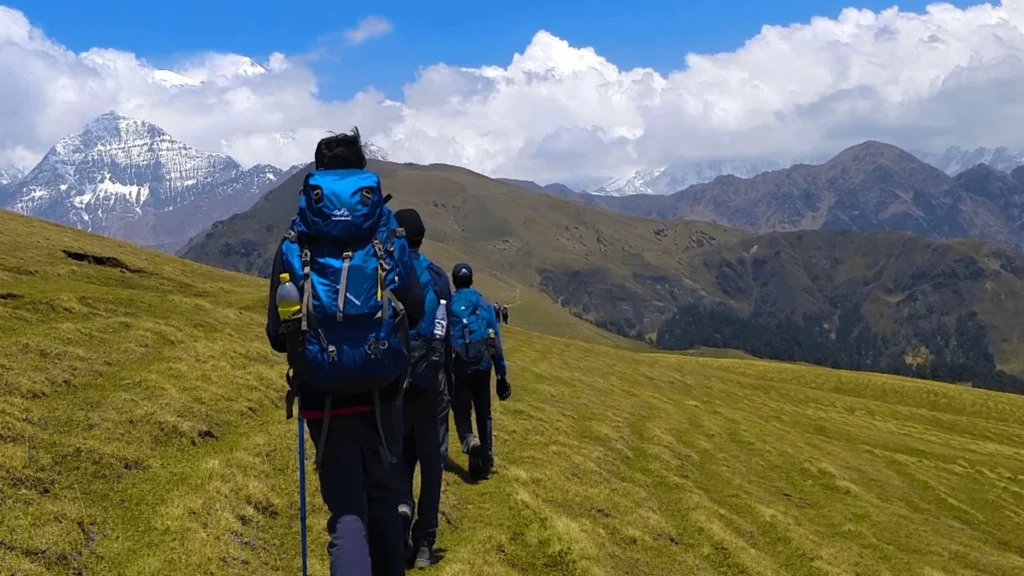
The Roopkund trek route is a genuine journey through changing Himalayan terrain, typically spanning 6 to 8 days depending on your pace and how much time you build in for acclimatisation.
Day 1: Rishikesh to Lohajung
Drive from Rishikesh to Lohajung (2,350 m), the starting point of the trek.
Day 2: Lohajung to Didna Village
The trek begins with a descent to the Neel Ganga River, followed by a climb through oak and rhododendron forests to the peaceful village of Didna.
Day 3: Didna Village to Ali Bedni Bugyal
Climb through forests before reaching the vast alpine meadows of Ali and Bedni Bugyal, famous for their panoramic Himalayan views.
Day 4: Ali Bedni Bugyal to Patar Nachauni
A gradual walk across open meadows leads to Patar Nachauni, with spectacular views of Mount Trishul and Nanda Ghunti throughout the day.
Day 5: Patar Nachauni to Bhagwabasa
The trail climbs past Kalu Vinayak Temple before reaching Bhagwabasa, the highest campsite and the base for the summit day.
Day 6: Bhagwabasa to Roopkund Lake and Back to Patar Nachauni
Start before sunrise for the climb to Roopkund Lake (4,800 m). After spending time at the famous Skeleton Lake, descend the same day to Patar Nachauni for the night.
Day 7: Patar Nachauni to Lohajung via Wan Village
Descend through beautiful forests and the traditional village of Wan before returning to Lohajung.
Day 8: Lohajung to Rishikesh
Drive back to Rishikesh, bringing your Roopkund adventure to an end.
This itinerary follows the current trekking regulations, allowing trekkers to visit Roopkund Lake while protecting the fragile Himalayan environment.
Physical Fitness and Preparation for the Roopkund Trek
The Roopkund Trek is a moderate to difficult trek, so good preparation is important. We recommend starting your fitness routine 6–8 weeks before your trek.
Build your stamina: Try to run or jog 5 km in 30–40 minutes without feeling exhausted. This will help you handle long trekking days and the thin air at high altitude.
Strengthen your legs: Include exercises like squats, lunges, step-ups, and stair climbing in your routine. Strong legs make steep climbs and long descents much easier.
Improve your breathing: Practice deep breathing exercises or Pranayama for 10–15 minutes daily. While it cannot prevent altitude sickness, it can improve your lung capacity and help you stay calm while trekking.
Prepare mentally: Some days involve walking 6–8 hours on steep trails in cold weather. Stay patient, walk at a steady pace, drink plenty of water, and avoid rushing. A positive mindset is just as important as physical fitness on high-altitude treks.
Our advice is simple: The fitter you are before the trek, the more you’ll enjoy the journey instead of just trying to finish it.
Quick Tips for Success (Permits, Difficulty, and Training)
- Permits: You need forest department permits to trek here. because the trail passes through protected Himalayan areas. When you book a Roopkund Trek package with us, you don’t have to worry about the permit process — we manage and arrange all the required permits for our trekkers before the trek begins. Keep 3–4 photocopies of your government ID proof and a few passport-size photographs with you during the journey. These documents may be required at checkpoints or during official verification.
- Difficulty: This trek is rated Moderate-Difficult. It genuinely isn’t suitable for someone who has never hiked before in their life. If you’re brand new to trekking, try a smaller trek like Nag Tibba first to build confidence and basic fitness.
- Training: Carry a 5 kg backpack during your practice walks in the weeks before your trek. This simulates real trek conditions far better than walking empty-handed.
- Hydration: Drink around 4 litres of water a day during the trek. Dehydration is genuinely one of the fastest ways to trigger altitude sickness symptoms.
Essential Packing List
Footwear: High-ankle trekking boots with deep grip (lugs) are essential. Avoid regular sports shoes completely — they simply don’t offer the ankle support or traction this terrain demands.
Clothing: The layering system matters more than any single expensive jacket. You need a moisture-wicking base layer, a fleece mid-layer, and a heavy down jacket rated for at least -10°C for the colder camps.
Headgear: A woollen cap that properly covers your ears for cold camps, plus a sun hat for the exposed, sunny meadow stretches lower down.
Accessories: UV-protected sunglasses are genuinely essential, not optional — they prevent snow blindness on the bright, snow-covered upper sections. Good-quality trekking poles also make a real difference in protecting your knees, especially during the long descent.
Safety and Altitude Challenges: Managing AMS
At Roopkund Lake’s altitude, oxygen levels are nearly 40% lower than at sea level. Acute Mountain Sickness (AMS) is a genuinely real risk here, not just a precautionary warning. Understanding the symptoms and taking quick action can prevent a small problem from becoming a serious situation.
Symptoms to watch for: A persistent headache, nausea, loss of appetite, unusual tiredness, and dizziness are some of the earliest warning signs of AMS. Do not ignore these symptoms or assume they are just normal trekking fatigue — they are your body’s way of indicating that it is struggling to adjust to the altitude.
What to do if symptoms appear: If these symptoms continue at Patar Nachuni, immediately inform your trek leader and do not continue further towards Bhagwabasa without proper assessment. The safest and most effective treatment for AMS is descending to a lower altitude. Continuing to climb despite worsening symptoms can turn a manageable condition into a serious medical emergency.
How to prevent it in the first place: Follow the “climb high, sleep low” principle whenever your itinerary allows. A well-planned Roopkund Trek itinerary includes gradual altitude gain, proper acclimatisation, and sufficient rest days to help your body adjust safely.
Stay properly hydrated, avoid overexertion during the initial days, and always communicate openly with your trek leader about how you feel. Never hide symptoms or try to push through discomfort at high altitude.
Why We Prefer Booking Roopkund Trek Package with Roopkund Heaven
Planning a trek this demanding entirely on your own — permits, transport, experienced guides, altitude safety — genuinely adds a lot of stress on top of an already physically tough journey. That’s exactly why so many trekkers choose to book through Roopkund Heaven instead of arranging everything independently.
We provide well-planned itineraries, experienced trek leaders, required permits for our trekkers, camping arrangements, meals, transportation, and high-altitude safety support, including oxygen support when required.
With regular trek batches during the season, you get the flexibility to choose dates that suit your schedule. Book your Roopkund Trek with Roopkund Heaven for a safe and memorable trekking experience.
Frequently Asked Questions
- 1. Are the skeletons still visible at Roopkund Lake?
Yes. The skeletons are more visible during autumn after the snow melts, especially around the edges of the lake. - 2. Is the Roopkund Trek safe for solo trekkers?
No. Due to the high altitude and unpredictable weather, it is recommended to trek with an experienced guide or an organized group. - 3. What is the minimum age for the Roopkund Trek?
Most operators accept trekkers aged 12 years and above, provided they are physically fit. - 4. Are toilets available during the trek?
Yes. Dry pit toilets are available at the main campsites. - 5. Is there mobile network coverage?
Mobile connectivity is generally available only up to Lohajung. Beyond that, there is little to no network. - 6. Can I do the trek in sports shoes or sneakers?
No. High-ankle trekking boots with good grip are essential for safety and comfort. - 7. What is the total trekking distance?
The complete Roopkund Trek covers approximately 53 km (round trip), depending on the route. - 8. Is non-vegetarian food served during the trek?
No. Most trek operators, including Roopkund Heaven, provide nutritious vegetarian meals that are easier to digest at high altitude. - 9. Can I hire a mule?
Yes. Mules are available for carrying backpacks, but they cannot be used for riding on steep sections. - 10. How cold does it get?
Temperatures typically range between 5°C and -10°C, depending on the season and campsite. - 11. Do I need a medical fitness certificate?
Yes. A basic fitness certificate from a registered doctor is generally mandatory before joining the trek. - 12. Is electricity available on the trek?
No. There is no electricity at the higher camps, so carrying a fully charged power bank is recommended. - 13. Is the Roopkund Trek open this year?
The trek is subject to forest department regulations. Always check the latest updates before planning your trip. - 14. What is Junargali?
Junargali is a ridge located about 700 feet above Roopkund Lake, offering spectacular panoramic Himalayan views. - 15. Are there leeches on the trail?
Leeches may be found during the monsoon season, which is why July and August are generally avoided. - 16. How long is the summit day?
The summit day usually involves 7–9 hours of continuous trekking. - 17. Can I see Mount Trishul clearly?
Yes. Mount Trishul offers magnificent views from several points, especially around Bhagwabasa. - 18. Is the water safe to drink?
Natural spring water is generally clean, but using water purification tablets or a filter is recommended. - 19. What happens if it rains during the trek?
Wear a waterproof poncho or rain jacket and continue trekking carefully. If there is lightning or severe weather, follow your trek leader’s instructions immediately. - 20. Why is Roopkund called the Skeleton Lake?
Roopkund is known as the Skeleton Lake because more than 500 human skeletons were discovered in and around the lake, believed to date back several centuries.