After years of waiting, the Roopkund Trek is finally open again. The Supreme Court’s order dated 20 July 2026 has brought major changes to the restrictions introduced in 2018.
Here’s everything you need to know about the latest rules and how to book your Roopkund Trek Package.
Breaking News: Roopkund Trek Officially Reopens After 8 Years
The Roopkund Trek has been closed for organised camping-based batches since 2018. Following the Supreme Court order and the 27 July 2026 forest department circular, the restrictions that made the trek difficult to operate have now been removed.
The biggest challenge was the ban on overnight camping at Bedni Bugyal, the most important acclimatisation stop before climbing to Patar Nachauni, Bhagwabasa, and Roopkund Lake. Without camping at Bedni Bugyal, completing the trek safely became extremely challenging, as trekkers could not acclimatise properly before gaining higher altitude.
With the latest update, the Roopkund Trek is officially open again. However, trekkers must still obtain the required permits, book through registered operators, and follow all forest department guidelines.
Why Was the Roopkund Trek Closed? The 2018 High Court Order Explained
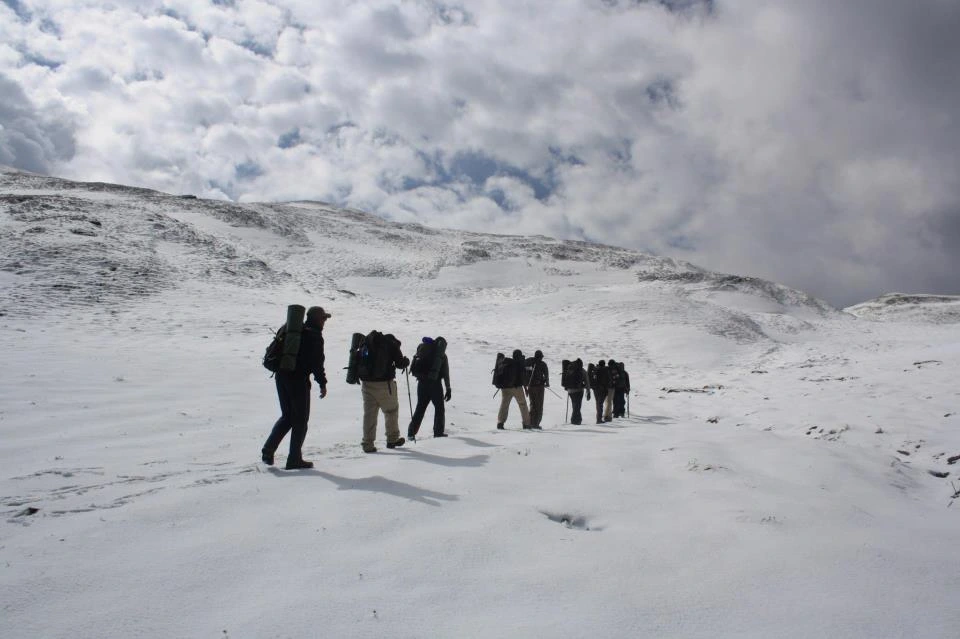
The Roopkund Trek was closed after the Nainital High Court’s 2018 order, In August 2018, the Nainital High Court passed an order in response to a Public Interest Litigation (PIL) seeking to protect Uttarakhand’s fragile high-altitude bugyals (alpine meadows), including Ali Bugyal, Bedni Bugyal, and Bajji Bugyal, which are part of the Roopkund trekking route.
The court issued several directions (A to L) to reduce environmental damage caused by increasing tourism. However, three directions had the biggest impact on the Roopkund Trek:
- A limit of 200 trekkers allowed in the bugyals at one time
- A ban on overnight camping inside the bugyals
- A proposal to declare the bugyals as national parks or protected sanctuaries
These measures were introduced to protect the fragile Himalayan ecosystem from littering, damage to meadow vegetation, and the effects of unregulated tourism.
However, the overnight camping ban made the Roopkund Trek extremely difficult to operate. Bedni Bugyal is the main acclimatisation stop before climbing towards Patar Nachauni, Bhagwabasa, and Roopkund Lake. Without an overnight stay at Bedni Bugyal, completing the trek safely became challenging because trekkers could not acclimatise properly, increasing the risk of Acute Mountain Sickness (AMS) on a trek that reaches nearly 16,000 feet.
The Uttarakhand Government later challenged the High Court order by filing a Special Leave Petition (SLP) in the Supreme Court. That appeal resulted in the landmark 20 July 2026 Supreme Court judgment, which removed the key restrictions and paved the way for the Roopkund Trek to reopen.
The Latest: What the Supreme Court Said on July 20, 2026
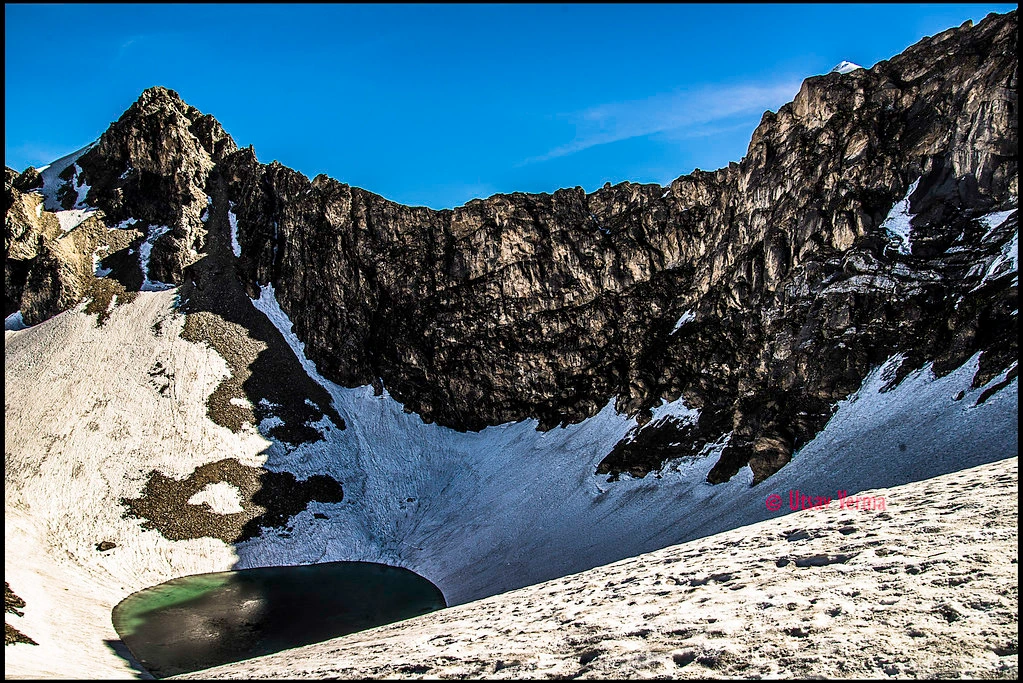
On 20 July 2026, the Supreme Court delivered its judgment on the Uttarakhand Government’s appeal against the 2018 High Court order on the conservation of the state’s high-altitude bugyals. The court reviewed the three key restrictions that had affected trekking activities, including the Roopkund Trek, and set them aside, removing the main legal barriers that had impacted the trek for the past eight years.
Direction C: 200-Trekker Limit Removed
The earlier order limited the number of trekkers allowed in the bugyals to 200 at a time. Since this limit applied across the shared bugyal ecosystem used by multiple trekking routes, it often filled up during peak season, making it difficult for operators to plan regular trek batches.
With this direction now set aside, the fixed 200-trekker limit is no longer applicable. This gives operators more flexibility to organise batches. However, this does not mean unlimited or unregulated tourism. Trekkers must still obtain forest permits, follow environmental guidelines, and operators are expected to maintain safe group sizes.
Direction E: Overnight Camping Ban Removed
This is the biggest change for the Roopkund Trek. The ban on overnight camping inside the bugyals, including Bedni Bugyal, has been removed.
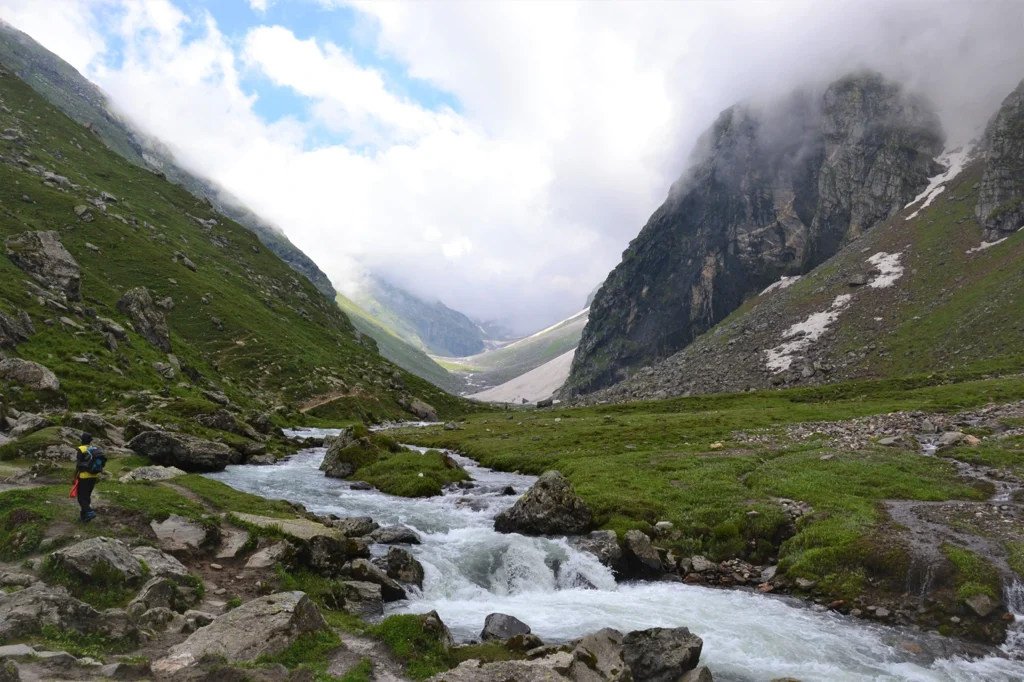
Since Bedni Bugyal is the main acclimatisation stop before reaching Patar Nachauni, Bhagwabasa, and Roopkund Lake, operators can once again run the original Roopkund itinerary with proper camping, better acclimatisation, and a safer climb.
Direction L: National Park Proposal Set Aside
Direction L proposed declaring the bugyals as national parks or protected sanctuaries. If implemented, it could have introduced stricter regulations, additional permissions, and more restrictions on trekking activities.
By setting this direction aside, the Supreme Court removed that additional uncertainty. However, this does not mean environmental protection has been removed. Forest conservation rules, permits, and existing regulations, including those related to the Nanda Devi Biosphere Reserve, will continue to apply.
Overall, the Roopkund Trek will continue under the existing forest guidelines without the additional restrictions that could have come with a new protected area classification.
What the Supreme Court Order Means for Trekkers
The Supreme Court’s decision brings major relief for trekkers planning the Roopkund Trek in 2026.
- The Roopkund Trek is officially open again with the original itinerary.
- Overnight camping at Bedni Bugyal is allowed again, making proper acclimatisation and safer trekking possible.
- The 200-trekker limit has been removed, giving operators more flexibility to organise batches.
- Forest permits and environmental guidelines still apply, so trekkers must book through registered operators and follow all forest department rules.
- The original route through Lohajung – Didna – Ali Bugyal – Bedni Bugyal – Patar Nachauni – Bhagwabasa – Roopkund Lake can now be operated again.
If you were holding off on booking because of years of “is it open, is it not” confusion, this Supreme Court’s order finally gives you a clear answer: yes, Roopkund trek is officially open again.
Roopkund Heaven Opens Bookings for Roopkund Trek
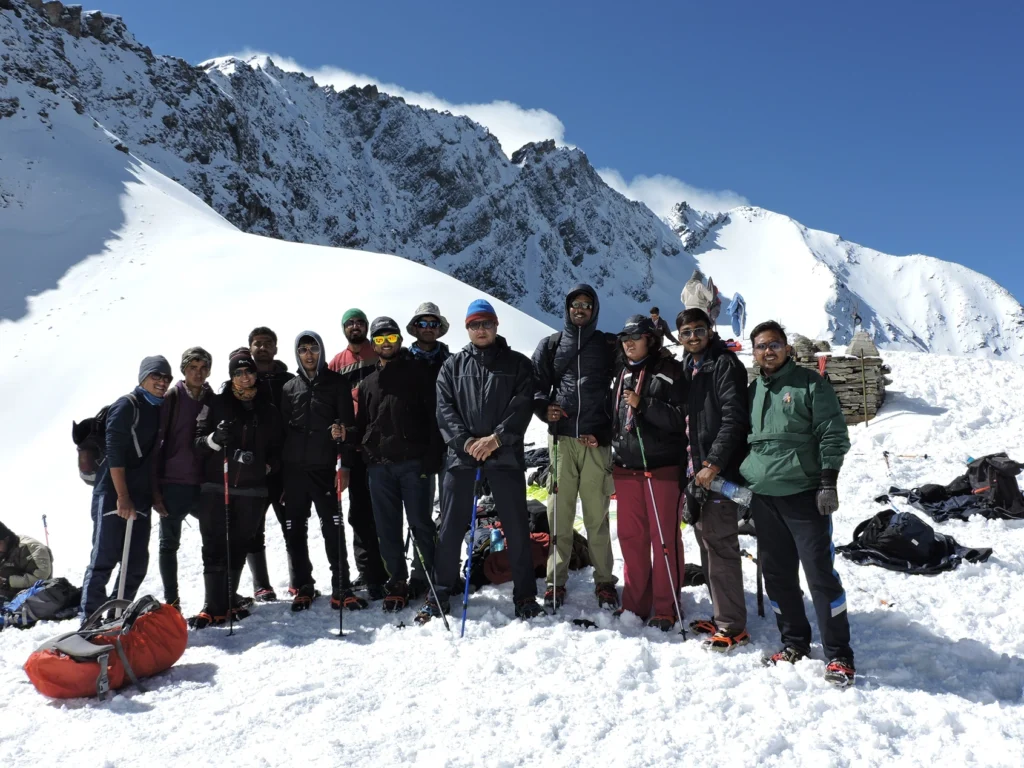
Bookings for the Roopkund Trek – September & October 2026 batches are now open at Roopkund Heaven!
After years of waiting, this is your chance to experience one of India’s most iconic Himalayan treks. September and October are the best months to enjoy crystal-clear mountain views and witness the mysterious skeletons of Roopkund Lake, the reason this trek is famous around the world.
Following the Supreme Court order and the latest forest department update, Roopkund Heaven has officially started accepting bookings for the September and October 2026 batches.
Don’t miss the opportunity to be among the first trekkers to return after the reopening. Book your Roopkund Trek today
Roopkund Trek 2026 FAQs
1. Is the Roopkund Trek open now?
Yes. Following the Supreme Court’s order dated 20 July 2026, the Roopkund Trek is officially open again. Trekking is now allowed through registered operators under the latest forest department guidelines.
2. Why was the Roopkund Trek closed?
The trek was affected by the 2018 Nainital High Court order, which banned overnight camping in high-altitude bugyals such as Bedni Bugyal and introduced a 200-trekker limit. These restrictions made the original Roopkund itinerary difficult to operate.
3. What did the Supreme Court decide on 20 July 2026?
The Supreme Court set aside three key directions from the 2018 order: the 200-trekker limit, the overnight camping ban, and the national park proposal, allowing the Roopkund Trek to operate again under existing forest regulations.
4. Is overnight camping at Bedni Bugyal allowed again?
Yes. Overnight camping at Bedni Bugyal is permitted again under the latest order, allowing operators to follow the original Roopkund Trek itinerary with proper acclimatisation.
5. Do I still need permits for the Roopkund Trek?
Yes. Trekkers must obtain the required forest permits, book through a registered trekking operator, and follow all forest department and environmental guidelines.
6. What is the best time to do the Roopkund Trek?
The best seasons are May–June and September–October. September and October are especially popular for clear mountain views and the best chance to see the mysterious skeletons at Roopkund Lake.
7. How difficult is the Roopkund Trek?
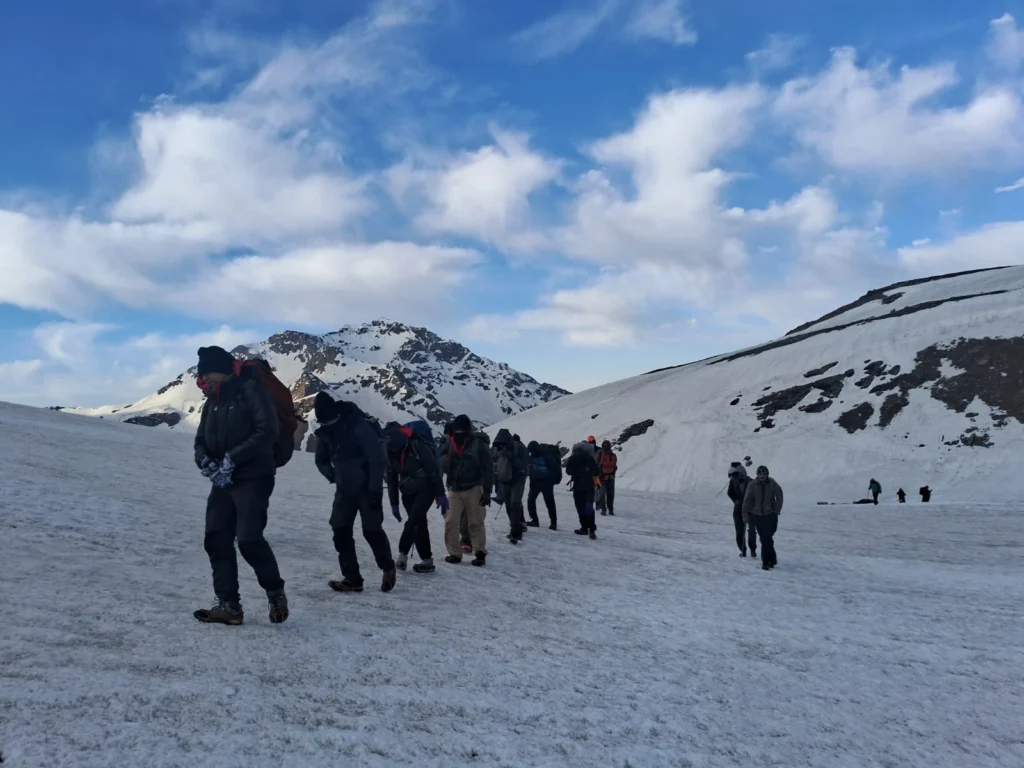
The Roopkund Trek is considered moderate to difficult. It reaches nearly 16,000 feet, so good fitness, proper acclimatisation, and suitable trekking gear are essential.
8. What is the Roopkund Trek route?
The standard route is Lohajung → Didna → Ali Bugyal → Bedni Bugyal → Patar Nachauni → Bhagwabasa → Roopkund Lake, following the original trekking itinerary.
9. Why is Roopkund Lake called Skeleton Lake?
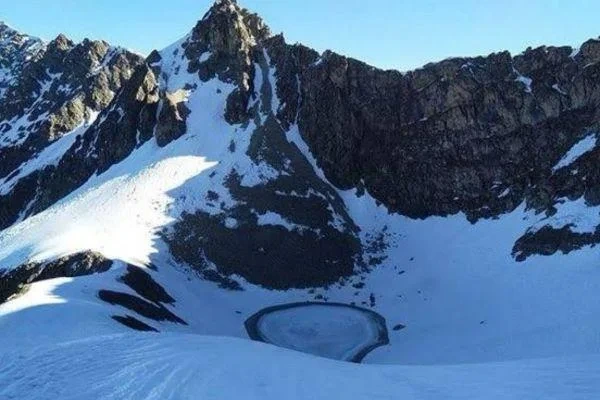
Roopkund Lake is famous for the hundreds of ancient human skeletons found around its shores. Their mysterious origin has made it one of India’s most fascinating Himalayan destinations.
10. How can I book the Roopkund Trek 2026?
Bookings for September and October 2026 batches are now open. Book your trek through a registered operator such as Roopkund Heaven, which follows the latest forest department guidelines and provides permits, camping, meals, and experienced trek leaders.