Winter transforms the Uttarakhand Himalayas into an entirely different landscape. Oak and rhododendron forests turn white after fresh snowfall, mountain ridges become dramatically sharper against clear skies, and high-altitude lakes begin to freeze as temperatures fall.
Among the many Himalayan Treks available during the colder months, the Brahmatal Trek has become one of the most appealing choices for trekkers looking for snow, forests, frozen-lake scenery and panoramic mountain views without attempting a highly technical expedition.
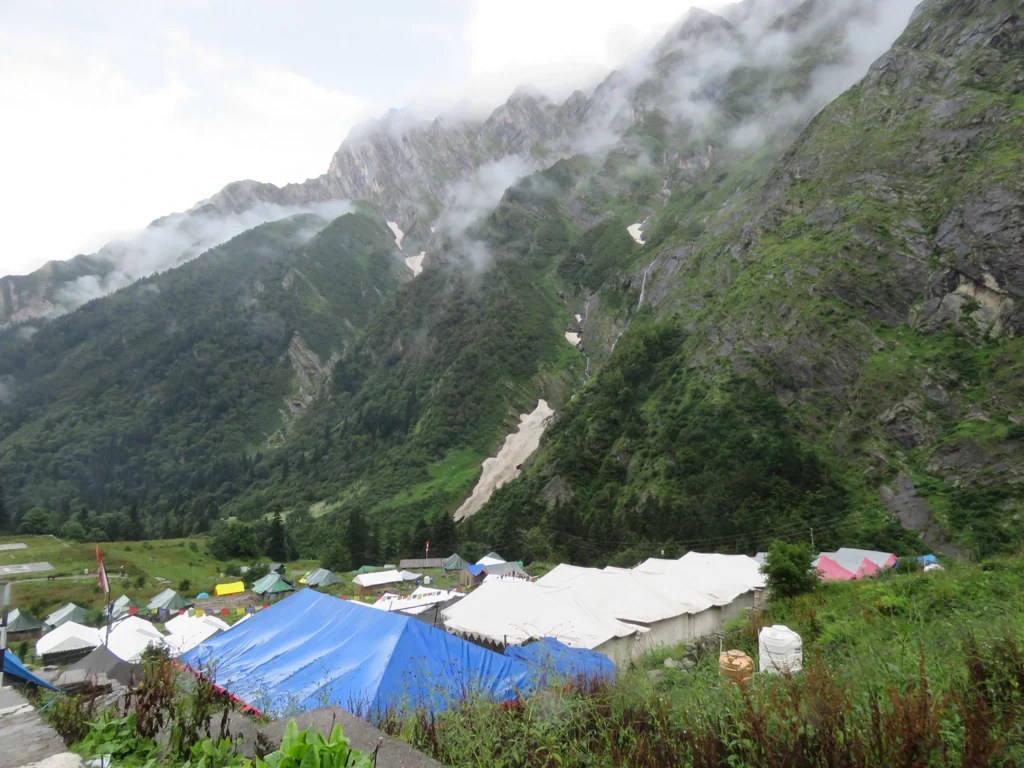
Located in the Chamoli district of Uttarakhand, Brahmatal is particularly popular from December through February. The trek begins from Lohajung and climbs through dense Himalayan forests towards Bekaltal and Brahmatal before reaching the higher viewpoint around Brahmatal Top.
For anyone planning a winter adventure in 2026, this guide covers the route, difficulty, weather, Brahmatal Lake in Winter, preparation, transportation, Brahmatal Trek Cost, itinerary and practical considerations before booking.
Brahmatal Trek 2026 – Quick Overview
| Trek Detail | Information |
| Trek | Brahmatal Trek |
| State | Uttarakhand |
| District | Chamoli |
| Base Village | Lohajung |
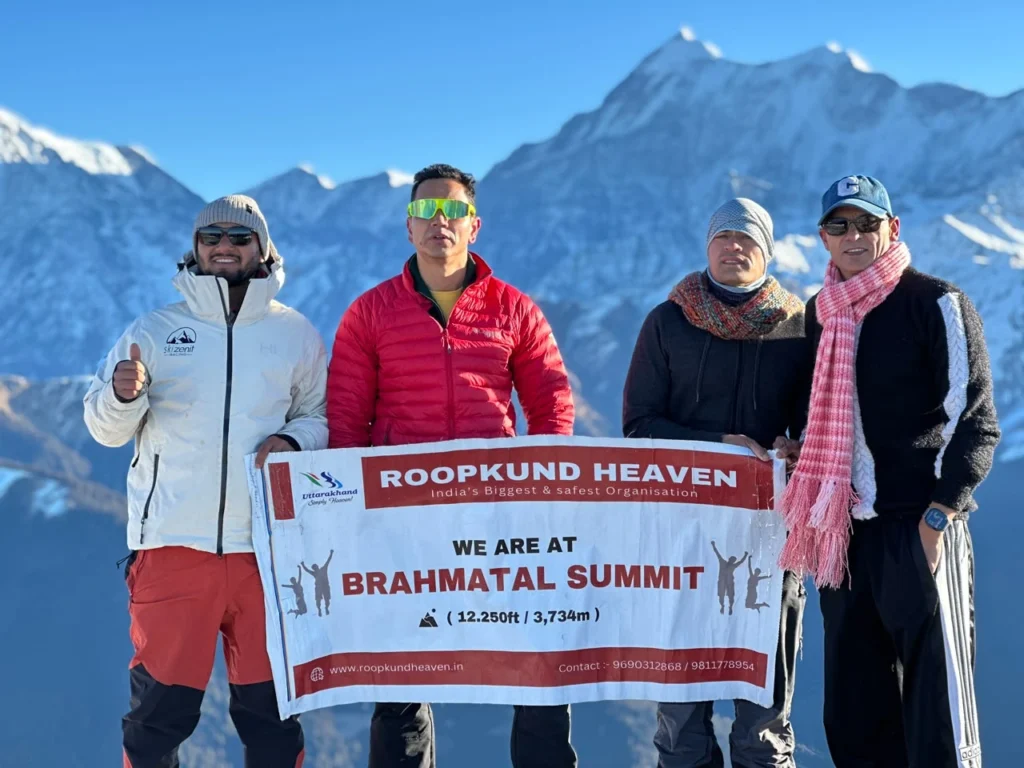
| Maximum Altitude | Around 12,250 ft / 3,734 m |
| Duration | Approximately 6 Days |
| Difficulty | Easy to Moderate / Moderate in winter conditions |
| Best Winter Period | December to February |
| Major Attractions | Brahmatal Lake, Bekaltal, snow trails, forests and Himalayan views |
| Major Peaks Visible | Trishul, Nanda Ghunti and surrounding Garhwal peaks |
| Suitable For | Fit beginners and experienced trekkers |
| Winter Conditions | Snow, ice and sub-zero temperatures possible |
The exact route, camping locations and walking distance can vary between operators and according to snow, weather and local trail conditions.
Why Is Brahmatal Trek So Popular in Winter?
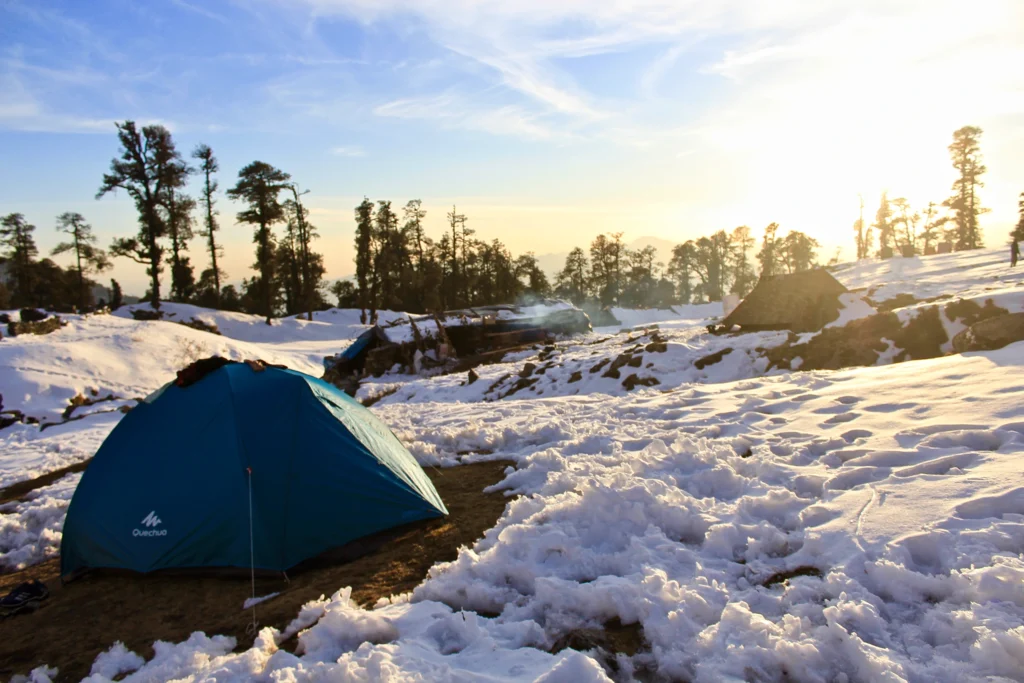
There are many excellent Himalayan Treks, but Brahmatal offers an unusually complete winter trekking experience within a relatively short itinerary.
The trail combines forest walking, lake landscapes, snowfields, open ridges and high Himalayan viewpoints. Instead of spending the entire trek inside dense forest, trekkers eventually emerge onto more open terrain where the surrounding mountains become increasingly visible.
That transition is one of Brahmatal’s strongest features.
You begin around the inhabited mountain landscape of Lohajung, enter oak and rhododendron forests, climb towards the lakes and finally reach open snow-covered sections with wide views of the Garhwal Himalayas.
In winter, the same landscape can look dramatically different from one week to another depending on snowfall.
This is also why trekkers should understand one important point before booking:
Snowfall cannot be guaranteed for a particular date.
Winter provides a higher probability of snow and frozen conditions, but fresh snowfall is ultimately controlled by weather systems.
Brahmatal Lake in Winter – What Can You Actually Expect?
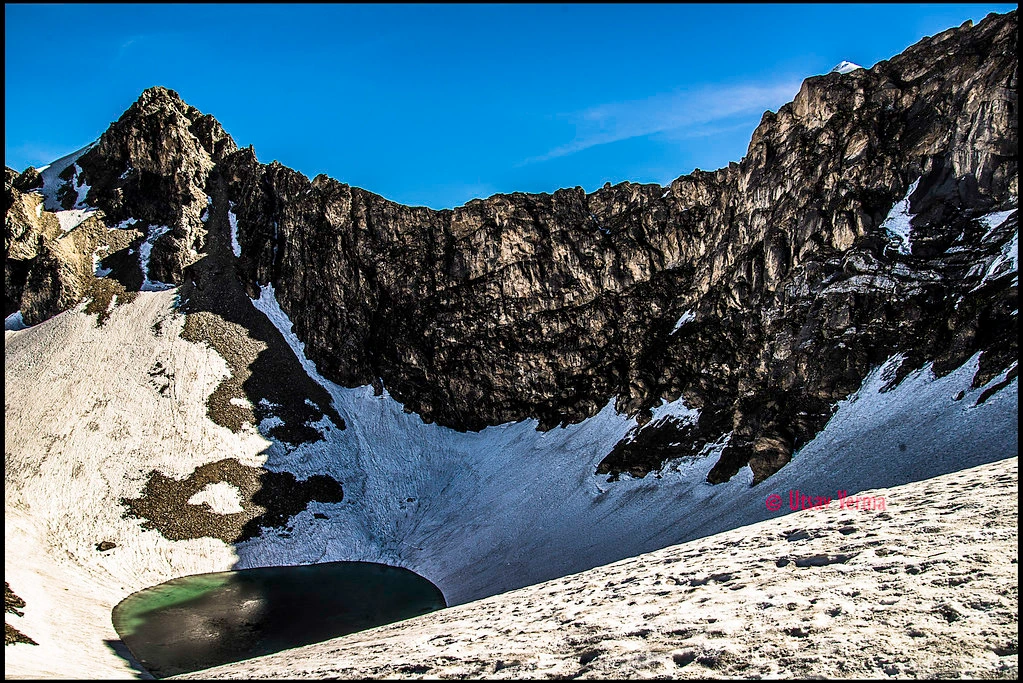
Brahmatal Lake in Winter is one of the biggest reasons trekkers choose this route.
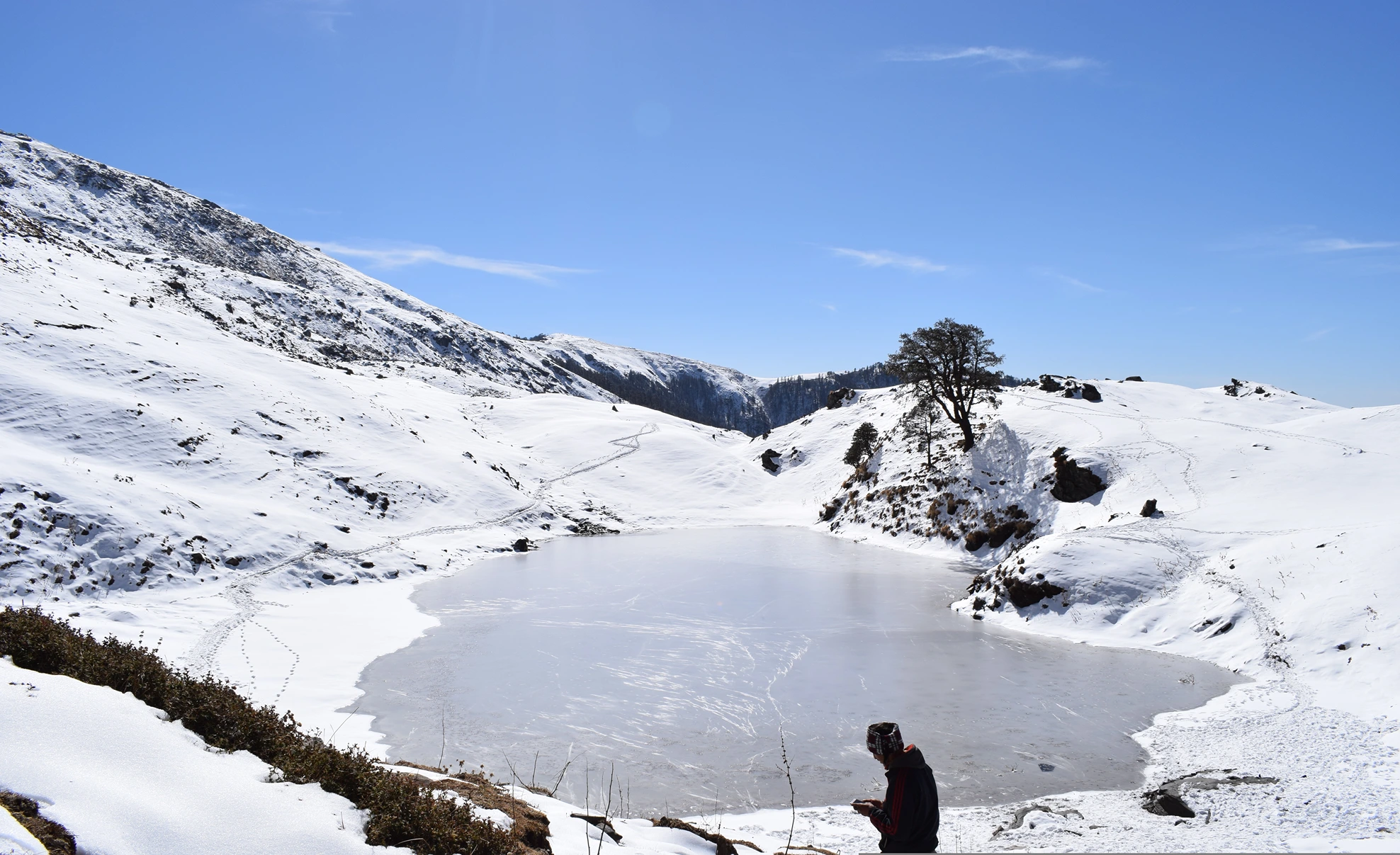
As temperatures fall during the winter months, the lake and surrounding landscape can freeze and become covered with snow. The combination of frozen ground, snow-covered slopes and mountain views creates the classic winter scenery associated with Brahmatal.
However, photographs on social media can sometimes create unrealistic expectations.
The lake does not necessarily look identical throughout December, January and February.
Its appearance depends on:
- recent snowfall;
- overnight temperatures;
- daytime sunshine;
- ice formation;
- wind exposure; and
- short-term weather changes.
During colder spells, the lake may appear substantially frozen. During transitional periods, trekkers may encounter a combination of ice, exposed ground and snow.
This variability is part of trekking in a real mountain environment.
Never attempt to walk onto a frozen lake simply because the surface looks solid. Ice thickness is difficult to judge visually, and instructions from trek leaders and local guides should always take priority.
Brahmatal Trek in December 2026
December marks the beginning of the main winter experience at Brahmatal.
Early December can sometimes offer a combination of dry trails, frost and snow at higher elevations. As winter strengthens, the chances of encountering significant snow generally increase, although exact conditions vary every year.
Christmas and New Year departures are particularly popular.
December is a good option for trekkers who want:
- winter landscapes;
- cold mountain weather;
- the possibility of snow;
- relatively clear Himalayan views; and
- a festive year-end trekking experience.
But if your only reason for booking is to see fresh snowfall on a particular day, keep expectations realistic. No trekking company can accurately guarantee when a snowfall event will occur weeks in advance.
Brahmatal Trek in January 2027
If you are considering the broader Winter 2026–27 season, January usually brings stronger winter conditions.
Snow accumulation can be greater after repeated winter weather systems, while temperatures at higher camps can fall well below freezing at night.
This can make January spectacular—but also more demanding.
Walking through snow requires considerably more effort than walking the same trail when it is dry. Icy sections may also require microspikes or other traction equipment depending on conditions.
January trekkers should be particularly serious about:
- thermal layering;
- waterproof trekking shoes;
- warm gloves;
- woollen or synthetic socks;
- insulated jackets;
- protection from wind;
- hydration; and
- following the trek leader’s instructions on icy terrain.
Brahmatal Trek in February 2027
February can offer an excellent balance for winter trekkers.
Snow may remain across substantial portions of the higher trail, particularly after recent snowfall, while increasing daytime sunshine can gradually change exposed sections.
This means the trail can contain several types of terrain on the same day:
snow + ice + wet trail + exposed ground.
Trekkers should therefore prepare for mixed conditions rather than assuming the entire trek will consist of soft powder snow.
What Makes Brahmatal Different from Other Himalayan Treks?
The popularity of Brahmatal is not based on a single attraction.
1. Two Beautiful Lake Experiences
Bekaltal and Brahmatal create two distinctive highlights along the route. Their forest and mountain settings become particularly atmospheric during winter.
2. Oak and Rhododendron Forests
The lower sections of the trek pass through dense forests. After snowfall, these sections can become some of the most photogenic parts of the route.
3. Open Ridge Walking
As altitude increases, the landscape gradually opens.
These higher ridges provide a very different trekking experience compared with the forest below.
4. Views of Trishul and Nanda Ghunti
Clear winter conditions can provide striking views towards major Himalayan peaks, particularly Trishul and Nanda Ghunti.
5. Accessible Winter Adventure
Brahmatal does not involve technical mountaineering, making it accessible to physically prepared beginners.
That does not, however, mean the trek should be treated casually. Snow, altitude, cold and long walking hours can turn a straightforward trail into a much more demanding experience.
Brahmatal Trek Itinerary – 6 Days
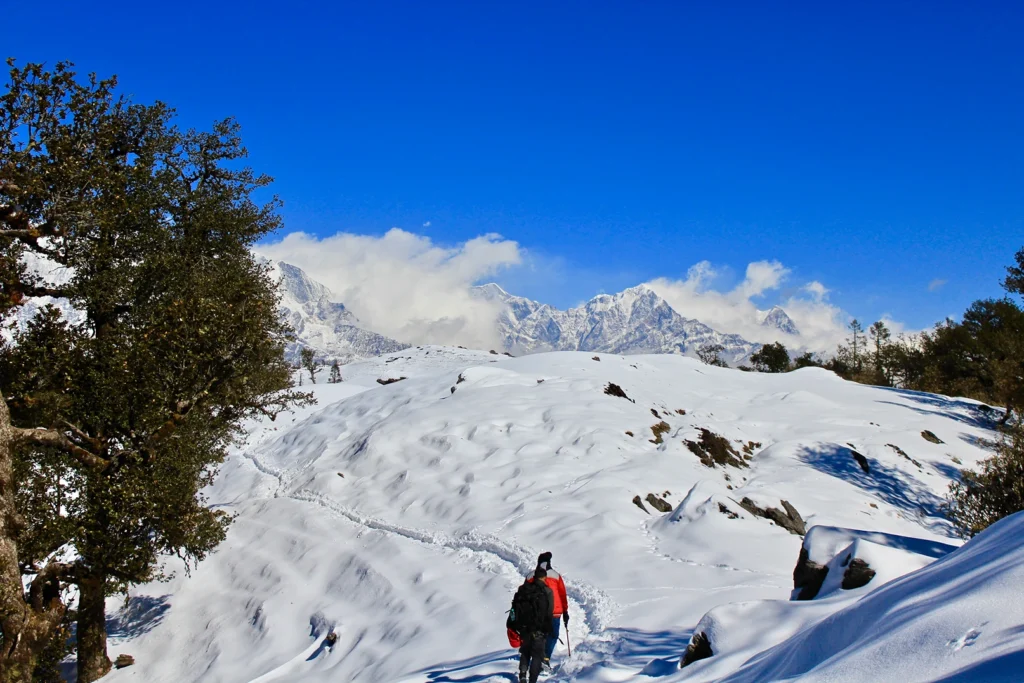
Roopkund Heaven follows a six-day Brahmatal journey beginning and ending in Rishikesh.
Day 1: Rishikesh to Lohajung
Distance: Approx. 260 km by road
Duration: Around 9 hours
Altitude: Approx. 7,600 ft / 2,320 m
The journey begins early from Rishikesh and follows the mountain roads through important Garhwal towns and river valleys towards Lohajung.
You travel through areas around Devprayag, Rudraprayag and Karnaprayag before entering the higher mountain landscape leading towards Lohajung.
After arrival, check into your guesthouse, have dinner and prepare your backpack for the trekking days ahead.
It is advisable to sleep early and remain well hydrated.
Day 2: Lohajung to Bekaltal
Trek: Approx. 4 km
Duration: Around 4 hours
Altitude: Approx. 9,000 ft
The actual trekking begins from Lohajung.
The trail starts climbing through beautiful oak and rhododendron forest. In winter, the condition of the route can range from relatively dry forest trail to snow-covered and icy terrain depending on recent weather.
Bekaltal is the day’s main attraction.
The lake sits within a forested setting and becomes particularly beautiful when winter temperatures freeze the surrounding landscape.
Overnight stay is generally around the Bekaltal area.
Day 3: Bekaltal to Brahmatal
The trail continues towards Brahmatal through progressively higher terrain.
As you climb, forest sections gradually begin opening into broader mountain landscapes.
Winter conditions can significantly affect the pace on this section. Deep or freshly accumulated snow makes walking slower and more physically demanding, while hard-packed ice requires careful footing.
Eventually, you reach the Brahmatal area and settle into camp.
The evening can become extremely cold, so change out of damp trekking layers quickly and put on dry insulation before temperatures fall further.
Day 4: Brahmatal to Brahmatal Top and Back
Maximum altitude: Approx. 12,250 ft / 3,734 m
Approximate round-trip trek: 6 km
Duration: Around 5 hours
This is generally the most anticipated day of the Brahmatal Trek.
The route climbs towards the higher ridge and Brahmatal Top.
As the forest disappears behind you, the landscape becomes increasingly open. On a clear day, the higher viewpoints can reveal impressive views towards Trishul, Nanda Ghunti and the surrounding Garhwal Himalayas.
Snow conditions determine how demanding the climb feels.
Soft snow consumes more energy, while hard ice can make sections slippery. Trekking poles and appropriate traction equipment can therefore become extremely useful.
After spending time at the viewpoint according to weather and safety conditions, descend towards the Brahmatal campsite.
Day 5: Brahmatal to Lohajung
Trek: Approx. 7 km
Duration: Around 5 hours
The descent brings you back towards Lohajung.
Do not underestimate downhill walking in winter.
Frozen trails can be slippery, while snow can hide stones and uneven ground. Trekking poles are useful for improving stability and reducing stress on the knees.
After reaching Lohajung, check into your accommodation and enjoy your final evening in the mountains.
Day 6: Lohajung to Rishikesh
After breakfast, begin the long return drive towards Rishikesh.
Road conditions and mountain traffic can affect arrival time, so travellers should keep a reasonable buffer before booking onward trains, buses or flights.
This completes the six-day Brahmatal journey.
Brahmatal Trek from Dehradun – How to Plan Your Journey
A large number of travellers search for the Brahmatal Trek from Dehradun, particularly those arriving in Uttarakhand by flight, train or bus.
Dehradun is one of the most convenient gateway cities for travellers entering Uttarakhand, while the actual trek starts much deeper inside Chamoli district at Lohajung.
A practical journey generally looks like:
Dehradun → Rishikesh → Devprayag → Rudraprayag → Karnaprayag → Tharali region → Lohajung
If your trekking package starts from Rishikesh, first travel from Dehradun to the designated Rishikesh pickup point.
Travellers flying into Uttarakhand can arrive via Jolly Grant Airport and continue towards Rishikesh.
Those arriving by train can use Dehradun, Haridwar or Rishikesh depending on their travel plan and train availability.
Because the drive to Lohajung is long, avoid planning a tight connection on the same day.
Mountain roads can be affected by traffic, roadwork, weather and other delays.
Brahmatal Trek Difficulty – Is It Suitable for Beginners?
Brahmatal is generally considered suitable for beginners who have prepared physically before the trek.
The distinction is important.
“Beginner-friendly” does not mean “no fitness required.”
You will still be trekking at altitude, walking uphill for several hours, carrying a daypack and dealing with cold temperatures.
Snow increases the physical effort further.
For someone who exercises regularly and prepares properly, Brahmatal can be an excellent introduction to Himalayan Treks.
For someone who is completely sedentary, the same route can feel considerably harder.
How Fit Should You Be for Brahmatal?
Start preparing at least three to four weeks before departure.
Focus on:
Cardiovascular Fitness
Brisk walking, jogging, cycling or stair climbing can help improve endurance.
Leg Strength
Squats, lunges, step-ups and controlled stair climbing strengthen the muscles used repeatedly during ascent and descent.
Core Stability
A stronger core improves balance while walking over snow and uneven terrain.
Backpack Practice
Complete a few long walks carrying approximately the same weight you expect to carry during the trek.
Consistency
Regular moderate training is generally more useful than attempting an extremely hard workout a few days before departure.
Weather and Temperature on Brahmatal Trek
Winter weather in the Himalayas is inherently variable.
At Lohajung, conditions are generally less severe than at the higher camps. As altitude increases towards Brahmatal and the summit ridge, temperatures can drop significantly.
During peak winter, trekkers should be prepared for sub-zero nights.
Wind chill on exposed ridges can make the temperature feel considerably colder than the actual reading.
Instead of packing according to a single temperature forecast, pack for a range of winter conditions.
What to Pack for Brahmatal Trek in Winter 2026
Winter trekking requires a more deliberate packing strategy than a normal summer hike.
Clothing
Carry:
- thermal base layers;
- fleece or insulated mid-layer;
- down or padded jacket;
- waterproof/windproof outer shell;
- trekking trousers;
- warm cap or balaclava;
- sun cap;
- waterproof gloves;
- multiple pairs of trekking socks.
The objective is layering—not simply wearing one extremely thick jacket.
Footwear
Use proper trekking shoes with:
- good ankle support;
- strong outsole grip;
- water resistance;
- adequate toe room; and
- compatibility with snow traction devices when necessary.
Avoid starting a winter trek in brand-new shoes. Wear them during training beforehand.
Essential Accessories
Carry:
- trekking poles;
- sunglasses with UV protection;
- sunscreen;
- personal water bottles;
- headlamp;
- rain/wind protection;
- personal medicines;
- basic toiletries;
- power bank;
- reusable waterproof bags;
- lip balm;
- moisturiser; and
- personal identification documents.
Your trek operator should provide a final equipment checklist according to expected conditions before departure.
Brahmatal Trek Cost in 2026 – What Should You Budget?
The Brahmatal Trek Cost varies considerably depending on the operator, starting point and inclusions.
Current 2026 market listings show considerable variation: basic Lohajung-based packages can begin in the lower thousands, while more inclusive packages covering transportation, equipment, permits and additional services can cost substantially more.
Instead of choosing a trek purely because it is cheapest, compare exactly what is included.
A proper quotation should clearly explain whether the price covers:
- transportation;
- accommodation at Lohajung;
- tents and camping equipment;
- meals during the trek;
- trek leader;
- local guides/support staff;
- forest or trekking permits;
- safety equipment;
- microspikes/gaiters where required;
- sleeping bags;
- first-aid and emergency equipment; and
- applicable taxes.
Also check exclusions such as personal gear rental, insurance, offloading, emergency evacuation and meals during road journeys.
Important: Check the current Roopkund Heaven departure price before publishing or booking, because trek costs can change by departure date and inclusions.
Is the Cheapest Brahmatal Trek Package a Good Idea?
Not necessarily.
Winter trekking logistics cost money.
Accommodation, food, trained staff, safety equipment, transportation, permits and quality camping equipment all contribute to the package price.
A suspiciously cheap package may compromise somewhere.
Before booking, ask:
What happens if weather deteriorates?
What safety equipment does the team carry?
How experienced is the trek leader?
How many trekkers are assigned to each leader?
What sleeping bags are provided?
Are permits included?
What is the evacuation procedure?
These questions are more useful than comparing packages based on price alone.
Important Winter 2026 Update for Brahmatal Trekkers
Trekkers planning Brahmatal during the 2026–27 winter season should keep several practical points in mind.
Snow Conditions Change Quickly
Early December does not automatically mean deep snow, and one snowfall event can dramatically change trail conditions within hours.
Weather Can Alter the Itinerary
Heavy snowfall, poor visibility or unsafe trail conditions may require trek leaders to modify timings, campsites or the summit plan.
Road Conditions Matter
The journey towards Lohajung involves long mountain roads. Winter weather can occasionally affect travel time.
Permits and Local Regulations Should Be Confirmed
Forest and local administrative requirements can change. Confirm current permits and route regulations with your operator before departure.
Summit Safety Comes Before Completion
Reaching Brahmatal Top is an important goal, but it is never more important than safety.
The trek leader’s decision regarding weather, snow or turnaround time should be considered final.
Common Mistakes First-Time Brahmatal Trekkers Make
One of the biggest mistakes is focusing entirely on snowfall and ignoring everything else that makes the trek special.
Another is underestimating winter.
Poor-quality shoes, cotton clothing, inadequate gloves and insufficient layering can make an otherwise enjoyable trek uncomfortable.
Other common mistakes include:
- carrying an unnecessarily heavy backpack;
- failing to train beforehand;
- drinking too little water because of cold weather;
- ignoring sunscreen in winter;
- walking too fast on the first day;
- not keeping dry clothes separately;
- booking tight onward travel after the trek; and
- assuming “easy to moderate” means effortless.
Preparation matters considerably more than trekking experience alone.
Who Should Choose the Brahmatal Trek?
Brahmatal is particularly suitable for:
First-time Himalayan trekkers who have adequate fitness and want to experience winter trekking.
Snow lovers looking for a genuine Himalayan winter environment.
Photographers interested in forests, frozen landscapes, ridges and mountain panoramas.
Experienced trekkers looking for a relatively short winter trail.
Groups and solo travellers joining organised departures with experienced leaders.
Who Should Reconsider the Trek?
Brahmatal may not be suitable without additional preparation or professional advice for people who:
- have extremely low fitness levels;
- have significant medical concerns;
- are uncomfortable with sub-zero temperatures;
- expect luxury accommodation throughout;
- are unwilling to walk for several hours daily; or
- expect guaranteed snowfall on a particular date.
Anyone with an existing medical condition should seek appropriate medical advice before undertaking a high-altitude trek.
Why Brahmatal Deserves a Place on Your Winter 2026–27 Trekking List
The Brahmatal Trek succeeds because it does not rely on one spectacular moment.
The journey itself keeps changing.
You begin in a Himalayan village, climb through dense oak and rhododendron forest, encounter Bekaltal, move towards Brahmatal Lake in Winter, walk across higher snow-covered terrain and finally reach panoramic ridges overlooking some of Uttarakhand’s most impressive mountains.
That variety makes Brahmatal one of the most rewarding short Himalayan Treks for the winter season.
It is challenging enough to feel like a genuine mountain journey, yet accessible enough for fit beginners to consider as their first winter trek.
If you are planning the Brahmatal Trek from Dehradun or Rishikesh during Winter 2026–27, plan early, train properly and choose your trekking team based on safety and operational quality rather than price alone.
Most importantly, arrive with realistic expectations.
You cannot schedule snowfall.
You cannot control mountain weather.
And you cannot guarantee that every photograph will show a perfectly frozen white landscape.
What you can do is arrive prepared for the Himalayas as they actually are—and that unpredictability is part of what makes Brahmatal worth trekking.
Frequently Asked Questions About Brahmatal Trek 2026
1. What is the best time for Brahmatal Trek in winter?
December to February is the main winter period for Brahmatal. December marks the transition into stronger winter conditions, January is generally colder, and February can still retain significant snow at higher elevations. Exact snow conditions vary from year to year.
2. Is Brahmatal Trek suitable for beginners?
Yes. The Brahmatal Trek can be suitable for fit beginners because it does not require technical mountaineering skills. However, trekkers should prepare for altitude, snow, steep sections, cold temperatures and several hours of walking each day.
3. What is the Brahmatal Trek Cost in 2026?
The Brahmatal Trek Cost depends on the operator, departure point and inclusions. Compare transportation, accommodation, meals, permits, trek leadership, camping equipment and safety support before evaluating the final price.
4. Is Brahmatal Lake completely frozen in winter?
Brahmatal Lake in Winter can become substantially frozen during sustained cold conditions, particularly in peak winter. However, the degree of freezing depends on recent temperatures, snowfall and weather. Trekkers should never walk onto lake ice unless specifically declared safe by qualified local professionals.
5. Can we see snowfall during the Brahmatal Trek?
Possibly, but fresh snowfall cannot be guaranteed. You may encounter accumulated snow even when it does not snow during your actual trek.
6. How difficult is the Brahmatal Trek in December and January?
The route is generally considered beginner-friendly to moderate, but snow and ice can significantly increase the difficulty. January can be particularly cold, so good fitness and proper winter gear are important.
7. How can I plan the Brahmatal Trek from Dehradun?
For the Brahmatal Trek from Dehradun, travellers can first reach Rishikesh and continue towards Lohajung through the Garhwal region. If your organised trek begins from Rishikesh, reach the designated pickup point before the scheduled departure time.
8. What is the maximum altitude of Brahmatal Trek?
The Roopkund Heaven itinerary reaches approximately 12,250 feet (3,734 metres) around Brahmatal Top.
9. Which Himalayan peaks are visible from Brahmatal?
On clear days, trekkers can enjoy impressive views towards Mt. Trishul, Nanda Ghunti and other peaks of the Garhwal Himalayas from the higher sections of the trail.
10. Is December 2026 a good time for Brahmatal Trek?
Yes. December is one of the most popular periods for the trek. However, snow depth varies during the month, so trekkers should not assume that early December and late December will have identical trail conditions.
11. Is January better than December for Brahmatal?
It depends on what you want. January generally offers stronger winter conditions and colder temperatures, while December can provide a transitional winter experience. Neither month can guarantee fresh snowfall on your trekking dates.
12. Do I need microspikes for Brahmatal Trek?
They may be required when the trail becomes hard-packed or icy. Your trek leader should decide when traction equipment is necessary according to actual trail conditions.
13. How many days are required for Brahmatal Trek?
A complete itinerary generally requires around 5–6 days, depending on the starting point and route. Roopkund Heaven’s itinerary is planned as a 6-day journey from Rishikesh to Rishikesh.
14. Is Brahmatal one of the best Himalayan Treks for winter?
For trekkers looking for a combination of snow, forests, alpine lakes, ridge walking and major Himalayan views within a relatively accessible itinerary, Brahmatal is certainly one of Uttarakhand’s strongest winter trekking options.
Conclusion
Winter trekking is not simply about finding snow.
It is about learning to move through a mountain environment where temperatures, trail conditions and weather can change rapidly.
The Brahmatal Trek offers that experience without requiring technical mountaineering. Its frozen landscapes, forests, high ridges and views towards Trishul and Nanda Ghunti make it an excellent choice for the Winter 2026–27 Himalayan trekking season.
For those planning the journey with Roopkund Heaven, prepare your fitness, invest in proper winter clothing, understand the realities of mountain weather and leave enough flexibility in your travel schedule.
The Himalayas decide the conditions.
Your job is to arrive prepared.