The Valley of Flowers in Uttarakhand is approaching the end of its 2026 trekking season as colder temperatures, shorter days and the possibility of early snowfall begin transforming the Himalayan landscape. Famous for its alpine meadows, rare Himalayan flowers and breathtaking mountain scenery, this UNESCO World Heritage Site attracts thousands of nature lovers and trekkers during its limited annual opening period.
However, as October progresses, one important question arises among travellers: till when is Valley of Flowers open in 2026?
The Valley of Flowers National Park is scheduled to close for visitors on 31 October 2026, subject to any earlier closure announced by the Uttarakhand Forest Department. The park normally remains closed during winter because of snow accumulation, difficult access and conservation-related restrictions.
For travellers who missed the 2026 season, attention is already turning towards the Valley of Flowers Trek 2027. Winter snowfall, spring snowmelt, trail maintenance and official forest department decisions will influence the reopening arrangements for the next season.
This article explores the Valley of Flowers closing date 2026, the latest October weather developments, the possibility of snowfall, the expected 2027 reopening period and how the valley compares with other Uttarakhand treks such as the Roopkund Trek and Brahmatal Trek.
Valley of Flowers Closing Date 2026: Latest Official Update
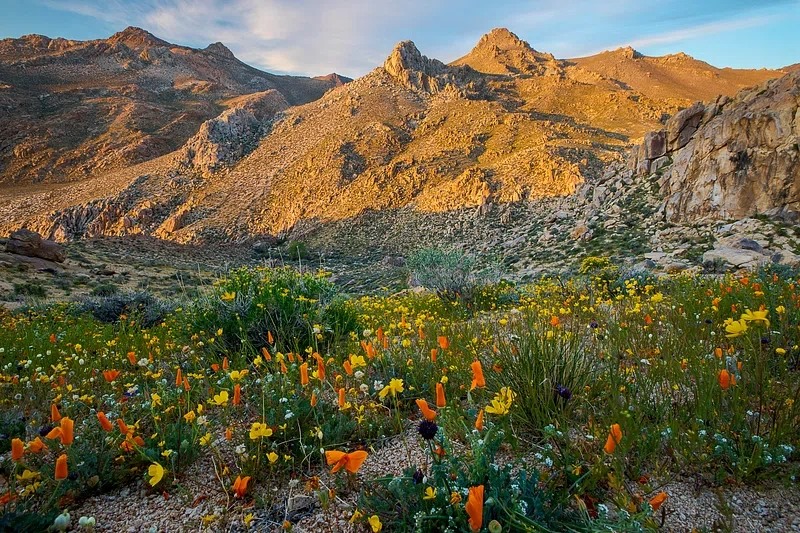
According to the announced 2026 visitor schedule, the Valley of Flowers National Park is expected to remain open until 31 October 2026. The park traditionally opens in early June and closes at the end of October, although access can be affected by weather conditions and administrative decisions.
The seasonal closure is an important part of managing tourism in this ecologically sensitive Himalayan region. During winter, snow can cover the trails, bridges and alpine meadows, while freezing temperatures and unstable mountain conditions make regular trekking operations difficult.
The park is managed under the Uttarakhand Forest Department, and visitors must follow the entry rules, permitted routes and official opening dates.
Valley of Flowers 2026–27: Key dates
| 2026 opening | 1 June 2026 |
| Scheduled closing | 31 October 2026 |
| Winter closure | November 2026–May 2027 (expected) |
| Expected 2027 reopening | Early June 2027, subject to confirmation |
| Best flowering period | Usually July–August, varying by weather |
Dates describe the announced 2026 schedule and the usual seasonal pattern. The 2027 reopening date is not yet officially confirmed.
Visitors planning a late-October journey should not assume that the park will remain accessible under all circumstances until the final scheduled date. Heavy rainfall, snowfall, landslides or damage to the approach route may result in temporary restrictions.
For the latest access status, travellers should verify information with the forest department and local authorities before leaving for Govindghat or Ghangaria.
Valley of Flowers Weather in October 2026: Is Snowfall Beginning?
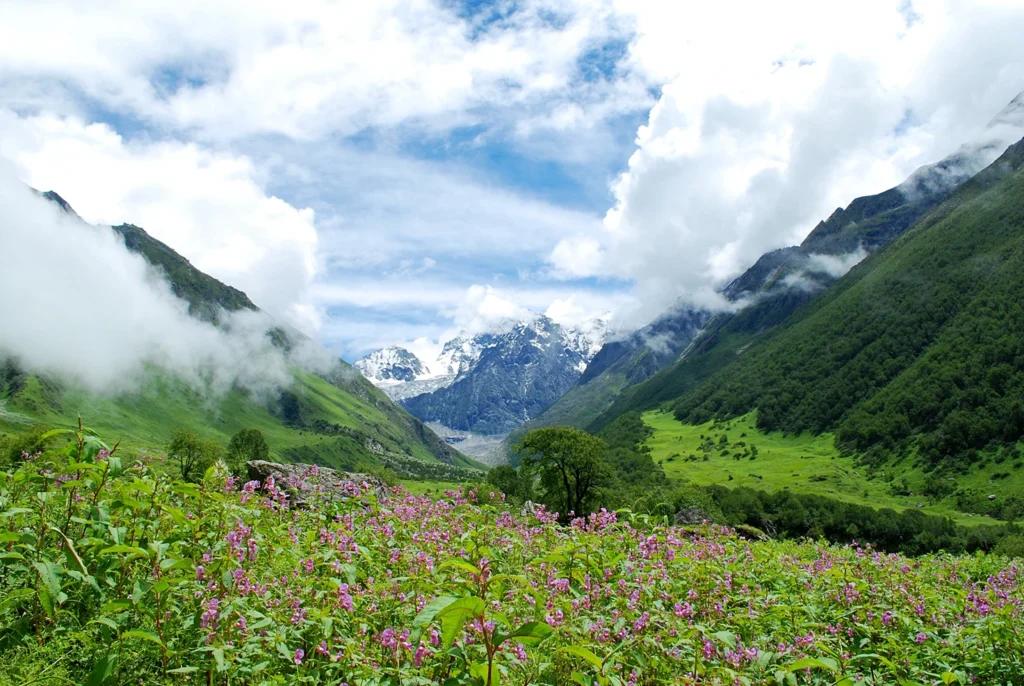
October marks the transition from the post-monsoon season to winter in the higher reaches of Chamoli district. During this period, the weather becomes noticeably colder, particularly at Ghangaria and inside the Valley of Flowers National Park.
The valley lies at elevations beginning around 3,250 metres, with surrounding mountains rising considerably higher. As temperatures decline, snowfall becomes increasingly possible on the upper slopes, although actual snowfall within the trekking valley depends on the weather systems affecting the region.
The Valley of flower Weather in October can vary significantly between sunny afternoons and freezing nights. Clear weather may provide excellent mountain visibility, but sudden cloud cover, rain or snow can quickly change trail conditions.
A significant nearby seasonal development occurred on 10 October 2026, when Hemkund Sahib, situated above Ghangaria, closed for the winter season. Light snowfall was reported around the closing ceremony. This is relevant because the Valley of Flowers and Hemkund Sahib share the approach through Govindghat and Ghangaria. However, snowfall at Hemkund Sahib’s higher elevation does not establish the same conditions inside the Valley of Flowers itself.
By mid-October, most of the valley’s famous summer flowering period has already passed. The landscape increasingly features autumn vegetation, colder streams, exposed slopes and distant snow-covered peaks.
Trekkers visiting during this period should prepare for low temperatures, changing weather and potentially slippery trails. Even when the valley remains officially open, the experience differs considerably from the colourful flowering season of July and August.
Valley of Flower Weather Next 30 Days: What Travellers Should Expect
Many travellers search for Valley of flower Weather next 30 days before planning a late-season trek. However, mountain weather forecasts become considerably less reliable beyond the short-term forecasting period, particularly in high-altitude regions where local conditions can change rapidly.
Between mid-October and mid-November, the Valley of Flowers region generally experiences a gradual transition towards winter. Daytime temperatures may remain relatively comfortable during sunny periods, but nights become colder, and freezing conditions are increasingly likely at higher elevations.
Snowfall may occur during passing western disturbances, while clear nights can produce frost and icy patches along the trails. The upper mountains around Hemkund Sahib are particularly exposed to early winter snowfall.
Travellers should understand that a 30-day weather outlook is not a reliable prediction of exact snowfall dates or trail conditions. A forecast indicating dry weather for nearby Joshimath or Govindghat does not necessarily describe conditions at Ghangaria or inside the national park.
For a late-October visit, checking the latest forecasts from the India Meteorological Department and confirming local trail conditions is more useful than relying on a month-long forecast.
Once the park closes for winter, favourable weather does not automatically permit trekking inside the protected area.
What Happens to Valley of Flowers After Its Winter Closure?
The Valley of Flowers undergoes a remarkable seasonal transformation after October. The colourful alpine meadows that attract visitors during the monsoon gradually enter a period of dormancy as temperatures fall and snow begins accumulating across the landscape.
Many flowering plants complete their seasonal growth cycle before winter. Some survive through underground structures, while others persist through seeds that remain dormant until conditions become suitable for germination.
Snow cover can play an important ecological role. It insulates the ground against extreme temperature fluctuations, protects some vegetation from direct exposure to freezing air and stores water that will be released during spring melting.
As winter progresses, trails and surrounding slopes may become covered with snow. Streams can partially freeze, and movement through the valley becomes increasingly difficult.
The closure also reduces human disturbance during a sensitive period for the alpine ecosystem. Valley of Flowers is internationally recognized for its exceptional biodiversity and forms part of the Nanda Devi and Valley of Flowers National Parks UNESCO World Heritage property.
This seasonal protection helps preserve the fragile landscape for future generations of visitors.
When Will Valley of Flowers Reopen in 2027?
Based on the park’s established seasonal schedule, the Valley of Flowers Trek 2027 is expected to reopen around the beginning of June, subject to official confirmation.
The precise reopening arrangements will depend on administrative decisions, trail conditions and the completion of necessary preparations.
Before the trekking season begins, authorities may need to assess the condition of bridges, pathways, stream crossings and other infrastructure affected by winter snow or spring weather.
Snowmelt can also influence the accessibility of higher sections. Even when lower trails become passable, shaded areas may retain snow or ice for longer.
For travellers planning well in advance, June is generally associated with the beginning of the trekking season, while July and August are more closely associated with the famous flowering period.
September can also be rewarding, particularly for visitors interested in mountain landscapes, photography and post-monsoon conditions. However, the variety and density of flowers typically decline as autumn approaches.
The 2027 opening date should be treated as provisional until the forest department issues its official announcement.
Will Winter Snowfall Affect the Valley of Flowers Trek 2027?
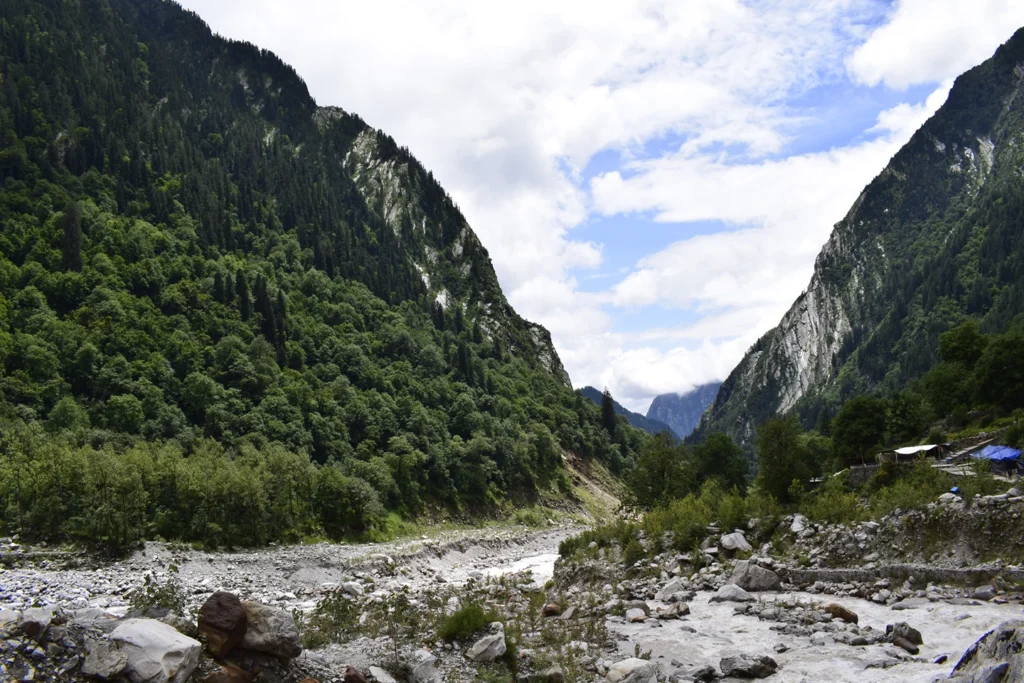
Winter snowfall can influence the valley’s accessibility and ecological conditions during the following year.
A winter with substantial snow accumulation may leave snow-covered patches at higher elevations well into spring. This could affect trail preparation, particularly where the route passes through shaded terrain or areas exposed to snow movement.
Snowmelt also contributes to the valley’s seasonal water availability. Water released from the winter snowpack feeds streams, influences soil moisture and supports alpine vegetation during the growing season.
However, the relationship between snowfall and flowering is complex. Flowering patterns depend on several interacting factors, including temperature, precipitation, soil conditions, plant species and the timing of snow disappearance.
Heavy snowfall does not automatically guarantee more flowers, just as a relatively dry winter does not necessarily mean a poor flowering season.
For visitors planning Valley of Flowers Trek 2027, it is therefore too early to predict the exact peak blooming period based on October 2026 conditions alone.
A more reliable assessment will become possible after winter, when the timing of snowmelt and early-season vegetation growth can be observed.
Valley of Flowers Trek vs Roopkund Trek: Which Is Better for 2027?
The Valley of flower trek and Roopkund trek are among Uttarakhand’s most recognized Himalayan trekking experiences, but they offer very different landscapes and levels of difficulty.
Valley of Flowers is primarily a nature-focused trek known for alpine biodiversity, seasonal wildflowers and relatively accessible mountain trails. The journey generally begins from Govindghat or Pulna and passes through Ghangaria before entering the national park.
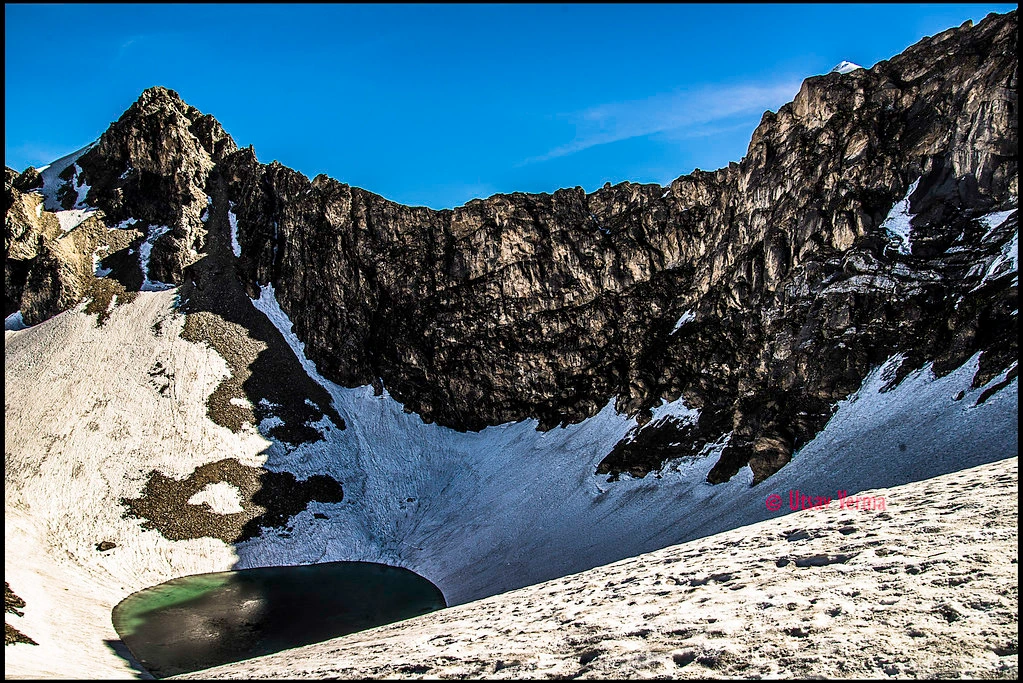
Roopkund, by contrast, is a demanding high-altitude trek in Chamoli district, famous for its glacial lake, mysterious skeletal remains and the alpine meadows of Ali Bugyal and Bedni Bugyal. The trek reaches approximately 4,800 metres and involves considerably more challenging terrain than Valley of Flowers.
A major development in July 2026 changed the outlook for Roopkund trekking. Reports published after a Supreme Court decision indicated that restrictions imposed in 2018 on overnight camping in Uttarakhand’s alpine meadows had been lifted, opening the way for trekking operators to resume planning routes through Ali and Bedni Bugyal.
However, the removal of the earlier camping restrictions does not eliminate the need for permits, environmental compliance and confirmation of current route access.
For 2027, Valley of Flowers is more suitable for travellers interested in flowers, natural landscapes and a moderate trekking experience. Roopkund is better suited to experienced trekkers seeking a longer, more strenuous high-altitude journey.
Is Roopkund Trek Open in 2026? Latest Update on the Earlier Ban
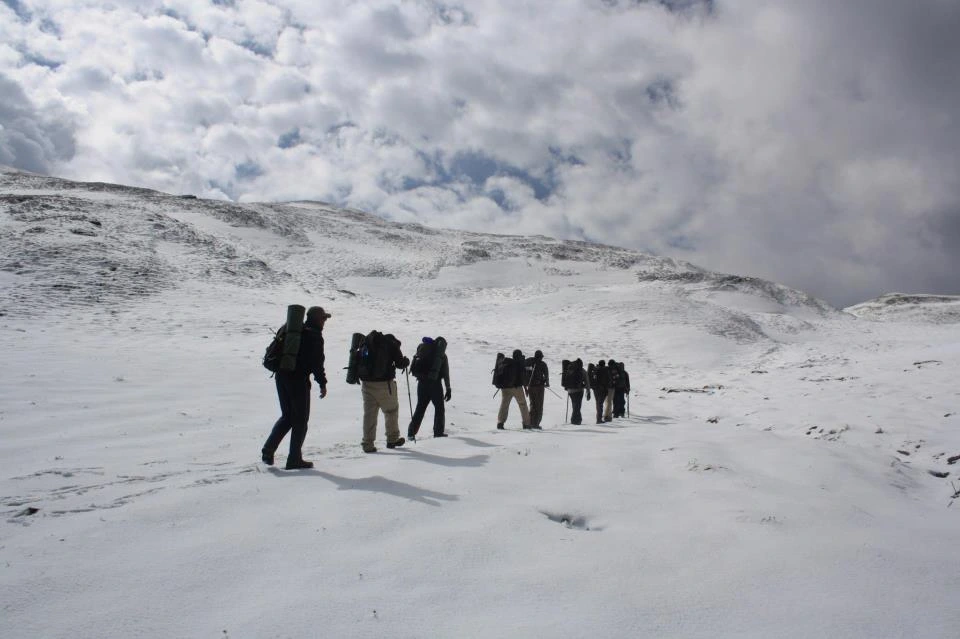
One of the most frequently asked questions among Uttarakhand trekking enthusiasts is is roopkund trek open after the restrictions introduced in 2018?
The Roopkund Trek faced major operational difficulties following a 2018 Uttarakhand High Court order that restricted overnight camping in high-altitude bugyals. These restrictions affected the traditional route through Ali and Bedni Bugyal, where camping is an important part of the standard itinerary.
The restrictions were introduced in response to concerns about environmental damage, waste, excessive tourism pressure and the conservation of fragile alpine grasslands.
In July 2026, the Supreme Court set aside key restrictions associated with the earlier order. Trekking operators subsequently announced plans to resume Roopkund expeditions.
This development is particularly significant for trekkers searching Roopkund trek 2026 or asking Roopkund trek is open or not.
The most accurate answer is that the legal position changed substantially in July 2026, allowing operators to plan the traditional trekking route again. Nevertheless, individual departures remain subject to applicable permissions, environmental requirements, seasonal access and weather conditions.
The ruling should not be interpreted as permission to camp anywhere without restrictions.
For travellers considering Roopkund in late 2026 or 2027, the latest forest department instructions and operator arrangements should be checked before making a booking.
Why Roopkund Trek Was Banned: Environmental Concerns and the 2026 Decision
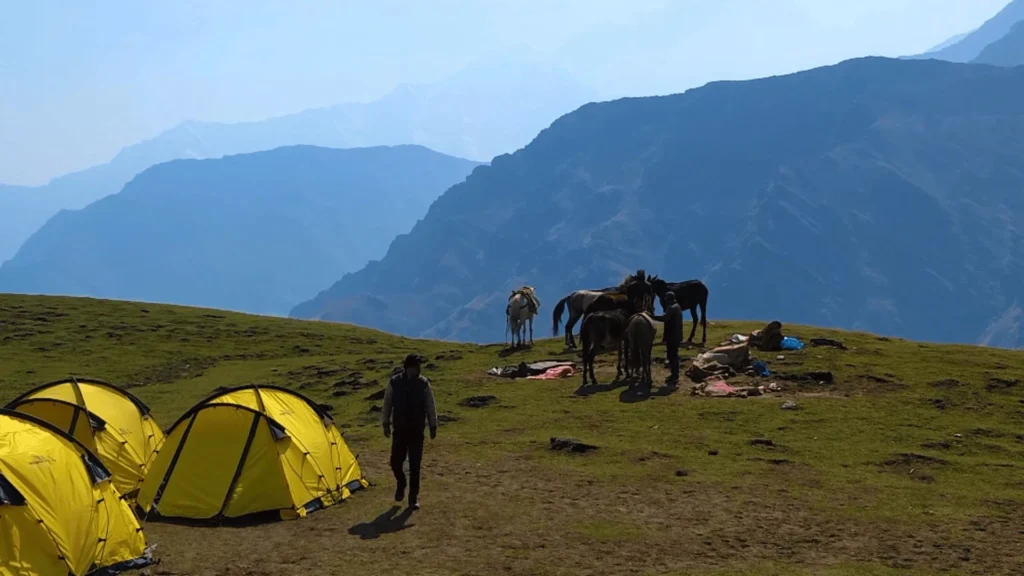
Travellers searching why roopkund trek is banned often encounter outdated information suggesting that the route remains completely inaccessible.
The original restrictions were primarily linked to the protection of Uttarakhand’s high-altitude alpine meadows, locally known as bugyals.
These ecosystems are highly sensitive to excessive trampling, waste disposal, unregulated camping and other forms of tourism-related disturbance.
The 2018 restrictions affected overnight stays and tourism activity in these meadows, which made conventional Roopkund itineraries difficult to operate.
The July 2026 Supreme Court decision altered that position by removing important restrictions, including the blanket prohibition on overnight camping and the earlier tourist-number limitation described in subsequent reports.
However, conservation obligations continue to apply. Responsible waste management, appropriate camping practices and compliance with local regulations remain essential.
The Roopkund case illustrates a broader challenge facing Himalayan tourism: maintaining access to exceptional natural landscapes while protecting ecosystems that are vulnerable to human pressure.
This is also relevant to Valley of Flowers, where seasonal access restrictions and visitor management help protect the national park’s unique alpine biodiversity.
Roopkund Trek Closing Date and Winter Accessibility
Unlike Valley of Flowers National Park, which follows a defined annual visitor season, the roopkund trek closing date cannot necessarily be described by one fixed calendar date.
Roopkund’s practical trekking season is influenced by snow conditions, access to the route, local administrative requirements and the availability of organized expeditions.
The commonly preferred periods include late spring and the post-monsoon season, although conditions vary between years.
As winter approaches, temperatures fall sharply, and snowfall can make the higher sections around Bhagwabasa, Roopkund Lake and Junargali extremely challenging.
The roopkund temperature can drop below freezing at high camps, particularly during the night and early morning. Wind exposure and changing weather can make conditions feel considerably colder.
For trekkers asking about Roopkund Trek 2026 after October, the key issue is not simply whether the earlier camping restrictions have been removed. It is whether the route is currently accessible, adequately supported and suitable for trekking.
Winter access should never be assumed based on summer or autumn itineraries.
Brahmatal Trek: A Better Winter Alternative to Valley of Flowers?
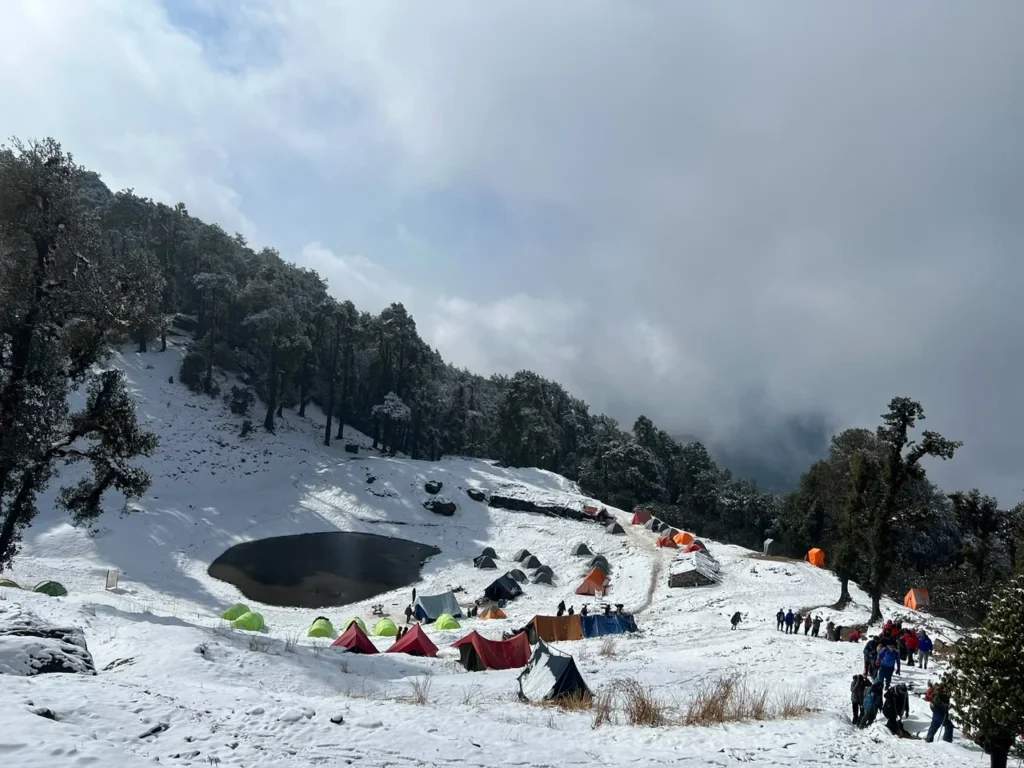
For travellers who want to experience Uttarakhand during the winter months, the Brahmatal trek offers a more suitable seasonal option than Valley of Flowers.
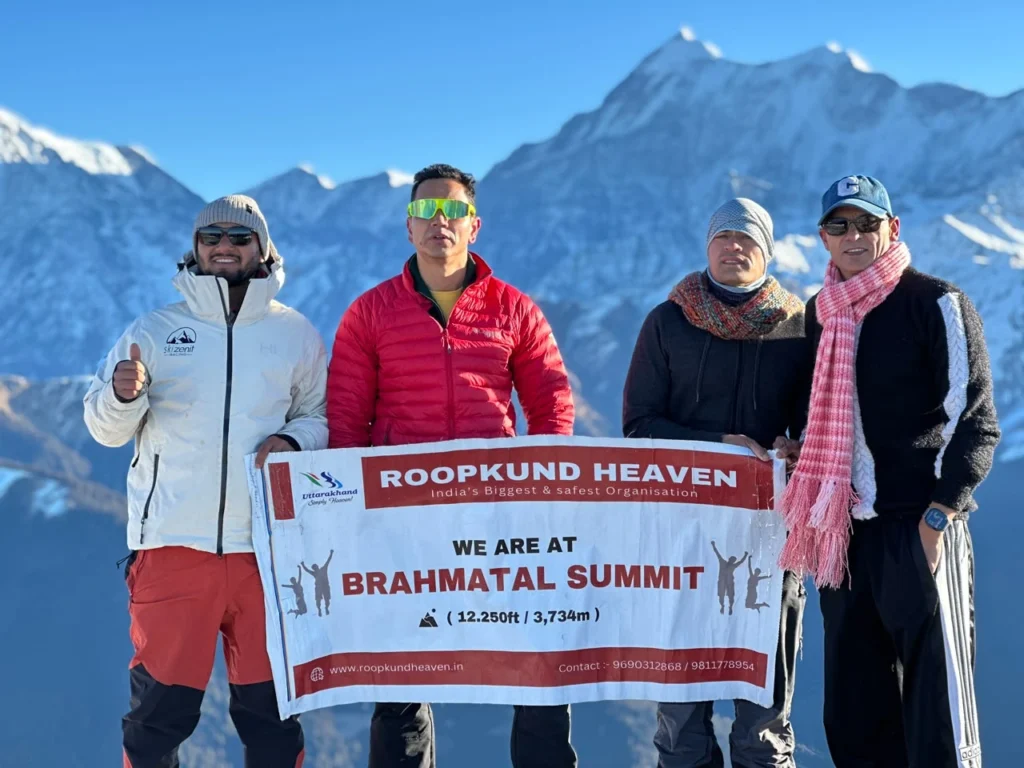
Located in the Chamoli district, Brahmatal is widely known for its snow-covered forest trails, alpine meadows, frozen or partially frozen lake landscapes and panoramic views of Himalayan peaks such as Trishul and Nanda Ghunti.
Unlike Valley of Flowers, which closes for the winter, Brahmatal is commonly organized as a winter trek between December and March, subject to snow conditions and local access.
The Brahmatal trek height is approximately 3,700 metres (12,100 feet) at its commonly reached high point, although the exact elevation varies depending on the route and turnaround location.
Brahmatal is generally classified as a moderate trek, but winter conditions can increase its difficulty. Deep snow, icy trails, strong winds and low temperatures require appropriate clothing, equipment and experienced leadership.
For travellers planning a Himalayan adventure between November 2026 and March 2027, Brahmatal provides an opportunity to experience winter landscapes without attempting to enter the seasonally closed Valley of Flowers National Park.
The two treks are best viewed as complementary experiences. Valley of Flowers is ideal for summer biodiversity and alpine flowers, while Brahmatal is more closely associated with winter snow trekking.
Valley of Flowers vs Roopkund vs Brahmatal: Best Trekking Season Compared
| Trek | Main attraction | Preferred season | Winter suitability |
| Valley of Flowers Trek | Alpine wildflowers, biodiversity and mountain scenery | June–September, with park access usually extending to October | Closed to regular visitors |
| Roopkund Trek | Glacial lake, Ali–Bedni Bugyal and high-altitude adventure | Late spring and post-monsoon, subject to permissions | Not a standard winter trek |
| Brahmatal Trek | Snow-covered forests, alpine lakes and Himalayan views | December–March for winter trekking | Popular winter option, weather permitting |
Travellers planning Uttarakhand treks should choose their destination according to the season rather than expecting every Himalayan route to remain accessible throughout the year.
Conclusion: Valley of Flowers Prepares for Winter While Trekkers Look Towards 2027
As October 2026 approaches its final weeks, the Valley of Flowers is preparing for another winter closure. The scheduled closing date of 31 October marks the end of a season that began in June and welcomed visitors to one of India’s most remarkable alpine landscapes.
The recent snowfall around Hemkund Sahib highlights the changing conditions in the higher Chamoli region. While these reports do not establish the exact weather inside Valley of Flowers, they provide an important reminder that winter arrives early in the upper Himalayas.
For travellers who missed this year’s flowering season, the focus now shifts to the expected reopening in June 2027 and the spectacular blooming period that typically follows during July and August.
Meanwhile, the reopening developments surrounding Roopkund Trek in 2026 have created renewed interest in another iconic Uttarakhand destination. Those seeking a winter trekking experience can also consider Brahmatal, which offers a very different Himalayan landscape during the colder months.
Whether planning the Valley of Flowers Trek, Roopkund Trek or Brahmatal Trek, the most important step is to match the destination with the appropriate season and verify the latest official access conditions.
The Valley of Flowers may soon disappear beneath its winter covering, but that seasonal transformation is part of the natural cycle that makes its return each summer so extraordinary.
Frequently Asked Questions About Valley of Flowers Closing Date 2026
1. Till when is Valley of Flowers open in 2026?
The announced closing date is 31 October 2026. Earlier restrictions may be imposed if weather or trail conditions become unsafe.
2. Is Valley of Flowers open in November 2026?
The national park is normally closed to regular tourists from November onwards. Visitors should not plan entry during the winter closure.
3. When will Valley of Flowers reopen in 2027?
The park is expected to reopen around early June 2027, following its usual seasonal pattern. The exact date has not yet been officially confirmed.
4. Is there snowfall in Valley of Flowers in October?
Snowfall is possible during October, particularly at higher elevations. Nearby Hemkund Sahib experienced snowfall in October 2026, but conditions inside the valley can differ.
5. What is the Valley of flower Weather next 30 days?
Late October to mid-November typically brings colder temperatures, increasing frost risk and the possibility of snowfall. Exact conditions should be checked using short-range forecasts rather than relying on a 30-day prediction.
6. Can tourists visit Valley of Flowers during winter?
Regular tourist access is not permitted during the seasonal winter closure. Winter conditions can also make the trails hazardous.
7. Is Roopkund Trek open or not in 2026?
The July 2026 Supreme Court decision removed important restrictions that had affected trekking and camping in the alpine meadows. However, individual Roopkund departures still require confirmation of permissions and current route conditions.
8. Why was Roopkund Trek banned?
The earlier restrictions were introduced to protect fragile high-altitude meadows from environmental damage associated with unregulated camping and tourism activity.
9. What is the Roopkund trek closing date?
Roopkund does not necessarily have one universal annual closing date comparable to Valley of Flowers. Seasonal access depends on snowfall, route conditions, permissions and operator schedules.
10. What is the Brahmatal trek height?
The commonly reached high point of Brahmatal Trek is approximately 3,700 metres (12,100 feet), depending on the itinerary.
11. Is Brahmatal Trek suitable for winter?
Yes. Brahmatal is a popular winter trekking destination, especially between December and March. However, snow conditions and weather can affect individual departures.
12. Which month is best for Valley of Flowers Trek 2027?
July and August are generally the best months for witnessing the valley’s famous wildflowers. The exact flowering period varies with seasonal weather.