Monsoon trekking is an amazing experience, but the rain also brings muddy trails, slippery paths, and wet gear. Packing the right essentials can make your trek safer, more comfortable, and enjoyable.
In this guide, we’ll cover everything you need to pack for your monsoon trek , from rain gear and clothing to footwear, backpack essentials, and safety items. Whether you’re a beginner or an experienced trekker, this checklist will help you stay dry, comfortable, and well-prepared throughout your journey.
Why Monsoon Trekking Needs a Different Packing Approach
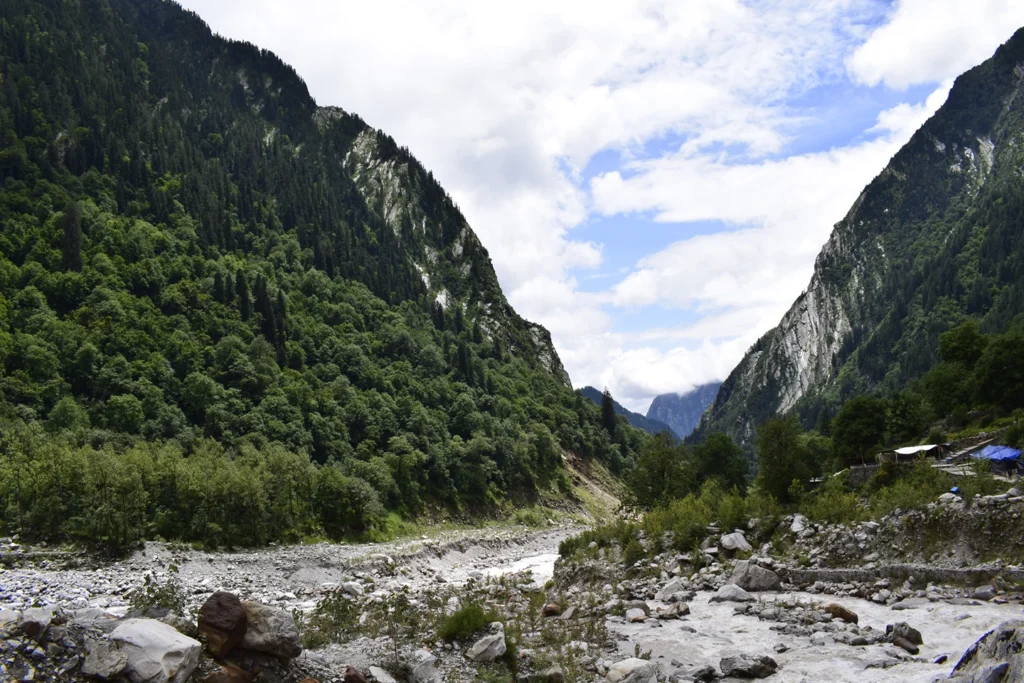
Monsoon trekking isn’t just “summer trekking with an umbrella” — it’s a genuinely different experience that demands a different kit altogether. Trails that are dusty and firm in April turn slippery and unpredictable in July, streams that are barely a trickle can swell into genuine crossings within hours, and the humidity means nothing you’re wearing dries quickly once it’s wet.
This is exactly why packing for a monsoon trek needs a fundamentally different mindset than packing for any other season. It’s not about bringing more gear — it’s about bringing gear specifically chosen to handle sustained wetness, sudden temperature drops, and terrain that behaves nothing like it does in dry months. A cotton t-shirt that’s perfectly fine in October becomes a genuine liability in August, staying damp and cold against your skin for hours instead of drying out.
At Roopkund Heaven, we’ve seen trekkers make the same mistake repeatedly — packing regular clothes and shoes that work well in dry weather, then being caught off guard when monsoon conditions hit differently than expected. Once you understand how monsoon conditions affect the trail, choosing the right gear becomes much easier, and that’s exactly what the rest of this guide walks you through.
How to Choose the Right Gear Based on Your Trekking Location
The gear you need for a monsoon trek depends on where you’re trekking. Different regions have different weather, trail conditions, and challenges, so it’s important to pack accordingly.
For Himalayan treks in Uttarakhand and Himachal Pradesh, such as the Valley of Flowers, Hampta Pass, or Kashmir treks, expect cool weather, higher altitudes, and occasional rain. Carry good rain protection, warm layers, waterproof trekking shoes, and quick-dry clothing to stay comfortable.
For Western Ghats treks in Maharashtra, Karnataka, or Kerala, heavy rainfall, muddy trails, and leeches are common. Along with rain gear, carry anti-leech socks, insect repellent, waterproof bags, and footwear with good grip.
If your trek goes above 3,000 metres, the weather can change quickly. Even during the monsoon, nights can be cold, so pack a fleece jacket, thermal layer, gloves, and a warm cap in addition to your rain gear.
Before you start packing, always check:
- Expected weather and rainfall
- Trek altitude and night temperatures
- Trail conditions (muddy, rocky, or forest trails)
- Trek duration and camping requirements
Packing according to your trekking location helps you stay comfortable, travel lighter, and enjoy the trek safely, no matter where you’re heading.
Rain Protection Essentials
Rain protection forms the backbone of any monsoon packing list, since everything else you carry depends on staying reasonably dry in the first place.
Poncho vs Rain Jacket – Which Should You Choose?
This is one of the most common questions trekkers ask is whether to carry a poncho or a rain jacket. The answer depends on the type of trek and how often you go trekking.
A poncho is a good choice for beginners. It covers both your body and your backpack, provides better airflow, and is an affordable option for short or easy treks. However, it can be difficult to manage on narrow trails or during strong winds.
A waterproof rain jacket is the better choice for regular trekkers and multi-day Himalayan treks. It offers a better fit, allows easier movement while climbing, and provides better protection in heavy rain and windy conditions. Pair it with waterproof rain pants for complete rain protection. Since a rain jacket doesn’t cover your backpack, you’ll also need a backpack rain cover.
Rain Cover for Your Backpack
A dedicated rain cover for your backpack isn’t optional — it’s one of those items that seems minor until the one time you skip it and open your bag at camp to find your sleeping bag and spare clothes soaked through. Most modern trekking backpacks include a built-in cover tucked into a bottom pocket, but if yours doesn’t, buying or renting one is genuinely worth the small cost.
Rain seeping into an uncovered backpack doesn’t just dampen your gear — it can ruin electronics, soak the one dry set of clothes you were saving for camp, and add significant weight from waterlogged fabric. A rain cover solves this simply and cheaply, and it’s one of the first things we check before any monsoon batch heads out.
Sun Cap Under Your Hood (Why It’s a Game-Changer)
It may seem odd to wear a sun cap, but it really works. When you’re wearing a rain jacket or poncho hood in steady rain, water constantly runs off the edge of the hood and drips straight onto your face. This can blur your vision and make it harder to see the trail ahead, especially on slippery or uneven sections.
Wearing a simple sun cap underneath your hood helps direct the water away from your face, keeping your line of sight clear. It’s a small, inexpensive addition that makes a big difference during long, rainy stretches. As a bonus, the same cap also protects you from the sun when the weather clears up.
Clothing for Monsoon Treks
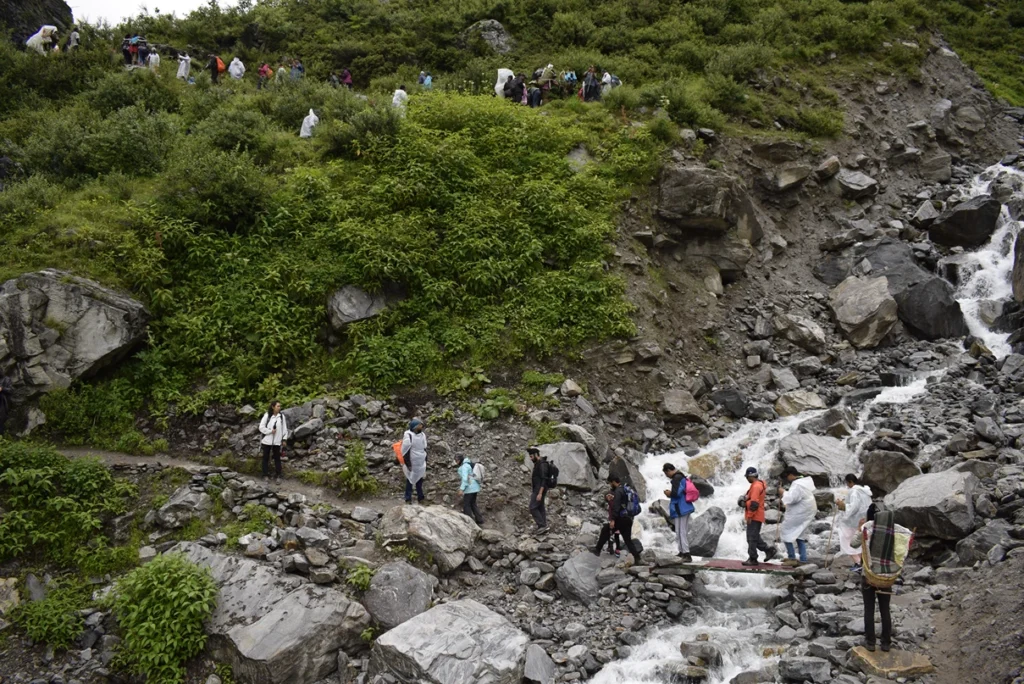
What you wear directly against your skin matters just as much as your outer rain layer, since the wrong fabric choice can leave you cold and uncomfortable even under good rain protection.
Best Fabrics (Synthetic vs Cotton)
Synthetic fabrics like polyester, nylon, or moisture-wicking blends are the best choice for monsoon trekking. They dry much faster than cotton and don’t hold moisture against your skin for long. Cotton, on the other hand, absorbs water easily and takes a long time to dry. Once it’s wet, it usually stays wet—and cold—for most of the day.
This difference becomes obvious on the trail. A synthetic T-shirt that gets wet from sweat or rain starts drying quickly when the rain slows down. A cotton T-shirt stays damp, feels uncomfortable, and can make you feel cold, especially at higher altitudes or during windy weather.
What to Avoid Wearing
Jeans are one of the biggest mistakes beginners make on monsoon treks. They are already heavy, and once they get wet, they become even heavier, colder, and can take an entire day to dry. No matter how easy the trek looks, it’s best to leave your jeans at home.
Also avoid cotton innerwear and clothing that doesn’t stretch or breathe well. Monsoon trekking requires extra balance and movement on slippery trails, and tight or heavy clothing only makes the hike more tiring. Light-coloured cotton clothes also show mud and stains very easily, so darker, quick-dry fabrics are a much better option.
Packing Extra Dry Clothes
Always carry at least one complete spare set of clothes, including a T-shirt, trekking pants, and innerwear. Pack them separately in a waterproof dry bag or a sealed plastic bag so they stay completely dry throughout the trek.
Keep this backup set only for your campsite or overnight stay. Changing into clean, dry clothes after a long day of trekking in the rain makes a huge difference to your comfort and helps you stay warm.
Never pack your dry clothes together with wet ones. Even a little moisture can make them damp and defeat the purpose of carrying a spare set. We always tell our trekkers: pack your dry clothes like they’re the most precious thing in your bag, because by evening, they genuinely will be.
Footwear for Wet, Slippery Trails
Your feet face the toughest conditions during a monsoon trek, so choosing the right footwear is one of the most important decisions you can make
Waterproof vs Water-Resistant Trekking Shoes
Many people assume fully waterproof trekking shoes are the best option for monsoon treks. While they do keep water out for some time, they also trap heat and sweat inside, making your feet feel damp during long hours of walking. Water-resistant trekking shoes are often more breathable and comfortable for extended hikes.
However, here’s the reality of monsoon trekking: no matter which type of shoe you choose, your shoes will eventually get wet. Heavy rain, muddy trails, stream crossings, and water entering from the top make completely dry shoes almost impossible on a true monsoon trek.
Instead of focusing only on waterproofing, choose trekking shoes with:
- Good ankle support
- Deep, grippy soles for better traction on wet rocks and muddy trails
- A snug yet comfortable fit
Most importantly, never wear brand-new trekking shoes on your trek. Break them in at least a few weeks before your trip. Wet conditions combined with new shoes can quickly cause painful blisters, turning an enjoyable trek into an uncomfortable experience.
Waterproof Socks
Waterproof socks are one of the most useful gear items for monsoon trekking, yet many beginners don’t discover them until after their first rainy trek. They are made with a three-layer design—a durable outer layer, a waterproof membrane in the middle, and a soft inner lining—that helps keep your feet dry even when your trekking shoes become wet.
Since wet feet are almost unavoidable during monsoon treks, carrying at least one good pair of waterproof socks can make a big difference in comfort. They are especially helpful on multi-day treks, where constantly damp feet can lead to blisters, cold feet, and overall discomfort. A quality pair of waterproof socks helps keep your feet warmer, drier, and more comfortable throughout the journey.
Additional Footwear – Clogs or Sandals for Camp
Carry a lightweight pair of clogs or sandals for use at the campsite. They may seem like an extra item to pack, but after spending the day in wet trekking shoes, changing into dry, comfortable footwear gives your feet a chance to rest and recover.
They are also useful during stream crossings, allowing you to avoid walking barefoot over slippery rocks or hidden sharp stones.
To save space inside your backpack, clip your clogs or sandals to the outside of your bag instead of packing them inside. This keeps your main compartment free for gear that needs to stay dry.
Anti-Leech Socks
If your trek passes through leech-prone areas—such as the Western Ghats or lower-altitude Himalayan forests—anti-leech socks are highly recommended. They are made from thick, tightly woven material and are worn over your trekking pants and inside your shoes, helping prevent leeches from reaching your skin.
For many trekkers, especially first-timers, anti-leech socks provide extra confidence on wet forest trails. When combined with full-length pants and avoiding shorts, they offer excellent protection and let you enjoy the trek without constantly worrying about leeches.
Waterproofing Your Backpack and Belongings
A backpack rain cover protects your bag from direct rainfall, but it’s not enough on its own. During heavy rain, water can still seep inside through zippers, seams, or when you open your backpack. That’s why it’s important to protect your belongings from the inside as well.
Dry Sacks & Waterproof Bags
Dry sacks are waterproof bags that go inside your backpack to keep your essential gear completely dry. Use them to store items such as warm clothes, thermals, spare clothing, sleeping wear, and anything else you can’t afford to get wet.
If you don’t want to buy dry sacks, sturdy plastic bags or ziplock bags are a simple and affordable alternative. Pack your belongings in separate bags before placing them inside your backpack. This easy “jugaad” method has been used by trekkers for years and works surprisingly well.
Protecting Electronics and Gadgets
Your phone, camera, power bank, and other electronic devices should always be packed in waterproof pouches or dry bags. Even a short period of heavy rain can damage electronics if they aren’t properly protected.
If you plan to use your phone for photos or navigation during the trek, consider using a waterproof phone case. It’s also a good idea to keep a few silica gel packets inside your electronics pouch. They help absorb moisture and reduce the risk of humidity damaging devices, especially cameras and camera lenses.
Protecting Documents, ID & Cash
Keep your ID cards, permits, cash, and other important documents in a separate waterproof pouch or ziplock bag. On many Himalayan treks, you’ll need to show your ID or permits at registration points or checkpoints. Wet or damaged documents can create unnecessary problems.
Store this pouch in an easy-to-reach pocket of your backpack so you can access it quickly without unpacking your entire bag. It’s a small habit that can save you a lot of hassle during your trek.
Camping & Trekking Accessories
Beyond clothing and rain gear, a handful of accessories make a genuine difference to comfort and safety on monsoon treks specifically.
Trekking Poles
Trekking poles are one of the most useful accessories for monsoon trekking. Wet rocks, muddy trails, and slippery descents increase the risk of slipping, and trekking poles provide extra balance and stability. They also reduce pressure on your knees, especially while walking downhill.
For beginners, trekking poles help build confidence by allowing you to test the ground before taking a step. On difficult sections, they act as extra points of support and can significantly reduce the chances of falls.
Headlamp/Flashlight & Power Bank
Power cuts are common during the monsoon, especially at remote campsites and homestays. A waterproof or water-resistant headlamp is a much better choice than a regular flashlight because it keeps your hands free while walking around camp, setting up your tent, or handling tasks after sunset.
A power bank is equally important. Rainy weather and remote locations often mean limited charging opportunities, and your phone is essential for navigation, communication, emergency contact, and taking photos. Keep both your power bank and charging cables inside a waterproof pouch to protect them from moisture.
Thermal Flask & Quick-Dry Towel
A thermal flask filled with hot water, tea, or coffee can be incredibly comforting after hours of trekking in cold rain. It helps you stay warm and hydrated without needing to stop and prepare a hot drink.
A quick-dry microfiber towel is another must-have. Unlike regular cotton towels, it dries much faster, weighs less, and doesn’t stay damp for days. It also takes up very little space in your backpack, making it ideal for multi-day treks.
Sleeping Bag & Waterproof Tent (If Camping)
If your trek includes camping, carry a sleeping bag suitable for the expected temperatures. Store it in a waterproof dry sack so it stays completely dry. Even a high-quality sleeping bag loses much of its warmth if it becomes wet.
Your tent should also be designed for rainy conditions. Choose a waterproof tent with sealed seams and a good-quality rainfly to prevent water from leaking inside during heavy rain. Before your trek, always check that your tent is in good condition and fully waterproof to avoid an uncomfortable night in the mountains.
Health & Insect Protection
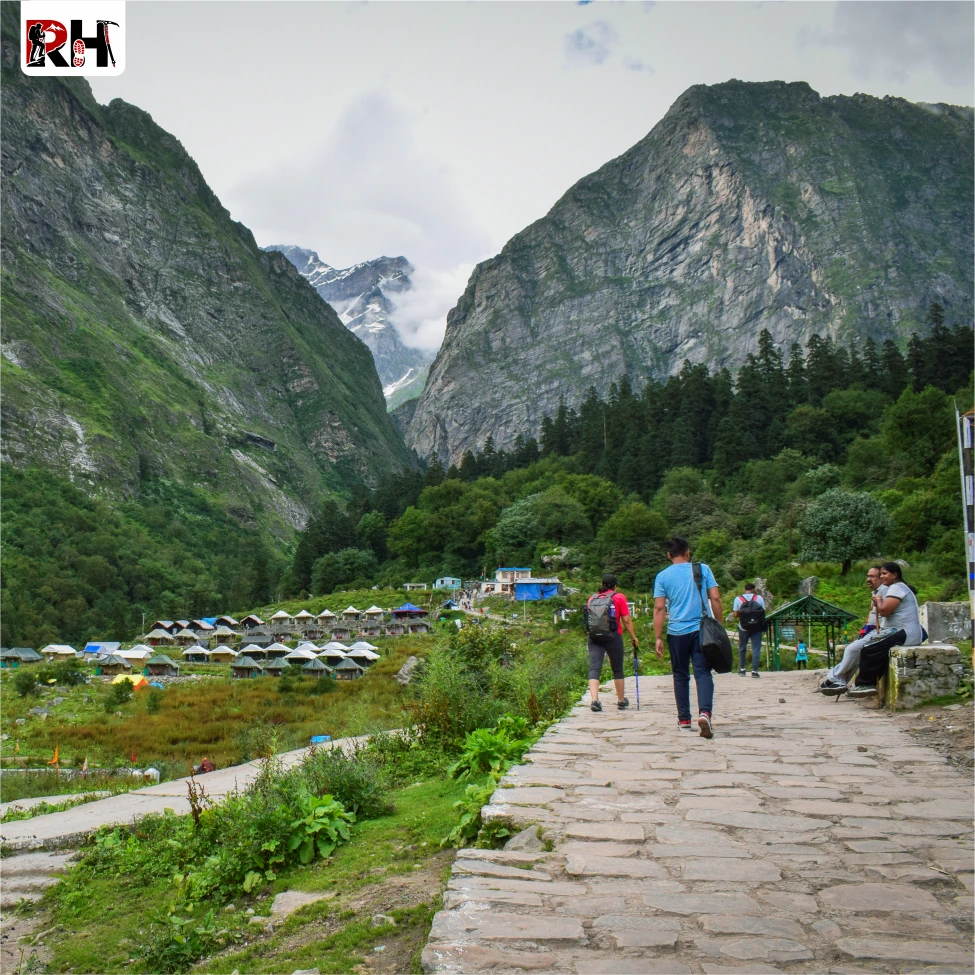
Monsoon conditions bring specific health considerations that dry-season treks simply don’t require you to think about as carefully.
Basic First Aid Kit
Your monsoon trek first aid kit should include the basics — cotton, antiseptic cream, band-aids, and any personal medication — but with a few monsoon-specific additions like antifungal cream for feet that stay damp for extended periods, and rehydration salts in case of any stomach upset from questionable water sources along remote routes.
Blisters and minor cuts, common enough in any season, become more prone to infection in constantly damp, muddy conditions, so treating even minor injuries promptly rather than waiting until camp genuinely matters more during monsoon than dry-season trekking.
Mosquito & Leech Repellents
Mosquitoes and leeches are much more common during the monsoon, especially on forest trails. Carry a good insect repellent and apply it to exposed skin before starting your trek. Reapply it during the day, as rain and sweat can reduce its effectiveness.
For leech-prone areas, combine insect repellent with full-length clothing, proper trekking shoes, and anti-leech socks for the best protection.
Waterproof Gloves (Cold-Weather Protection)
Waterproof gloves are often overlooked but can be extremely useful on high-altitude monsoon treks. Rain, wind, and cold temperatures can quickly make your hands numb, making it difficult to hold trekking poles, adjust your backpack, or use your phone.
If you’re trekking above 3,000–3,500 metres, such as on the Valley of Flowers Trek or other Himalayan routes, waterproof insulated gloves are well worth carrying. They keep your hands warm, dry, and comfortable even in cold, rainy conditions.
Common Monsoon Trekking Mistakes to Avoid
Most problems people face on monsoon treks are caused by a few common mistakes that are easy to avoid with the right preparation.
One of the biggest mistakes is overpacking unnecessary items while forgetting important essentials like a backpack rain cover, dry sacks, waterproof socks, or a spare set of dry clothes. Pack only what you truly need and make sure every item has a clear purpose.
Here are some of the most common monsoon trekking mistakes:
- Wearing jeans or cotton clothing, which stays wet for hours and can make you feel cold and uncomfortable.
- Wearing new trekking shoes without breaking them in first, increasing the risk of painful blisters.
- Underestimating how slippery monsoon trails can be and skipping trekking poles for extra balance.
- Packing wet and dry clothes together instead of keeping spare clothes in waterproof bags.
- Leaving phones, cameras, power banks, and important documents without proper waterproof protection.
- Ignoring mosquito or leech protection on forest trails where insects are common.
- Carrying too much weight, making it harder to walk on muddy and slippery terrain.
A little planning goes a long way. Packing the right gear, keeping your essentials dry, and preparing for wet trail conditions will make your monsoon trek safer, more comfortable, and much more enjoyable.
Pro Tips for a Comfortable Monsoon Trek
A few simple habits can make your monsoon trek much more comfortable and enjoyable.
Keep your rain jacket, poncho, and backpack rain cover at the top of your backpack so you can reach them quickly. In the Himalayas, rain often starts suddenly, especially during the afternoon, and you don’t want to unpack your entire bag when the weather changes.
As soon as you reach your campsite or homestay, change into a dry set of clothes. Staying in wet clothes for too long can make you feel cold and uncomfortable, especially in the evening.
Walk at a steady pace and don’t rush. Monsoon trails are muddy, slippery, and more tiring than they appear. Taking smaller, careful steps and using trekking poles will help you stay balanced and conserve energy throughout the day.
Drink plenty of water and eat regular snacks to maintain your energy levels, even if the cool weather makes you feel less thirsty.
Most importantly, go with the right mindset. On a monsoon trek, getting wet is part of the experience. Trails may take longer than expected, weather can change quickly, and plans may need to be adjusted for safety. If you stay flexible and enjoy the lush green landscapes, waterfalls, misty forests, and peaceful atmosphere that the monsoon brings, you’ll likely find it to be one of the most memorable trekking experiences.
Frequently Asked Questions
Is a poncho or rain jacket better for trekking?
Both work well, but the better choice depends on your trek. A poncho is a good option for beginners and occasional trekkers because it covers both you and your backpack while providing better airflow. A rain jacket with rain pants offers better freedom of movement and is more comfortable on challenging or multi-day treks. If you choose a rain jacket, don’t forget to carry a separate backpack rain cover.
How do I keep my backpack dry during a monsoon trek?
Use a backpack rain cover to protect the outside of your bag. Inside your backpack, pack important items like clothes, electronics, and sleeping gear in dry sacks or waterproof plastic bags. This double layer of protection keeps your belongings dry even during heavy rain.
What shoes are best for monsoon trekking?
Choose trekking shoes with good ankle support, deep-grip soles, and a comfortable fit. Whether you choose waterproof or water-resistant shoes, they are likely to get wet during a heavy monsoon trek. Pairing your shoes with waterproof socks helps keep your feet more comfortable and reduces the chances of blisters.
How do I protect my phone and camera from rain?
Keep your phone, camera, power bank, and other electronics inside a waterproof pouch or dry bag. If you plan to use your phone while it’s raining, a waterproof phone case is a worthwhile investment. You can also place a few silica gel packets inside the pouch to absorb moisture and protect your devices from humidity.
How do I avoid leeches while trekking?
If you’re trekking in leech-prone areas, wear anti-leech socks, full-length trekking pants, and proper trekking shoes. Avoid wearing shorts, and apply insect repellent to exposed skin. Together, these simple precautions greatly reduce the chances of leech bites and let you enjoy the trek with confidence.