Winter transforms the Indian Himalayas into a breathtaking landscape of snow-covered mountains, frozen lakes, peaceful forests, and beautiful alpine meadows. For adventure lovers, the winter season brings some of the most memorable trekking experiences in India. From walking through snow-covered trails to witnessing magnificent Himalayan peaks, winter trekking offers an entirely different experience compared to summer adventures.
If you are planning your next mountain adventure, exploring the top snowfall treks in India for 2026–2027 is a great place to begin. Uttarakhand and Himachal Pradesh offer several remarkable trekking destinations where travellers can experience fresh snowfall, spectacular mountain views, and the peaceful beauty of the Himalayas.
Among the popular Himalayan Treks, destinations such as the Brahmatal trek, Kuari Pass trek, Ali Bedni Bugyal trek, and Roopkund trek attract considerable interest from trekking enthusiasts. However, not every Himalayan trail is suitable or accessible during winter. Understanding seasonal conditions, trekking restrictions, difficulty levels, and the best time to visit is essential before planning an expedition.
In this guide, we explore India’s best winter snowfall treks for 2026–2027, along with important information about the Roopkund trek, Ali Bedni Bugyal, and the Valley of Flowers.
1. Brahmatal Trek – A Beautiful Snow Trek in Uttarakhand
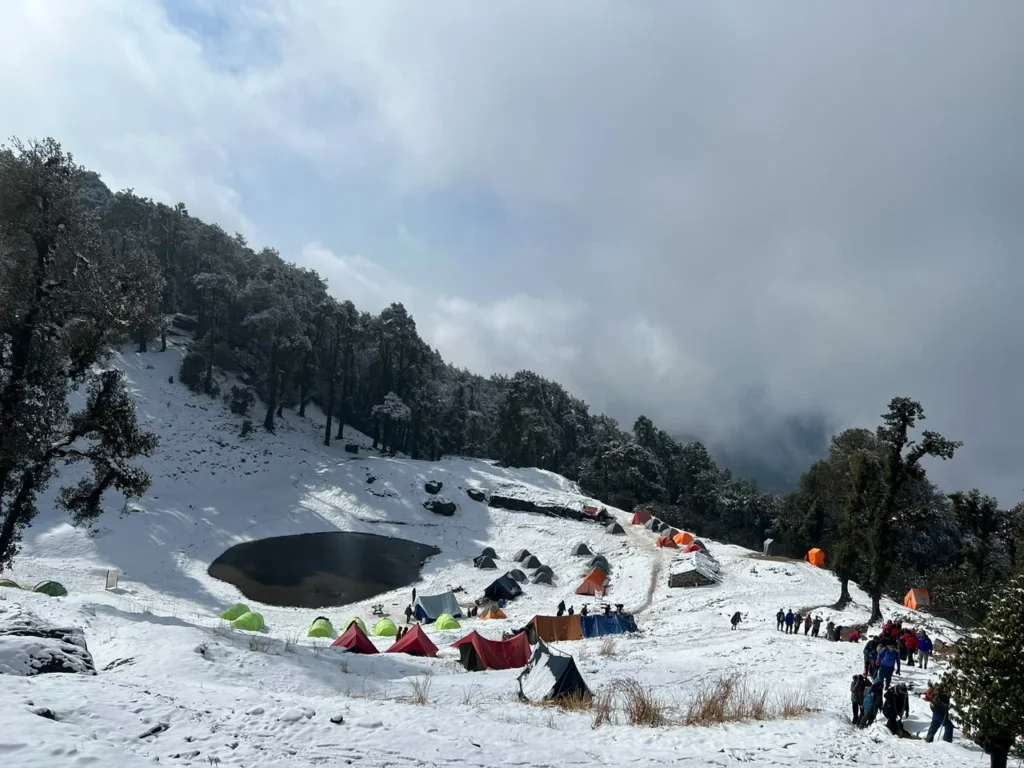
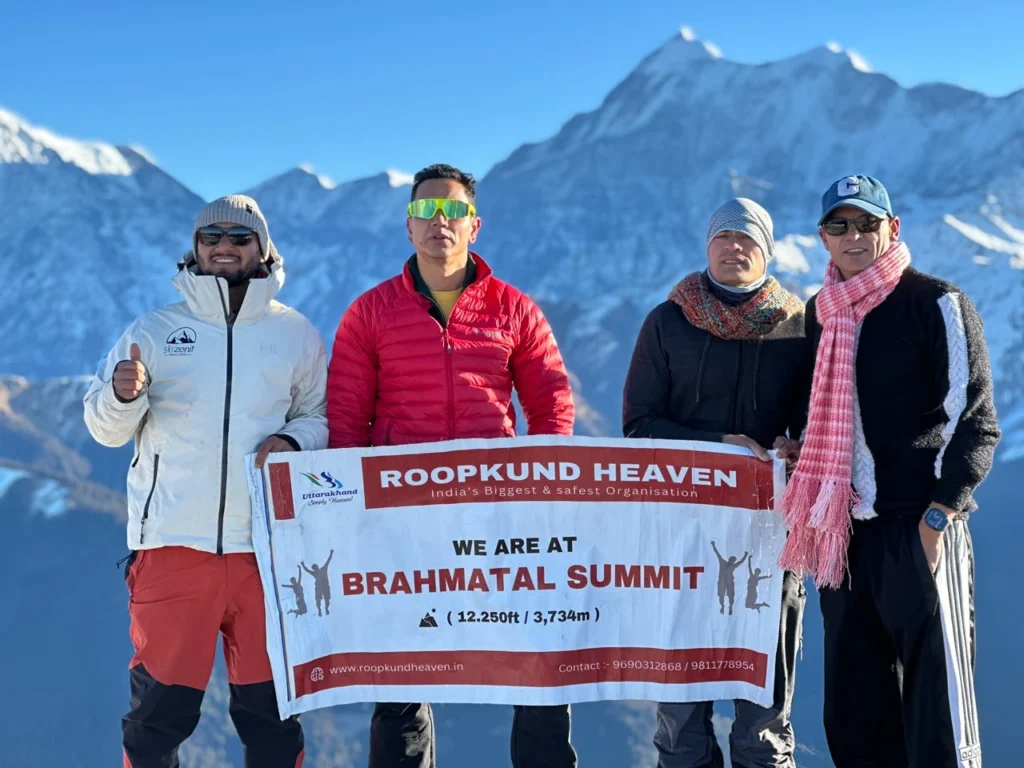
The Brahmatal trek is one of the most rewarding winter trekking experiences in Uttarakhand. Located in the Chamoli district of the Garhwal Himalayas, this trek is especially popular for its snow-covered forests, scenic ridgelines, and magnificent views of Himalayan peaks.
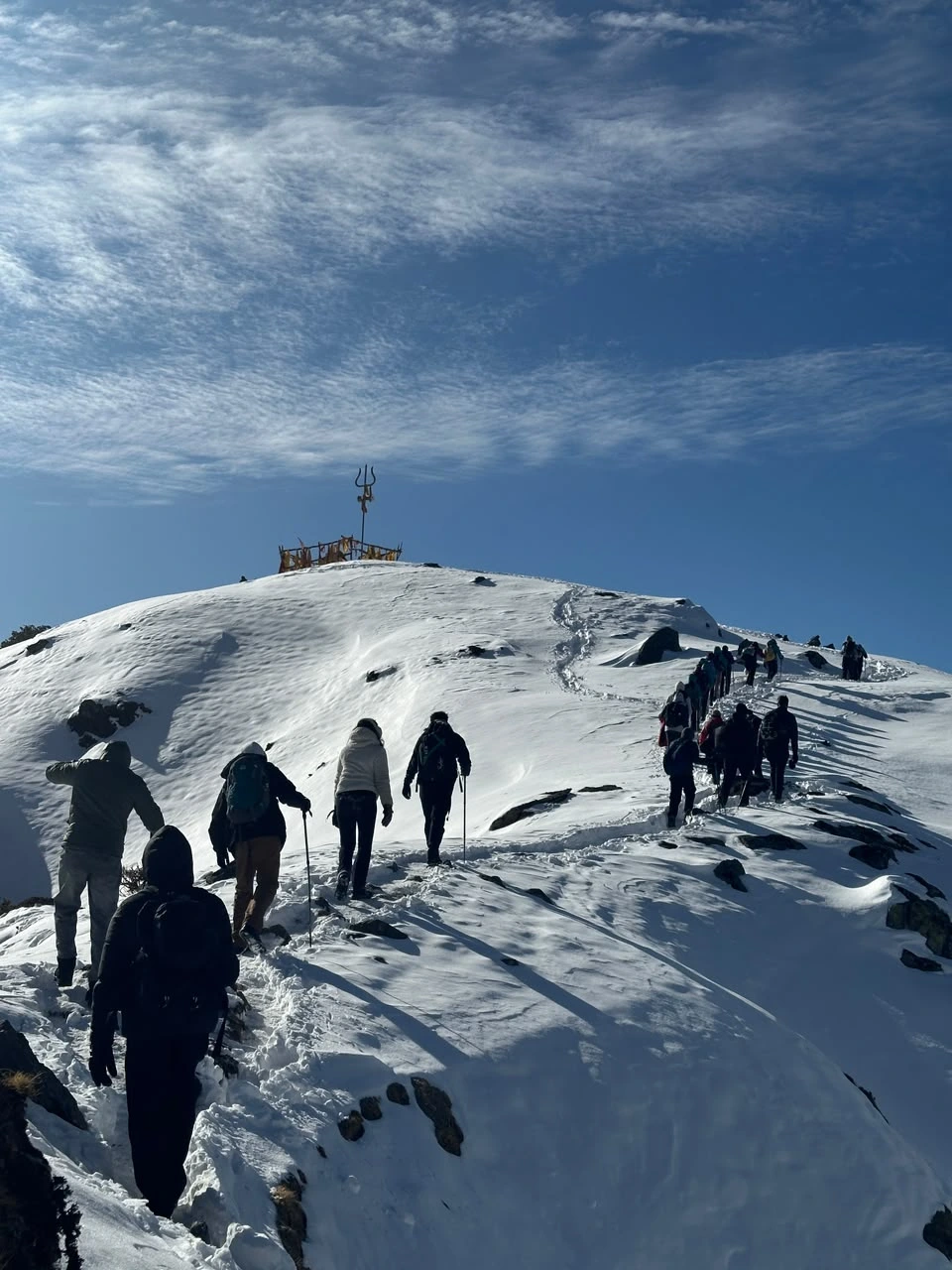
During winter, the trail becomes a beautiful white landscape. Trekkers pass through oak and rhododendron forests, open meadows, and mountain campsites before reaching the Brahmatal region. On clear days, the route offers spectacular views of Mt. Trishul and Mt. Nanda Ghunti.
One of the biggest attractions of Brahmatal is the opportunity to experience snow trekking without attempting a highly technical mountaineering expedition. However, deep snow, icy sections, and unpredictable weather can still make the journey physically demanding.
Brahmatal Trek Quick Facts
- Location: Chamoli, Uttarakhand
- Maximum altitude: Approximately 3,700 metres (12,100 feet)
- Trek duration: Usually 5–6 days
- Difficulty: Moderate in typical winter conditions
- Best winter season: December to February
- Major attractions: Snow-covered forests, Brahmatal Lake, Himalayan summit views
Why Choose Brahmatal for Winter 2026–2027?
Brahmatal is an excellent option for trekkers who want to experience the beauty of the snow-covered Himalayas. Its combination of forest trails, alpine scenery, and mountain views makes it one of the most appealing snowfall treks in India.
January and February are often preferred for snow experiences, although snowfall and trail conditions vary each year.
2. Kuari Pass Trek – Experience the Snowy Himalayan Mountains
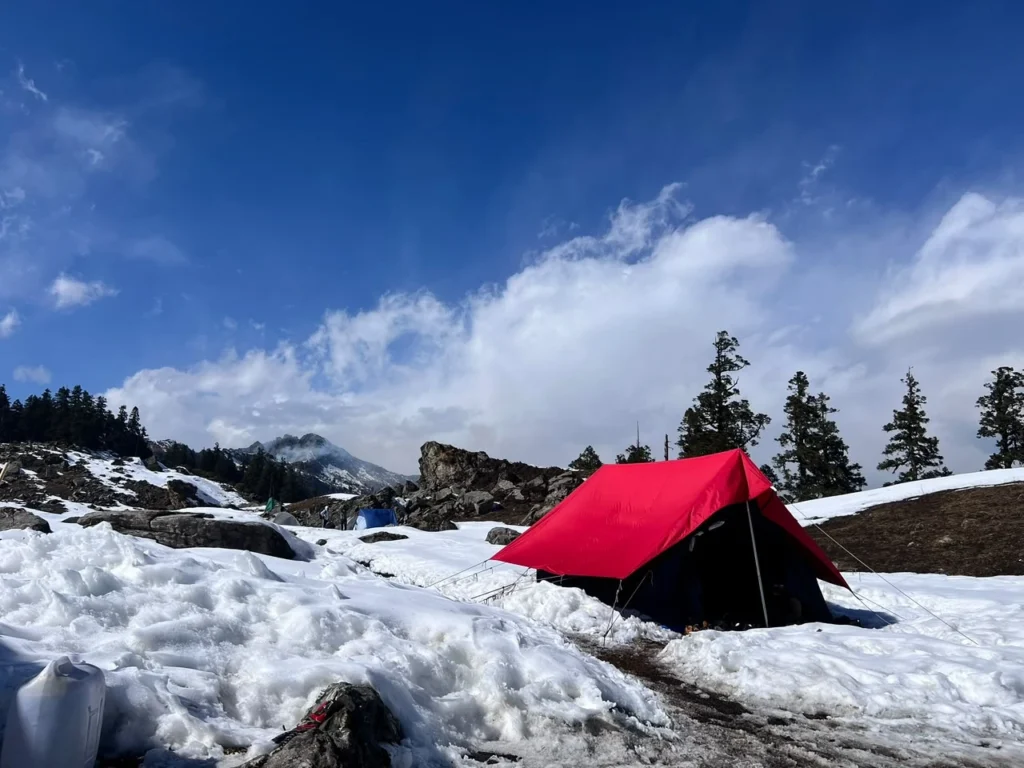
The Kuari Pass trek, also known as the Lord Curzon Trail, is another famous trekking route in Uttarakhand. Situated in the Garhwal Himalayas near Joshimath, it is well known for its expansive mountain views, beautiful forests, and snow-covered winter trails.
The route passes through picturesque oak forests and open slopes that provide panoramic views of some of the region’s most impressive Himalayan peaks. Trekkers may see Nanda Devi, Dronagiri, Kamet, and other surrounding mountains when weather conditions are favourable.
In winter, the trail offers a completely different atmosphere. Snow-covered trees, quiet campsites, and broad mountain landscapes make Kuari Pass a favourite among photographers and adventure enthusiasts.
Kuari Pass Trek Quick Facts
- Location: Chamoli, Uttarakhand
- Maximum altitude: Approximately 3,800 metres (12,500 feet), depending on the route
- Trek duration: Usually 5–6 days
- Difficulty: Moderate, potentially harder in deep snow
- Best winter season: December to March, subject to conditions
- Major attractions: Nanda Devi views, snow-covered forests, alpine ridgelines
Brahmatal Trek vs Kuari Pass Trek: Which Is Better in Winter?
Both are excellent winter trekking destinations, but they offer slightly different experiences.
The Brahmatal trek is particularly attractive for its alpine lake setting and views of Trishul and Nanda Ghunti. The Kuari Pass trek is ideal for trekkers who want extensive mountain panoramas and varied forest and ridge landscapes.
For beginners with reasonable fitness, both may be suitable when accompanied by experienced guides and when snow conditions permit.
3. Ali Bedni Bugyal Trek – Explore the Magnificent Alpine Meadows
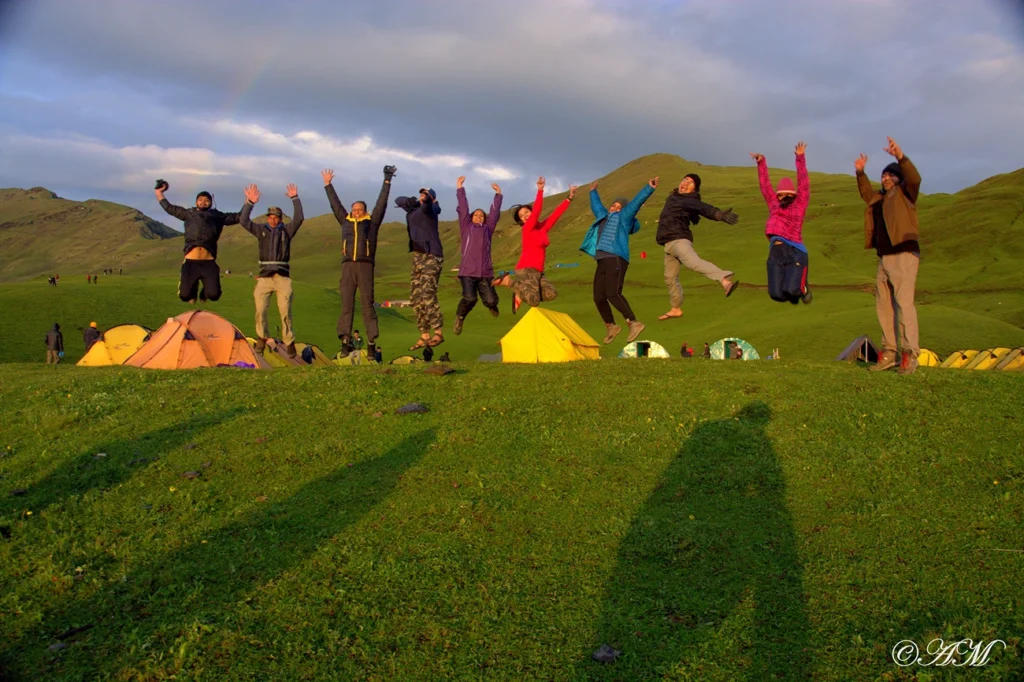
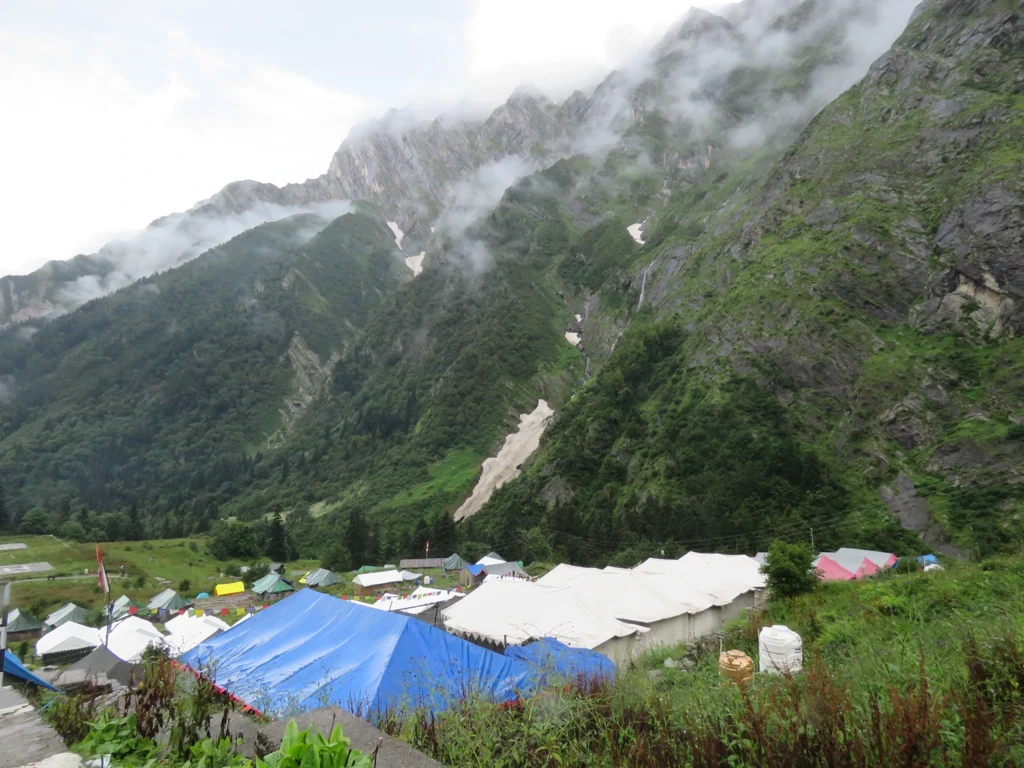
The Ali Bedni Bugyal trek is one of Uttarakhand’s most scenic high-altitude meadow treks. Located in the Chamoli district, the route is known for its beautiful grasslands, traditional Himalayan villages, forest trails, and magnificent views of Mt. Trishul and Nanda Ghunti.
Ali Bugyal and Bedni Bugyal are two spectacular alpine meadows situated along the traditional Roopkund trekking route. During spring and autumn, the landscapes offer beautiful mountain scenery, while winter snowfall can transform the grasslands into extensive snowfields.
The bedni bugyal trek is particularly attractive to travellers who want to explore the Himalayan countryside and experience the natural beauty of Uttarakhand away from busy tourist destinations.
However, winter conditions at Ali Bedni Bugyal can be severe. Deep snowfall may block trails, reduce visibility, and make access to higher sections difficult. It should not be treated as a routine beginner-friendly winter trek.
Ali Bedni Bugyal Trek Quick Facts
- Location: Chamoli, Uttarakhand
- Maximum altitude: Approximately 3,500 metres (11,500 feet), depending on the route
- Trek duration: Usually 5–6 days
- Difficulty: Moderate in favourable conditions; potentially difficult in winter
- Best trekking season: May–June and September–October
- Major attractions: Ali Bugyal, Bedni Bugyal, Bedni Kund, Trishul and Nanda Ghunti views
Ali Bedni Bugyal Trek Package: What Should Trekkers Expect?
An Ali Bedni Bugyal trek package generally includes a planned itinerary from a base village such as Lohajung, guided trekking, accommodation arrangements, meals during the trek, and assistance with applicable forest permissions.
Package inclusions vary between operators, particularly regarding transportation, trekking equipment, porter services, and accommodation.
For winter 2026–2027, trekkers should confirm whether the proposed route is operational, which campsites are permitted, and whether the itinerary is suitable for current snow conditions.
Is Ali Bedni Bugyal Trek Open in 2026?
A significant development occurred in July 2026, when the Supreme Court reportedly relaxed the earlier blanket restrictions on overnight camping and visitor numbers in Uttarakhand’s alpine meadows. The change has renewed trekking activity around Ali Bedni Bugyal and Roopkund, although environmental regulations and local permissions continue to apply.
This does not mean every route is accessible throughout the year. Winter trekking remains dependent on weather, snow accumulation, and local forest department guidance.
4. Roopkund Trek – The Mysterious Himalayan Lake and Its Winter Challenges
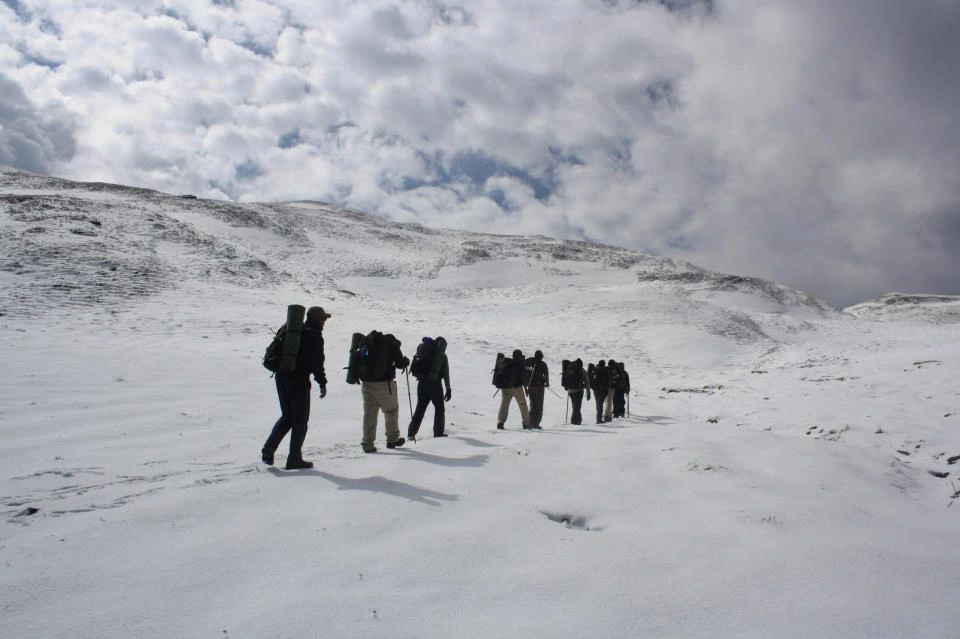
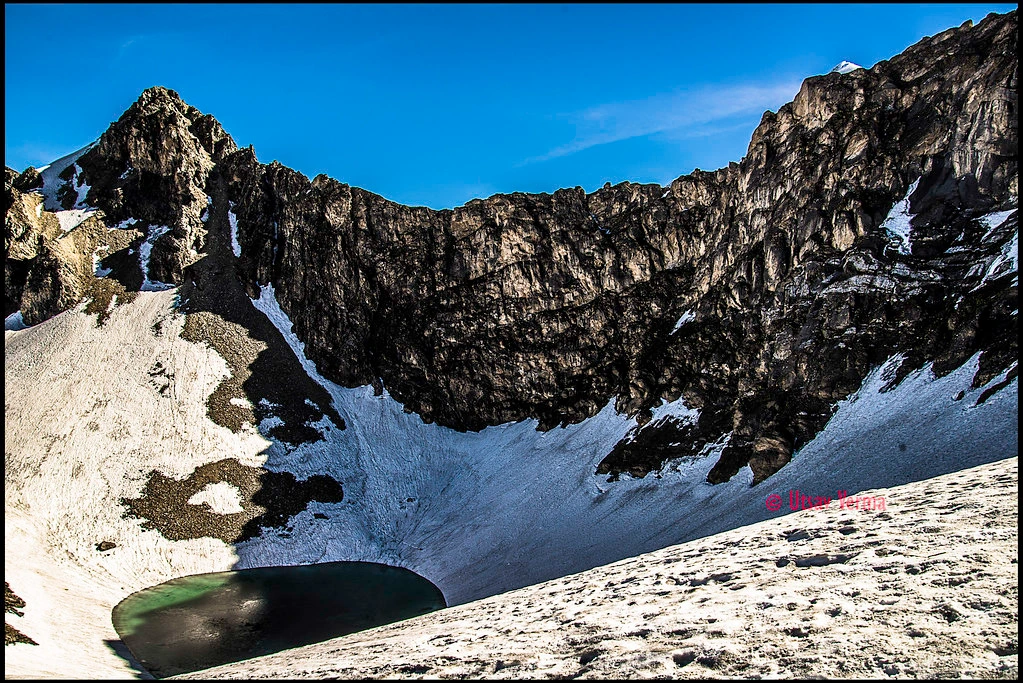
The Roopkund trek is one of India’s most fascinating high-altitude trekking routes. Located in the Chamoli district of Uttarakhand, Roopkund Lake lies at approximately 4,800 metres (15,750 feet) and is famous for the ancient human skeletal remains discovered around its shores.
The traditional trekking route begins from Lohajung and passes through forests, mountain villages, Ali Bugyal, Bedni Bugyal, and rugged high-altitude terrain before reaching Roopkund Lake.
The journey offers remarkable views of the Garhwal Himalayas, particularly the towering peaks of Trishul and Nanda Ghunti.
Unlike regular winter treks, Roopkund involves significant altitude gain, steep slopes, exposed terrain, and potentially hazardous snow conditions. It is not recommended as a conventional December-to-February trekking destination.
Roopkund Trek Quick Facts
- Location: Chamoli, Uttarakhand
- Maximum altitude: Approximately 4,800 metres (15,750 feet)
- Trek duration: Usually 7–8 days
- Difficulty: Moderate to difficult in suitable trekking seasons
- Best trekking season: May–June and September–October, subject to access
- Major attractions: Roopkund Lake, Ali Bedni Bugyal, Himalayan mountain views
Is Roopkund Trek Open in 2026?
Many adventure enthusiasts are searching online for “is roopkund trek open” and “Roopkund trek is open or not”, especially after years of restrictions.
The important update is that the Roopkund trek reopened for commercial trekking activity in 2026 following the relaxation of earlier alpine meadow camping restrictions. Trekking operators advertised autumn 2026 departures, including October itineraries.
However, reopening does not guarantee year-round access. The Roopkund trek 2026 season remains subject to weather, local permissions, route safety, and conservation regulations.
Trekkers planning winter travel should not assume that the trail is accessible simply because regular-season trekking has resumed.
Why Roopkund Trek Was Banned
Another frequently searched question is “why roopkund trek is banned“.
In August 2018, the Uttarakhand High Court introduced restrictions aimed at protecting fragile alpine meadows, including Ali, Bedni, and other bugyals. These measures included a ban on overnight stays in alpine meadows and limits on visitor numbers.
The restrictions were introduced in response to concerns about environmental damage, waste accumulation, commercial activity, and the degradation of sensitive high-altitude ecosystems.
In July 2026, the Supreme Court relaxed important provisions concerning camping and visitor limits, while other environmental protections remained relevant.
Therefore, describing Roopkund as permanently banned would be outdated. The more accurate position is that the route has reopened, but access continues to depend on applicable regulations and mountain conditions.
Roopkund Temperature During Winter
The Roopkund temperature varies considerably depending on altitude, season, weather, and exposure.
During December, January, and February, the upper reaches of the trek can experience temperatures well below freezing, particularly at night. Strong winds and snowfall can make conditions significantly more severe.
Snow-covered slopes, icy sections, and reduced visibility increase the risks of winter travel.
For this reason, Roopkund should be approached as a demanding high-altitude mountain route rather than an ordinary winter holiday trek.
Roopkund Trek Closing Date 2026
There is no single universally applicable Roopkund trek closing date for 2026 comparable to the formally announced seasonal closure of a national park.
The practical end of the trekking season depends on weather, snowfall, local access conditions, permissions, and operator schedules.
October is commonly associated with the autumn trekking season, but trekkers should confirm the final permitted departure dates directly with the relevant authorities and trekking organiser.
5. Valley of Flowers Trek – A Himalayan Paradise Best Explored in Summer
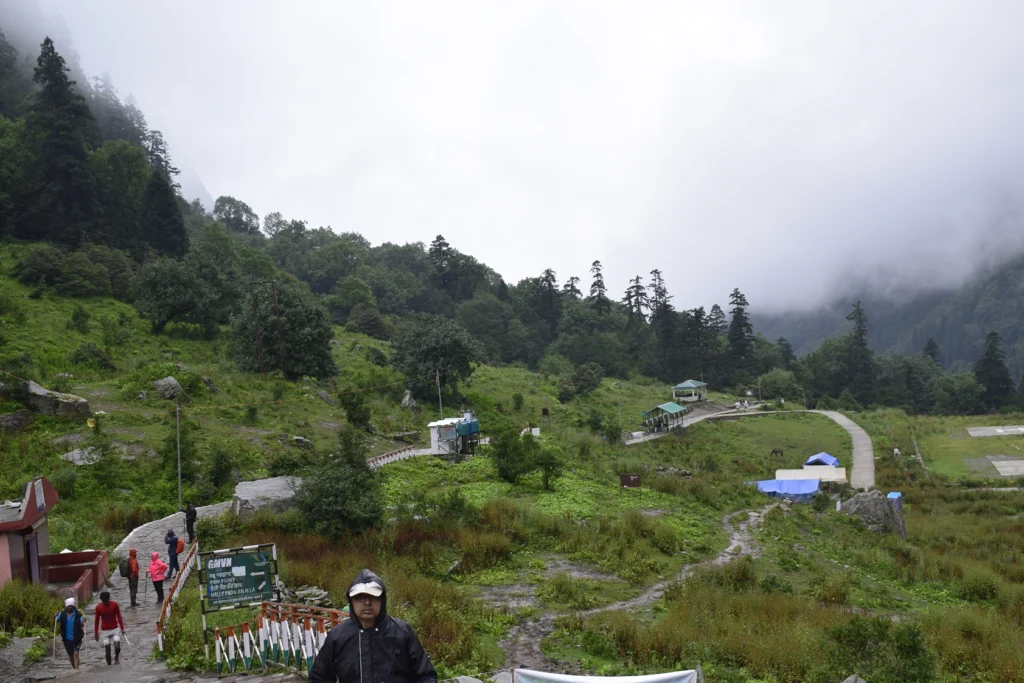
The Valley of flower trek, more commonly called the Valley of Flowers trek, is one of Uttarakhand’s most celebrated nature trails. Located in Chamoli district, the Valley of Flowers National Park is a UNESCO World Heritage Site famous for its rich alpine biodiversity and colourful seasonal flowers.
Unlike Brahmatal or Kuari Pass, the Valley of Flowers is not a regular winter trekking destination.
During the summer and monsoon months, the valley comes alive with beautiful flowers, green landscapes, flowing streams, and spectacular mountain scenery. As winter approaches, snowfall gradually covers the higher Himalayan terrain, making access difficult and eventually closing the national park to visitors.
Valley of Flowers Trek Quick Facts
- Location: Chamoli, Uttarakhand
- Maximum altitude: Approximately 3,500–3,700 metres, depending on the walking route
- Trek duration: Usually 4–6 days
- Difficulty: Moderate
- Best season: July to September for seasonal flowers
- Major attractions: Alpine flowers, Himalayan scenery, biodiversity, waterfalls
Is the Valley of Flowers Trek Open in Winter?
No. The Valley of Flowers National Park follows a seasonal visitor schedule and is not open for normal tourist trekking during winter.
For 2026, the park opened on June 1, with the announced visitor season running until October 31.
Travellers who want to experience snow-covered Himalayan landscapes during December or January should consider established winter routes such as Brahmatal, Kuari Pass, Kedarkantha, or Dayara Bugyal instead.
6. Best Winter Treks in India: Comparison of Popular Himalayan Routes
Choosing the right winter trek depends on your fitness level, trekking experience, available time, and expectations from the journey.
Some routes are popular for snow-covered forests and summit views, while others are better known for alpine meadows, lakes, and seasonal landscapes.
| Trek Name | Approx. Altitude | Difficulty | Winter Suitability |
| Brahmatal Trek | 3,700 m | Moderate | Excellent established winter option |
| Kuari Pass Trek | 3,800 m | Moderate | Excellent, conditions permitting |
| Kedarkantha Trek | 3,810 m | Easy–Moderate | Popular winter summit trek |
| Dayara Bugyal Trek | 3,600 m | Easy–Moderate | Popular winter meadow trek |
| Ali Bedni Bugyal Trek | 3,500 m | Moderate | Limited; requires current route assessment |
| Roopkund Trek | 4,800 m | Moderate–Difficult | Not recommended as a regular winter trek |
| Valley of Flowers Trek | 3,500–3,700 m | Moderate | Closed to regular winter visitors |
The most suitable snowfall trek is not necessarily the one with the highest altitude. Trail conditions, daily ascent, weather exposure, and accessibility are equally important.
7. Best Time for Snowfall Treks in India: December 2026 to March 2027
Winter trekking in the Indian Himalayas generally takes place between December and March, although the timing and amount of snowfall vary from one destination to another.
December 2026 – Beginning of the Snow Trekking Season
December marks the beginning of the main winter trekking period across several popular Himalayan routes.
Higher elevations may already have significant snow, while lower forest trails can remain partly clear during early winter.
Brahmatal, Kuari Pass, Kedarkantha, and Dayara Bugyal are popular options during this period, subject to weather and local access.
January 2027 – Peak Winter Conditions
January is often one of the coldest months in the Himalayan trekking season.
Snow accumulation may increase across higher trails, creating beautiful winter landscapes. However, the same conditions can also make trekking more challenging.
Trekkers should prepare for freezing temperatures, icy paths, possible itinerary changes, and weather-related delays.
February 2027 – Snow-Covered Landscapes and Winter Adventures
February can offer excellent snow trekking experiences, particularly on established winter routes.
Brahmatal and Kuari Pass remain popular choices, while Kedarkantha and Dayara Bugyal can also provide rewarding winter scenery.
Snow depth and weather conditions must be checked before departure.
March 2027 – Transition Towards Spring
March marks the gradual transition from winter towards spring in many Himalayan regions.
Snow can remain at higher elevations, while lower trails may begin to thaw. Some routes become easier to access, although conditions vary by altitude and location.
For travellers seeking extensive snow cover, January and February are generally worth considering, but snowfall is never guaranteed.
8. Essential Preparation for Winter Himalayan Treks
Winter trekking requires more preparation than a typical summer hike. Low temperatures, snow-covered paths, limited daylight, and changing weather can affect even relatively straightforward routes.
Choosing a trek that matches your physical fitness and previous mountain experience is essential.
Physical Fitness and Acclimatisation
Trekkers should prepare through regular walking, stair climbing, cardiovascular exercise, and leg-strength training before departure.
Even moderately graded Himalayan treks can become demanding in deep snow.
Acclimatisation is also important because several popular trekking routes reach elevations above 3,000 metres. Ascending too quickly can increase the risk of altitude-related illness.
Essential Winter Trekking Equipment
Carry appropriate clothing and equipment for the expected temperature and trail conditions.
- Insulated winter jacket and thermal base layers
- Waterproof trekking shoes with reliable grip
- Warm gloves, woollen cap, and trekking socks
- Waterproof outer layers and rain protection
- Sunglasses and sunscreen for snow reflection
- Trekking poles and a suitable backpack
- Headlamp, water bottle, and personal medication
- Microspikes or other traction equipment when required by the guide
Trekking Safety and Responsible Travel
Always check weather forecasts, road accessibility, forest permissions, and current trail conditions before starting your journey.
Avoid travelling independently on unfamiliar snow-covered mountain routes, particularly where avalanche terrain or steep icy slopes are involved.
Travellers should also follow responsible trekking practices by carrying back waste, respecting local communities, and avoiding damage to fragile alpine ecosystems.
Winter adventures are most enjoyable when safety and environmental responsibility remain priorities.
9. Which Himalayan Trek Should You Choose for Winter 2026–2027?
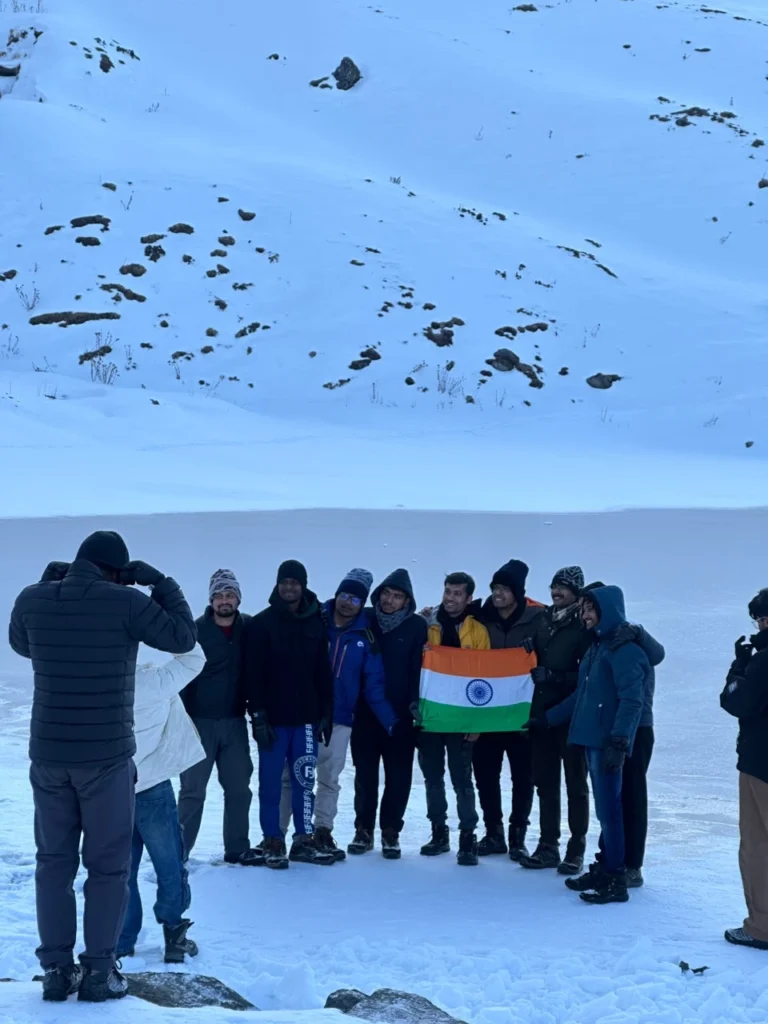
India offers a remarkable variety of Himalayan trekking experiences, but selecting the right destination depends on what you want from your adventure.
For travellers looking for beautiful snow-covered forests and mountain scenery, the Brahmatal trek is an excellent option. Those who prefer wide Himalayan panoramas can consider the Kuari Pass trek.
Kedarkantha is a popular choice for a winter summit experience, while Dayara Bugyal is ideal for exploring extensive snow-covered meadows.
The Ali Bedni Bugyal trek and Roopkund trek offer extraordinary Himalayan landscapes, but they are better considered for suitable non-winter trekking periods unless a properly assessed expedition is available.
The Valley of Flowers trek is best reserved for the summer and monsoon season, when its remarkable alpine flowers are in bloom.
Whether you are preparing for your first snow trek or planning another Himalayan adventure, selecting the appropriate route, season, and trekking team will help make your experience safer and more memorable.
10. Frequently Asked Questions About Winter Treks in India
Q1. Which are the best snowfall treks in India for 2026–2027?
Some of the best snowfall treks in India include Brahmatal, Kuari Pass, Kedarkantha, and Dayara Bugyal in Uttarakhand. These routes are popular for their snow-covered forests, Himalayan mountain views, and winter trekking experiences.
Q2. Is Roopkund trek open in 2026?
Yes, the Roopkund trek reopened for trekking activity in 2026 following changes to earlier restrictions on alpine meadow camping. However, access depends on forest regulations, permissions, weather, and seasonal conditions. Reopening does not mean the trek is suitable throughout winter.
Q3. Why was Roopkund trek banned?
The Roopkund trek was affected by restrictions introduced in 2018 to protect Uttarakhand’s fragile alpine meadows. Concerns included environmental damage, excessive camping, waste, and ecosystem degradation. Important camping restrictions were subsequently relaxed in July 2026, although conservation rules remain applicable.
Q4. What is the Roopkund trek closing date in 2026?
There is no single confirmed, universally applicable closing date for the Roopkund trek in 2026. Autumn trekking generally takes place through October when conditions permit. Visitors should verify current route access and the final departure schedule before booking.
Q5. What is the Roopkund temperature during winter?
Winter temperatures around Roopkund can fall well below freezing, especially at higher elevations and during nighttime. Snowfall, strong winds, and exposed mountain terrain can make conditions particularly severe. Actual temperatures vary daily, so a current mountain weather forecast is essential.
Q6. Is Ali Bedni Bugyal trek suitable for beginners?
The Ali Bedni Bugyal trek can be suitable for reasonably fit beginners during favourable trekking seasons with professional guidance. However, winter snowfall can make the route considerably more demanding. Beginners should avoid attempting it in severe winter conditions without appropriate experience and support.
Q7. What is included in an Ali Bedni Bugyal trek package?
An Ali Bedni Bugyal trek package commonly includes trekking guides, planned accommodation, meals during the trek, and assistance with required permissions. Some packages also include transportation and trekking equipment. Travellers should confirm the exact inclusions and exclusions before booking.
Q8. Which is better for winter trekking: Brahmatal or Kuari Pass?
Both are excellent winter trekking options. Brahmatal is especially popular for its lake setting, snow-covered forests, and views of Trishul and Nanda Ghunti. Kuari Pass is known for its expansive Himalayan panoramas and beautiful ridgeline trails. The better choice depends on fitness, weather conditions, and personal preferences.
Q9. Is the Valley of Flowers trek open during winter?
No. The Valley of Flowers National Park is closed to regular visitors during winter. The 2026 visitor season was announced for June 1 through October 31. The best time to experience its colourful alpine flowers is generally July to September.
Q10. Which Himalayan treks are best for beginners in winter?
Kedarkantha, Dayara Bugyal, Brahmatal, and Kuari Pass are popular choices for trekkers beginning their Himalayan trekking journey. However, their suitability depends on fitness, snow depth, weather, and the specific itinerary. Even beginner-oriented treks can become challenging during heavy snowfall.
Q11. Is January or February better for snowfall treks in Uttarakhand?
Both January and February can offer excellent opportunities to experience snow-covered Himalayan landscapes. January is typically associated with colder conditions, while February can provide accumulated snow at higher elevations. The actual snow cover varies each year, so neither month guarantees snowfall.
Q12. Can I complete the Roopkund trek in December or January?
Roopkund is not generally recommended as a regular December or January trek. Heavy snowfall, extreme cold, icy slopes, and difficult access can make the route dangerous. The traditional trekking seasons of May–June and September–October are more suitable, subject to current permissions and weather conditions.
Q13. What is the best time for the Ali Bedni Bugyal trek?
May to June and September to October are generally preferred for the Ali Bedni Bugyal trek. These periods can offer beautiful meadow landscapes and Himalayan views. Winter visits require additional preparation and a careful assessment of snow conditions and route accessibility.
Q14. How difficult are winter Himalayan treks?
Winter Himalayan treks range from easy-to-moderate routes to demanding high-altitude expeditions. Difficulty depends on elevation, trekking distance, snow depth, terrain, and weather exposure. Proper fitness, winter equipment, acclimatisation, and experienced guides are important for a safe journey.
Conclusion: Discover the Best Snowfall Treks in India in 2026–2027
The Indian Himalayas offer unforgettable winter adventures, from peaceful snow-covered forests to spectacular mountain ridges and alpine landscapes. Whether you choose the Brahmatal trek, Kuari Pass trek, Kedarkantha, or Dayara Bugyal, every journey offers a unique opportunity to experience the beauty of the mountains.
For those interested in exploring the Ali Bedni Bugyal trek or the historic Roopkund trek, understanding seasonal accessibility and current regulations is especially important. The Valley of Flowers remains another remarkable Himalayan destination, best explored during its summer flowering season.
Plan your next adventure with Roopkund Heaven and discover the beauty of the Himalayas through carefully planned trekking experiences. Choose a route that matches your experience, prepare for changing mountain conditions, and make your winter 2026–2027 journey one to remember.