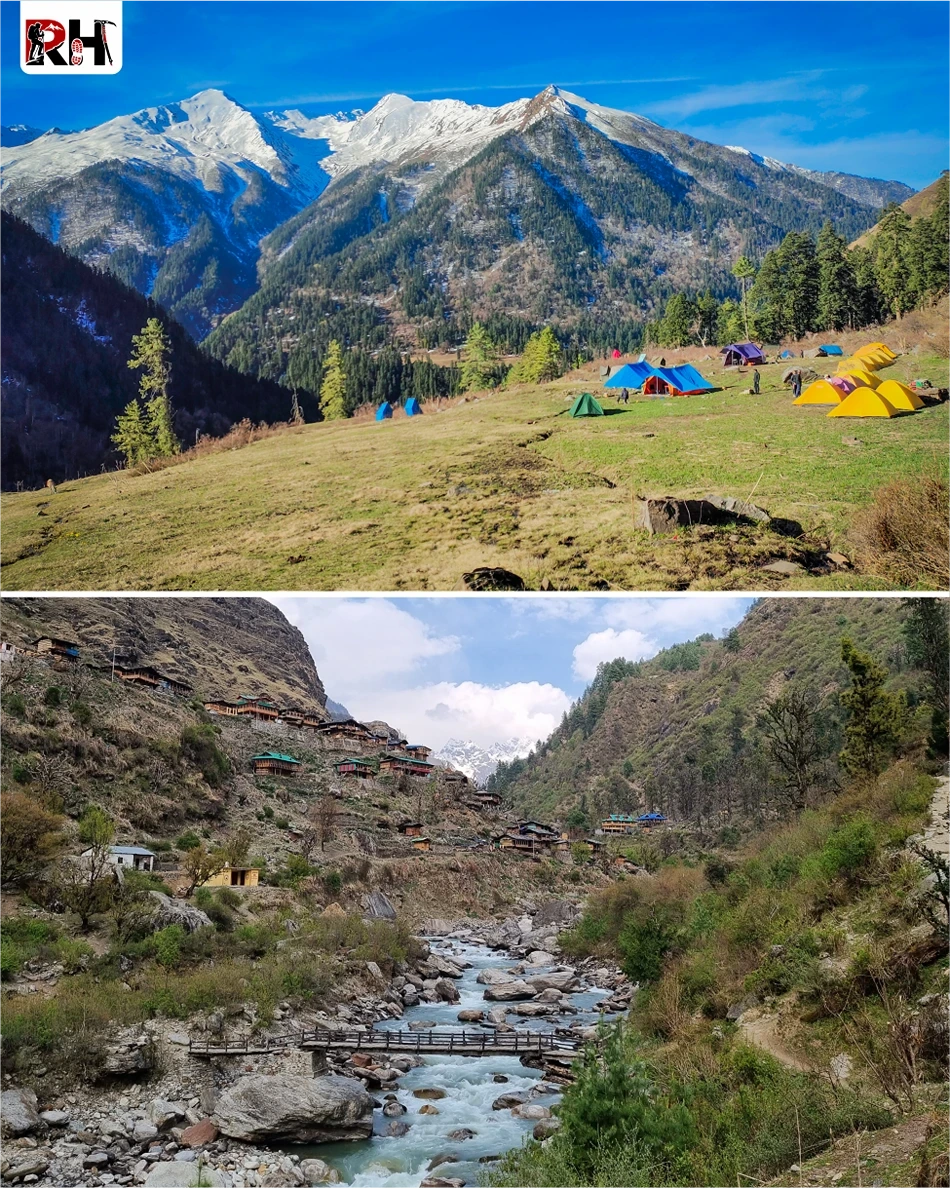
Highlight
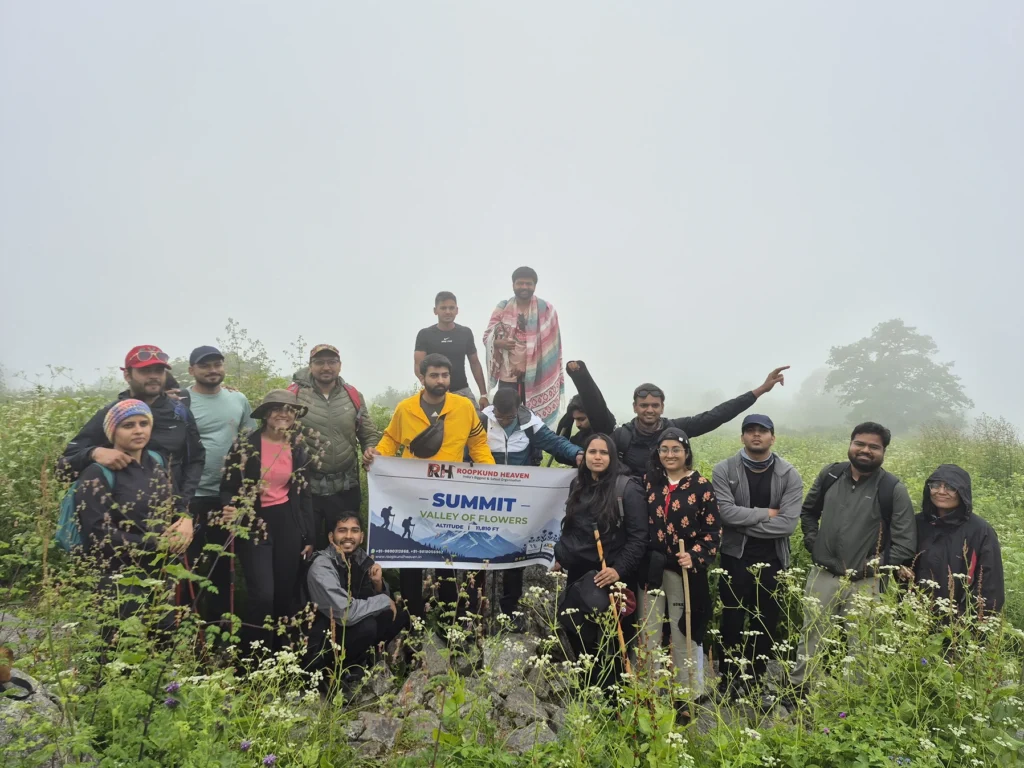
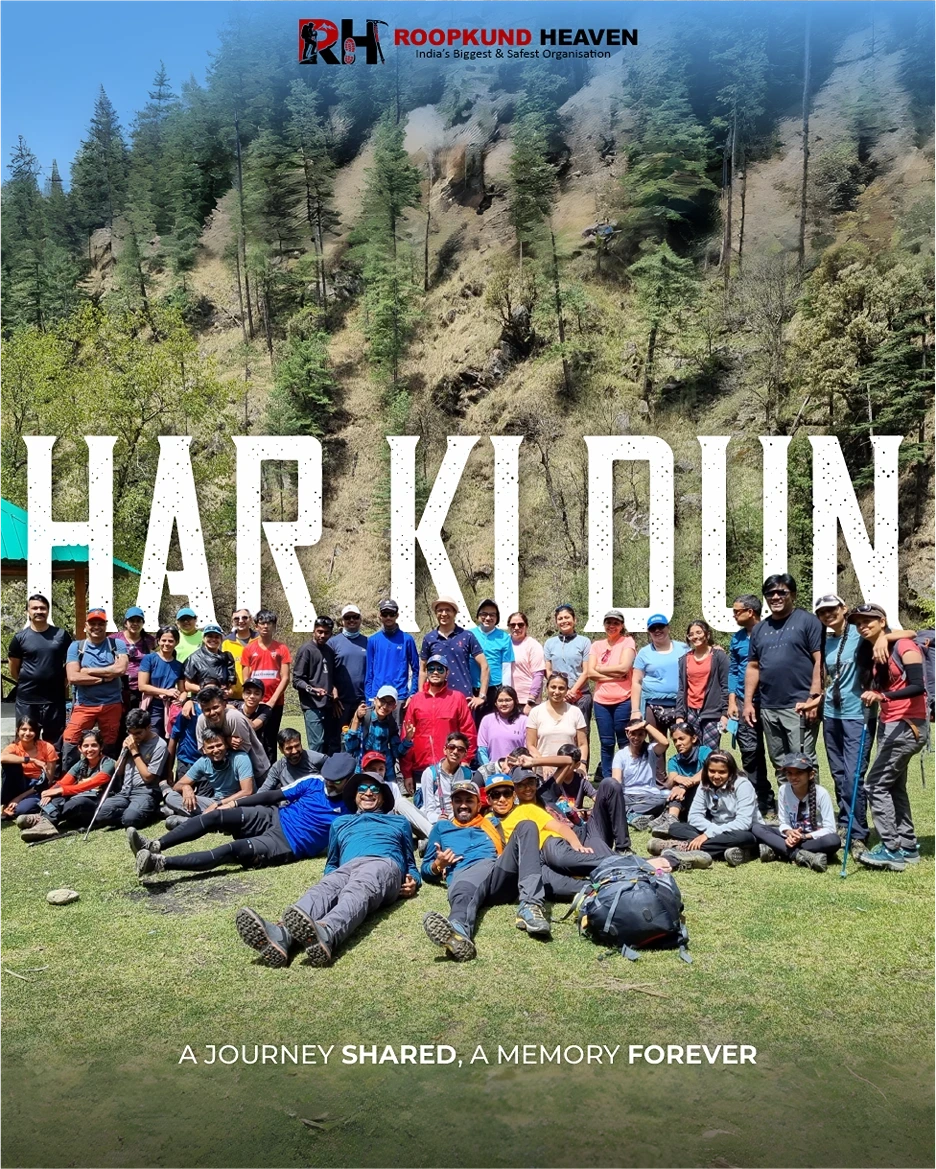
Har Ki Dun Valley: The Valley of Gods at 11,700 ft, considered the route taken by the Pandavas during Mahaprasthan on their journey to heaven, with towering Swargarohini Peak rising directly above
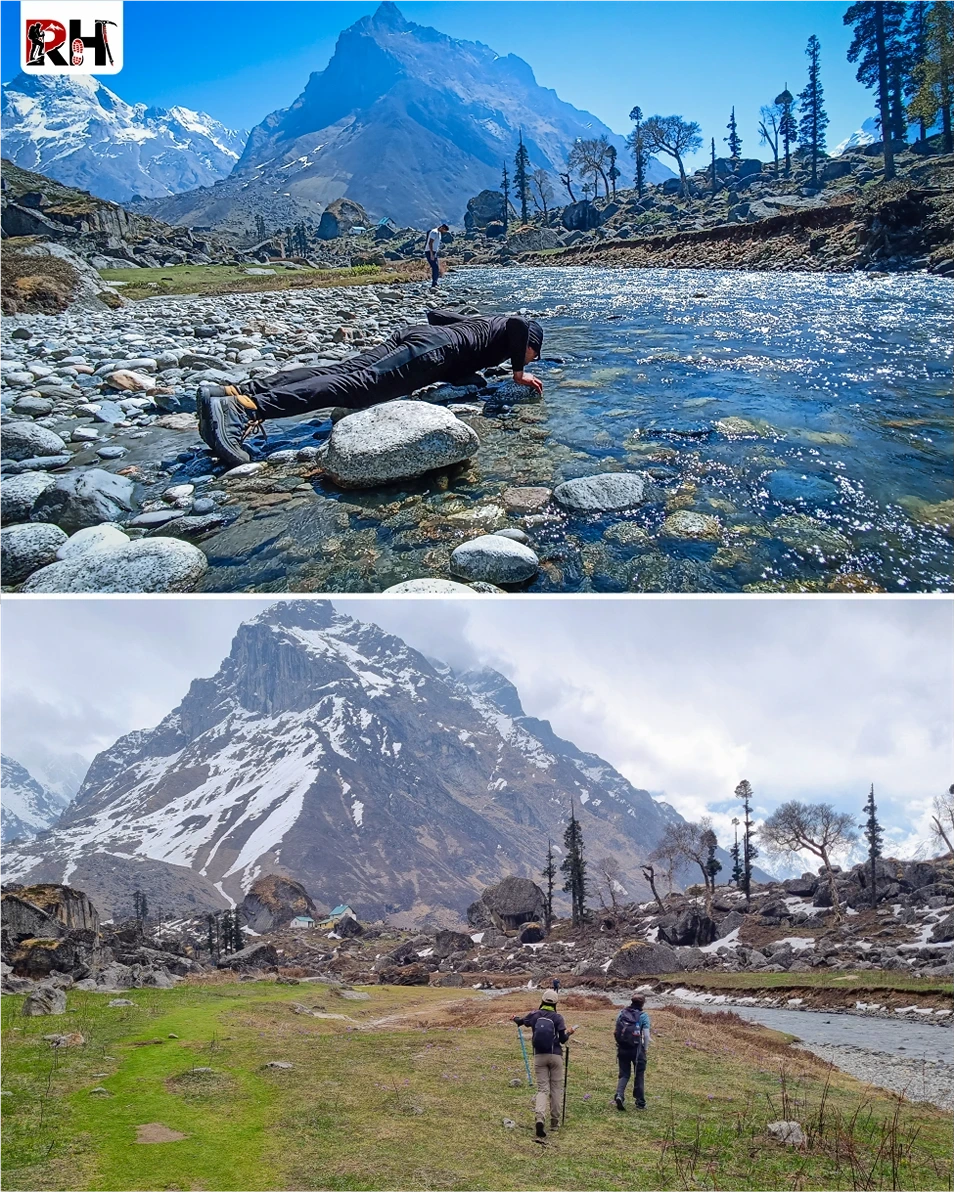
Swargarohini Peak Views: The mountain whose name translates as stairway to heaven, visible from the valley floor, with the Jaundhar Glacier hanging at its base
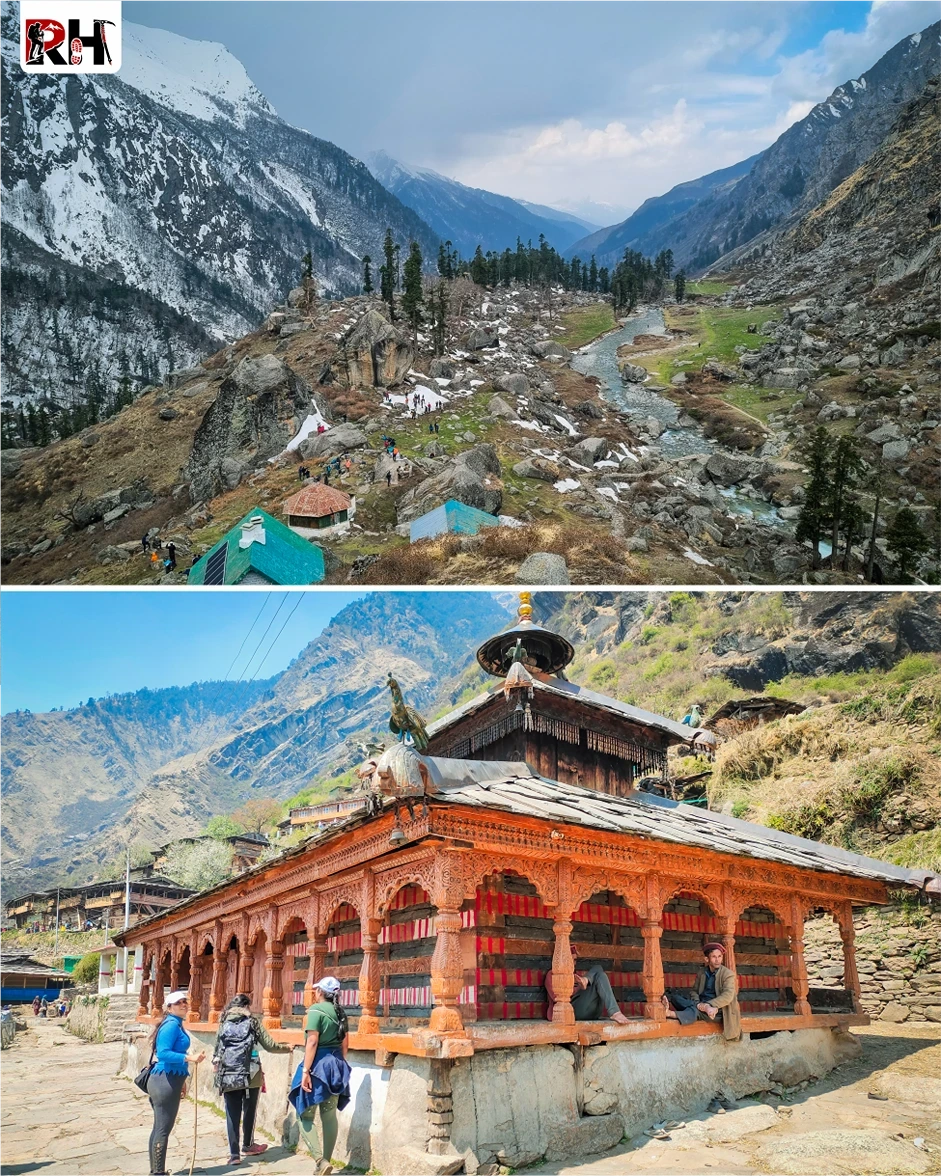
Osla Village and Duryodhana Temple: An ancient Himalayan hamlet on the trek route where the Mahabharata’s antagonist is worshipped as a respected king; the adjacent Someshwar Temple is believed to be over 2,000 years old
Devsu Bugyal: A sprawling alpine meadow above the Supin River at 10,032 feet, covered in wildflowers including orchids, poppies, anemones, and primulas, grassy mounds stretching toward the mountains
Jaundhar Glacier Viewpoint: A trekable sidetrip from the Har Ki Dun valley to the viewpoint of the massive glacier at the base of Swargarohini Peak
Govind Pashu Vihar National Park: A protected biodiversity zone along the entire route, home to snow leopard, Himalayan black bear, musk deer, golden eagle, and western tragopan
Tons River Valley Drive: The scenic drive from Sankri to Gangad through the Tons River gorge, one of the most dramatic valley approaches on any Himalayan trek in Uttarakhand
Har Ki Dun Trek
One of Uttarakhand's most iconic river valley treks, Har Ki Dun combines rich mythology, traditional Himalayan villages, lush forests, alpine meadows, and spectacular views of Swargarohini Peak, making it one of the most culturally and scenically rewarding treks in the Indian Himalayas.
Most valleys in the Himalayas are beautiful. A handful are unforgettable. And then there are the ones that stop being just places and become something closer to stories, landscapes so soaked in mythology, history, and the weight of human meaning that walking through them feels less like trekking and more like reading. Har Ki Dun is that kind of valley.
The name means the Valley of Gods. In Hindi, Har is one of the many names of Lord Shiva, and Dun means valley. But the mythology that runs through this place goes deeper than nomenclature. According to the Mahabharata, this is the valley the Pandavas walked through on their Mahaprasthan, their great final journey from the mortal world to heaven. Yudhishthira, Bhima, Arjuna, Nakula, Sahadeva, walking through this valley and then ascending Swargarohini Peak, which translates directly as the stairway to heaven, to reach the gates of the divine realm.
Why Trekkers Love It
The Pandavas walked this valley. The same valley you will walk. The same Swargarohini that rises above the campsite at Har Ki Dun, visible from the moment you enter the upper meadows, is the peak they ascended on their way to heaven. You do not need to believe that to feel the weight of this valley. You just need to walk it.
And then there is the other mythology, the one that no one talks about at the start of the trek but everyone thinks about when they reach Osla village. Osla has a temple dedicated to Duryodhana, the antagonist of the Mahabharata. Not Yudhishthira. Not Bhima. Duryodhana, the man the Pandavas fought the great war against, worshipped as a respected king by the people who have lived in this valley for centuries. The ancient Someshwar Temple beside it is believed to be over 2,000 years old.
A valley where the heroes walked to heaven, and the villain is worshipped as a god. This is Har Ki Dun. The Har Ki Dun Trek is a 7-day, 43-km river valley trek in Uttarakhand’s Uttarkashi district, starting at Dehradun, driving to Sankri, climbing through the Govind Pashu Vihar National Park alongside the Tons River to Seema village, then to Boslo, and finally into the Har Ki Dun Valley itself at 11,700 feet. The route is entirely valley-based, no passes, no exposed ridgelines, no glacier crossings, following the course of rivers and streams through one of the richest biodiversity zones in the Garhwal Himalayas.
What makes the Har Ki Dun Trek different from most others in this guide is its character. While most Himalayan treks build toward a single peak moment, a pass or a summit, Har Ki Dun builds toward a valley. You are walking into something, not up to something. And what you are walking into is a cradle of Himalayan civilization, a place where ancient villages, sacred mythology, dense forests, alpine meadows, glacier viewpoints, and the sound of two rivers converging all exist within a single week’s walk.
Day 1 is the drive from Dehradun to Sankri, 198 kilometres through the Yamuna Valley and the Tons River road, passing through Himalayan towns and terraced farmland.
Day 2 is a short drive from Sankri to Gangad, followed by a gentle 4-kilometre trek to Seema village through pine and deodar forest.
Day 3 climbs from Seema to Boslo, 10 kilometres through forest and meadow with the first mountain views appearing.
Day 4 is the valley day, Boslo to Har Ki Dun and back, a 12-kilometre round trip into the valley itself with views of Swargarohini, Hata Peak, and the Jaundhar Glacier.
Day 5 retraces the trail from Boslo to Seema.
Day 6 walks back to Gangad and drives to Sankri.
Day 7 is the long drive back to Dehradun.
The trek is graded easy to moderate. The gradient is gentle throughout, the trails are wide and well-defined, the altitude is among the most manageable of any Himalayan trek in this guide at 11,700 feet, and there are no technical sections. This makes Har Ki Dun genuinely beginner-friendly in a way that few 7-day Himalayan treks are. The daily trekking distances of 4 to 12 kilometres are achievable even for first-timers with basic fitness.
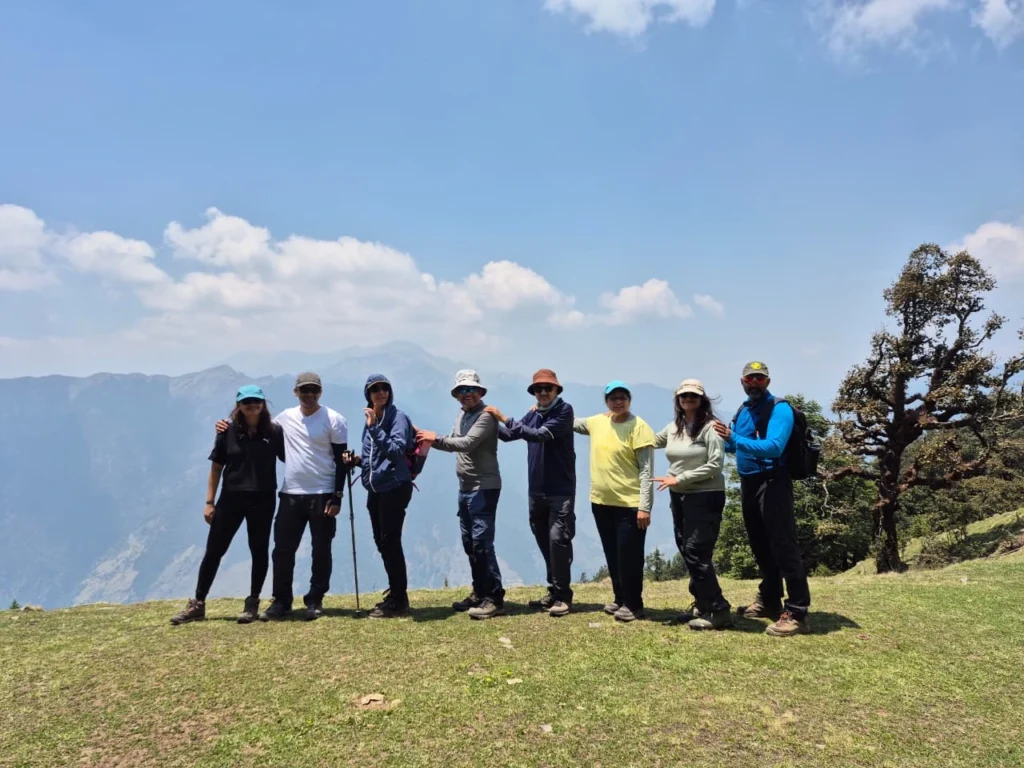
The right person for this trek is someone who wants the Himalayas to be more than a backdrop. Someone who wants to walk through living villages, eat in dhabas beside glacial rivers, sit in a thousand-year-old temple courtyard at the end of a day’s trek, and spend a night camped in a valley that the Pandavas once walked on their way to heaven. Someone who cares as much about the story of a place as its altitude.
The Govind Pashu Vihar National Park, which covers the Har Ki Dun route, is one of the most biodiverse protected ecosystems in the Garhwal Himalayas. Snow leopard, Himalayan black bear, musk deer, bearded vulture, golden eagle, western tragopan. The park also hosts rare bird species and diverse alpine flora, rhododendrons, deodar, pine, oak at lower elevations, and wildflowers and orchids in the summer meadows.
Unlike most tourist areas, Har Ki Dun is quiet and not overcrowded. There are no honking cars or huge buildings. What you hear instead is the sound of wind in the trees, birds singing, and water running across rocks. It has a certain way of making you slow down, take a deep breath, and feel grounded into the earth.
If you are ready to walk the path the Pandavas took to heaven, there is no reason to wait.
Day wise plan
Follow an unforgettable journey through the Valley of Gods as you trek from Sankri to Har Ki Dun, passing ancient Himalayan villages, lush forests, alpine meadows, glacial rivers, and breathtaking mountain landscapes beneath the majestic Swargarohini Peak.
The Har Ki Dun Trek begins with a drive that earns its hours.
Leave Dehradun by 6 AM. The route heads north through Mussoorie and down into the Yamuna Valley, following the river through a succession of towns that grow smaller and more remote with each passing kilometre. Nainbagh, Nowgaon, Purola, Mori, Netwar. Each one a glimpse into Garhwali mountain life: terraced fields, stone houses, small temples, people who have never needed to leave.
After Netwar, the road follows the Tons River, a tributary of the Yamuna that cuts through one of the most dramatic gorges in the region. The river is wide, fast, and loud. The valley walls above it are steep. The road is narrow. At certain points, the river and the road share the same narrow ledge carved into the cliff. The scenery here, in a valley most people have never heard of, is extraordinary.
Sankri arrives by late afternoon. A mountain village at 6,400 feet that serves as the base camp for both the Har Ki Dun Trek and the Kedarkantha Trek. Traditional Garhwali architecture, a cluster of guesthouses and tea shops, and views of Bandarpoonch and Kalanag from the upper slopes on clear evenings.
Settle in. Eat. Hydrate. Sleep early. The Yamuna and Tons valley will show you more tomorrow.\
Tip: Withdraw cash in Dehradun or Barkot. No ATMs in Sankri or beyond. Mobile network disappears after Sankri village.
The morning drive from Sankri to Gangad takes about 1.5 hours on a narrow mountain road through the Tons River gorge. Gangad sits at the edge of Govind Pashu Vihar National Park, the protected wilderness zone that covers the entire Har Ki Dun trekking area.
From Gangad, the trail enters the forest immediately. Pine, deodar, walnut. The gradient is gentle, the path wide and well-defined, the sound of the Tons River constant below. This is the trail used by villagers, shepherds, and forest rangers, which means it has been walked thousands of times and maintained accordingly.
After 4 kilometres of easy forest walking, Seema village appears. A small settlement at 7,900 feet, with stone houses and a handful of dhabas where trekkers stop for chai. The campsite sits near the village, beside the river.
It is a short day by distance and effort, which is exactly the point. The Har Ki Dun Trek is not built around exhaustion. It is built around immersion. And the first day on trail is the entry point, a gentle introduction to a forest and a valley that reveal themselves gradually over the days that follow.
This is the day the trek opens up. The trail from Seema climbs steadily through mixed forest alongside the Har Ki Dun River, which becomes your companion from here to the valley itself. The gradient is moderate, the path well-marked, the forest rich and varied. Birdsong is constant. Himalayan woodpeckers, magpies, and the Himalayan monal pheasant, Uttarakhand’s state bird, are regularly spotted in these forests.
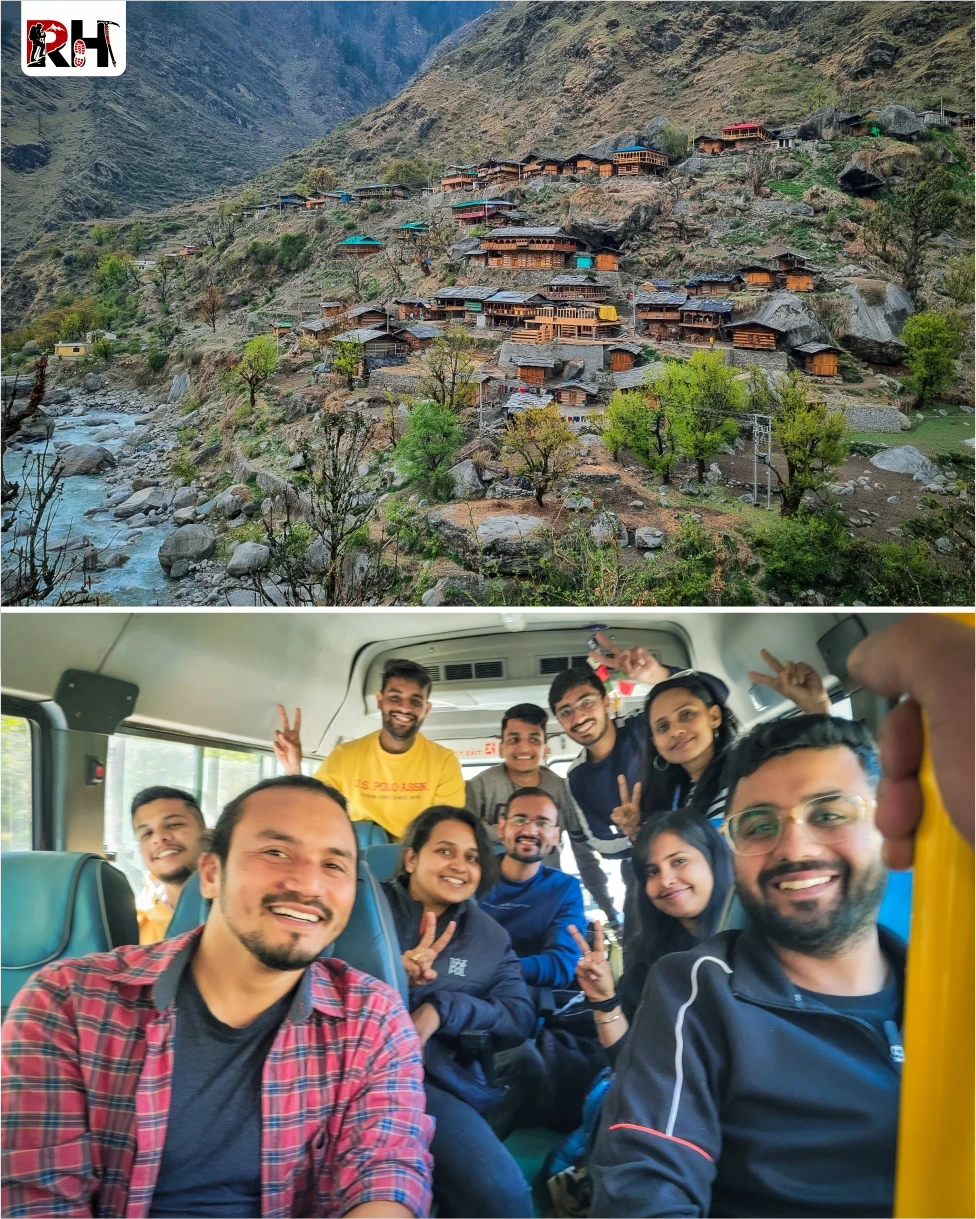
After roughly 5 kilometres, the trail passes through Osla village. This is where the trek’s mythology deepens in a way you do not expect. Osla is a traditional Garhwali hamlet with wooden architecture that has not changed significantly in centuries. The houses are built in the old Himalayan timber-frame style, dark wood and stone, with intricately carved doorways. But the remarkable thing about Osla is not its architecture. It is its temple.
In the centre of the village stands a temple dedicated to Duryodhana. Not Arjuna, not Yudhishthira. Duryodhana. The Mahabharata’s primary antagonist, the man the Pandavas fought the great war against, worshipped here as a respected and beloved king. The villagers of Osla have maintained this tradition for generations, viewing Duryodhana not as a villain but as a just and generous ruler who was unfairly remembered by history. The adjacent ancient Someshwar Mahadev Temple, believed to be over 2,000 years old, adds another layer to Osla’s cultural weight.
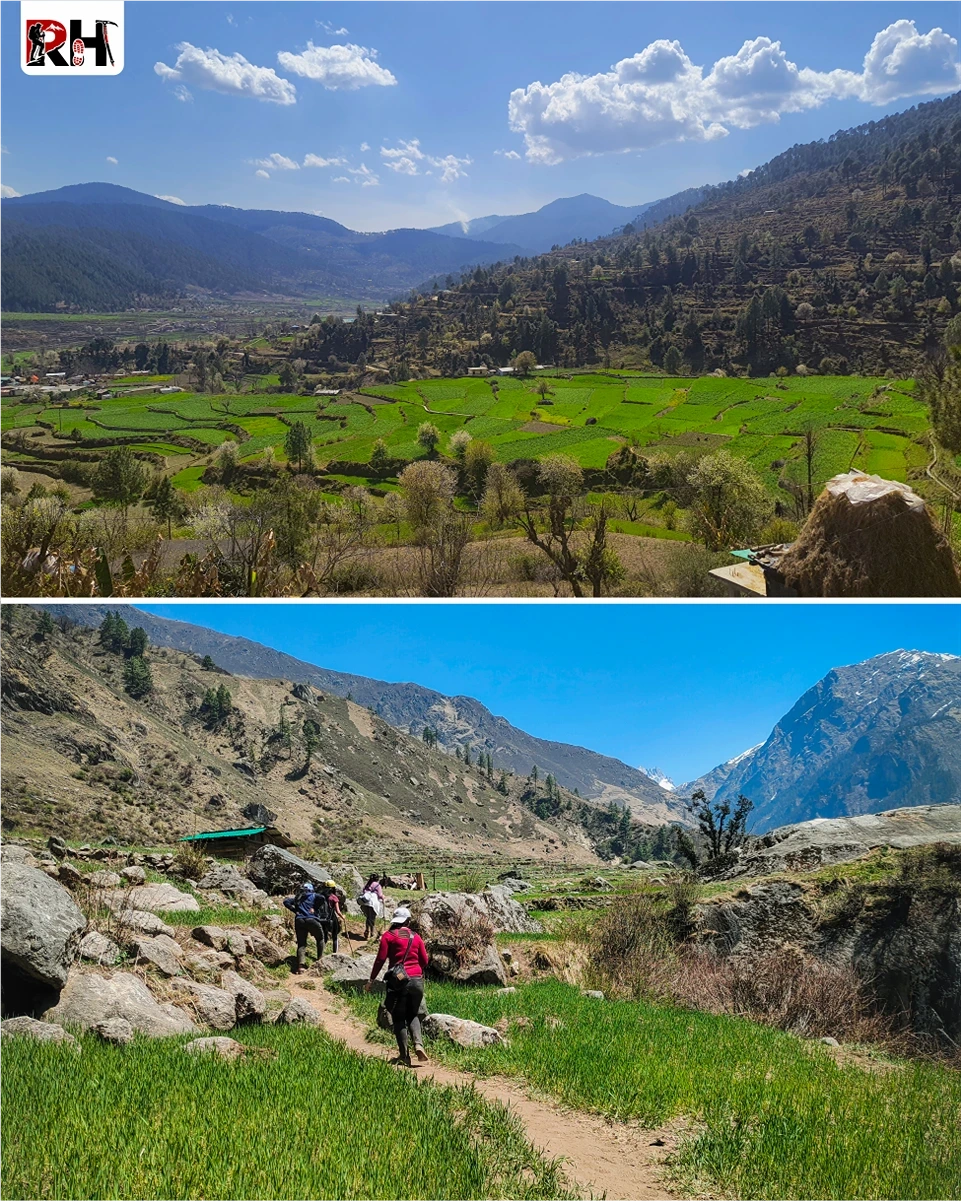
Beyond Osla, the trail continues through forest and emerges into the first open meadows. Devsu Bugyal appears, a sprawling alpine meadow at 10,032 feet above the Supin River, covered in wildflowers in summer, ablaze with autumn colour in October. This is where mountain views begin in earnest: Swargarohini, Hata Peak, Bandarpoonch. All of them appearing above the treeline as the meadow opens.
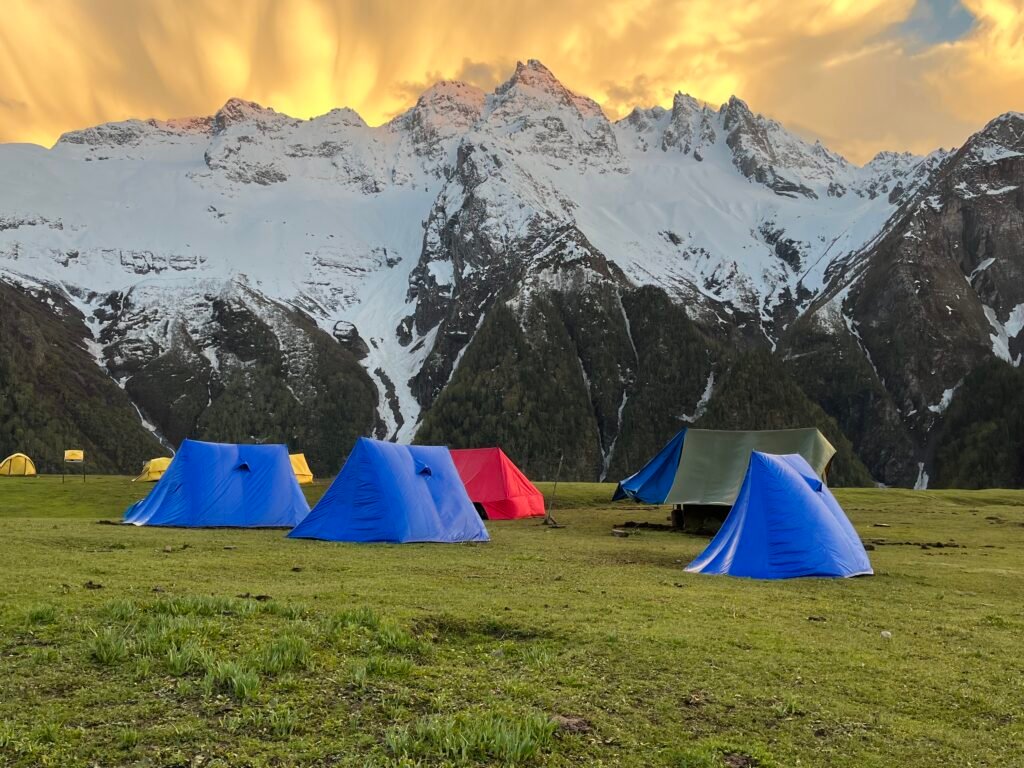
Boslo camp sits at the edge of the meadow and forest at 9,795 feet. The views from here at sunset, with Swargarohini turning pink and the river audible somewhere below, are among the finest of the entire trek.
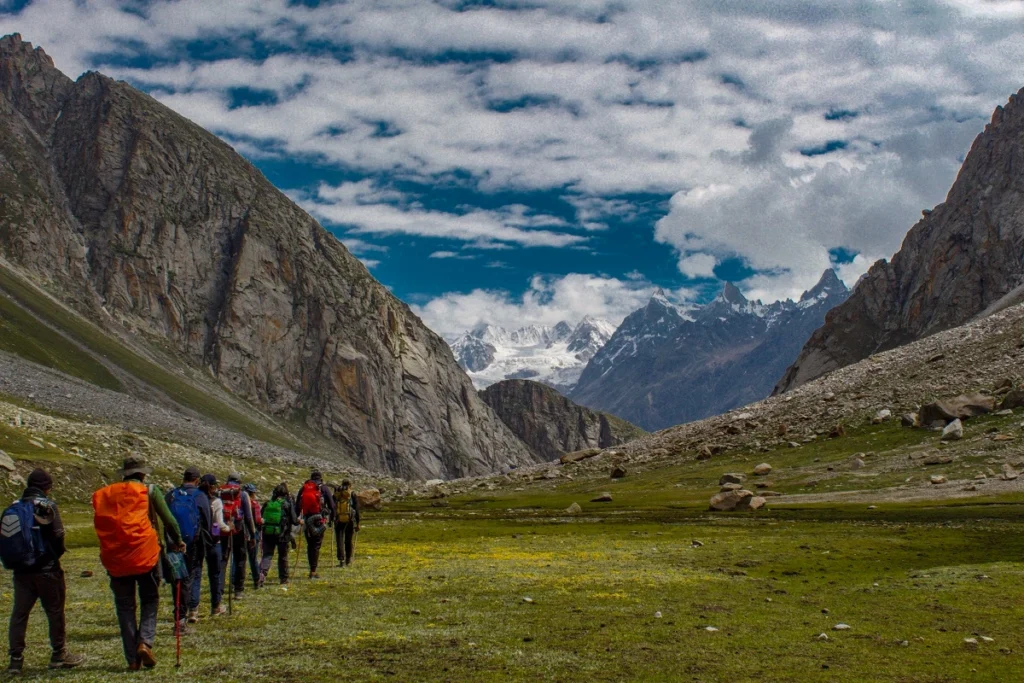
This is the day you walk into the Valley of Gods. Leave Boslo early. The trail climbs from the camp through open meadow and scattered forest, gaining altitude steadily. After about 2 hours, the forest thins and the valley begins to open. The walls grow wider. The peaks get closer.
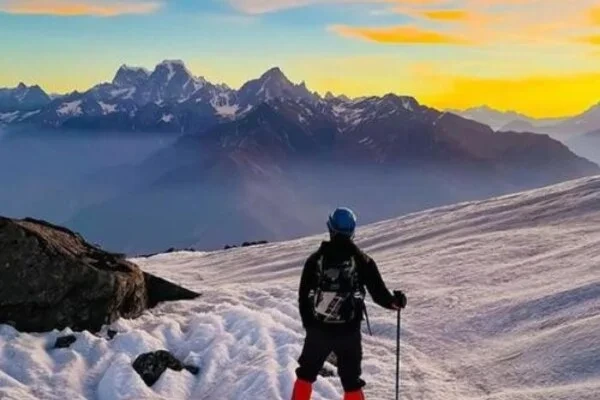
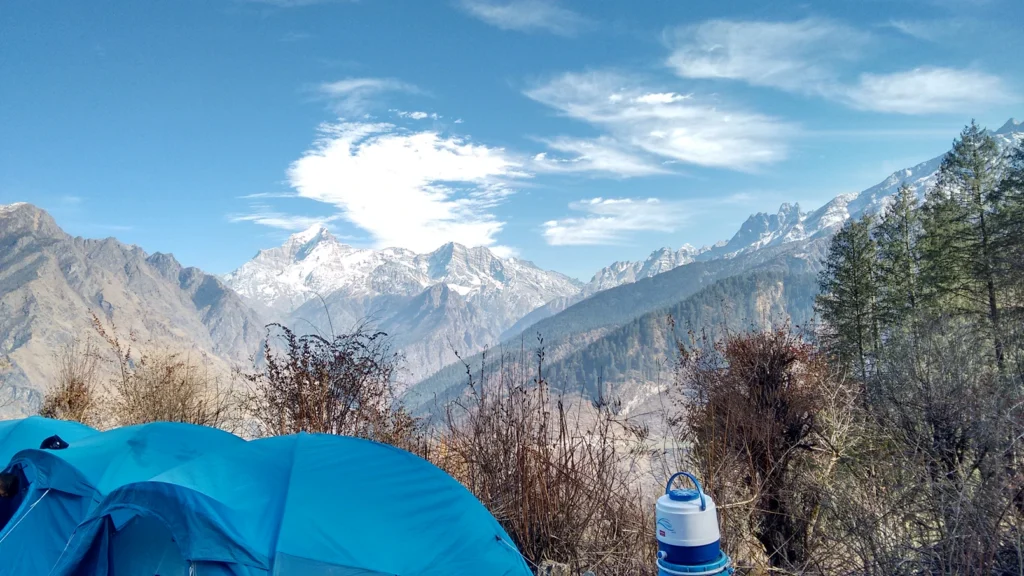
And then Har Ki Dun Valley arrives. It does not announce itself dramatically. There is no sudden revelation. Instead, the valley unfolds gradually as you walk into it, wider and wider, the peaks above it growing taller and closer, the river below it becoming louder. Swargarohini, the stairway to heaven, fills the eastern skyline at 6,252 metres. Hata Peak stands to the north, its altitude of 5,820 metres marking the boundary between Uttarakhand and Himachal Pradesh. Black Peak, also called Kalanag, is visible to the west.
This is the valley the Pandavas walked. The trail that heroes of the Mahabharata followed on their Mahaprasthan, their final journey from the world of mortals to the world of gods. The same mountains above them. The same river below. The same silence.
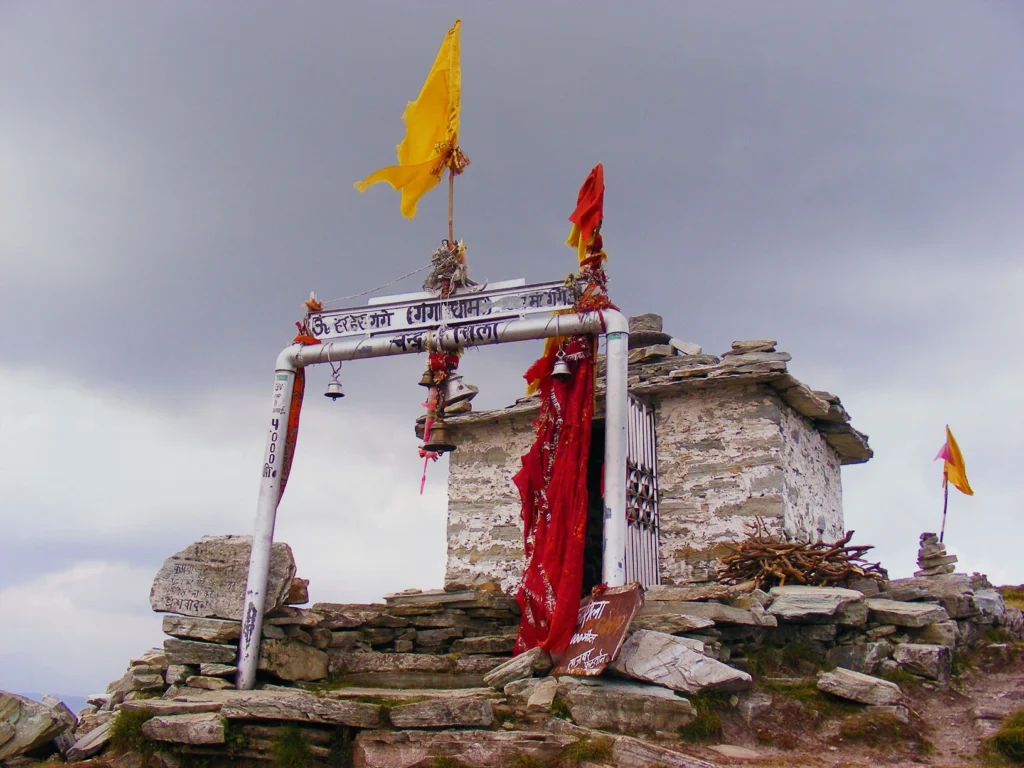
At the far end of the valley, above the campsite, a small temple with a Shivling and a stone statue of Nandi marks the presence of Lord Shiva in this landscape. Har, remember, is a name for Shiva. The Valley of Gods belongs to him.
From the valley floor, trekkers can venture toward the Jaundhar Glacier viewpoint, 5 kilometres further east in the direction of Swargarohini Peak. The glacier is a massive, slow-moving wall of ice at the base of the mountain, retreating visibly year by year in testimony to what climate change is doing to the Himalayan ice system. The viewpoint is reachable in 3 to 4 hours and is worth every step.
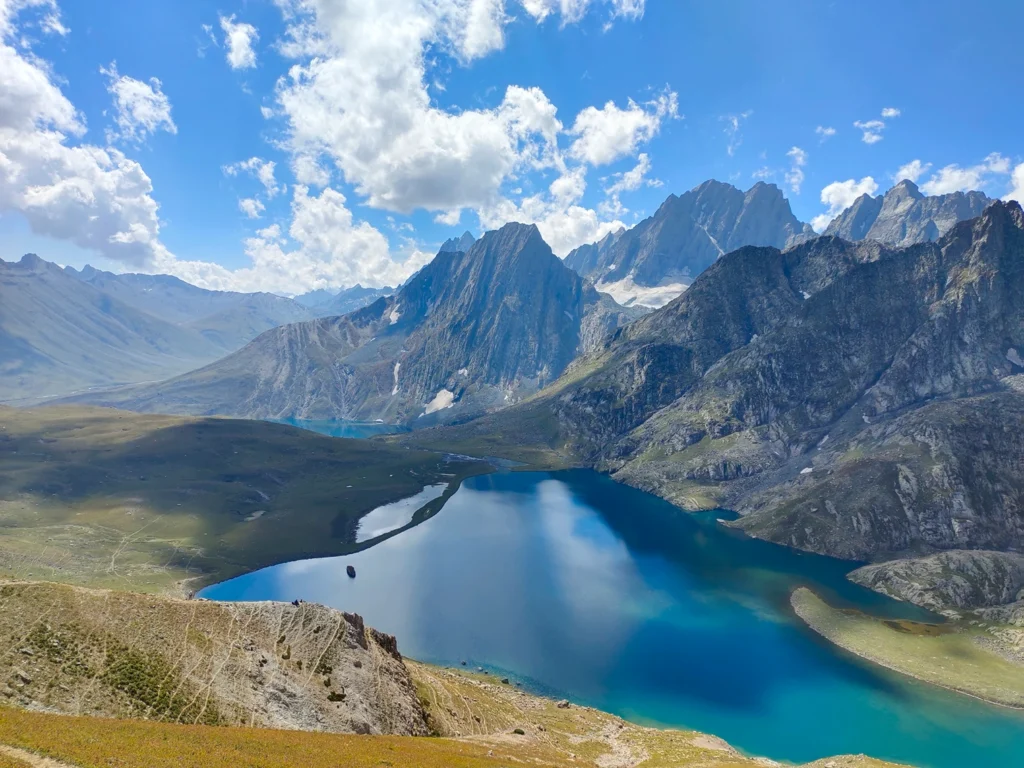
A second sidetrip from the valley leads to Marinda Tal, a high-altitude lake at 3,800 metres where a large boulder blocks the course of a glacial stream, creating a shallow, clear pool surrounded by alpine meadow and mountains that are snow-covered year-round. Explore the valley. Spend time in the silence. Then descend to Boslo by late afternoon.
The descent from Boslo to Seema retraces the Day 3 trail in reverse. Downhill now, which makes it faster. The meadows, the Devsu Bugyal, the Osla village, the forest sections, all of them feel different on the way back: more familiar, more intimate, seen from the other direction in different light.
Arrive at Seema by early afternoon. Rest. The valley is behind you. One more day on trail tomorrow before the road returns.
The final trekking day walks back the 4 kilometres from Seema through forest to Gangad and the roadhead. From there, the drive to Sankri takes 1.5 hours through the Tons River gorge that opened the trek on Day 2, the same river, the same road, different in the way that return journeys are always different. Arrive in Sankri by early afternoon. Check into your guesthouse. Shower. Eat a warm meal. Tomorrow is the long drive home.
The final day is the reverse of Day 1. Sankri to Mori, Netwar, Purola, the Yamuna Valley, and into Dehradun by evening. Arrive in Dehradun between 5 PM and 7 PM. Book your onward travel accordingly with at least a 2-hour buffer for delays.
The Har Ki Dun Trek is over. But the Duryodhana temple, the frozen Swargarohini, the meadows of Devsu Bugyal, the sound of the Tons River on the drive in, the weight of everything the valley carries through its mythology, that stays longer than most treks do.
Inclusion & exclusion
This section includes complete details about accommodation, meals, permits, transportation, camping equipment, trek leadership, and support services included in the Har Ki Dun Trek package, along with personal expenses and services that are not covered in the overall trek cost.
Inclusions
Exclusions
- Bag offloading will be charged at ₹2,400 per bag.
- Maximum weight per bag should not exceed 10 kg.
Best Time to Visit Har Ki Dun Trek
Unlike most Himalayan treks that close during winter and monsoon, the Har Ki Dun Trek remains accessible nearly year-round, with each season delivering a genuinely different experience of the same valley.
April to June: Spring and Early Summer
This is the season of wildflowers and green meadows, and for many trekkers, the most beautiful time to walk the Har Ki Dun route. The snow melts from the lower sections of the trail by April, leaving the forests lush and the meadows alive. By May, wildflowers cover Devsu Bugyal completely: orchids, poppies, anemones, primulas, daisies, marigolds. The rhododendron forests below Boslo bloom in shades of red, pink, and white. The Har Ki Dun River runs high with snowmelt, loud and fast. The Jaundhar Glacier is visible and impressive from the valley floor.
Daytime temperature at lower camps: 12°C – 18°C
Daytime temperature at Har Ki Dun Valley: 8°C – 14°C
Night temperature: 3°C – 8°C
Rainfall: Minimal until late June
Crowds: Moderate, weekdays quieter
September to November: Autumn and Clear Skies
This is the best season for mountain views and photography. The monsoon clears by mid-September. Skies are deep blue. Visibility of Swargarohini, Hata Peak, and Bandarpoonch from the valley floor is at its sharpest of the year. The valley turns golden in October, the grass amber, the forests painted in autumn colour, the air cold and dry and crystalline.
October is the single best month on this route. Fewer crowds than summer, clearer skies than any other season, and the autumn colours of the Garhwal forest at their peak.
Daytime temperature at lower camps: 10°C – 16°C
Daytime temperature at Har Ki Dun Valley: 5°C – 12°C
Night temperature at Boslo: 0°C – 5°C (frost by late October)
Rainfall: Minimal
Crowds: Low to moderate
December to February: Winter Snow Season
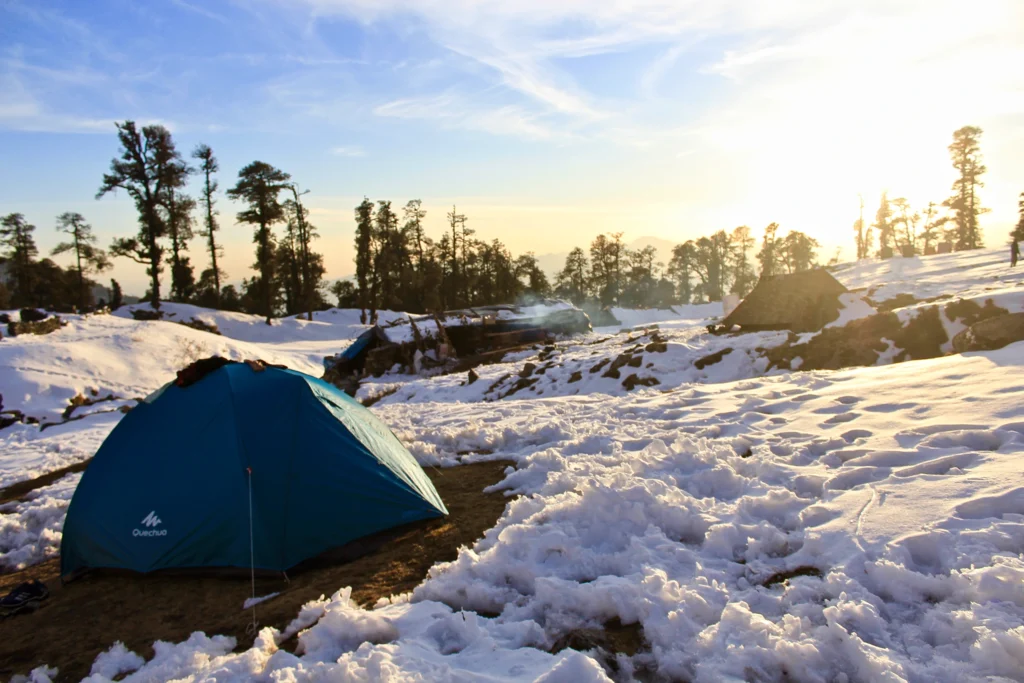
The entire valley transforms into a snow-covered winter landscape. The trail from Seema onward is buried under snow. Devsu Bugyal is white. The Har Ki Dun Valley floor is covered to knee depth in January and February.
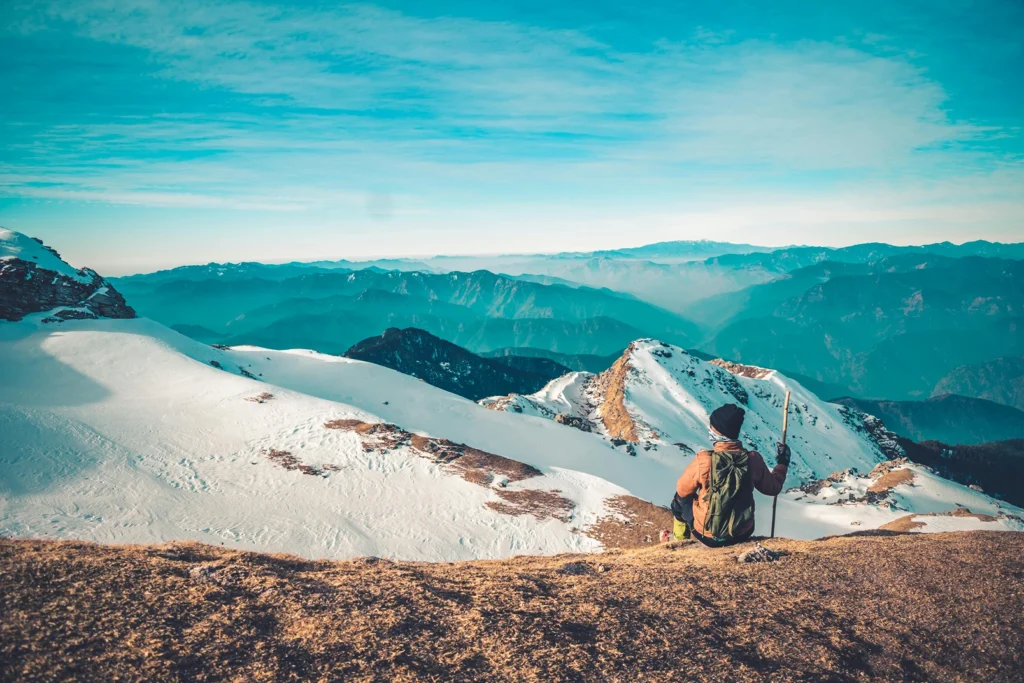
This season is increasingly popular with trekkers who want a genuine winter Himalayan experience without the technical demands of a summit route. The valley is quieter than in any other season. The snow-laden deodar forests are silent and beautiful. Mountain views in clear winter weather are extraordinary.
Night temperatures at Boslo drop to -10°C in January. Full winter layering is mandatory. Microspikes are essential from Seema onward in peak winter months.
Daytime temperature at Har Ki Dun Valley: -2°C – 5°C
Night temperature at Boslo: -8°C – -12°C
Snow coverage: Deep throughout from Seema onward
Crowds: Very low
July to August: Monsoon Season
Heavy rainfall makes the Har Ki Dun trail slippery, and landslides can block the approach road from Dehradun. The valley is dramatically green during monsoon, but most trekking operators discourage this season. Leeches appear in the forest sections. Road delays are common.
Not recommended for first-time trekkers. Experienced trekkers who specifically want the monsoon valley experience find it spectacular despite the challenges.
Things to Carry
Pack for the season you are trekking in. The Har Ki Dun Trek runs across multiple seasons and the packing requirements shift significantly between them.
Clothing
Footwear
Equipment
Health & Hygiene
Documents & Finance
How to Reach Har Ki Dun Trek Base Camp
The Har Ki Dun Trek starts from Gangad, a 12-km drive from Sankri. Sankri is the main base camp, and Dehradun is the transit hub.
Reach Dehradun
By Air: Dehradun’s Jolly Grant Airport has direct flights from Delhi, Mumbai, and Bengaluru. From the airport, take a taxi or pre-paid cab to the city centre (45 minutes).
By Train: Dehradun Railway Station is well-connected to Delhi, Mumbai, and other major cities. Overnight trains from Delhi (295 km) are a common choice.
By Road: Volvo buses connect Dehradun to Delhi (300 km, 6-7 hours) and Haridwar (54 km, 1.5 hours).
Policy
| Policy Point | Details |
|---|---|
| Booking Confirmation | Your seat is considered confirmed only after the required advance payment is received. |
| Balance Payment | The remaining amount must be cleared before departure or as per the reporting instructions shared by the team. |
| Transport Selection | Pickup from Dehradun is applicable only if that option is selected at the time of booking. |
| ID Requirement | Every participant should carry a valid government photo ID for verification and trek administration. |
| Operational Changes | In case of weather, road, or safety concerns, the itinerary may be adjusted for the well-being of the group. |
| Cancellation Window | Charge / Refund |
|---|---|
| More than 30 days before departure | Minimal processing deduction may apply; remaining amount can be refunded or adjusted as per booking terms. |
| 15 to 30 days before departure | Partial cancellation charge applicable; remaining balance may be refunded or transferred to a future batch if approved. |
| 7 to 14 days before departure | Higher cancellation charge applies because transport, permits, and staffing arrangements are usually already blocked. |
| Less than 7 days before departure | Booking is generally non-refundable due to final operational commitments. |
| No show / Trek departure missed | No refund is usually applicable once reporting is missed without prior written coordination. |
Important: Trek departures and route decisions always remain subject to weather, road access, local administration, and safety conditions. Final operational decisions are taken in the interest of the group.
FAQ's
The Har Ki Dun trek is graded easy to moderate and is genuinely suitable for beginners. The trail follows a river valley with a gentle, gradual ascent throughout. There are no passes, no technical sections, no exposed ridgelines. The longest day on trail is 10 kilometres, and the maximum altitude of 11,700 feet is one of the most manageable in any 7-day Himalayan trek.
The Har Ki Dun Valley sits at 11,700 feet (3,566 meters). The Jaundhar Glacier viewpoint, a sidetrip from the valley, reaches approximately 12,500 feet. Base camp at Sankri is at 6,400 ft.
April to June for wildflowers and green meadows. September to November for clear skies, autumn colours, and the best mountain views. December to February for a snow-covered winter valley experience. Avoid July-August if possible (monsoon, slippery trails, landslide risk) unless you specifically want the monsoon experience.
7 days from Dehradun to Dehradun, including travel days. The actual trekking happens over 5 days (Days 2-6). Add 1-2 buffer days for potential delays due to weather or road conditions.
Starts at Gangad, reached by road from Sankri. Ends at the same point. The trek is out-and-back, returning via the same route. This is one of the few Himalayan treks on this itinerary that retraces its path, but the views and experiences on the way back are different enough that the trail never feels repetitive.
Yes, firmly. The Har Ki Dun trek is one of the most beginner-friendly 7-day Himalayan treks available, suitable for individuals aged 8 to 60 years in good physical health. The gentle, valley-based route with no technical sections makes it an ideal first Himalayan trek for fit first-timers.
The Har Ki Dun Valley at 11,700 ft, believed to be the Pandava Mahaprasthan route; Swargarohini Peak views from the valley floor; Osla village and the Duryodhana temple; the Jaundhar Glacier viewpoint; Devsu Bugyal alpine meadows; the Govind Pashu Vihar National Park ecosystem; and the Tons River valley drive approach.
Sankri and lower forests: 5°C to 15°C during the day, 2°C to 8°C at night. Boslo camp: 3°C to 10°C during the day, 0°C to 5°C at night in summer/autumn. Har Ki Dun Valley in winter: -2°C to 5°C during the day, -8°C to -12°C at night. Full layering including a down jacket is essential from Boslo onward in all seasons.
The gradual altitude gain from Sankri (6,400 ft) to Gangad, Seema, Boslo, and finally Har Ki Dun Valley (11,700 ft) over five trekking days provides natural, built-in acclimatization. AMS is not a major concern on this route unless you have a pre-existing sensitivity. Drink 3-4 litres of water daily, walk at a steady pace, and report any symptoms to your trek leader.
Network works in Sankri. Beyond Gangad, assume no network for 5 days. Occasional weak BSNL signal may be found in clearings on the lower trail, but it is not reliable. Download offline maps before leaving Dehradun.
Indian nationals: Forest entry permit and Govind Pashu Vihar National Park permit are required and obtainable in Sankri. These are included in most organized trek packages. Foreign nationals: Check with local authorities for any additional permits required.
Osla village contains a temple dedicated to Duryodhana, the primary antagonist of the Mahabharata. The local community has worshipped Duryodhana as a respected and just king for generations, viewing him not through the moral lens of the epic’s narrative but as a ruler who treated their ancestors with generosity and fairness. The temple stands alongside the ancient Someshwar Mahadev Temple, believed to be over 2,000 years old. Together, they make Osla one of the most culturally layered Himalayan villages on any trekking route in India.
In the Mahabharata, after the great Kurukshetra war, the Pandavas undertook their Mahaprasthan, the great final journey from the mortal world toward heaven. Local tradition holds that this valley, Har Ki Dun, was the route they followed on that journey, ascending Swargarohini Peak, the mountain whose name means stairway to heaven, to reach the gates of the divine realm. The mythological weight of this belief is woven into the local culture, the temples, and the very name of the valley itself: the Valley of Gods.
Solo trekking inside Govind Pashu Vihar National Park requires special permissions and is logistically complex. Organised group treks with experienced leaders, proper permits, and support staff are the most practical and responsible way to do this trek.
Rental gear for this trek